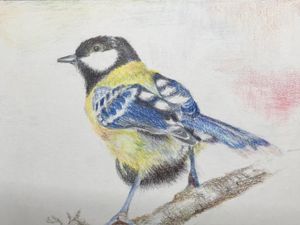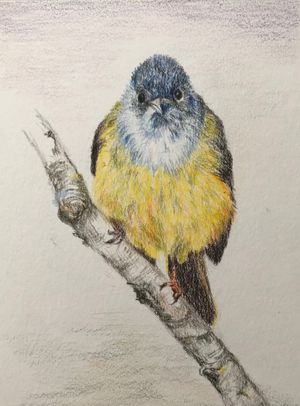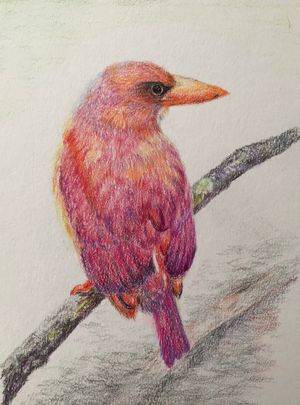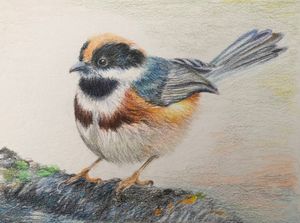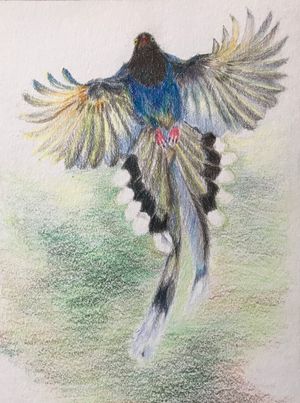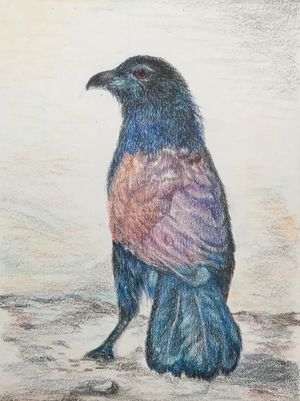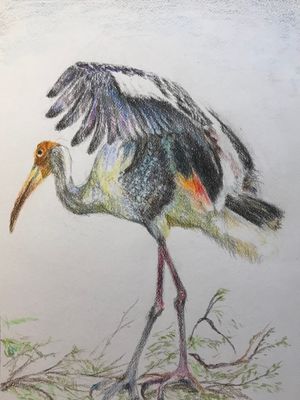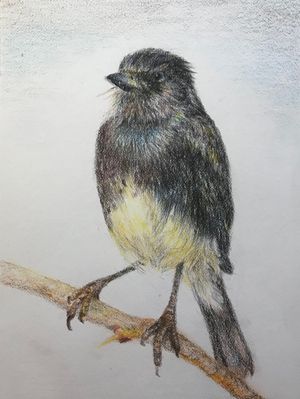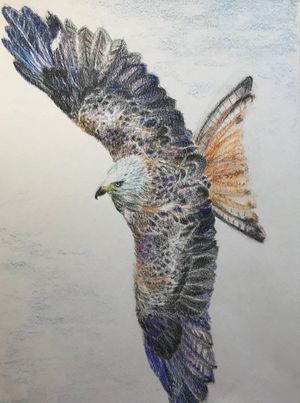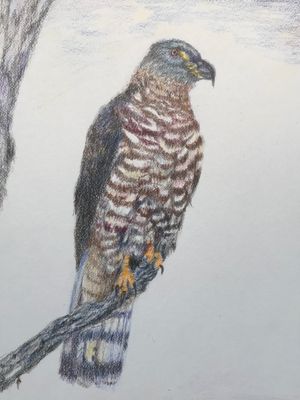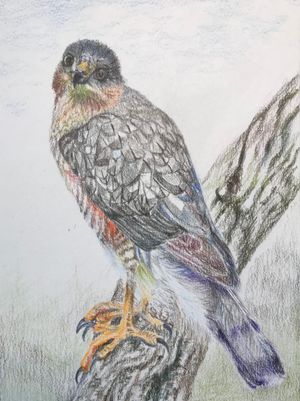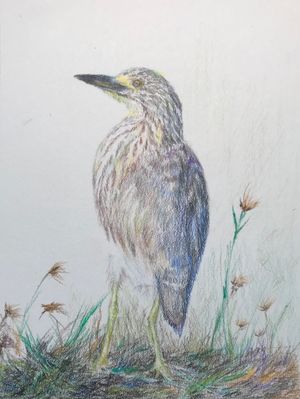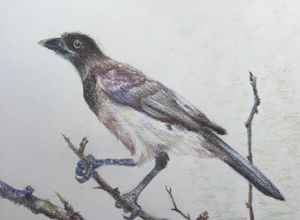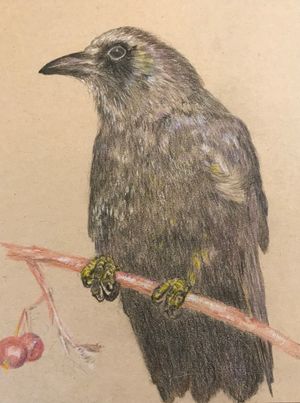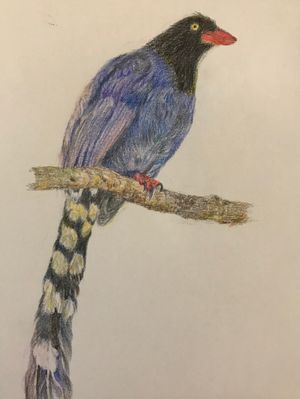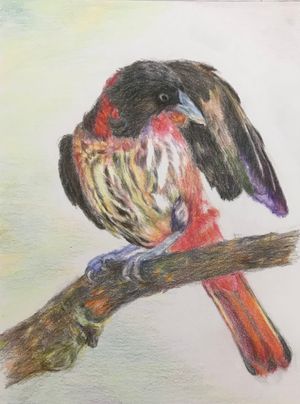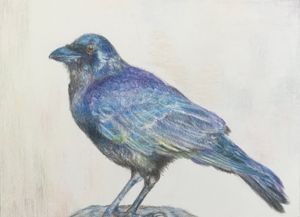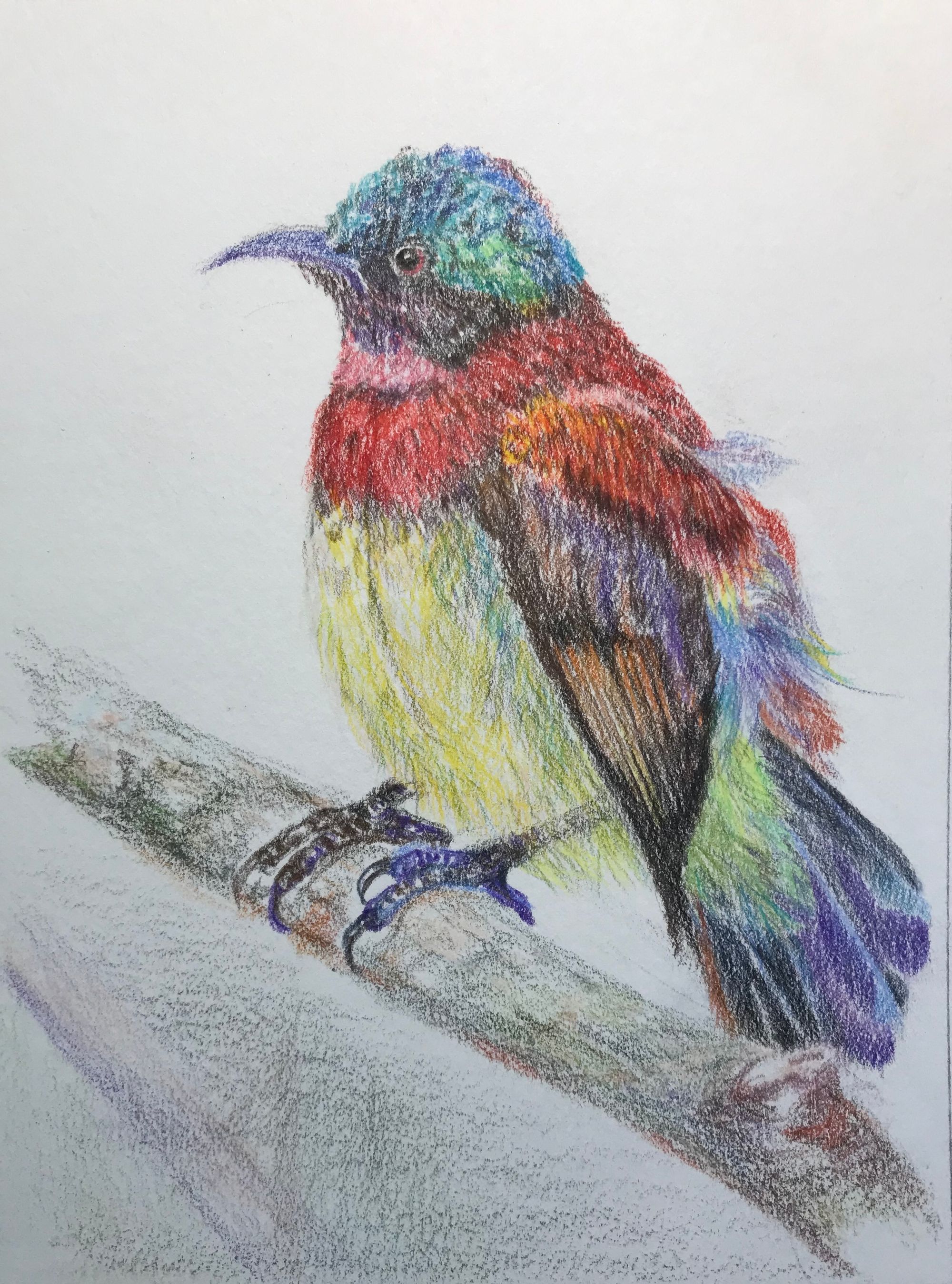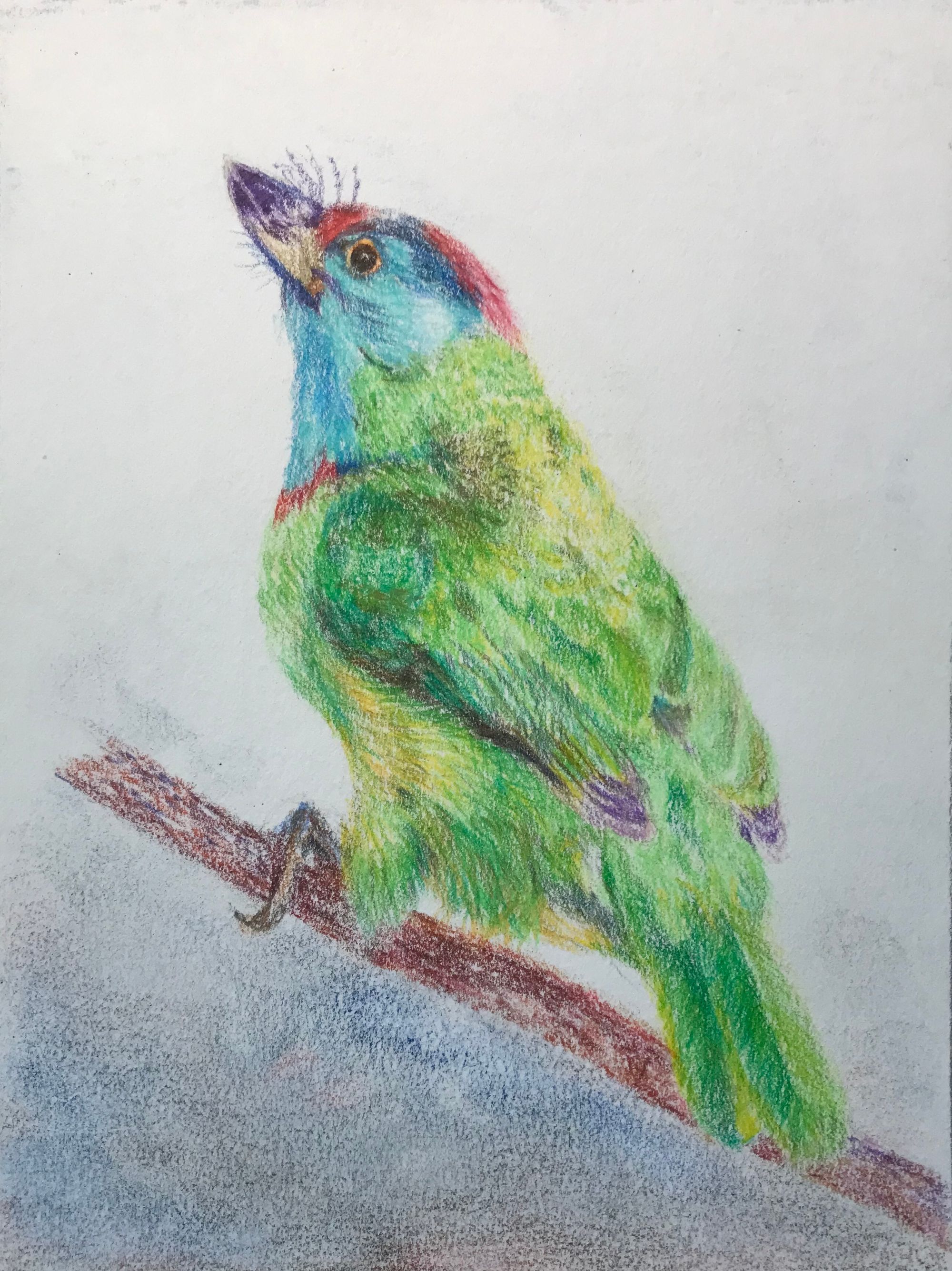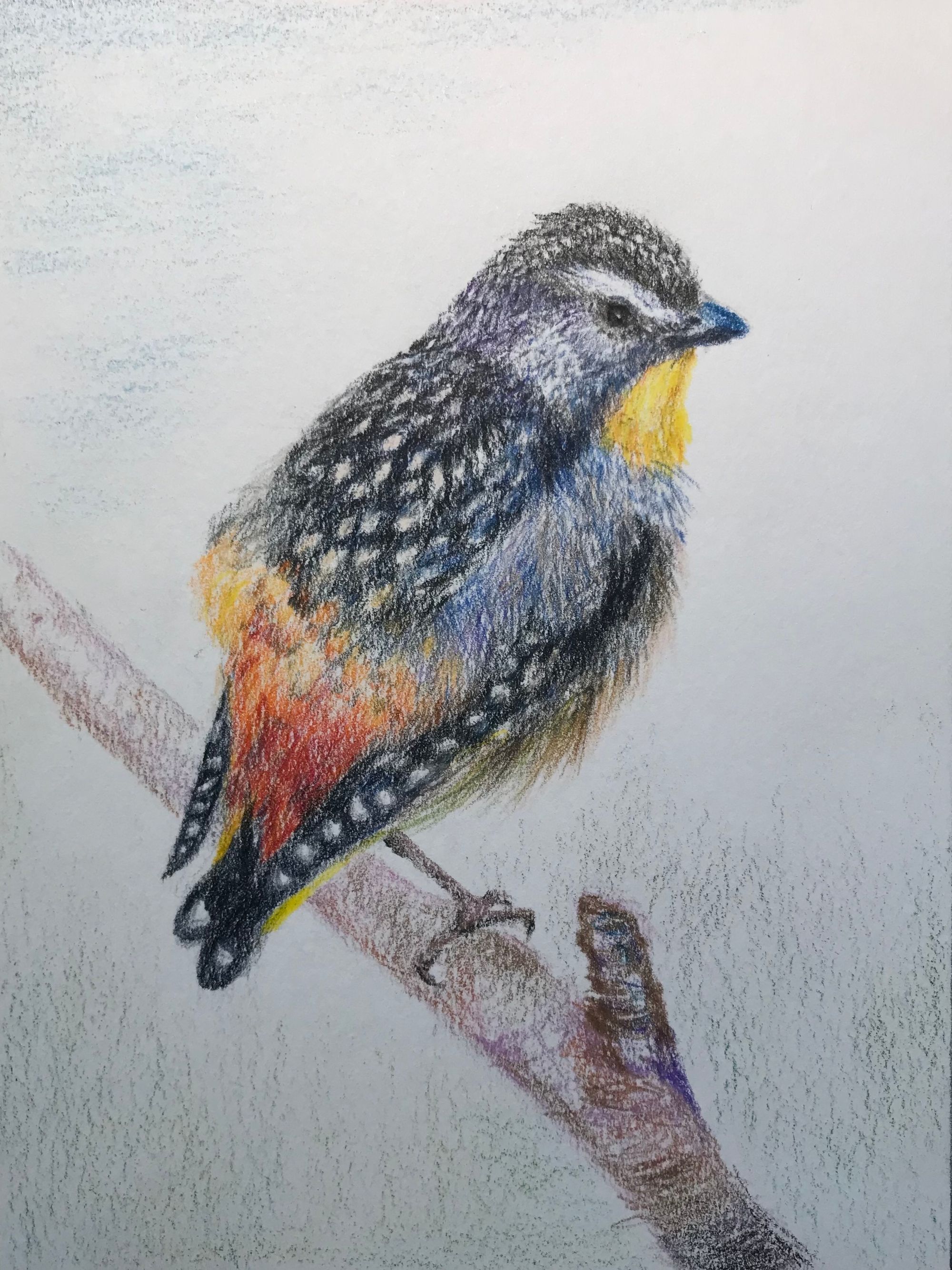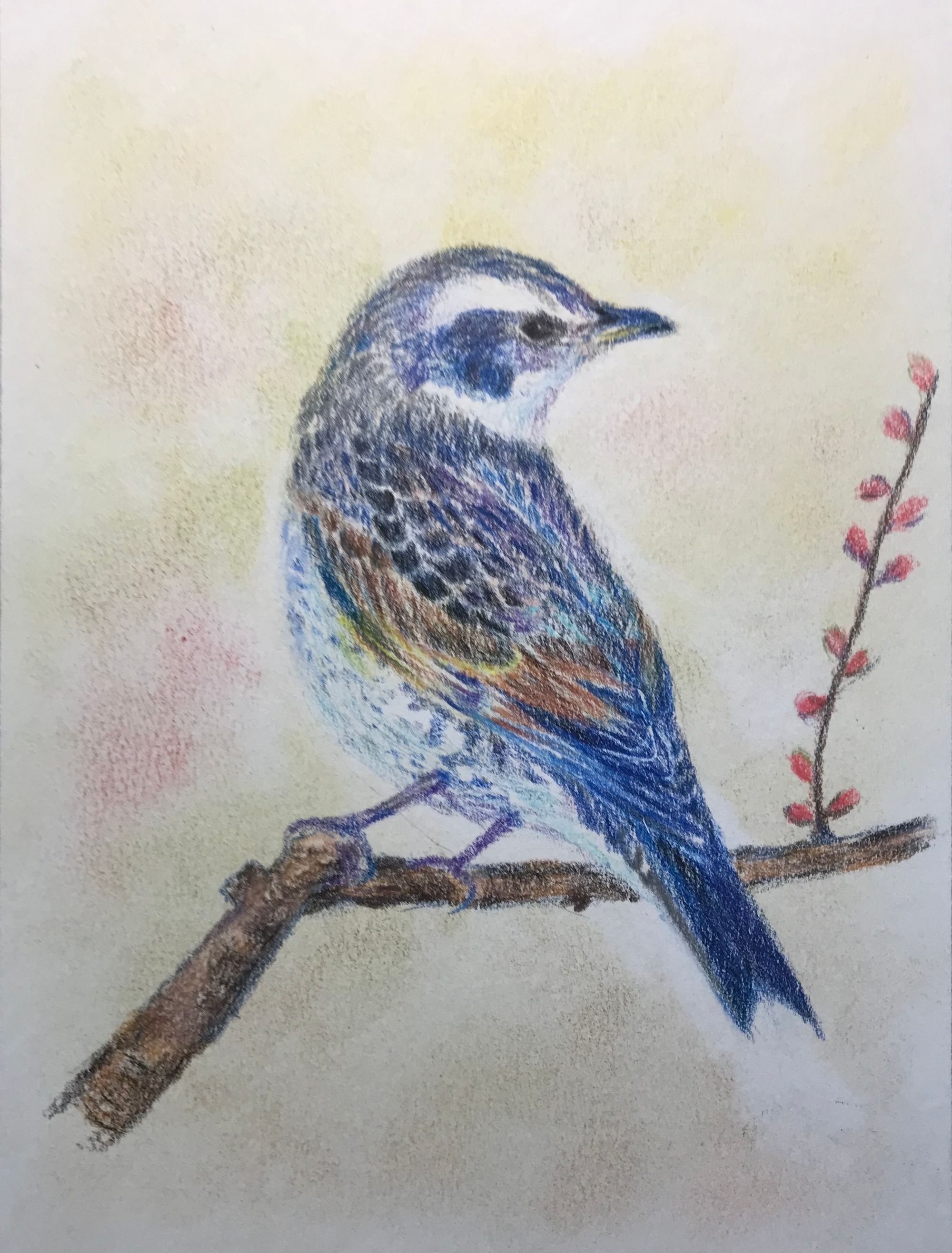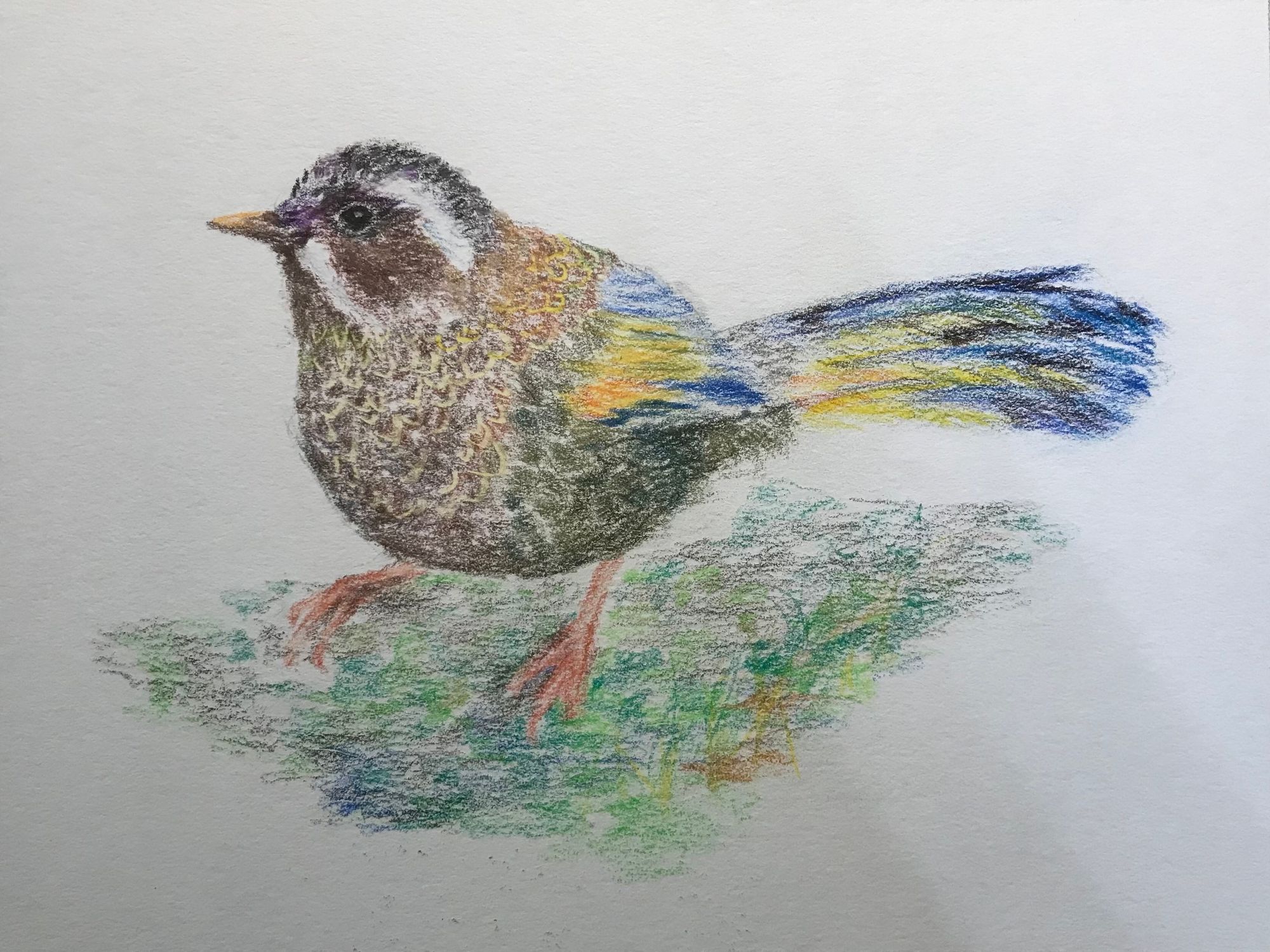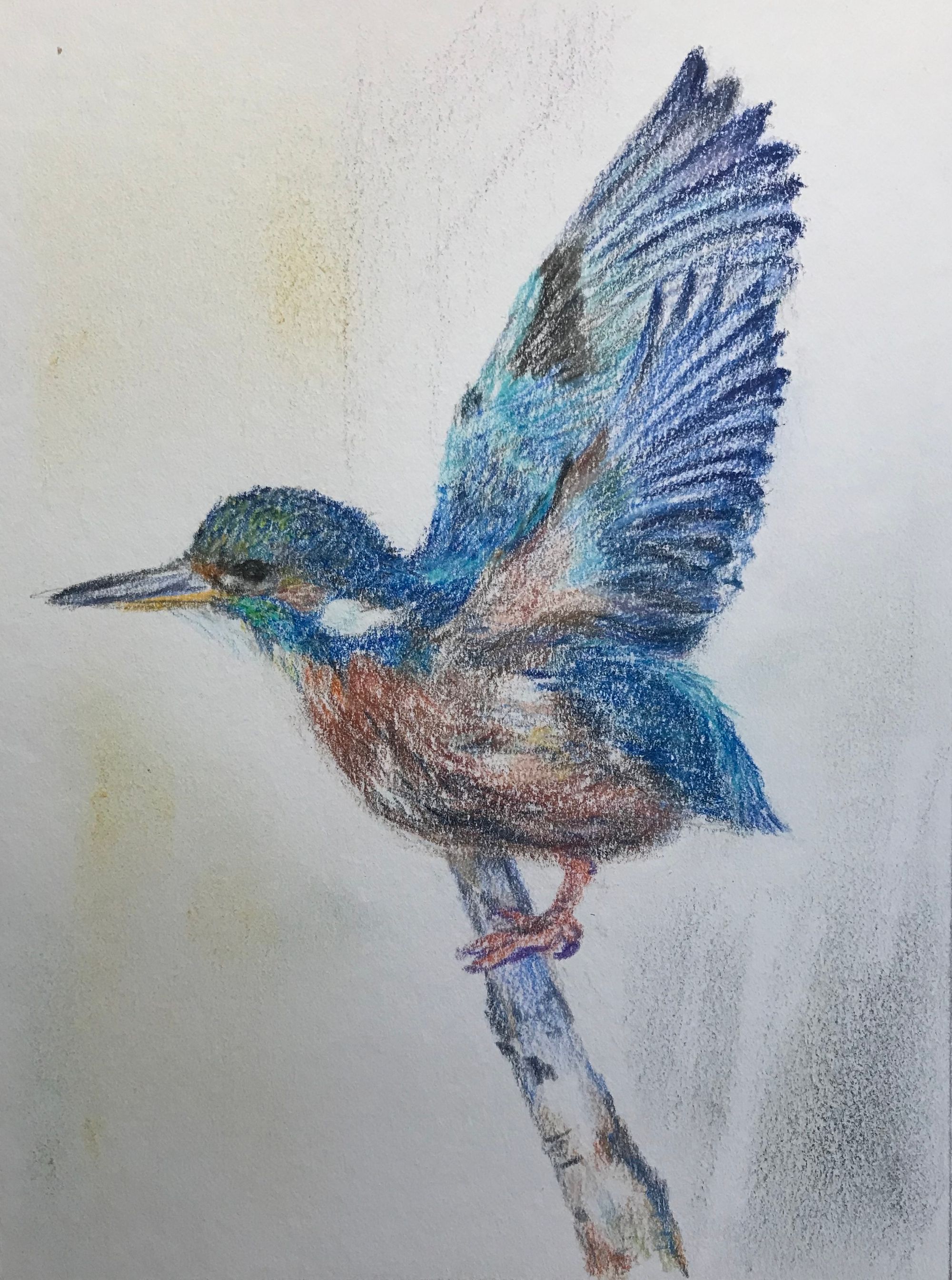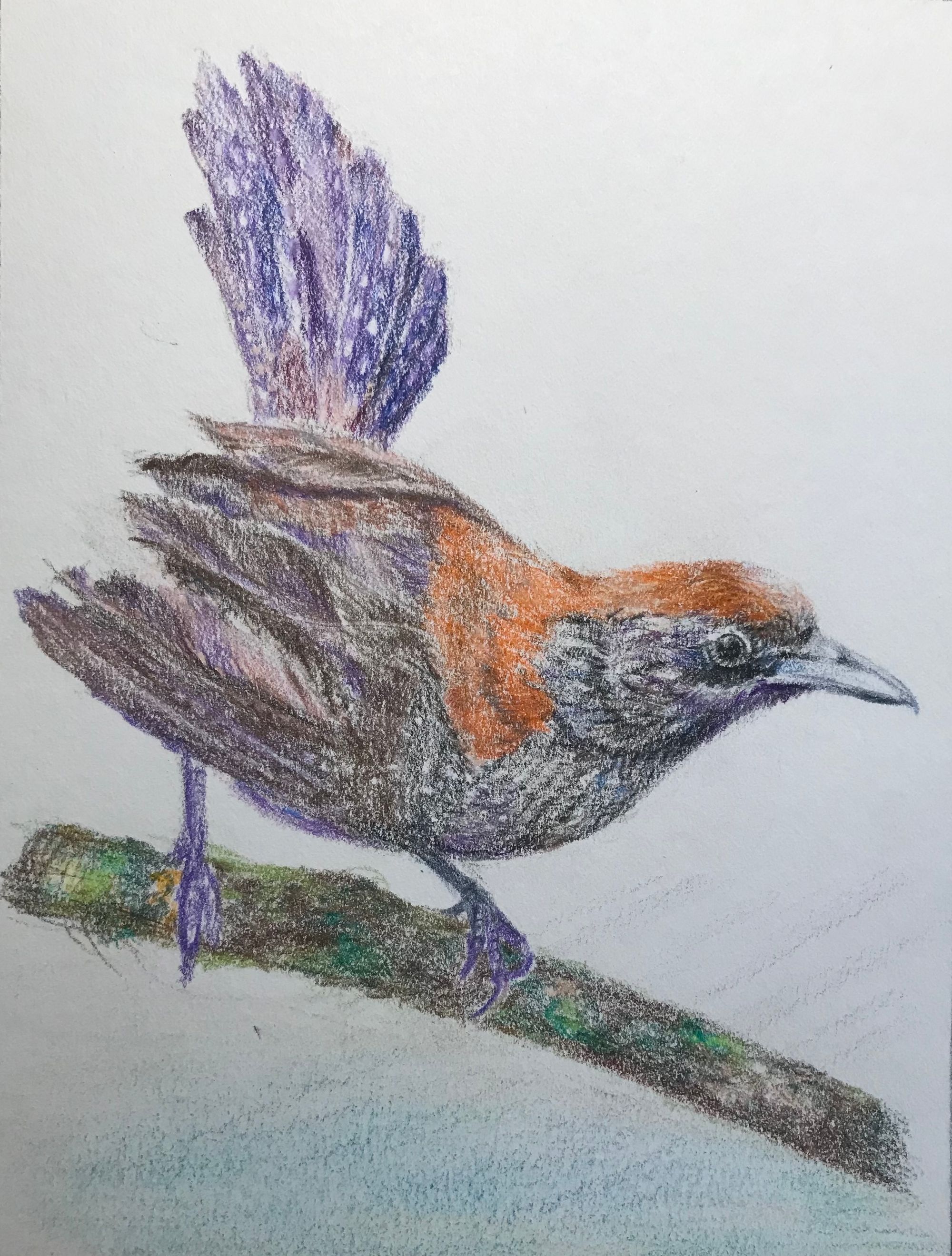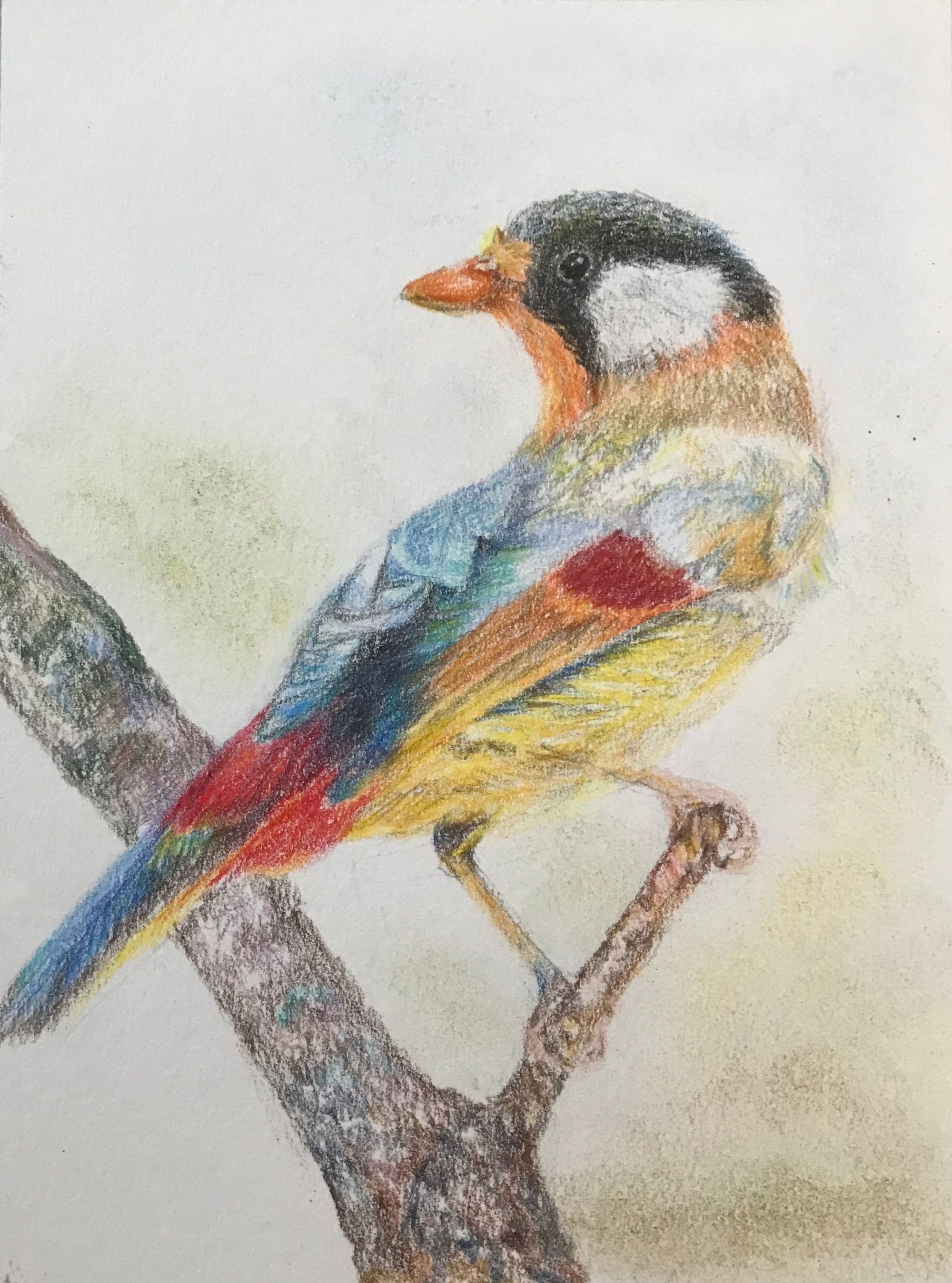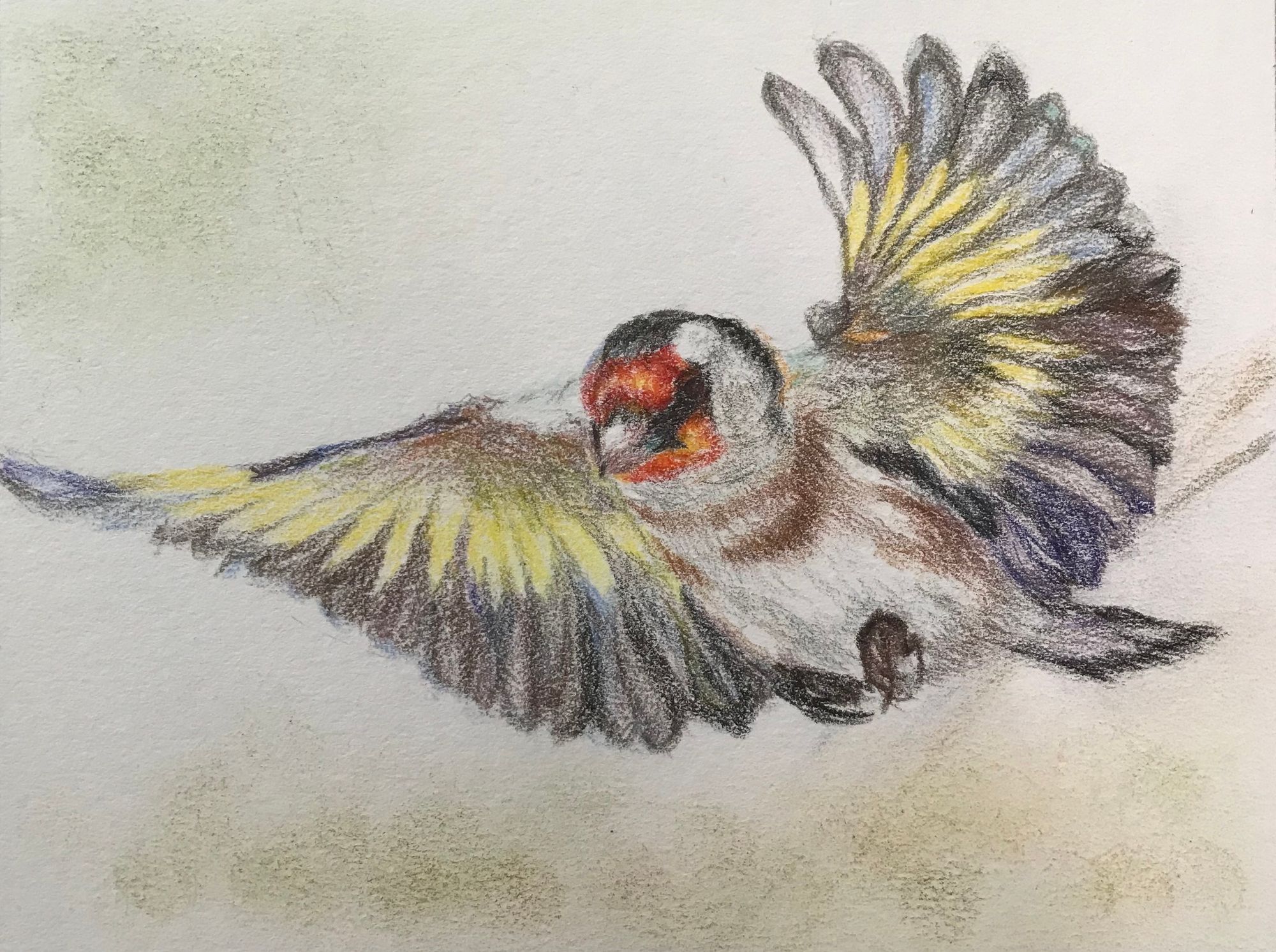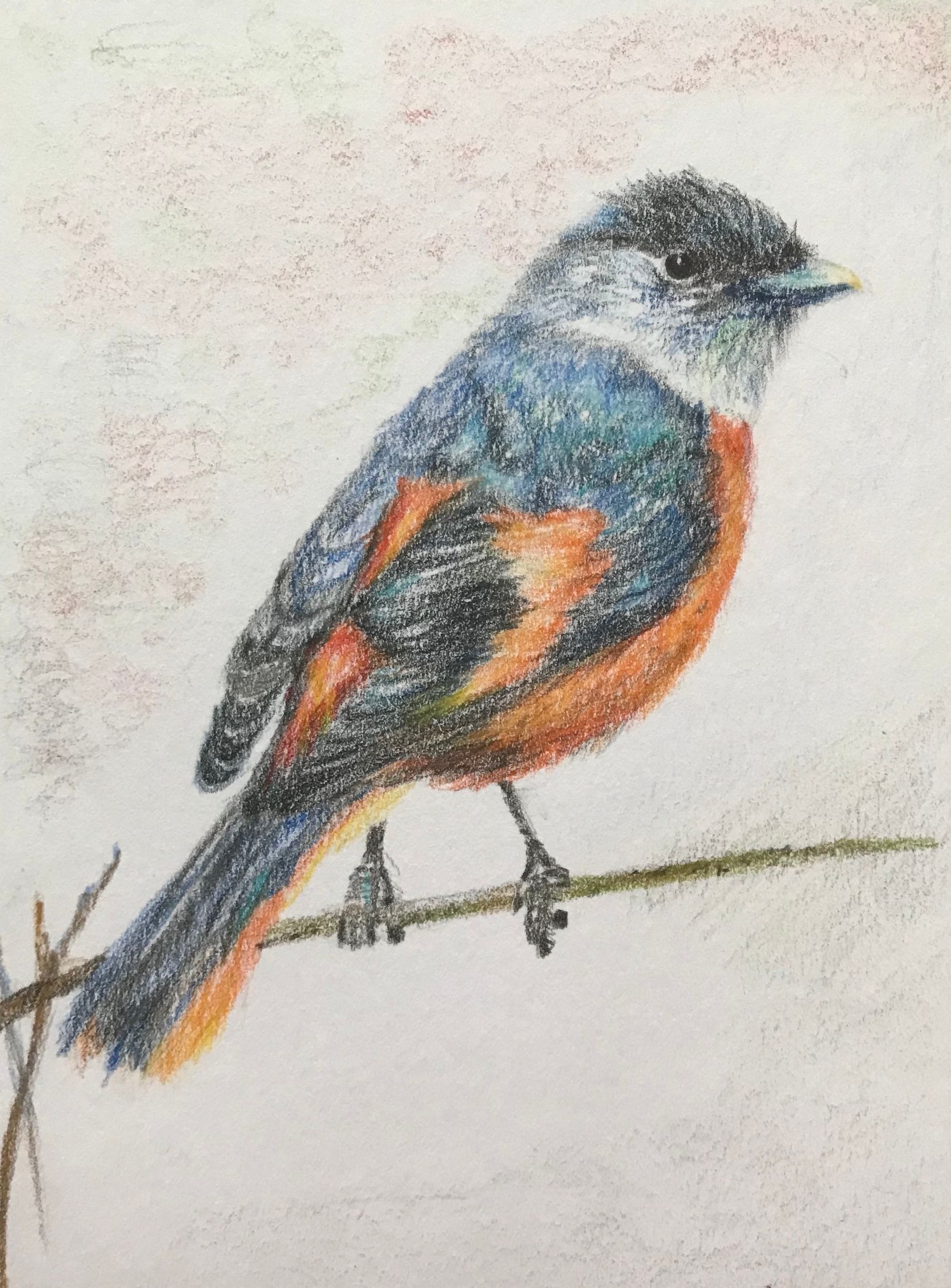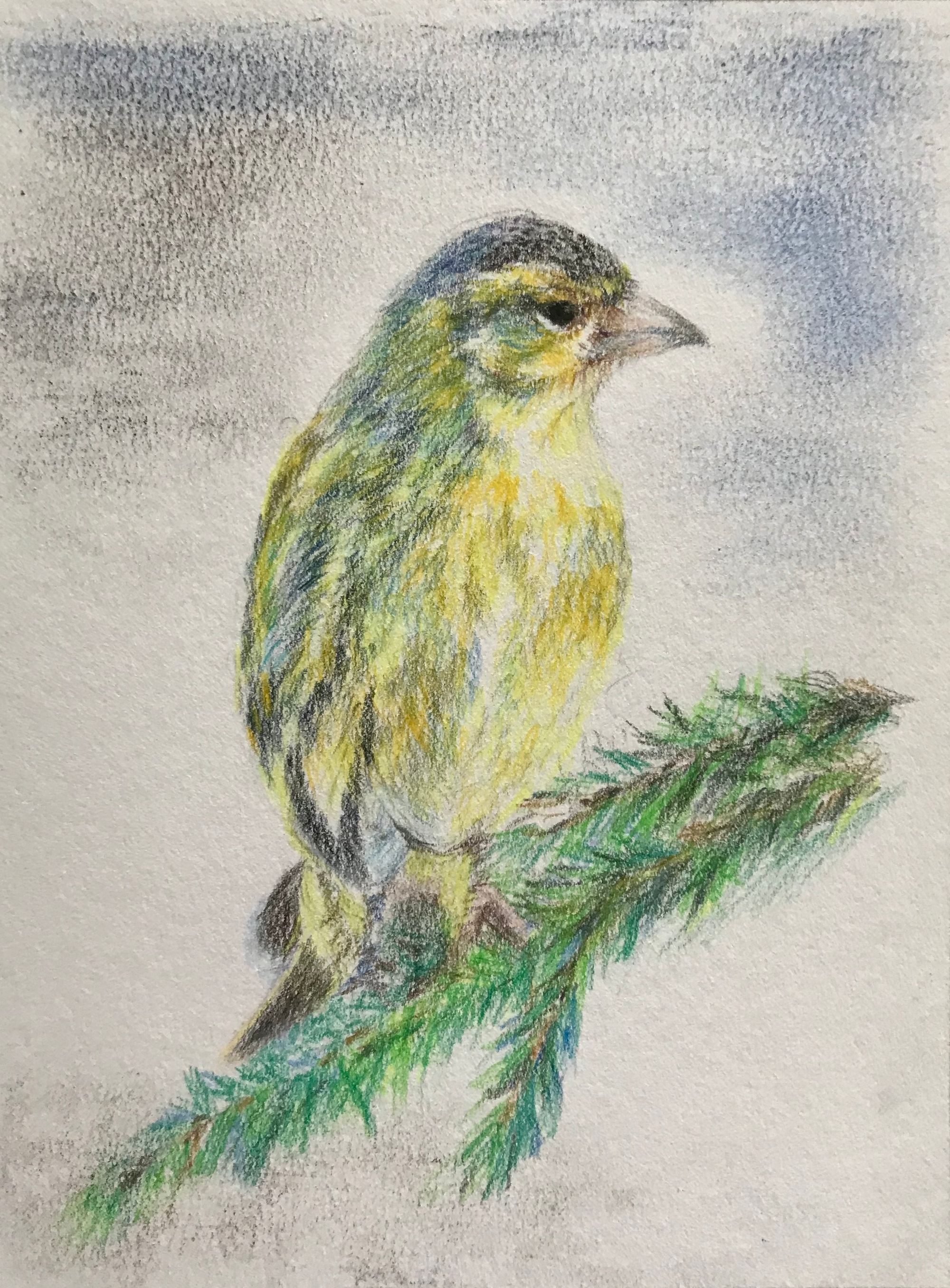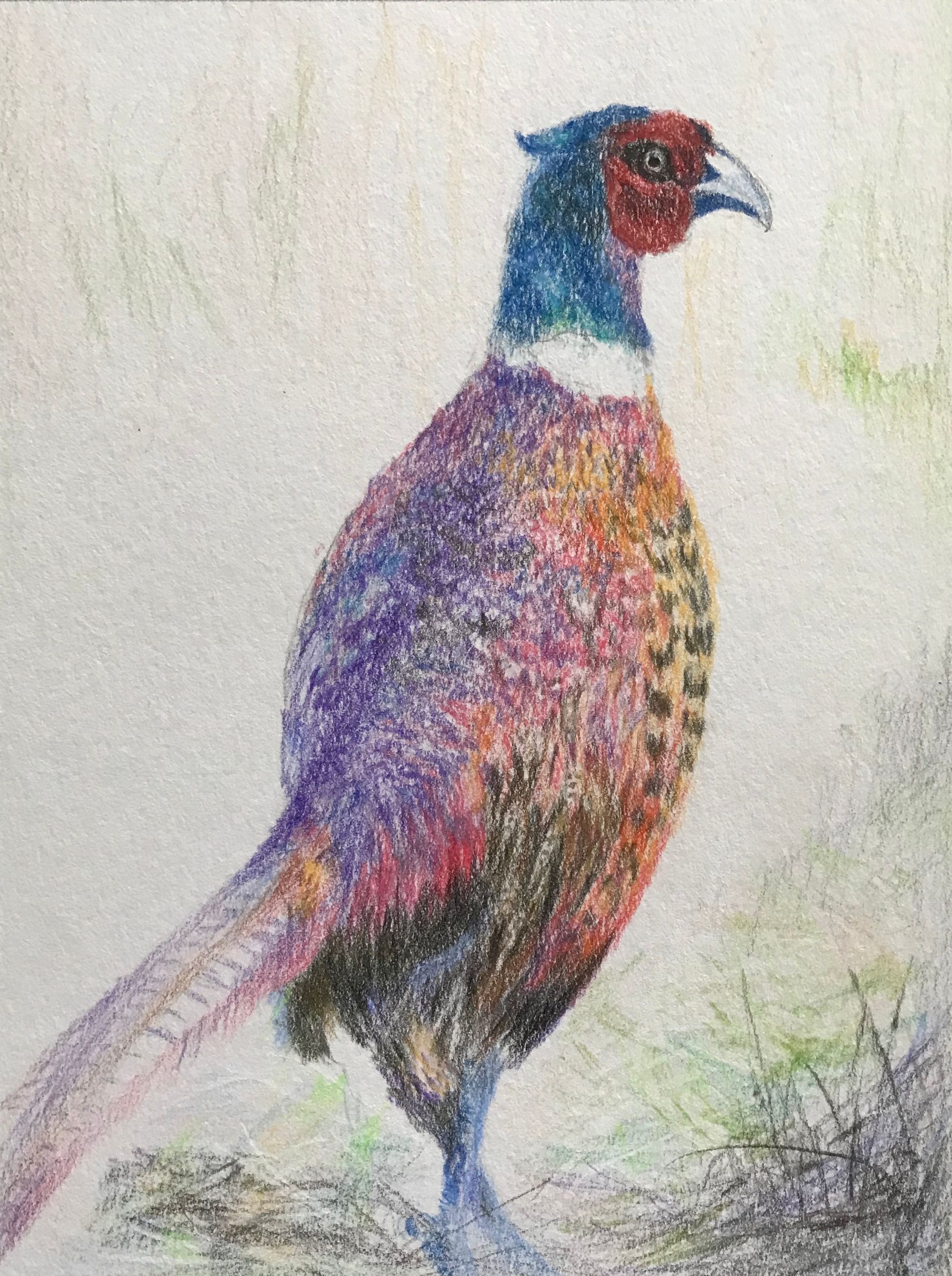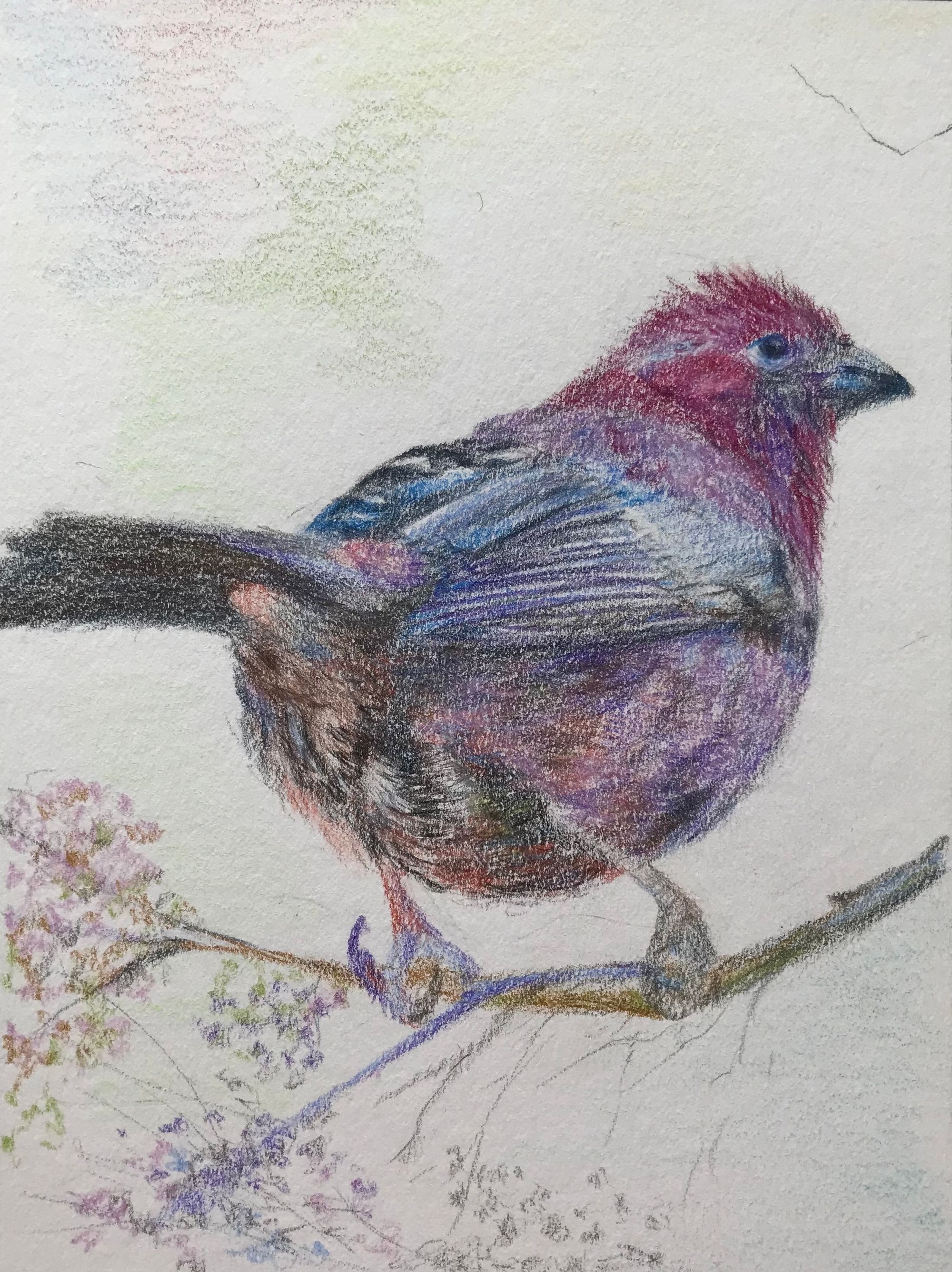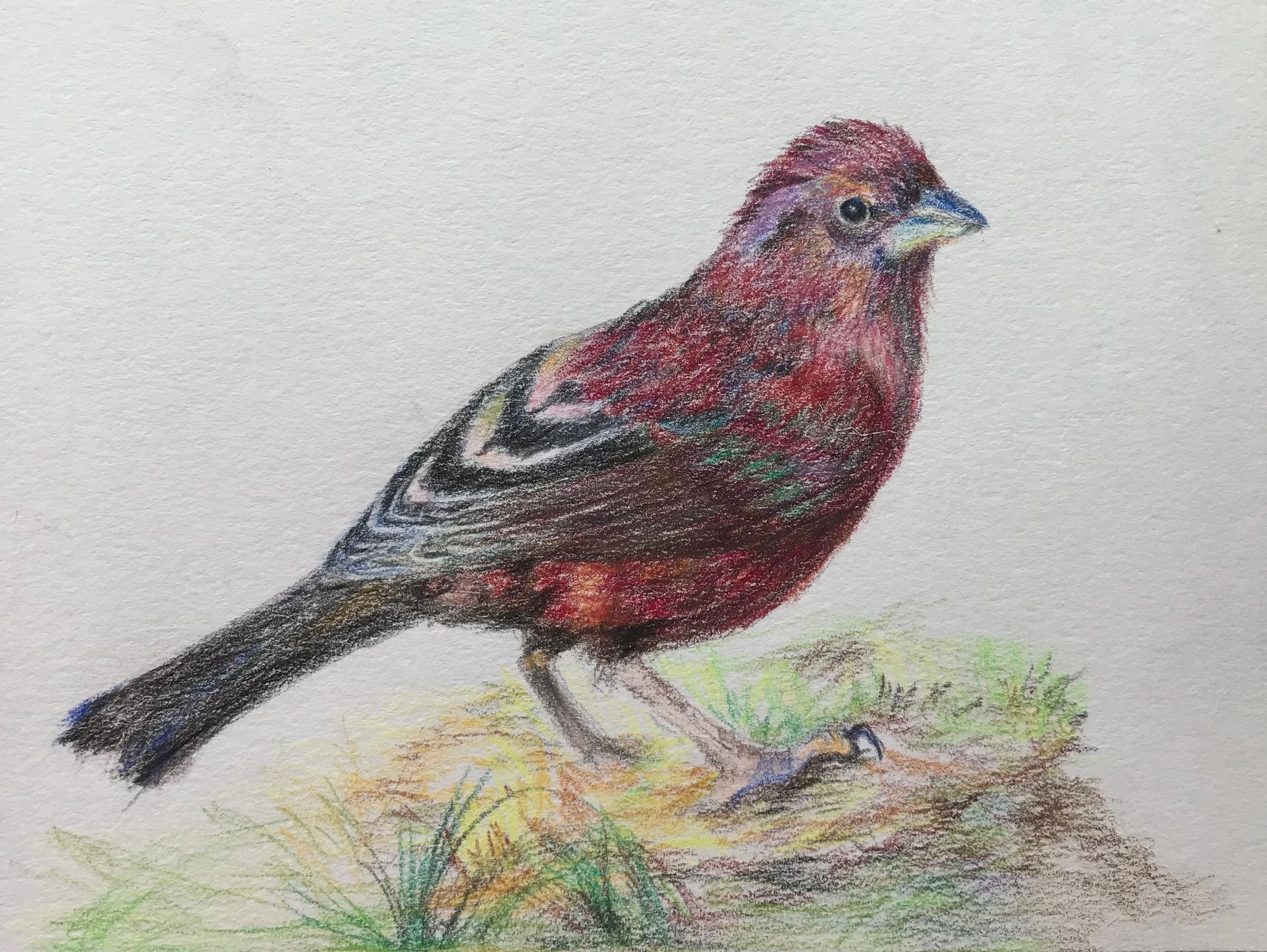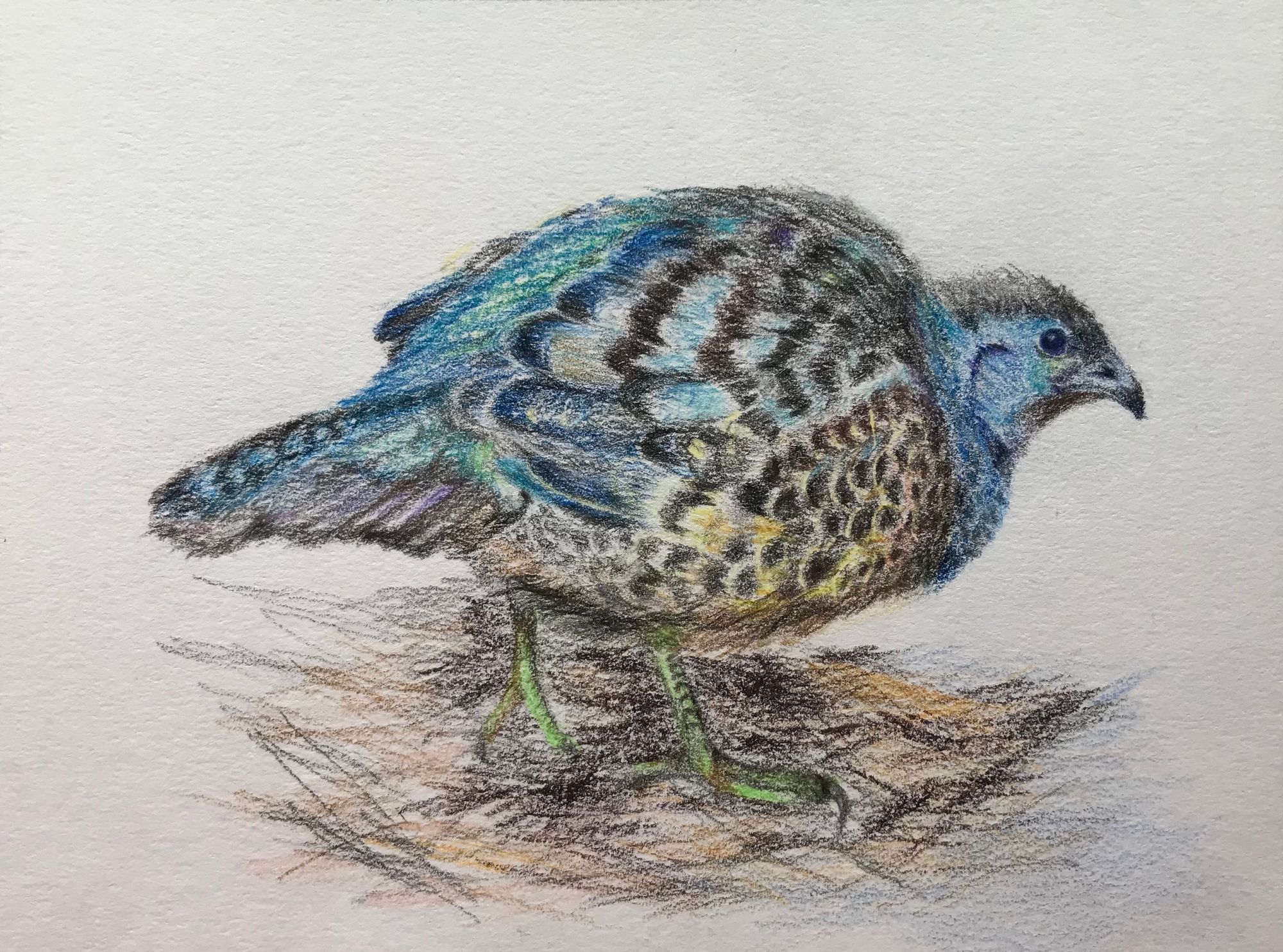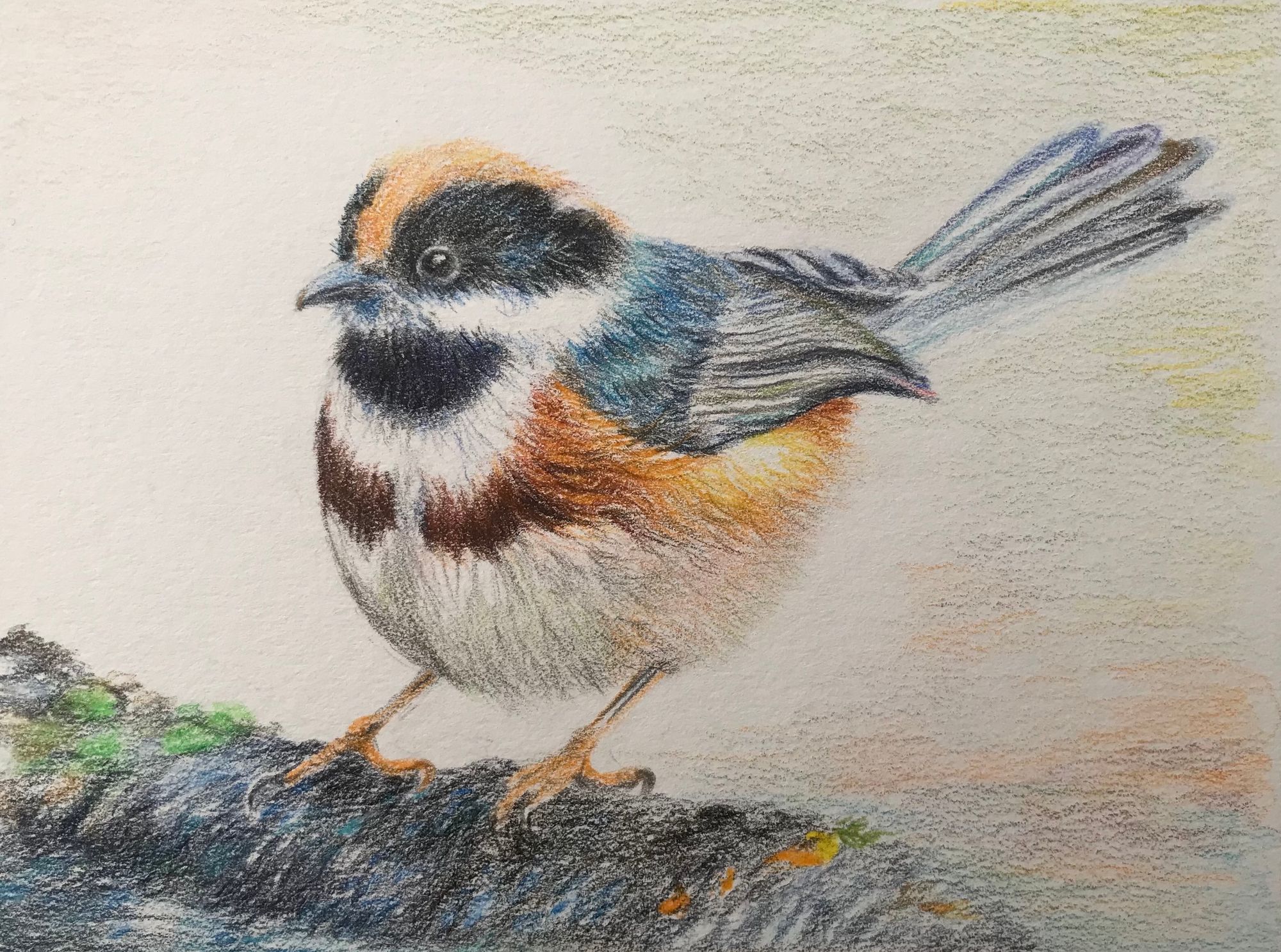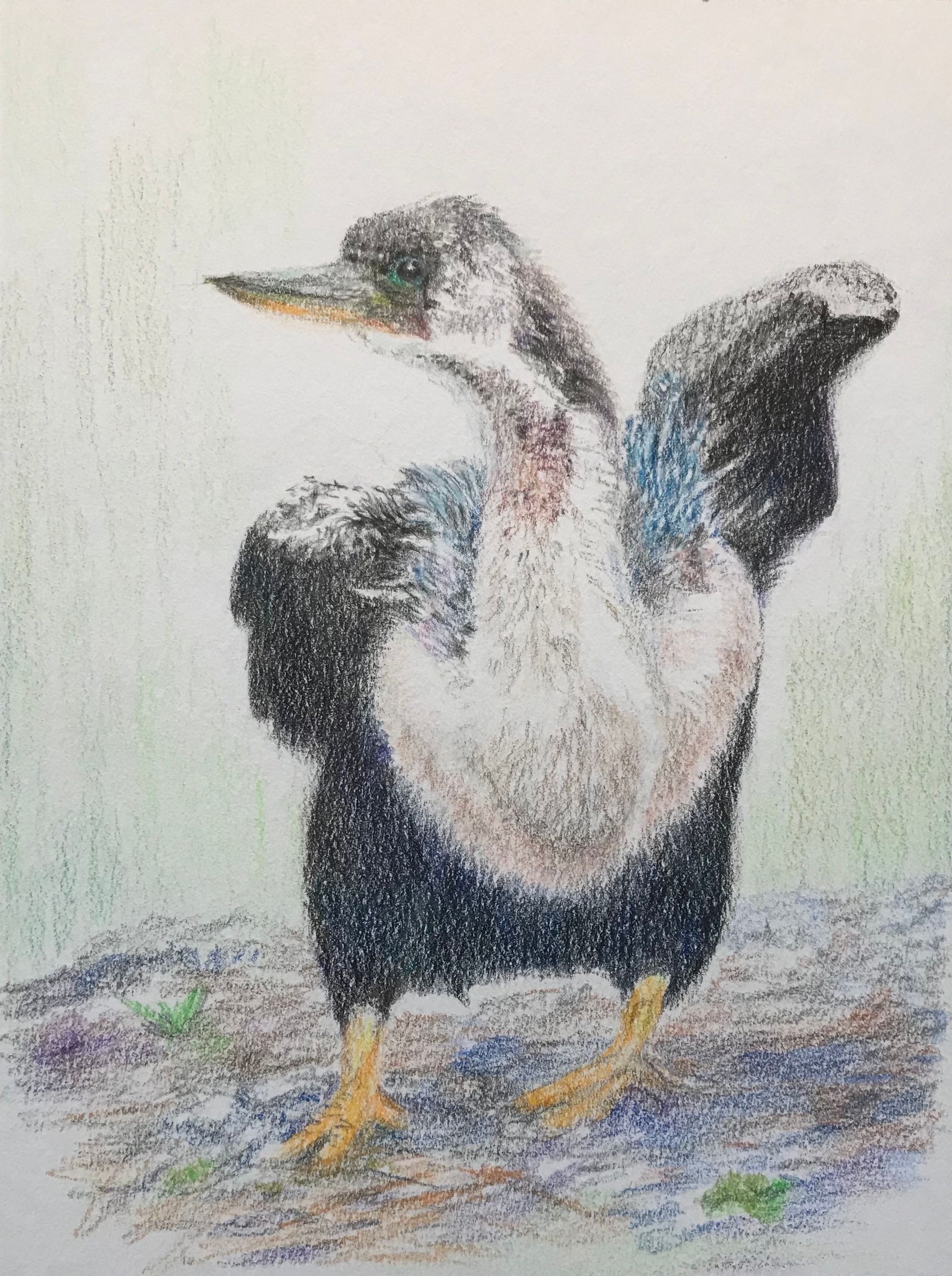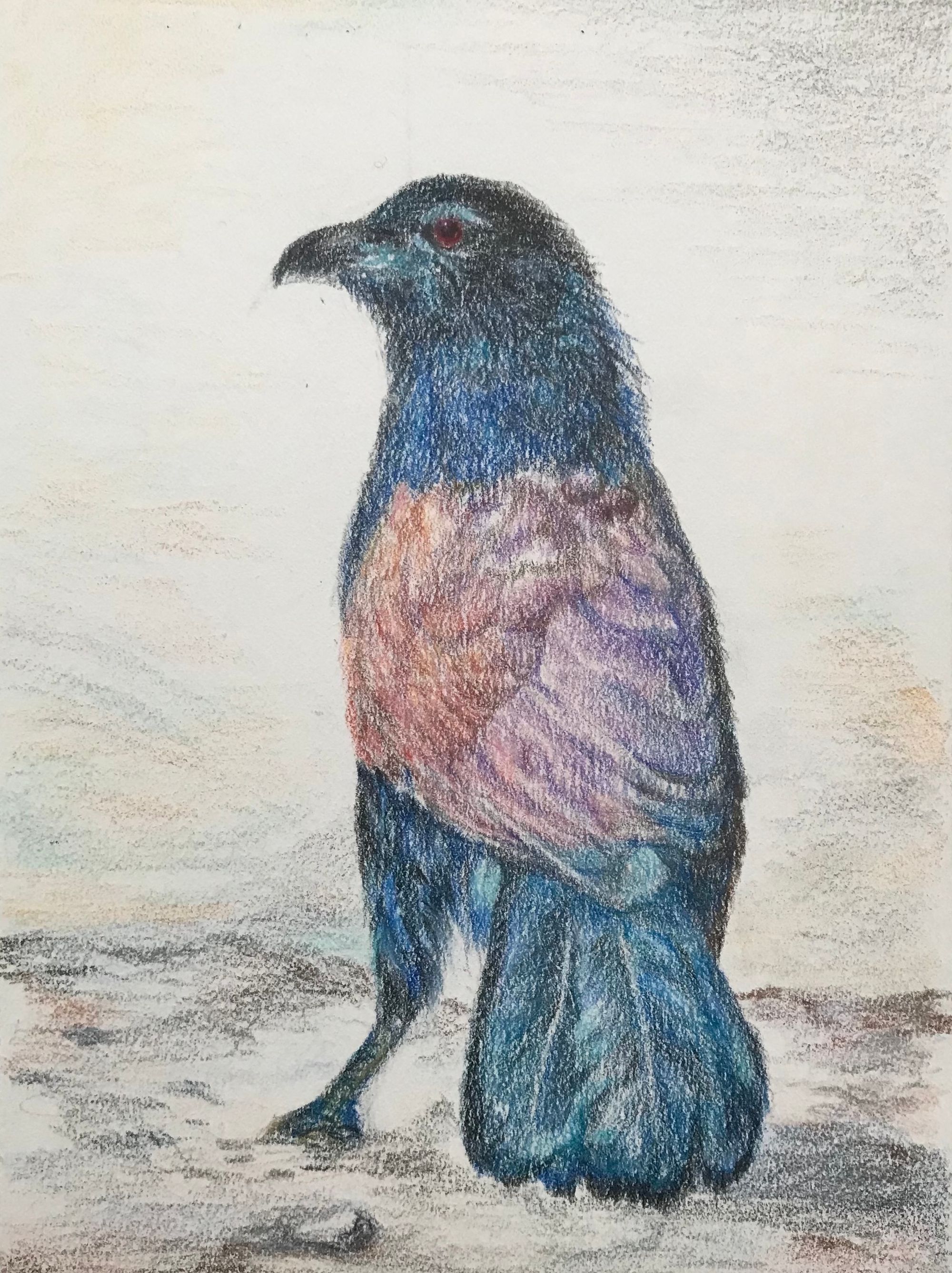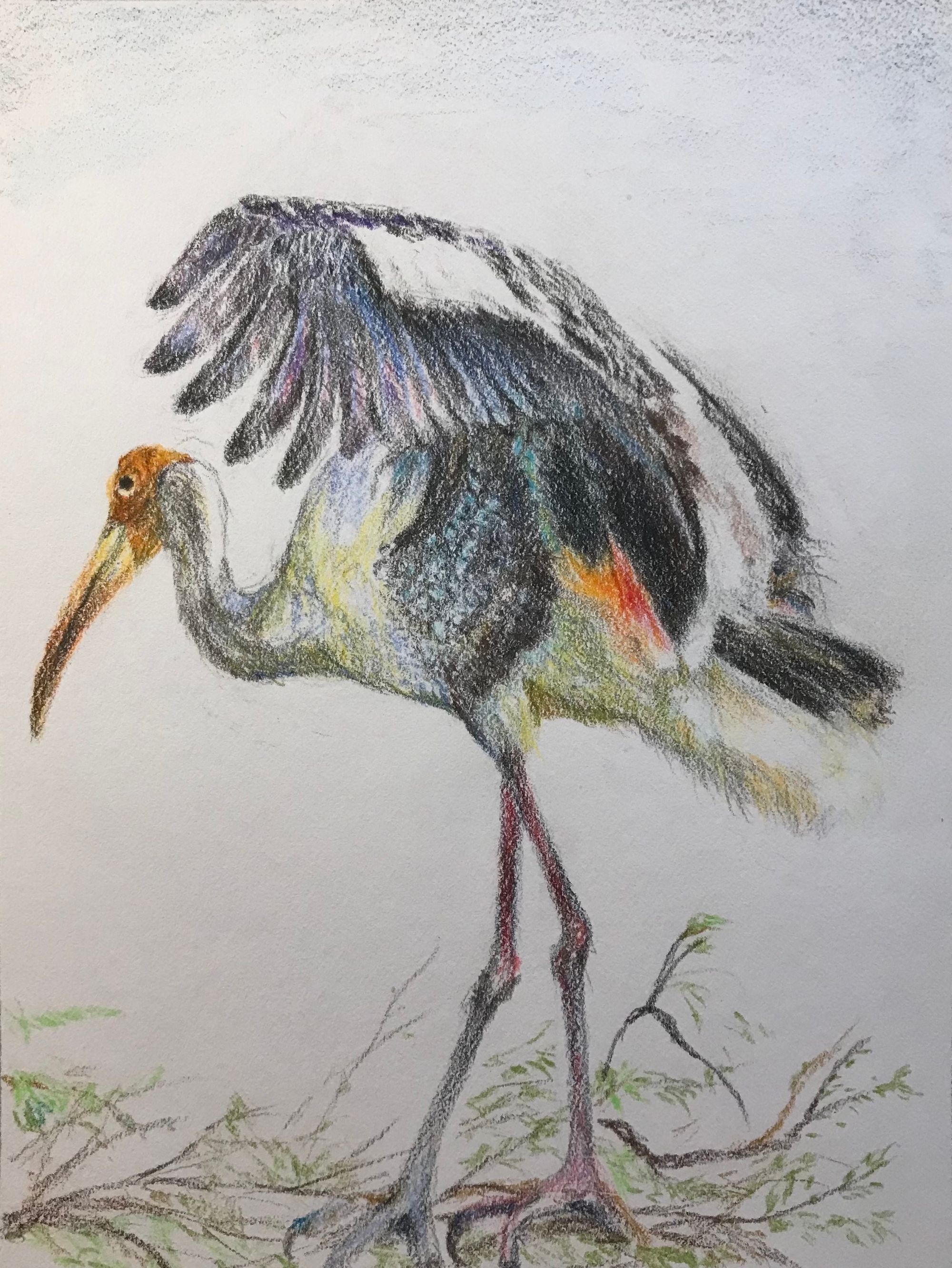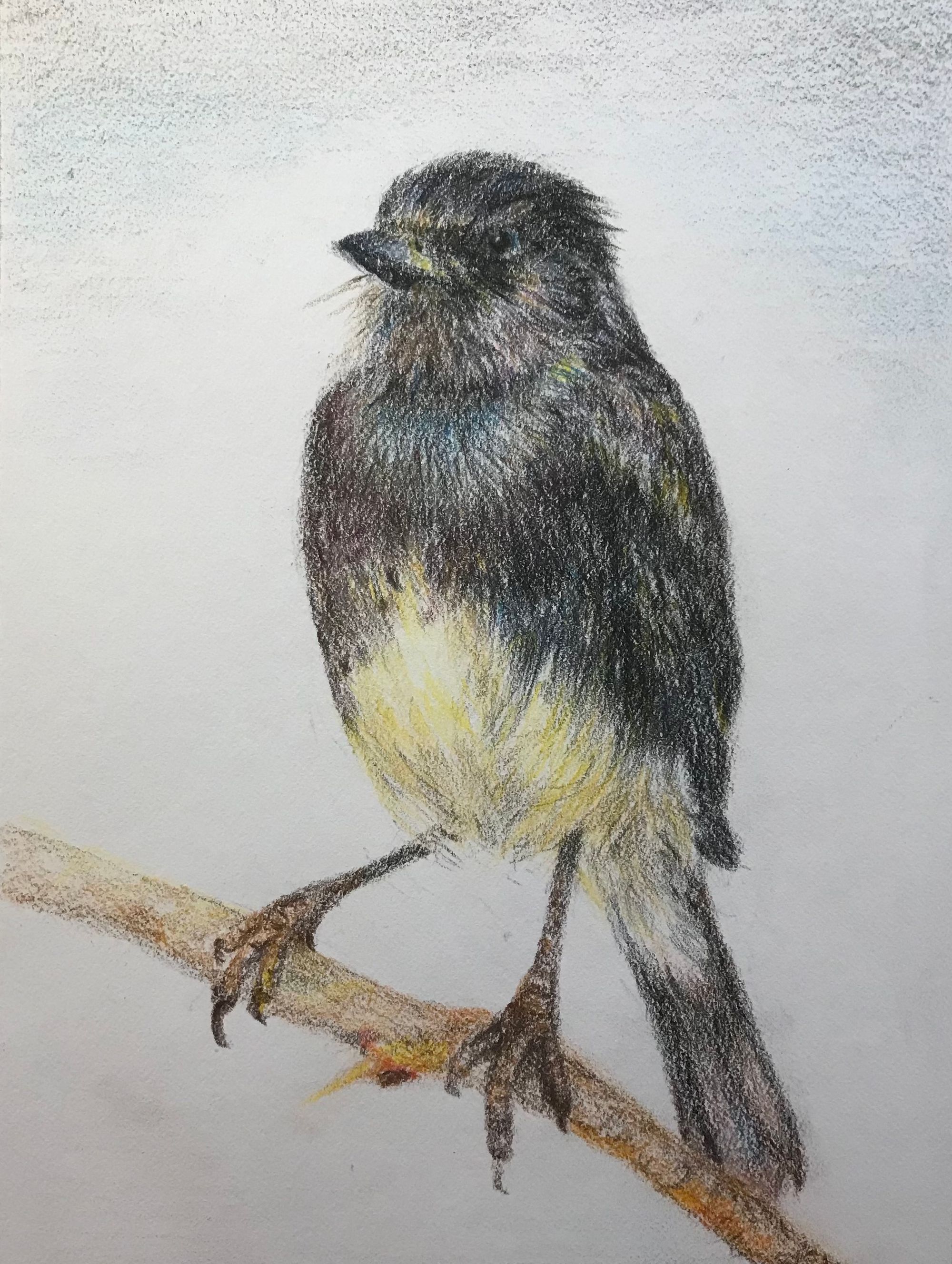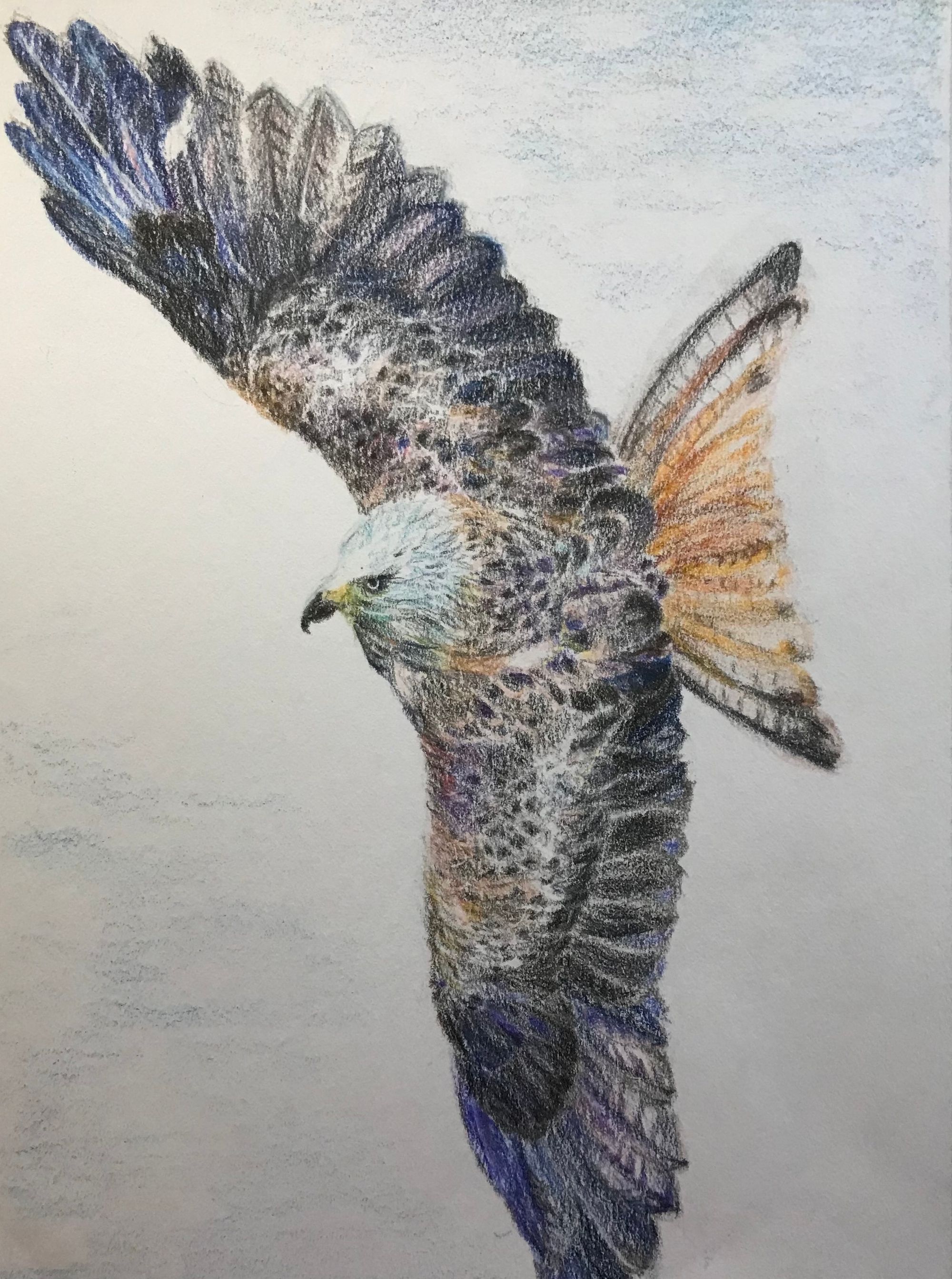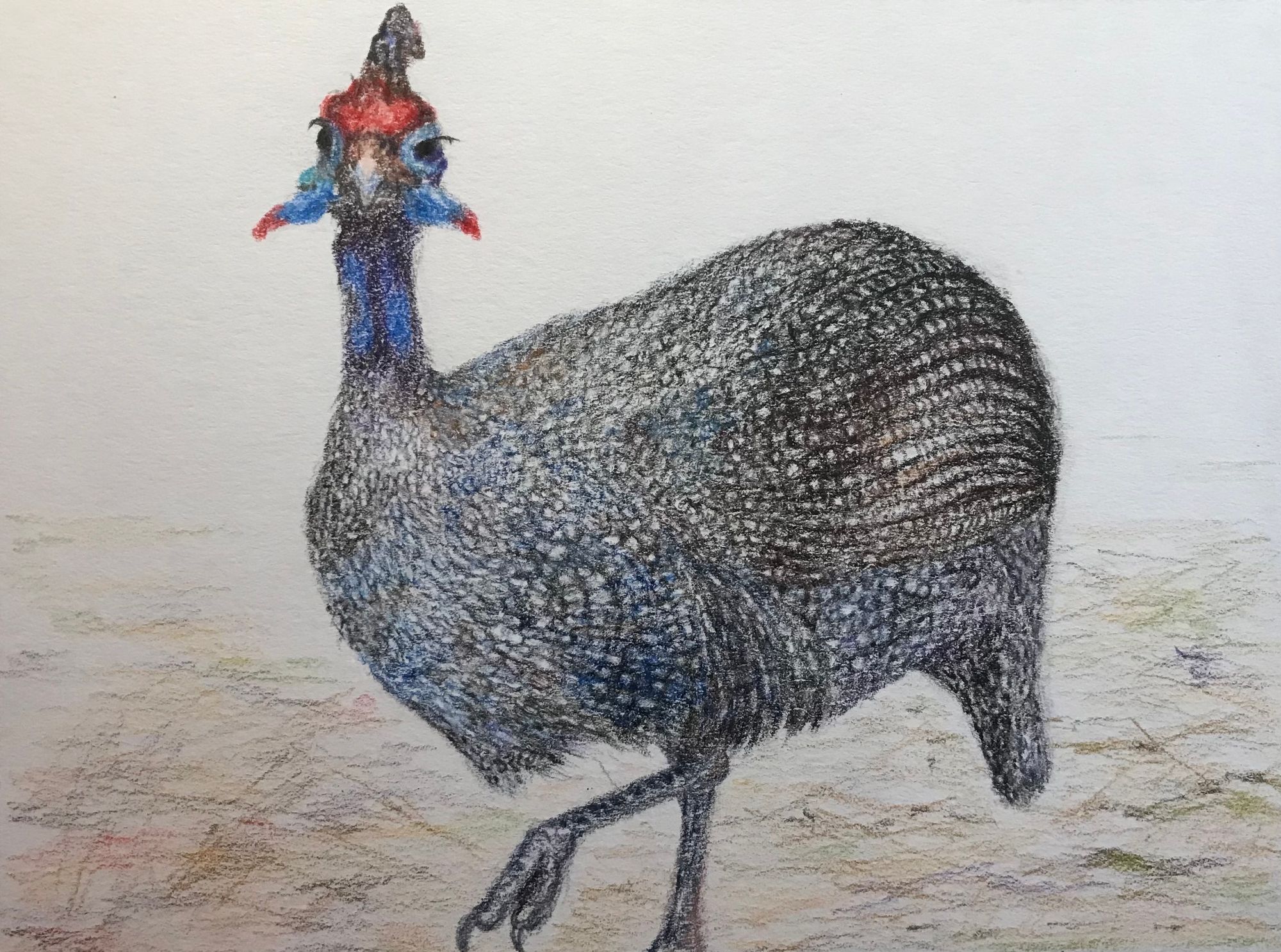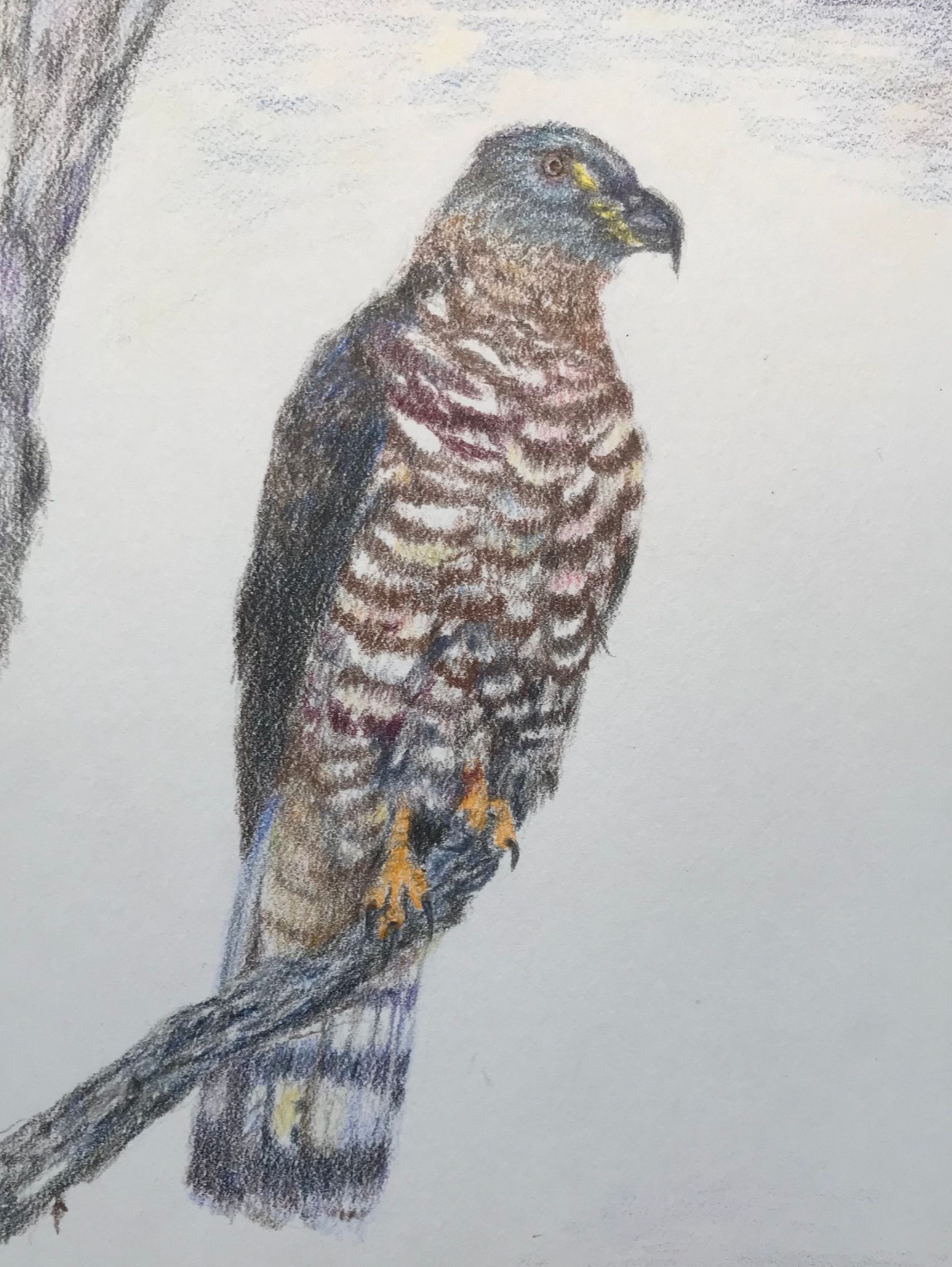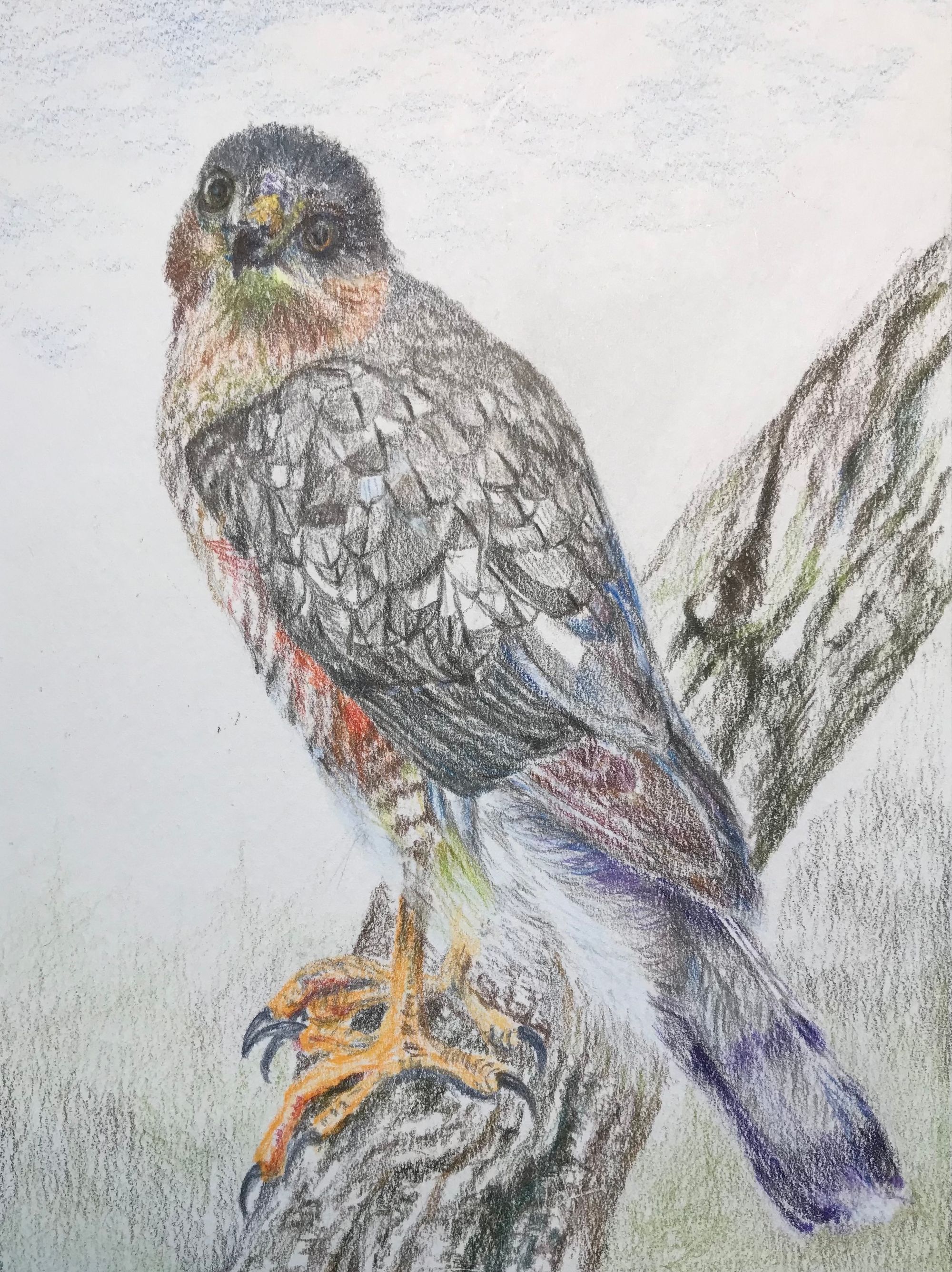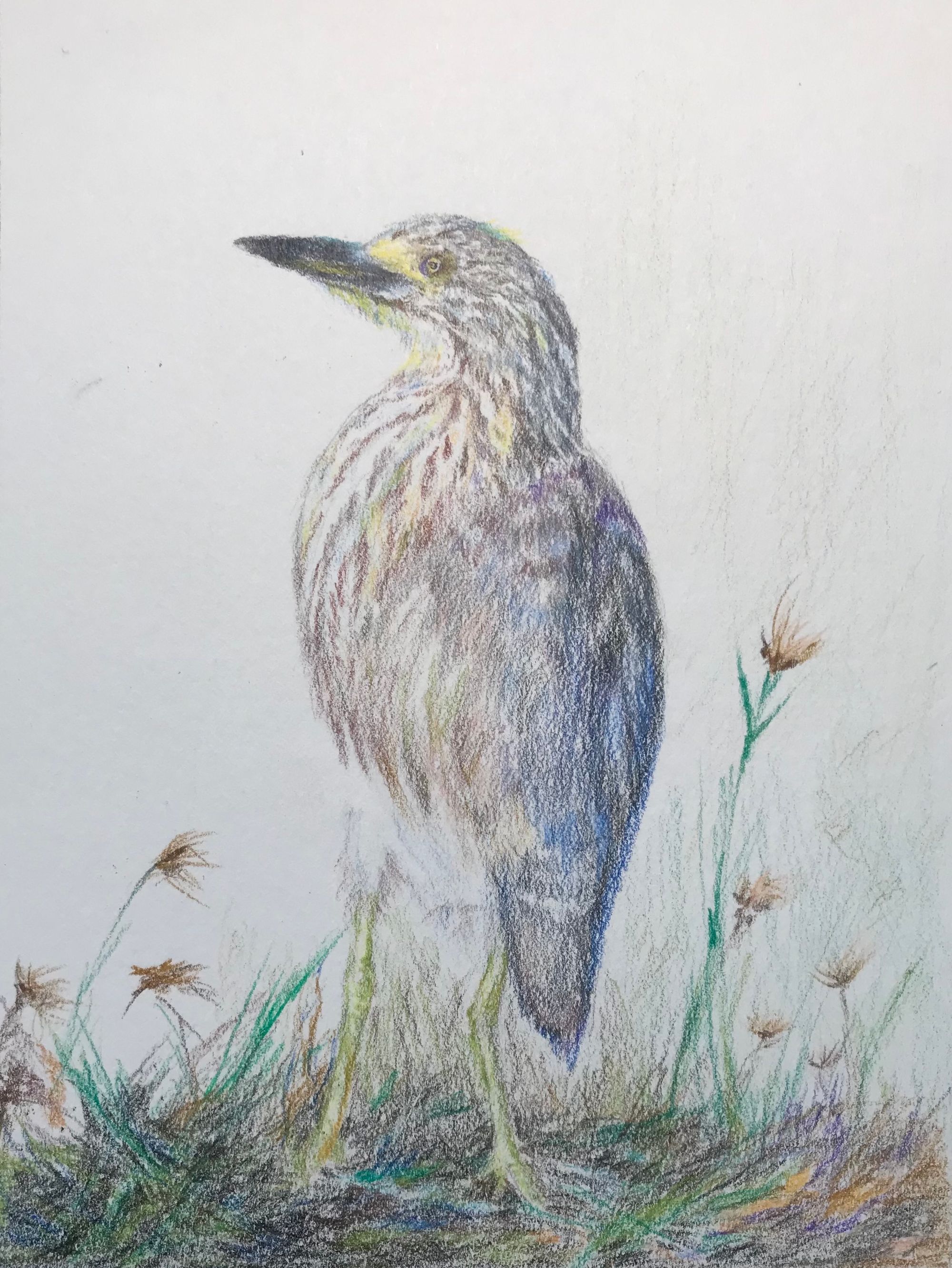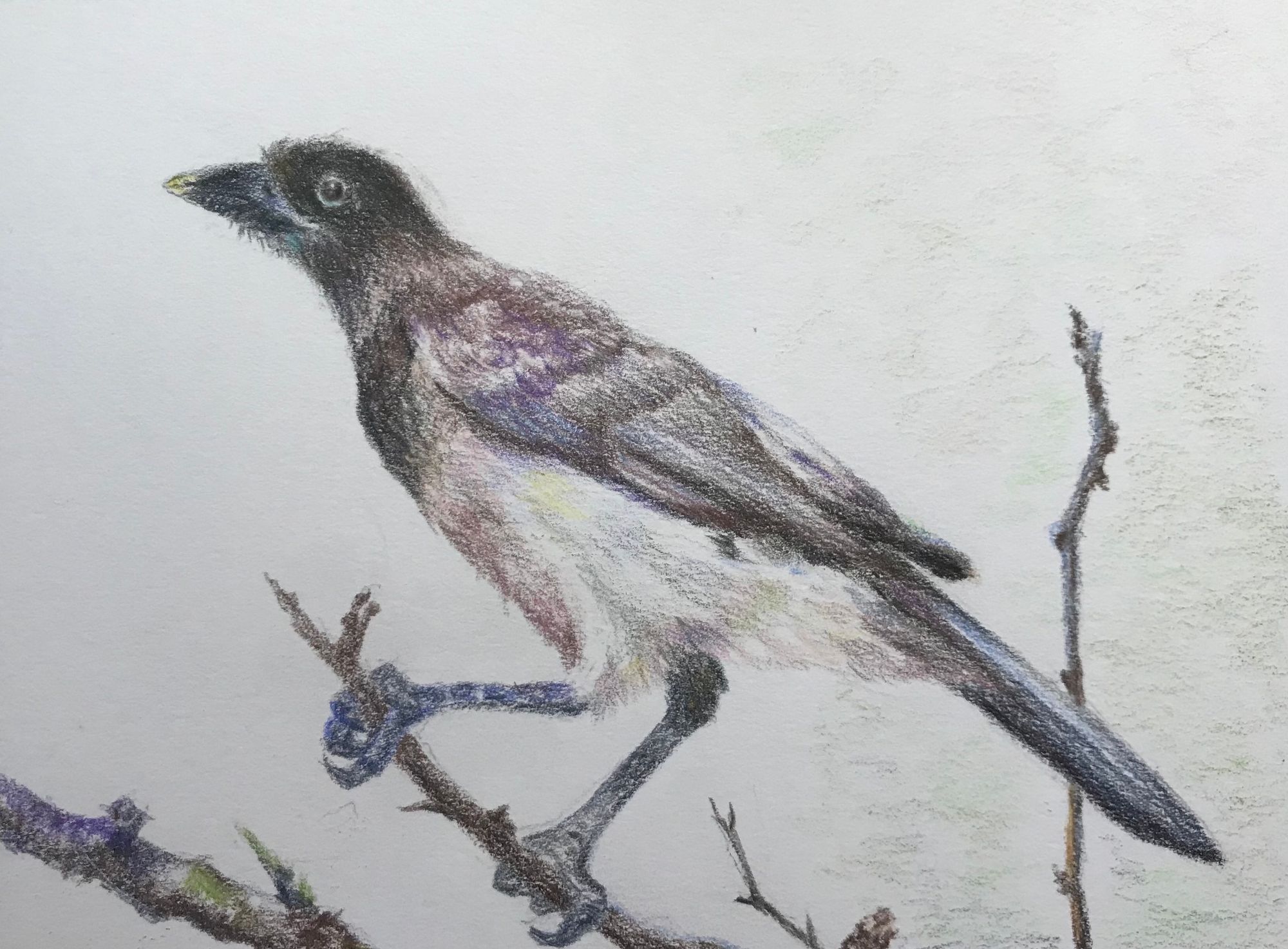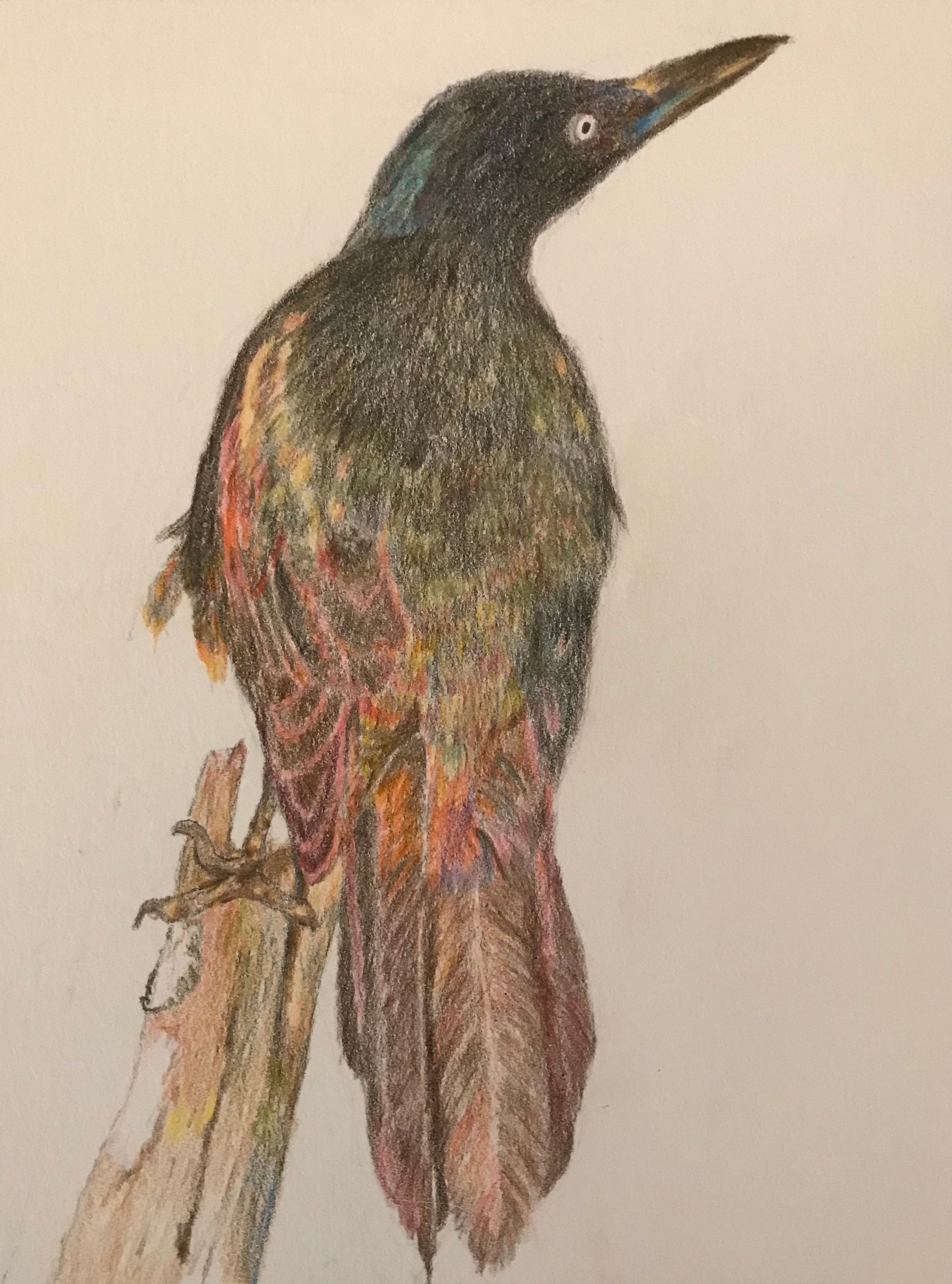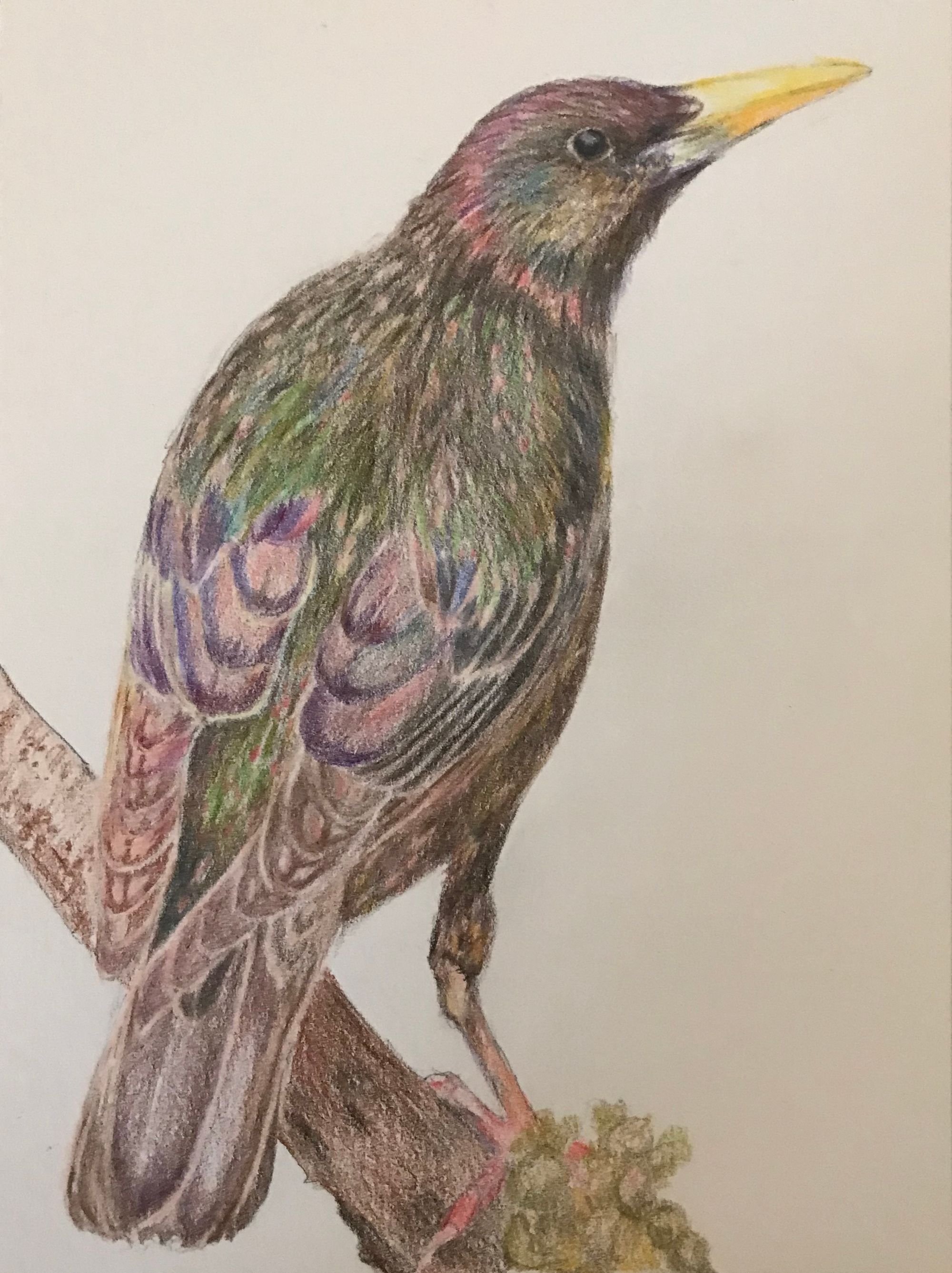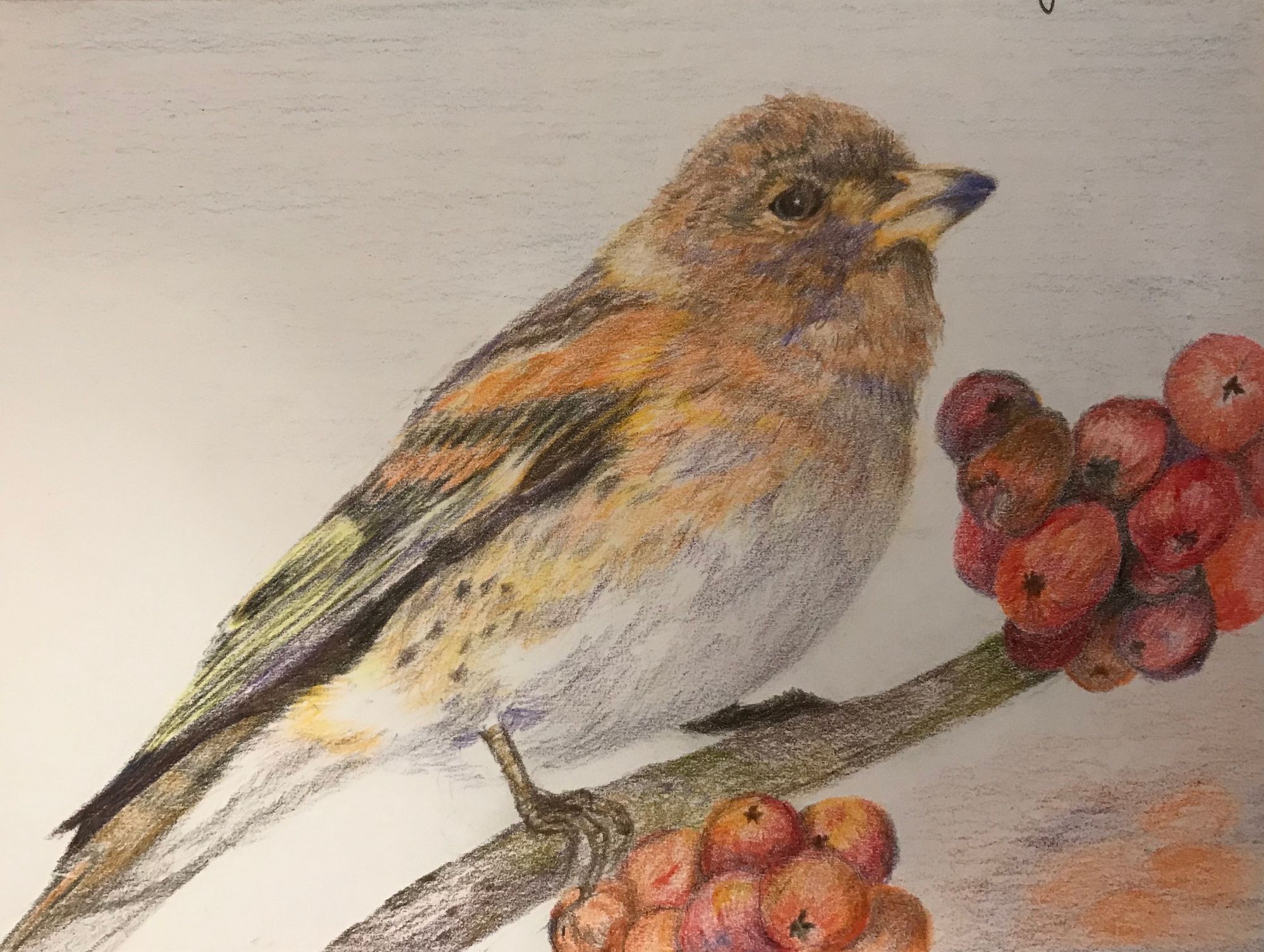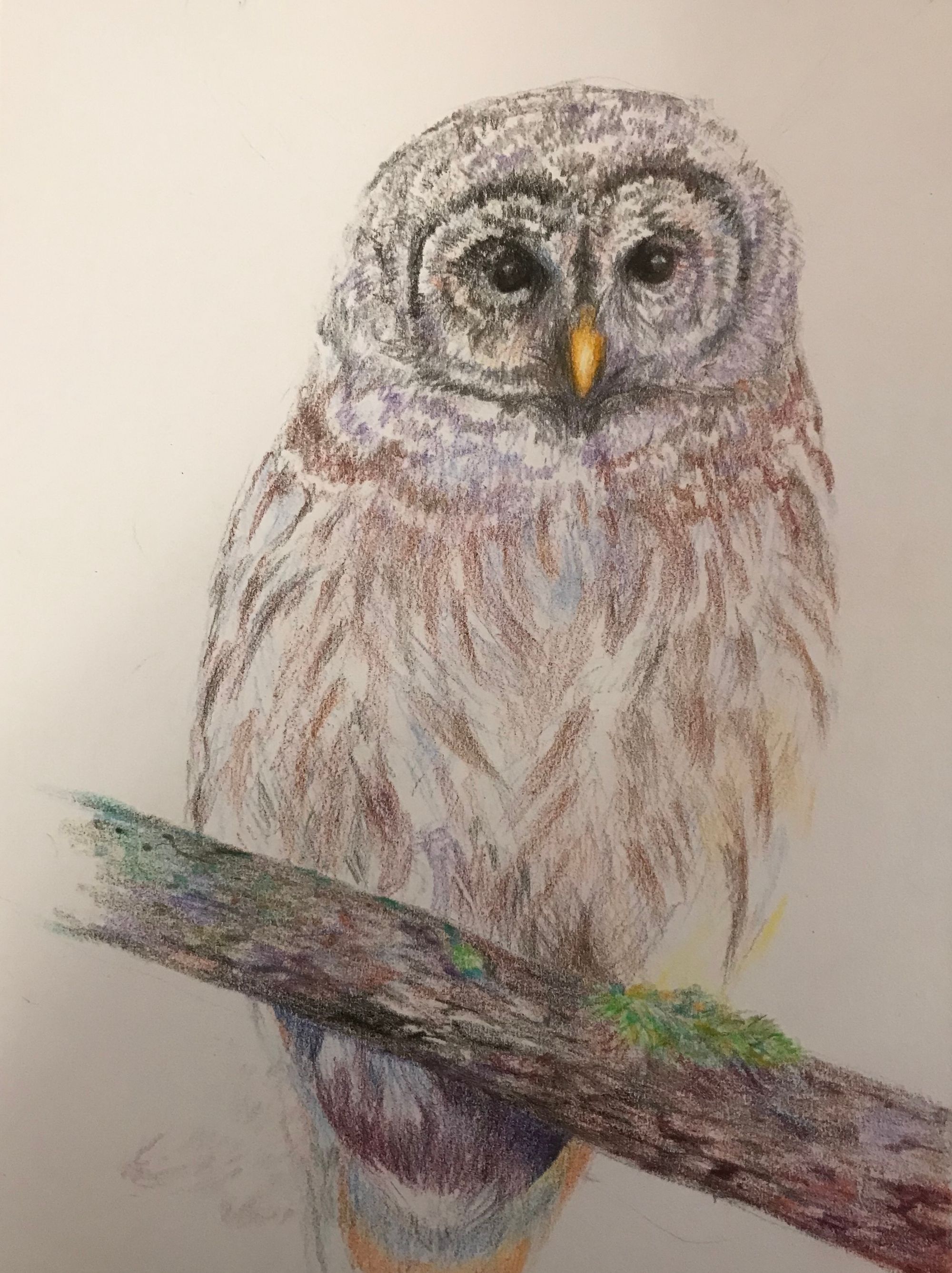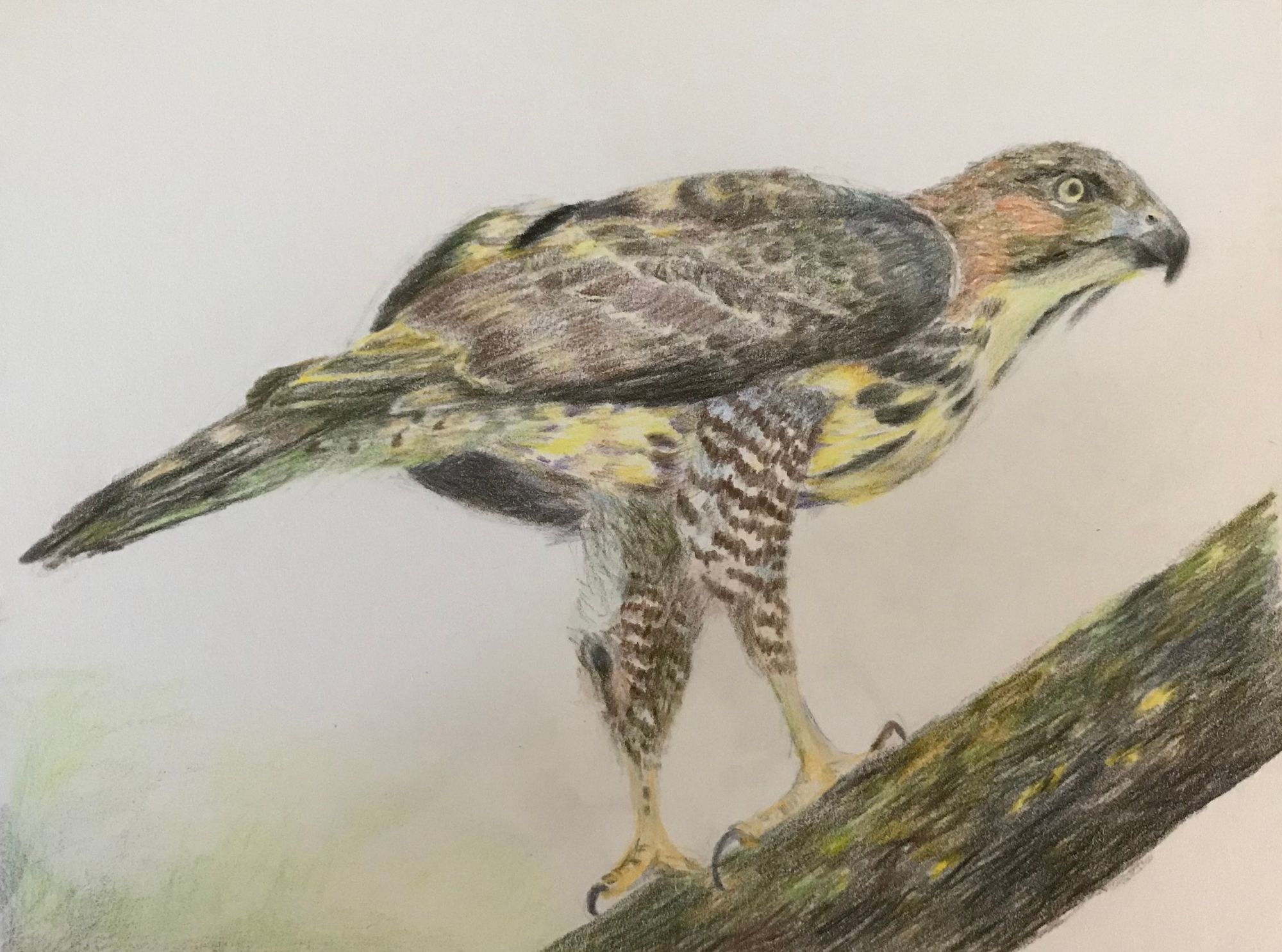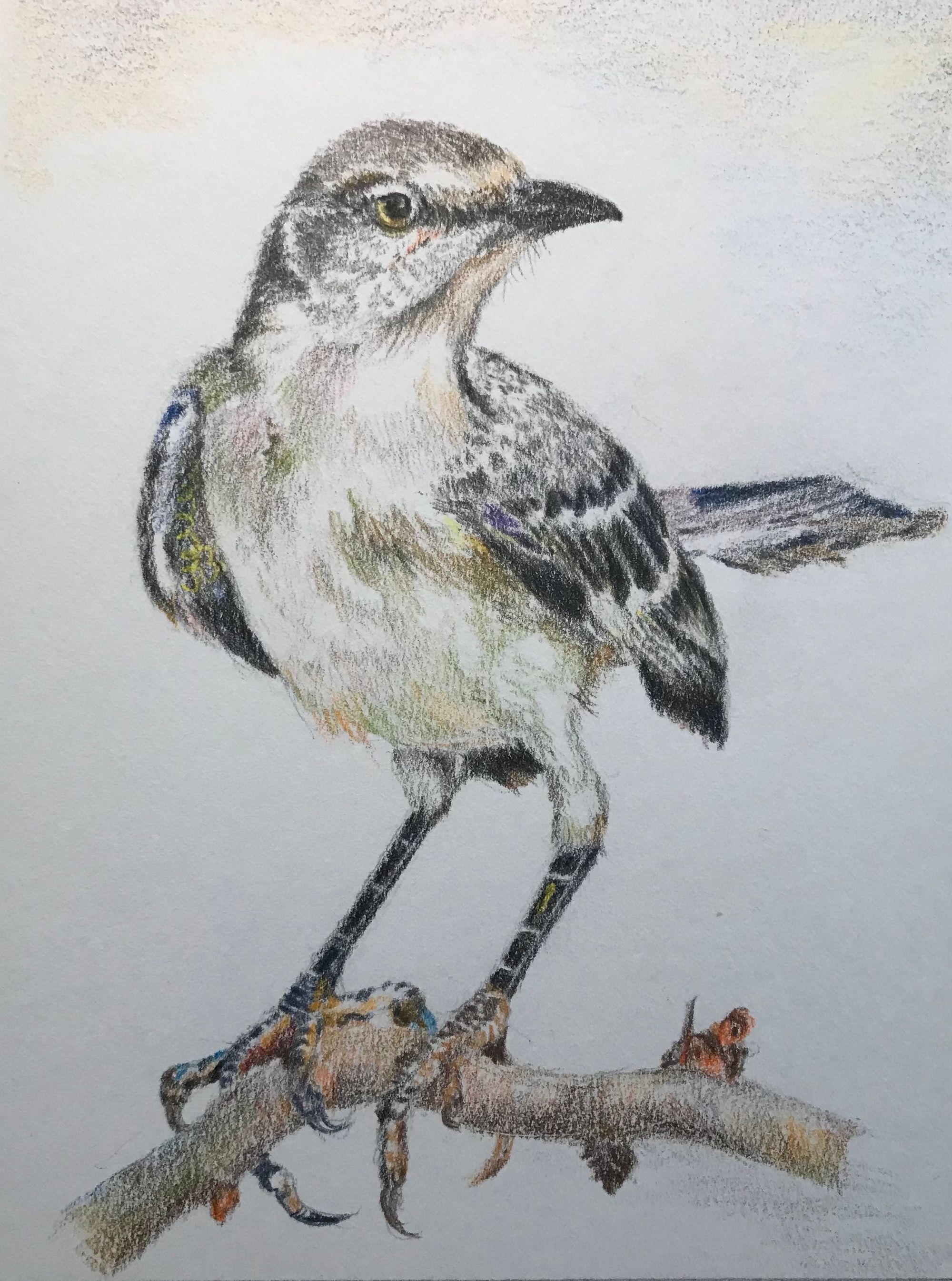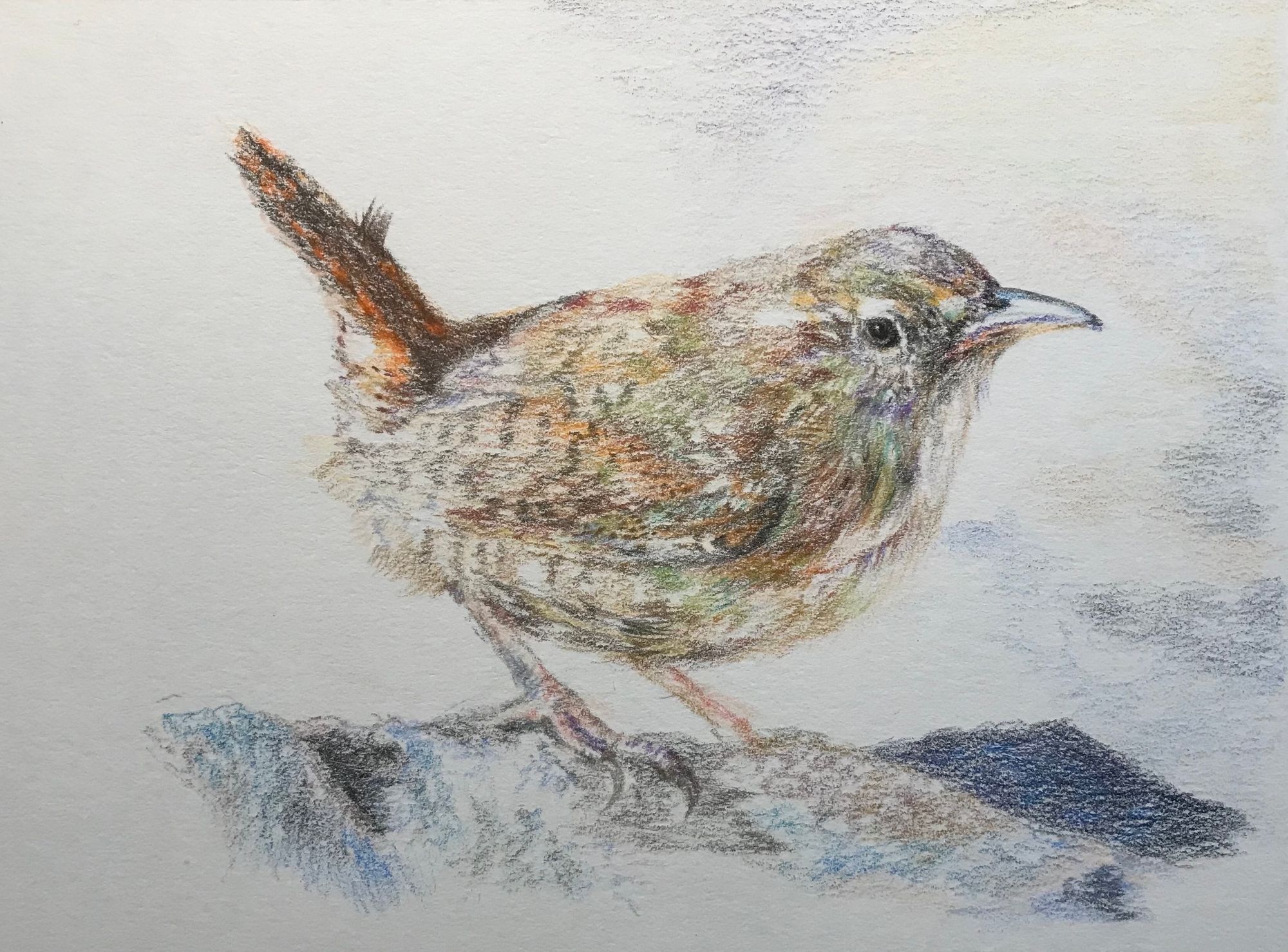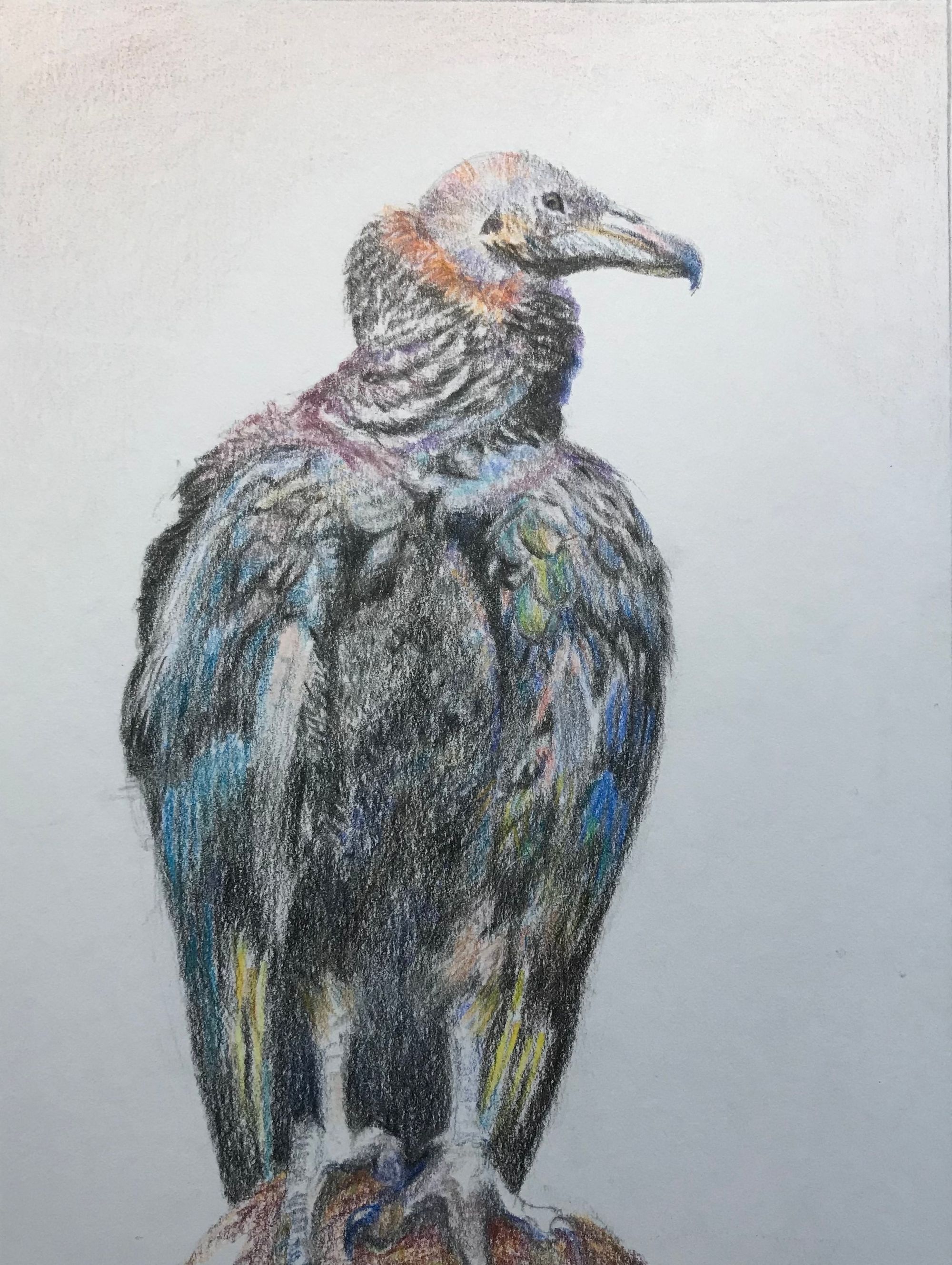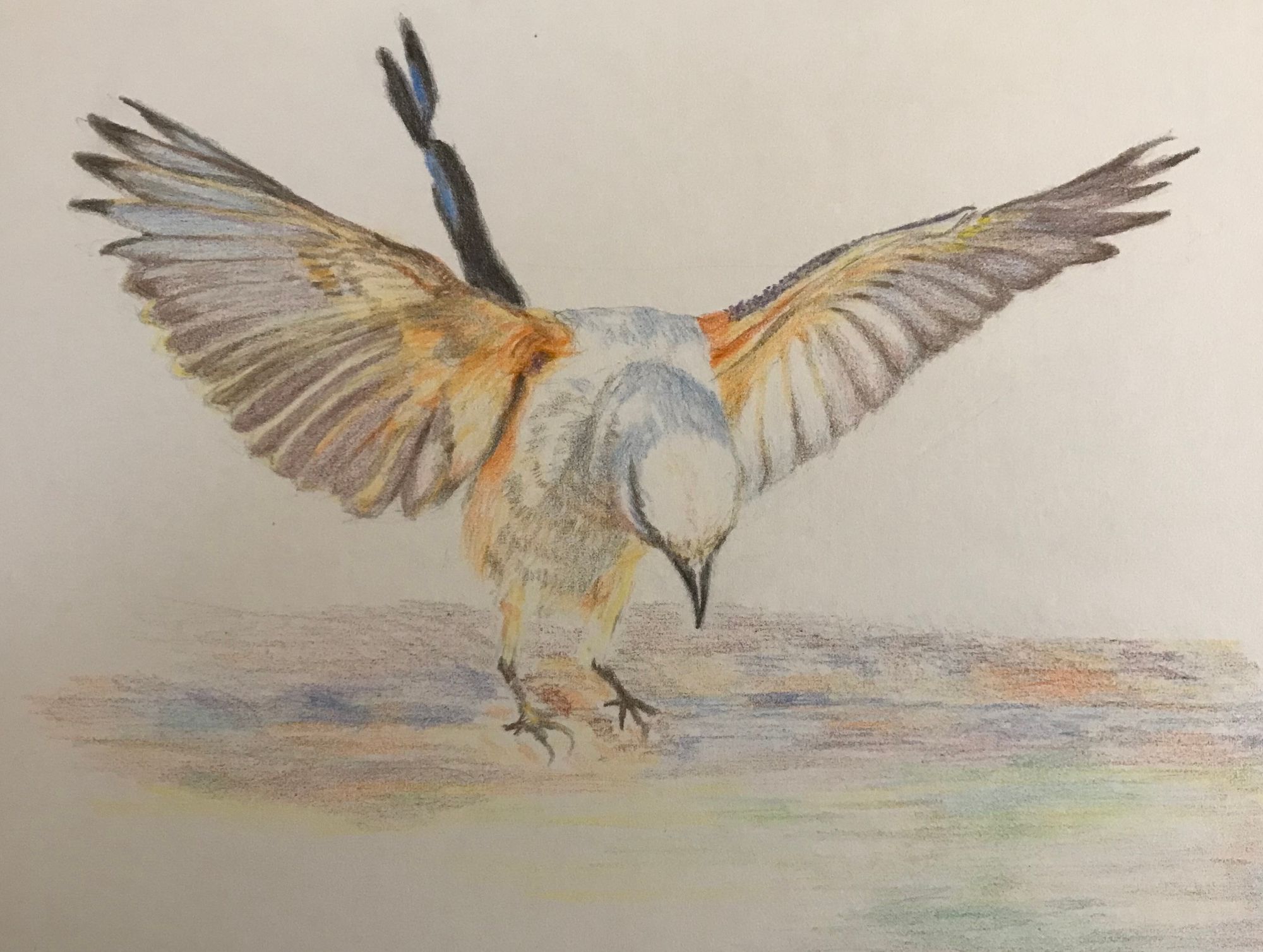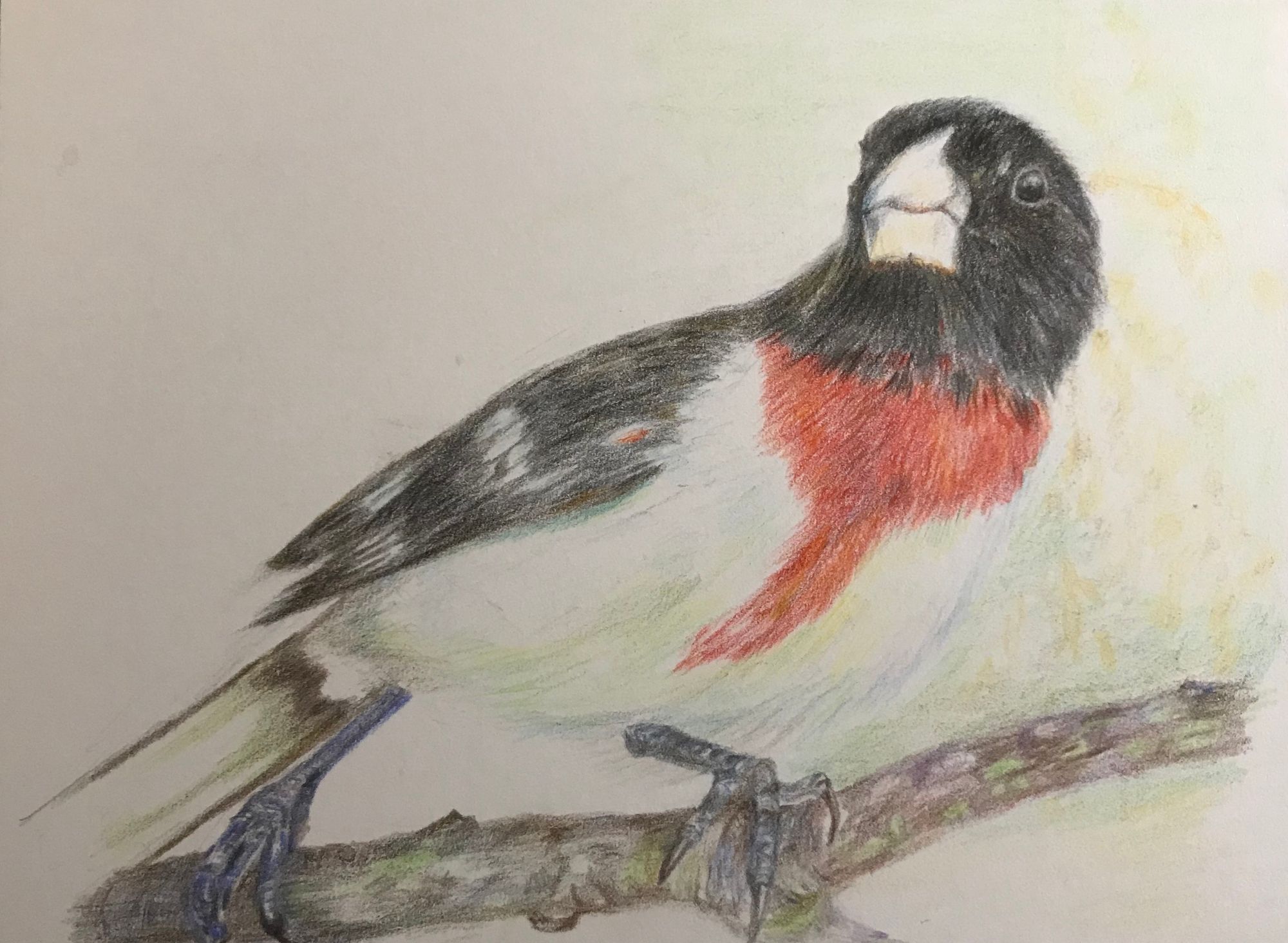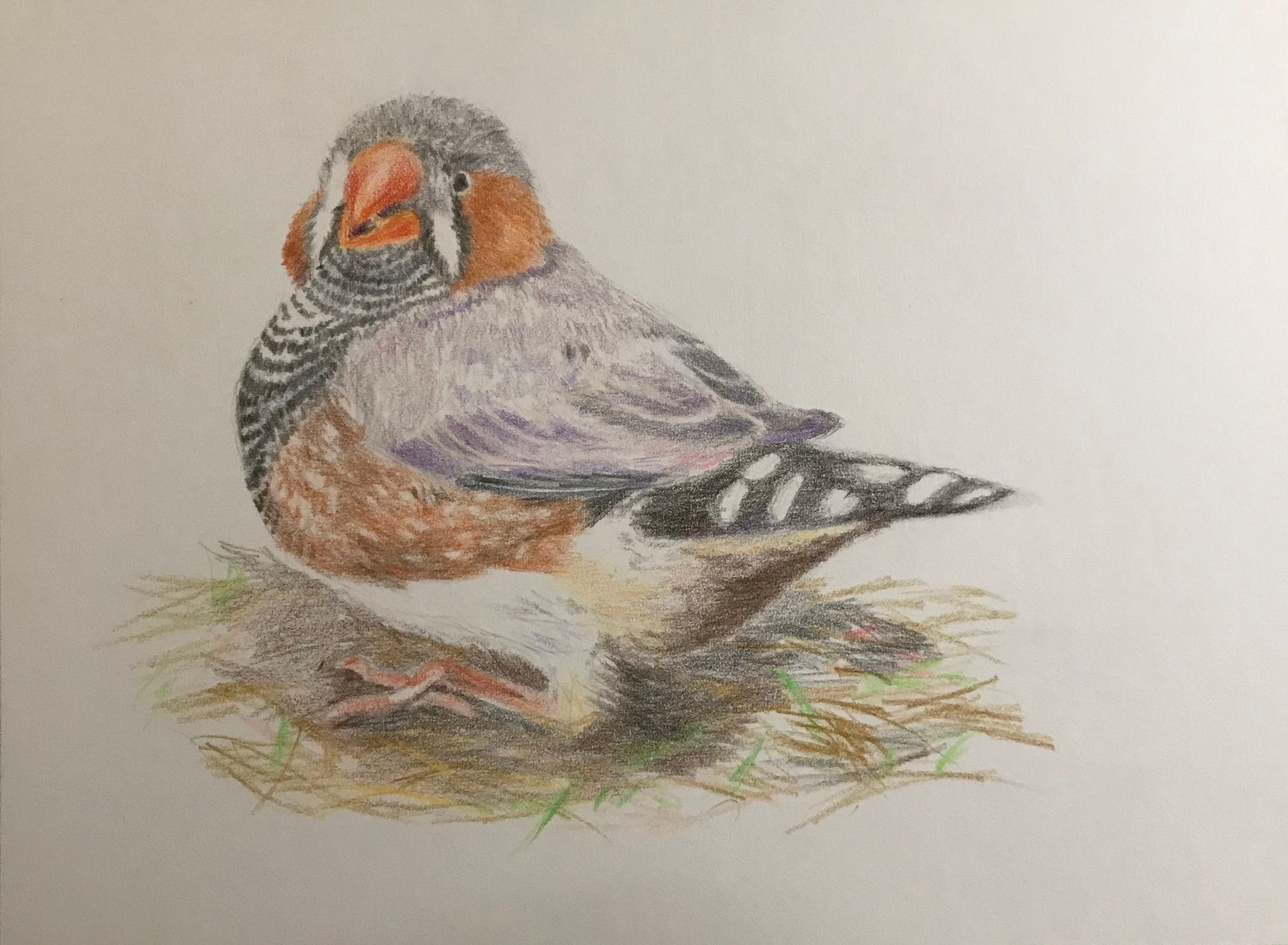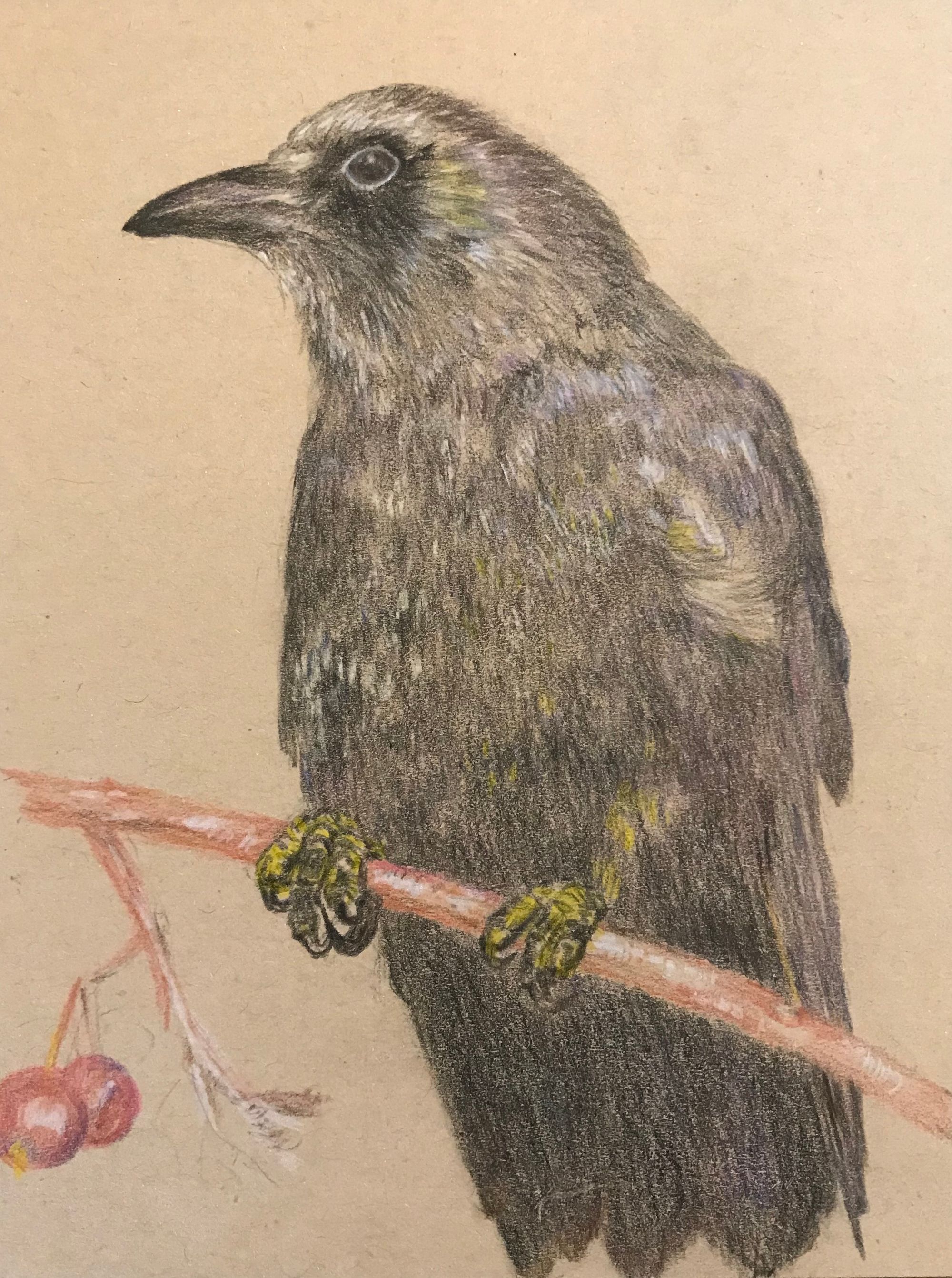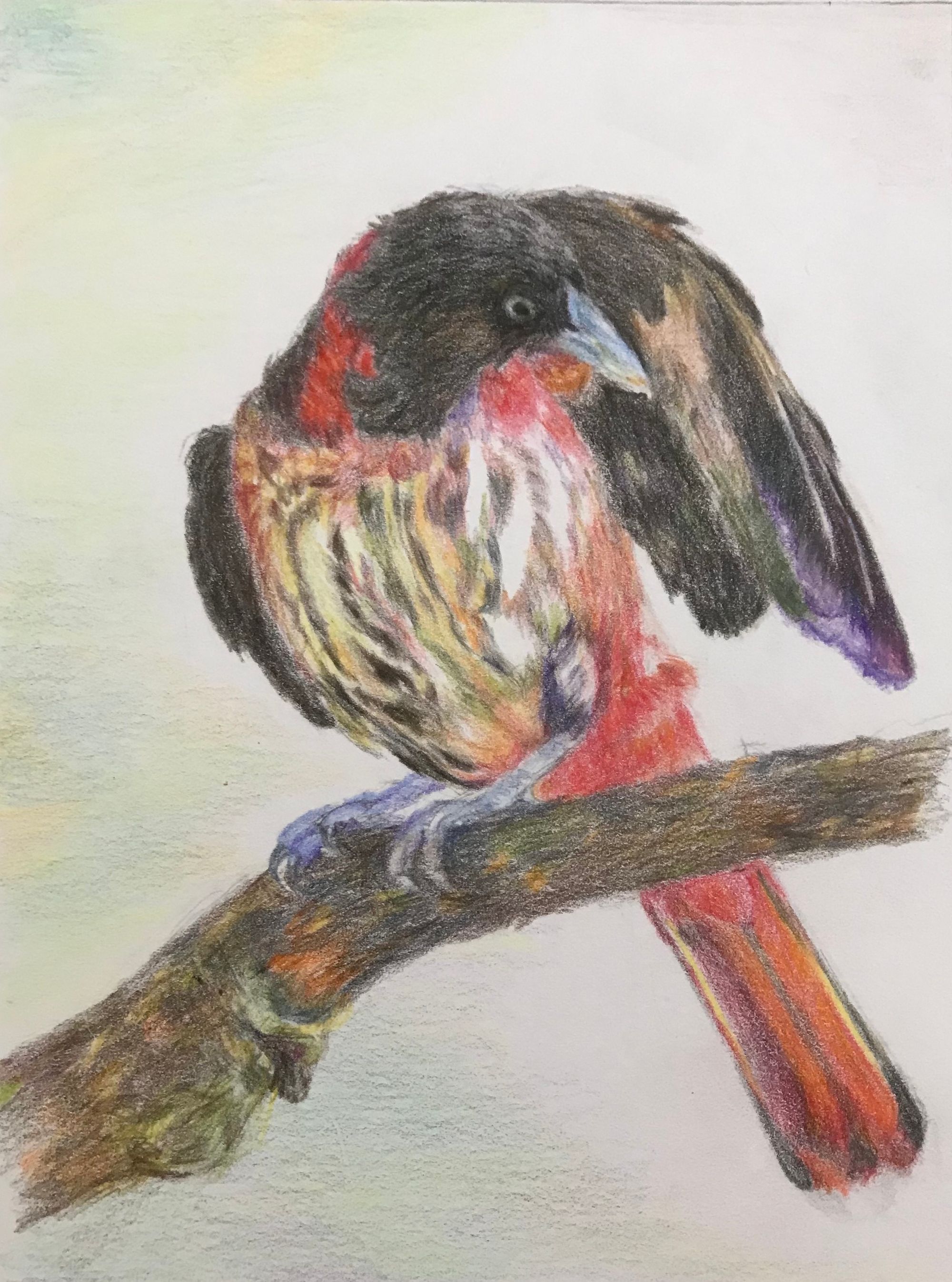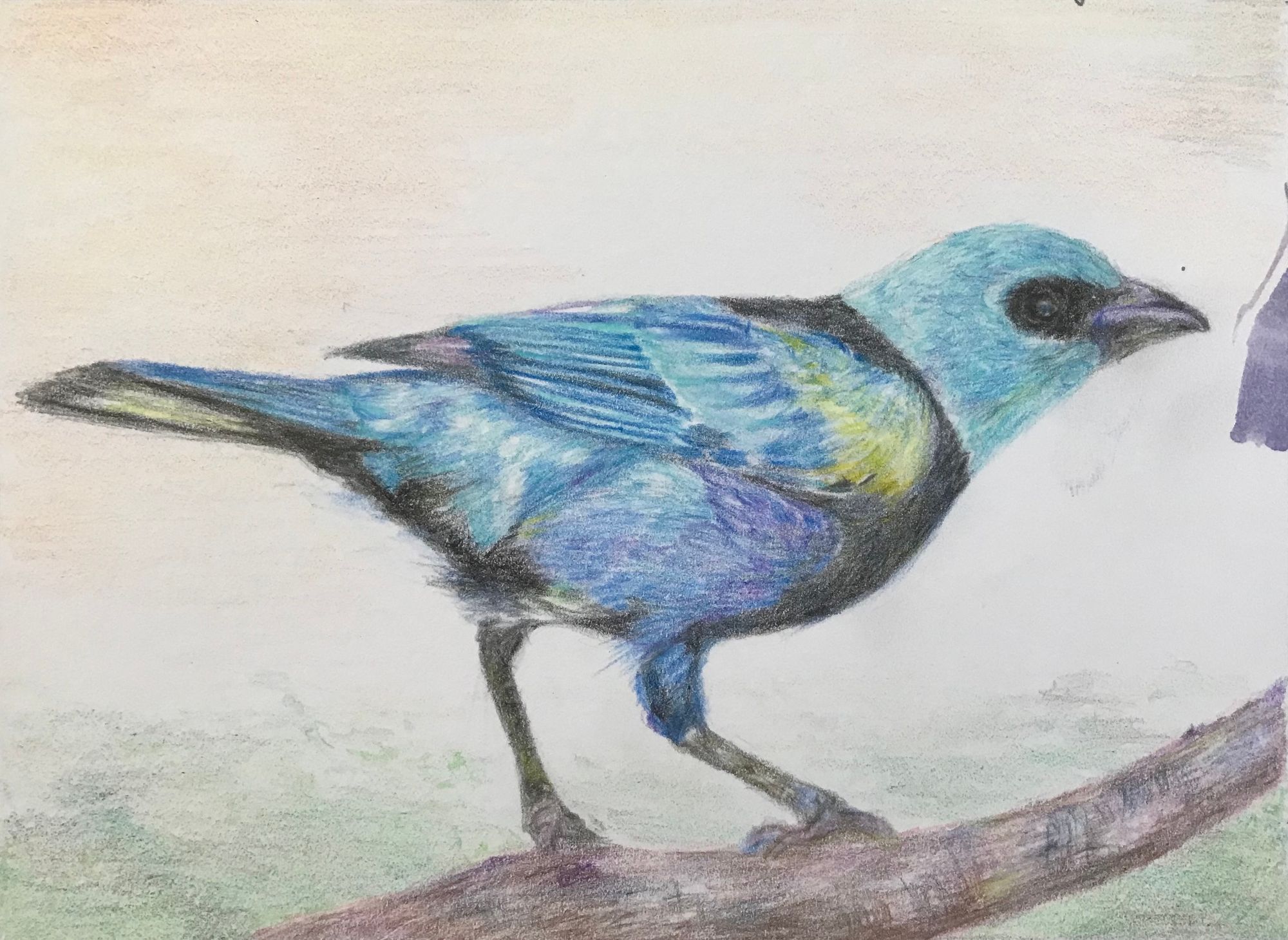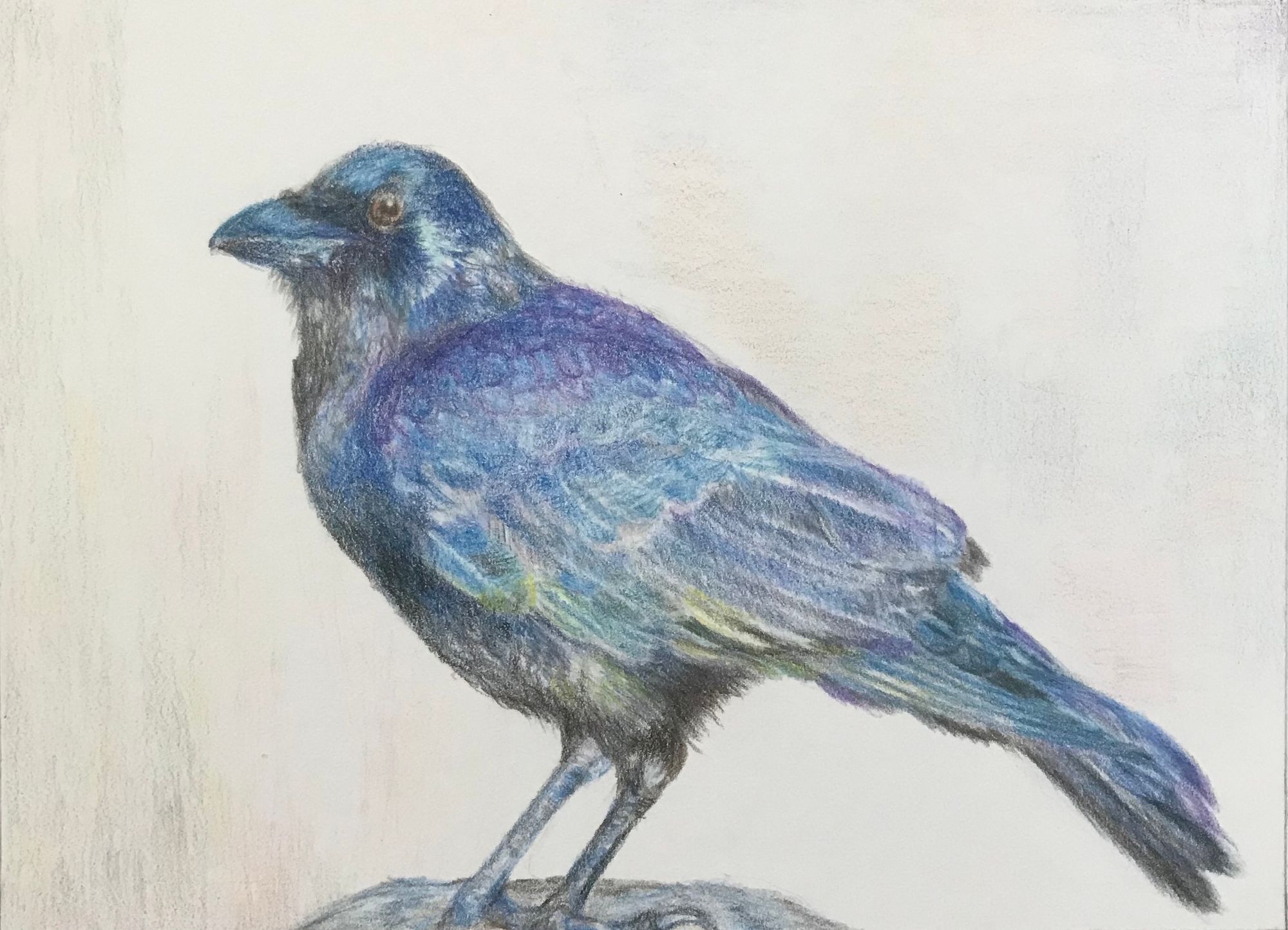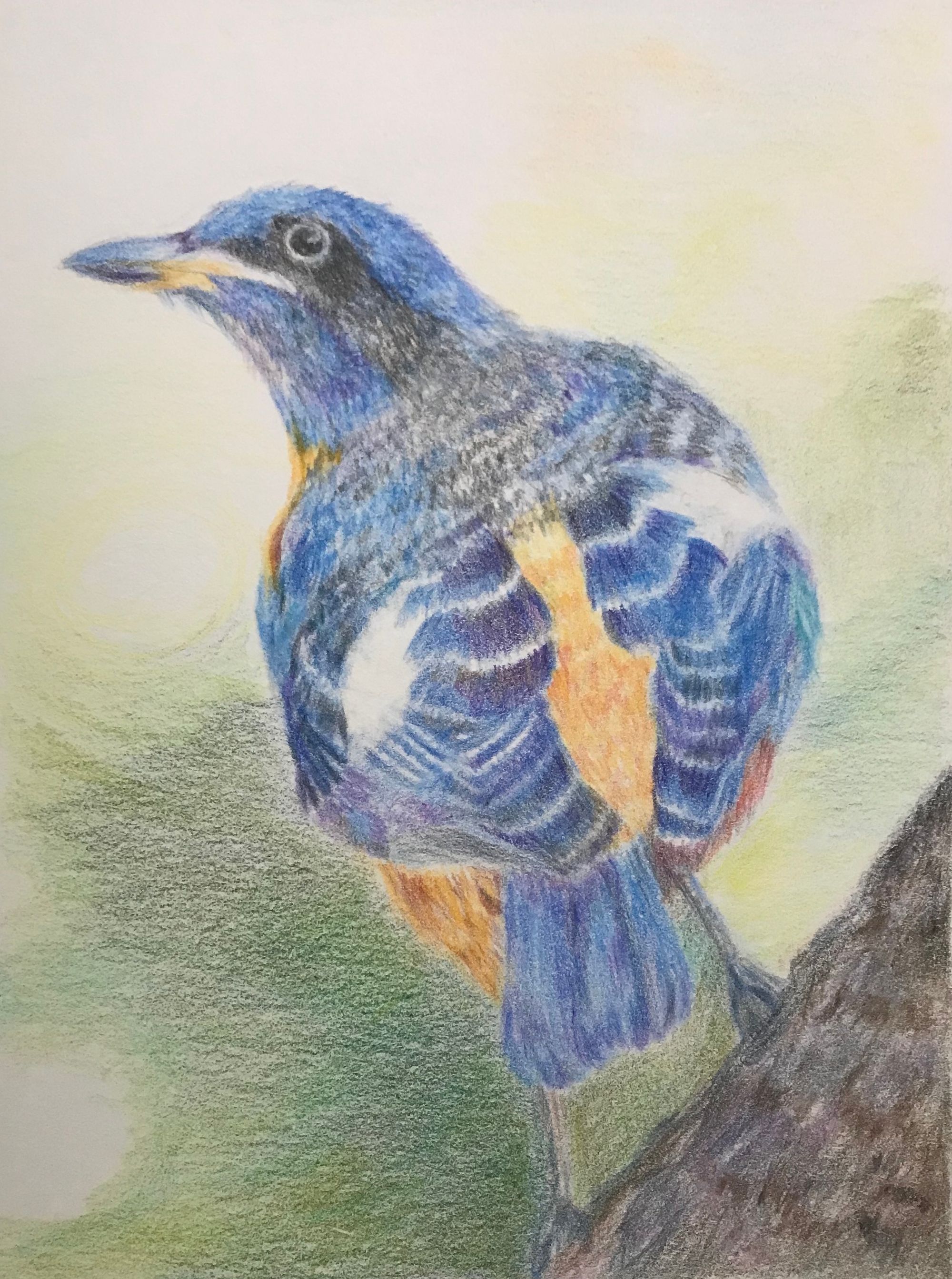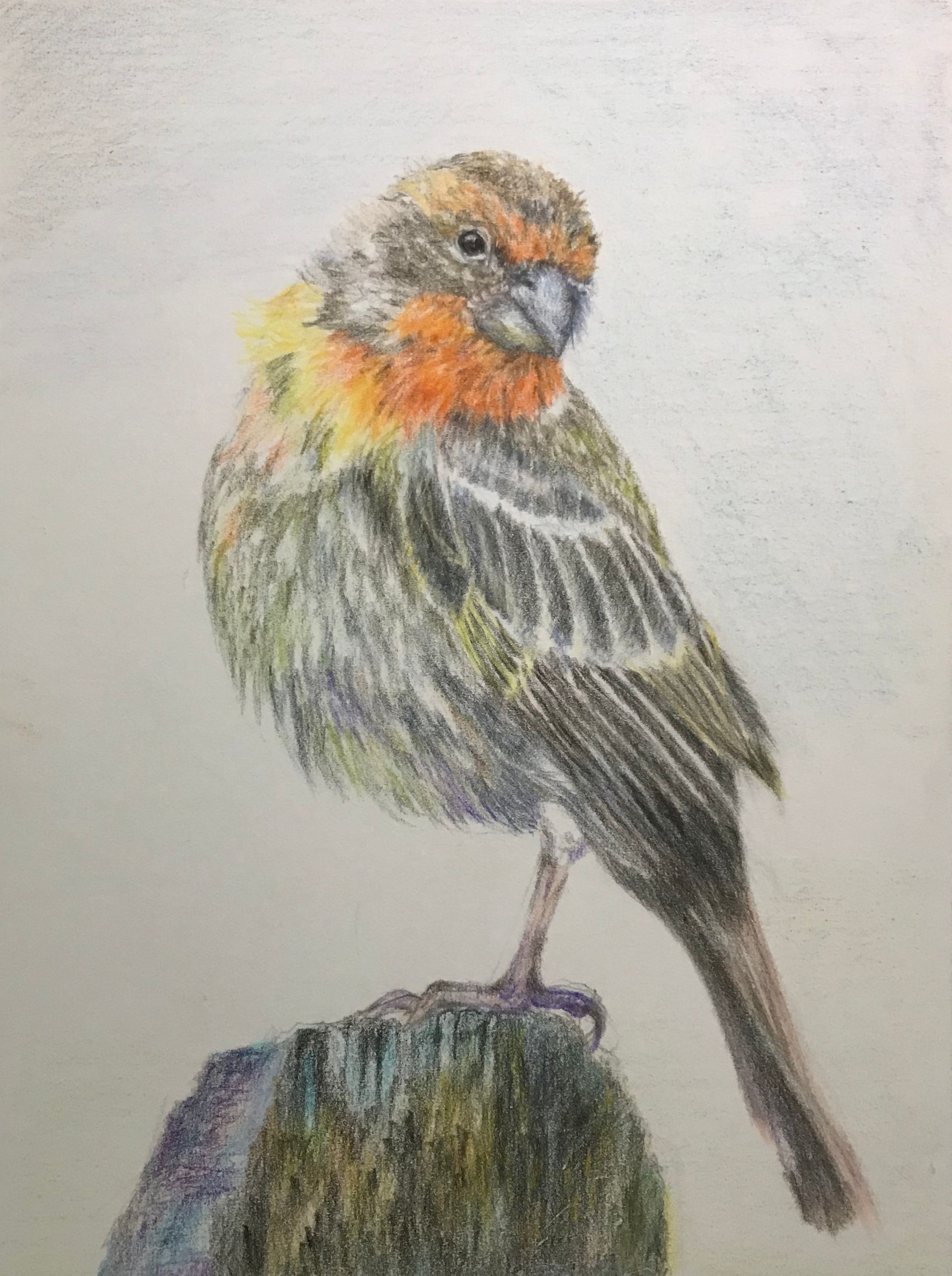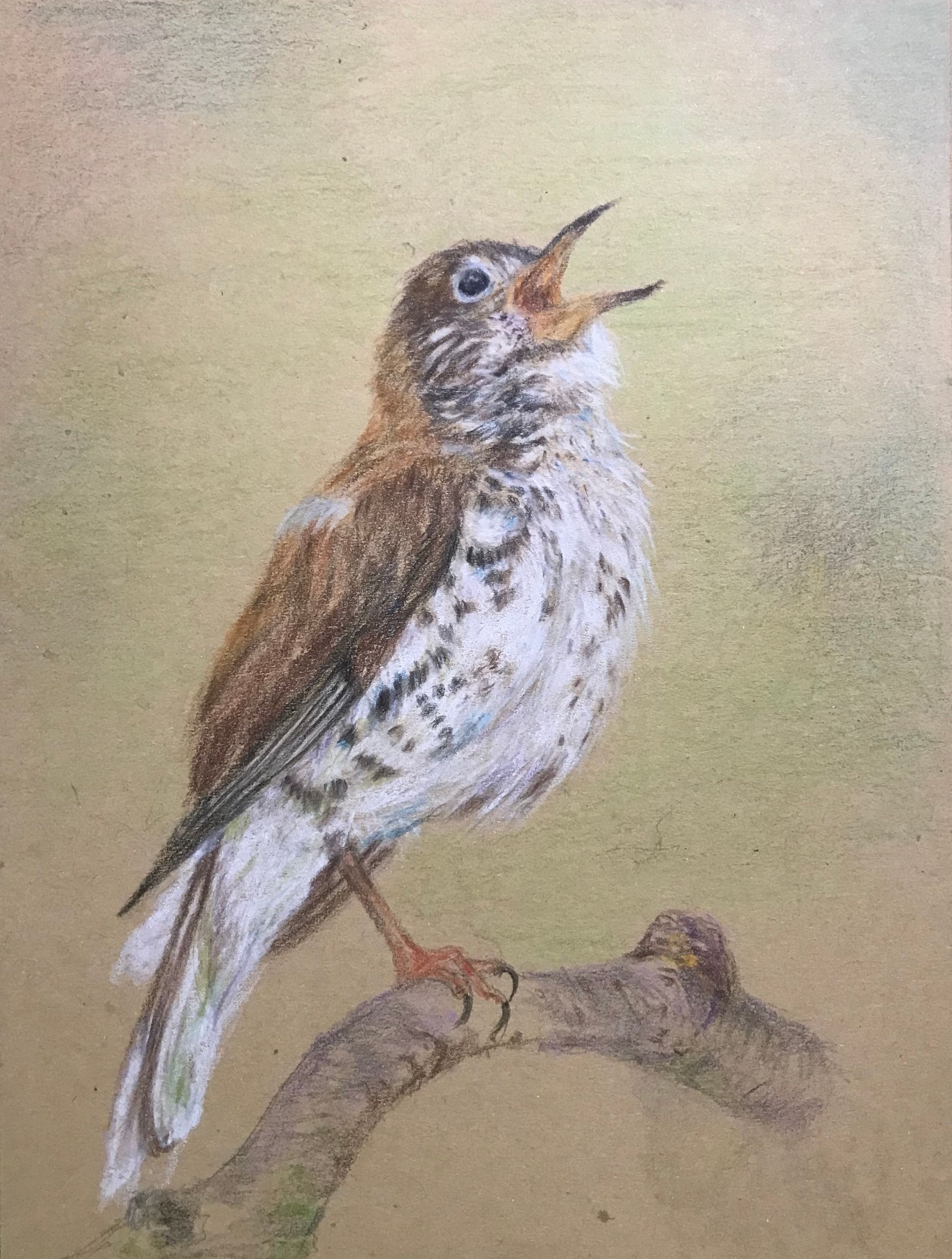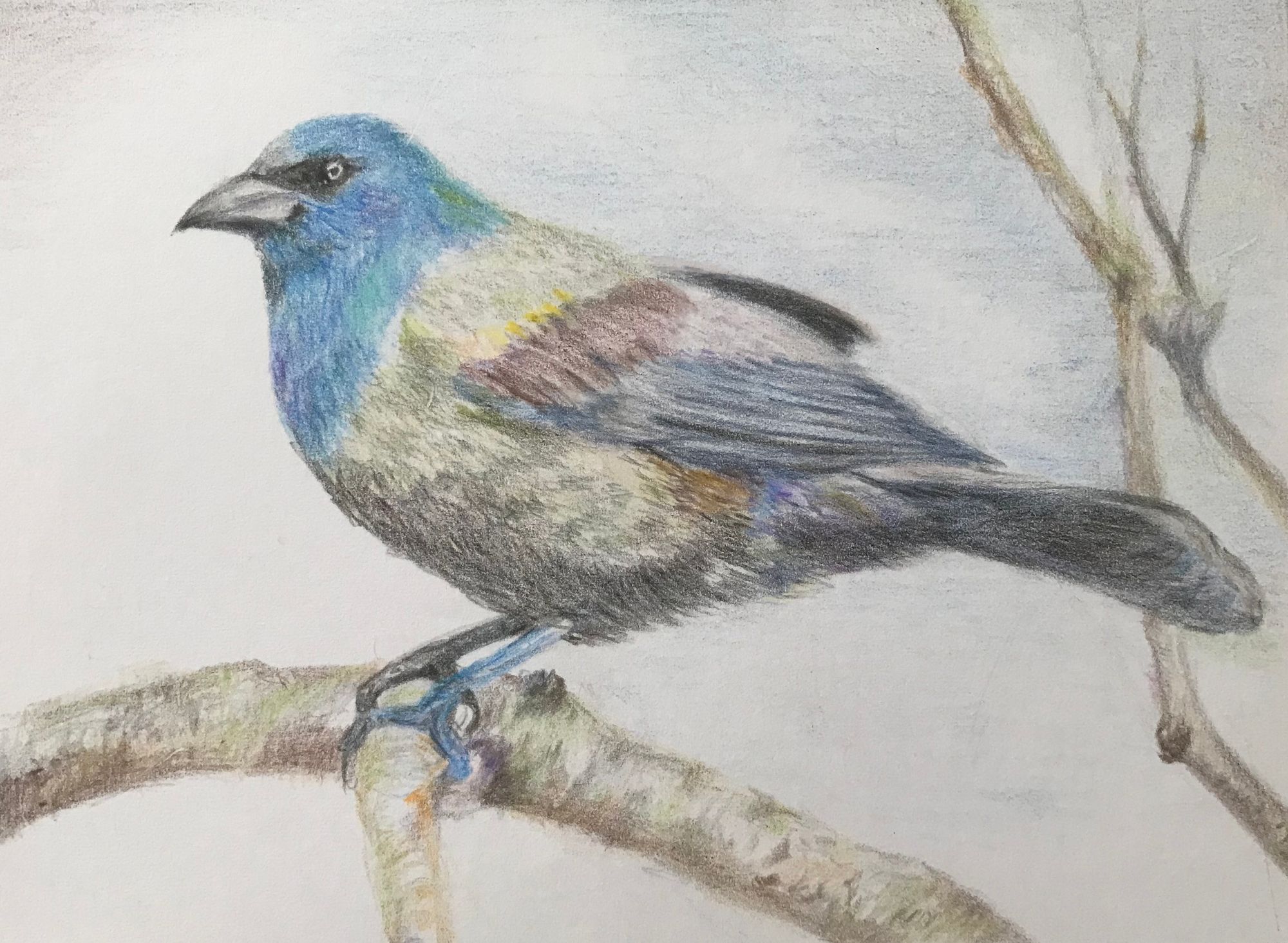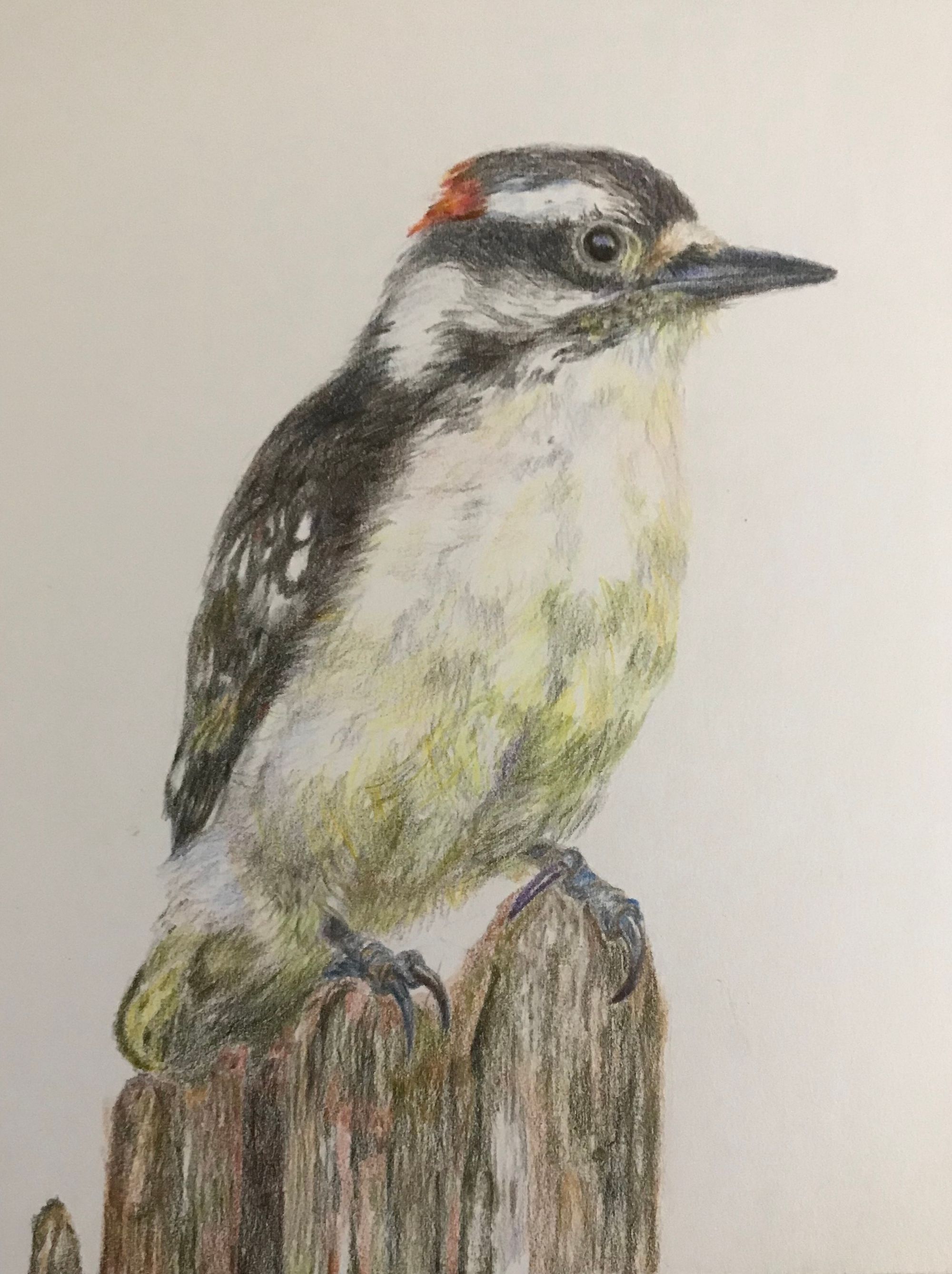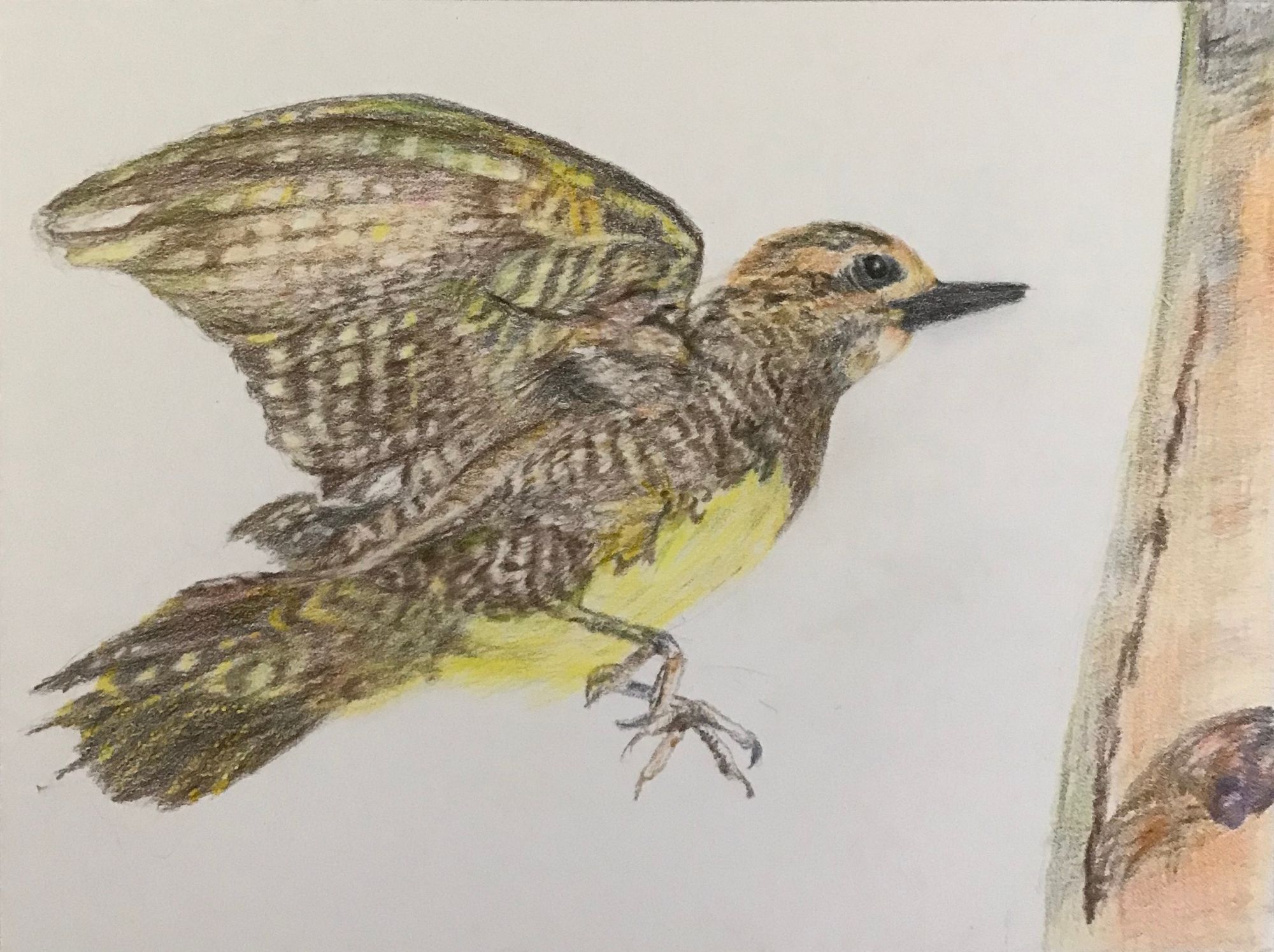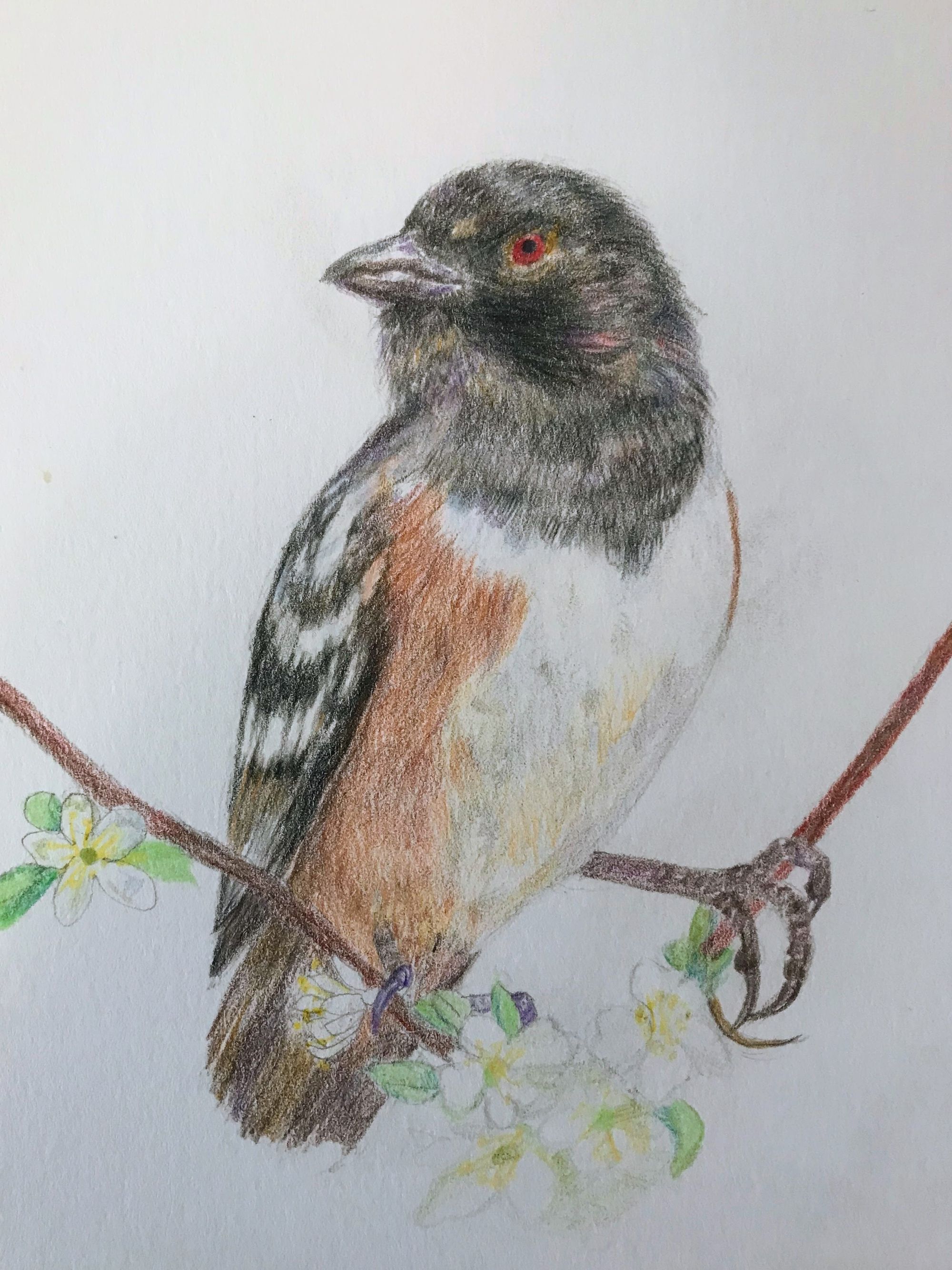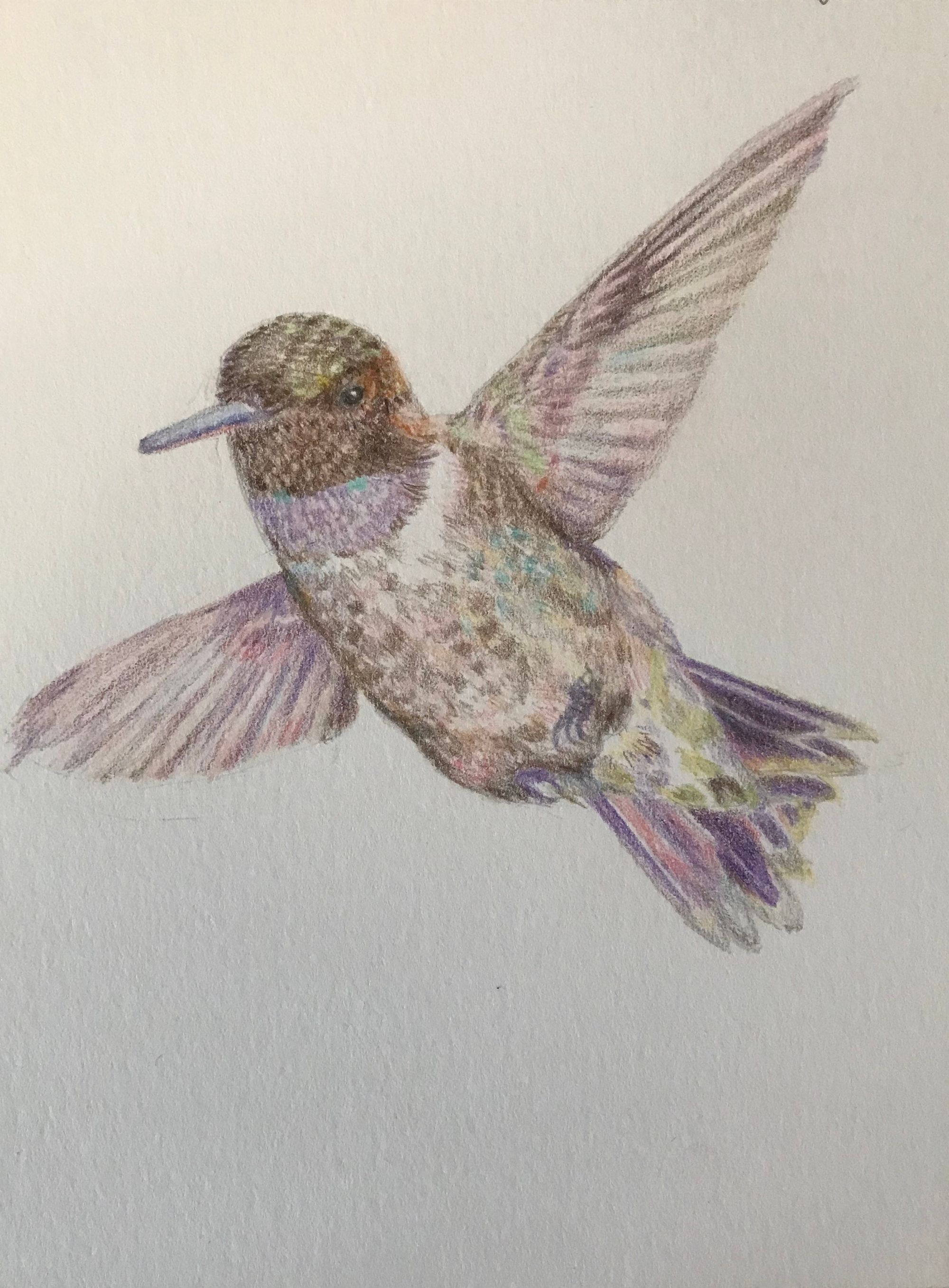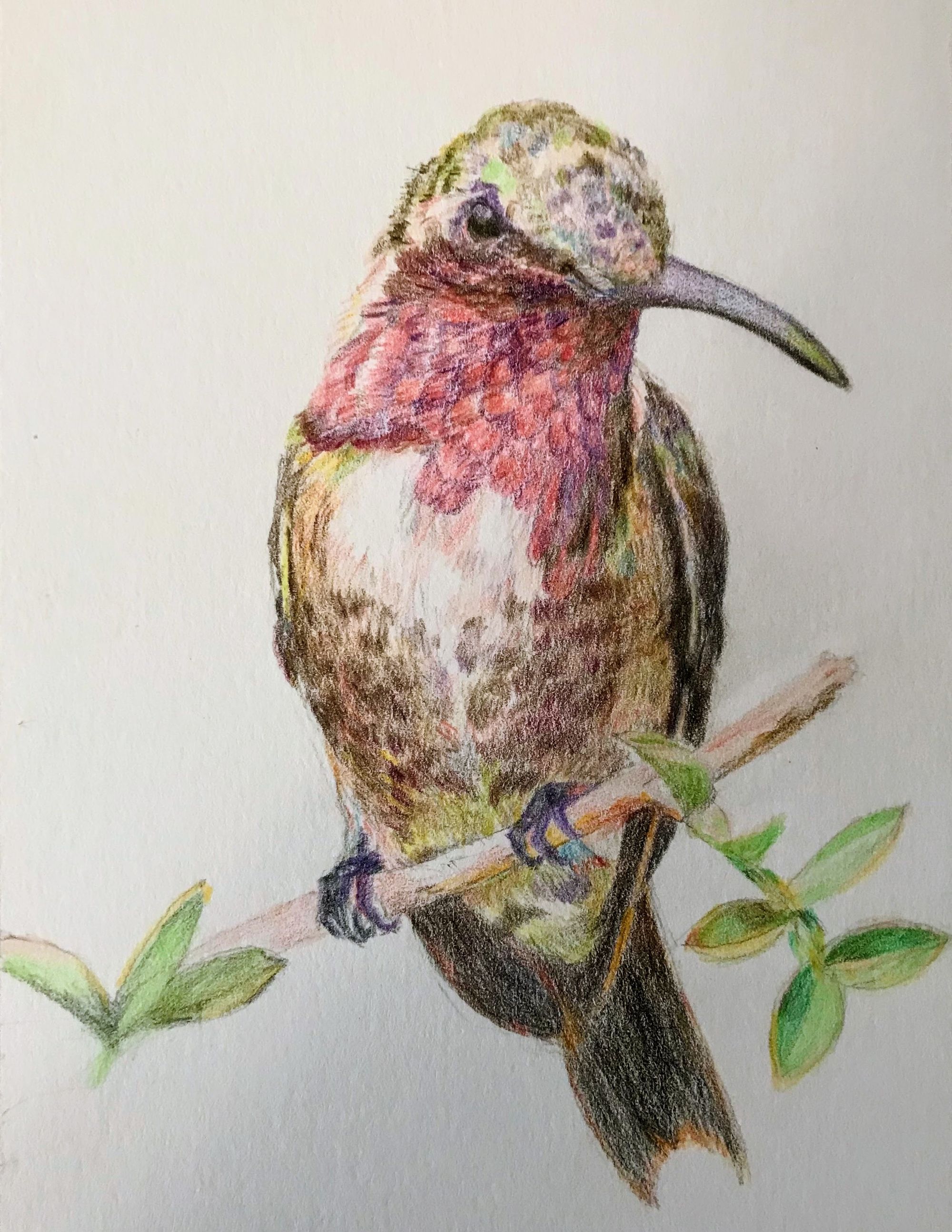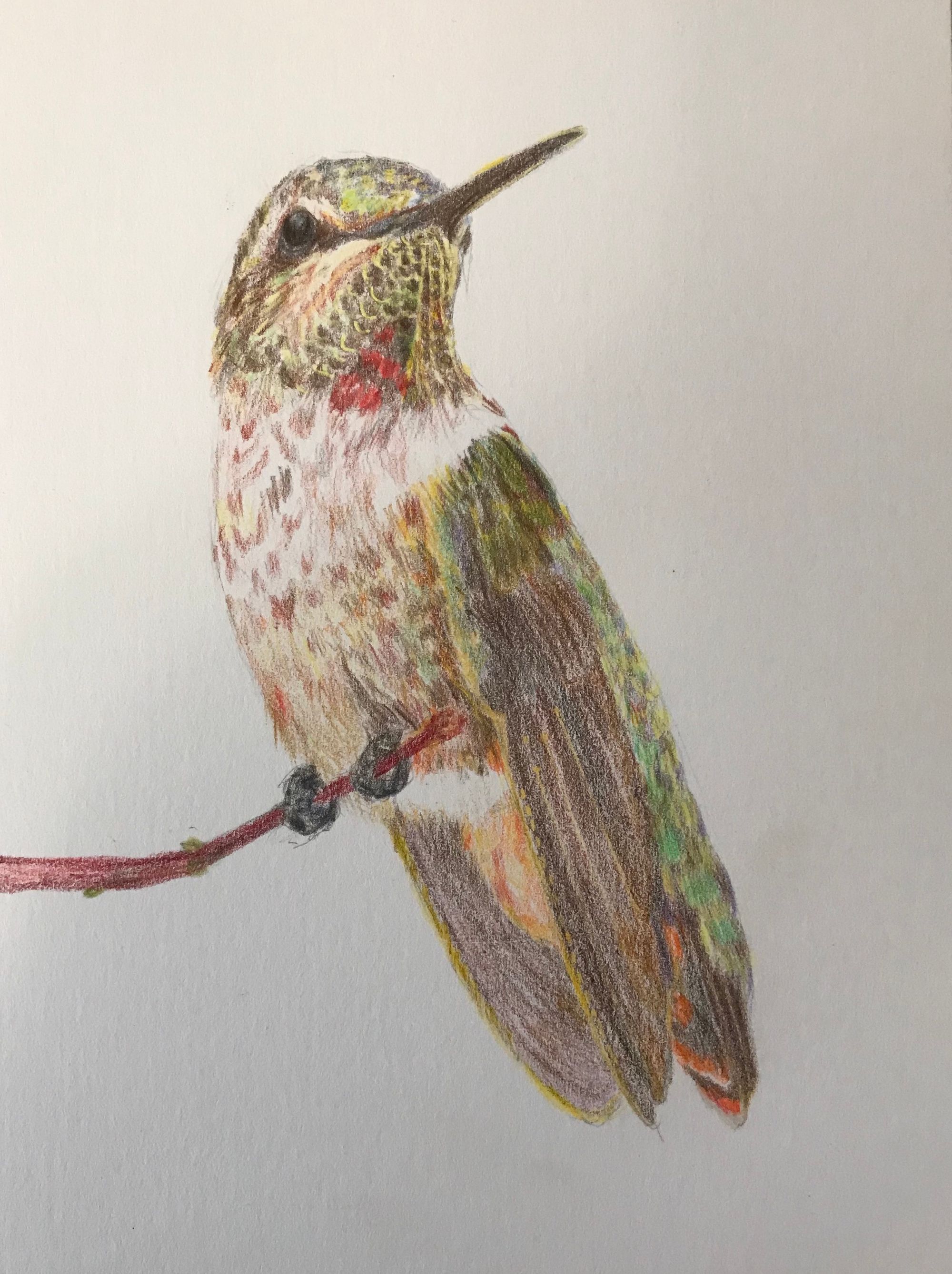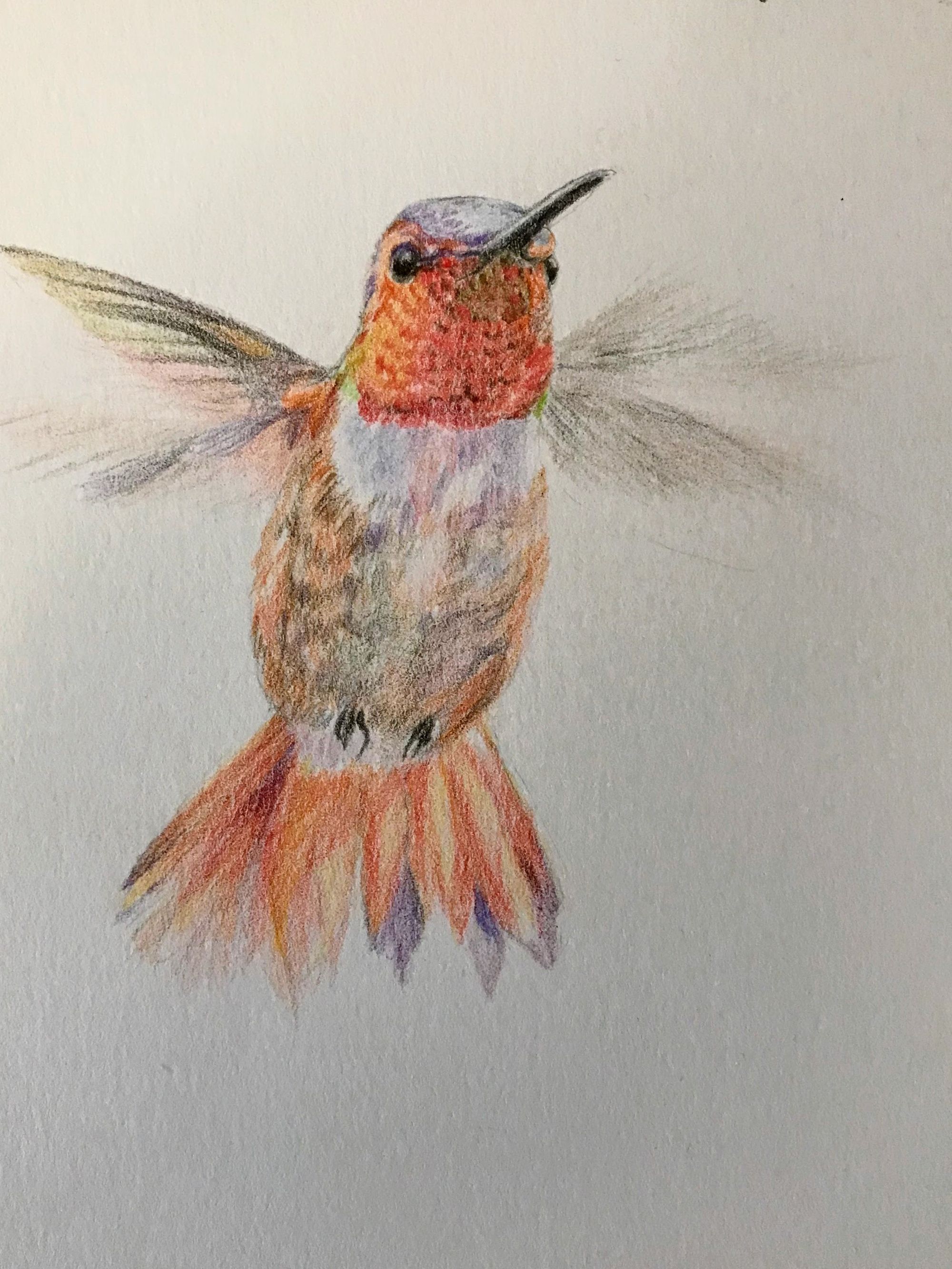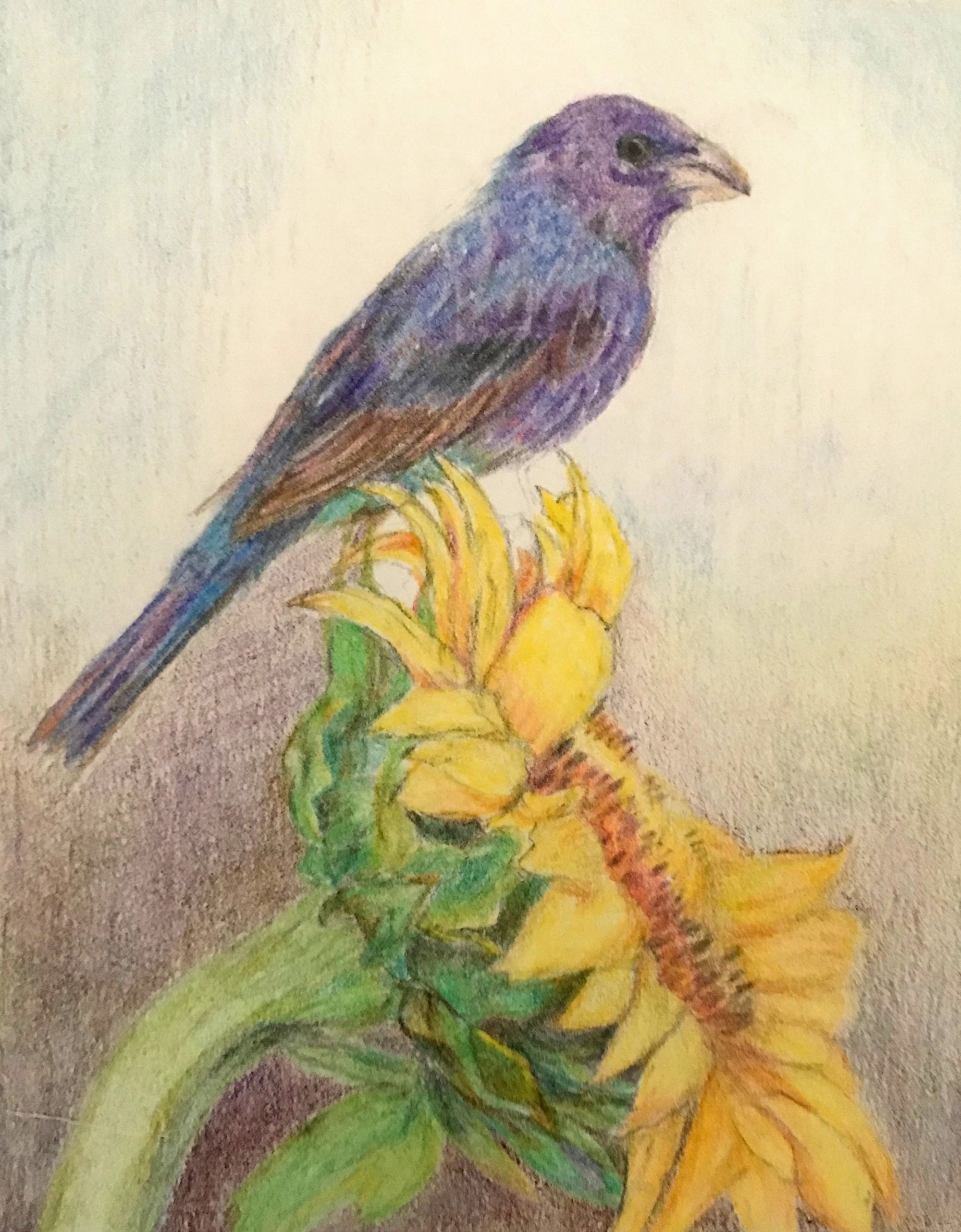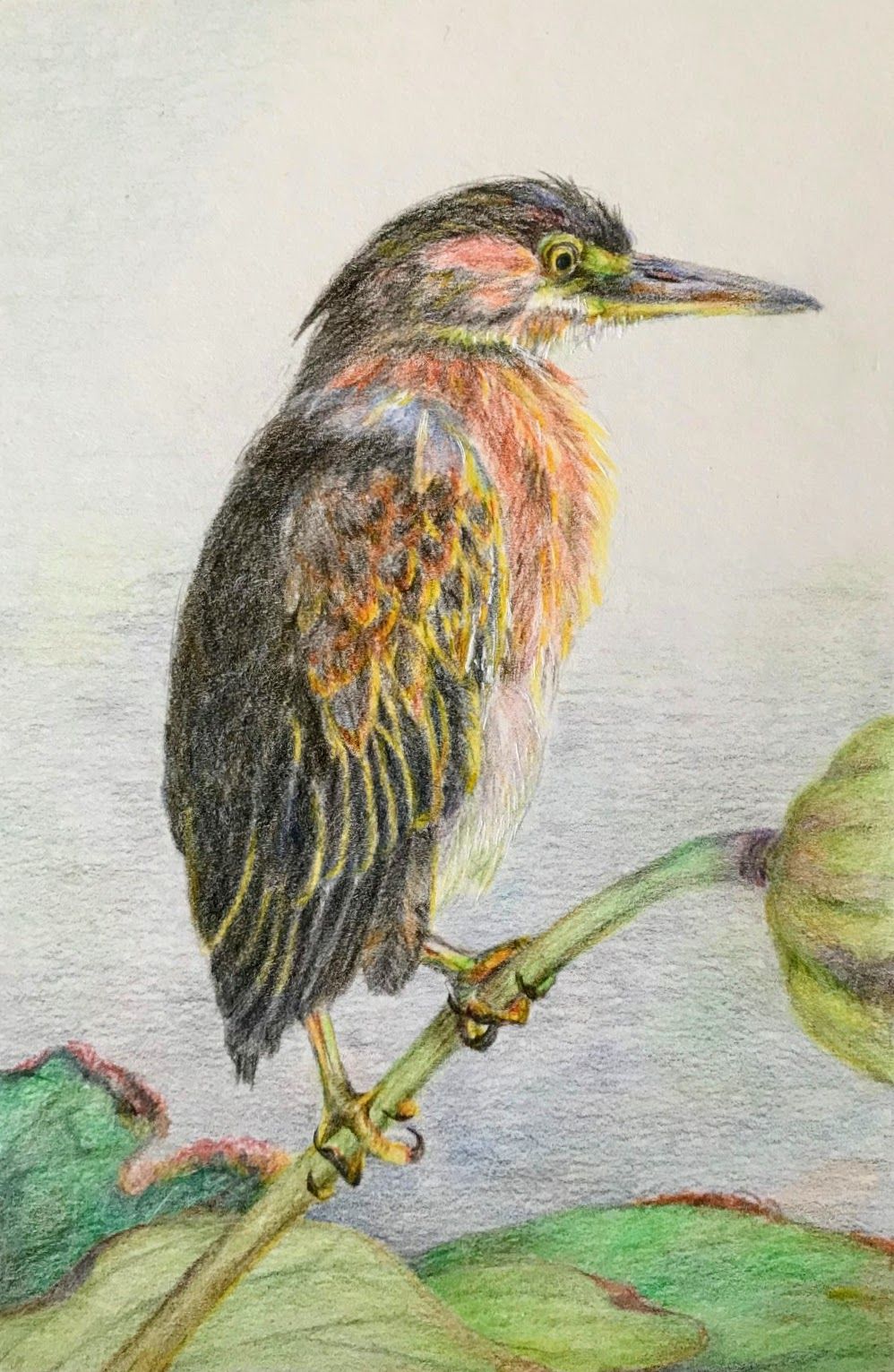

The black bulbul, also known as the Himalayan black bulbul (Hypsipetes leucocephalus), is a passerine bird found primarily in the Himalayas, ranging from Pakistan to Southeast Asia. It is characterized by its black plumage, orange beak and legs, and a distinctive crest on its head.
Overview of the Black Bulbul
The black bulbul, scientifically known as Hypsipetes leucocephalus, is a passerine bird belonging to the bulbul family. It is commonly referred to as the Himalayan black bulbul or Asian black bulbul. This bird primarily inhabits the Himalayas, with its range extending from Pakistan to Southeast Asia.
Physical Characteristics
- Size: The black bulbul measures about 24 to 25 cm (9.4 to 9.8 inches) in length.
- Plumage: Its body color varies from slate grey to black, depending on the subspecies. The beak, legs, and feet are bright orange, and the head features a fluffy black crest.
- Sexual Dimorphism: Males and females have similar plumage, but young birds lack the crest and have lighter underparts.
Habitat and Distribution
The black bulbul is typically found in broad-leaved forests, gardens, and cultivated areas, especially in hilly regions. During winter, some populations may move to lower plains.
Diet and Feeding Behavior
Black bulbuls primarily feed on seeds, insects, and a variety of berries. They are often seen in small groups, foraging for food and making aerial sallies to catch insects.
Breeding
- Nesting: They build cup-shaped nests in trees or bushes, using materials like grasses, leaves, and moss.
- Clutch Size: The usual clutch consists of two to three eggs, with both parents participating in nest construction.
The black bulbul is classified as "Least Concern" by the IUCN, indicating a stable population across its range.