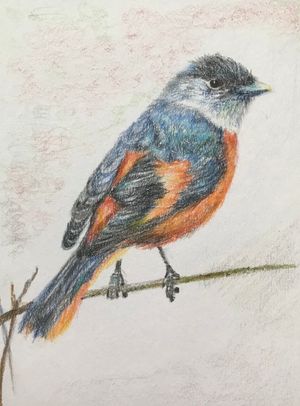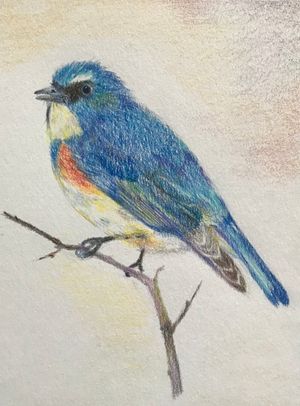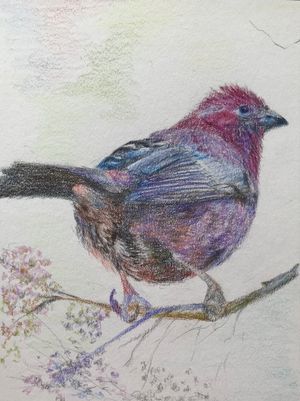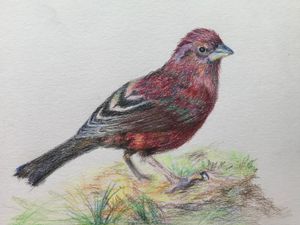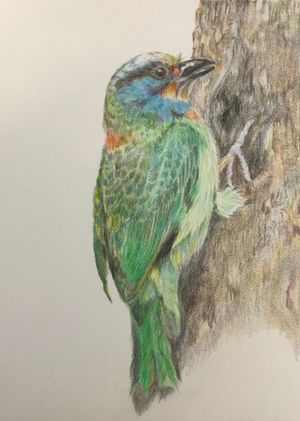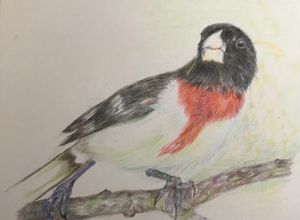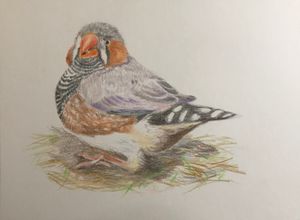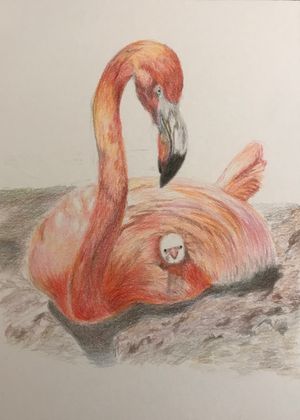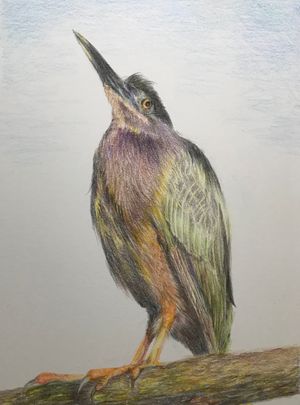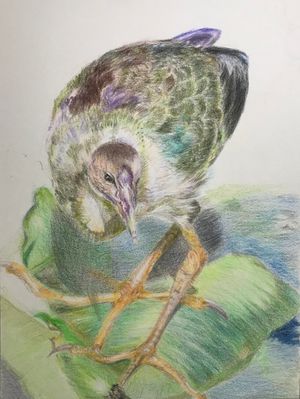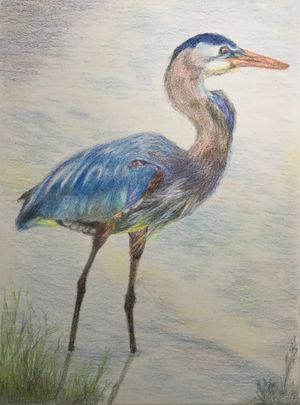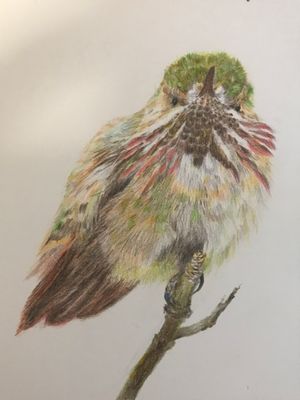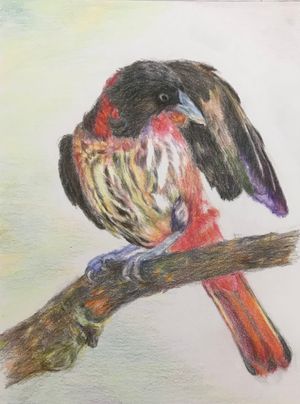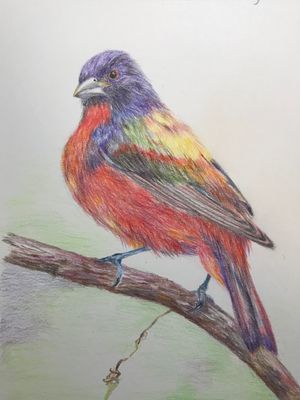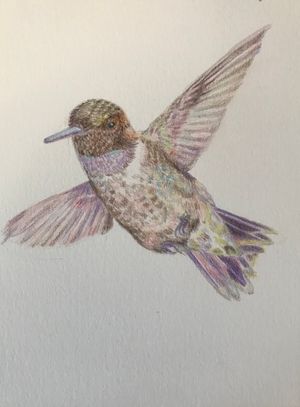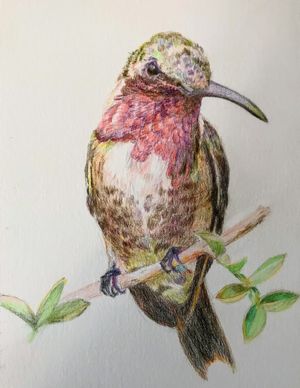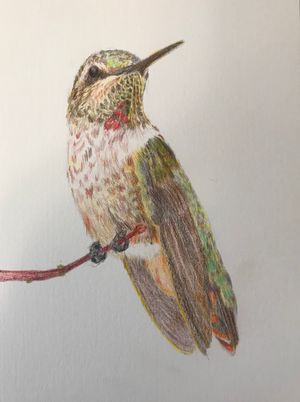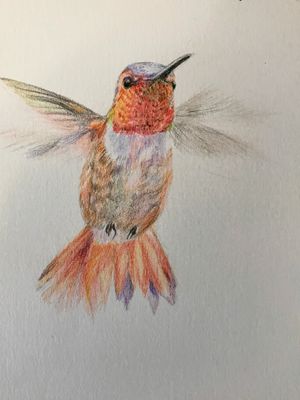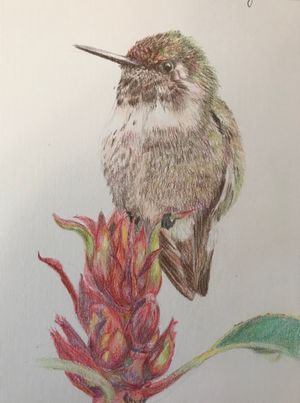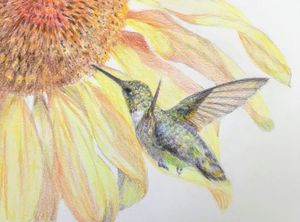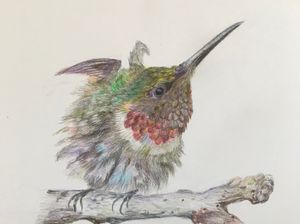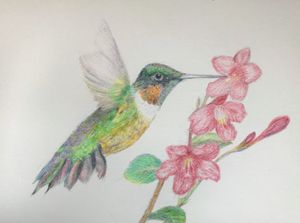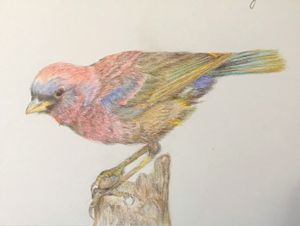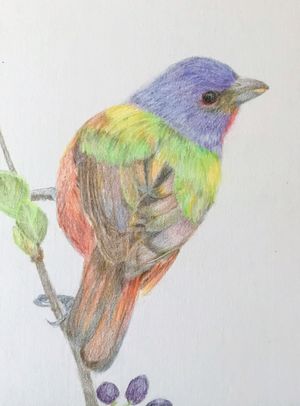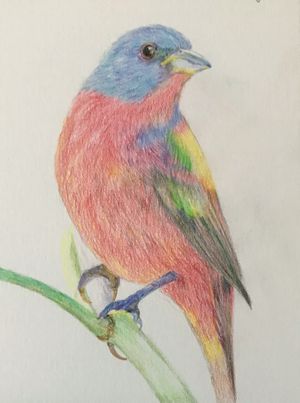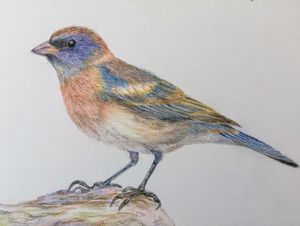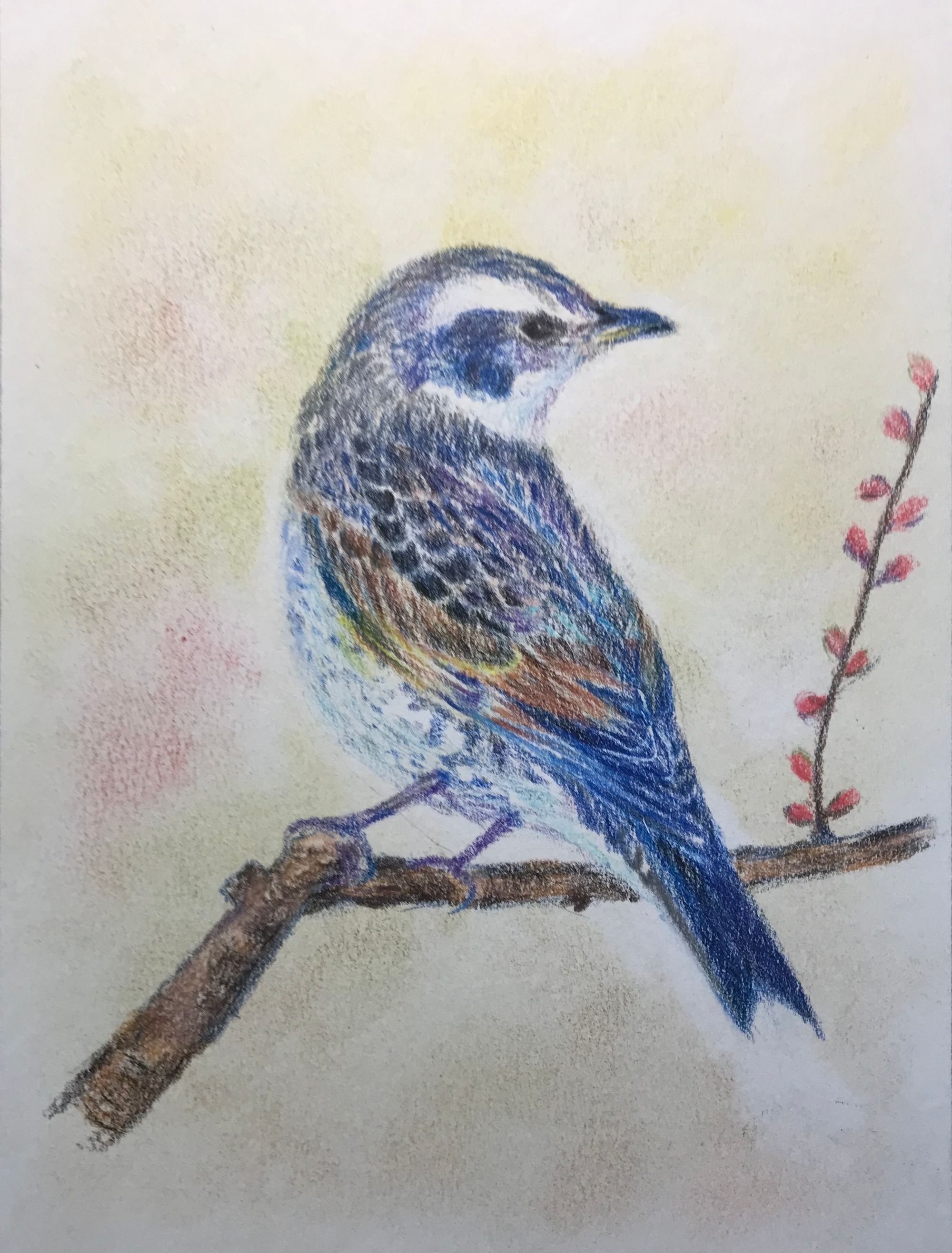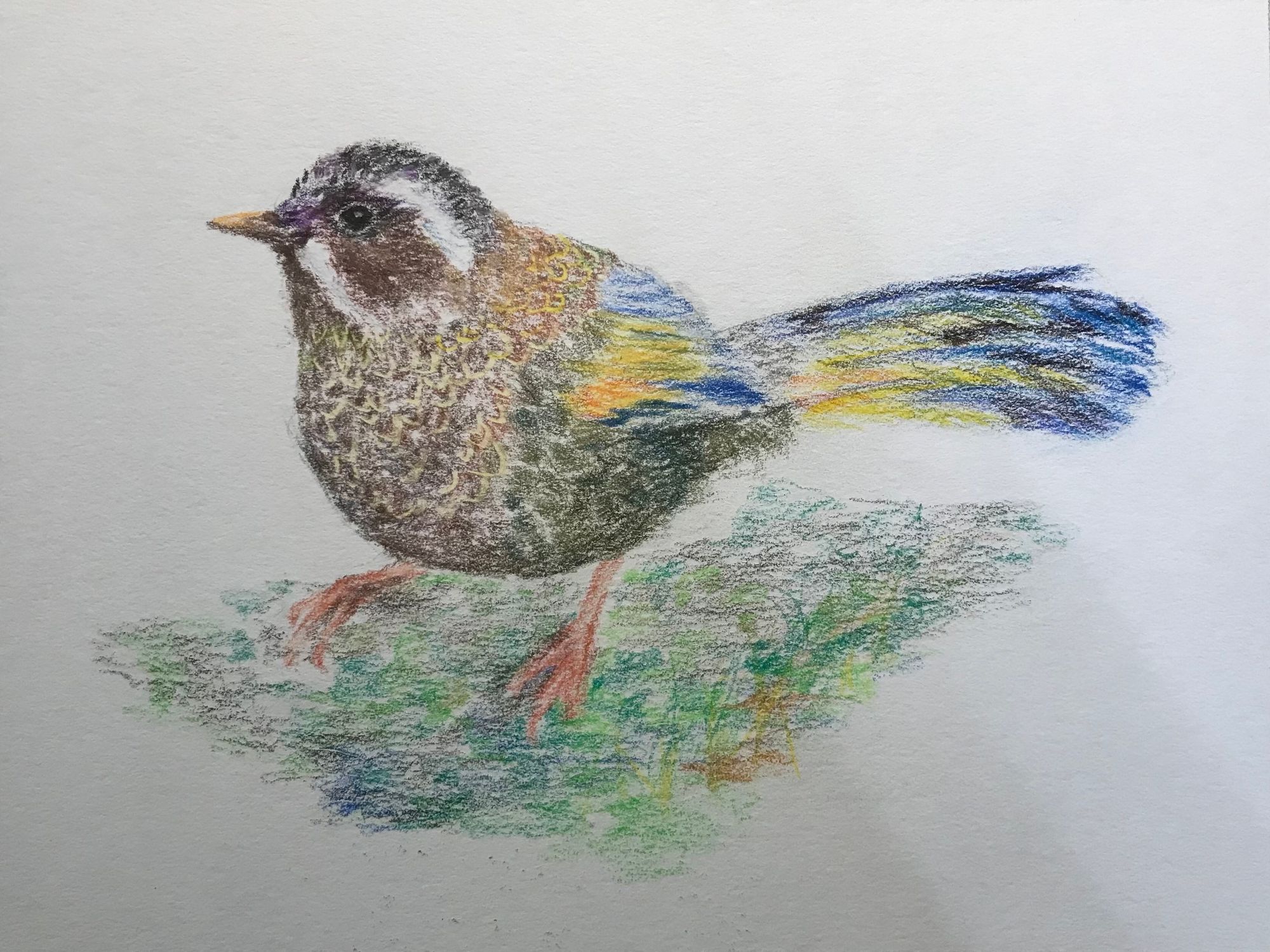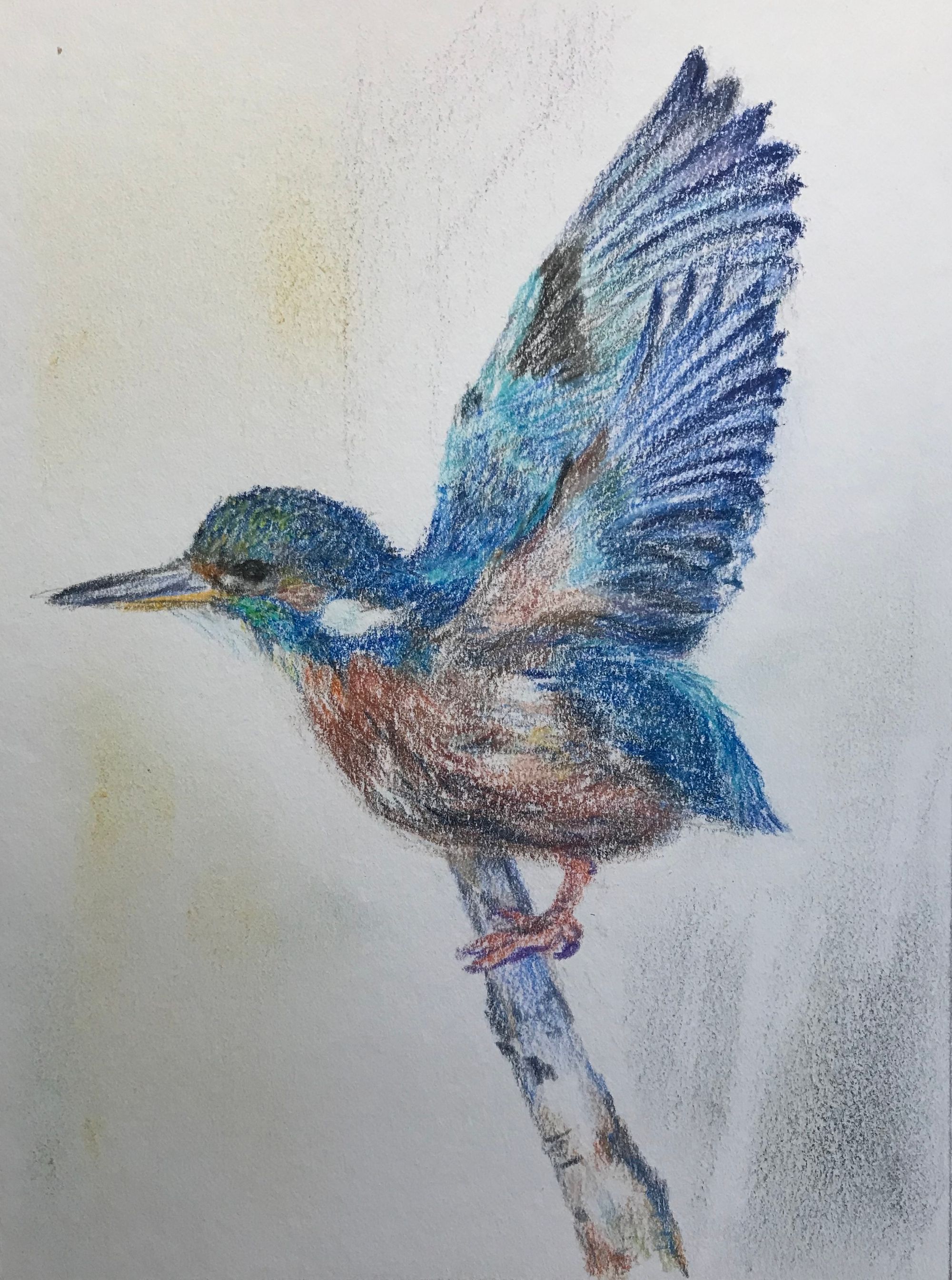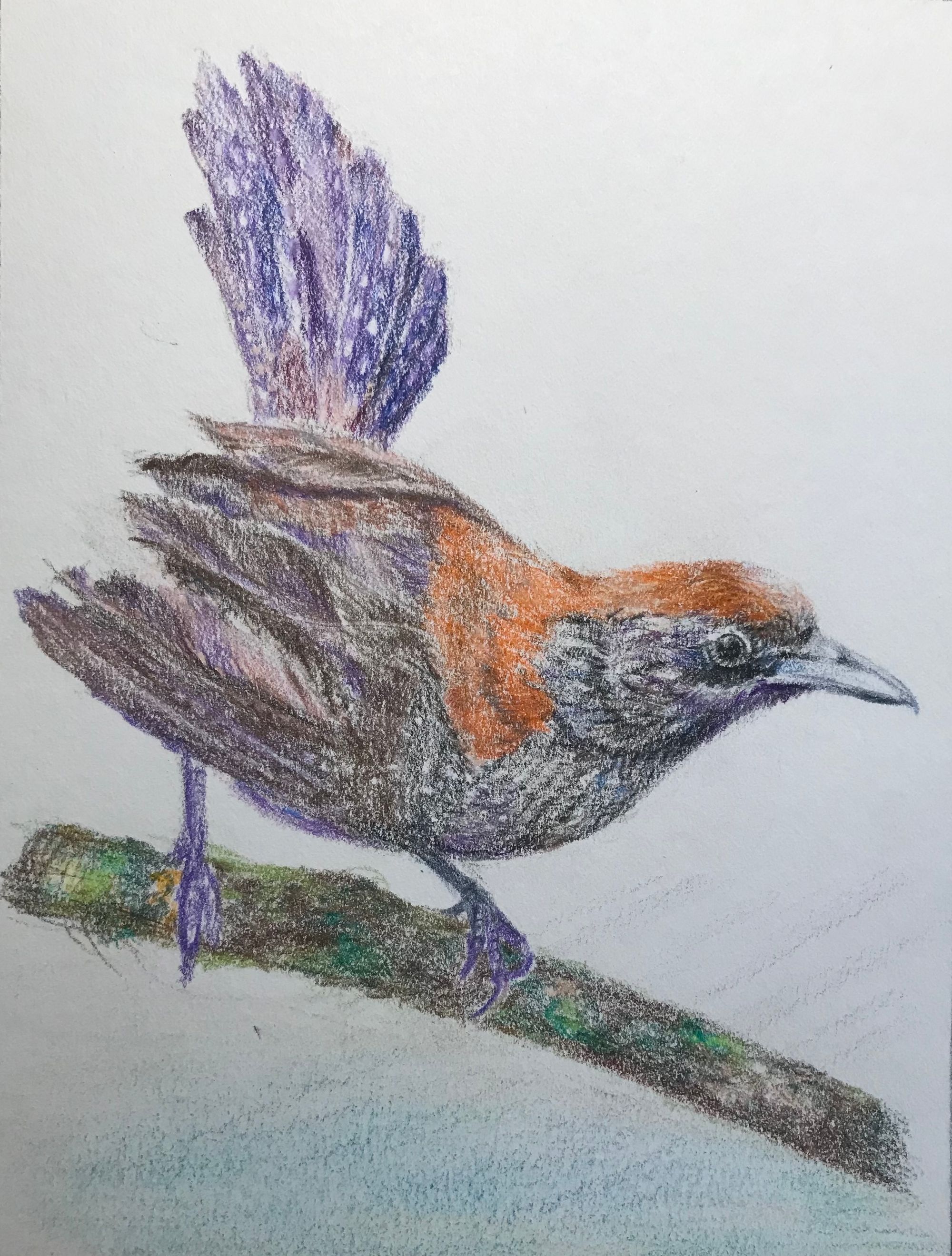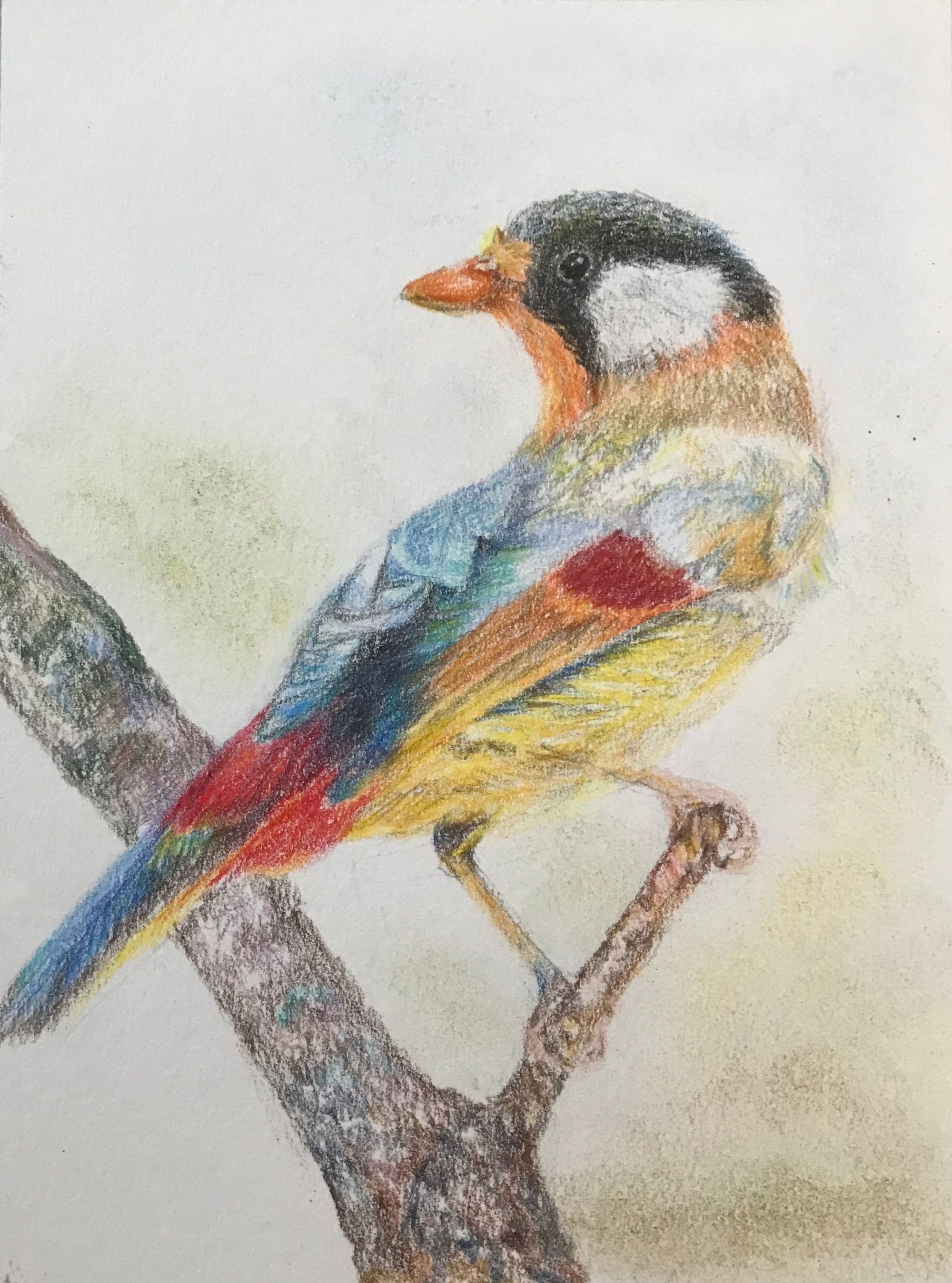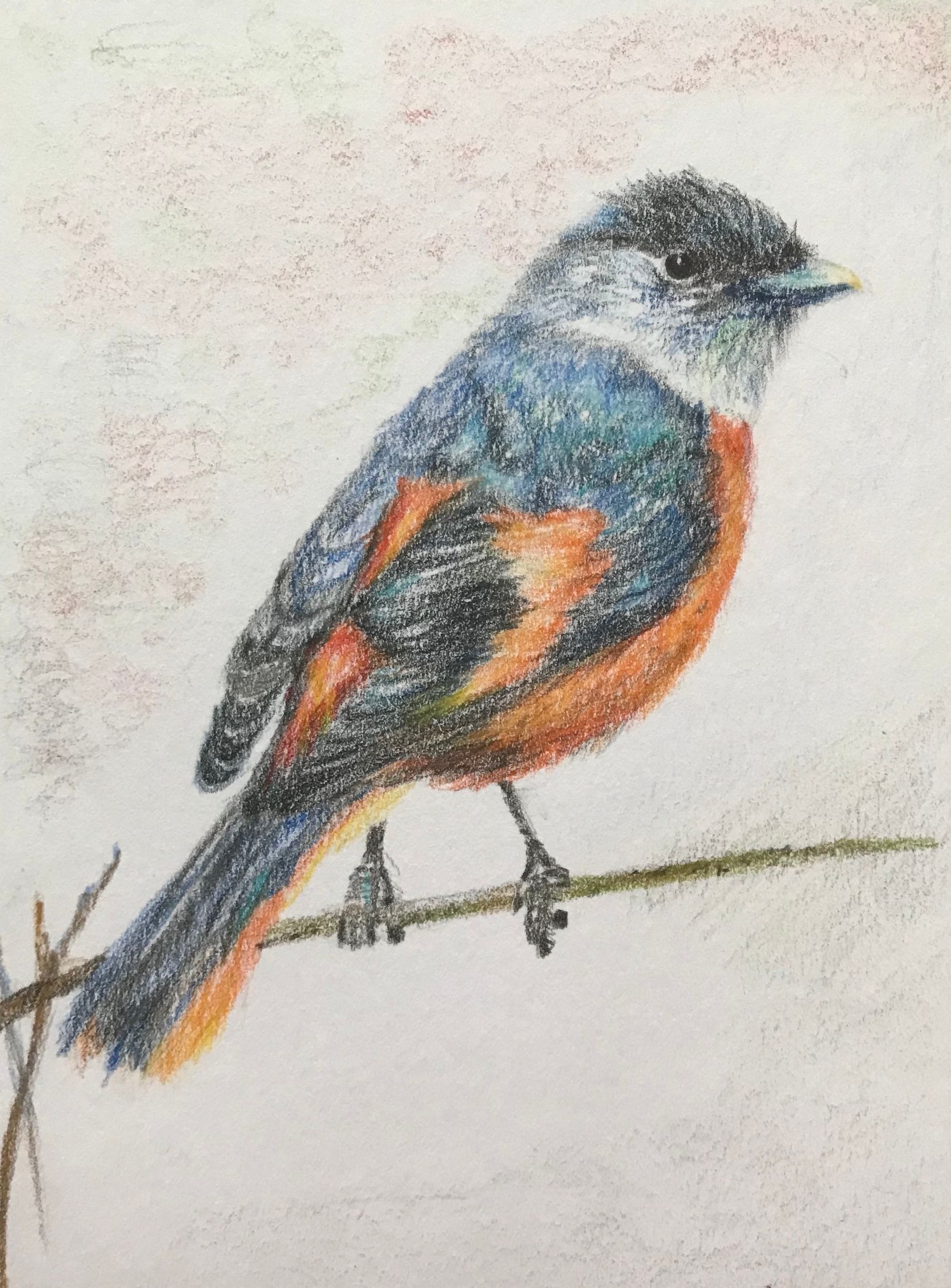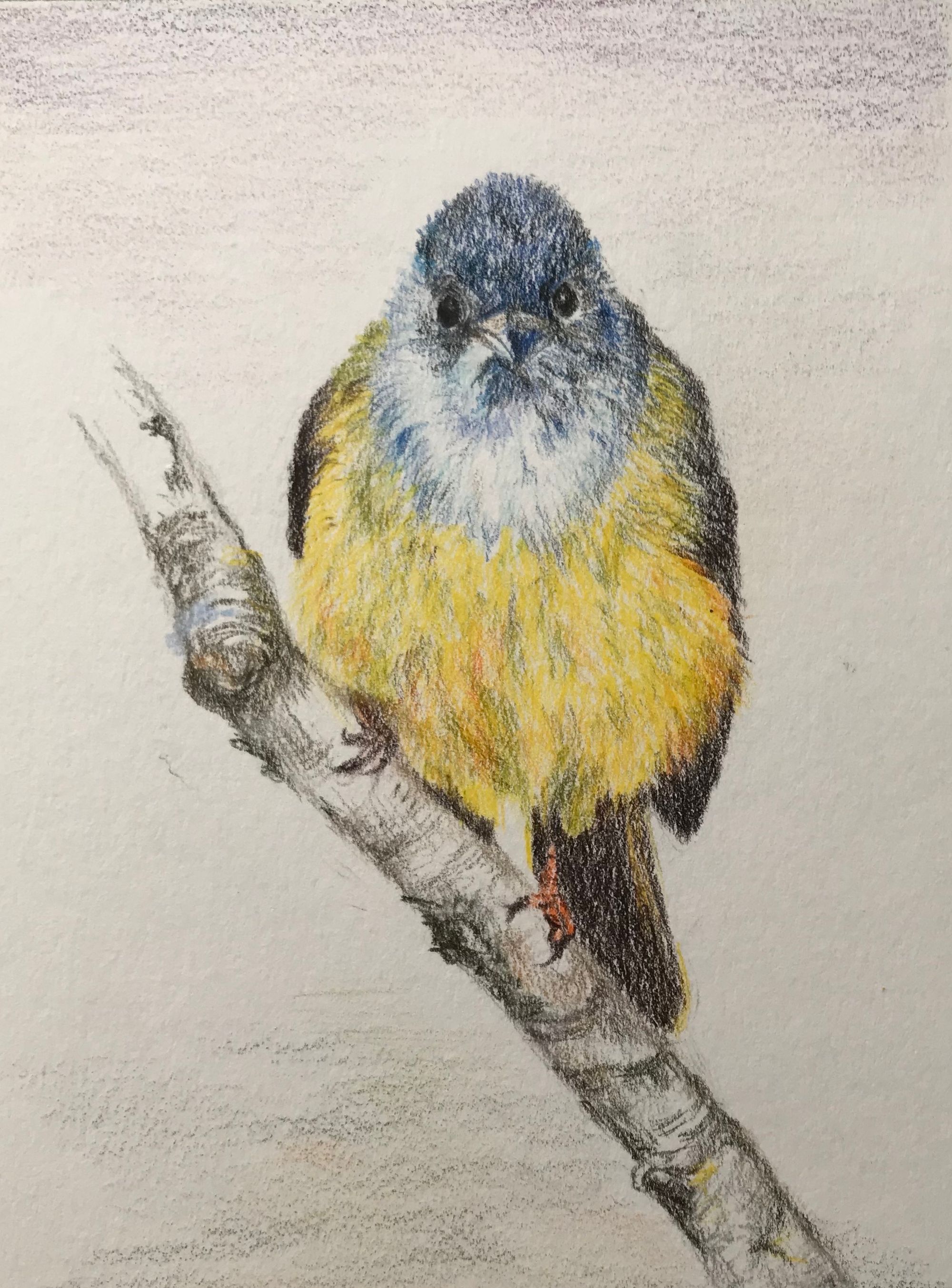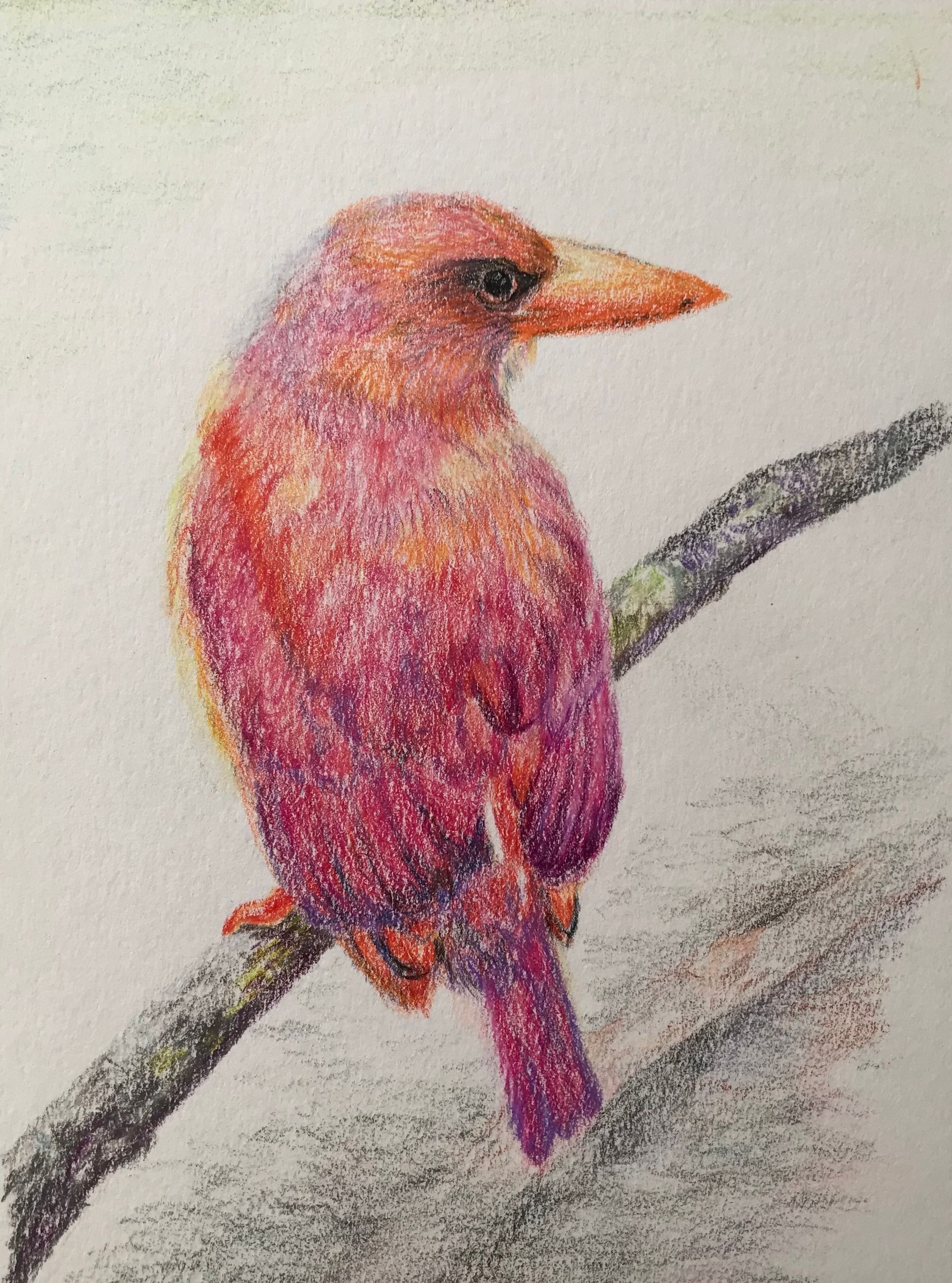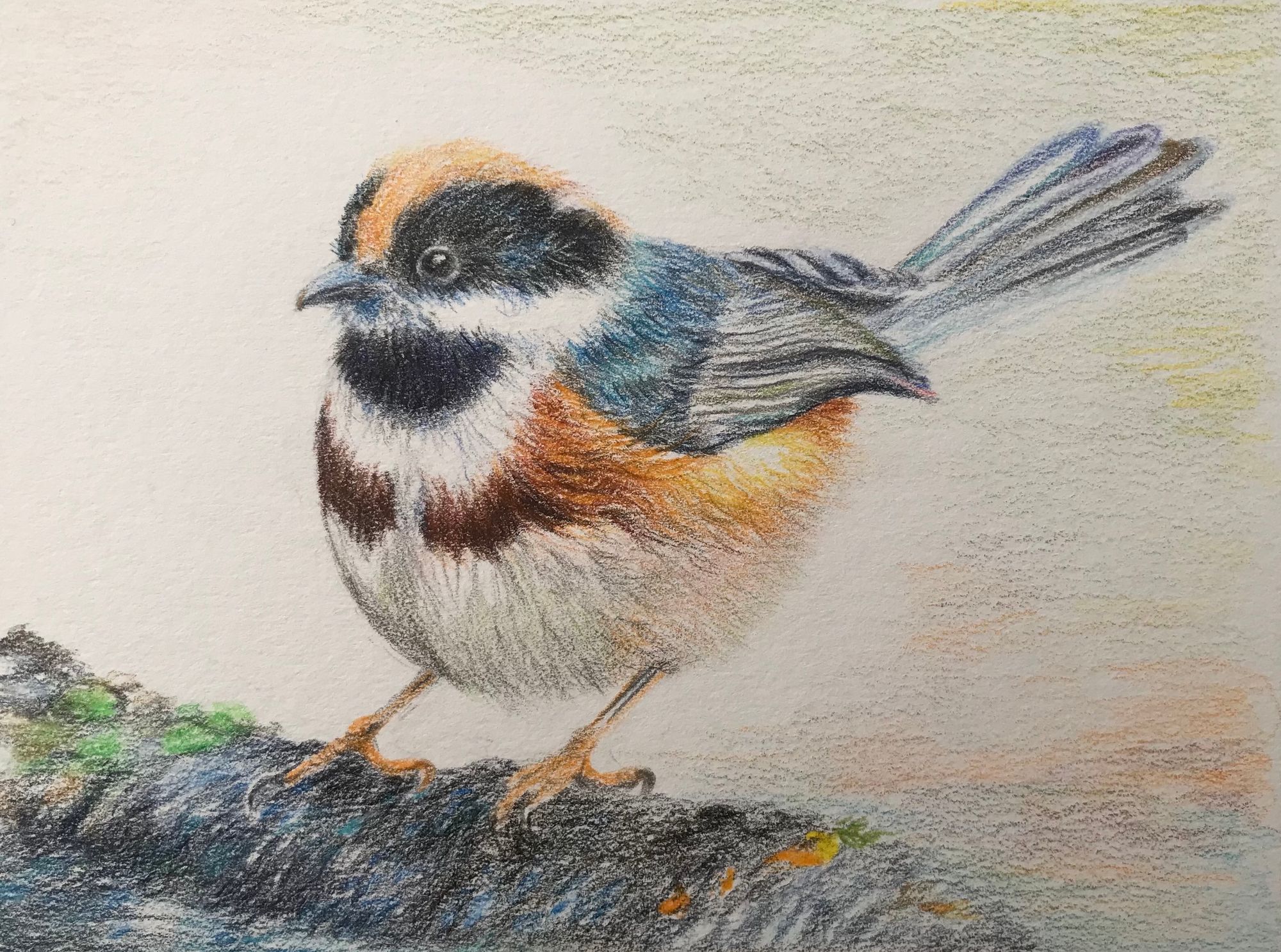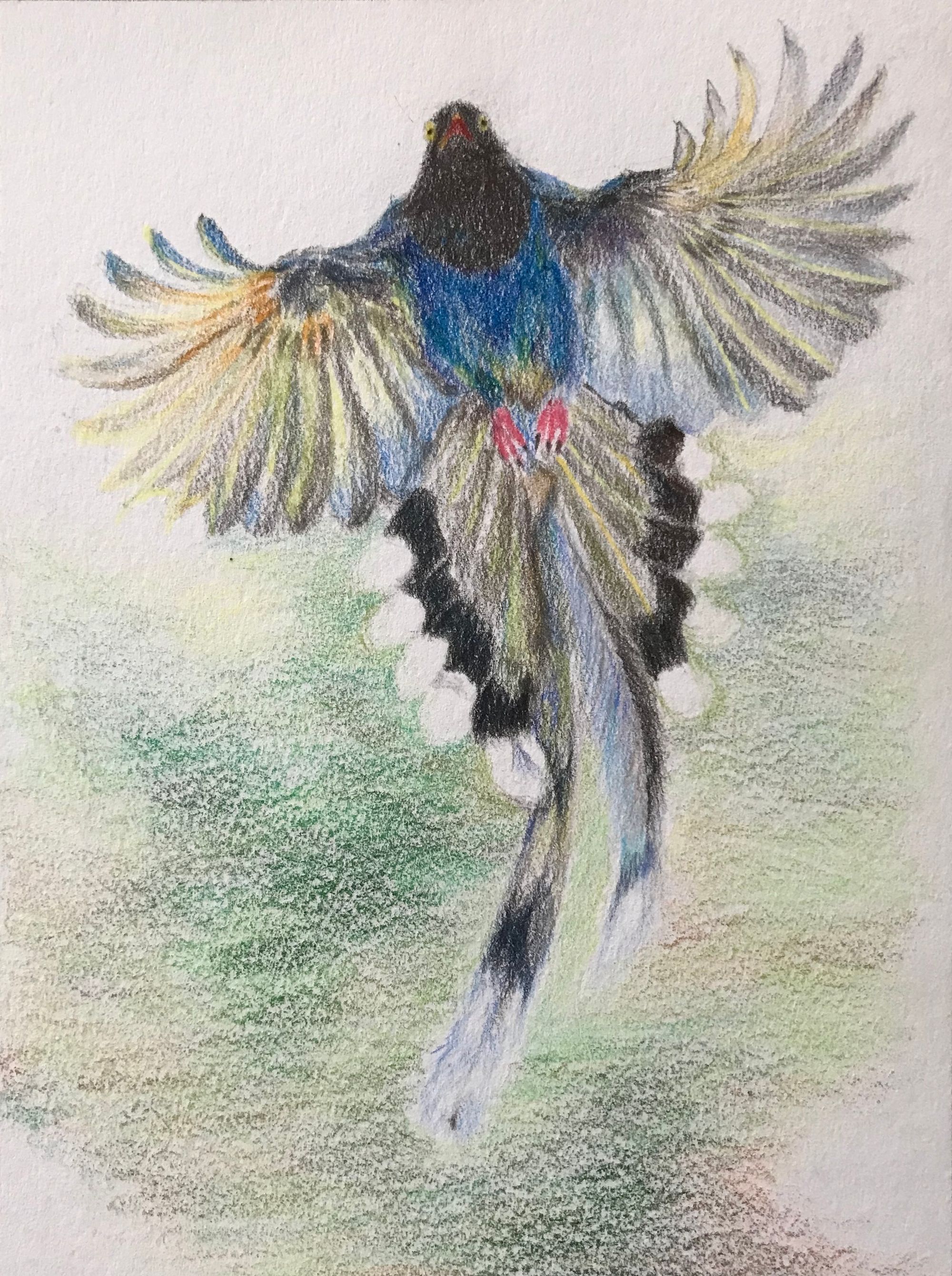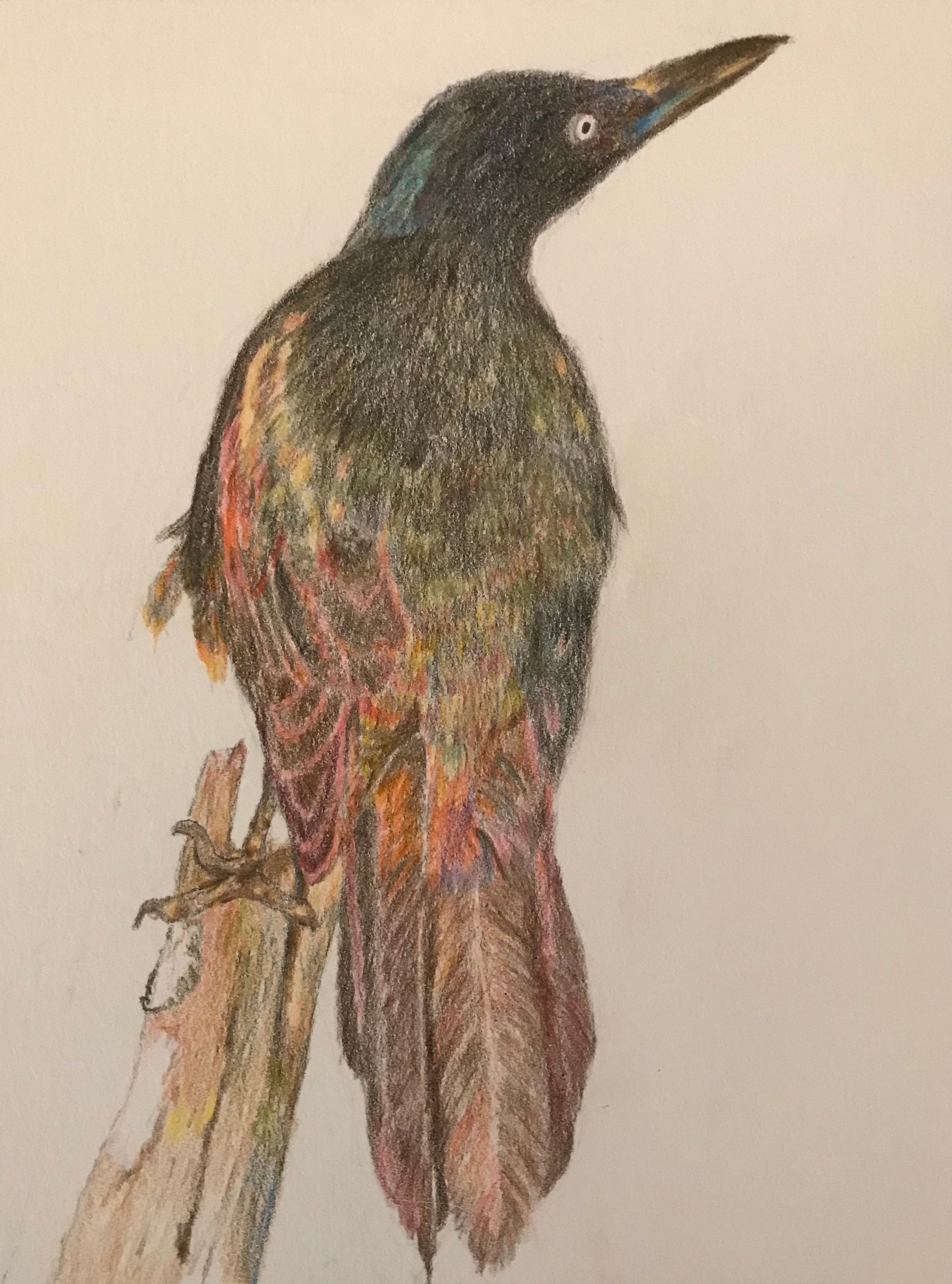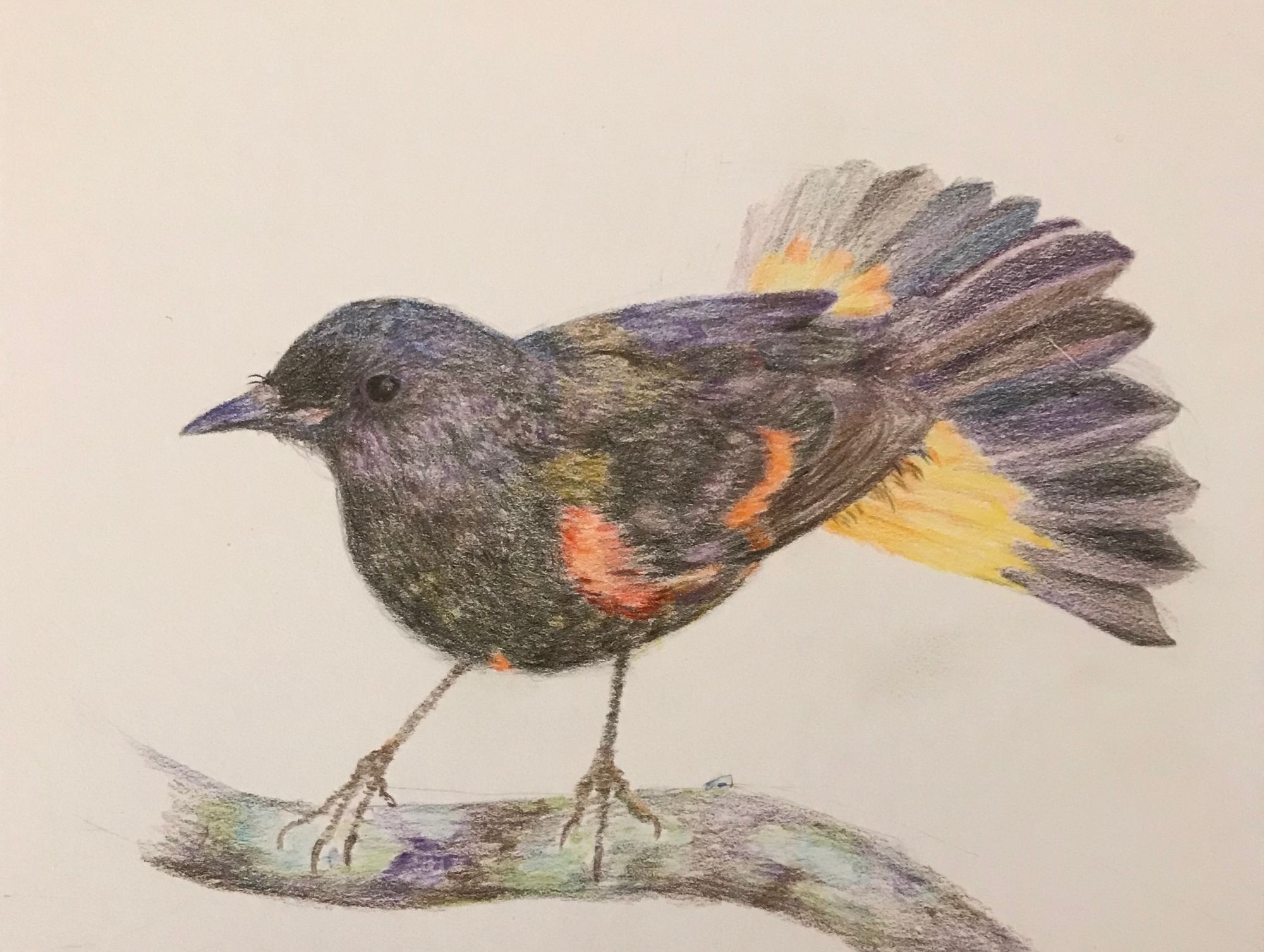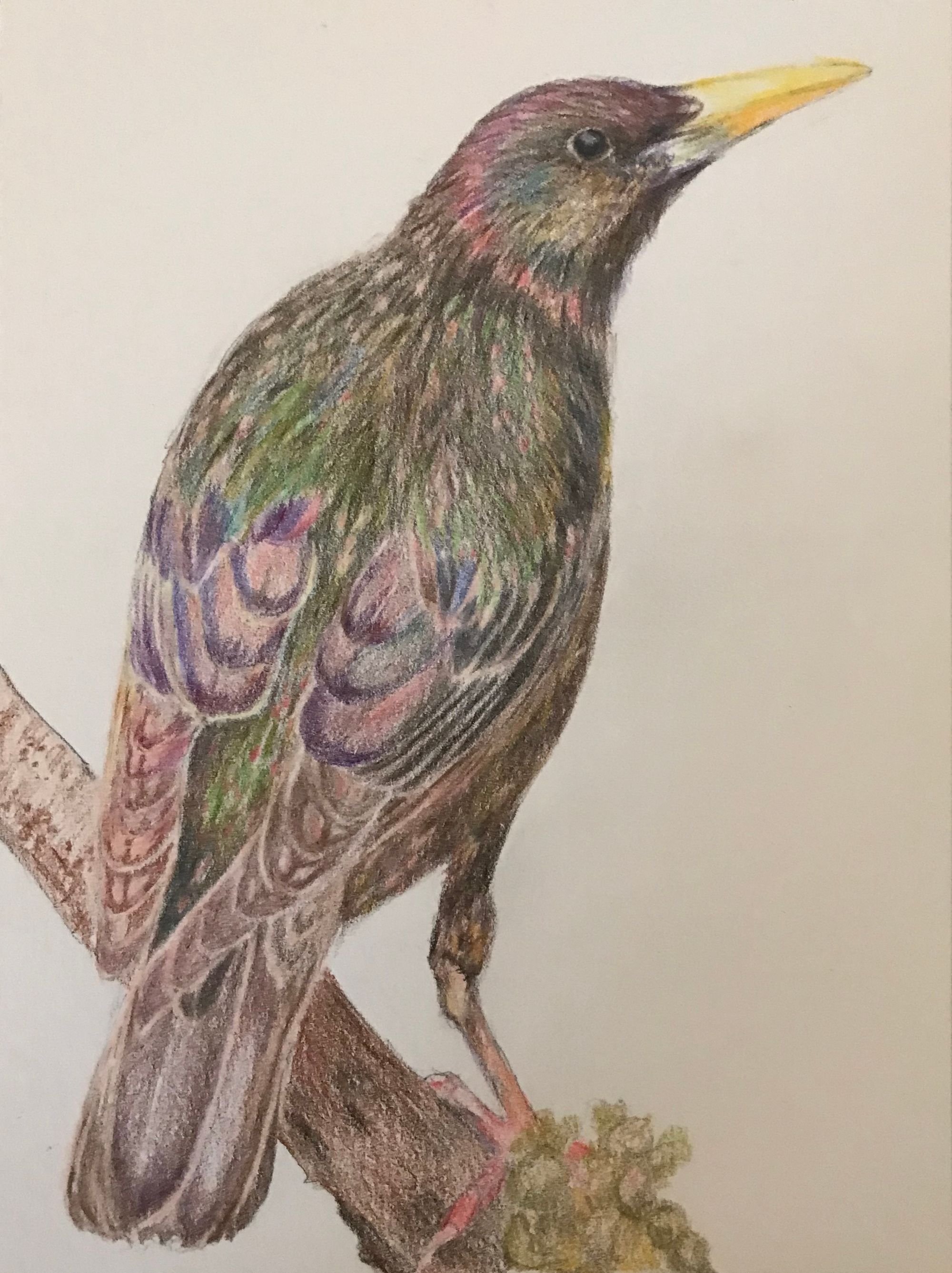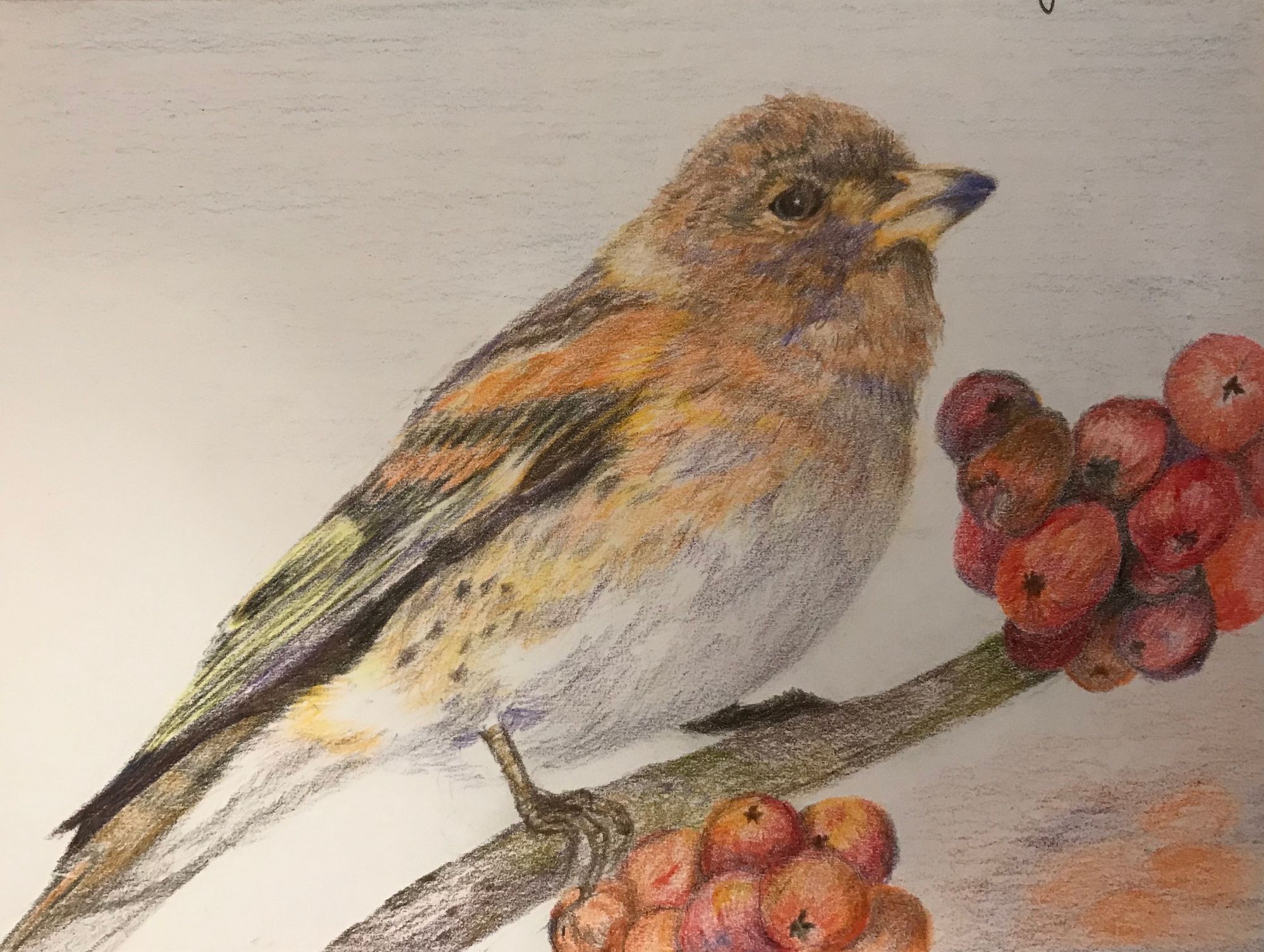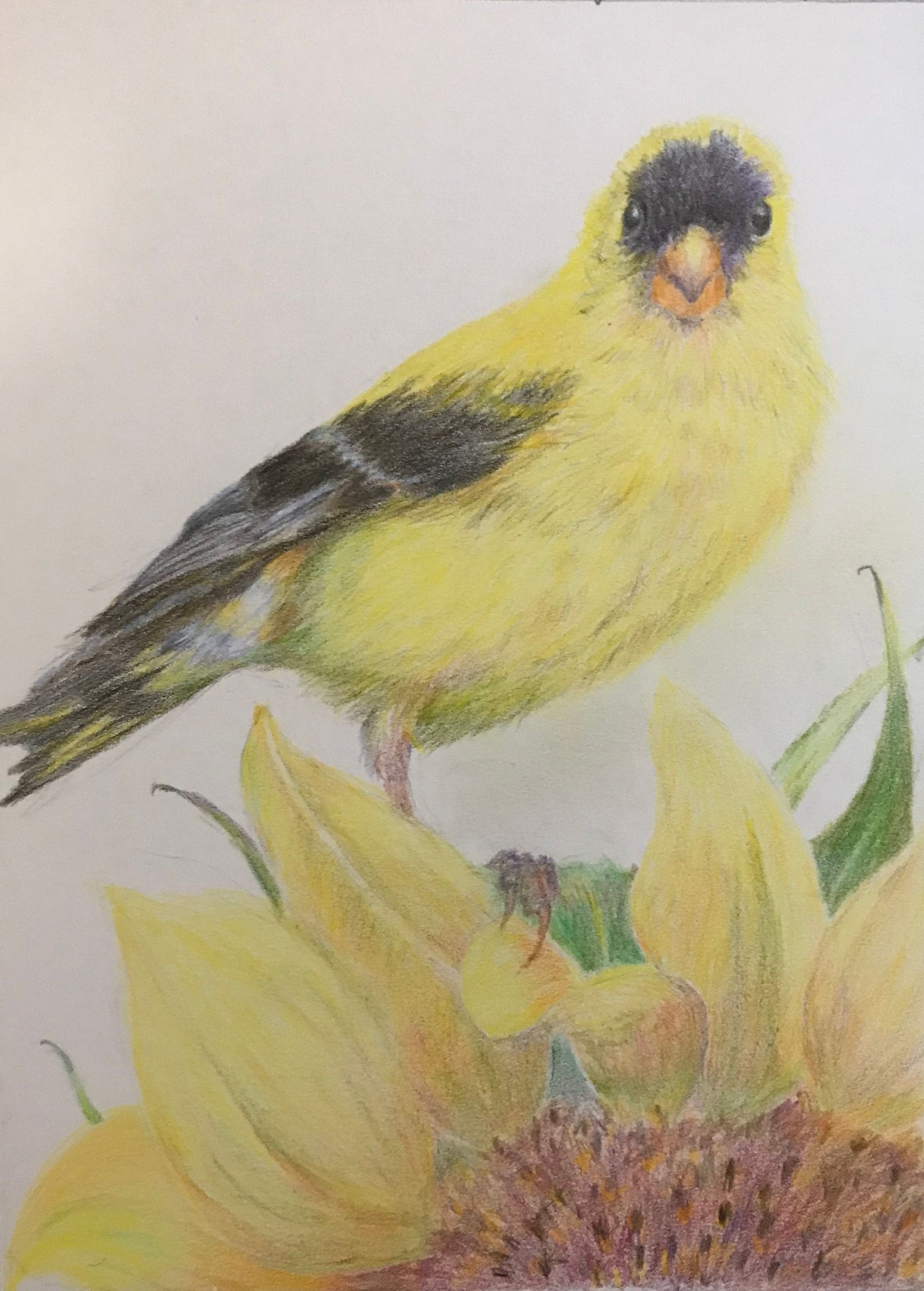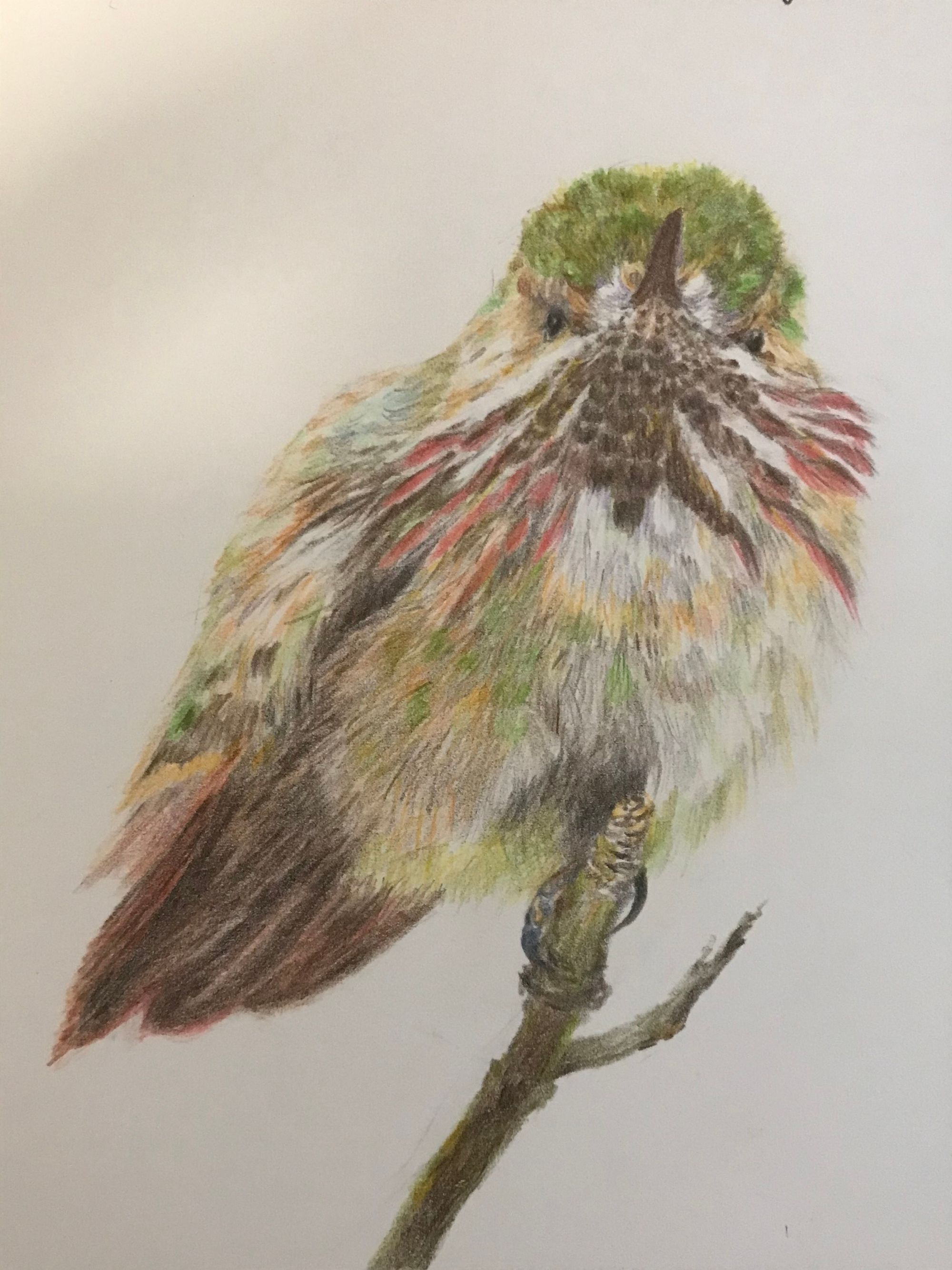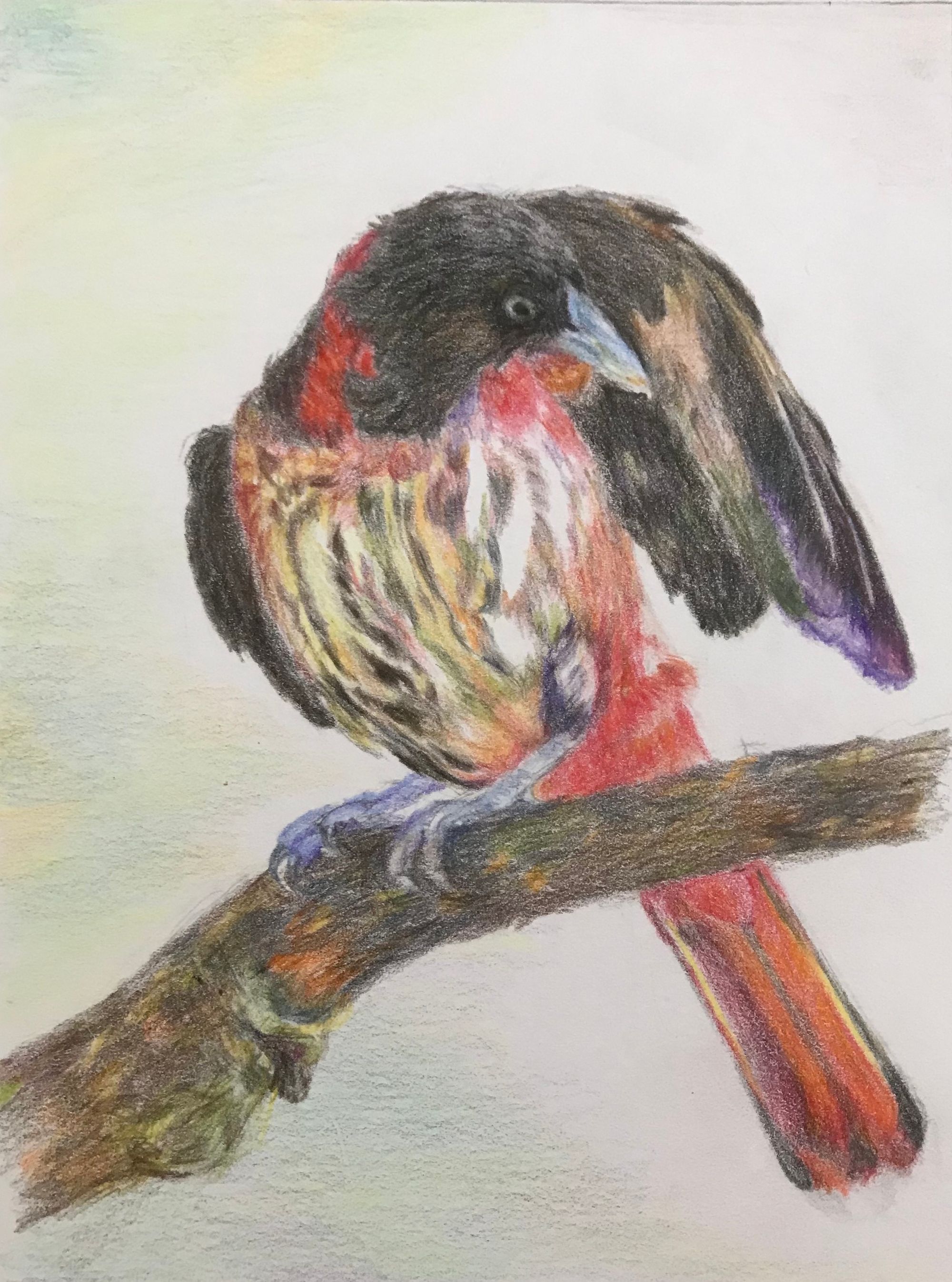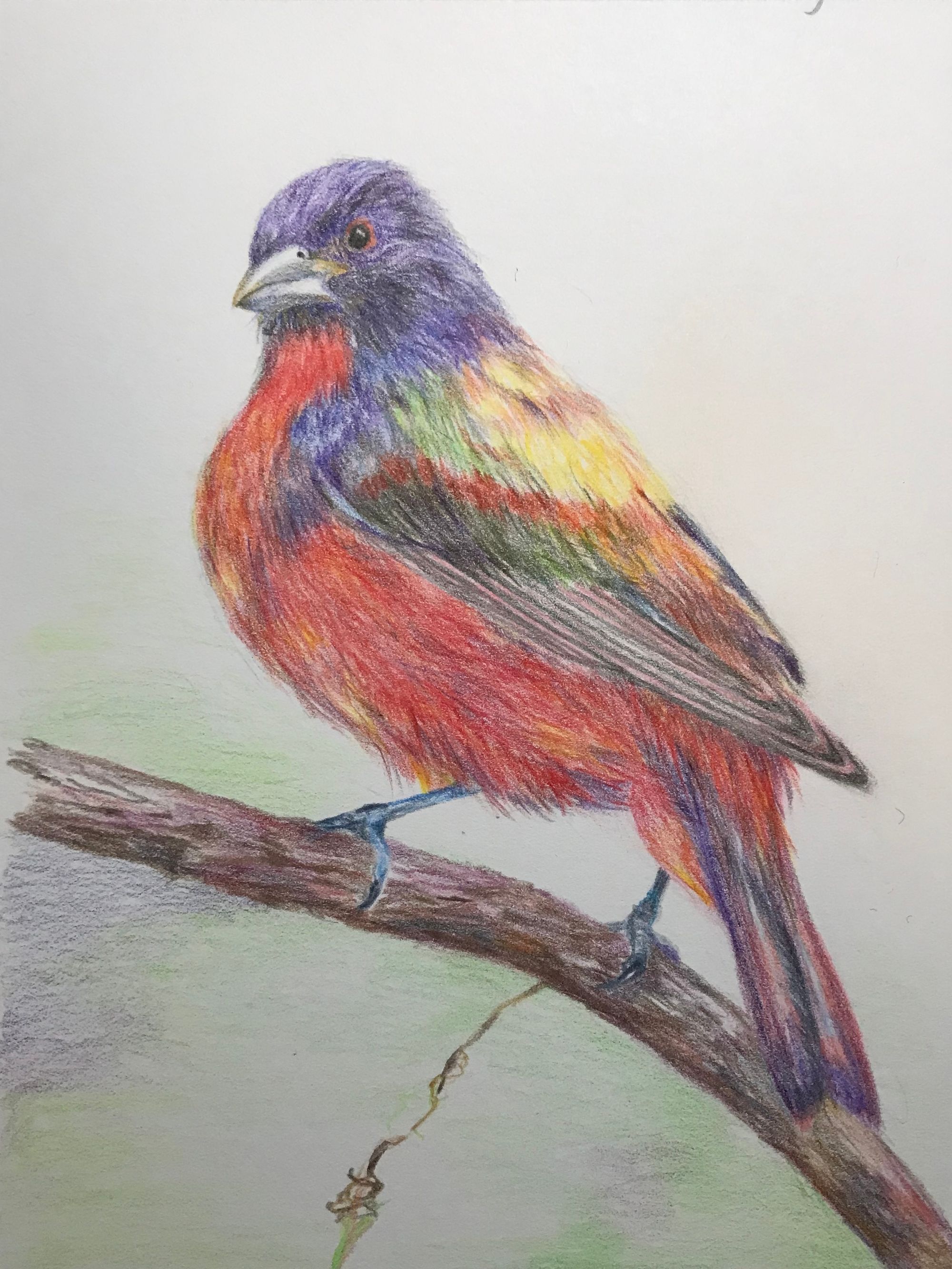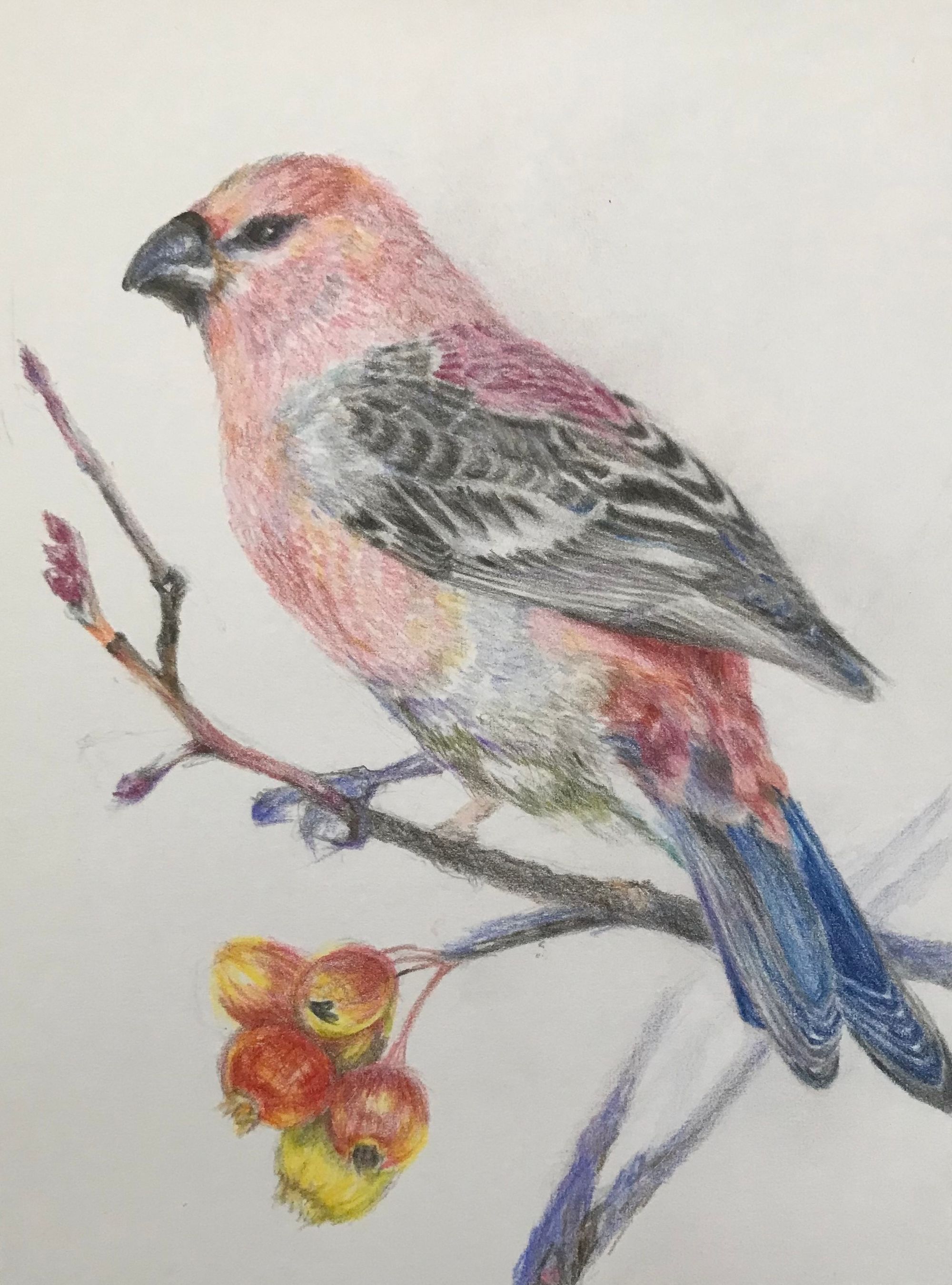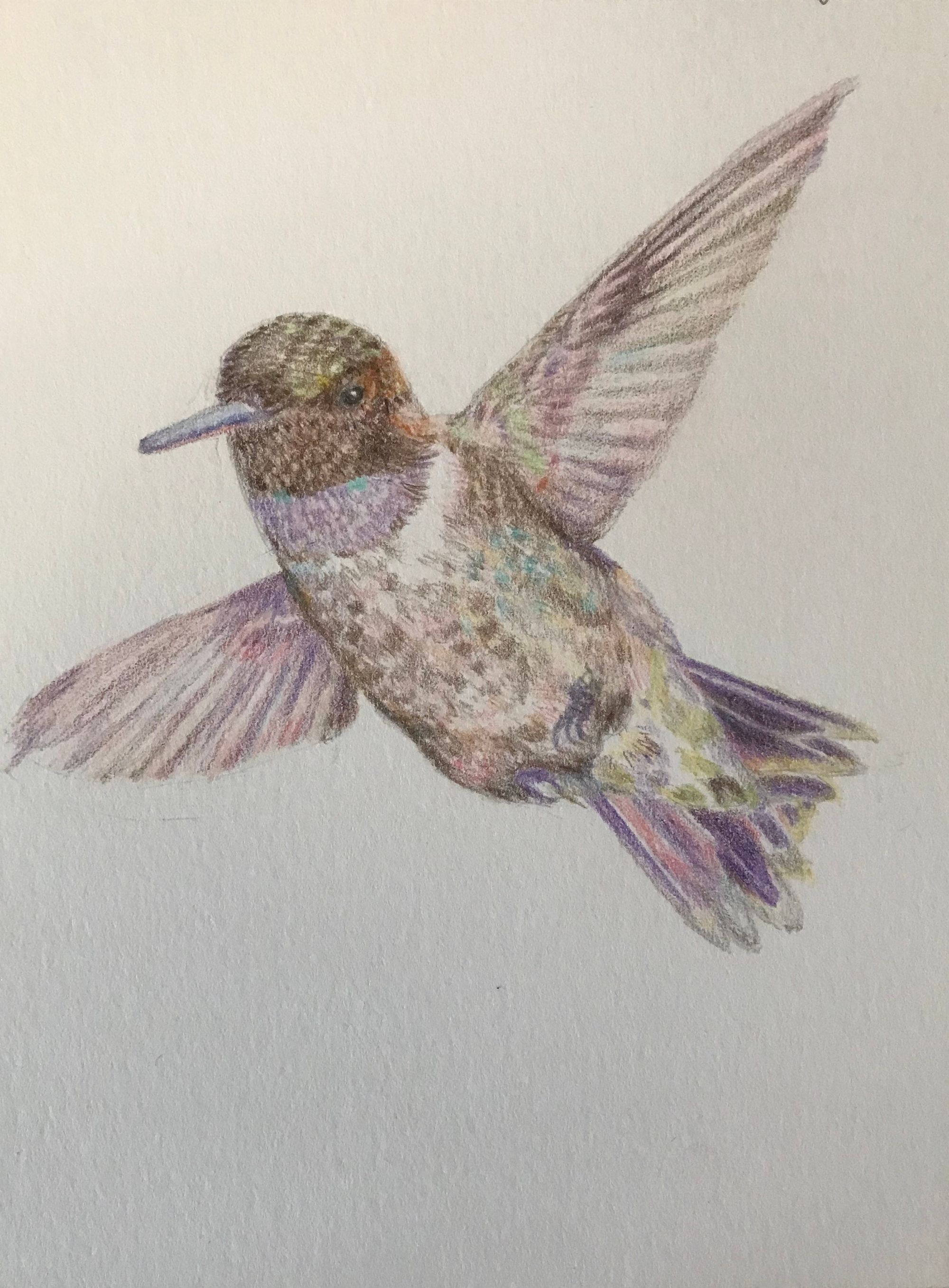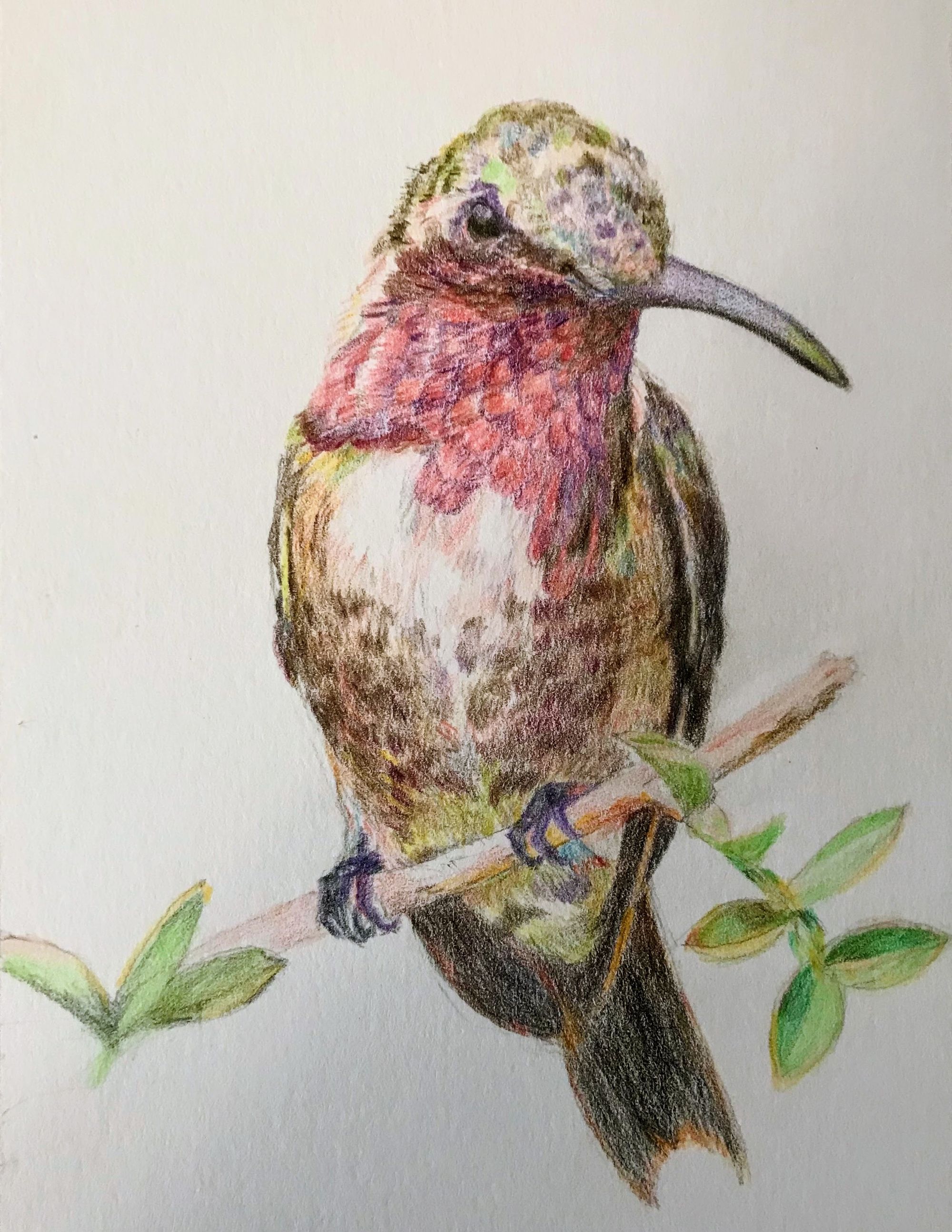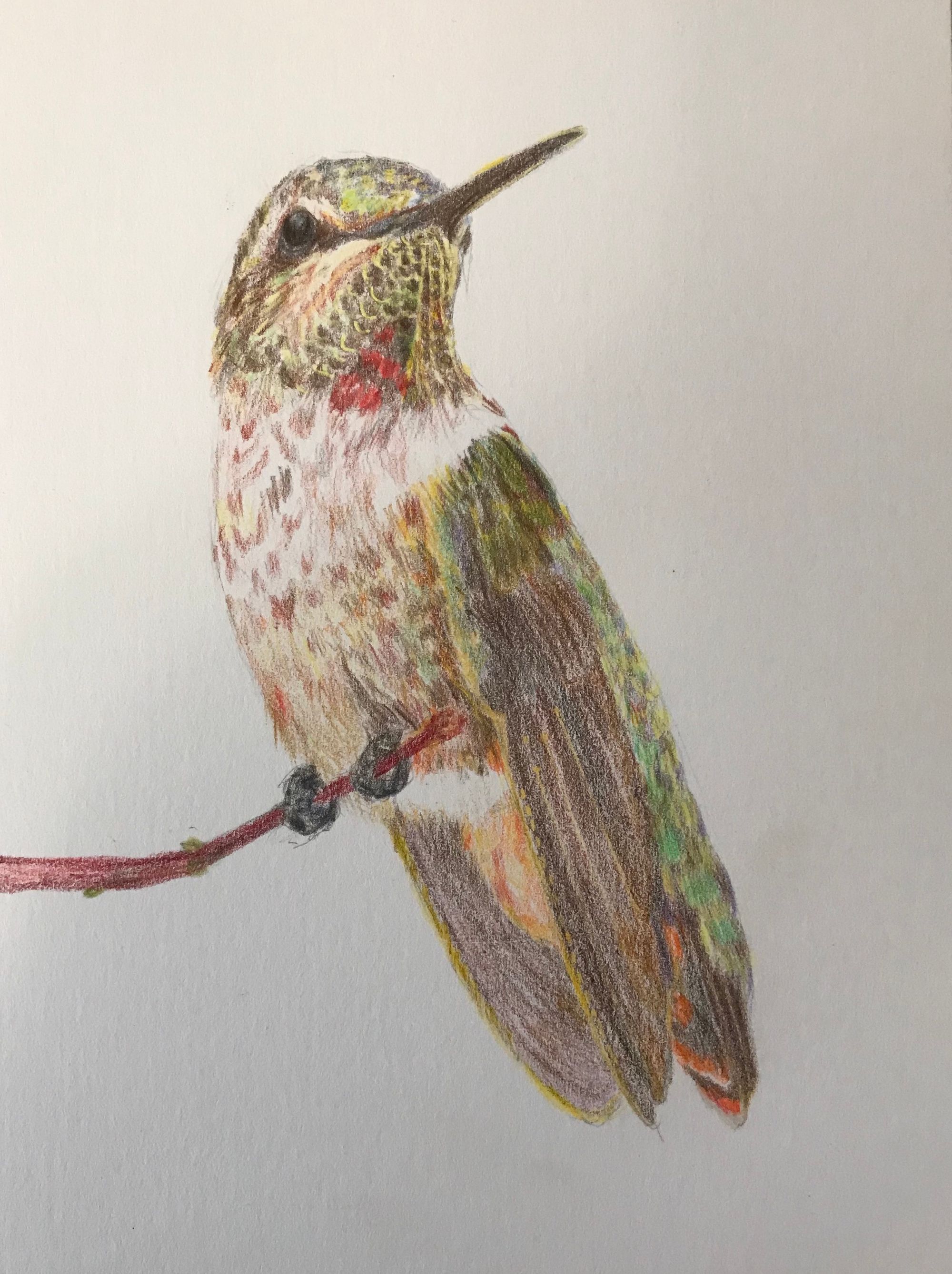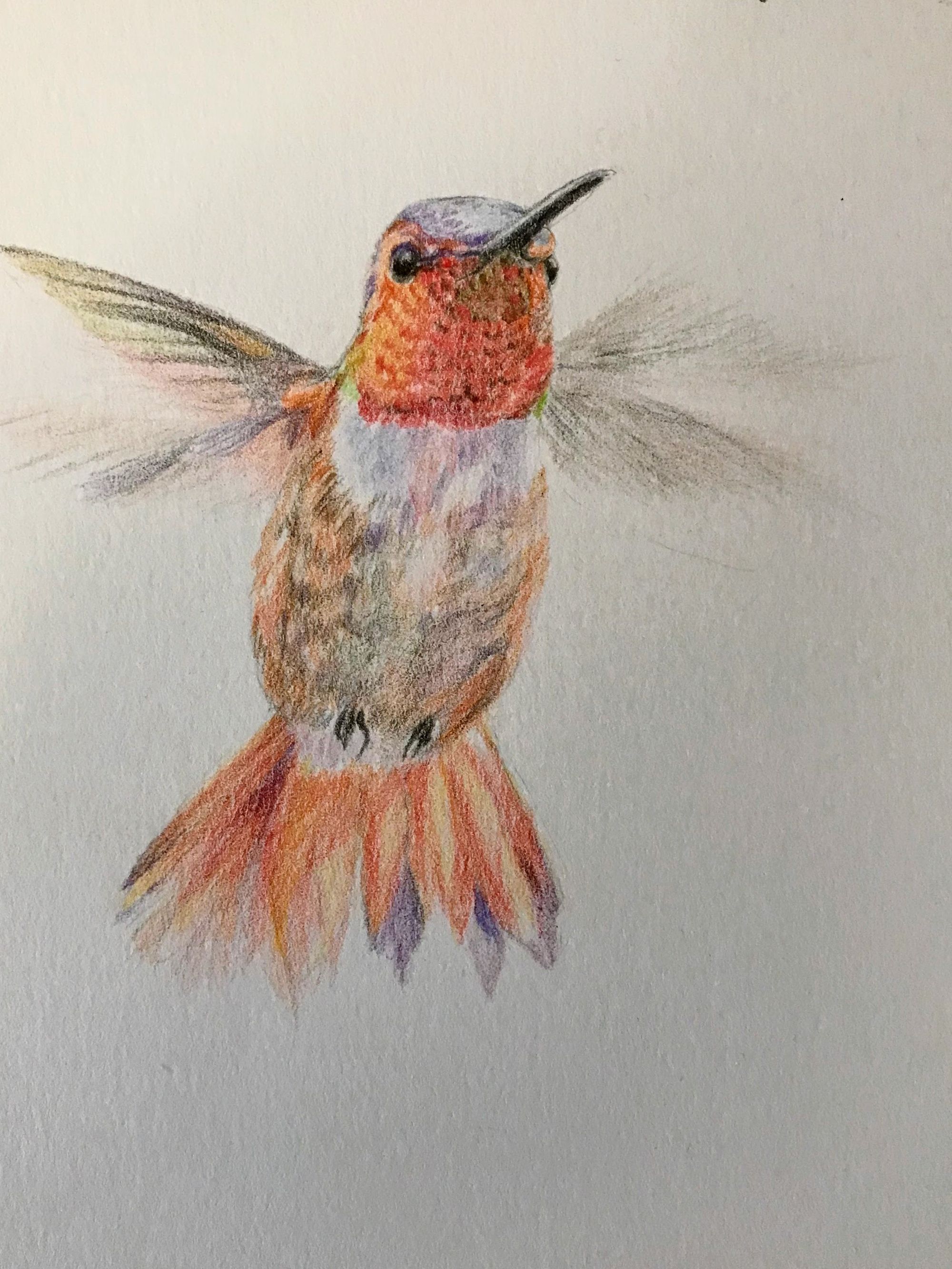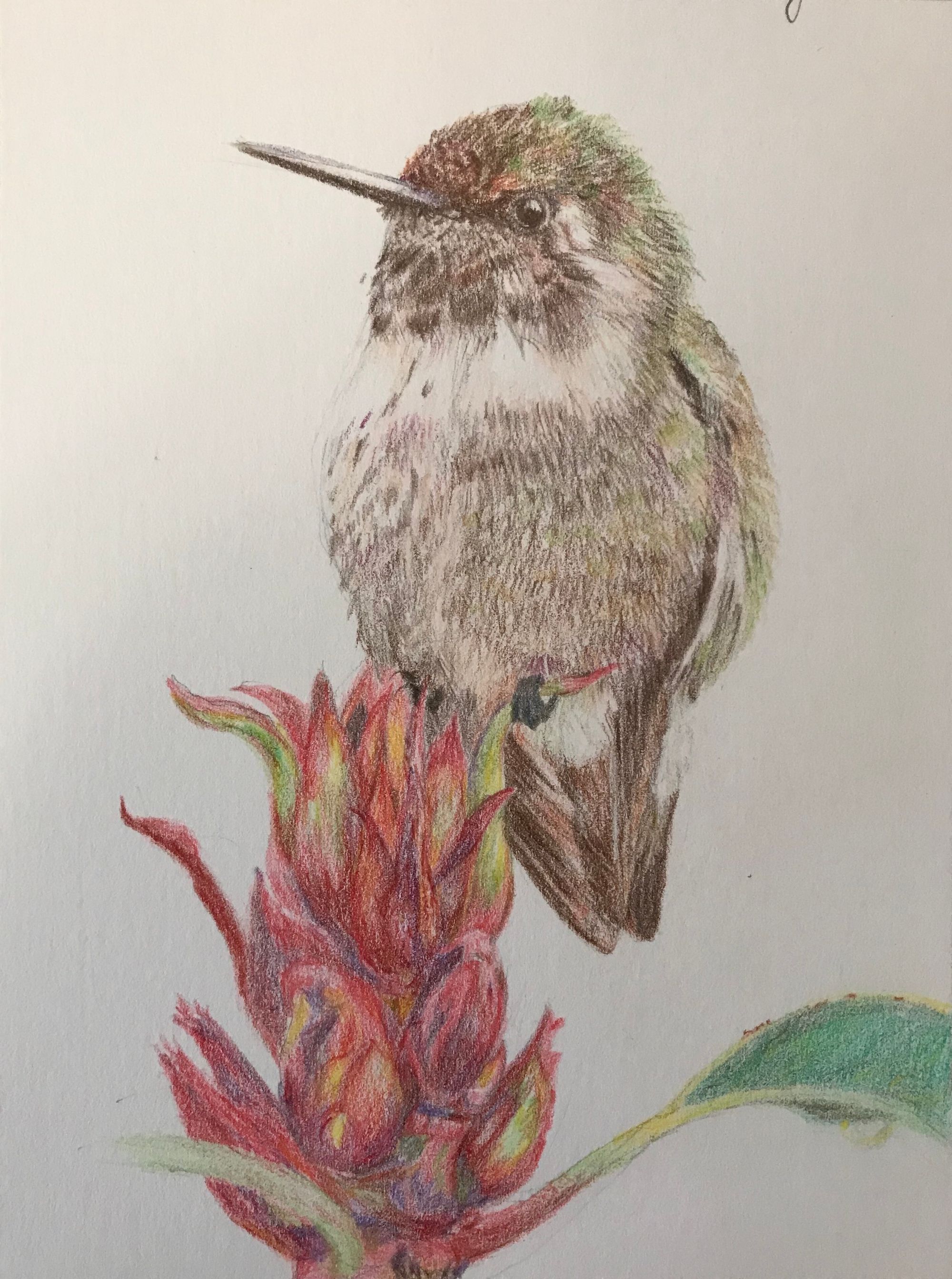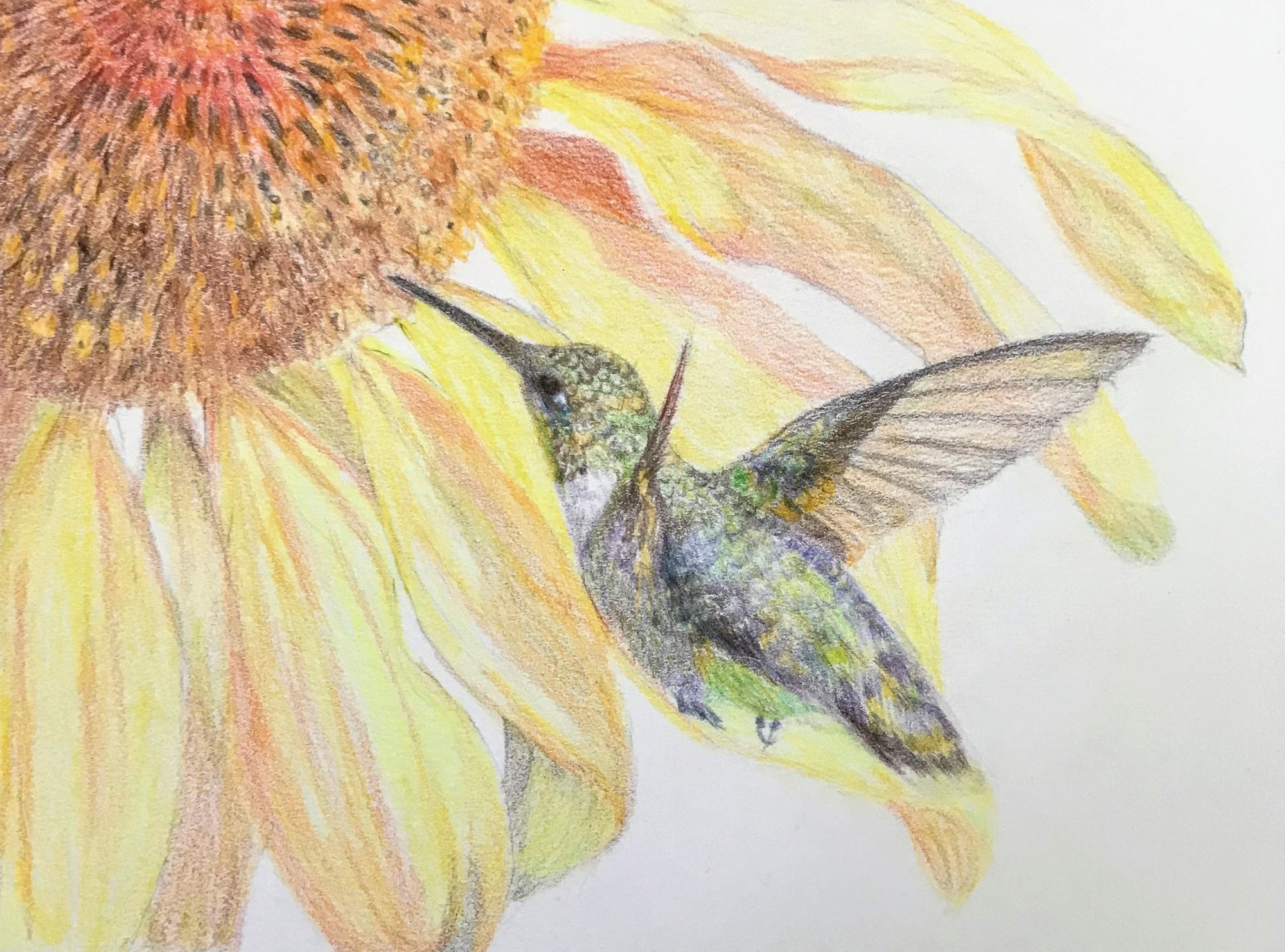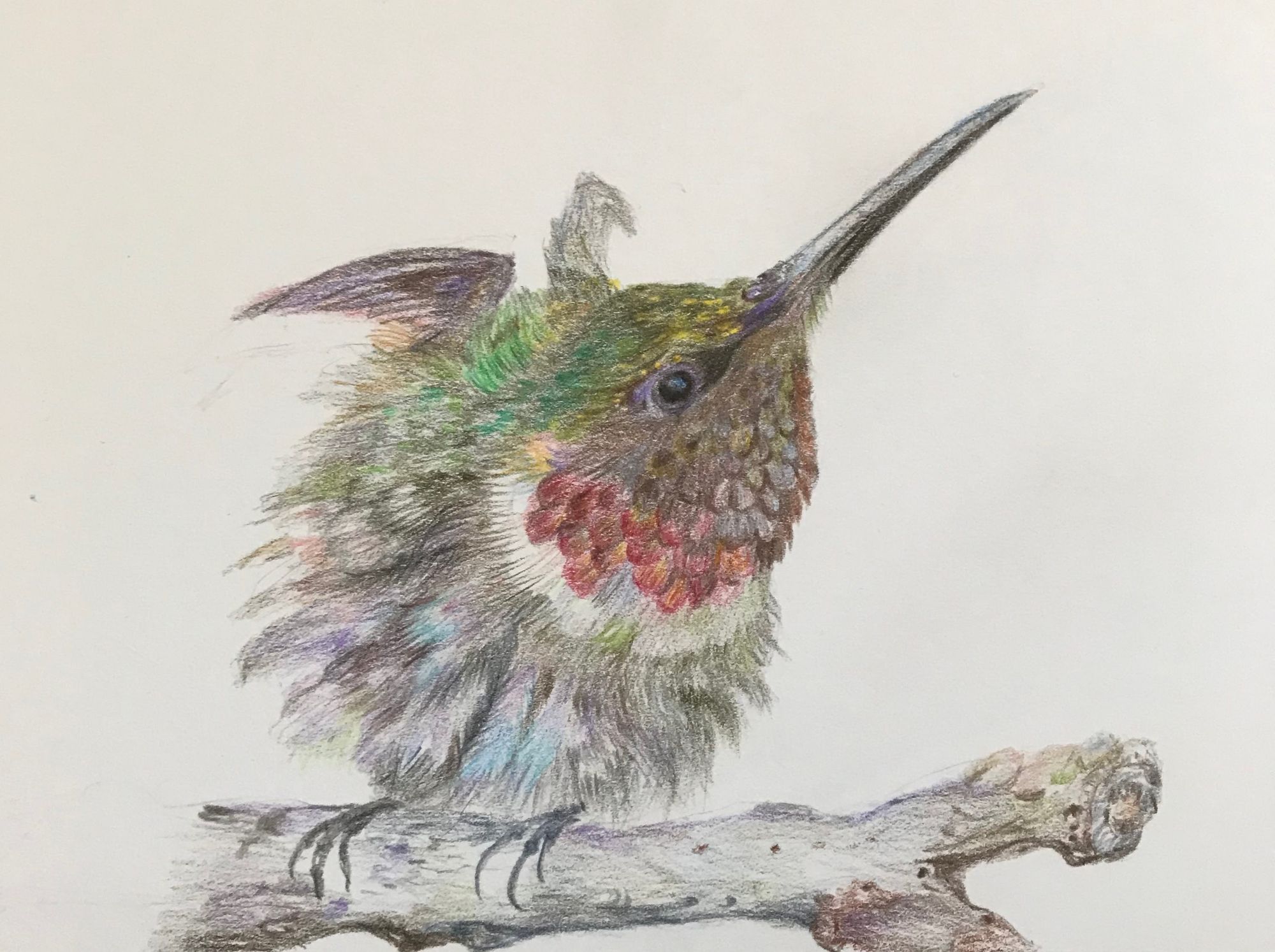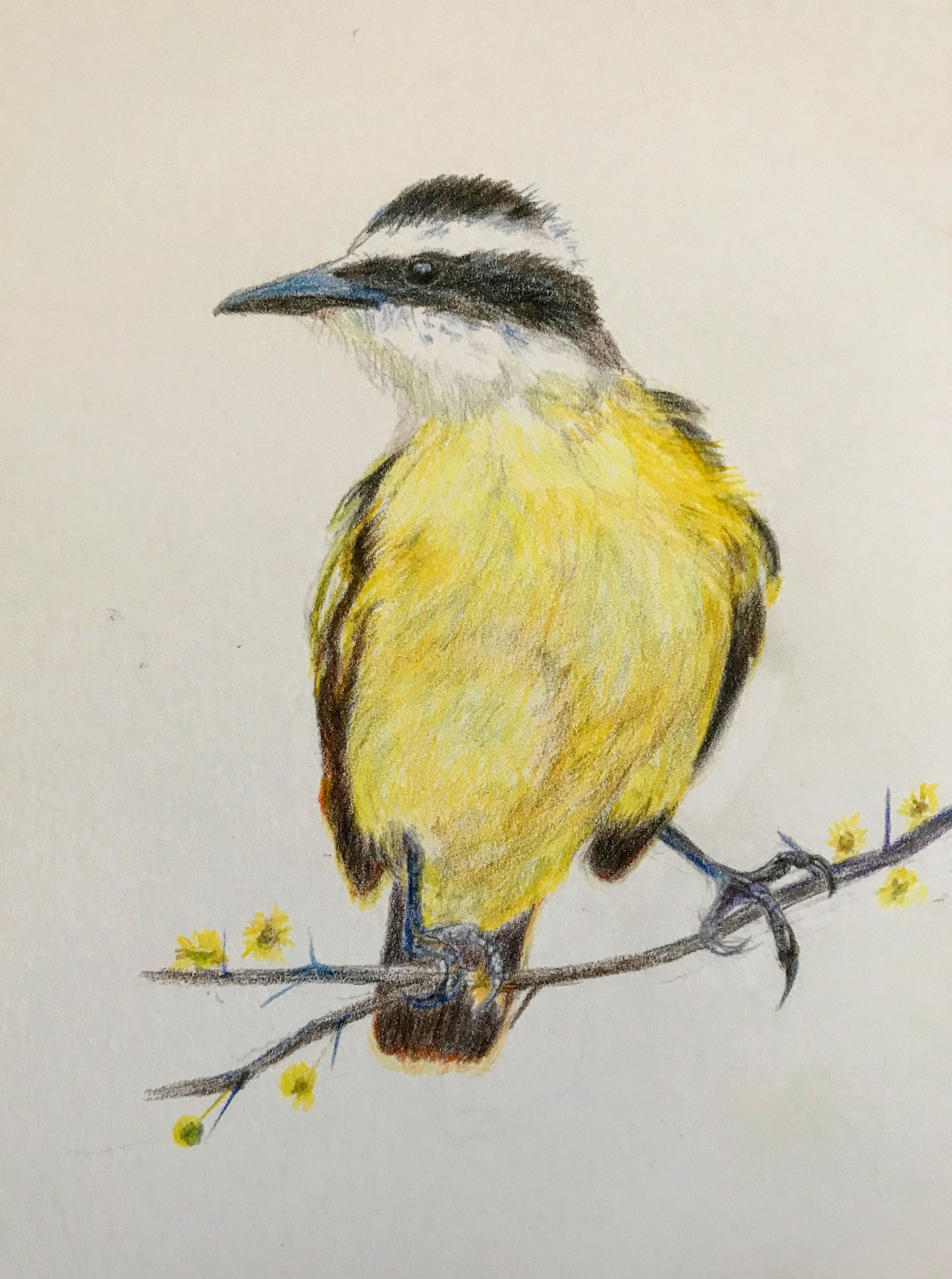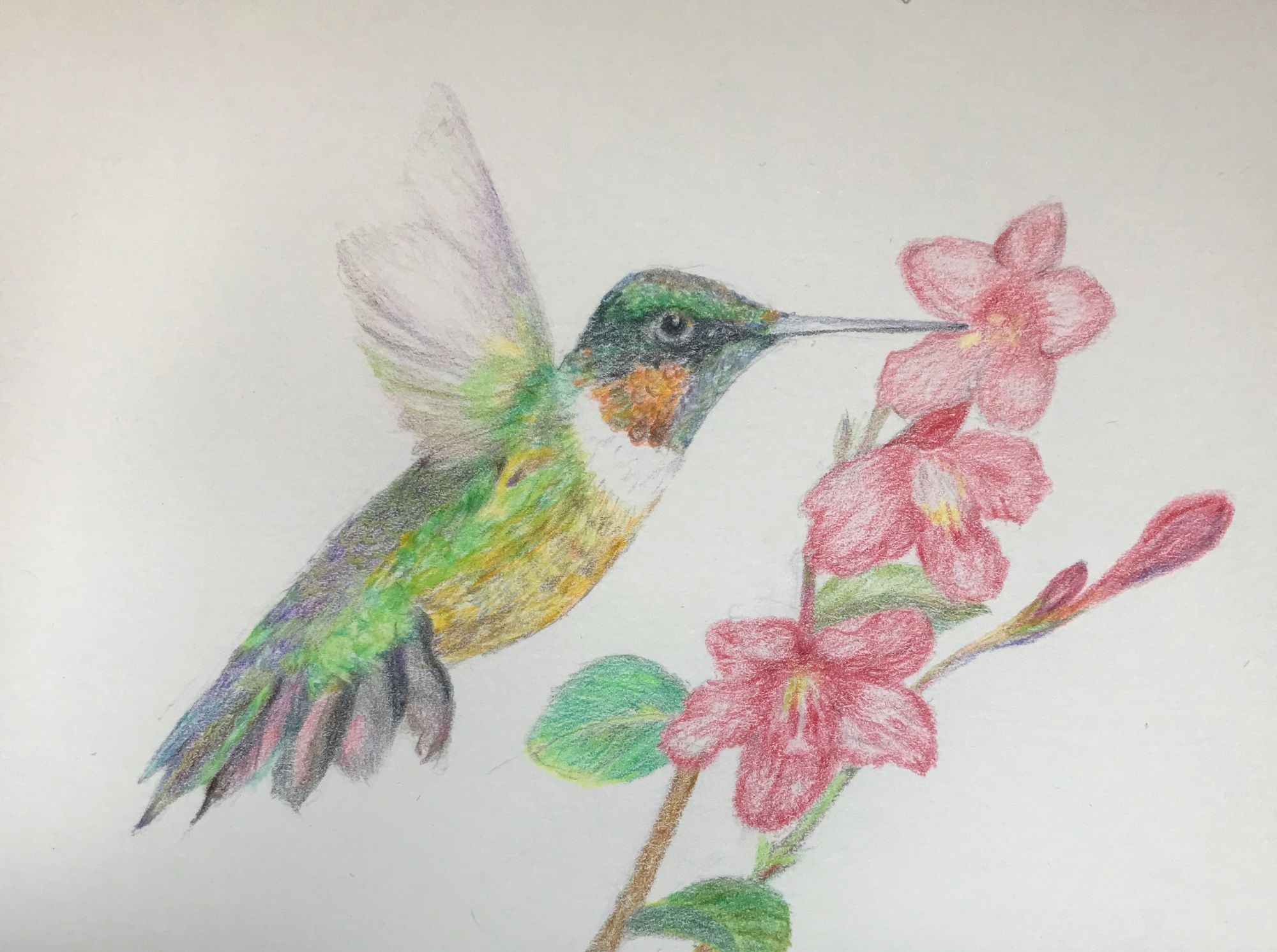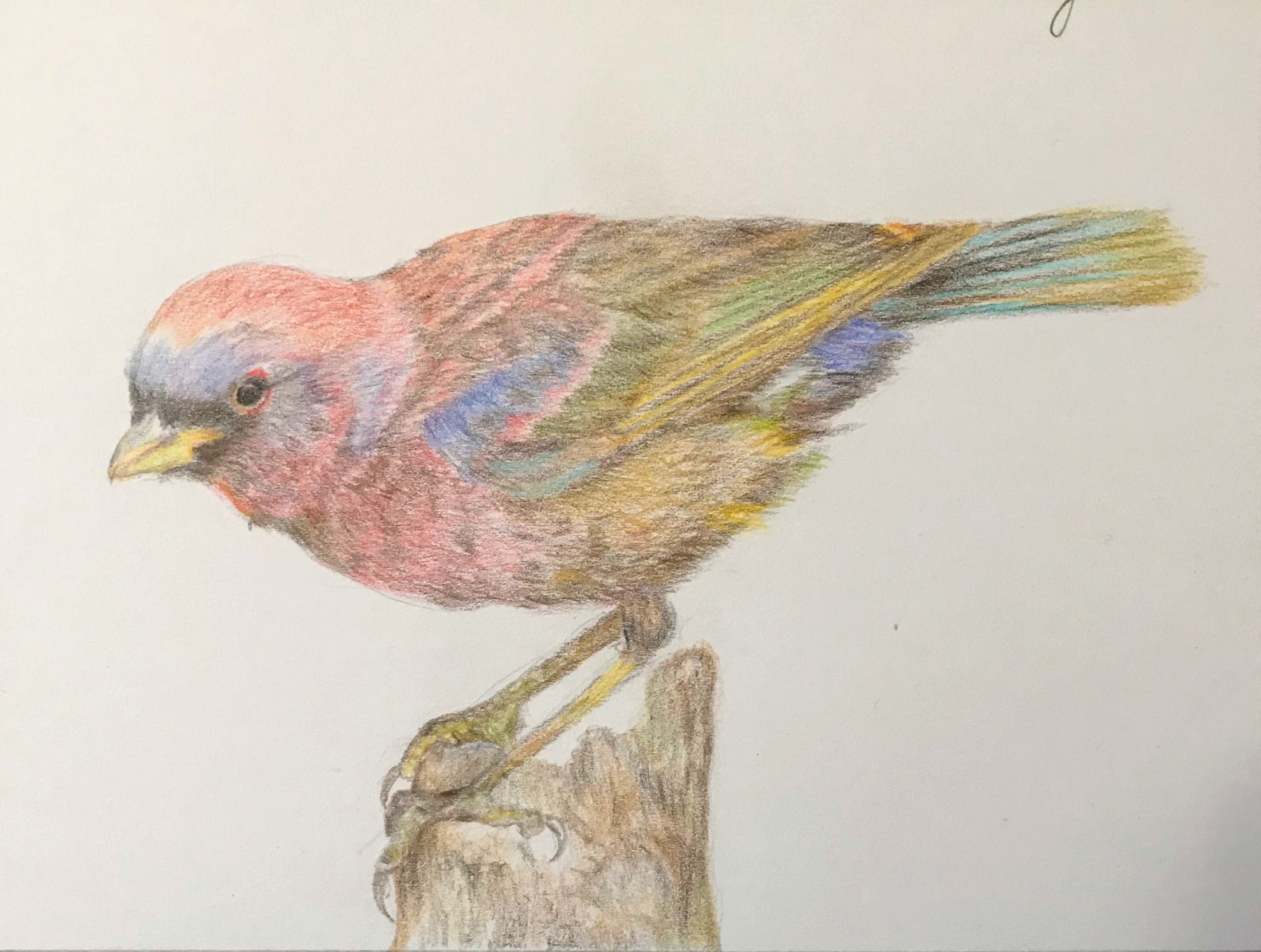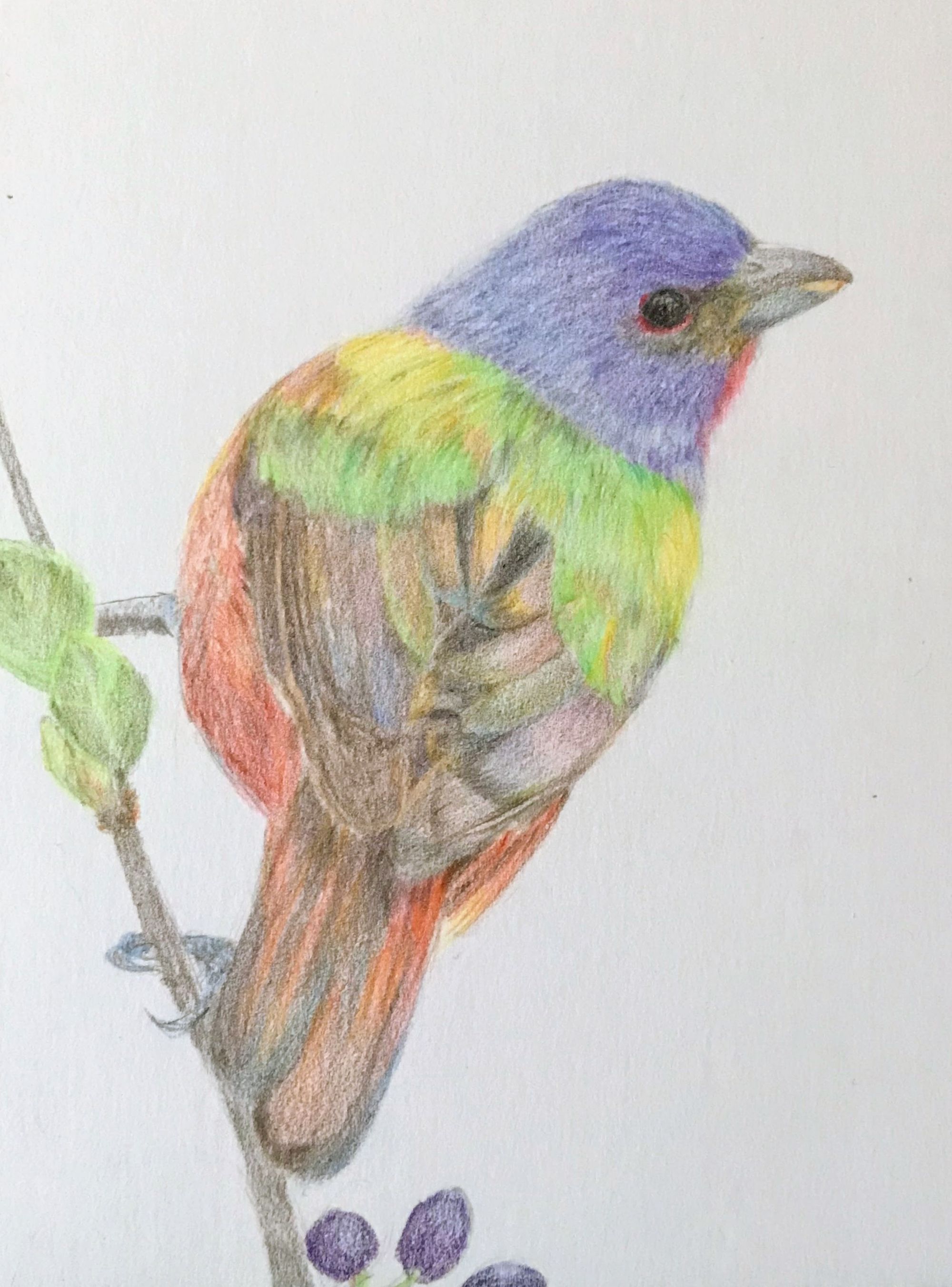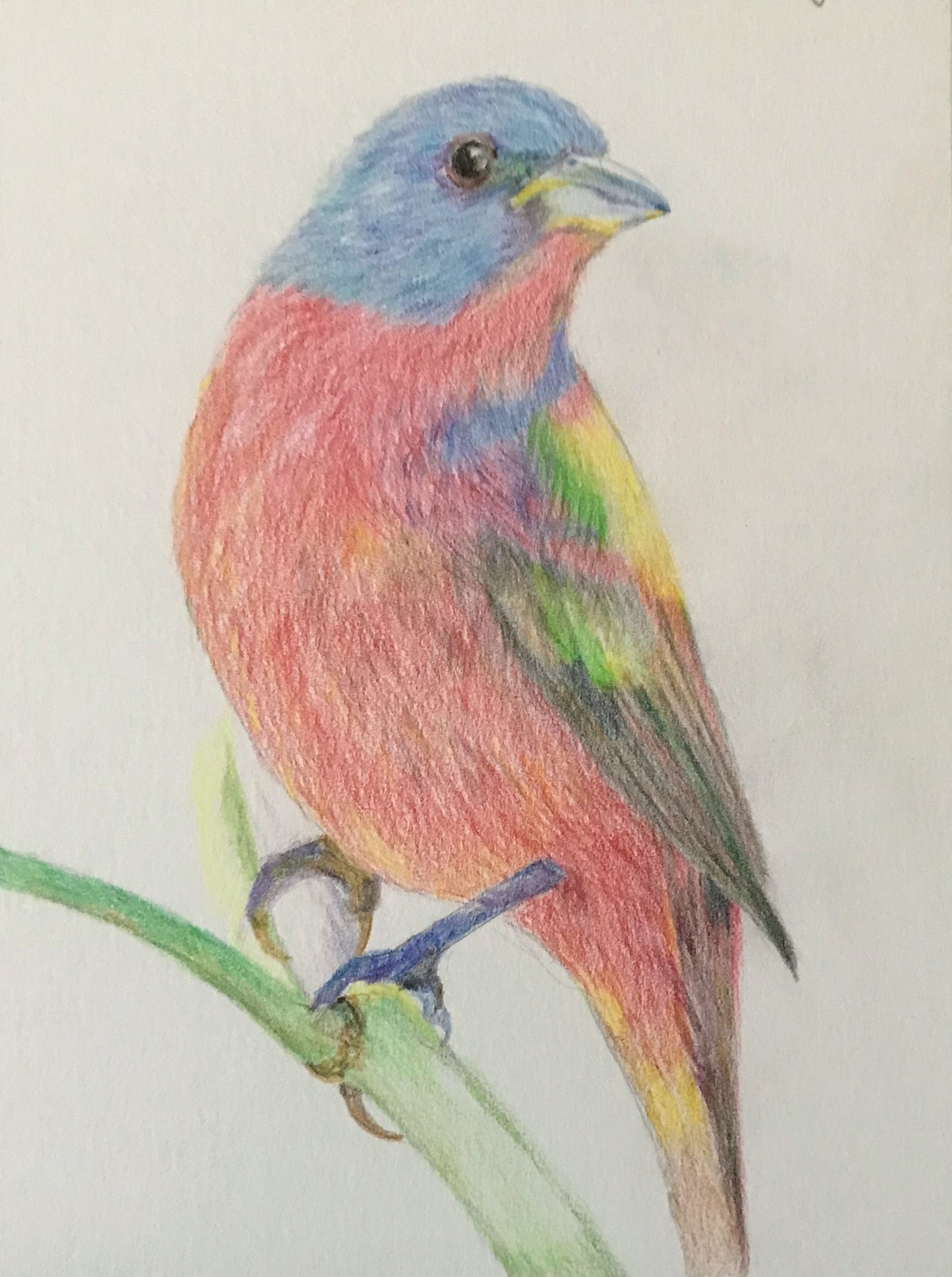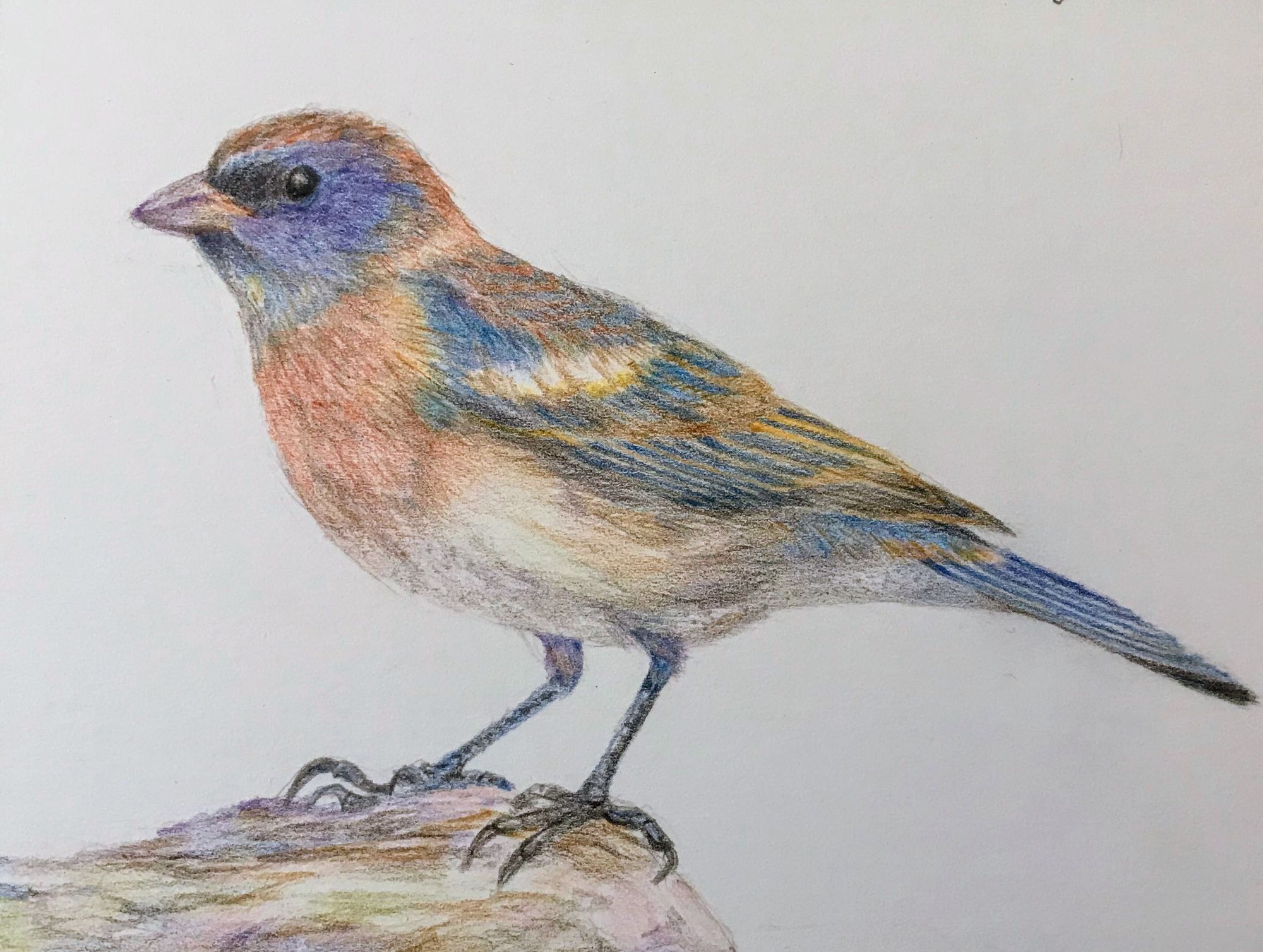

The crimson-backed sunbird, or Leptocoma minima, is a small bird endemic to the Western Ghats of India, measuring about 8 cm in length. They primarily feed on nectar and are known for their vibrant plumage, with males displaying a striking red and green coloration.
Overview of the Crimson-backed Sunbird
The crimson-backed sunbird, scientifically known as Leptocoma minima, is a small bird endemic to the Western Ghats of India. It is recognized for its vibrant plumage and is primarily found in forested areas and gardens rich in flowering plants.
Physical Characteristics
Male vs. Female
| Feature | Male | Female |
|---|---|---|
| Size | Approximately 8 cm in length | Approximately 8 cm in length |
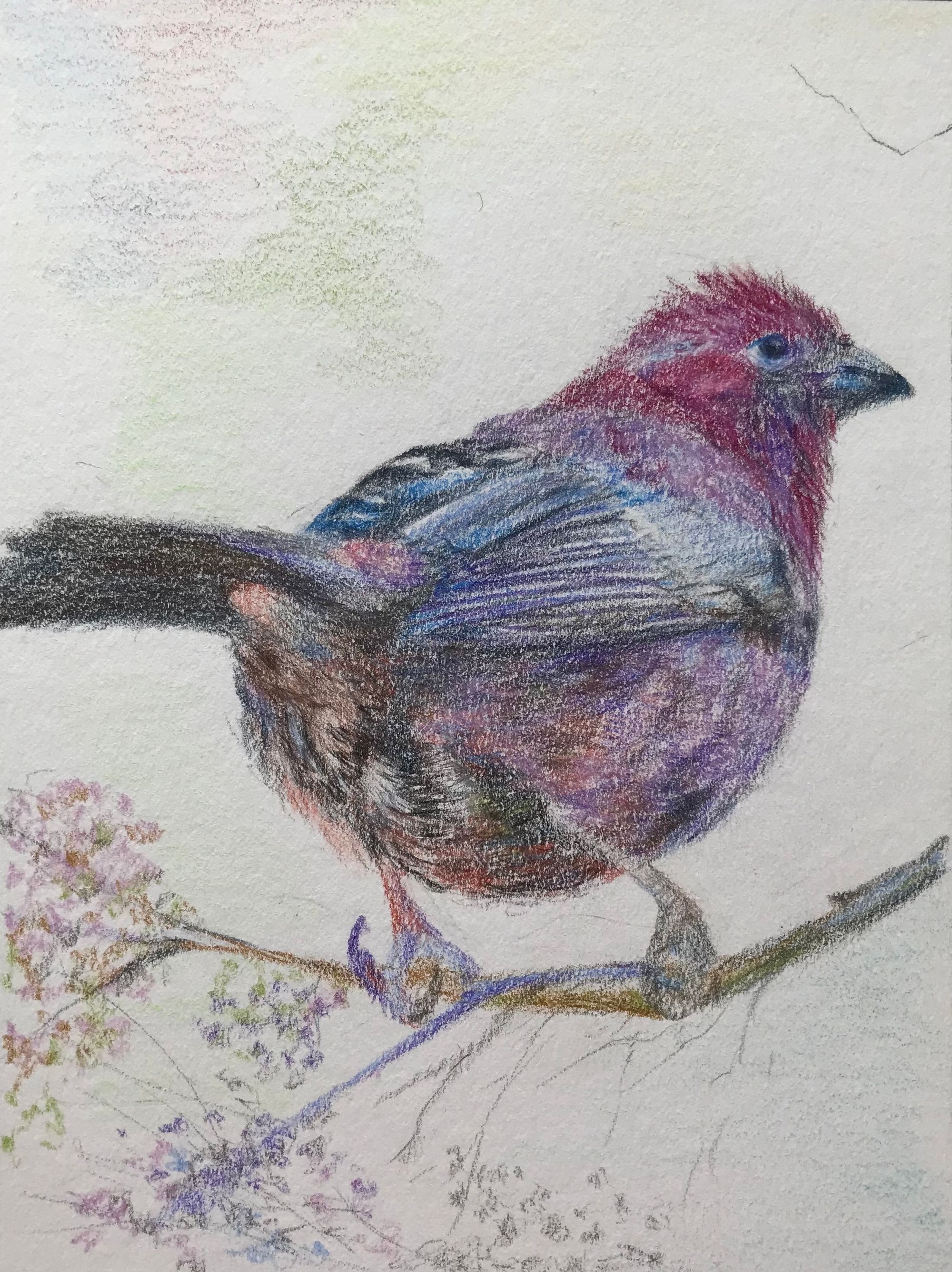
| Coloration | Velvety red mantle, shiny green crown, pink-violet throat patches, yellowish underside | Olive-brown with a distinct red rump |
| Plumage Variations | Eclipse plumage has more olive on the head | Not applicable |
Behavior and Ecology
Nesting and Breeding
- Nesting Season: Peak from December to March, but can nest year-round in southern regions.
- Nest Structure: Built on thin drooping branches, with both sexes participating, mainly the female.
- Eggs: Typically two eggs, incubated for about 18-19 days.
Feeding Habits
- Diet: Primarily nectar, supplemented with insects, especially for feeding young.
- Feeding Behavior: Males defend territories rich in nectar-producing plants.
Conservation Status
The crimson-backed sunbird is classified as Least Concern by the IUCN, indicating a stable population. They play a crucial role as pollinators for various plant species in their habitat.