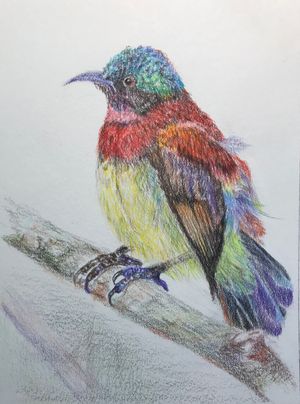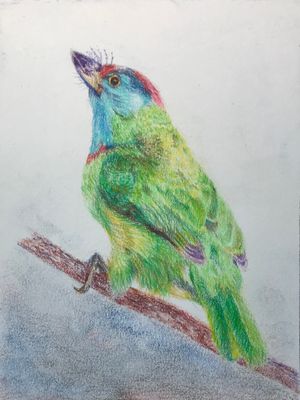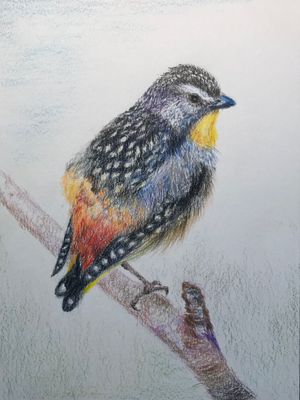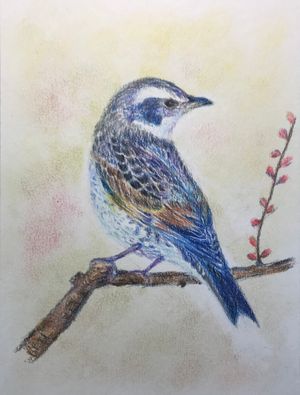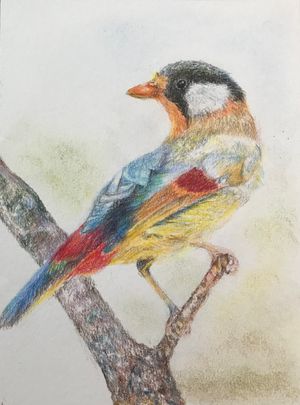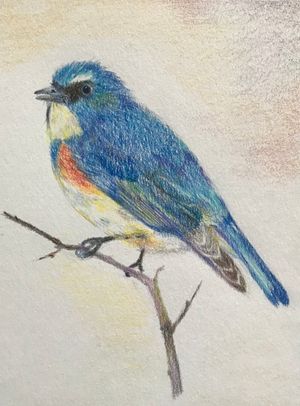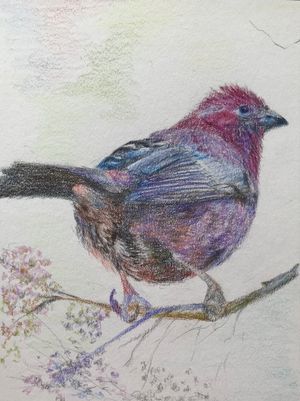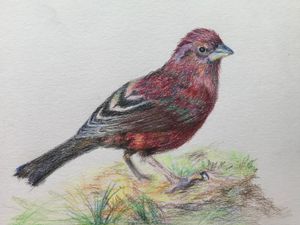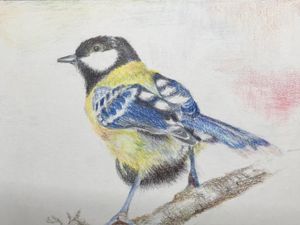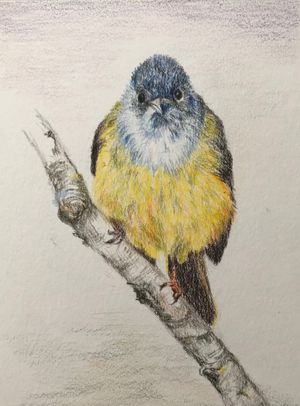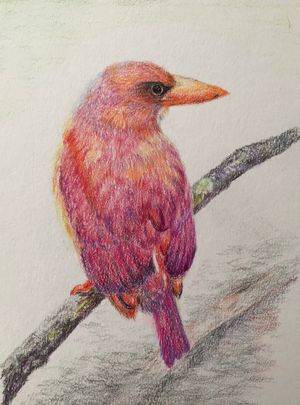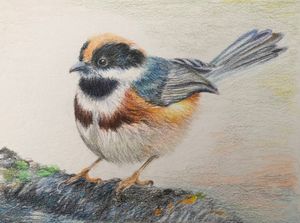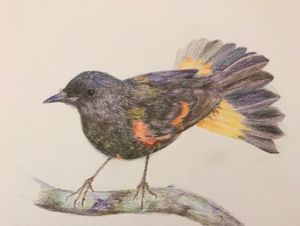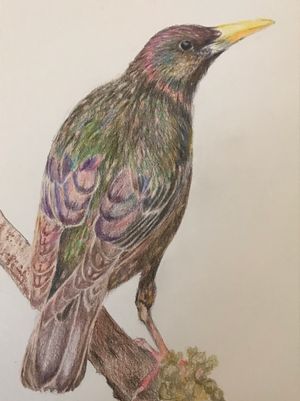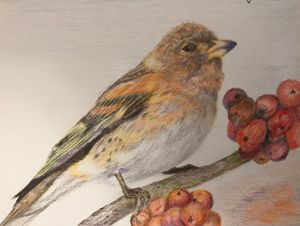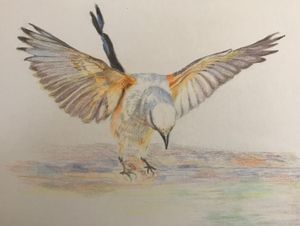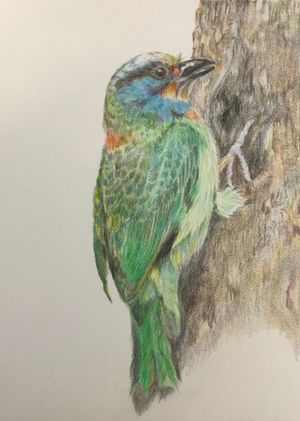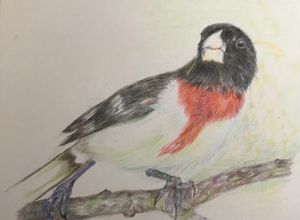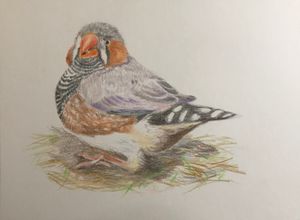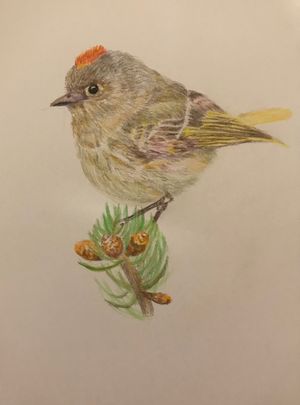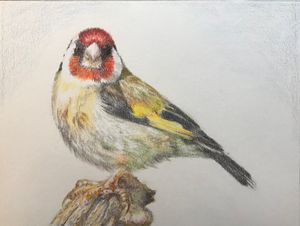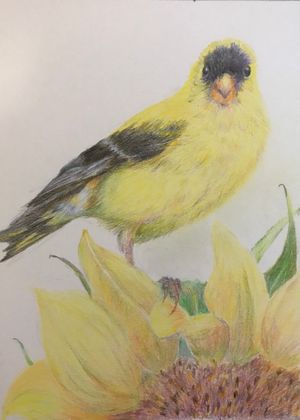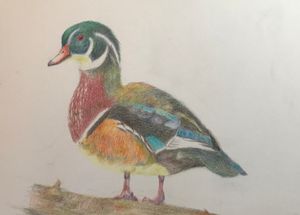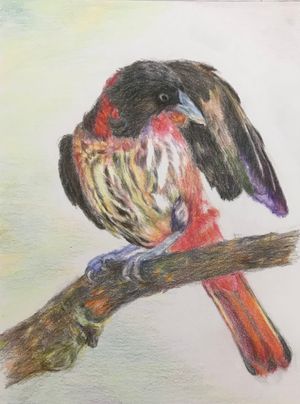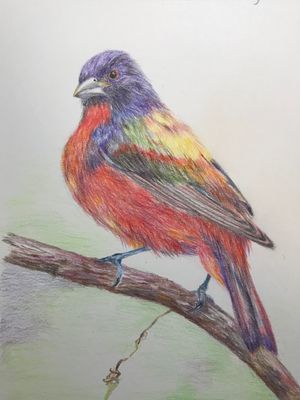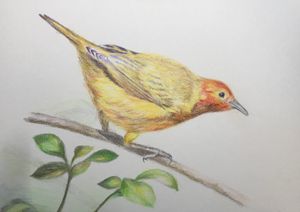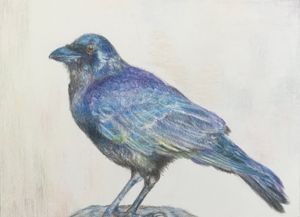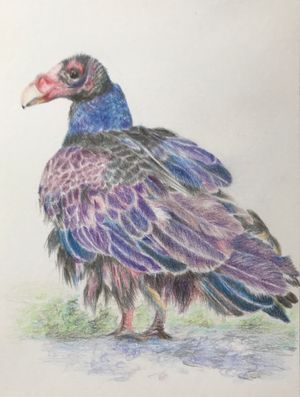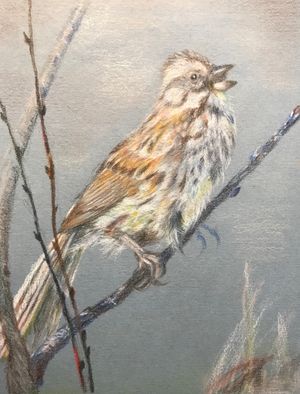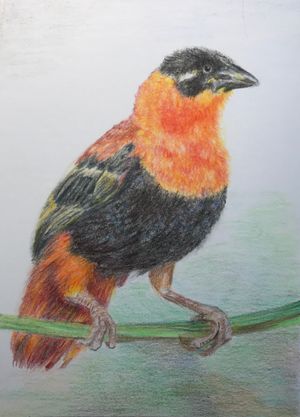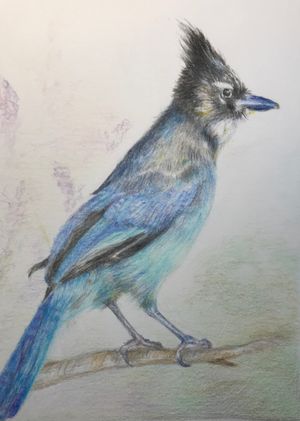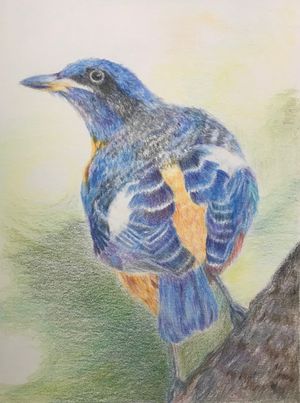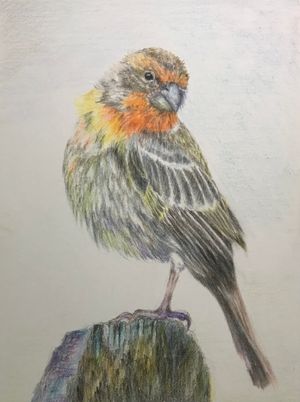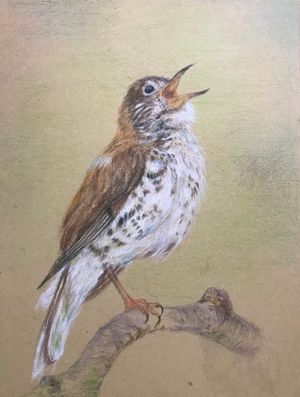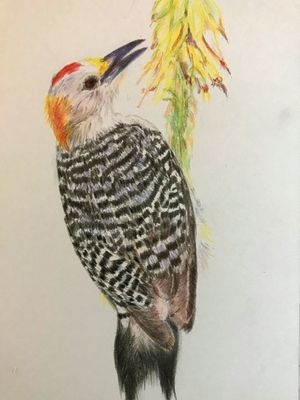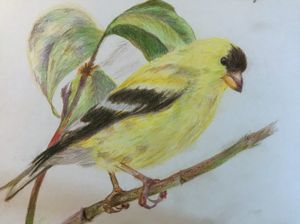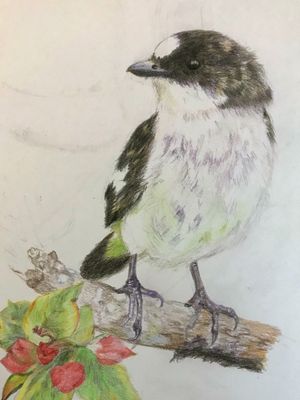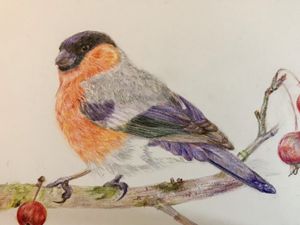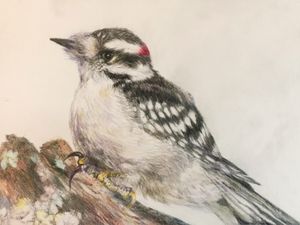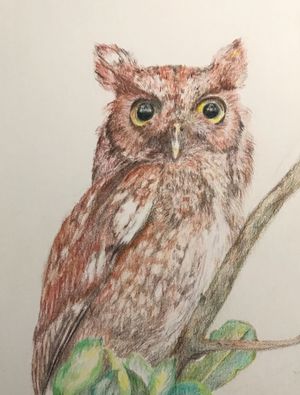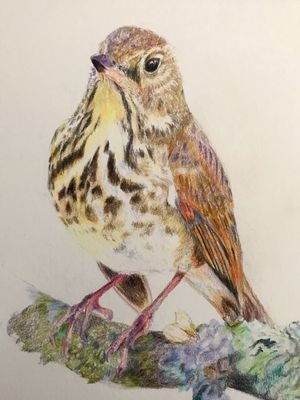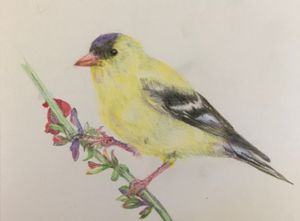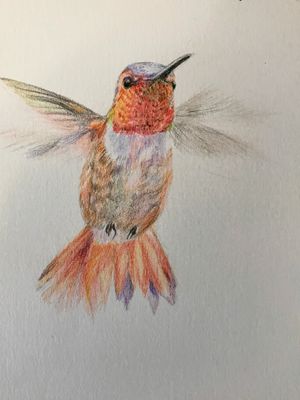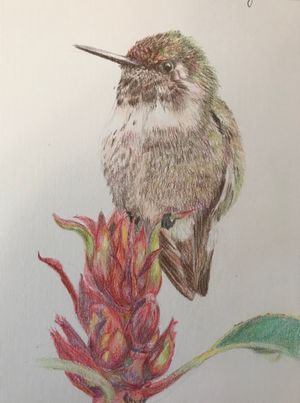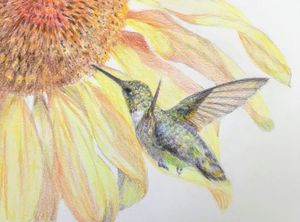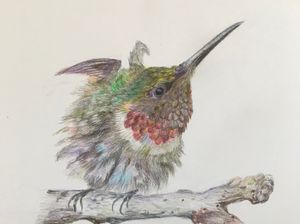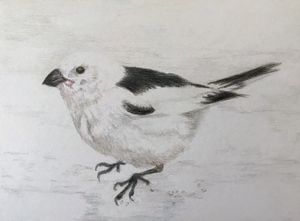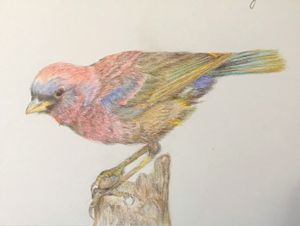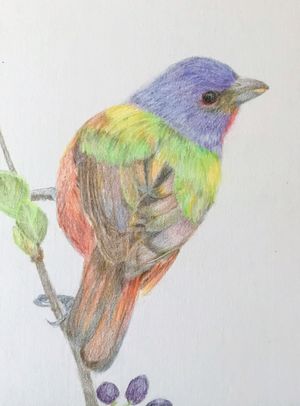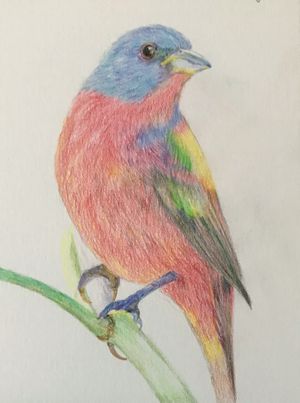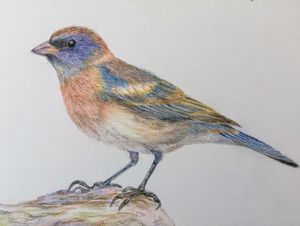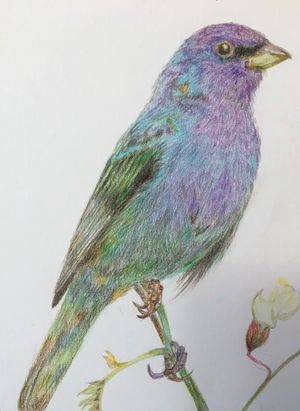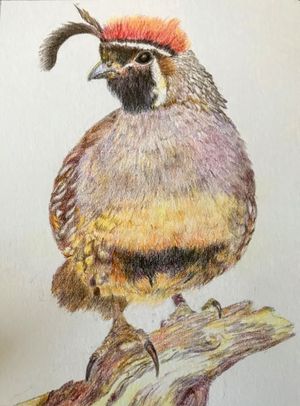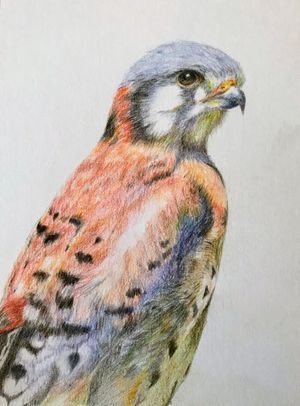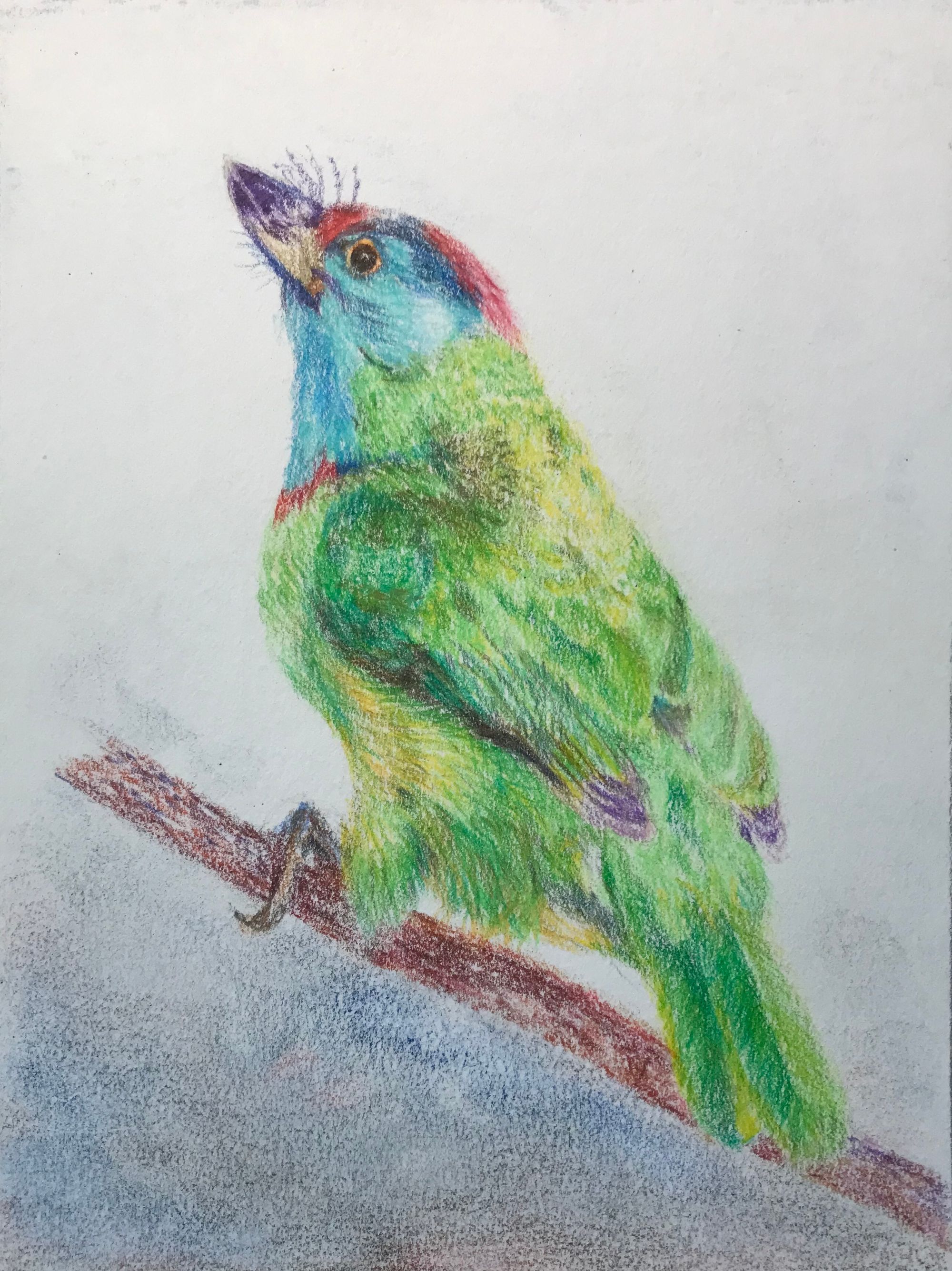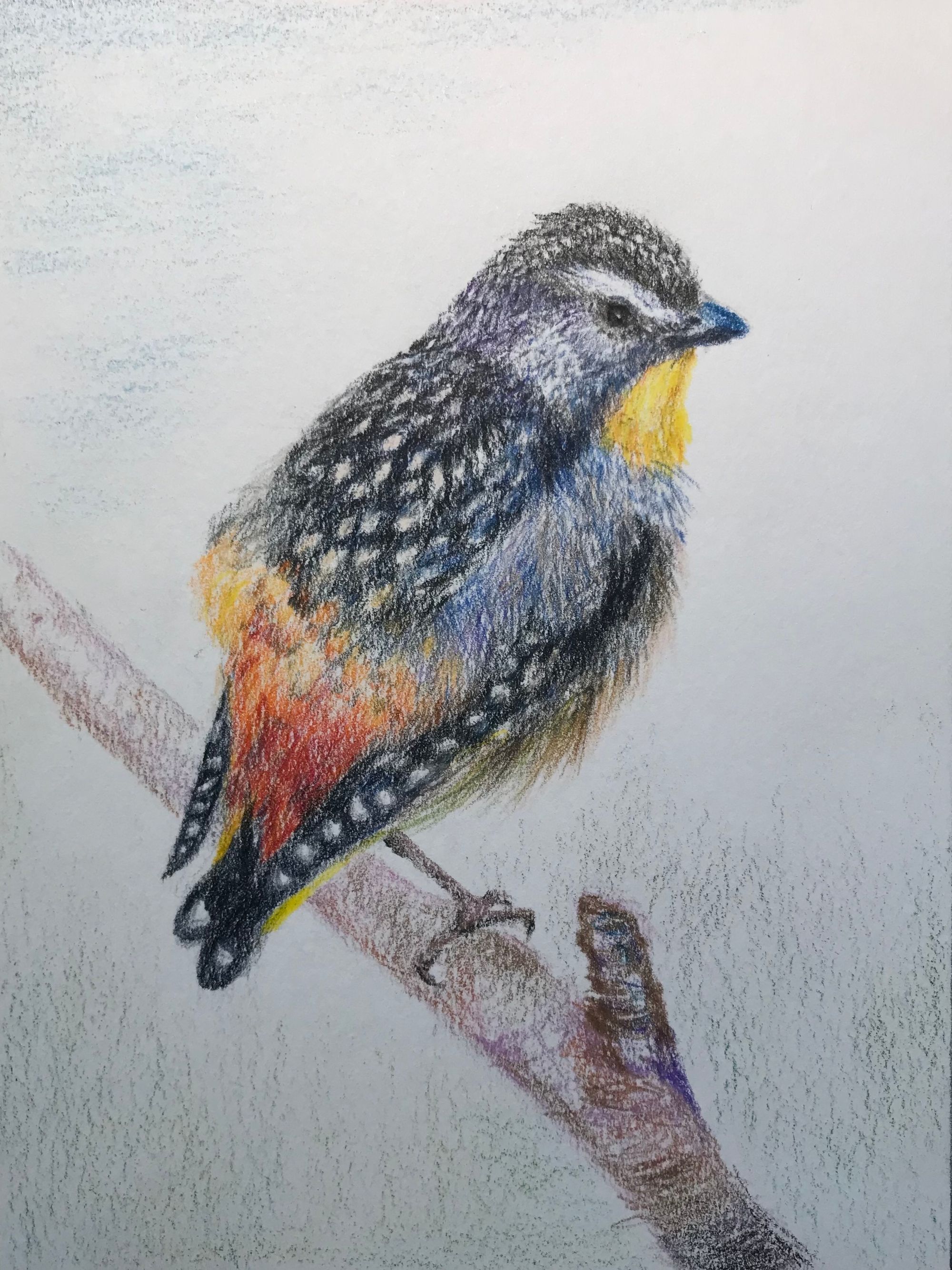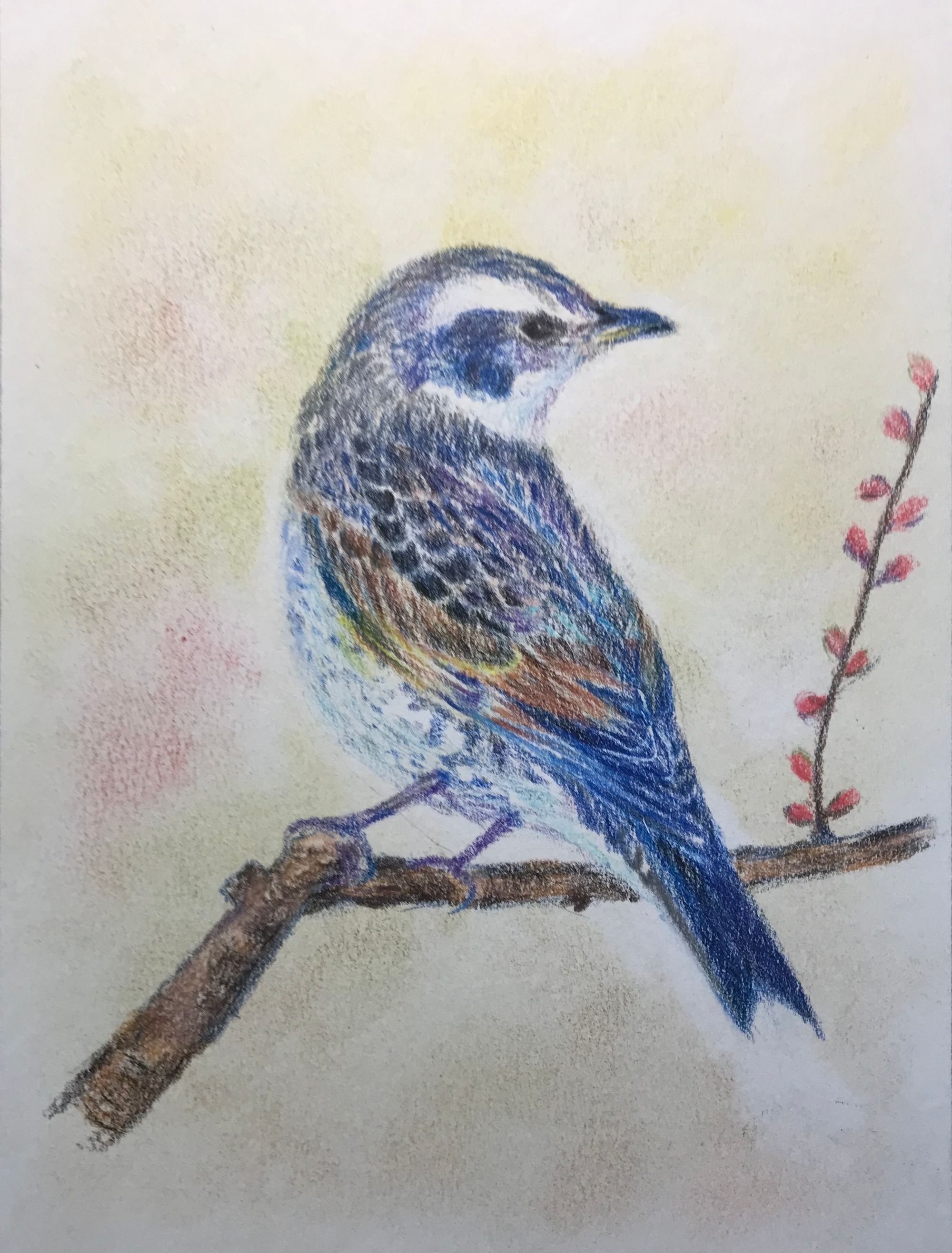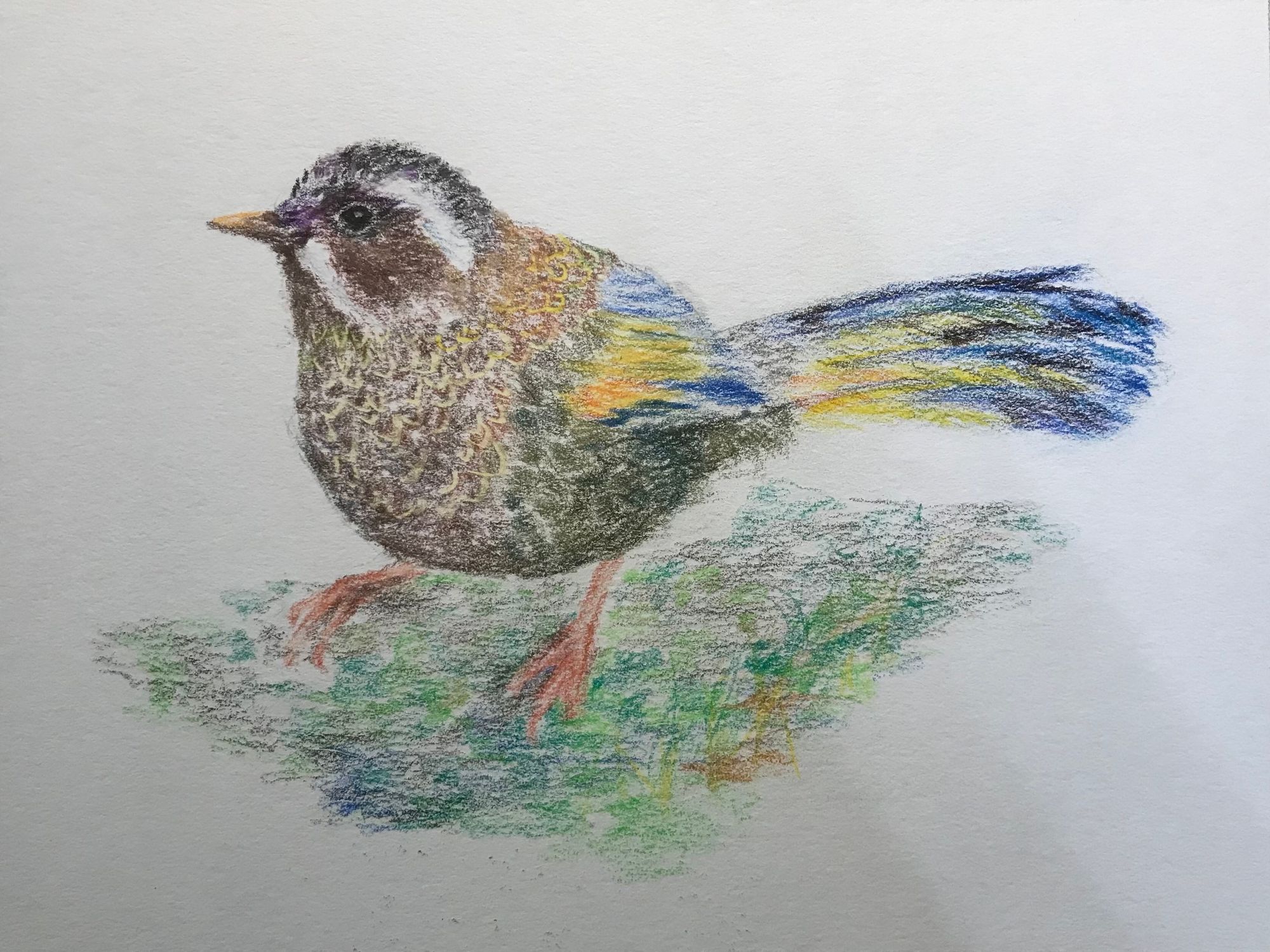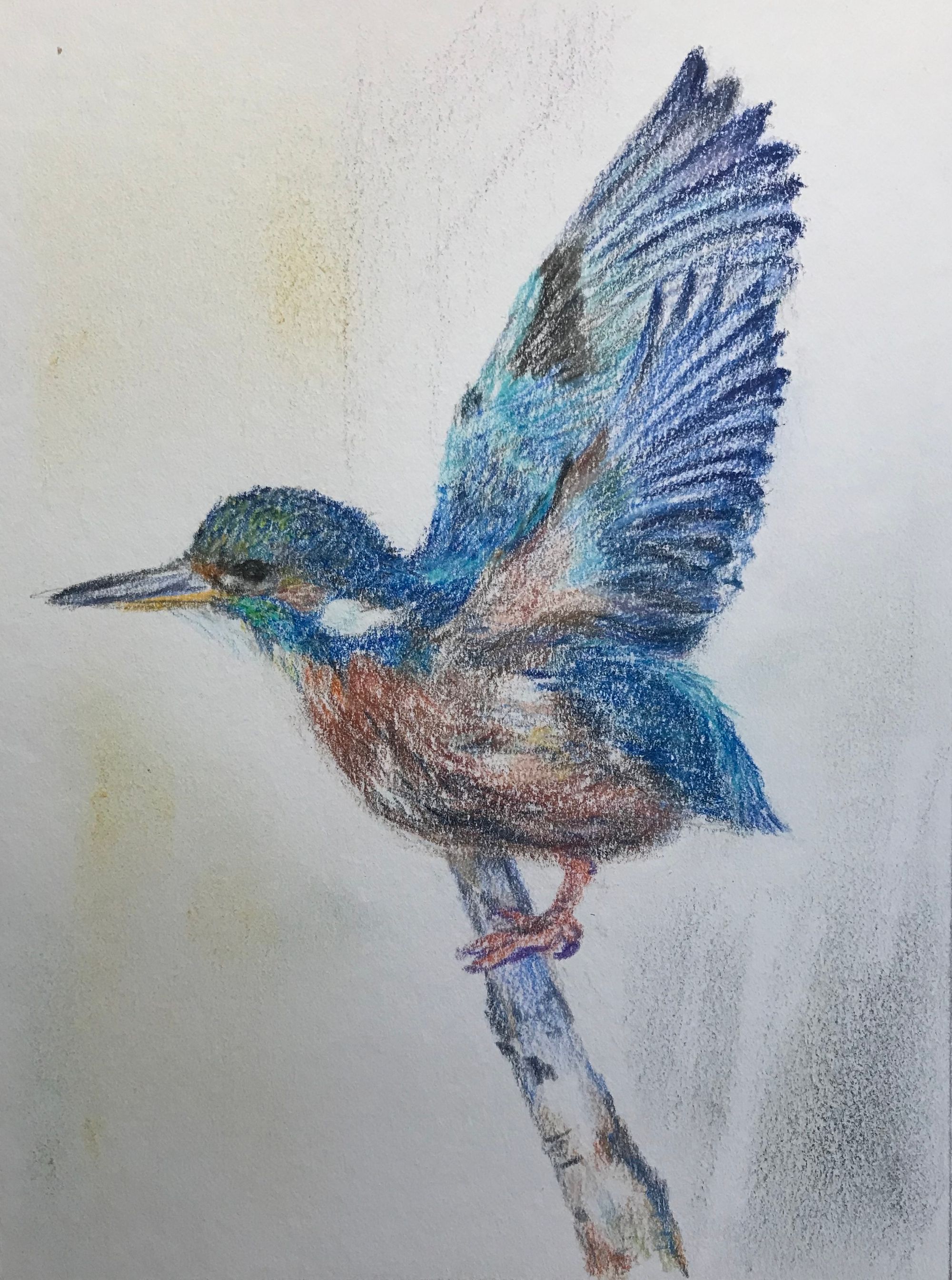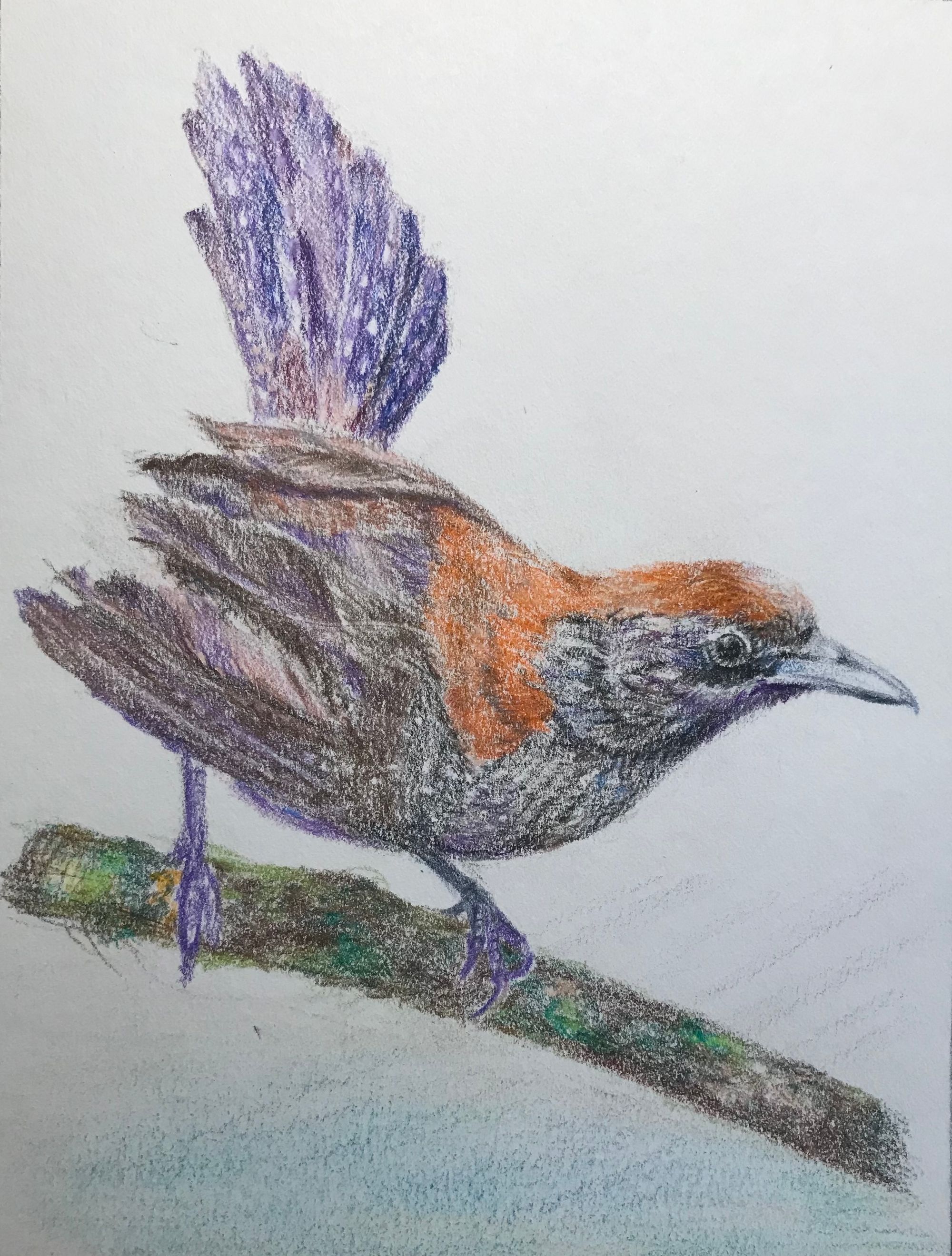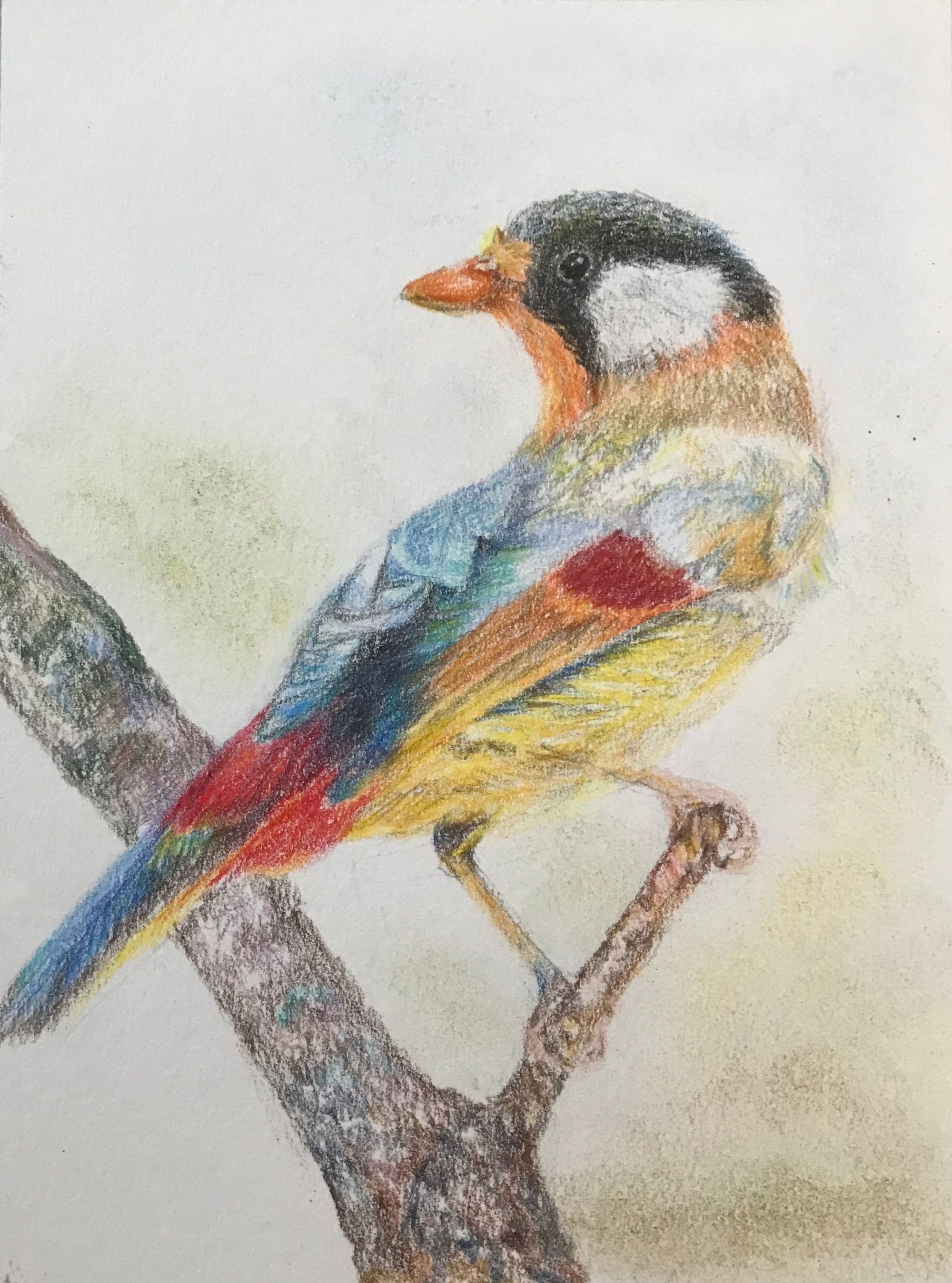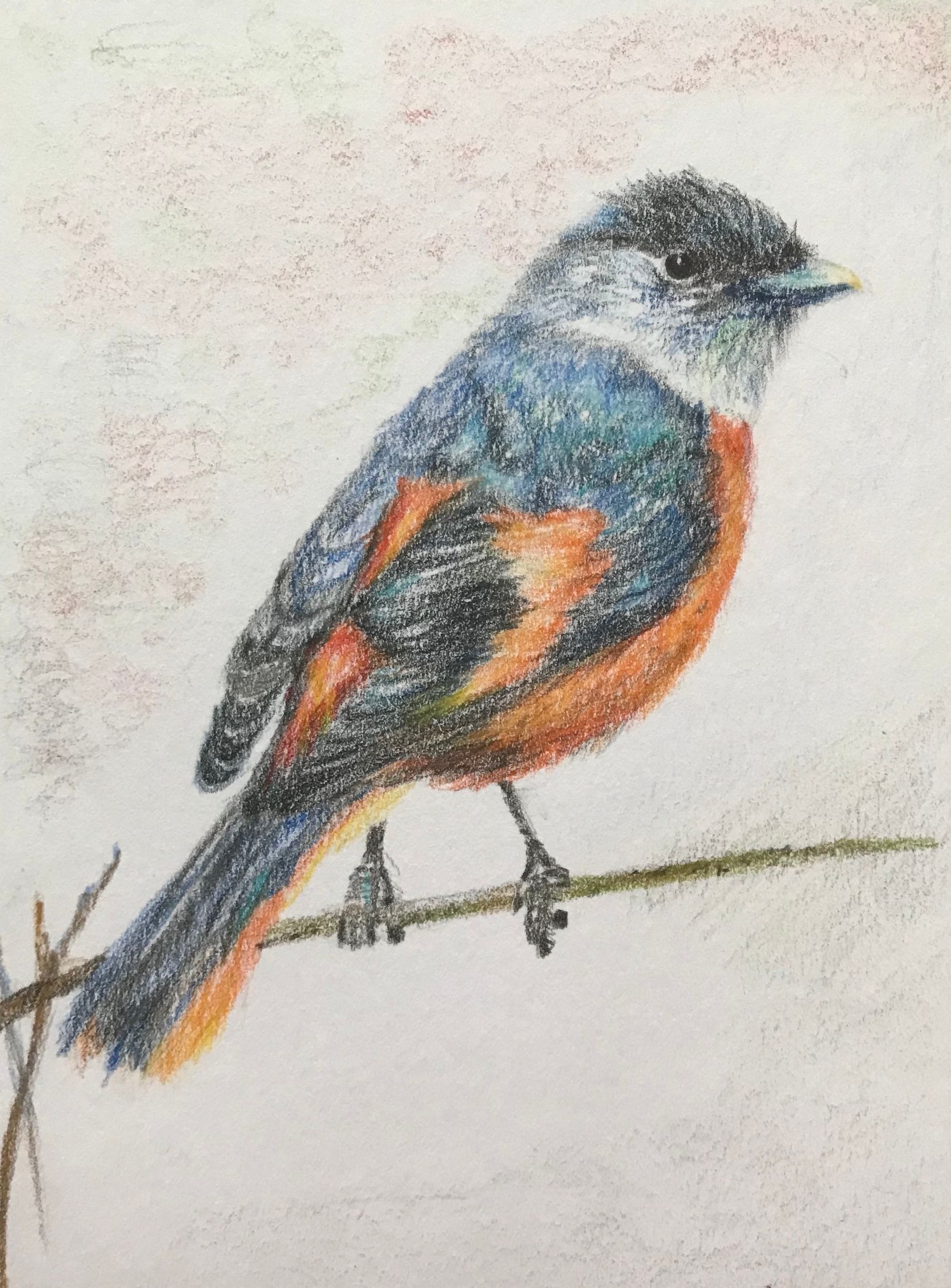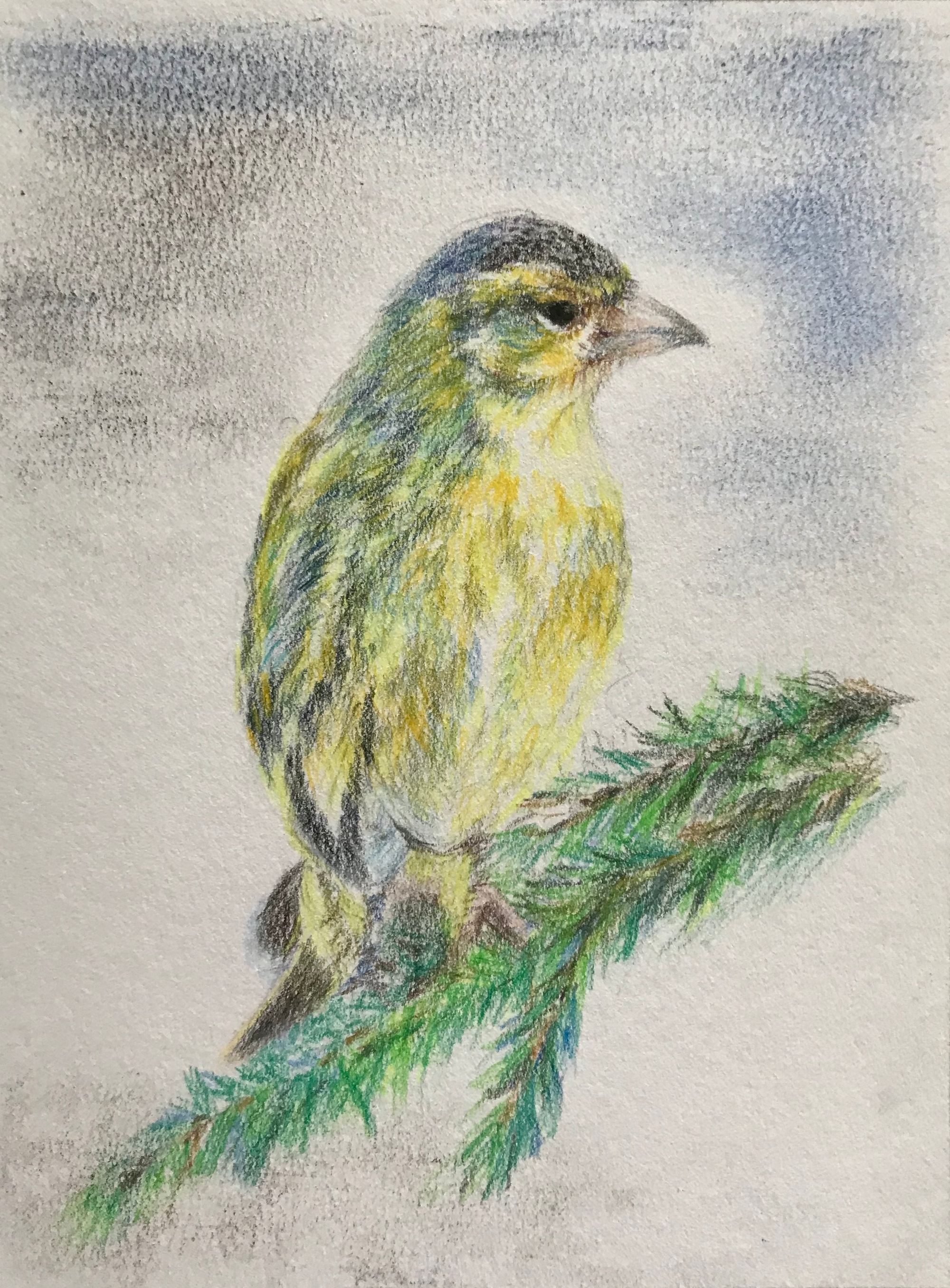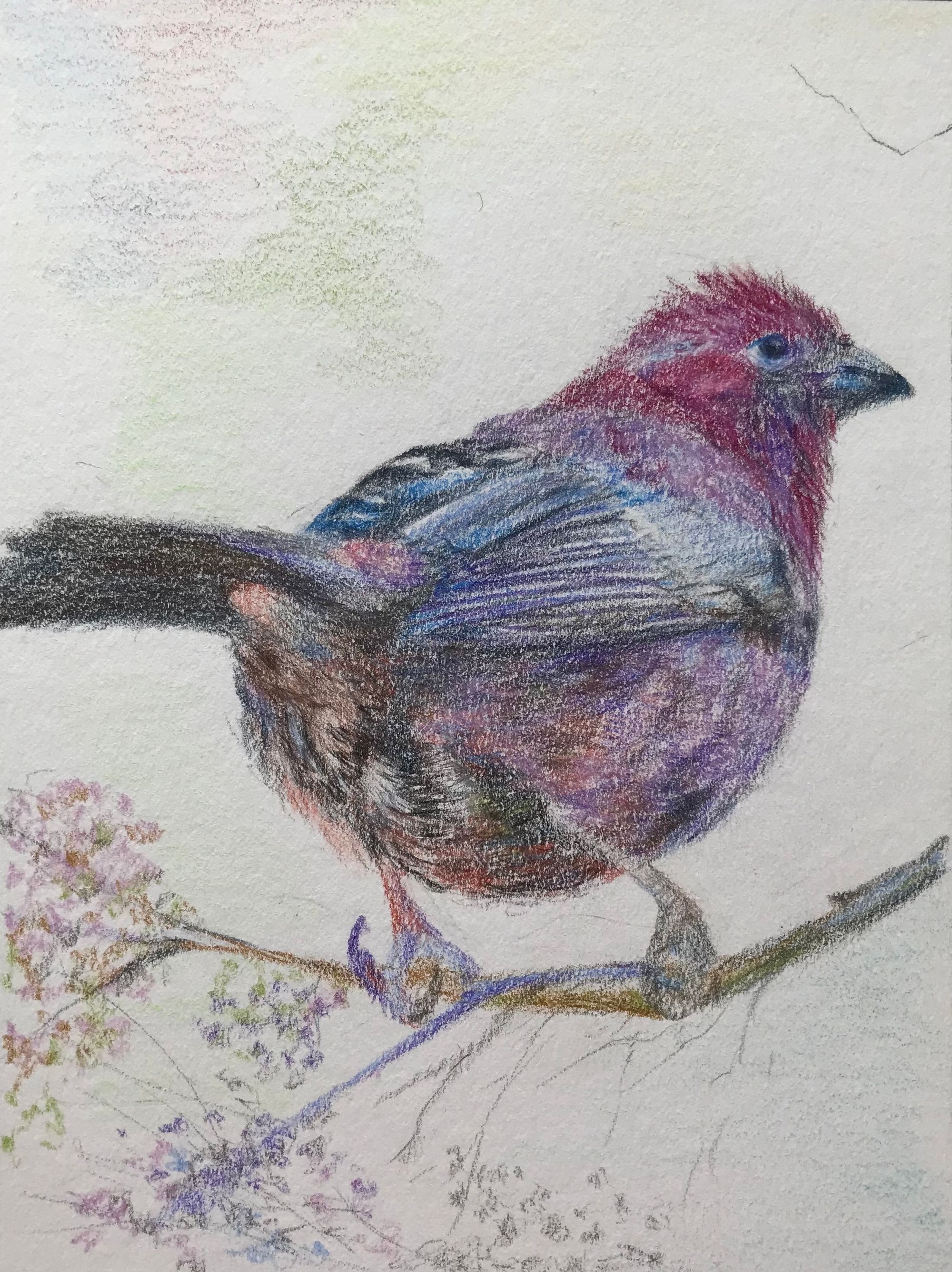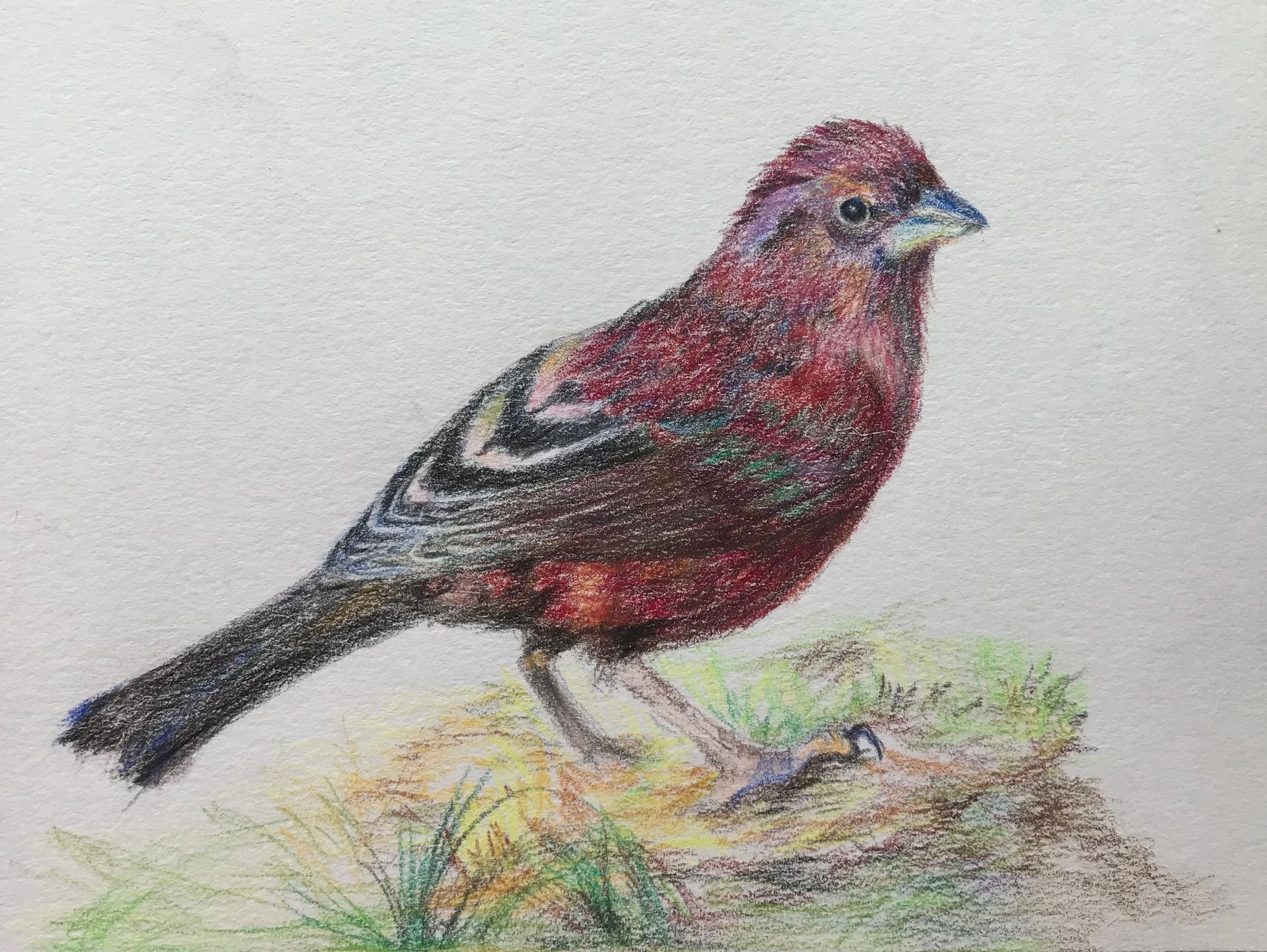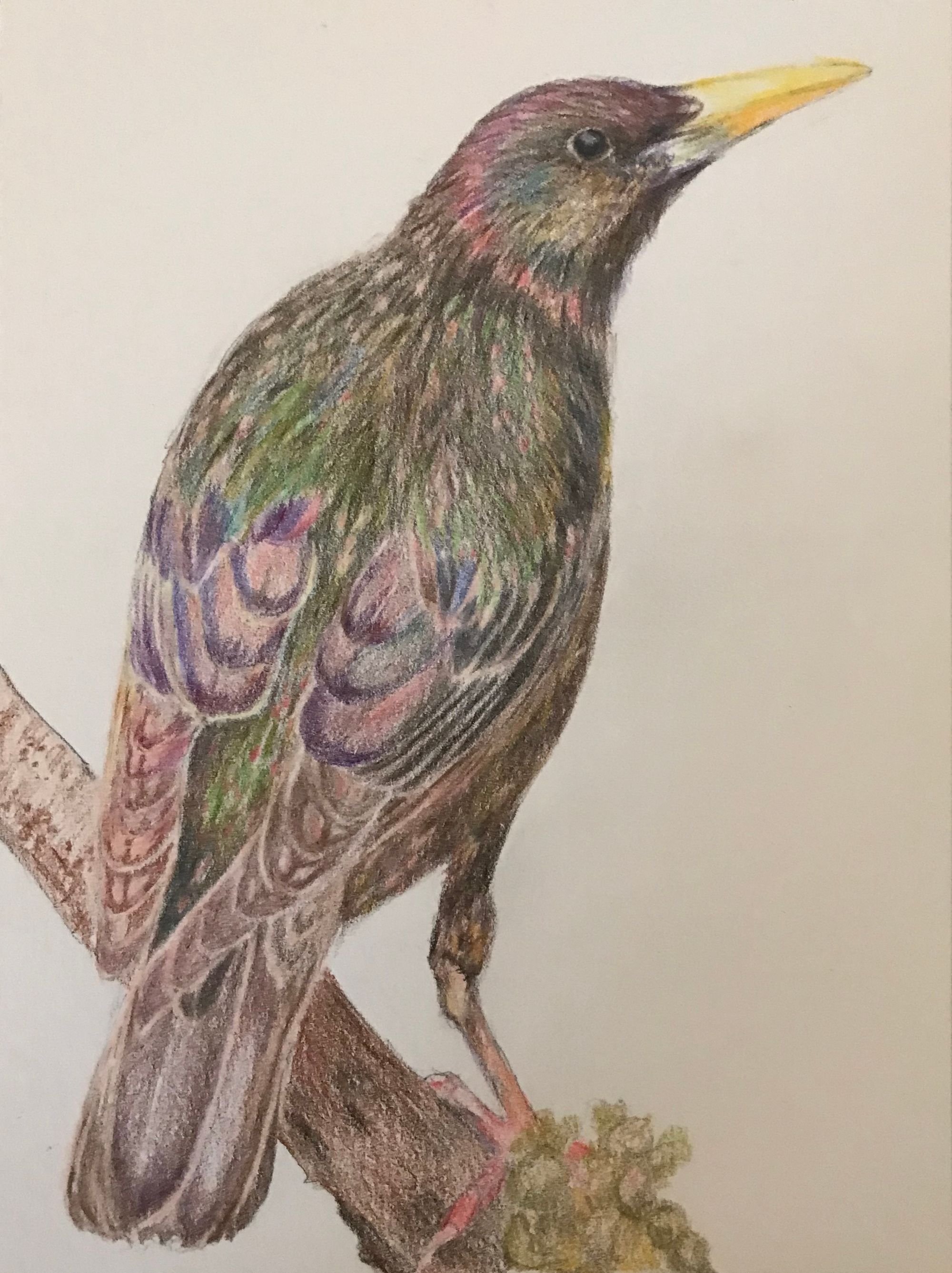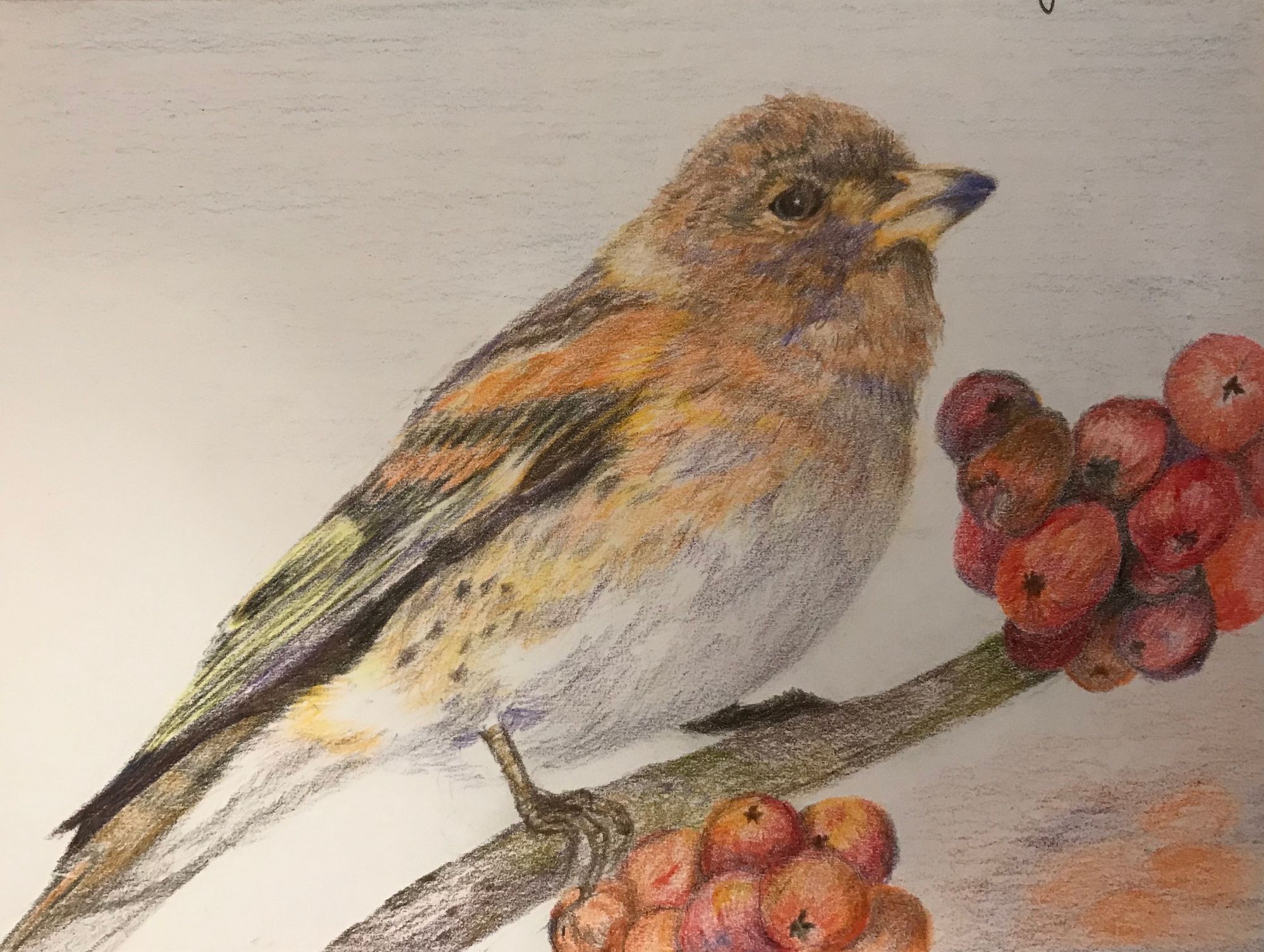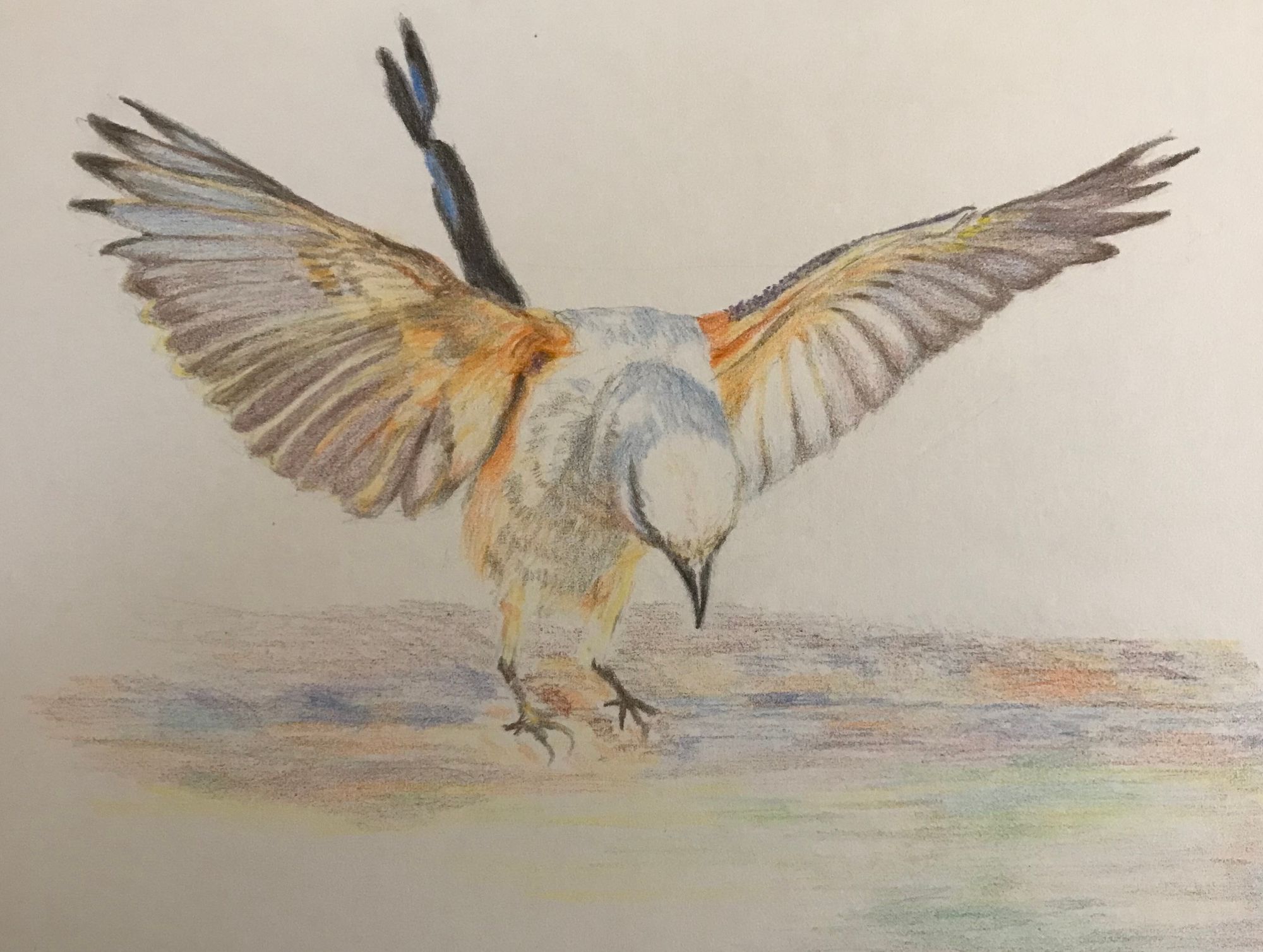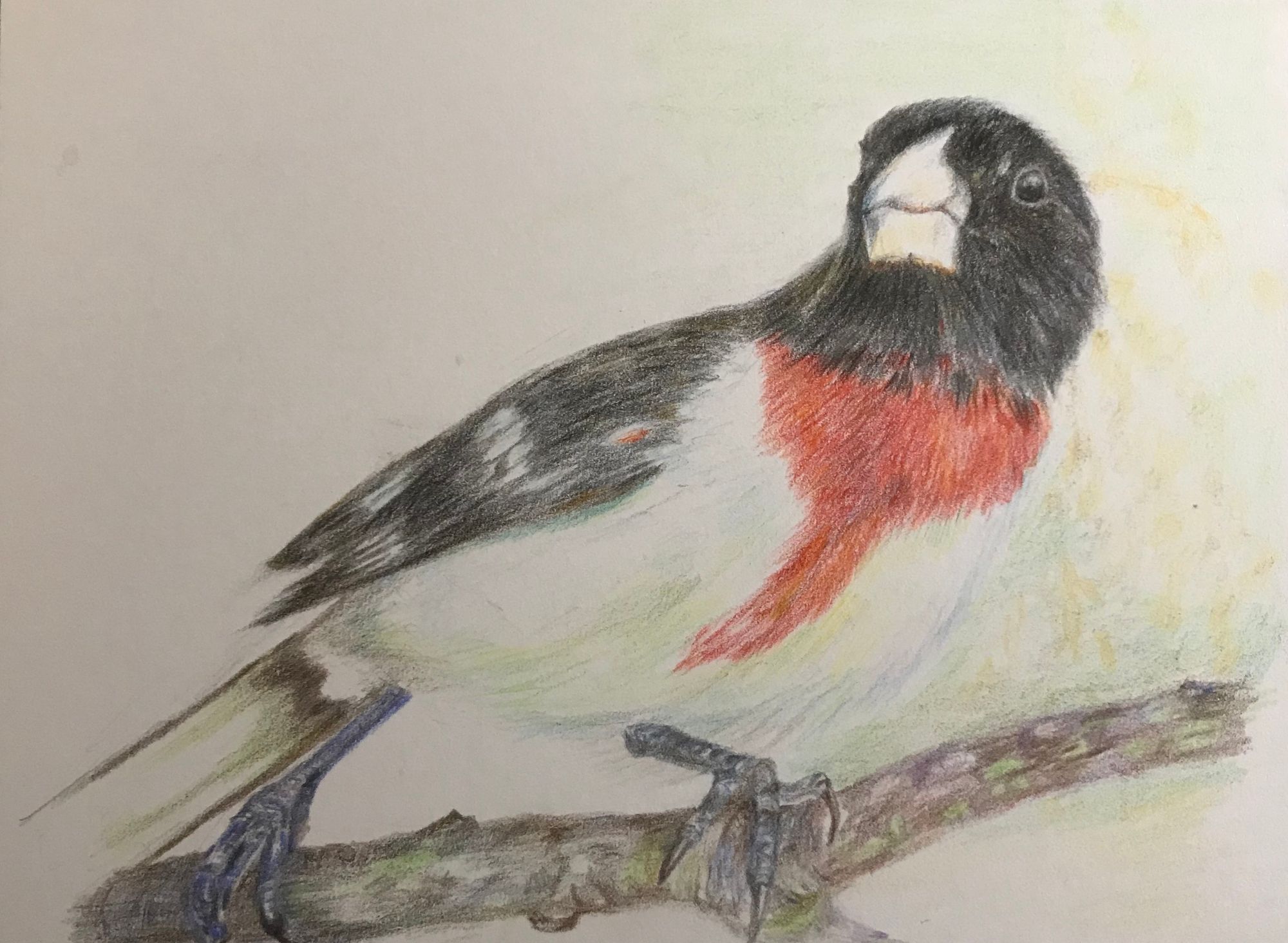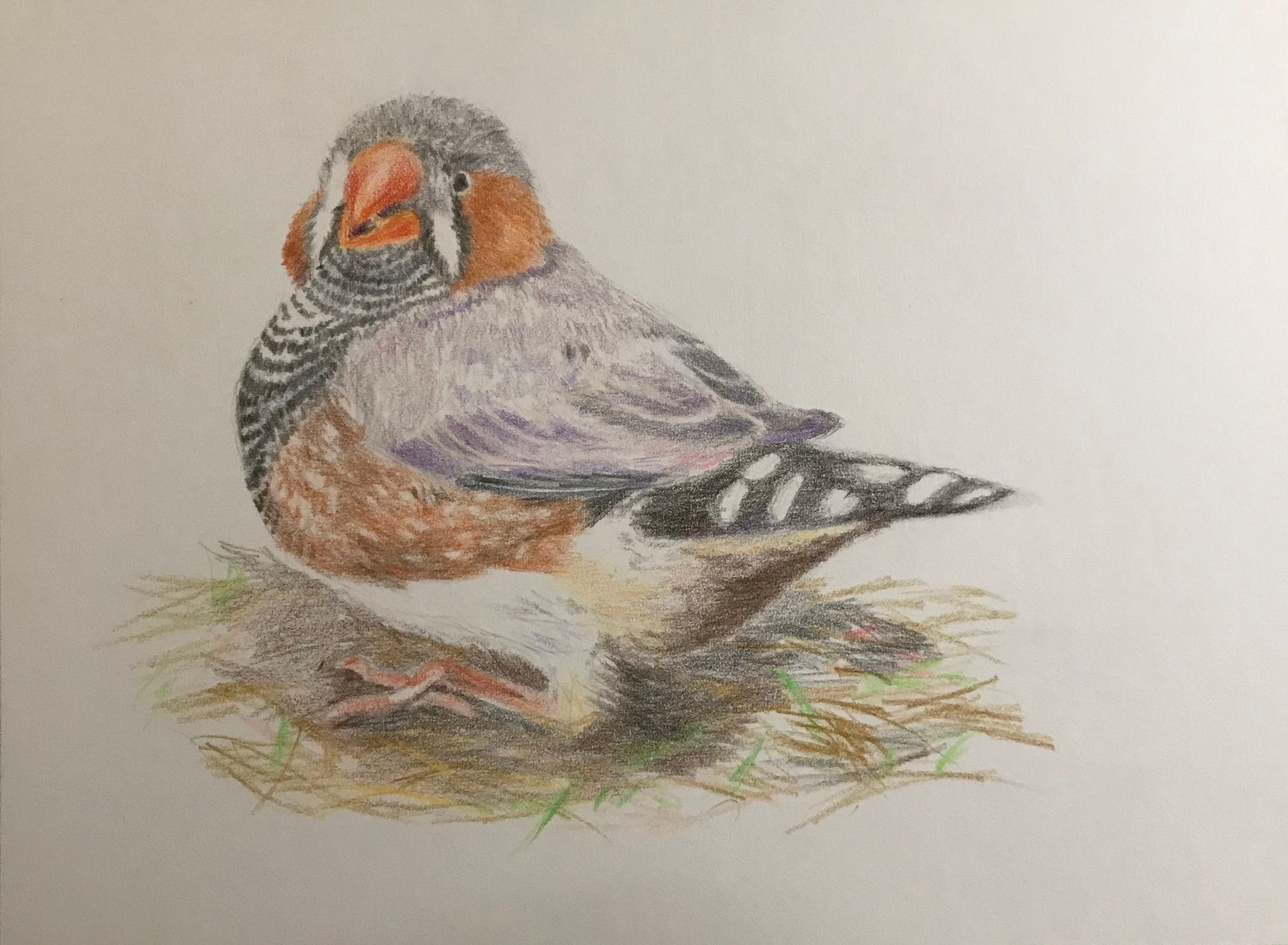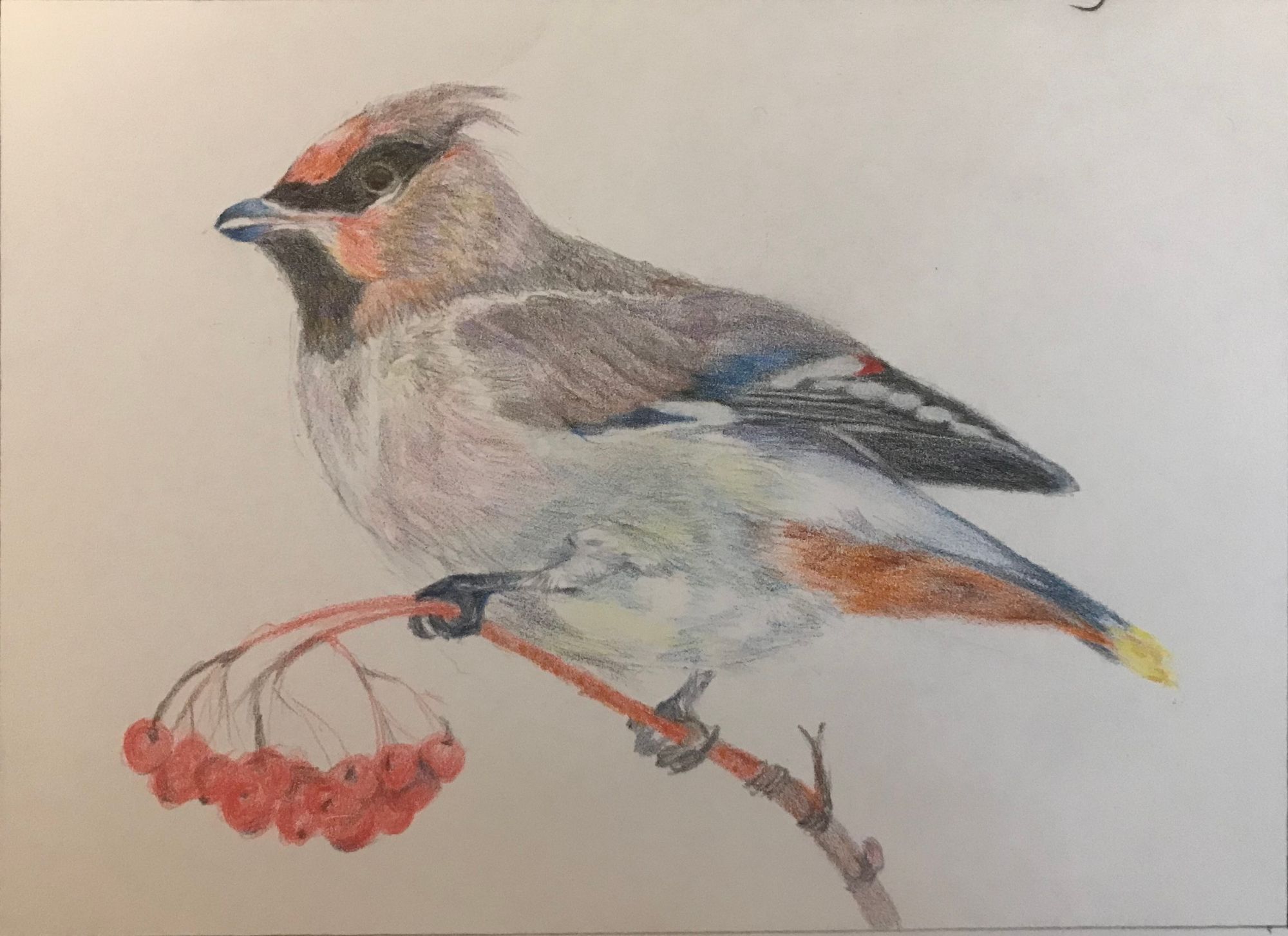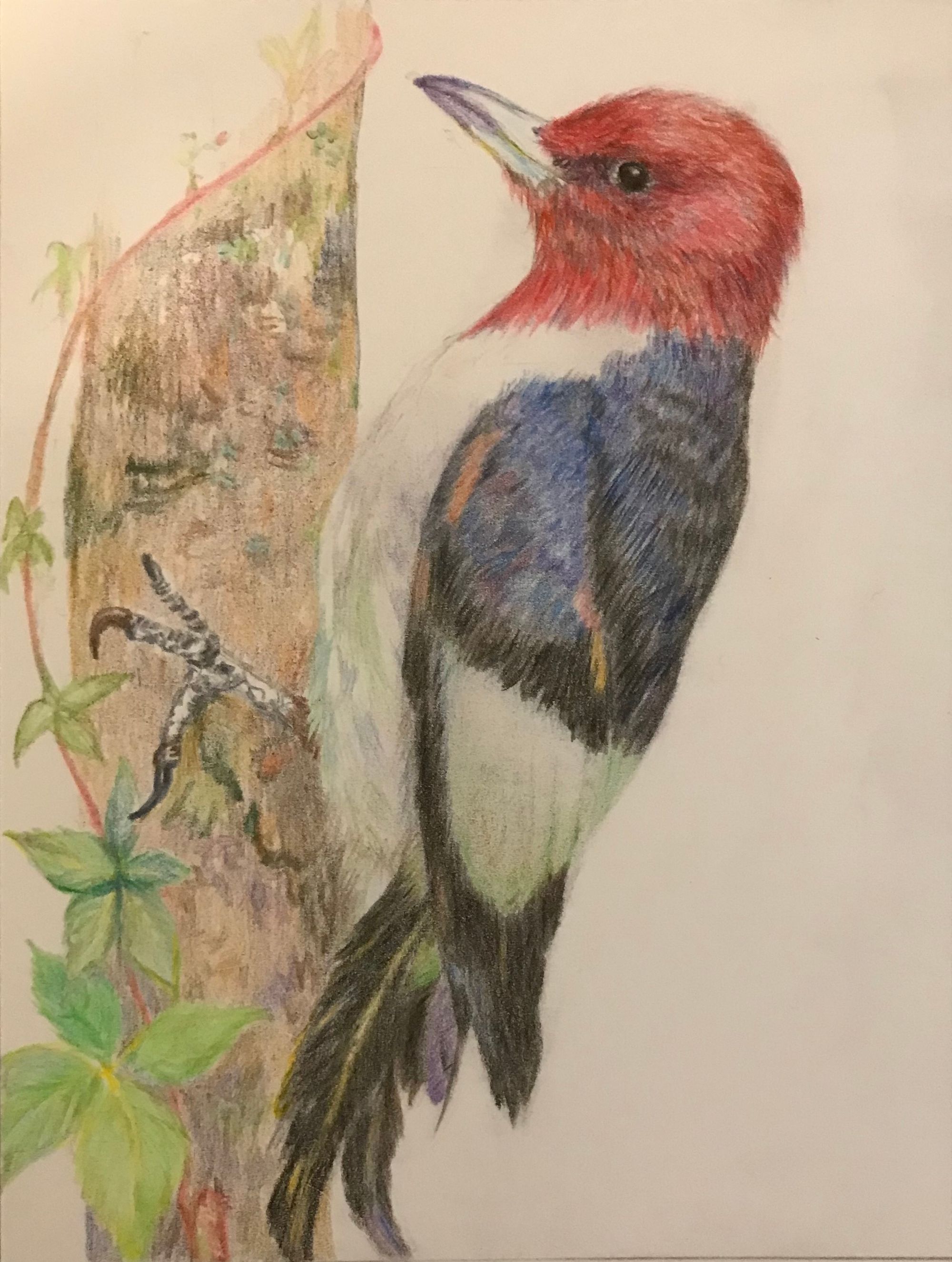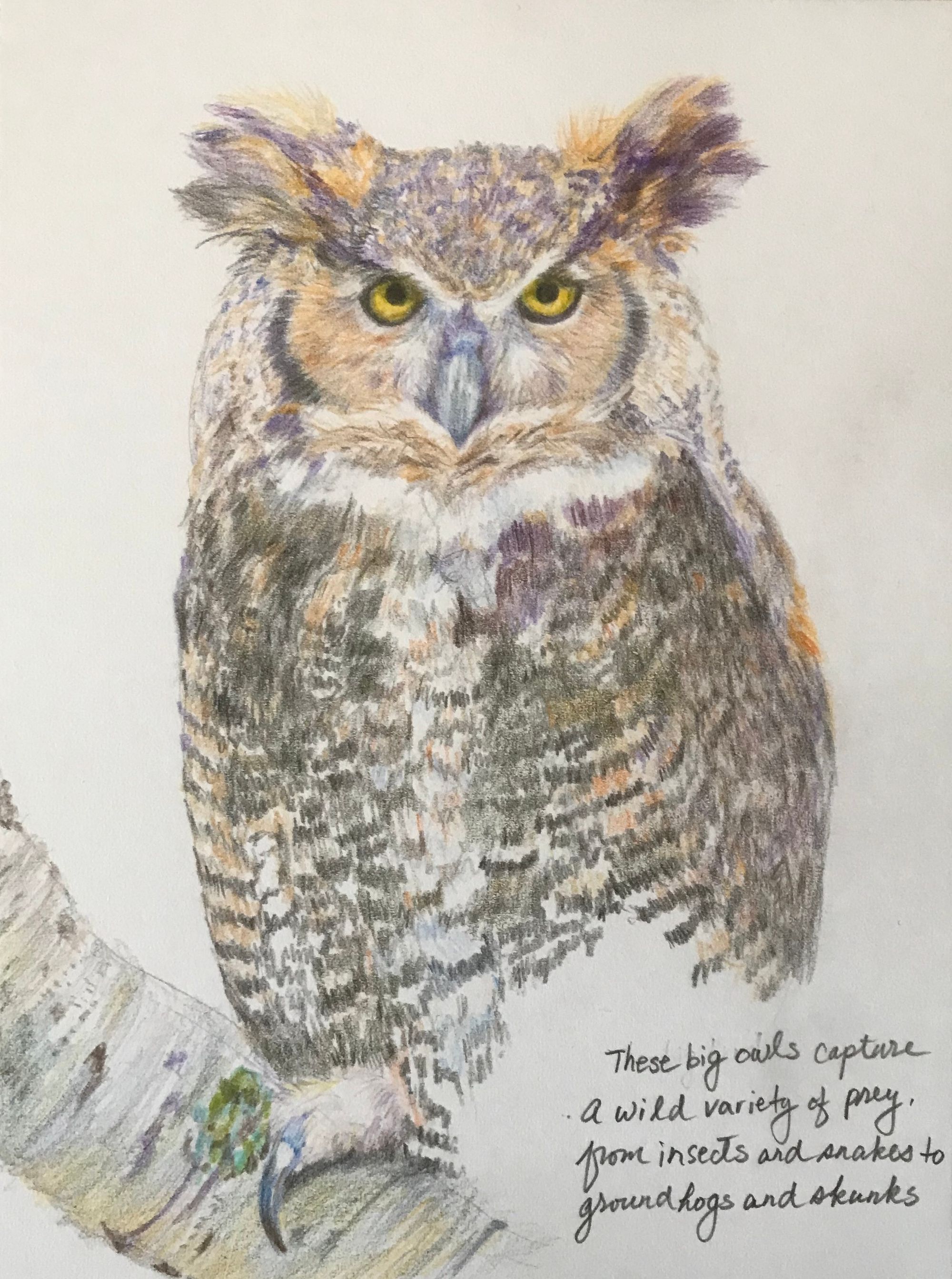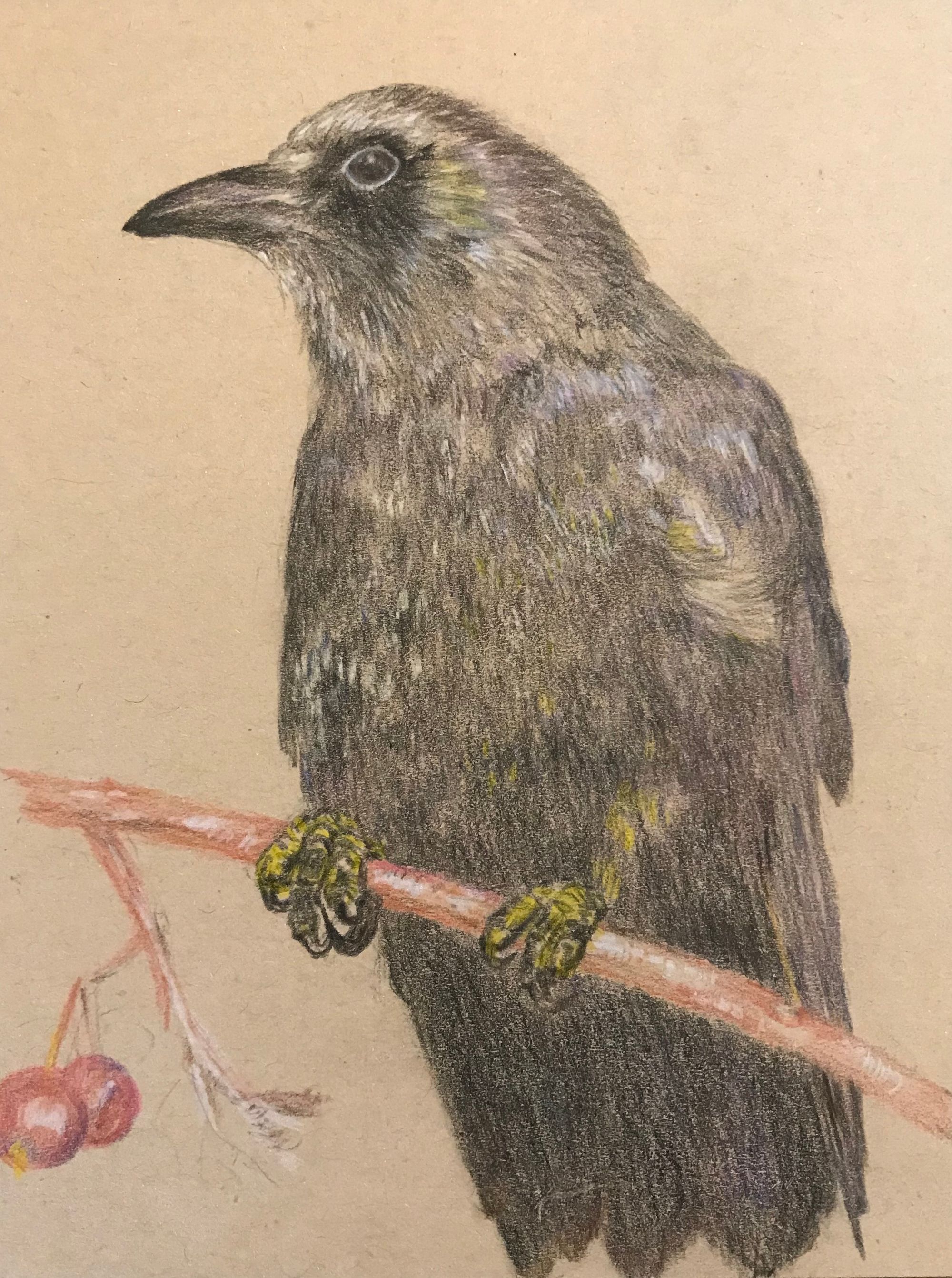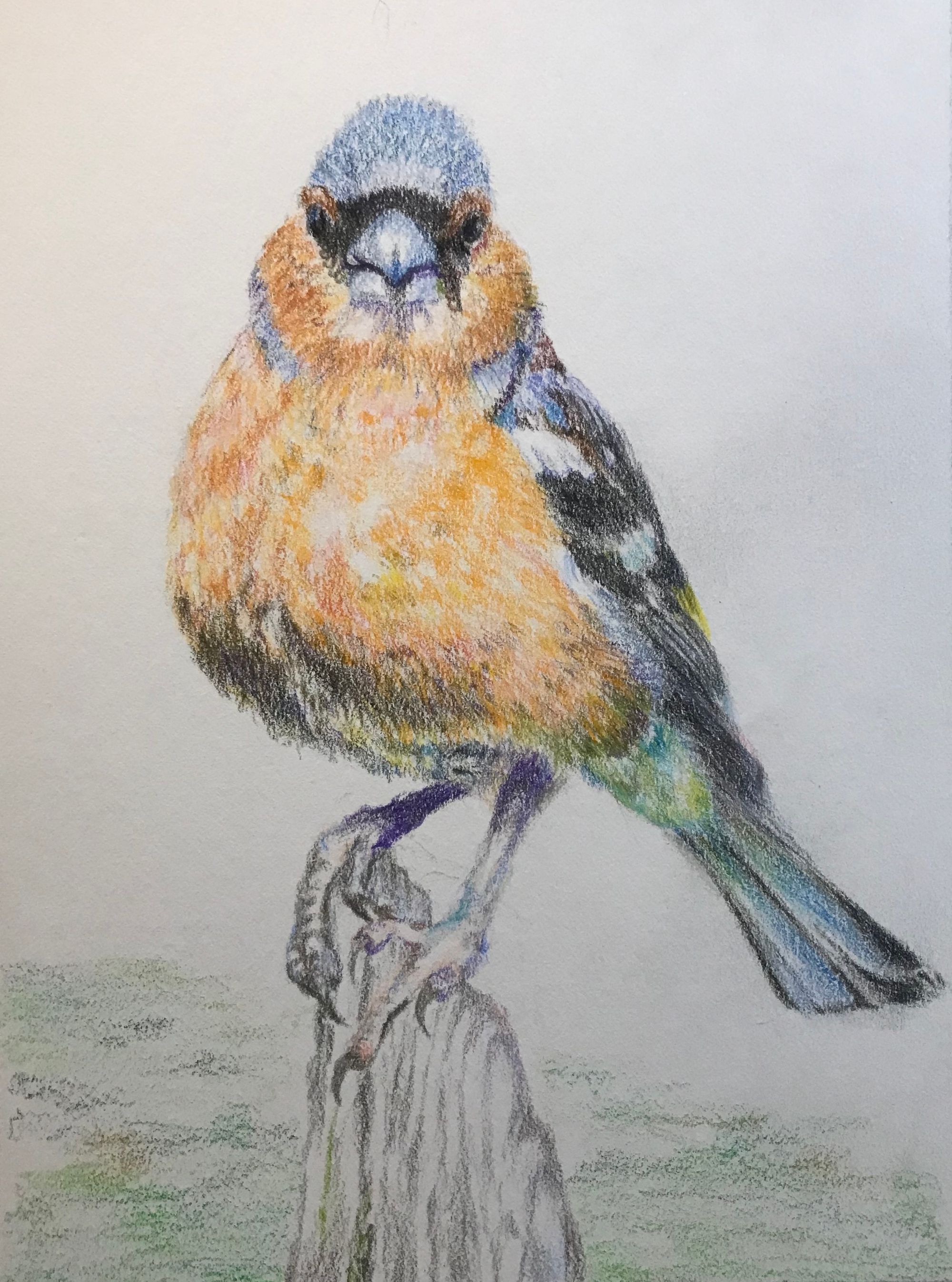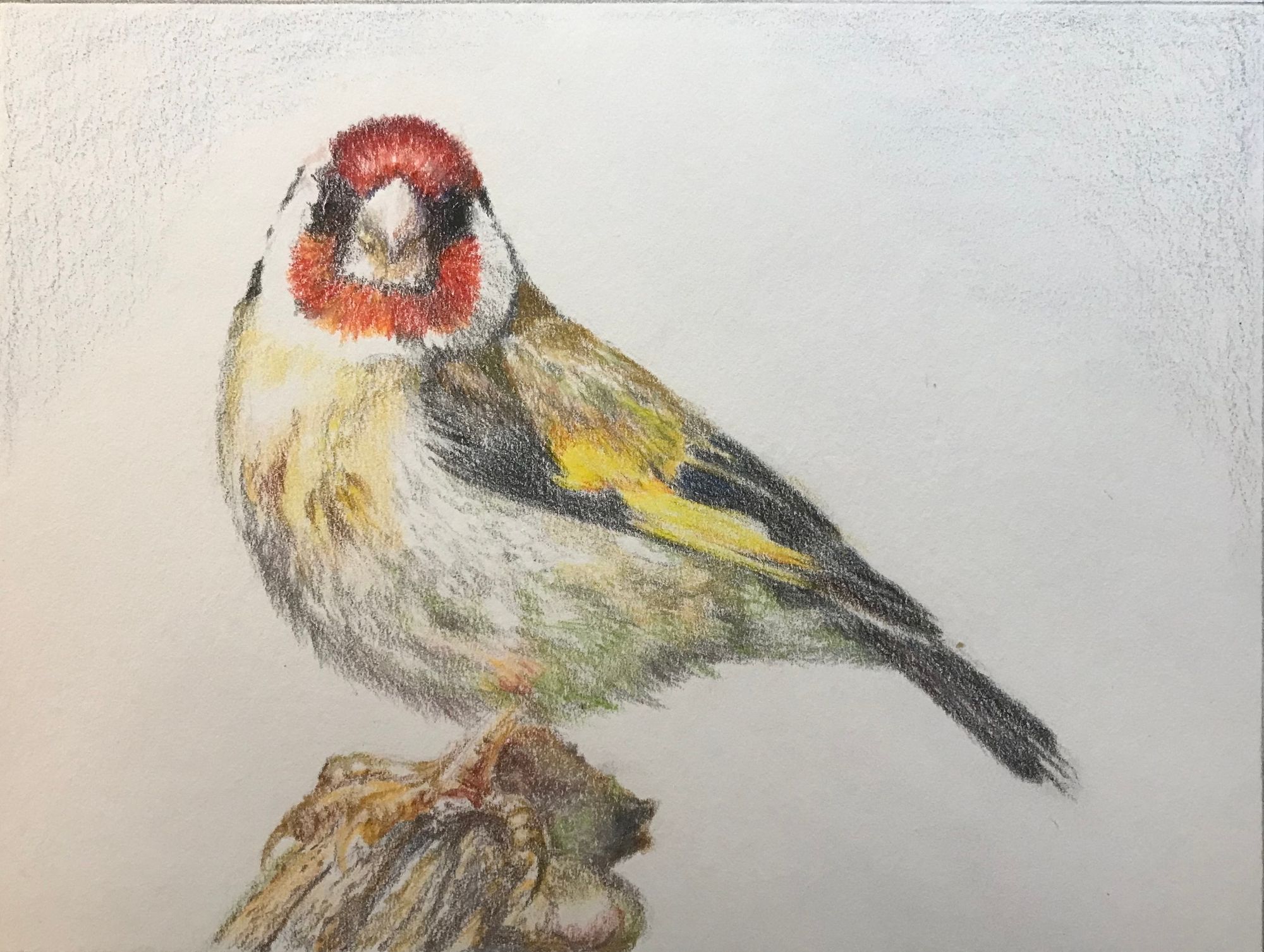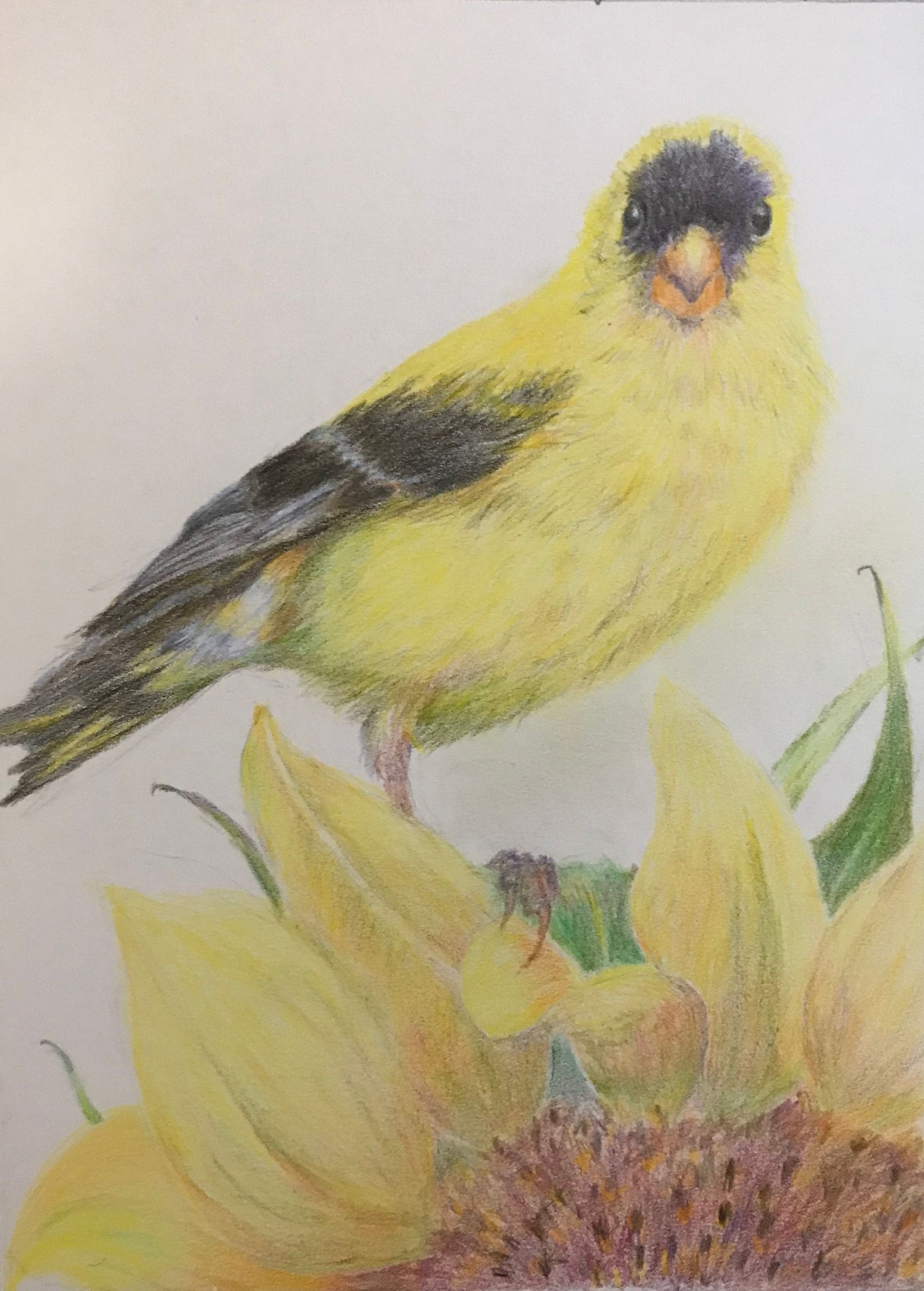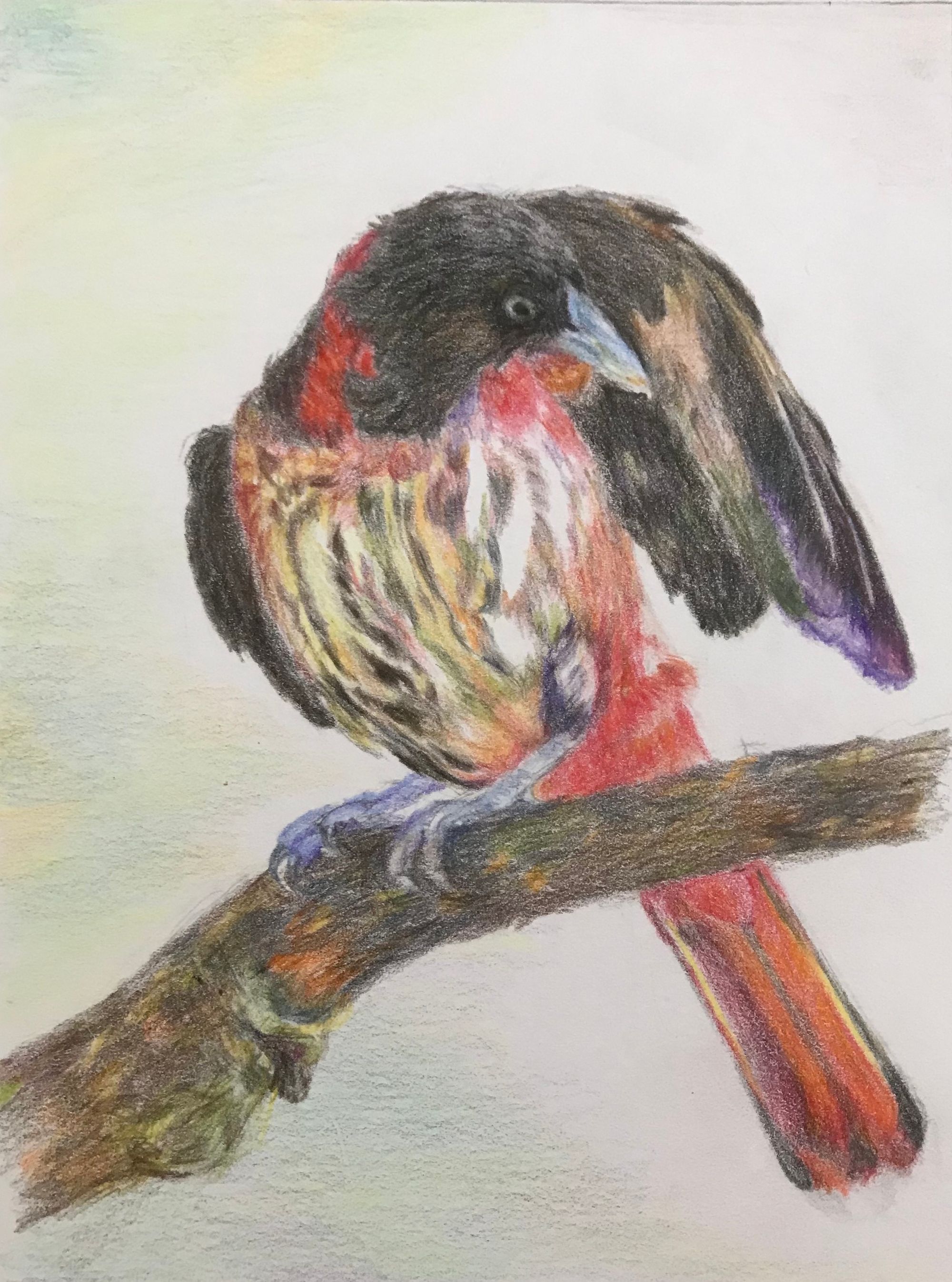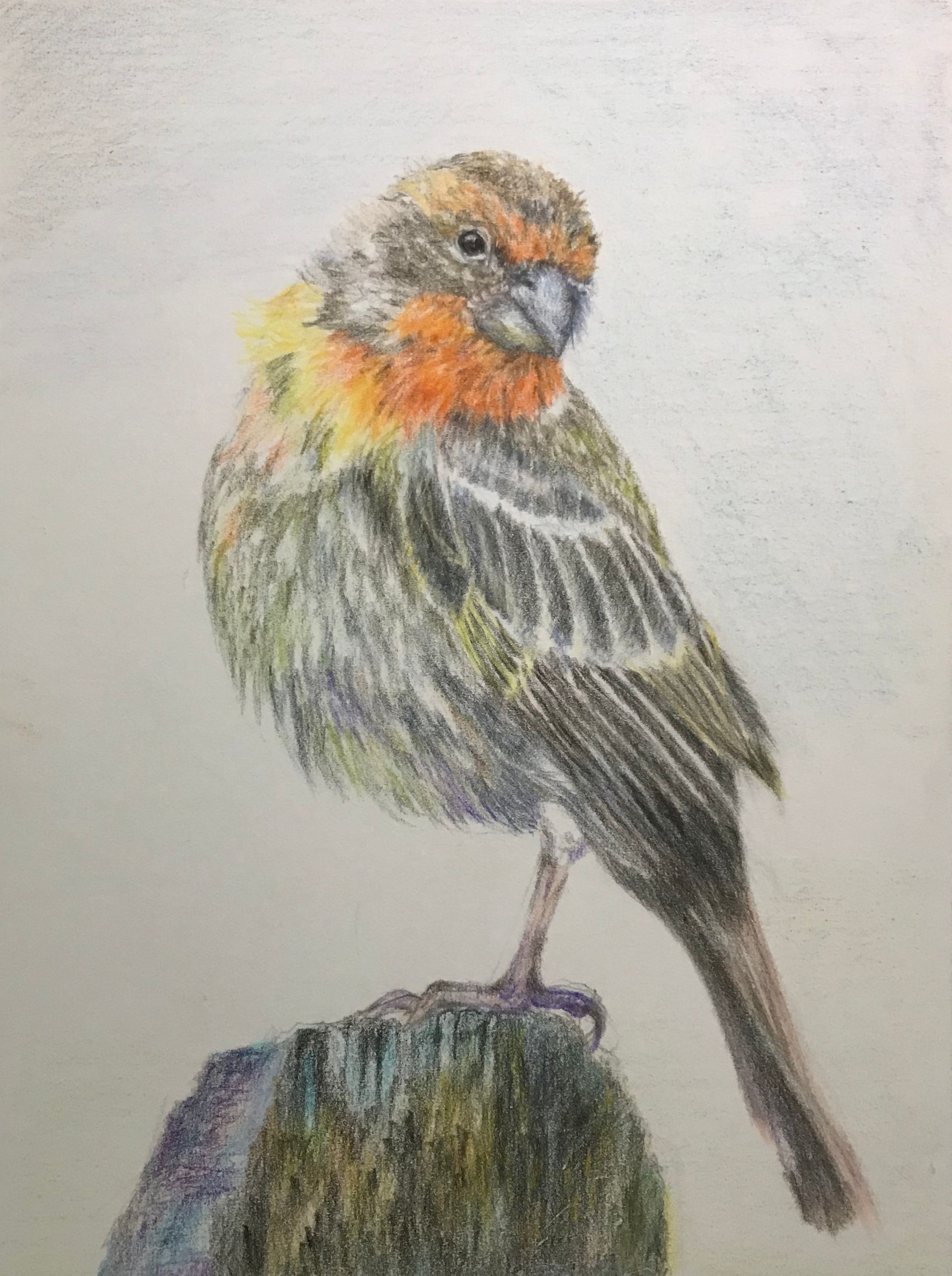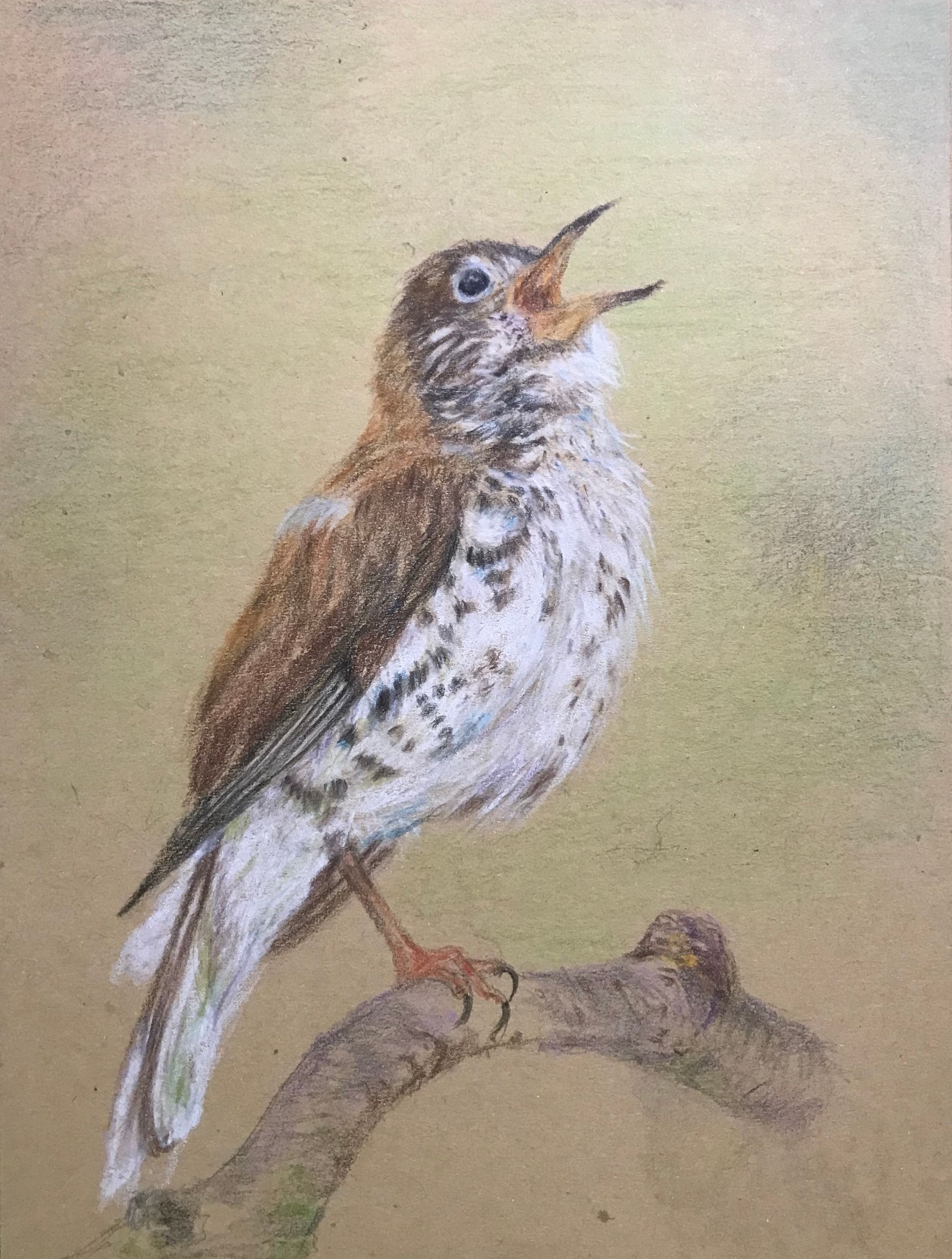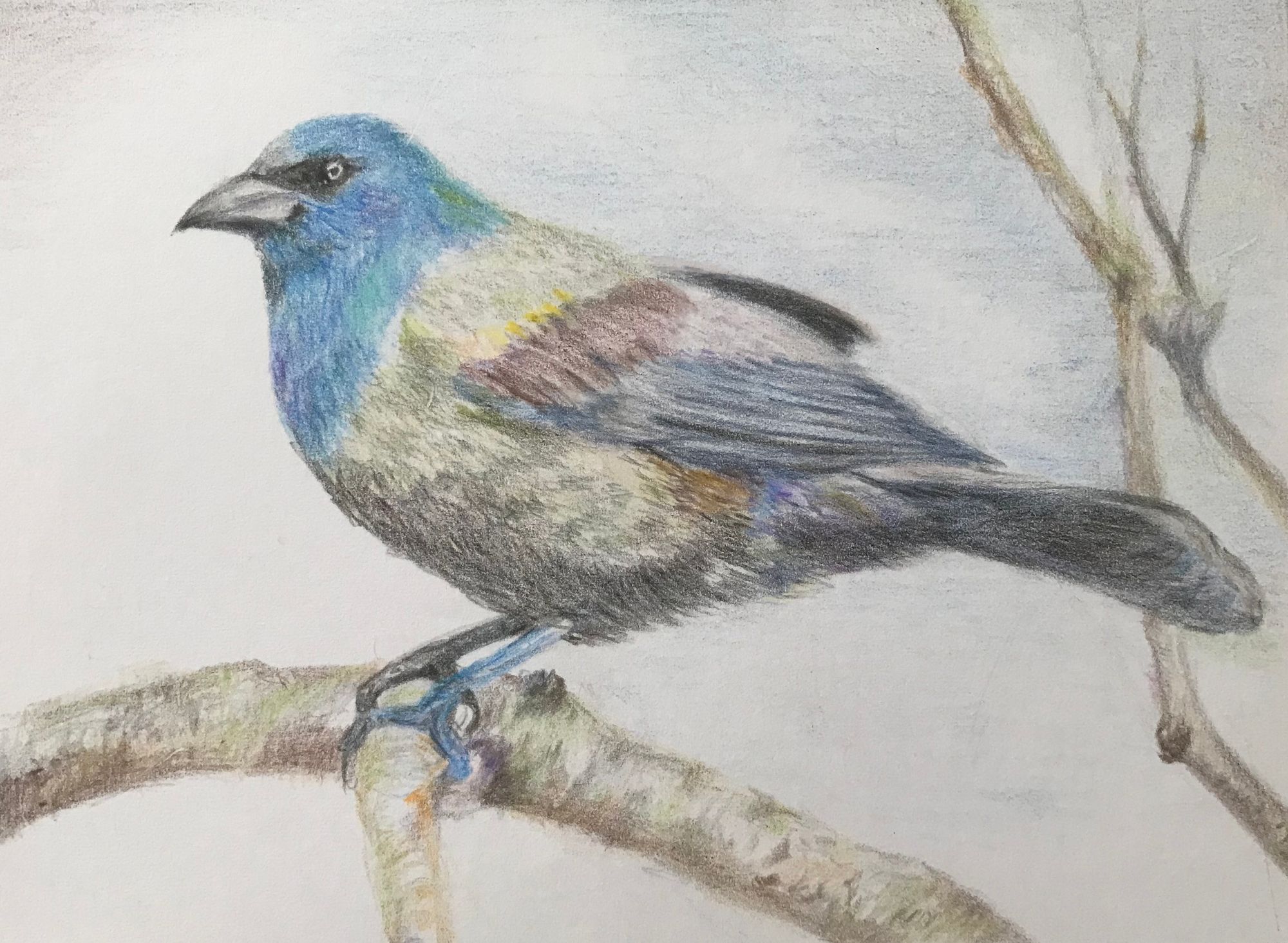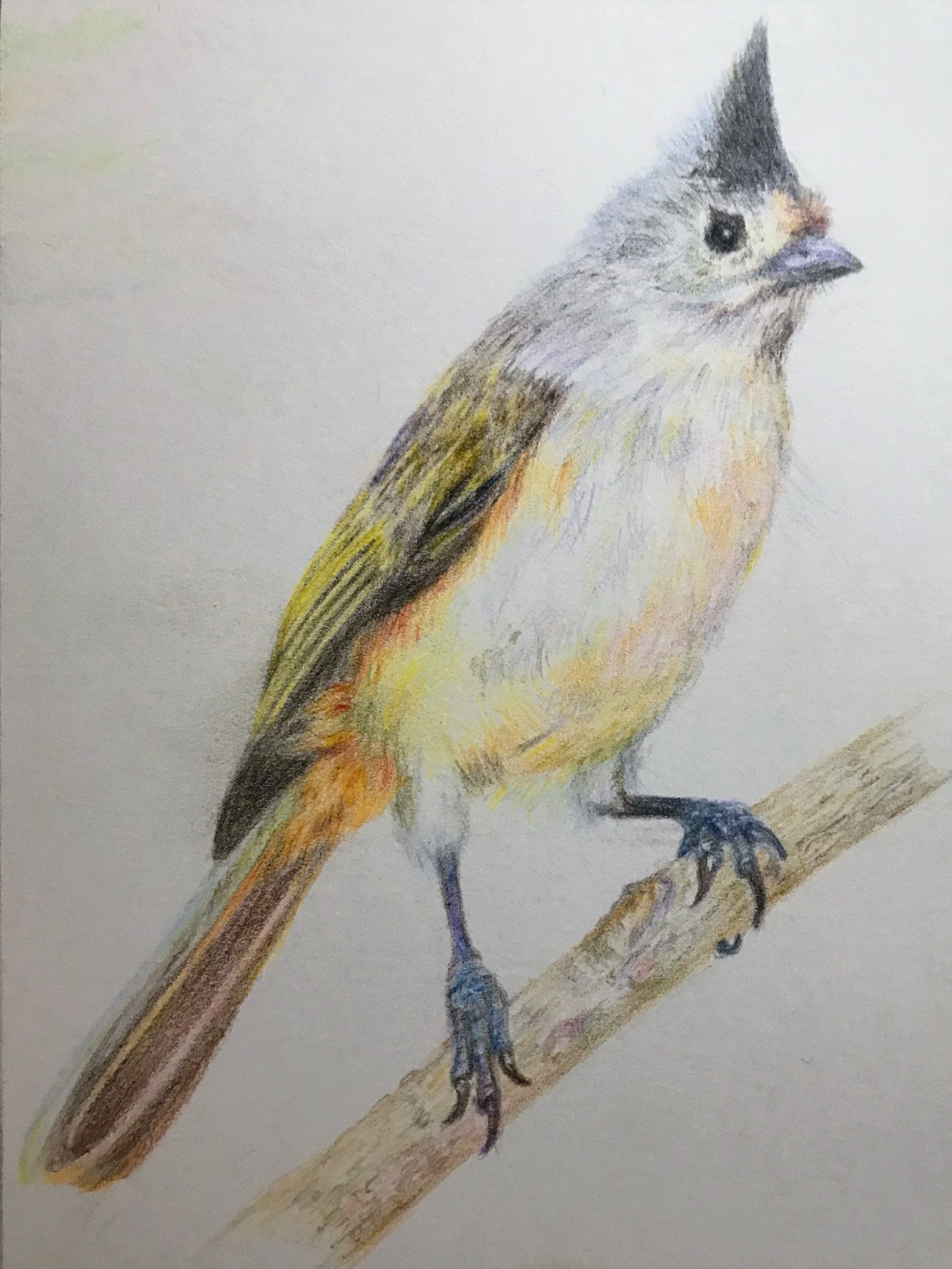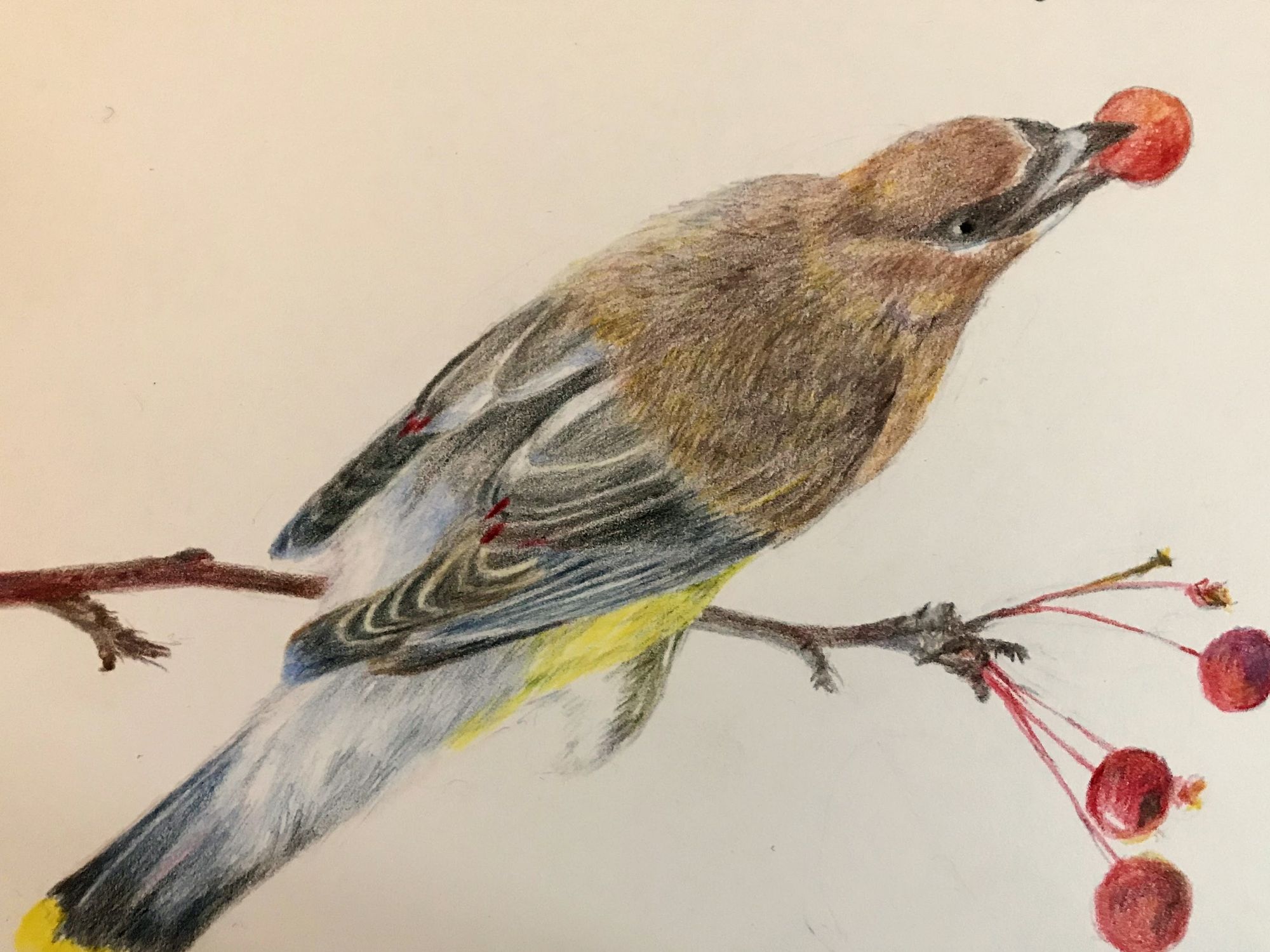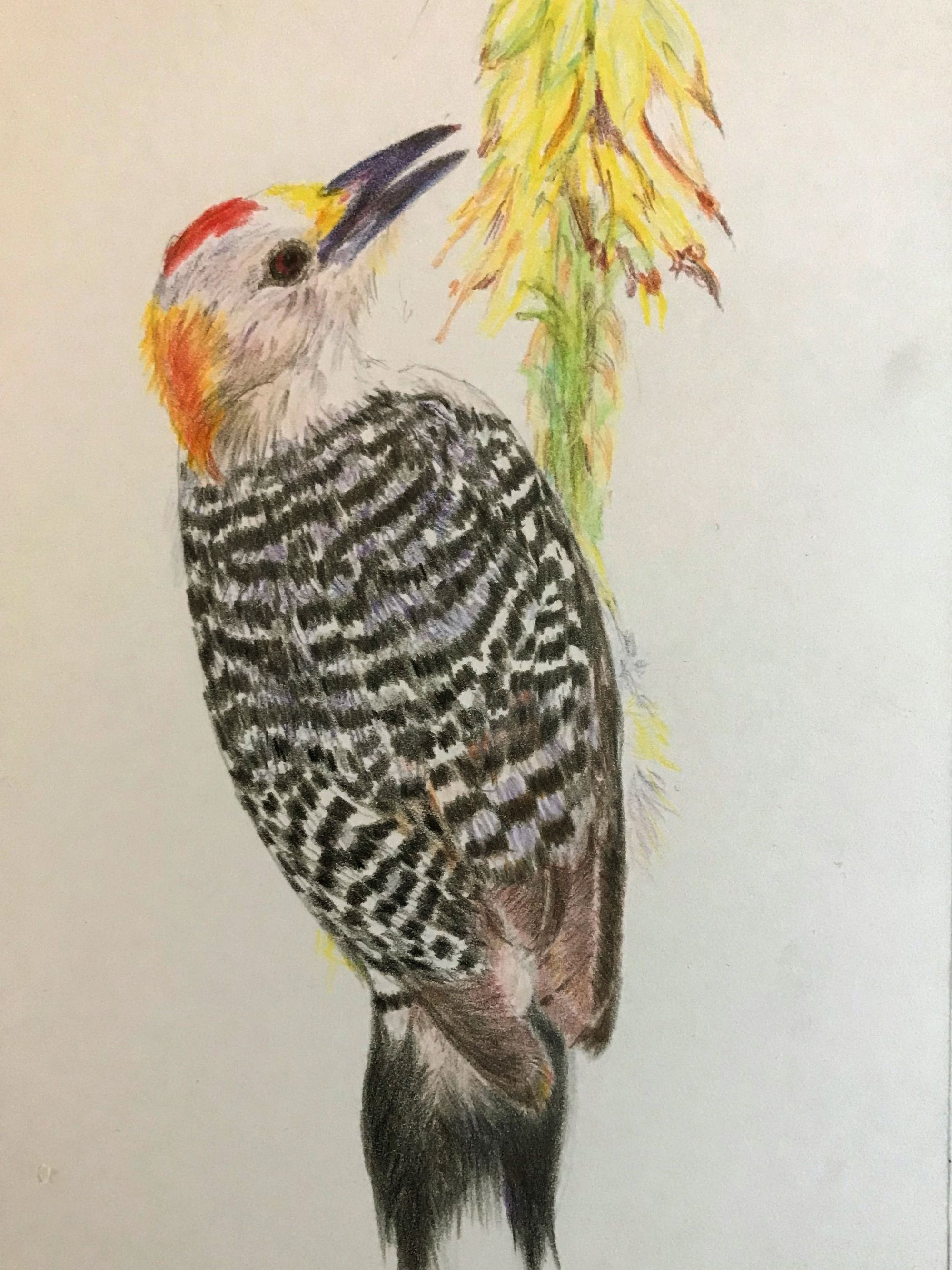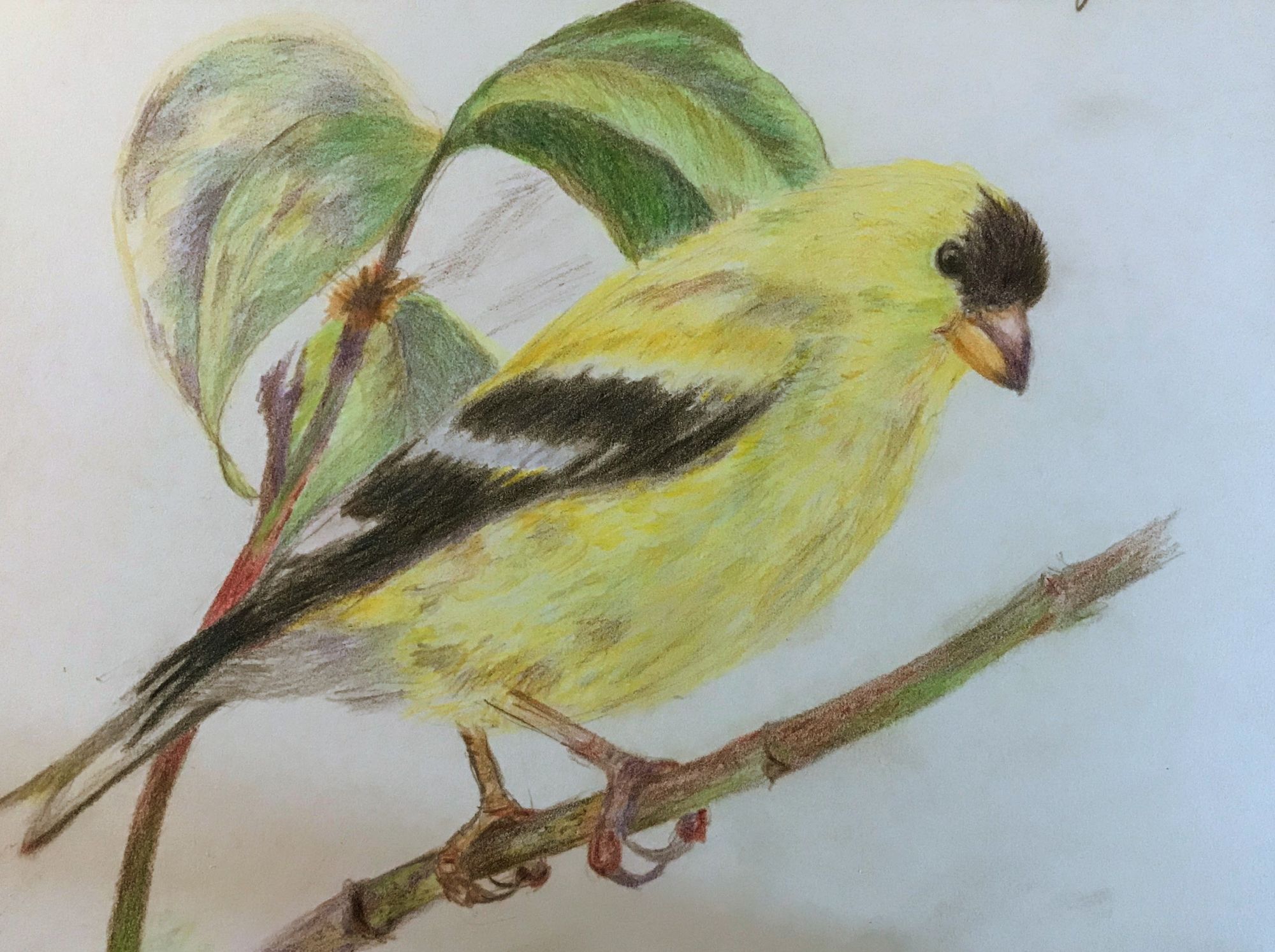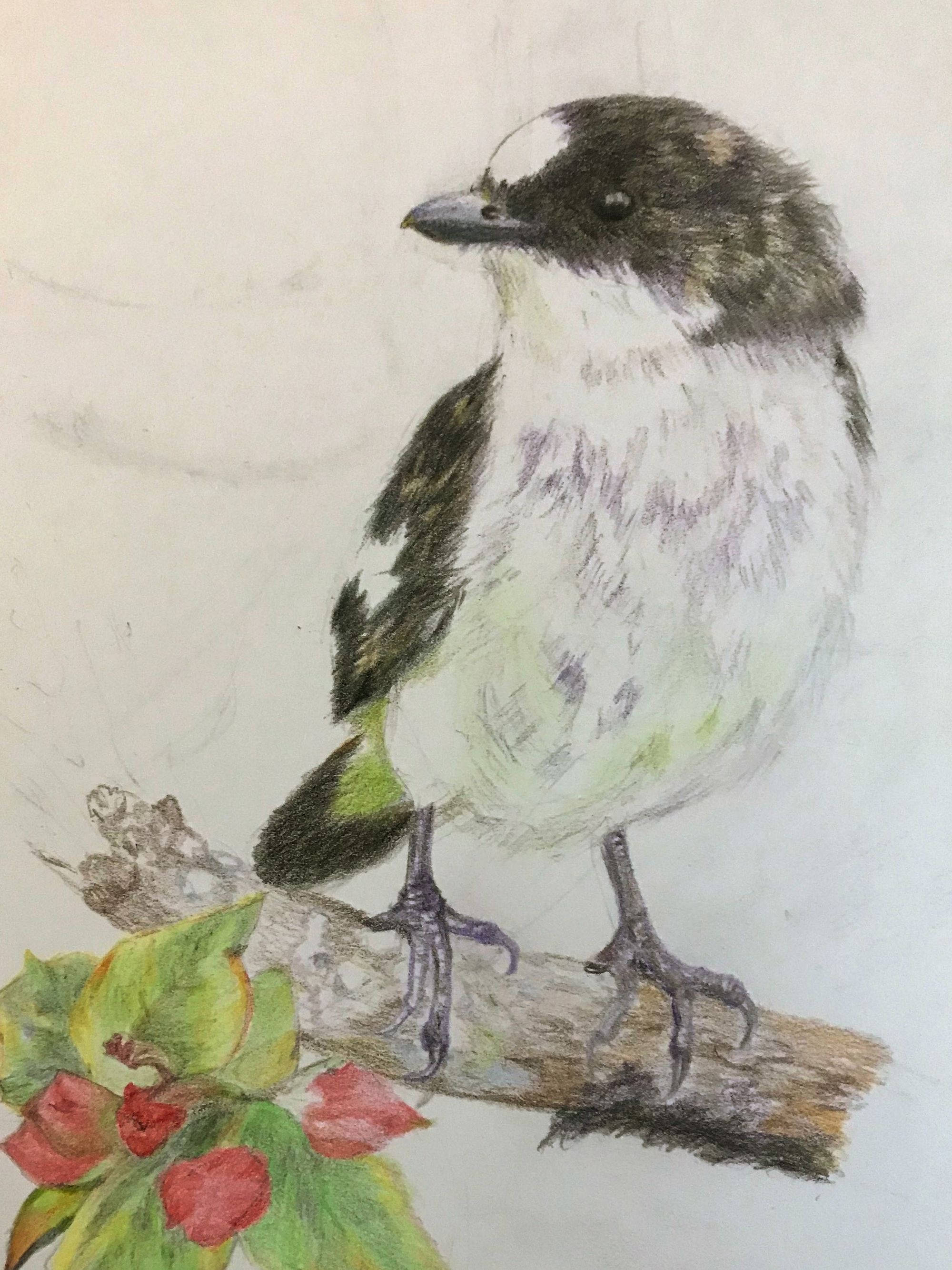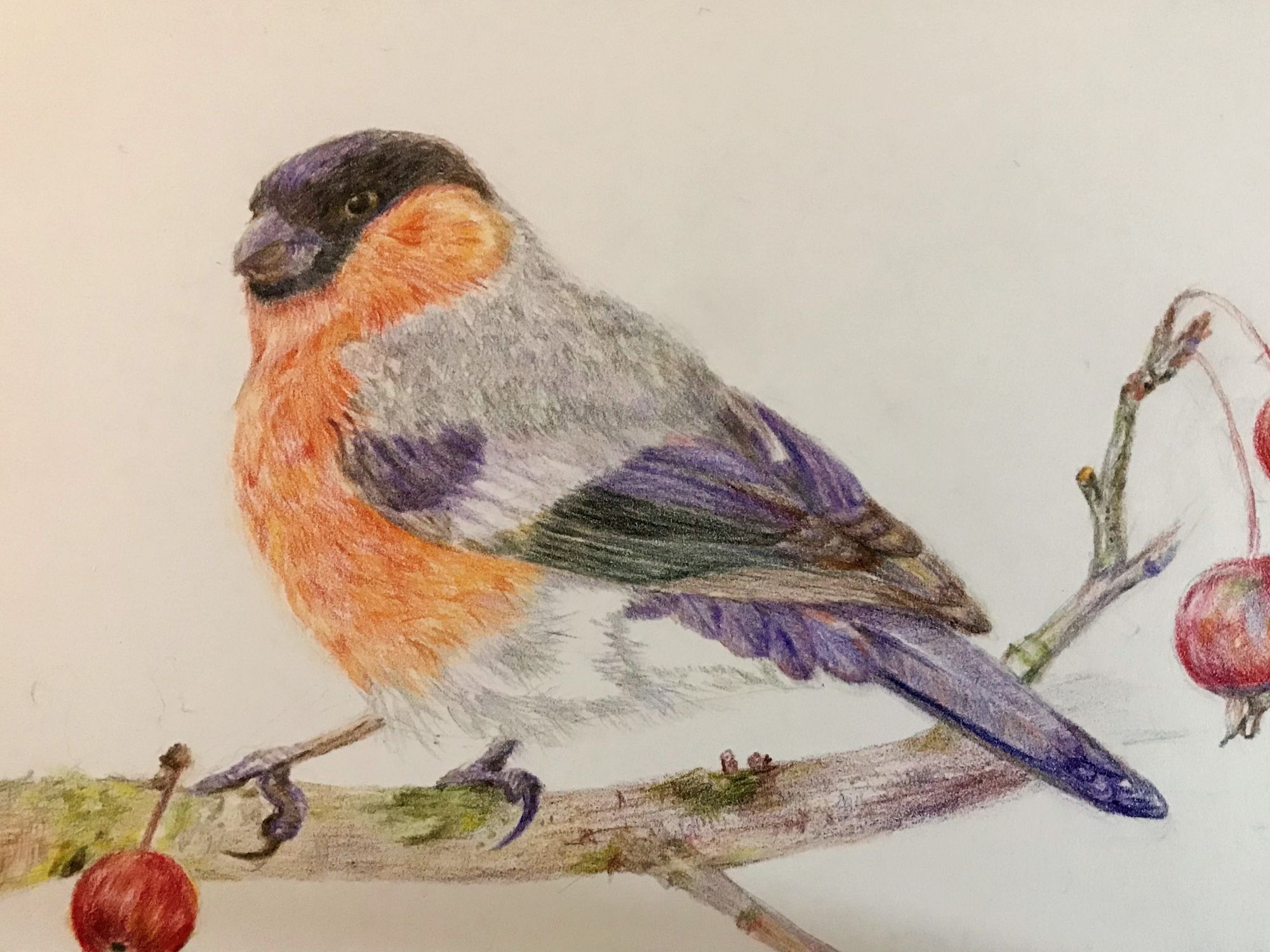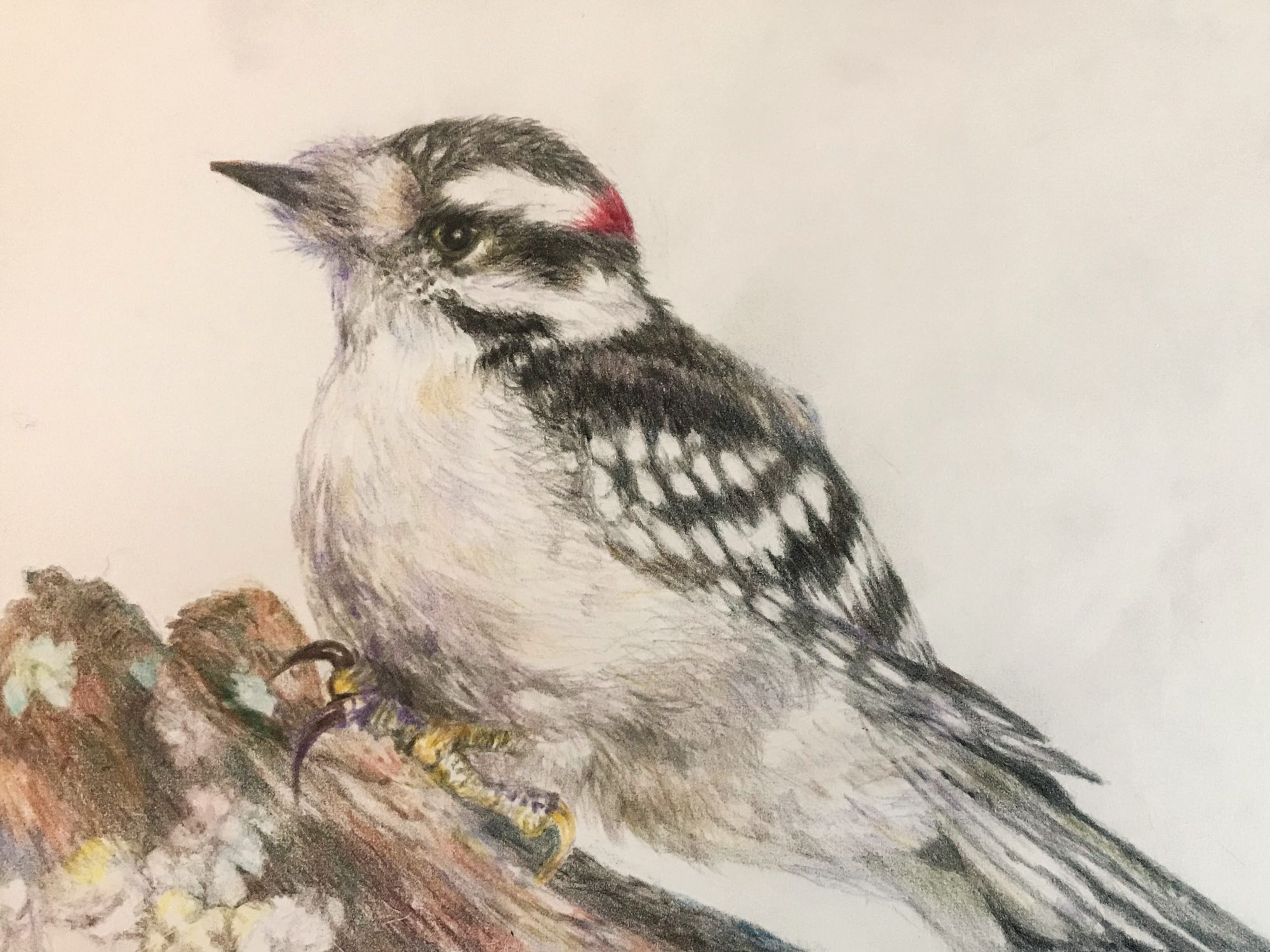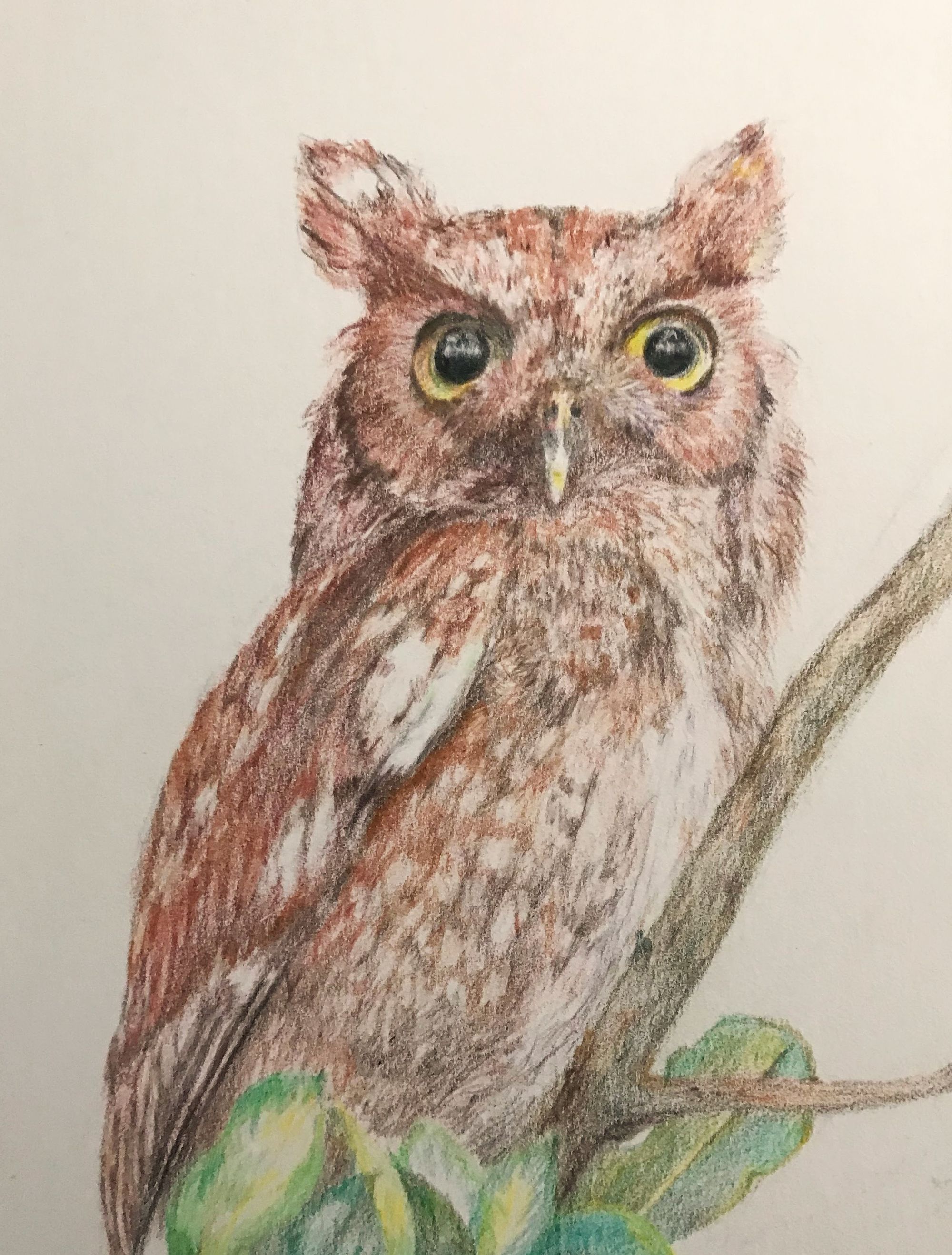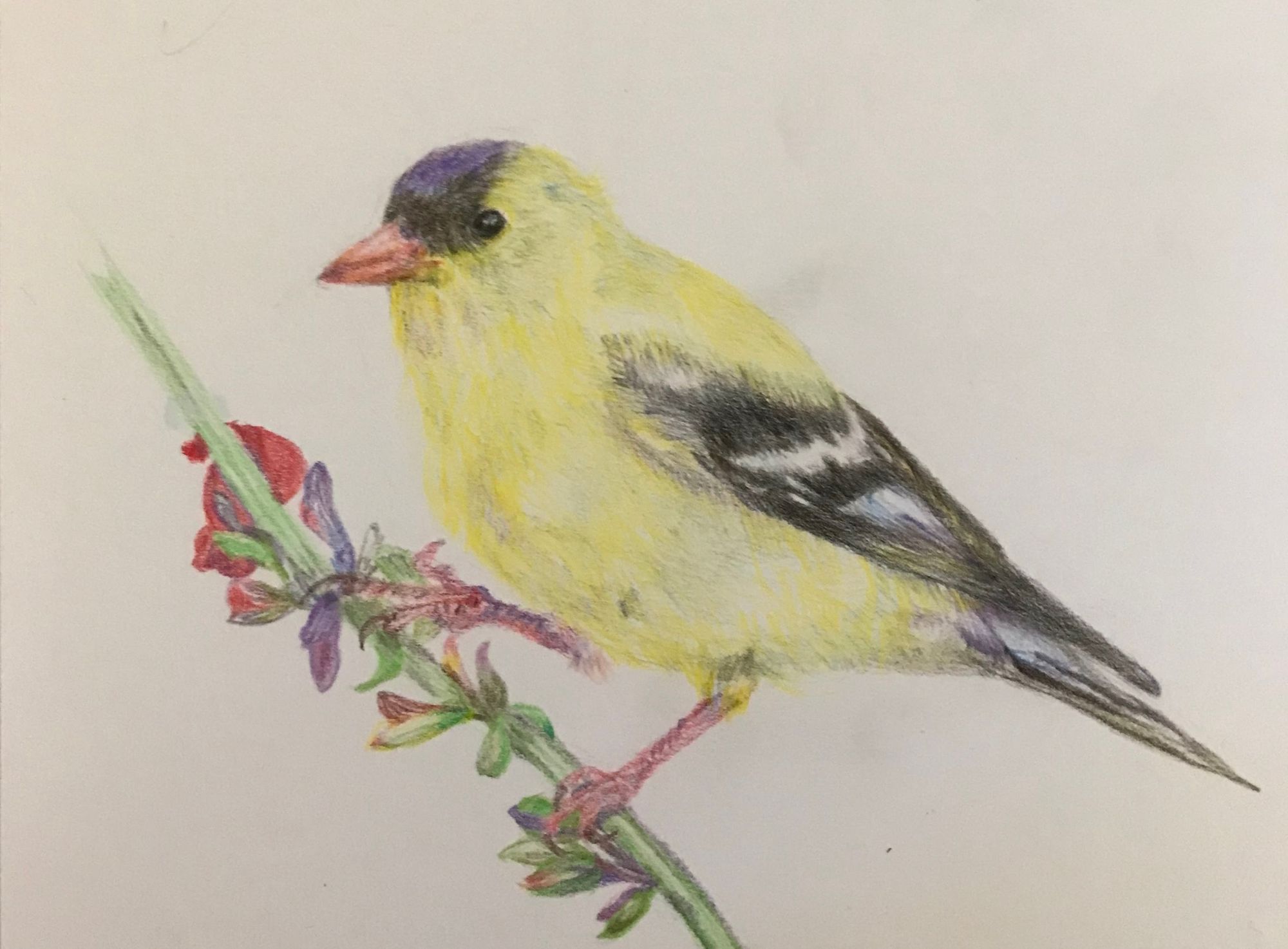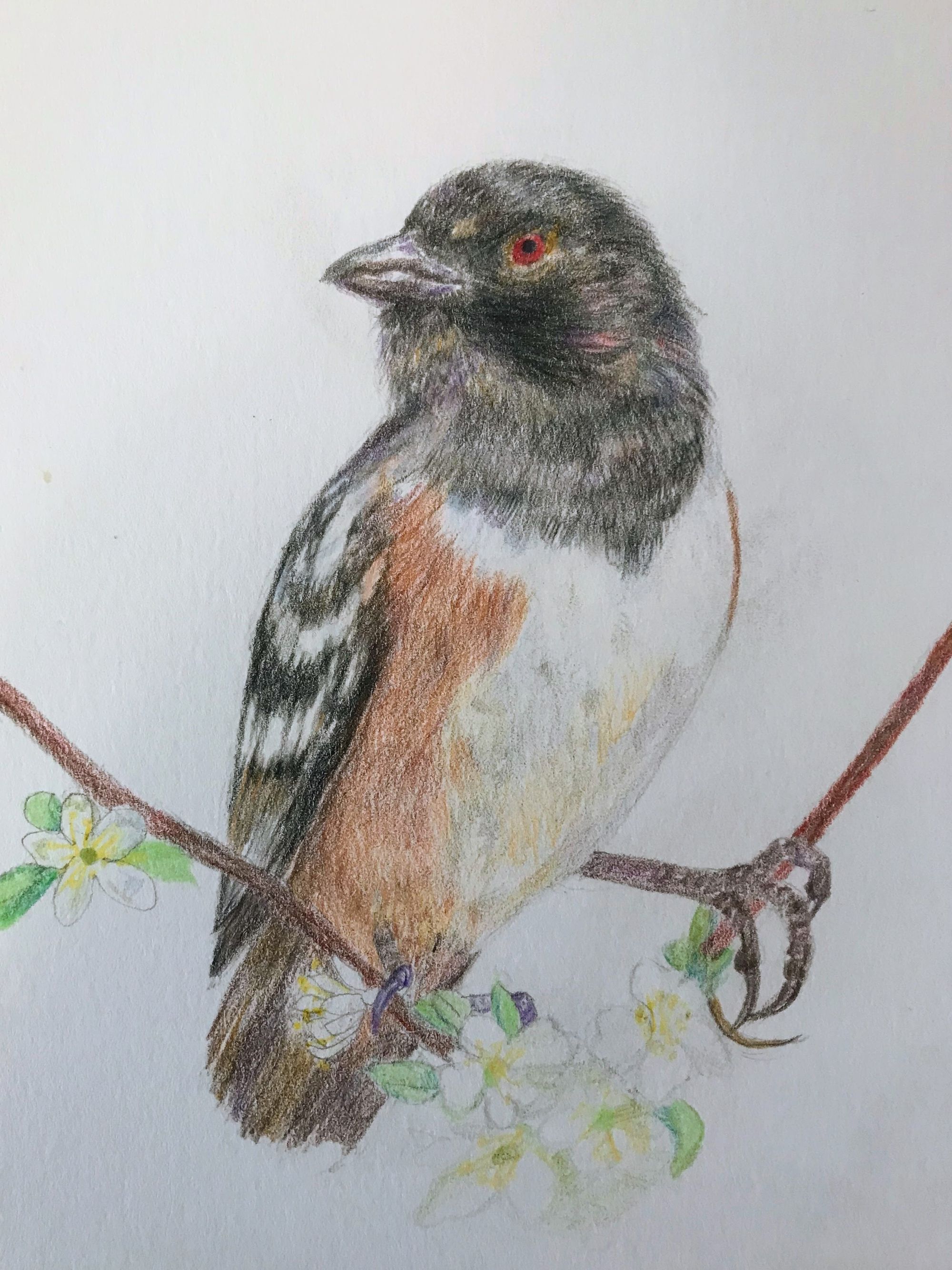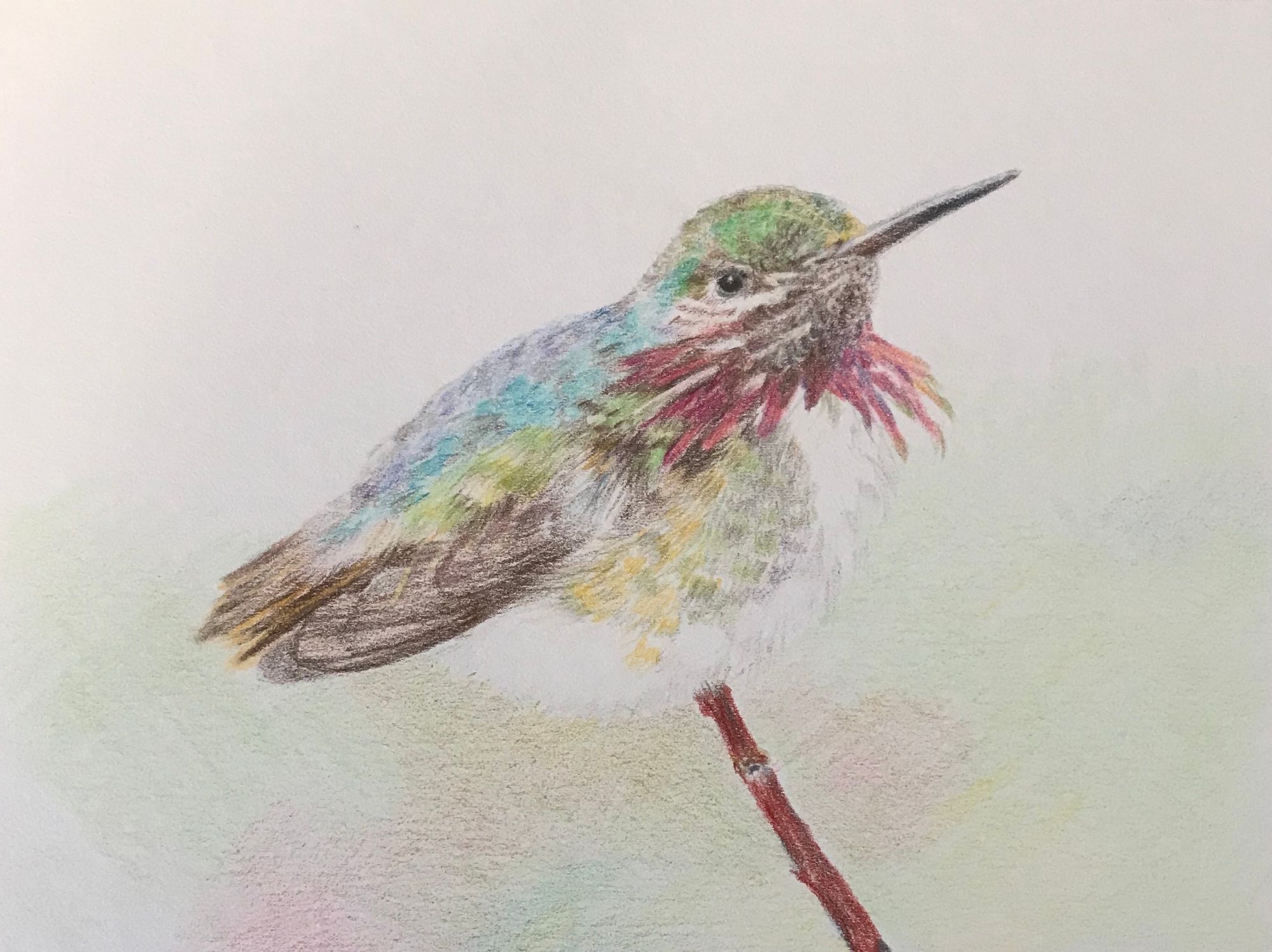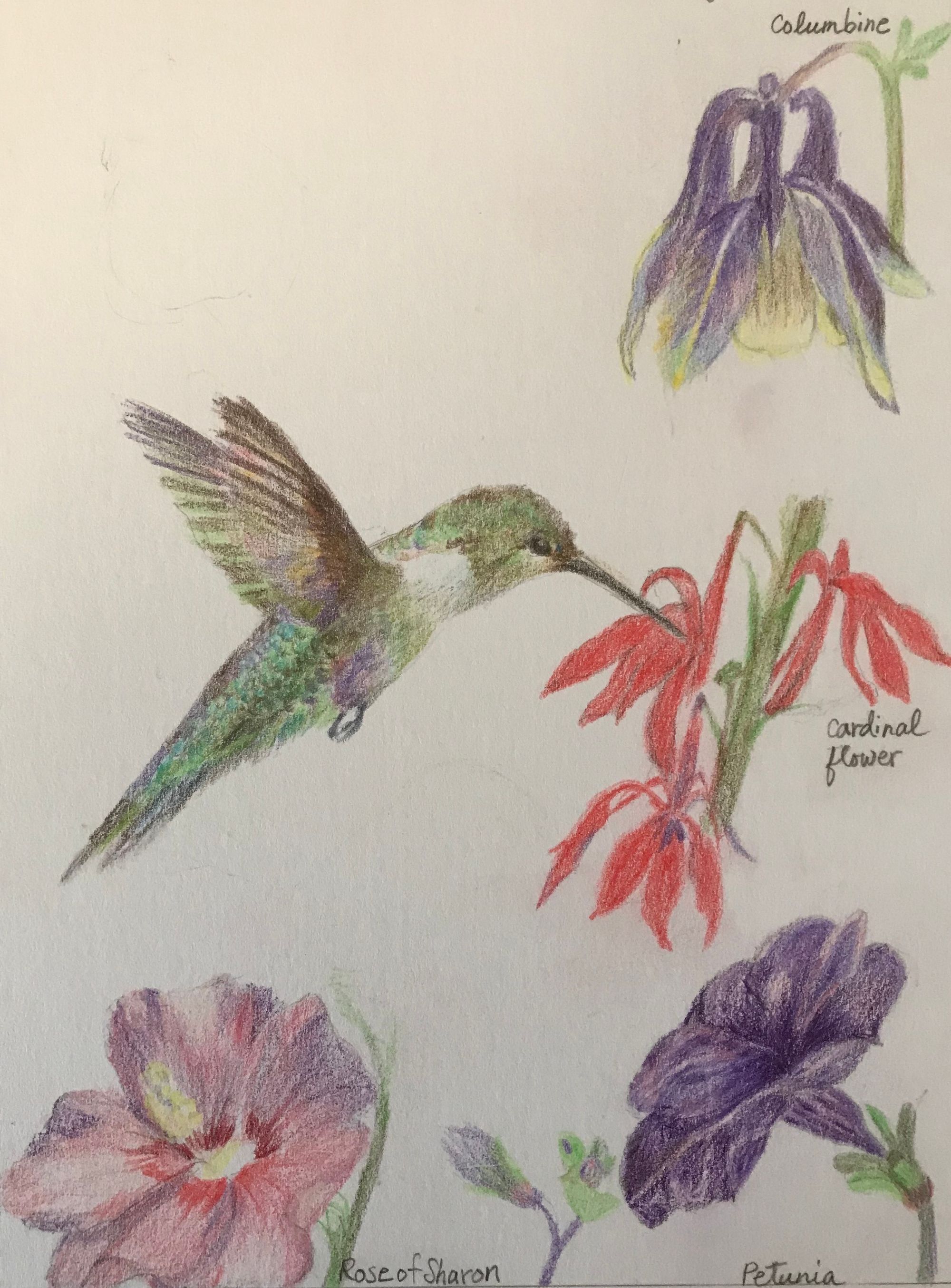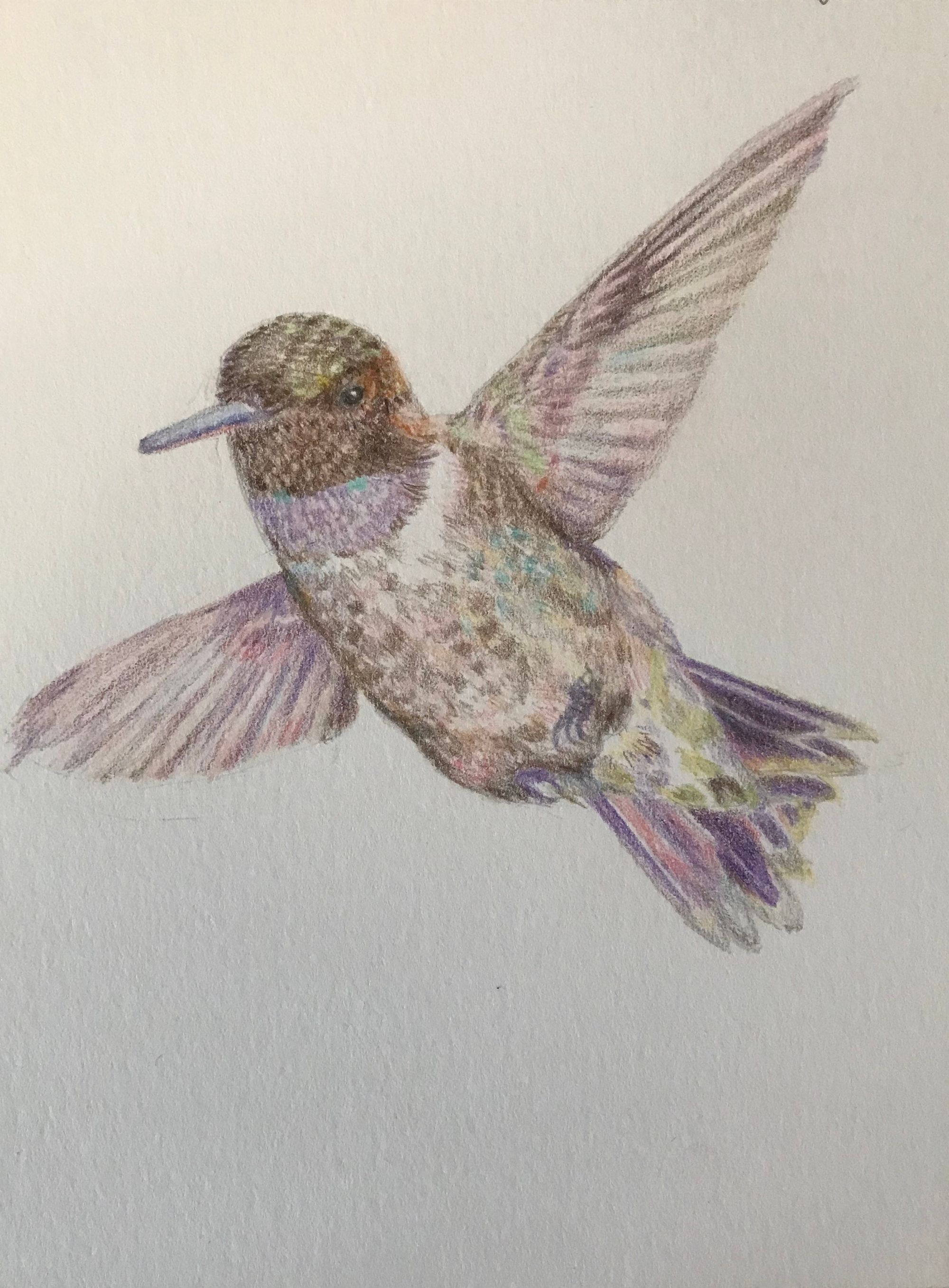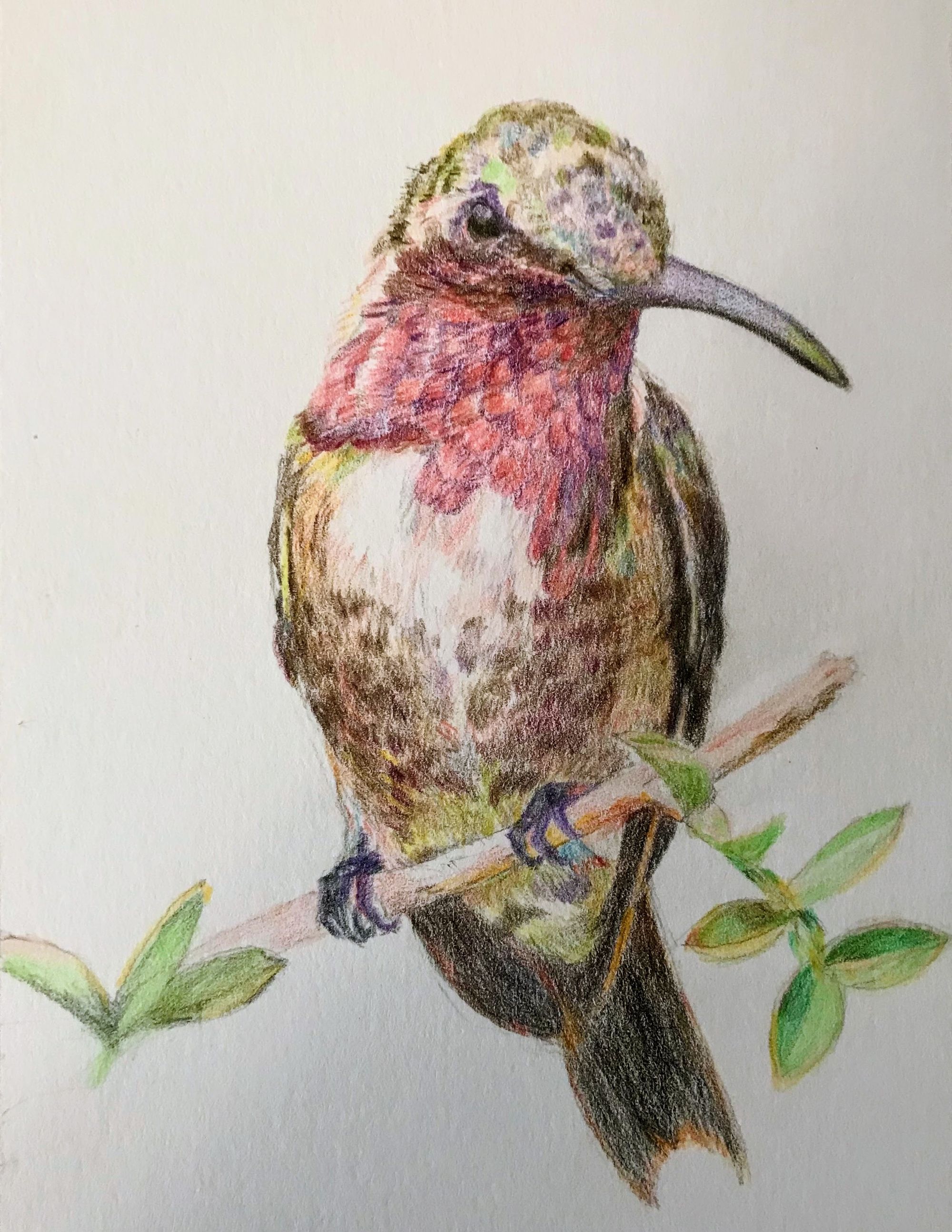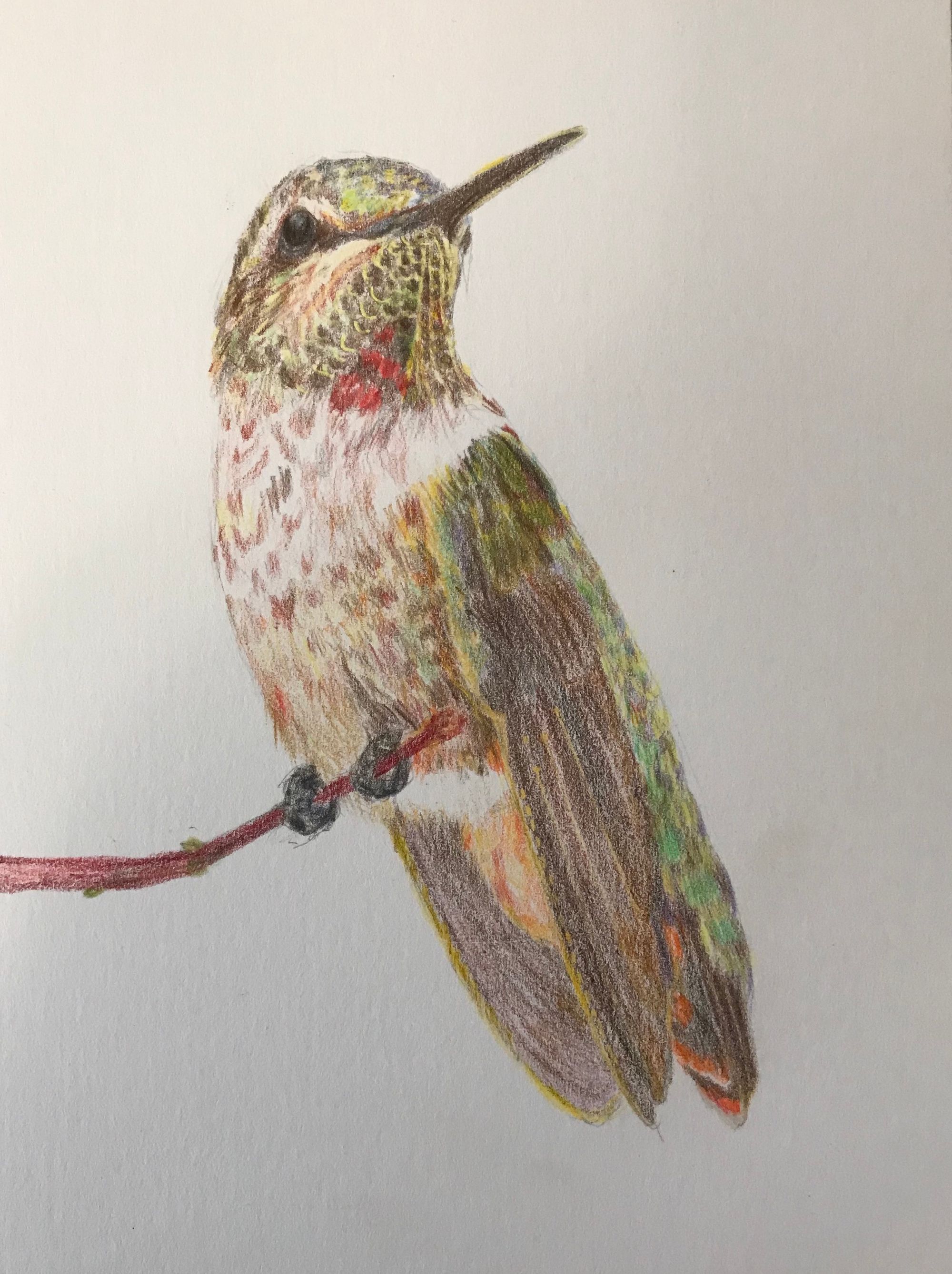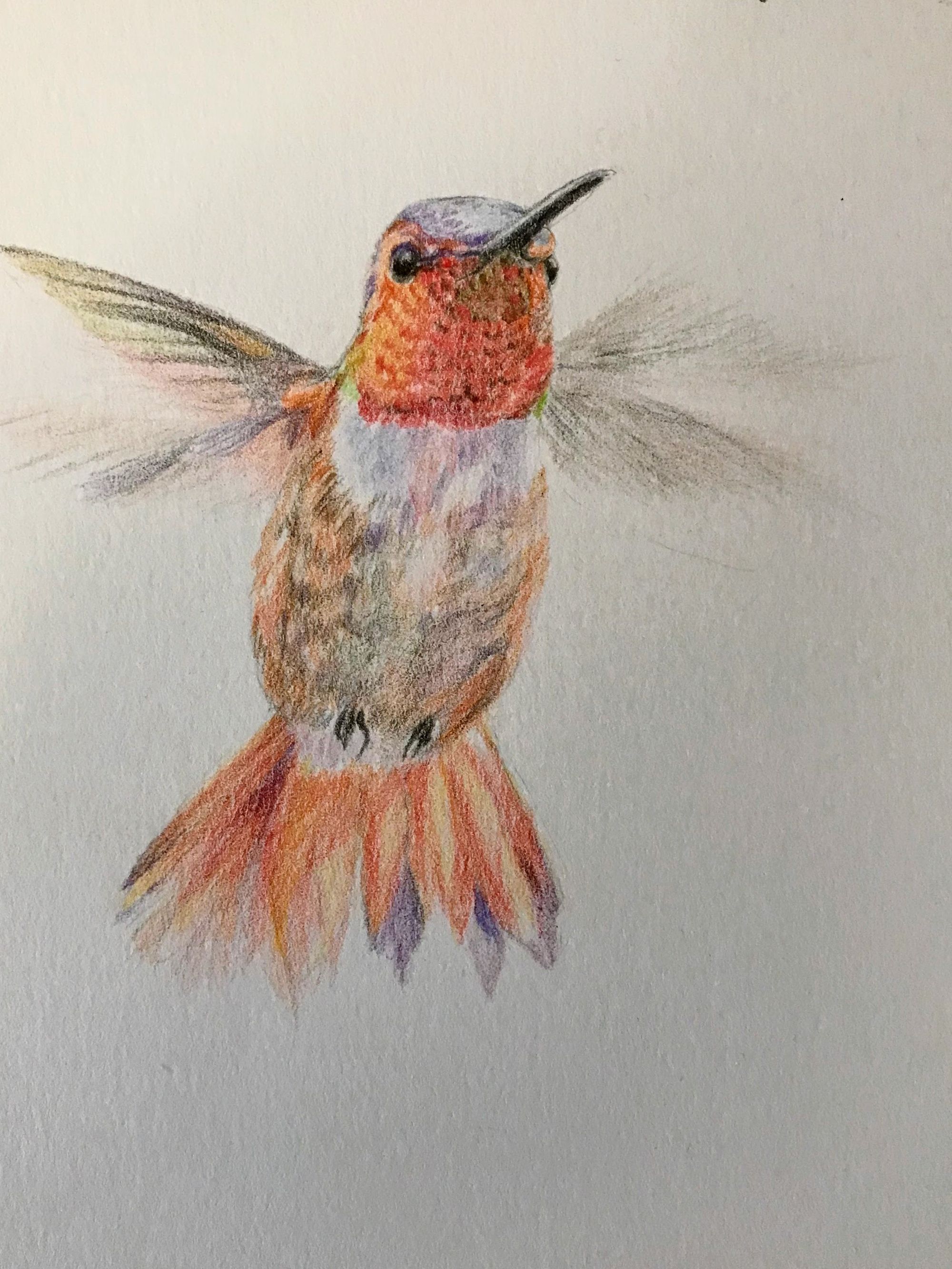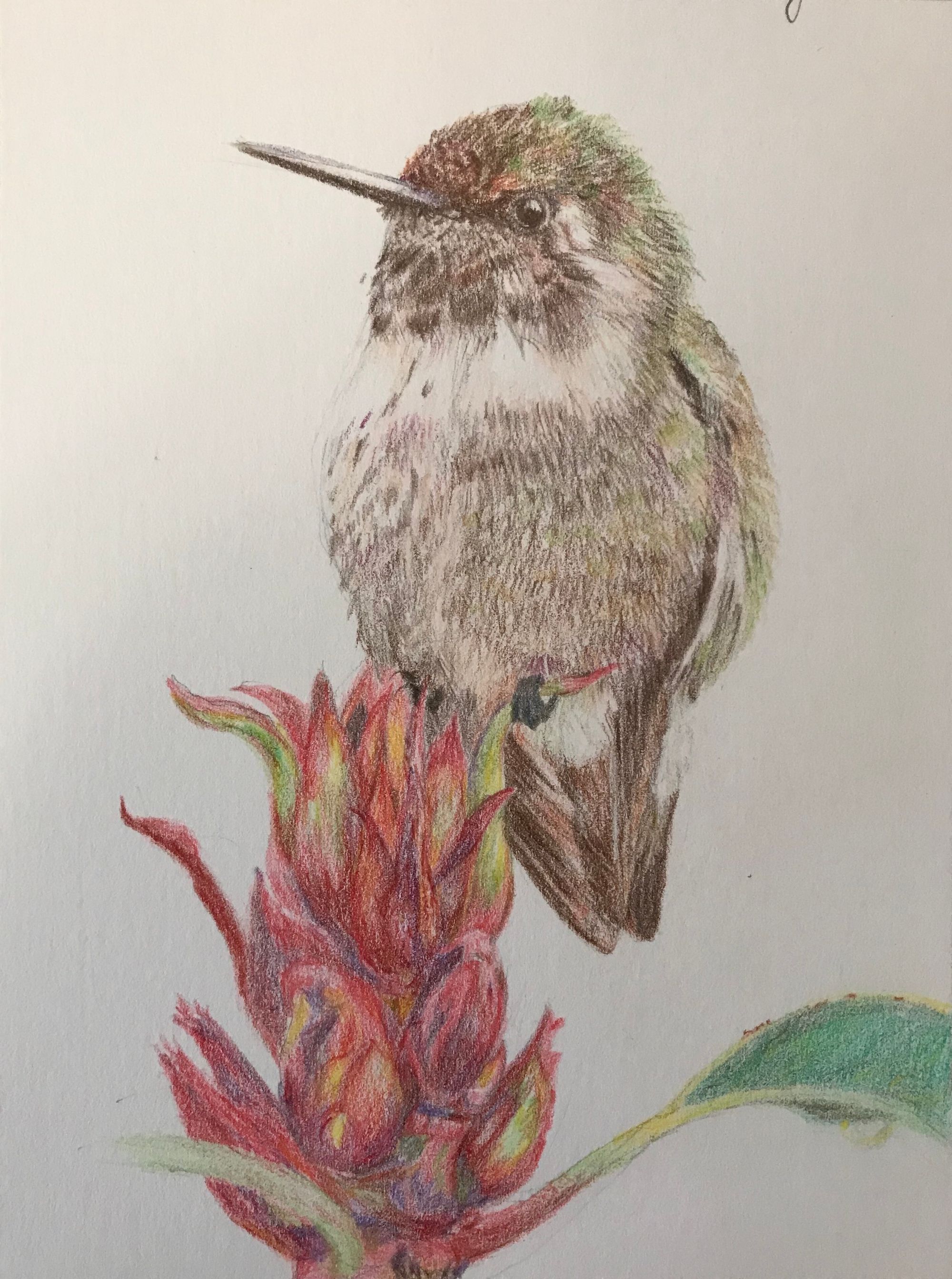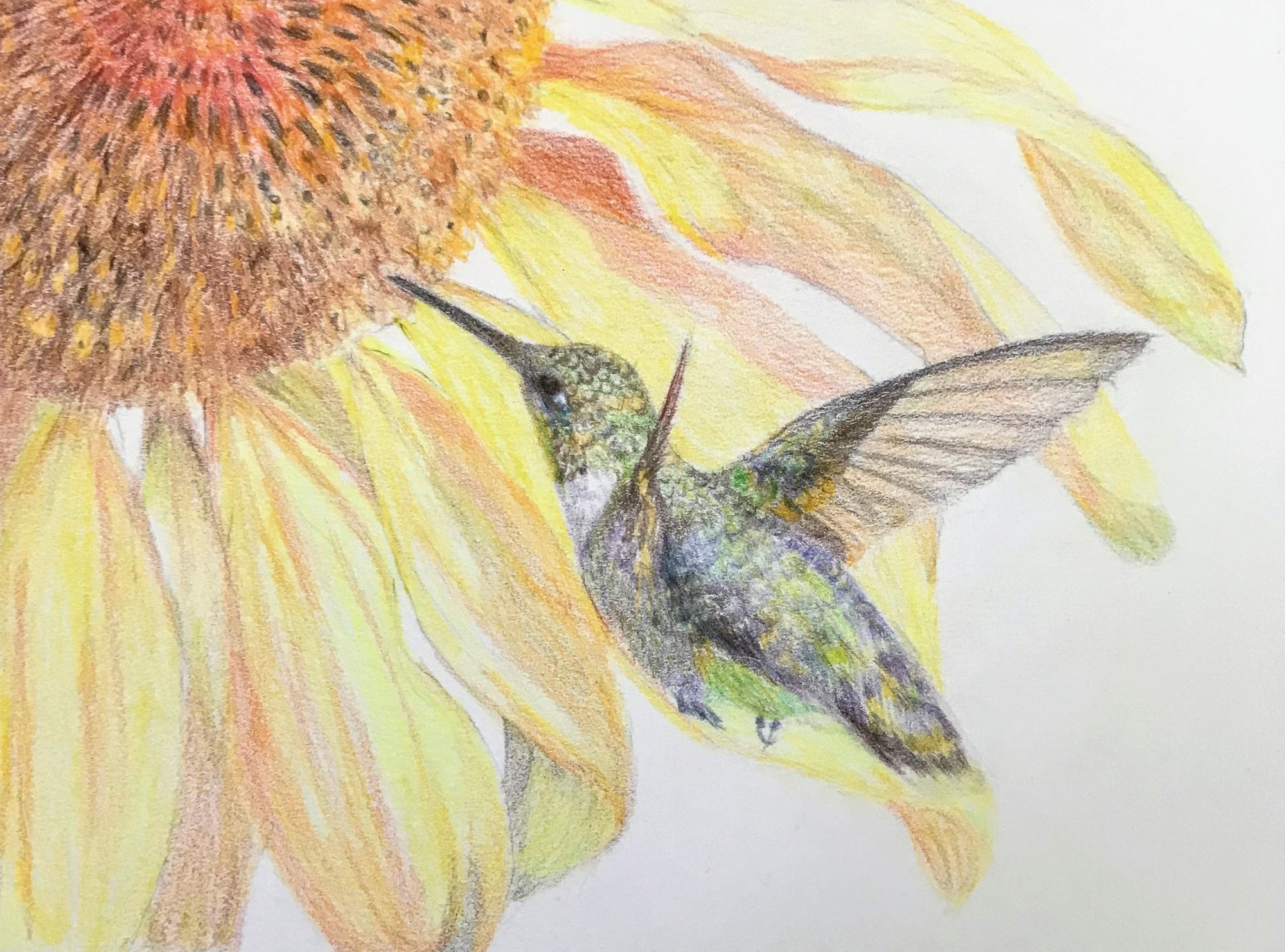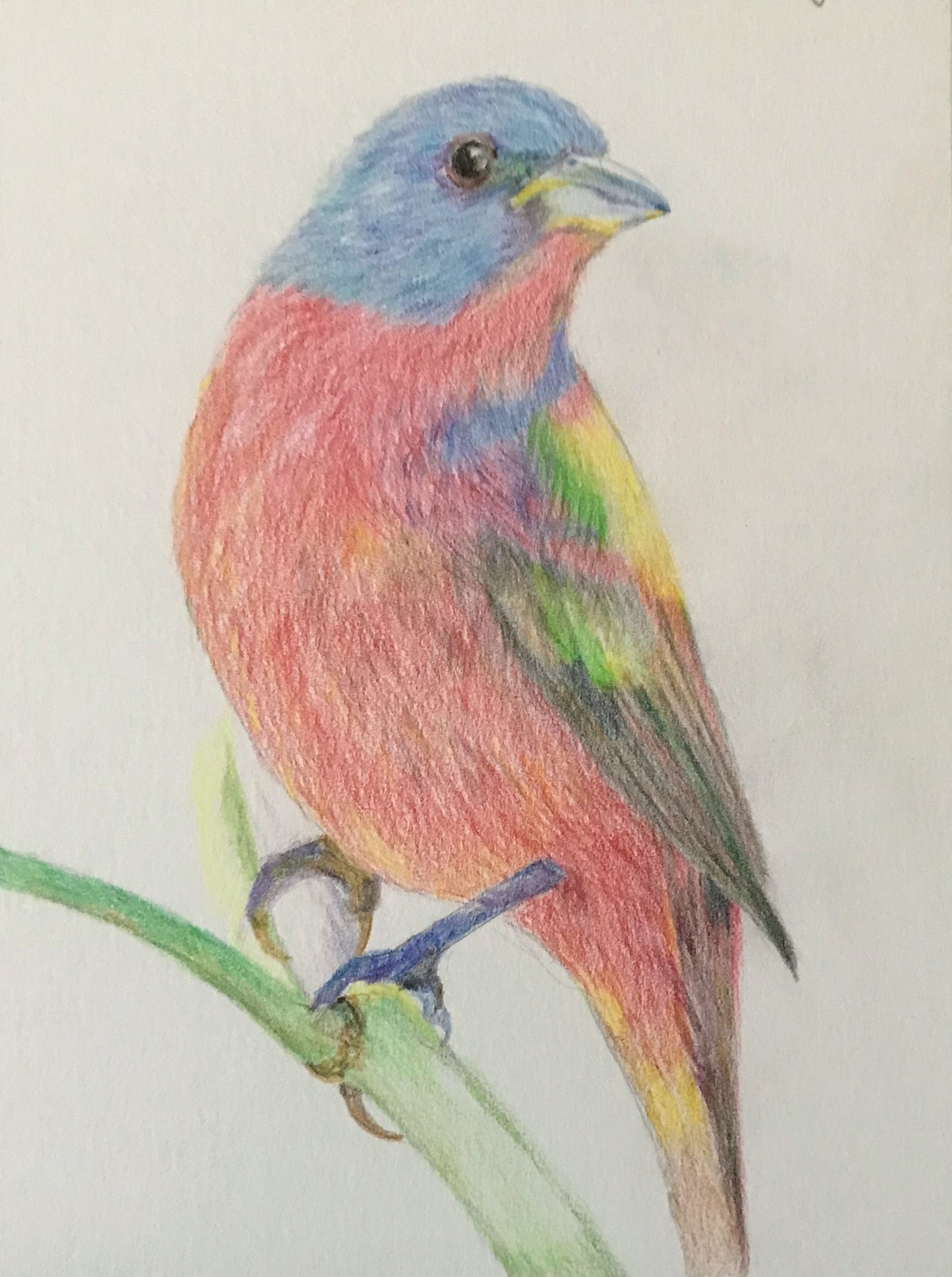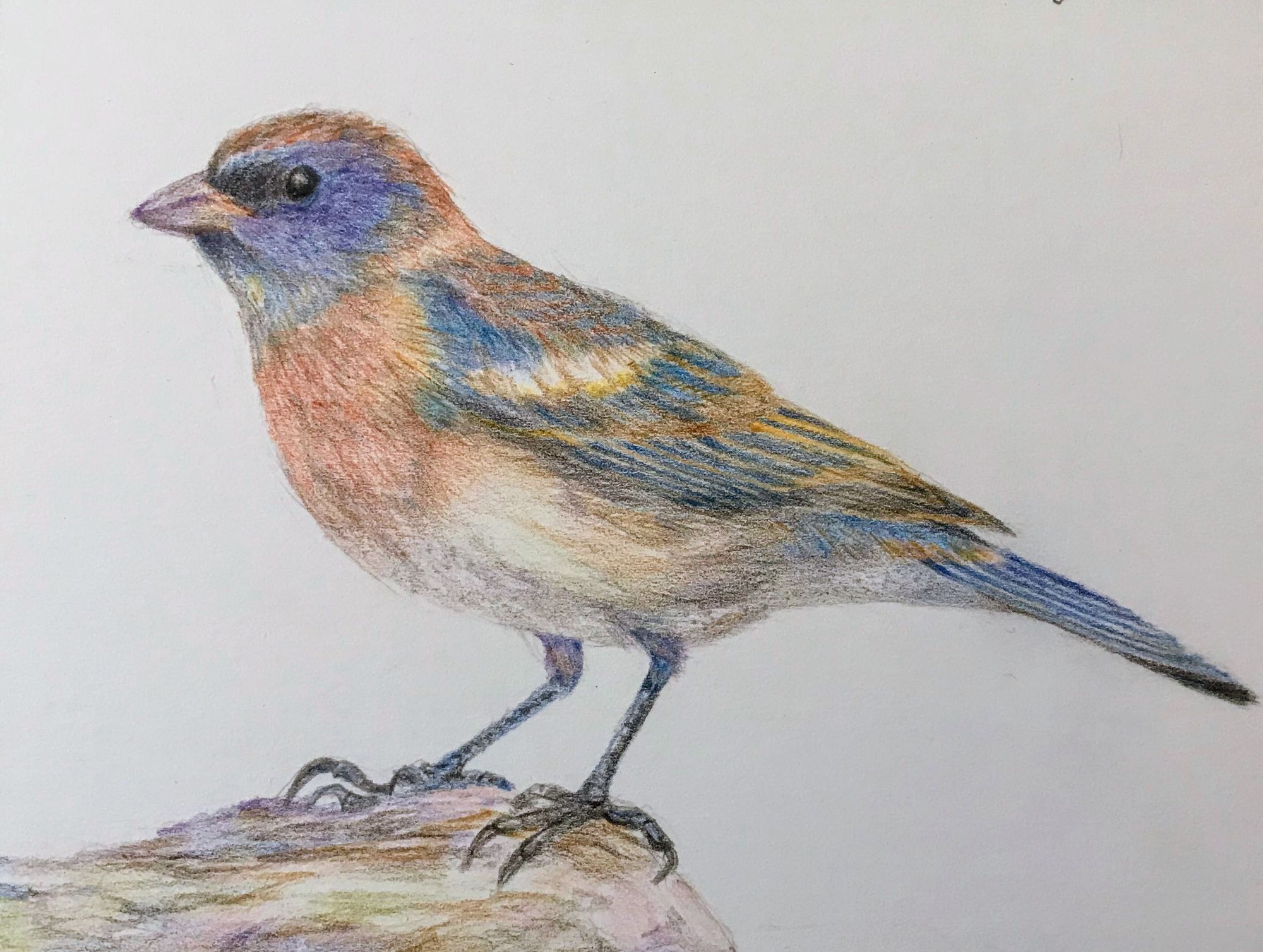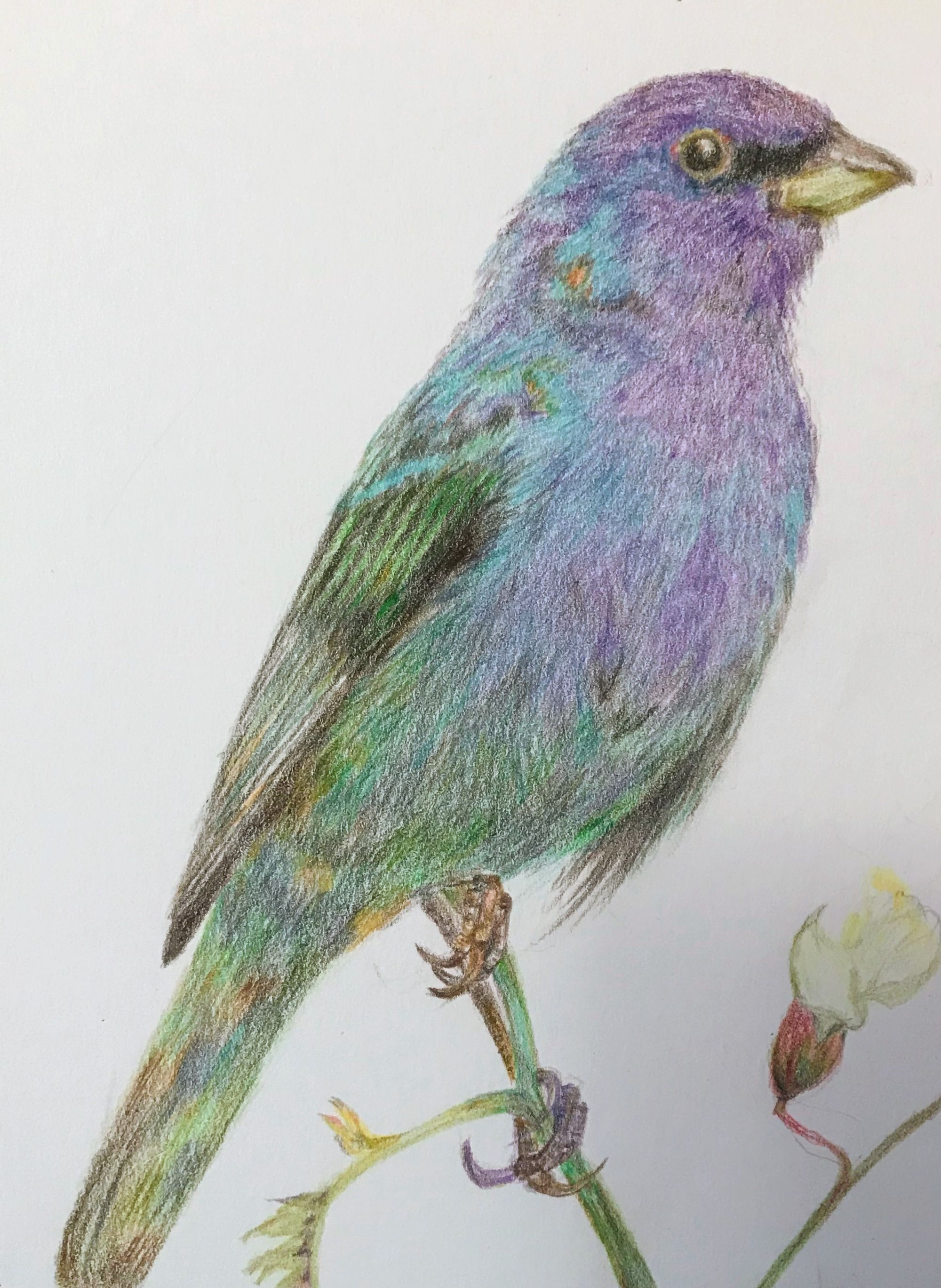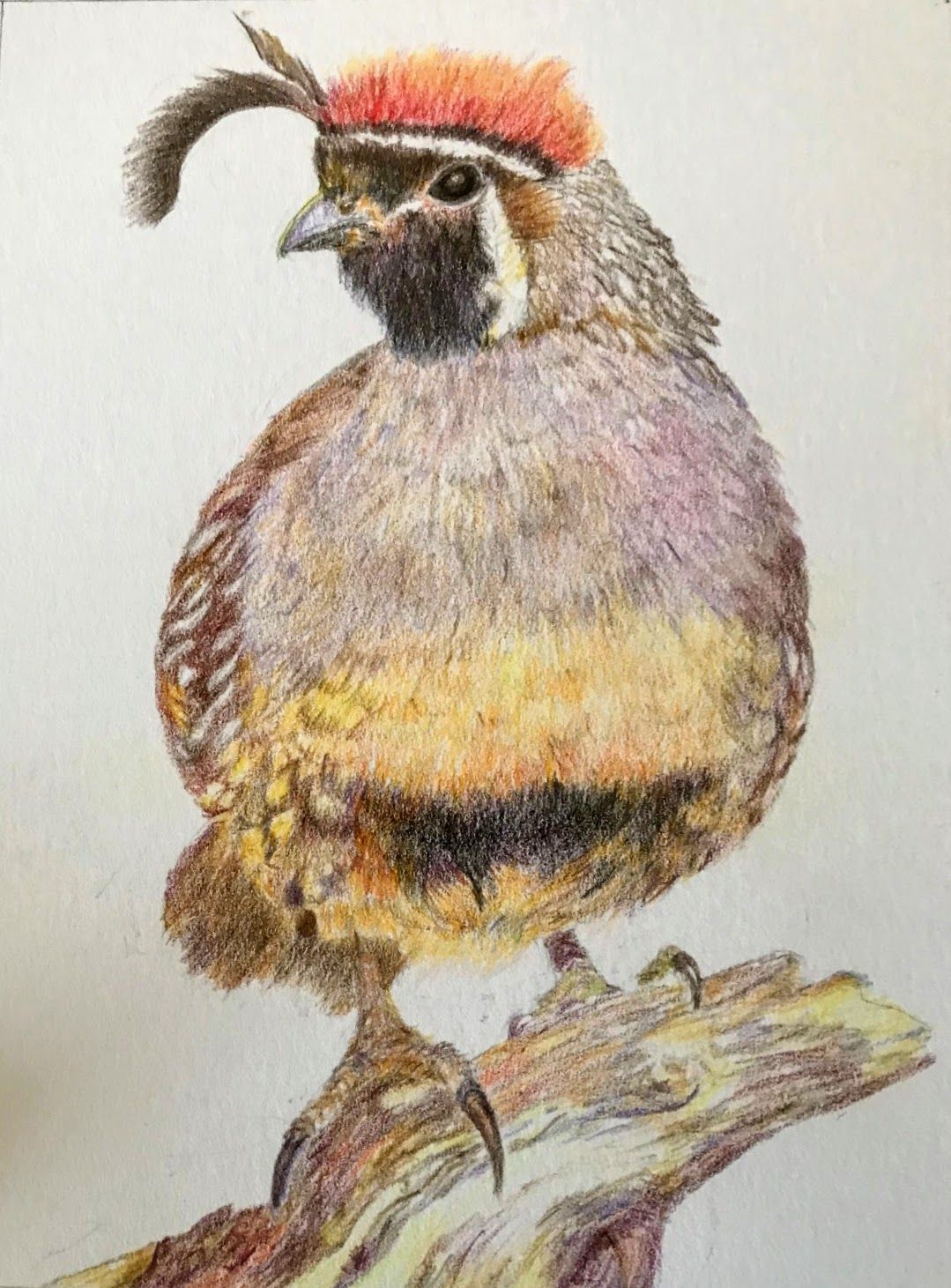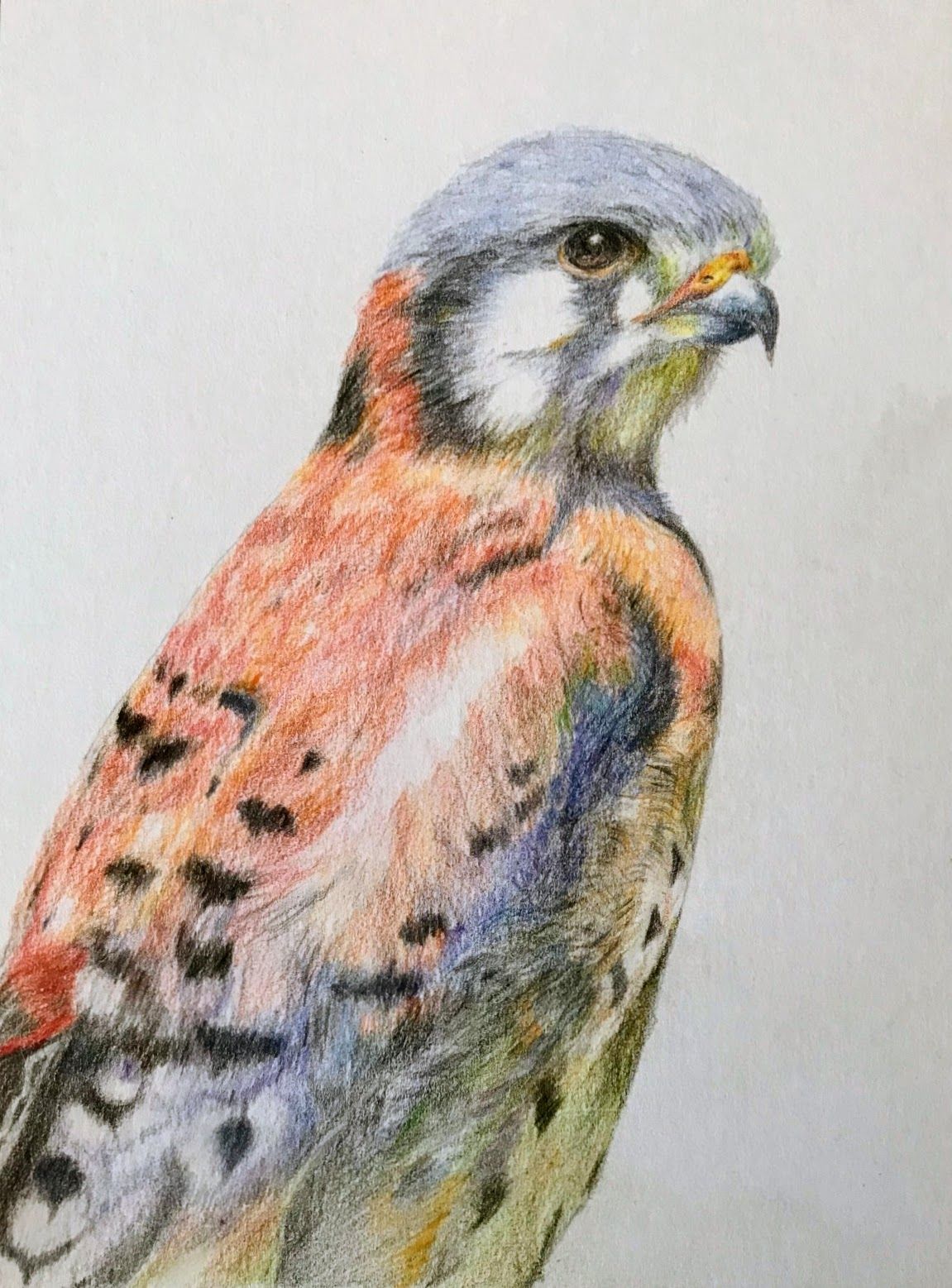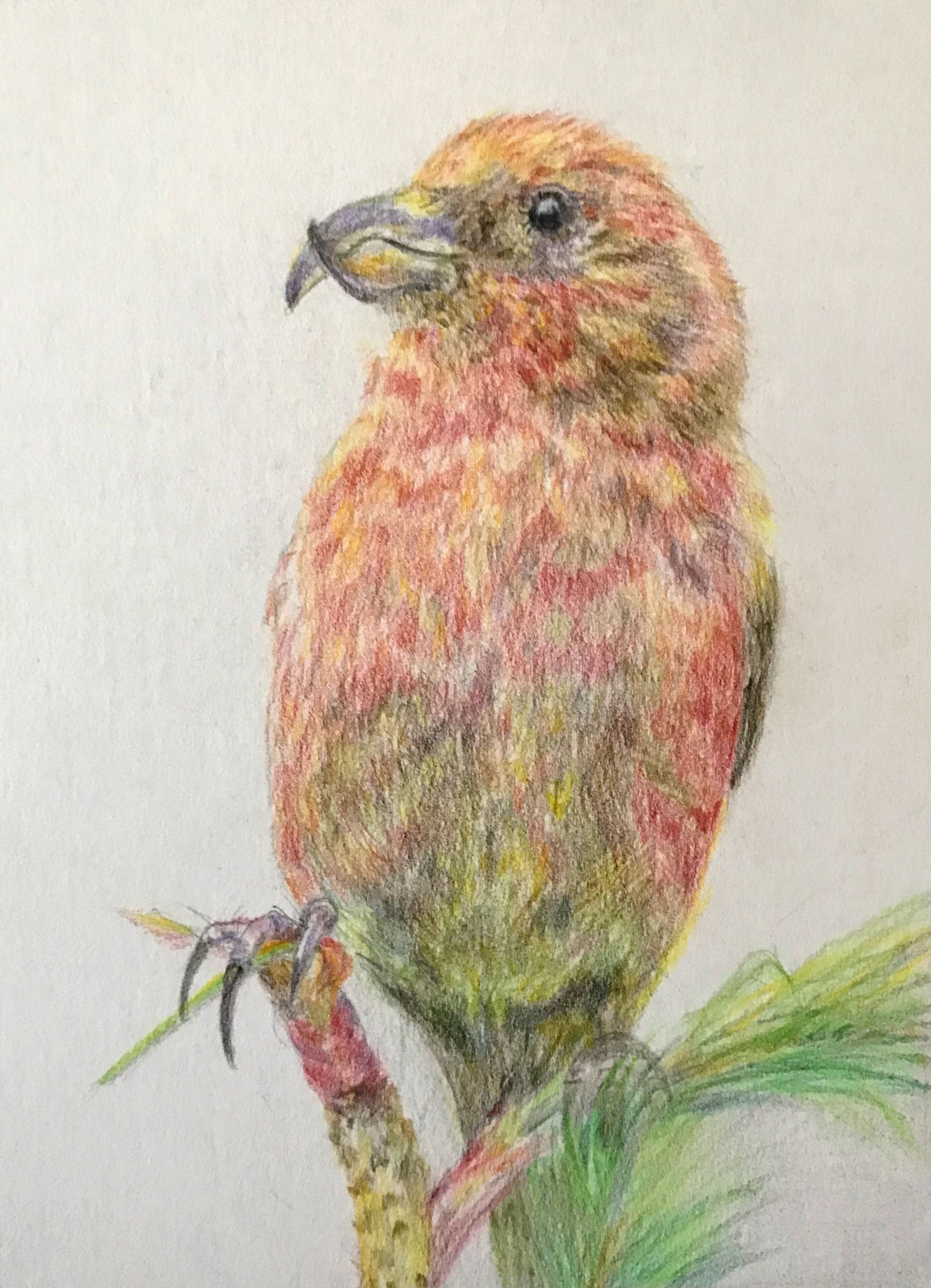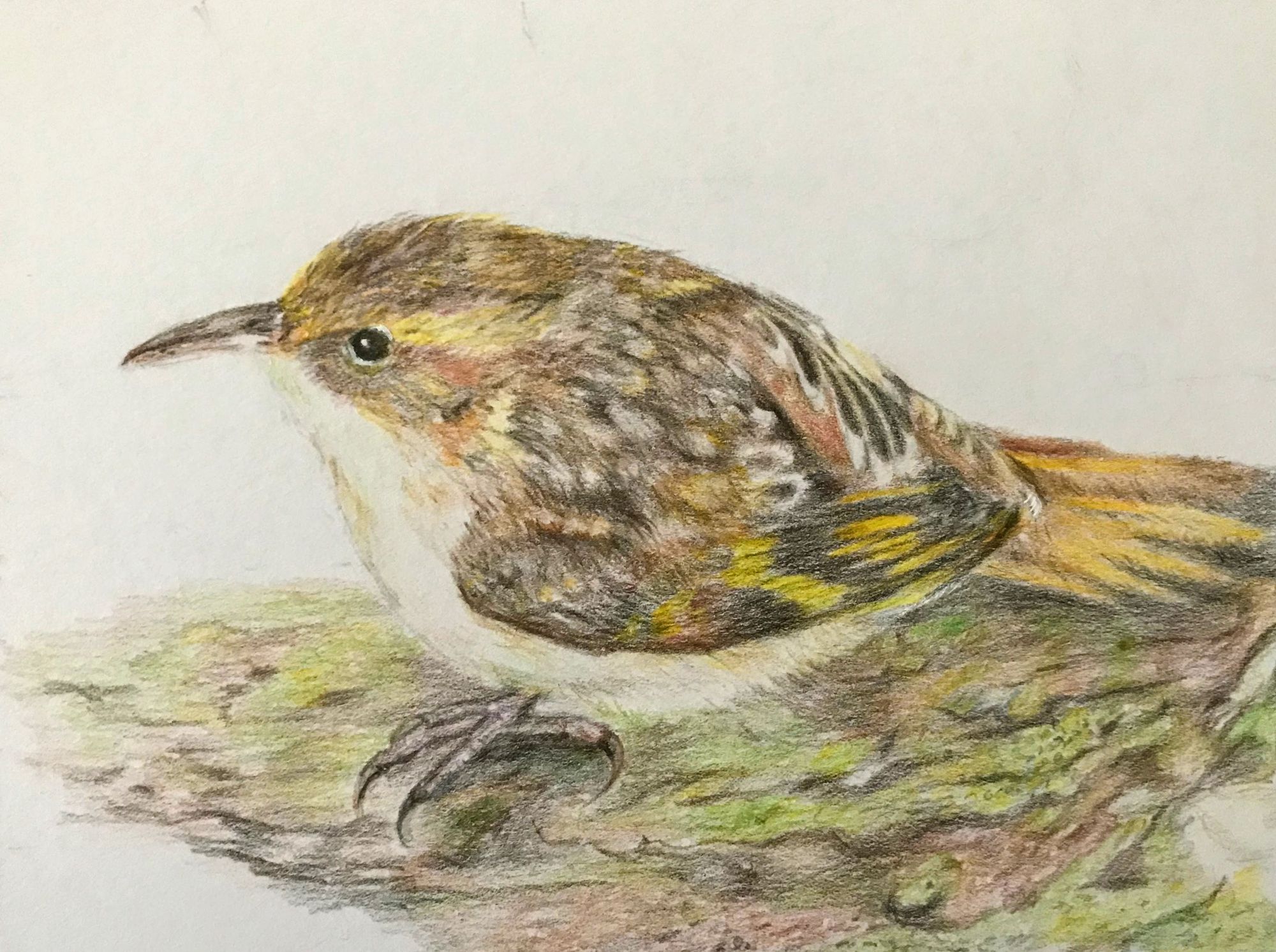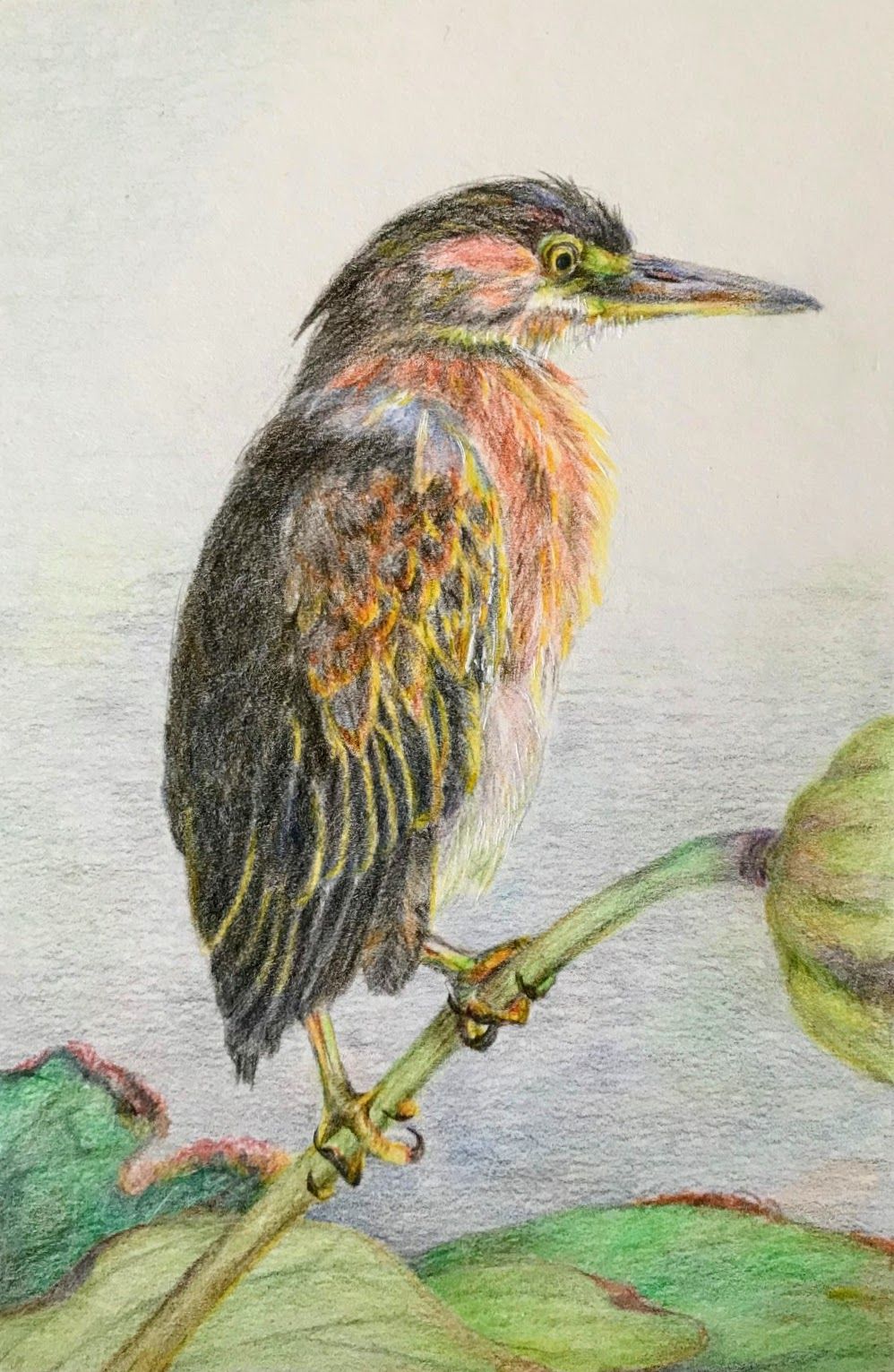

The European goldfinch (Carduelis carduelis) is a small, colorful bird native to Europe, northern Africa, and western Asia, known for its striking red face and yellow wing patch. It primarily feeds on seeds and is often found in open woodlands and gardens, where it is recognized for its pleasant song and sociable behavior.
Overview of the European Goldfinch
The European goldfinch, scientifically known as Carduelis carduelis, is a small passerine bird belonging to the finch family. It is native to Europe, northern Africa, and western Asia, but has also been introduced to places like Australia, New Zealand, and the United States.
Physical Characteristics
- Size: 12–13 cm (4.7–5.1 in) long
- Wingspan: 21–25 cm (8.3–9.8 in)
- Weight: 14 to 19 g (0.49 to 0.67 oz)
The male has a striking red face with black markings, a black-and-white head, and yellow patches on its black wings. Females are similar but have a smaller red face area.
Habitat and Distribution
European goldfinches thrive in lightly wooded areas, including:
- Open woodlands
- Orchards
- Parks
- Gardens
- Grasslands with scattered trees
In winter, they often gather in large flocks in weedy fields.
Diet and Feeding Behavior
European goldfinches primarily feed on seeds, especially from plants in the sunflower family. They also consume plant buds, flowers, and small insects during the nesting season. Their long, pointed bills allow them to extract seeds from thistles and other plants.
Nesting
- Nest Location: Built in trees or shrubs, often hidden in dense vegetation.
- Nest Height: Ranges from 1.5 to 10 meters (5–33 feet) above ground.
The female constructs the nest and incubates the eggs, while both parents feed the chicks.
Conservation Status
The European goldfinch is classified as "Least Concern" by the International Union for Conservation of Nature (IUCN). Despite a decreasing population trend, it has a large population size, estimated at 101–155 million mature individuals.