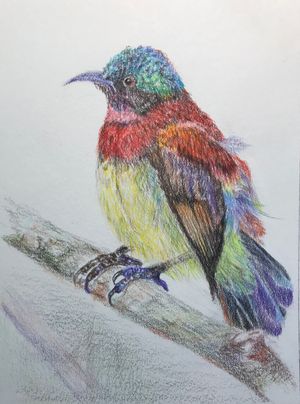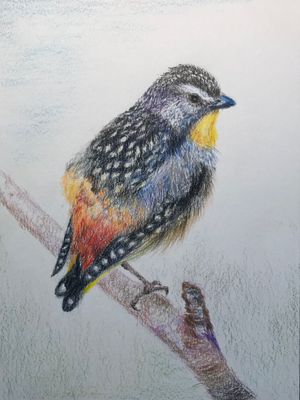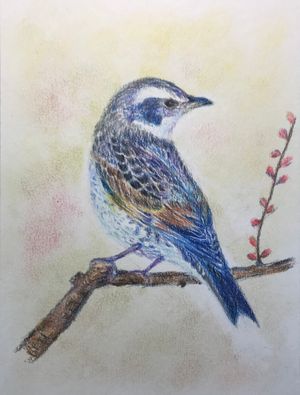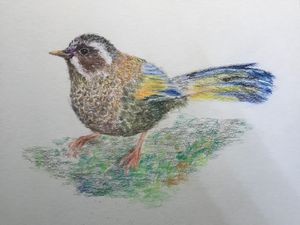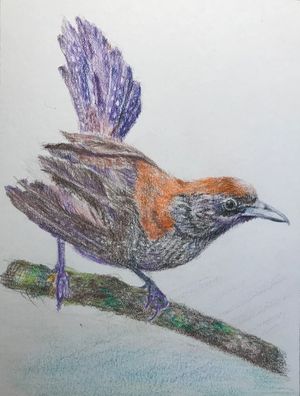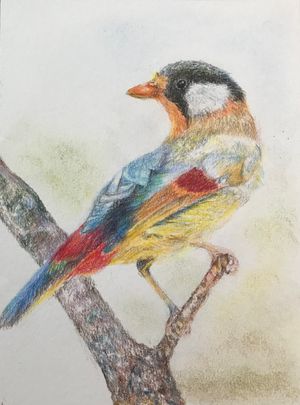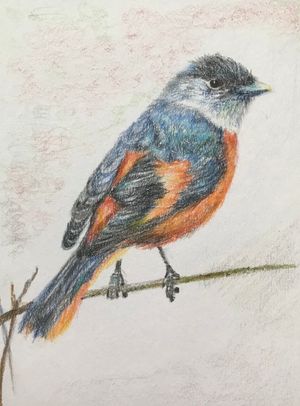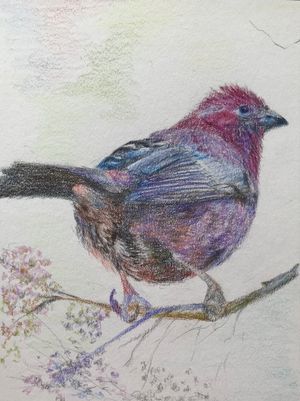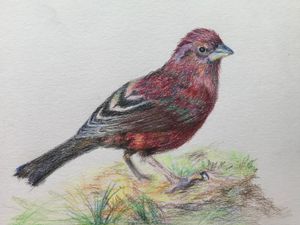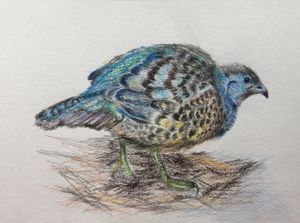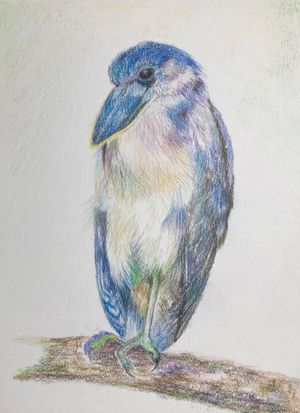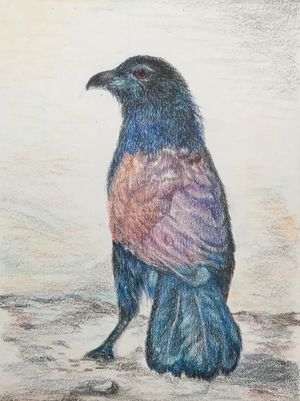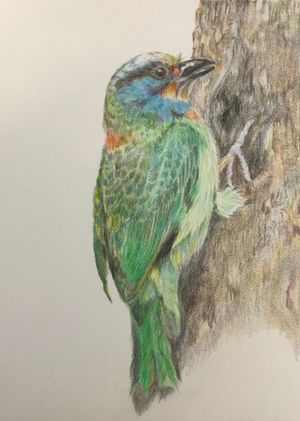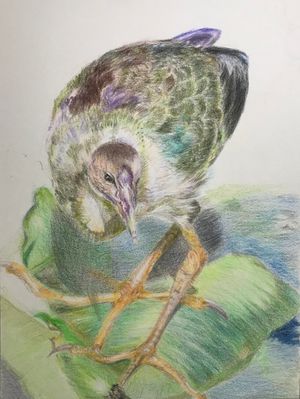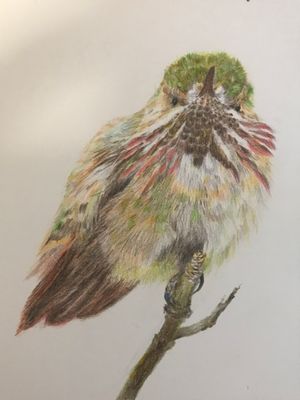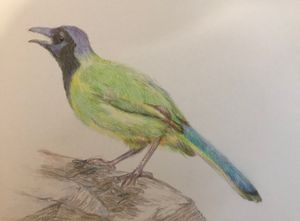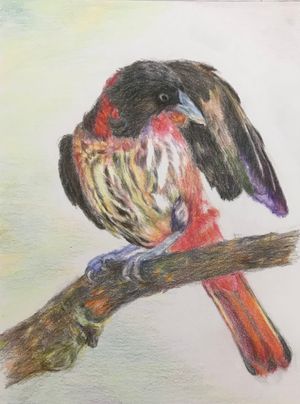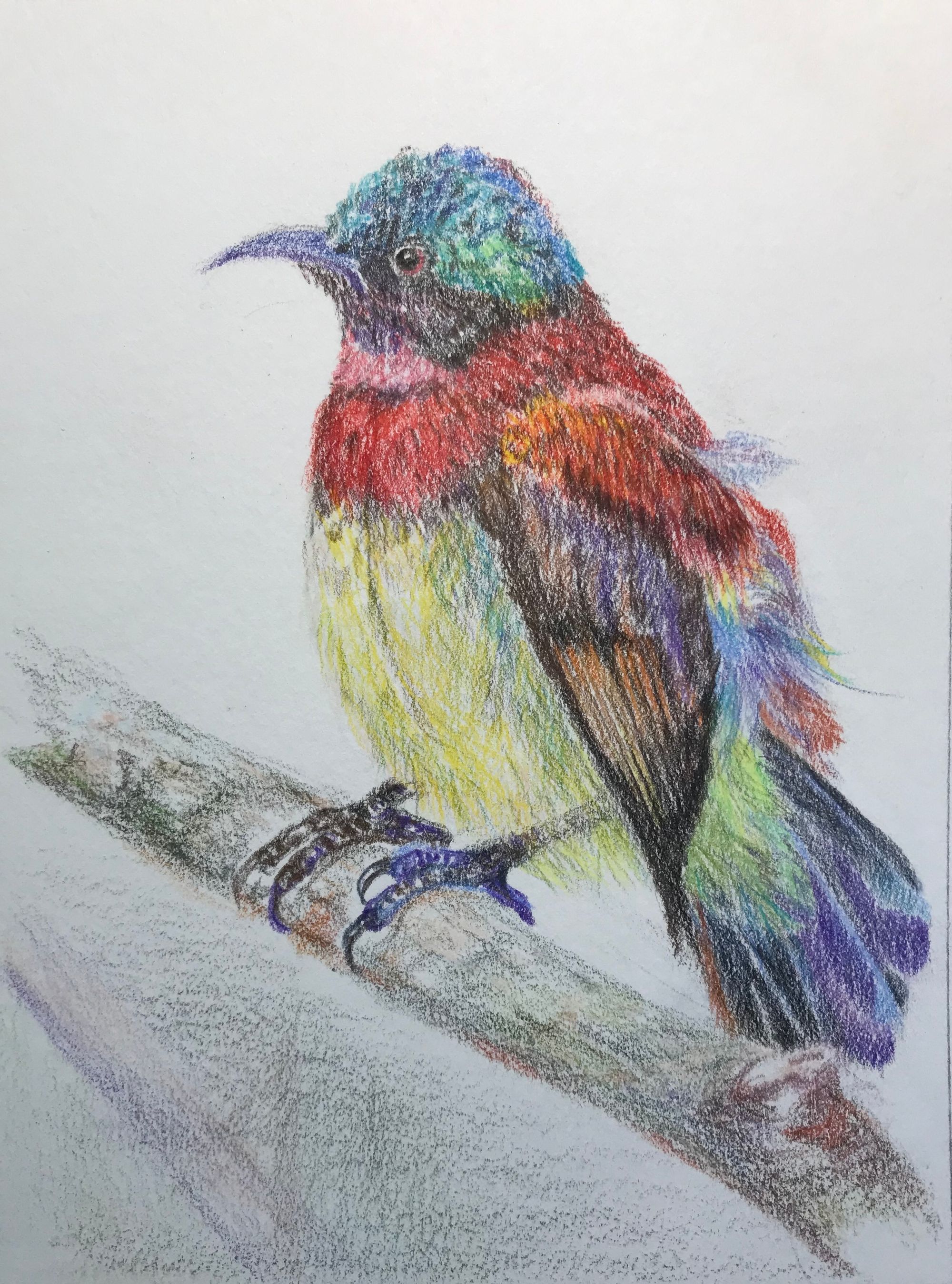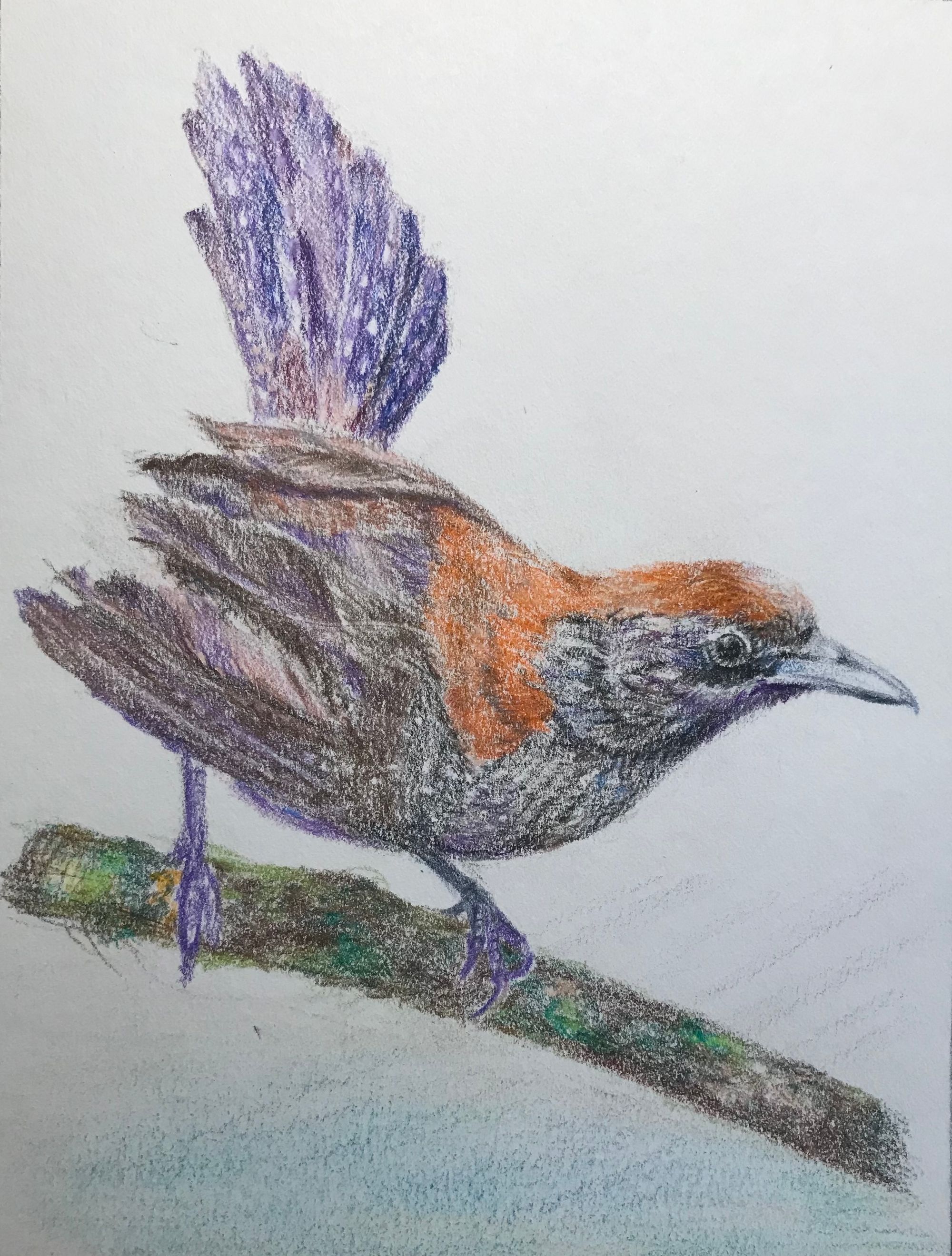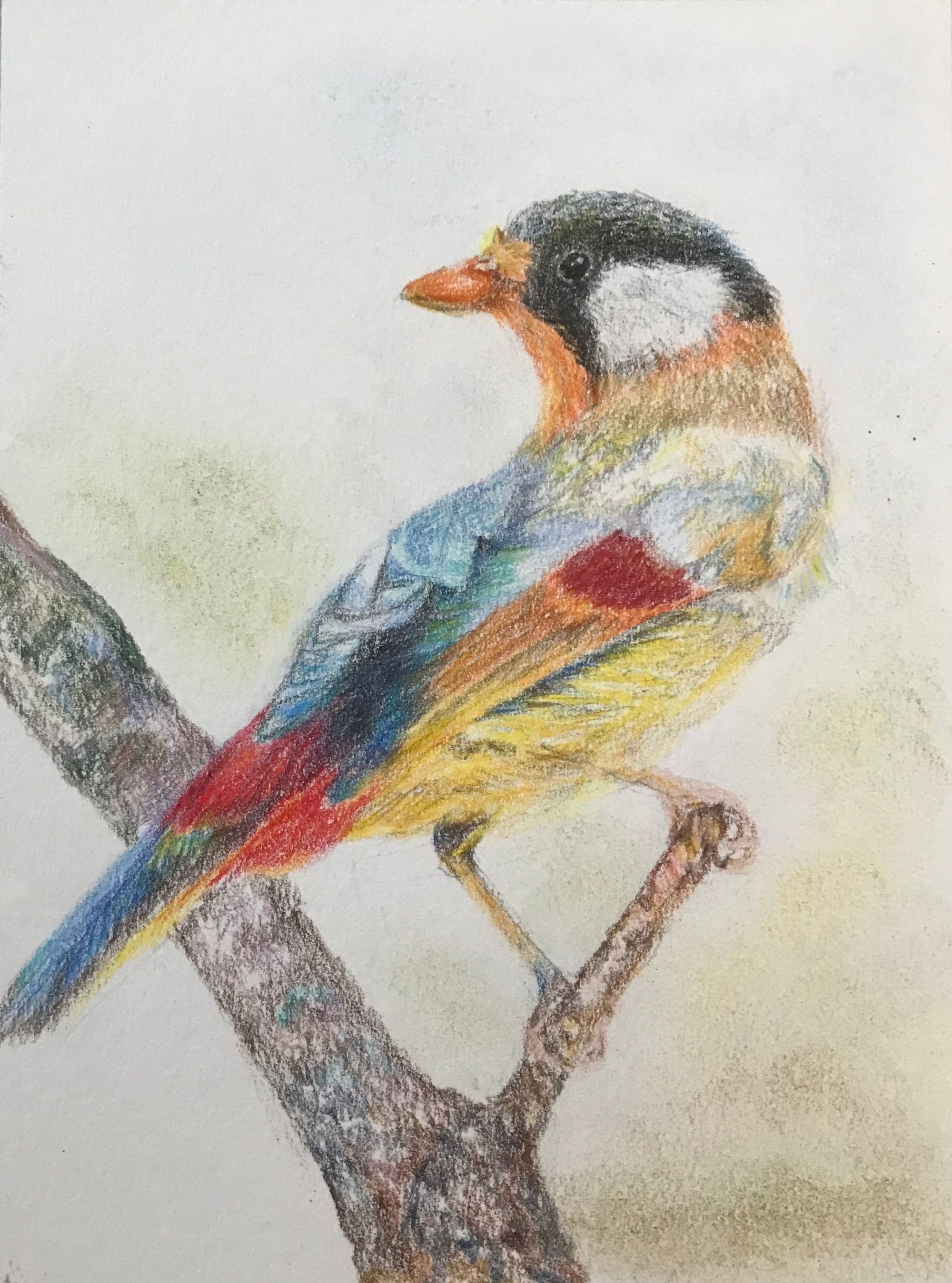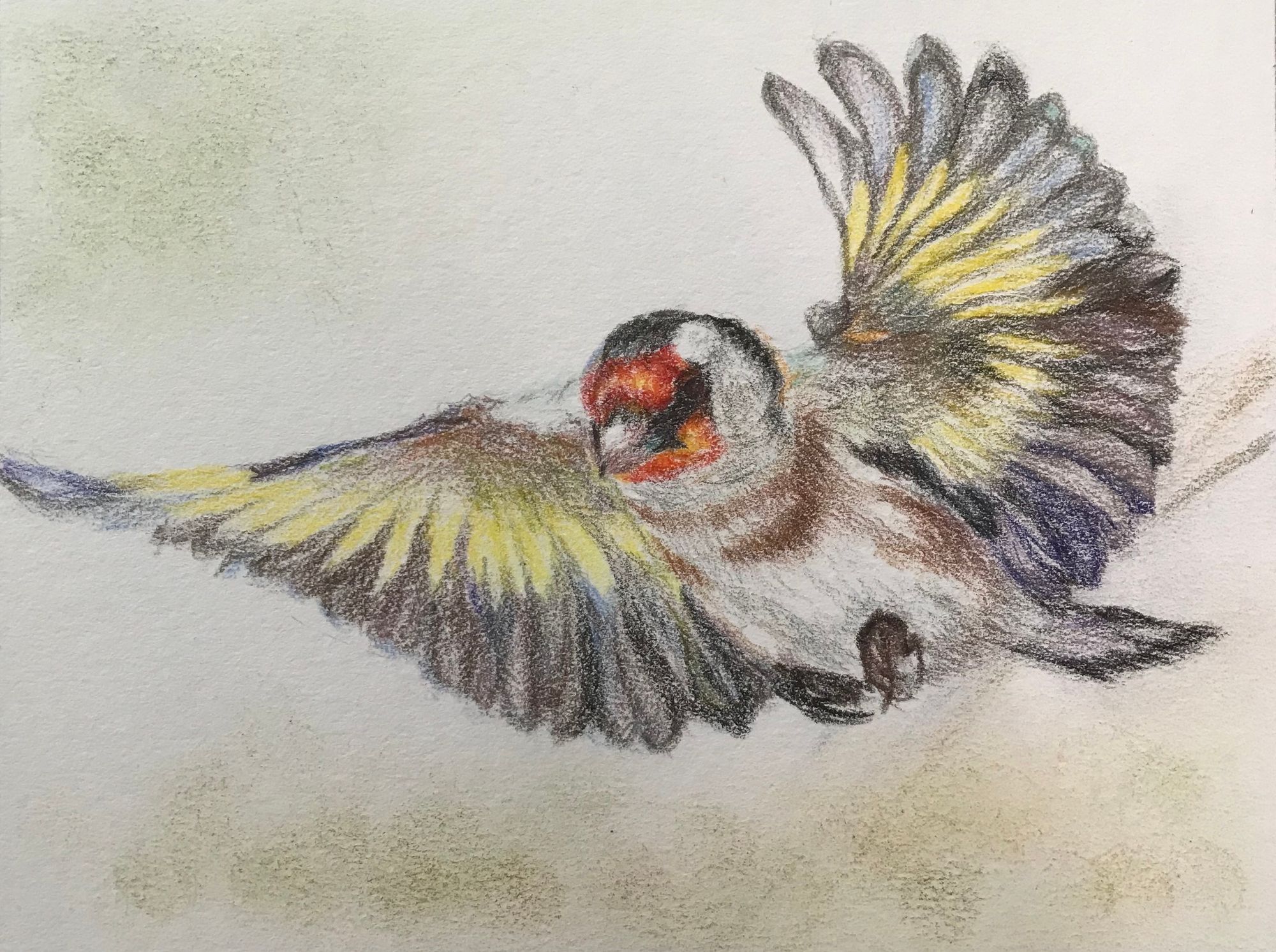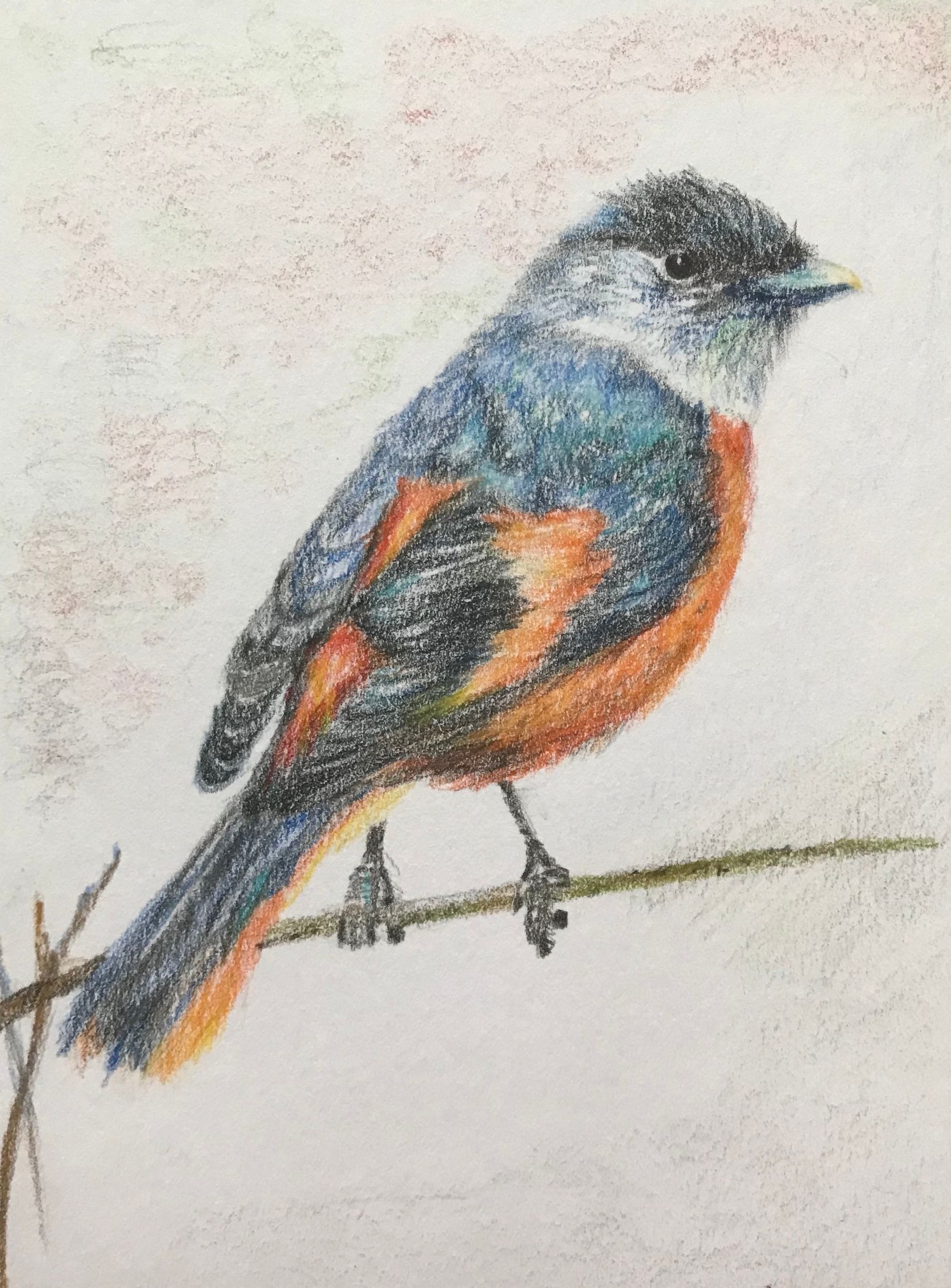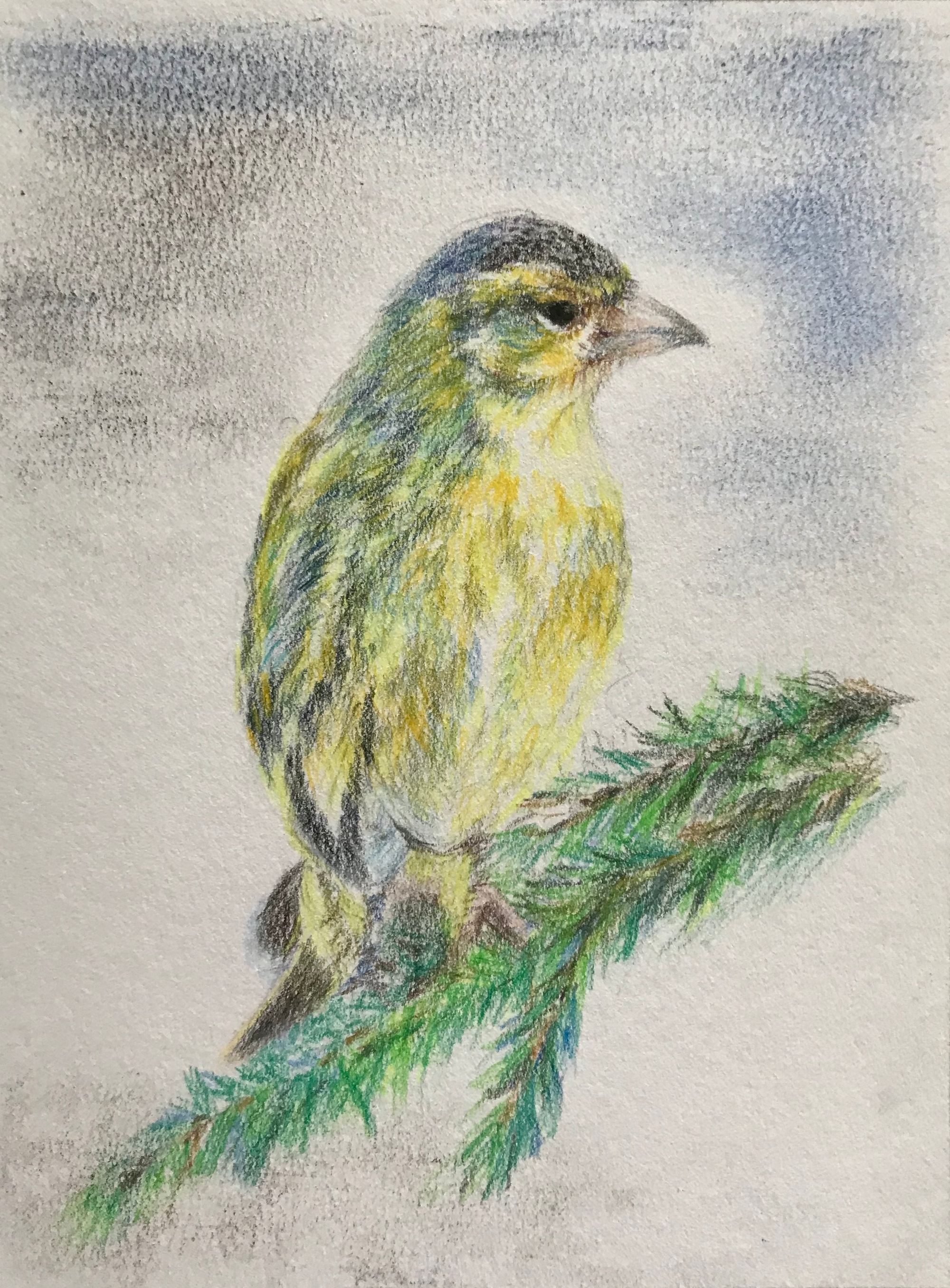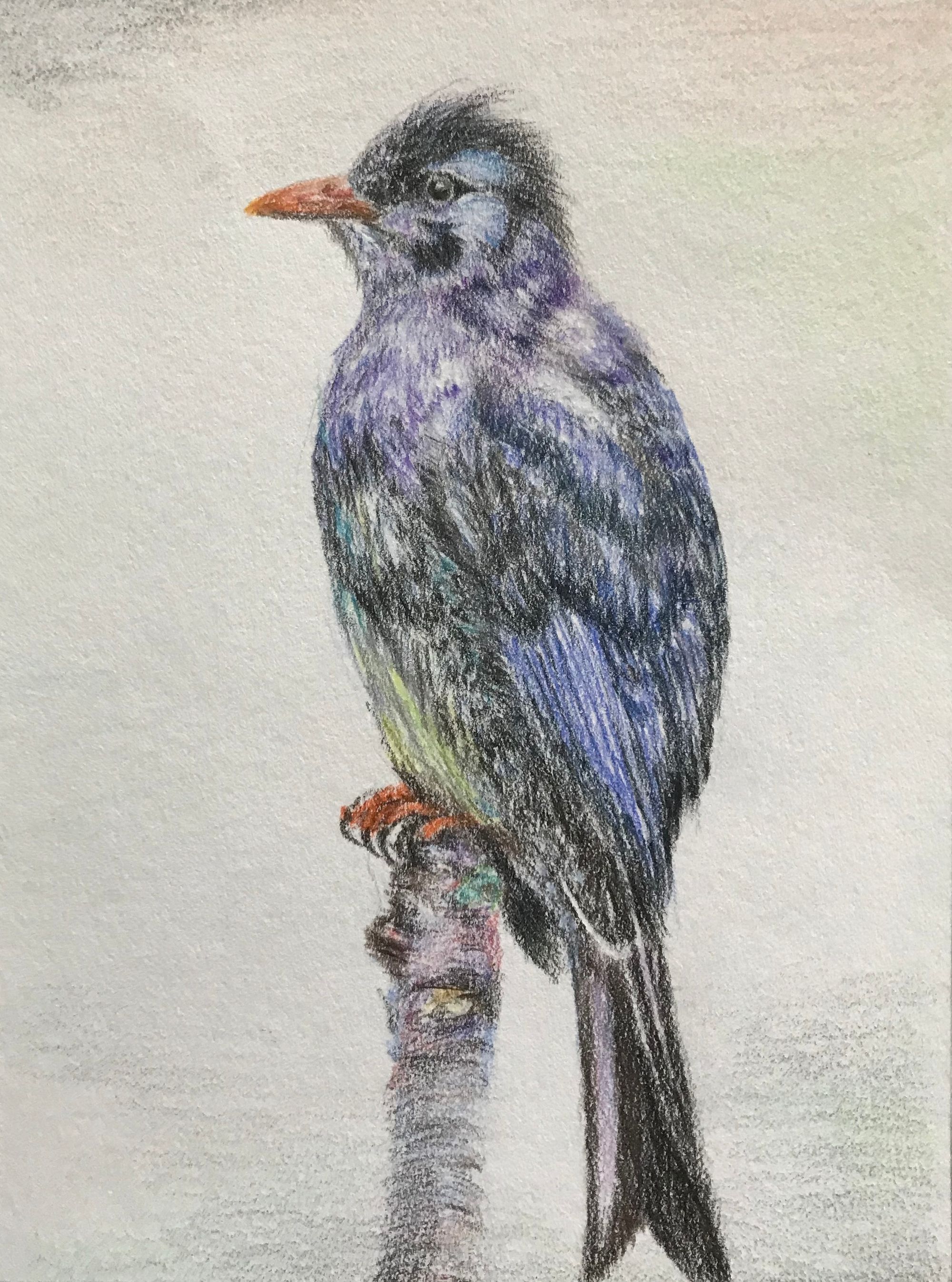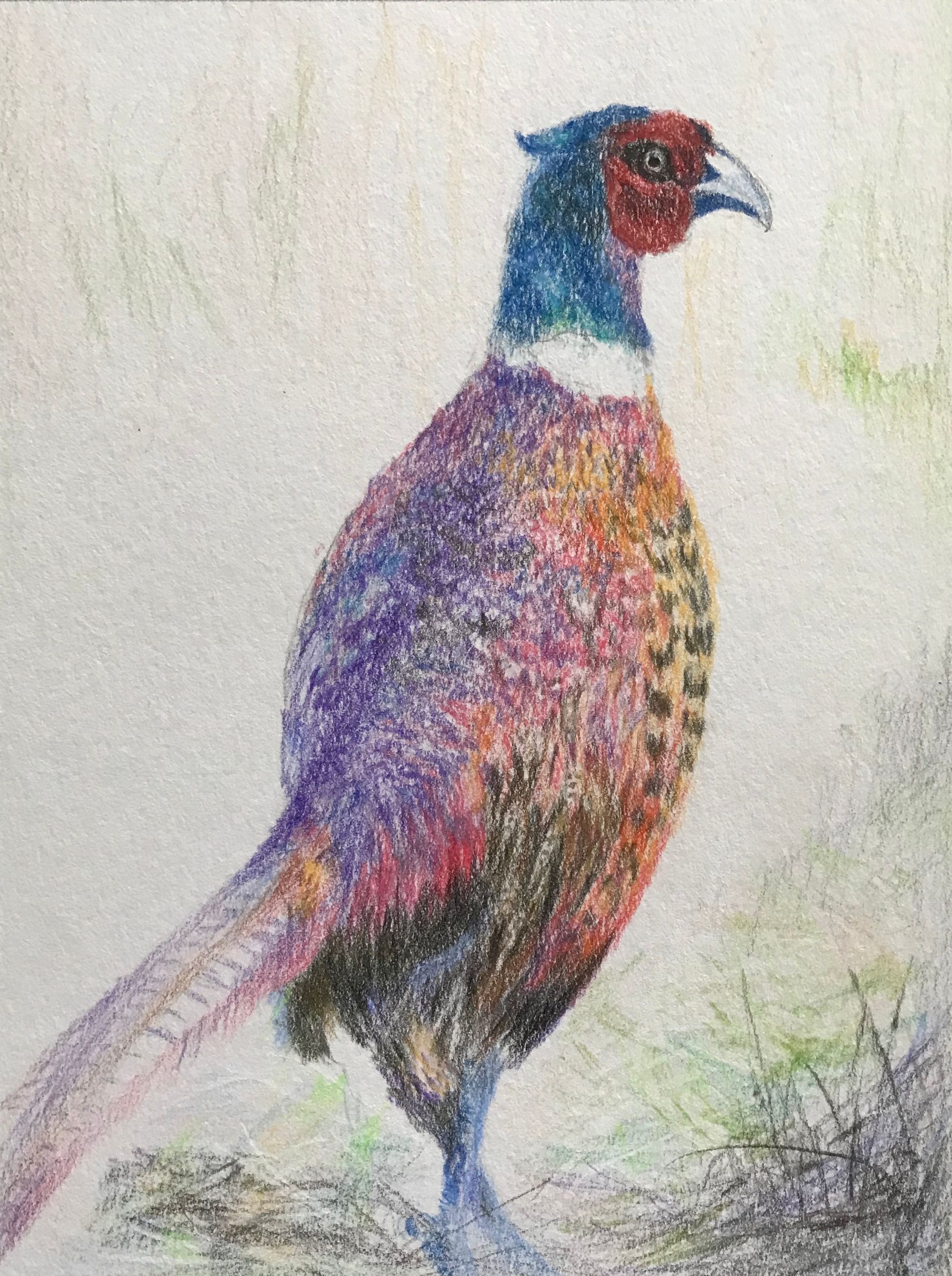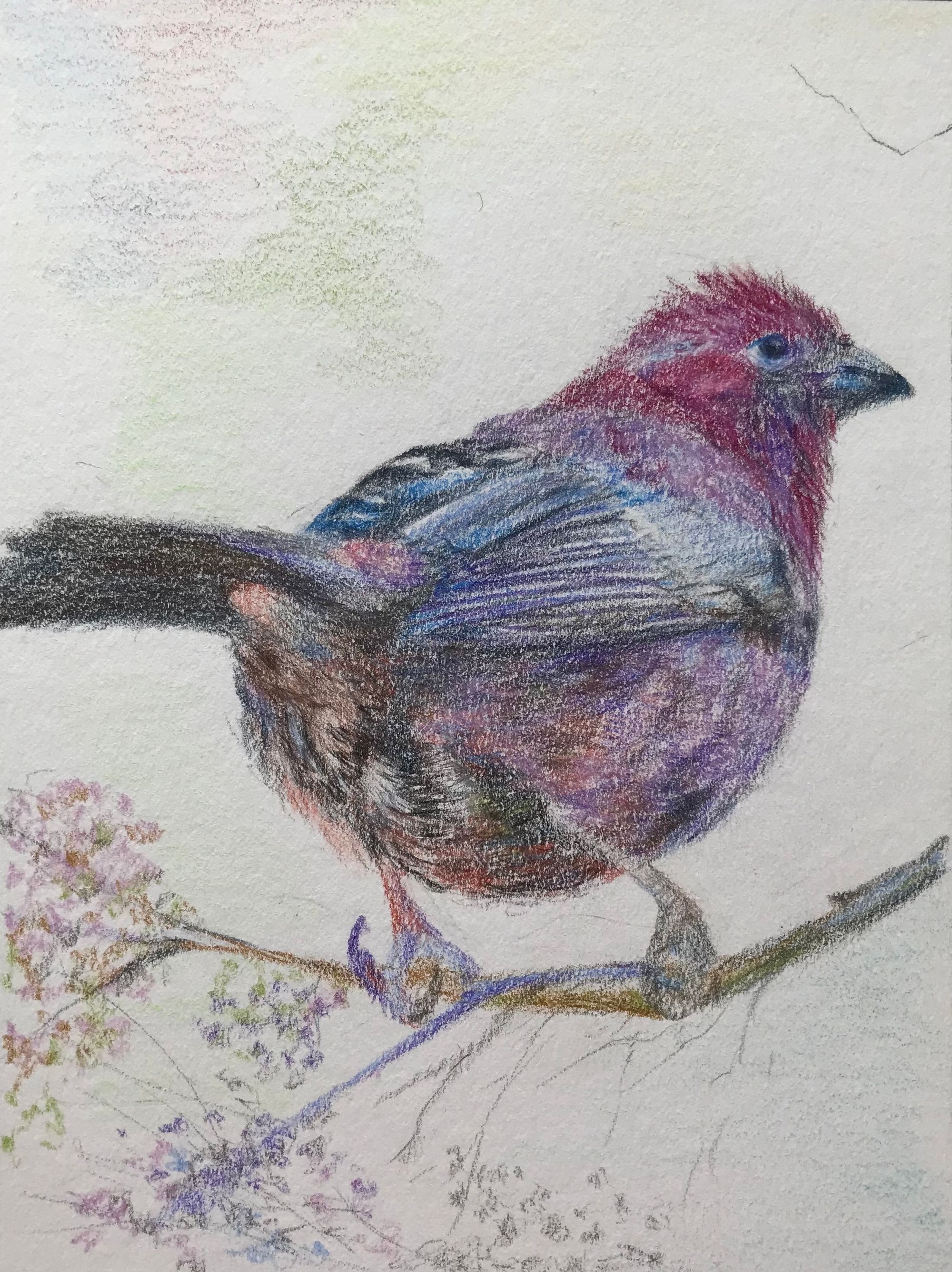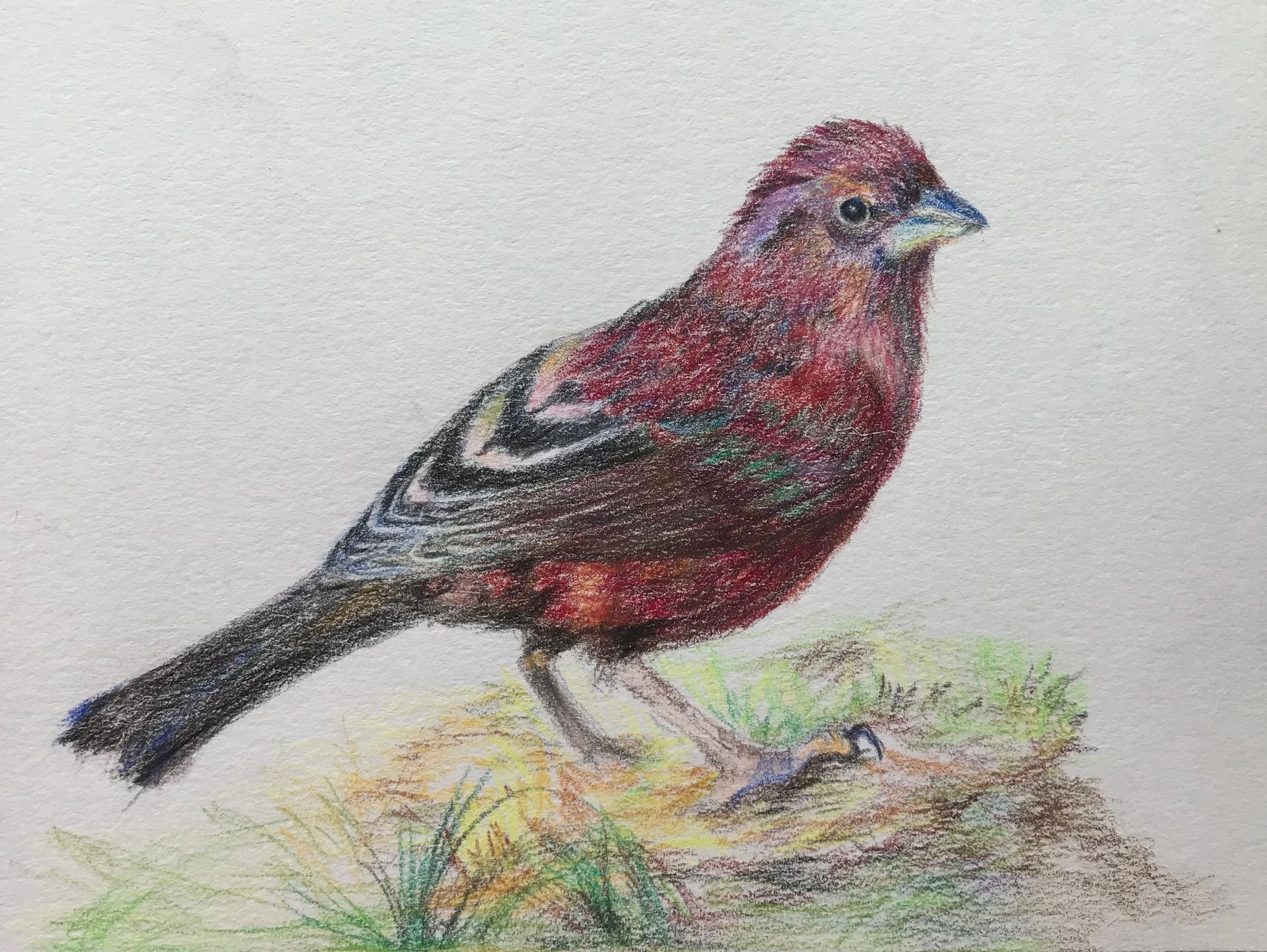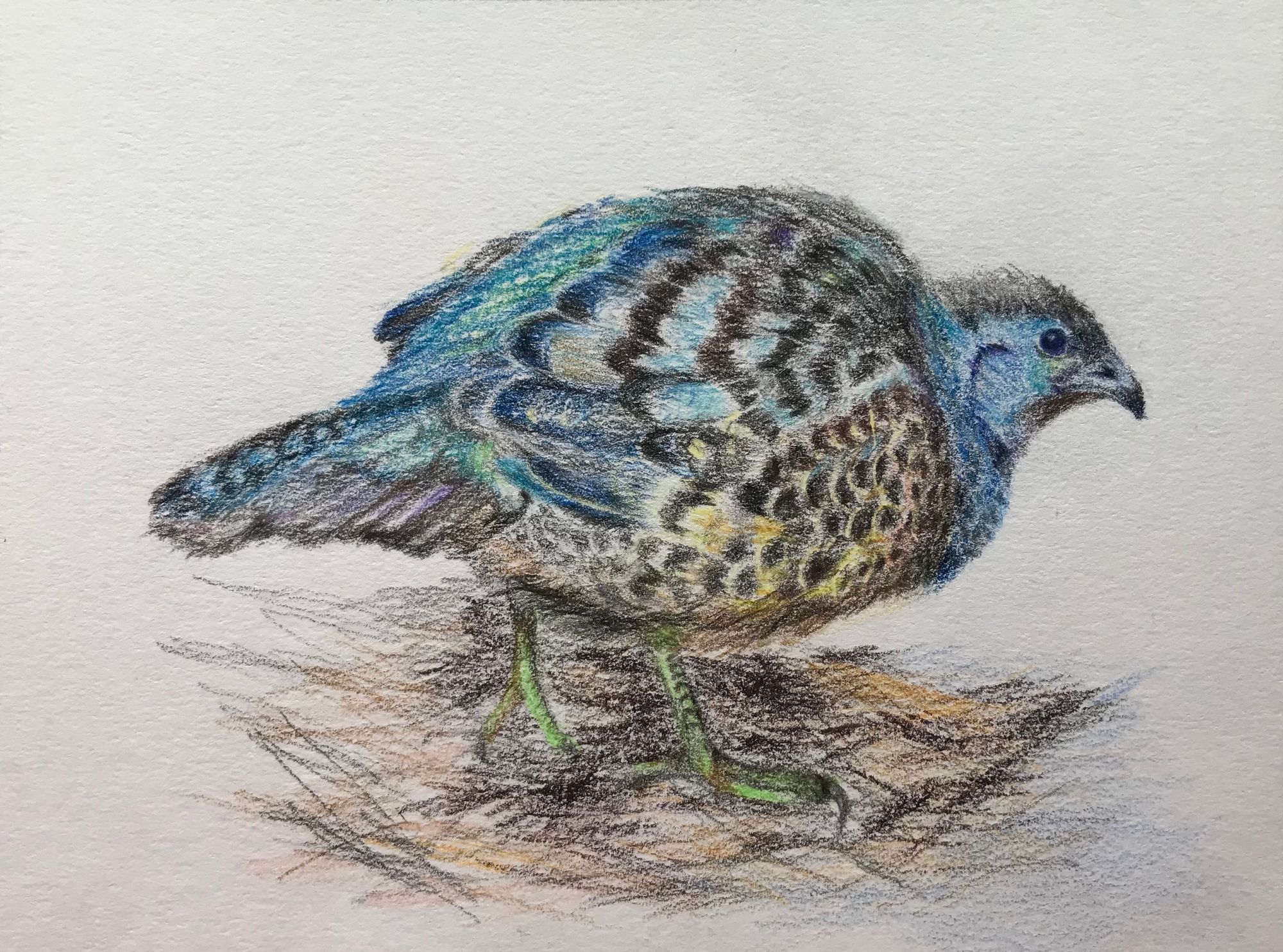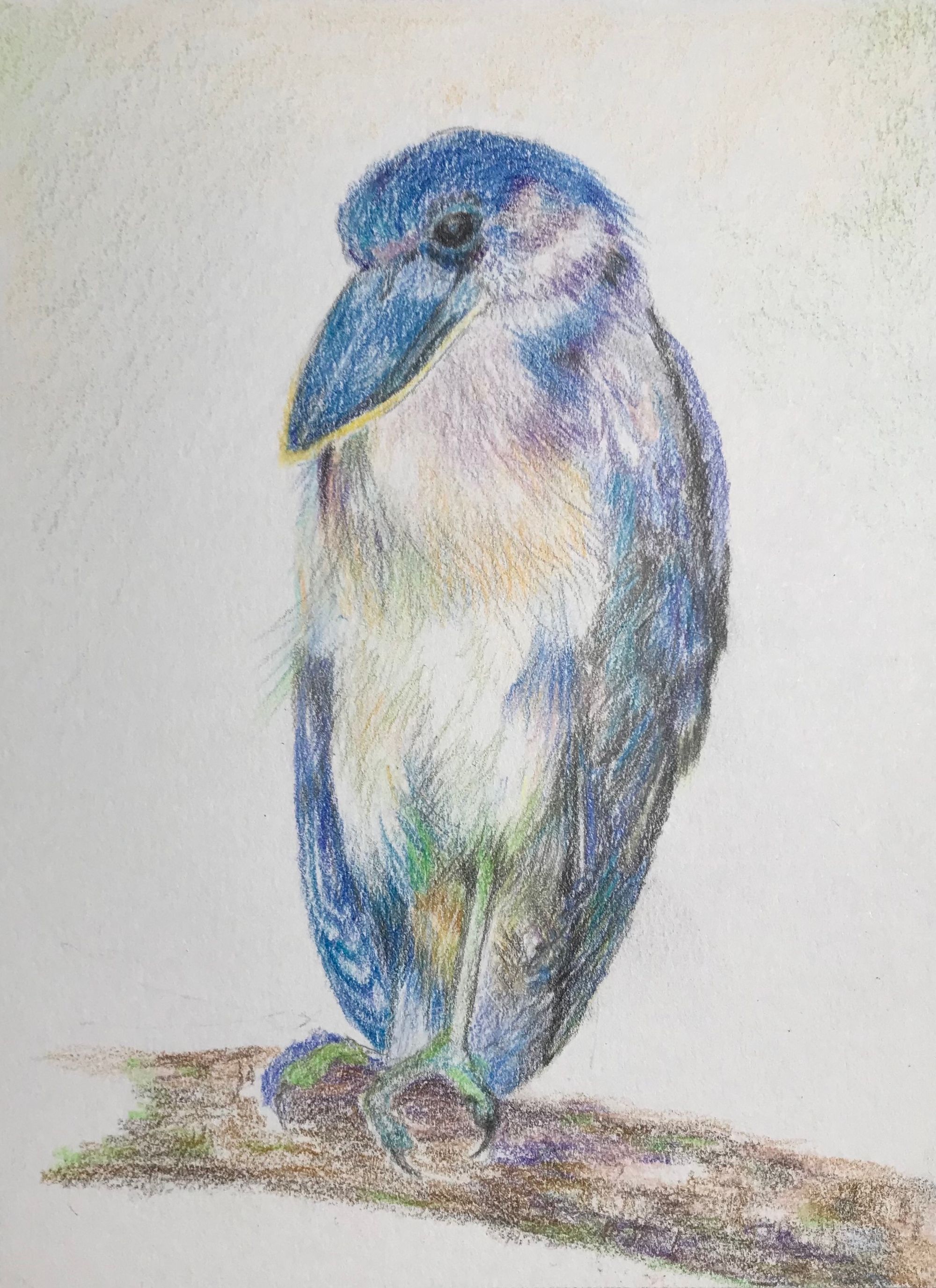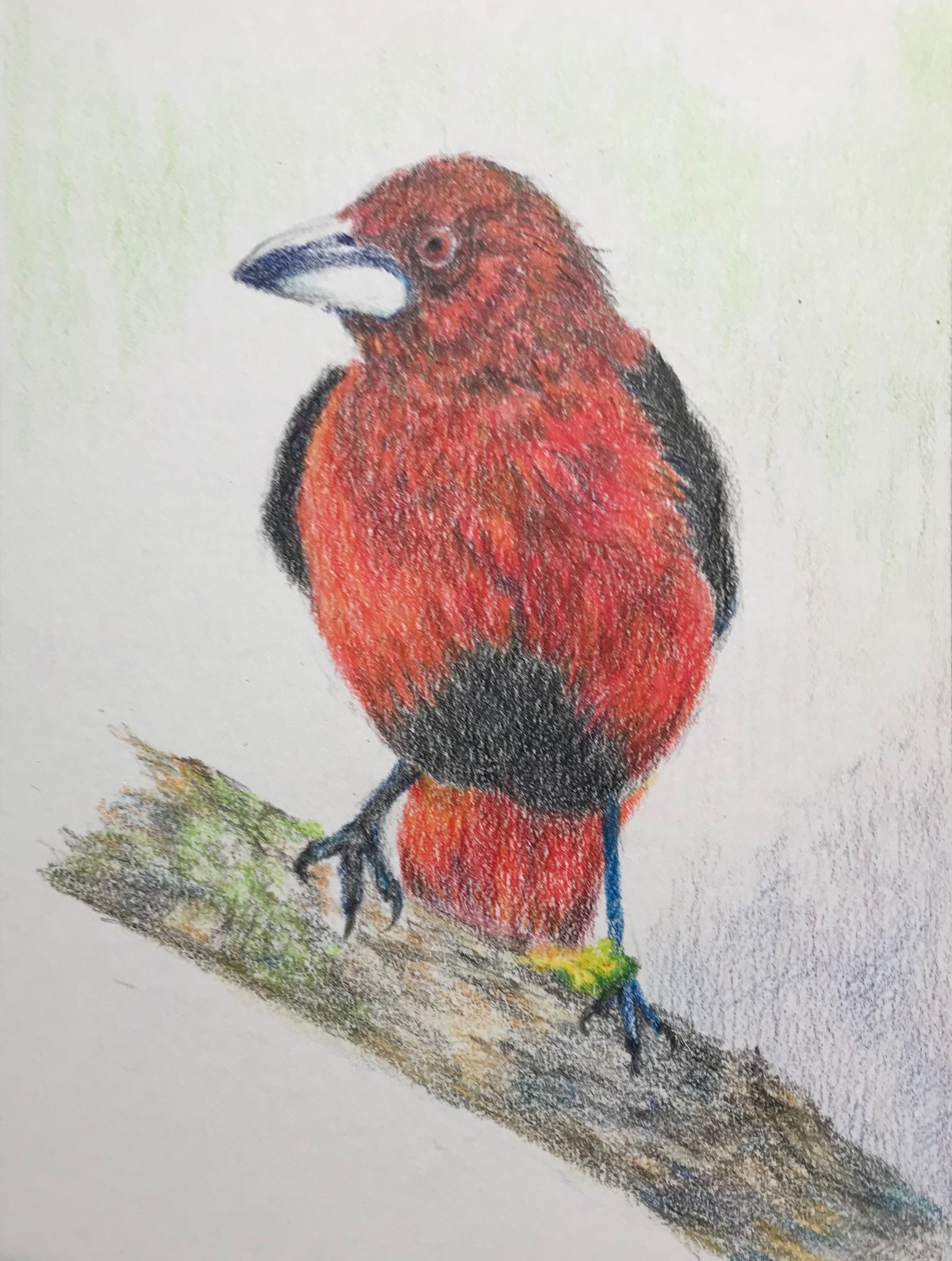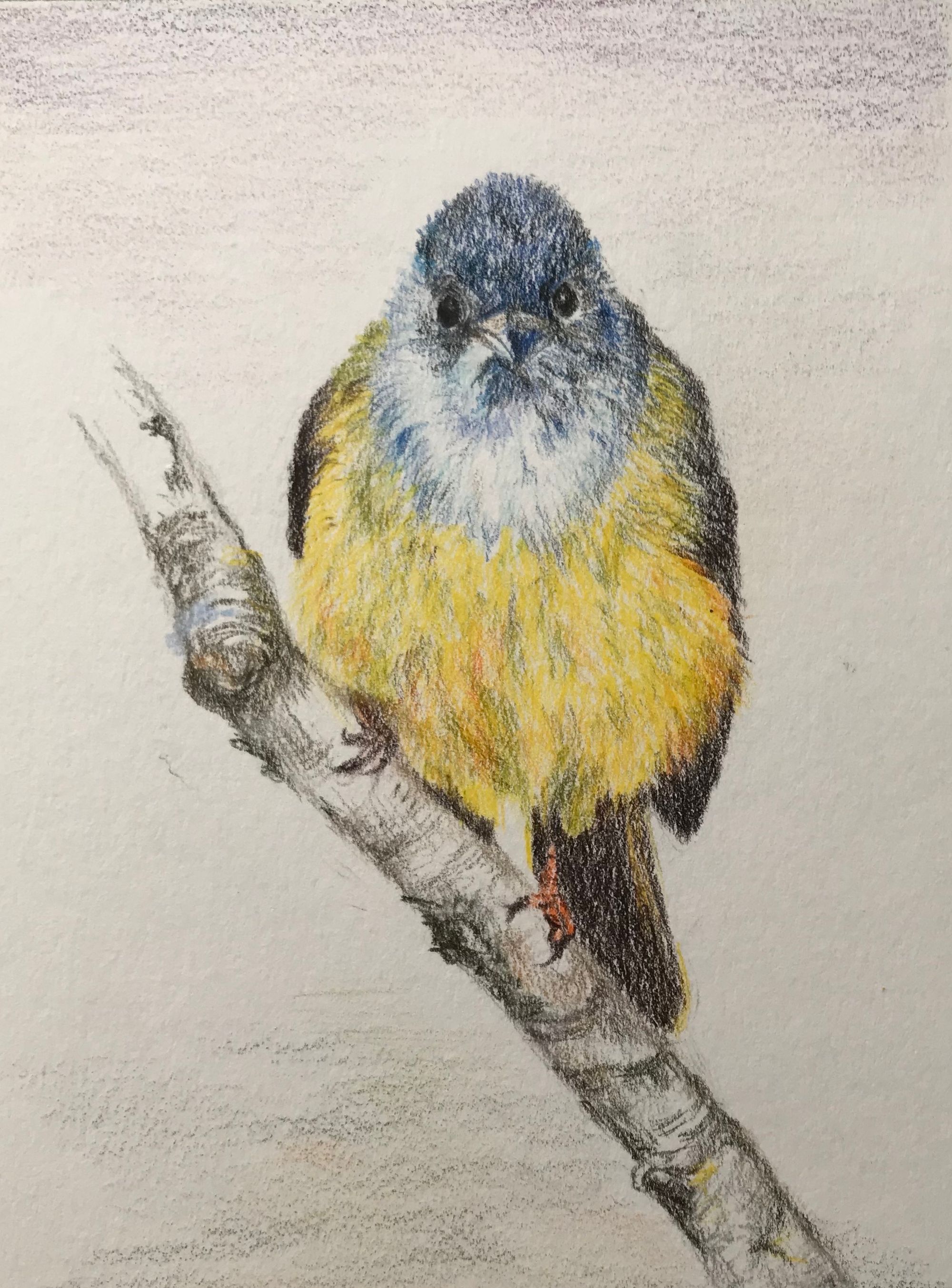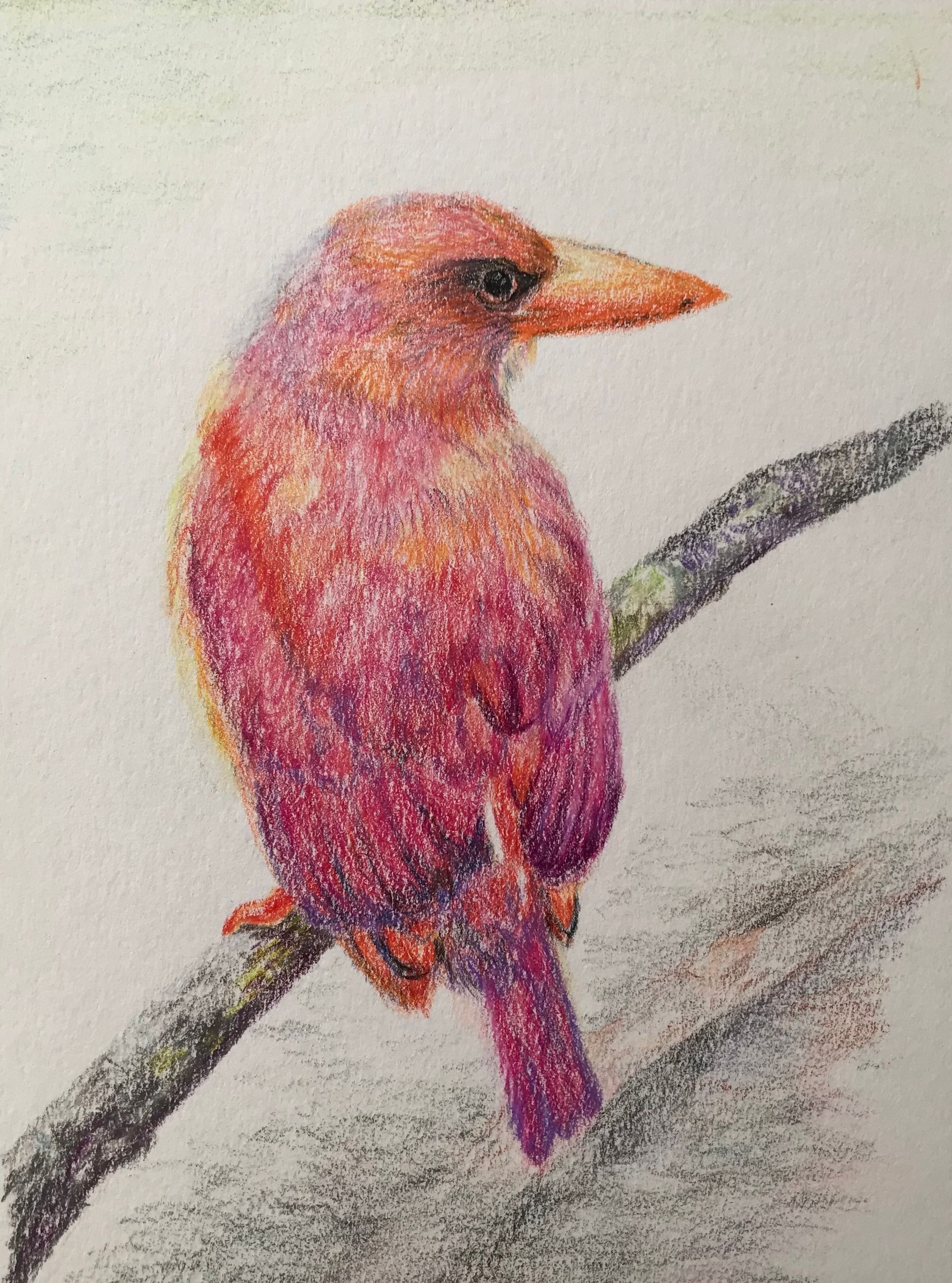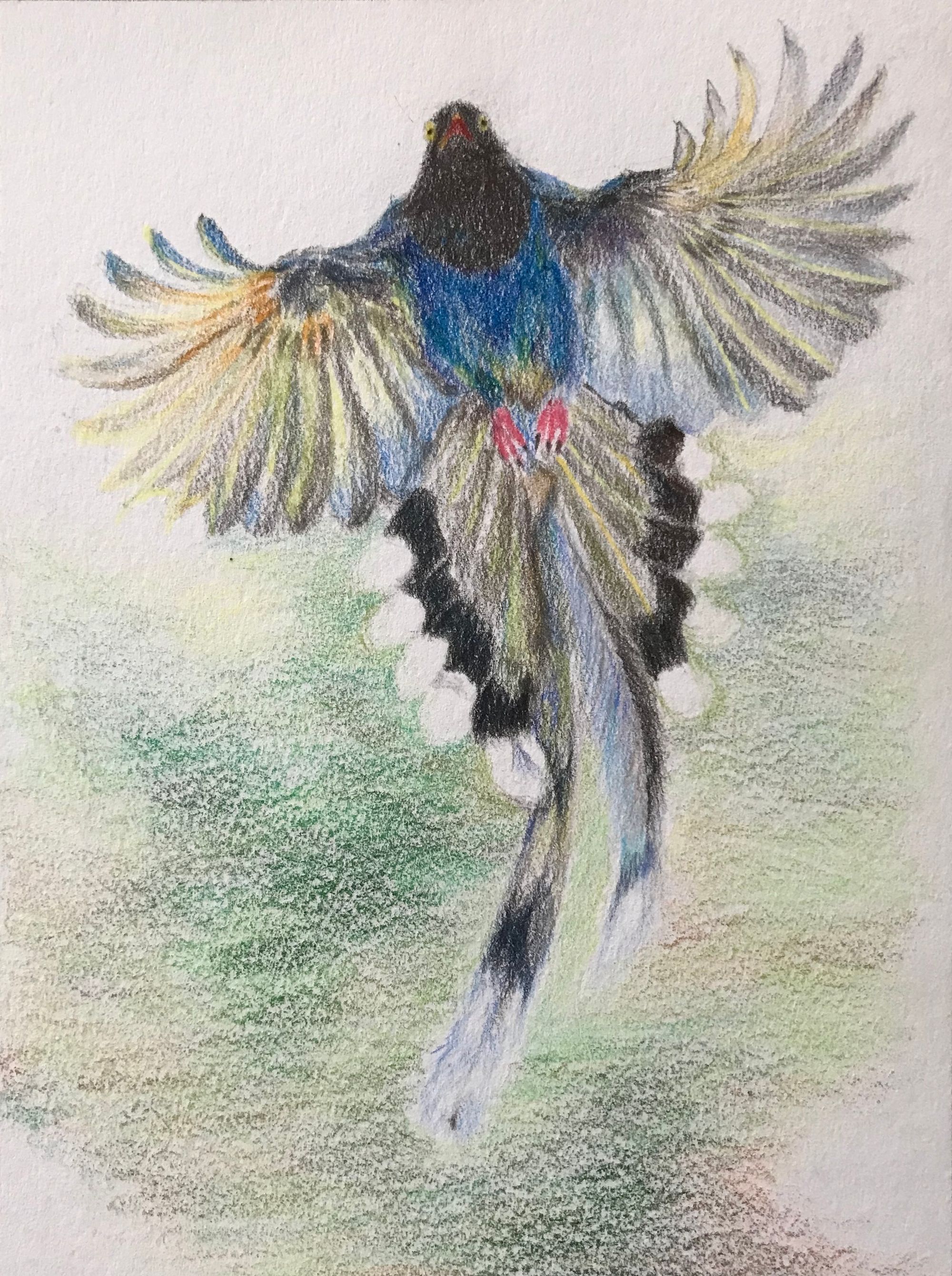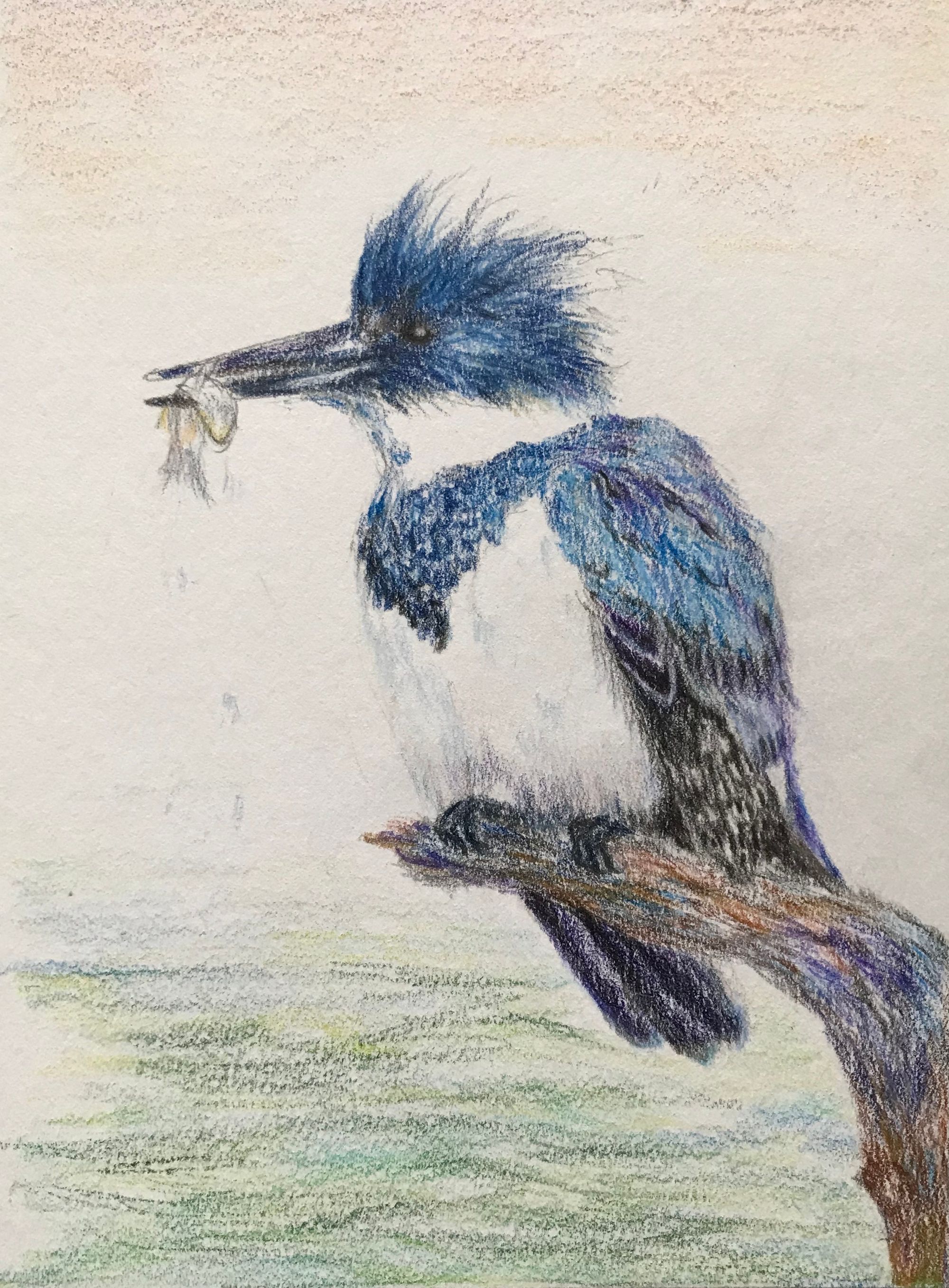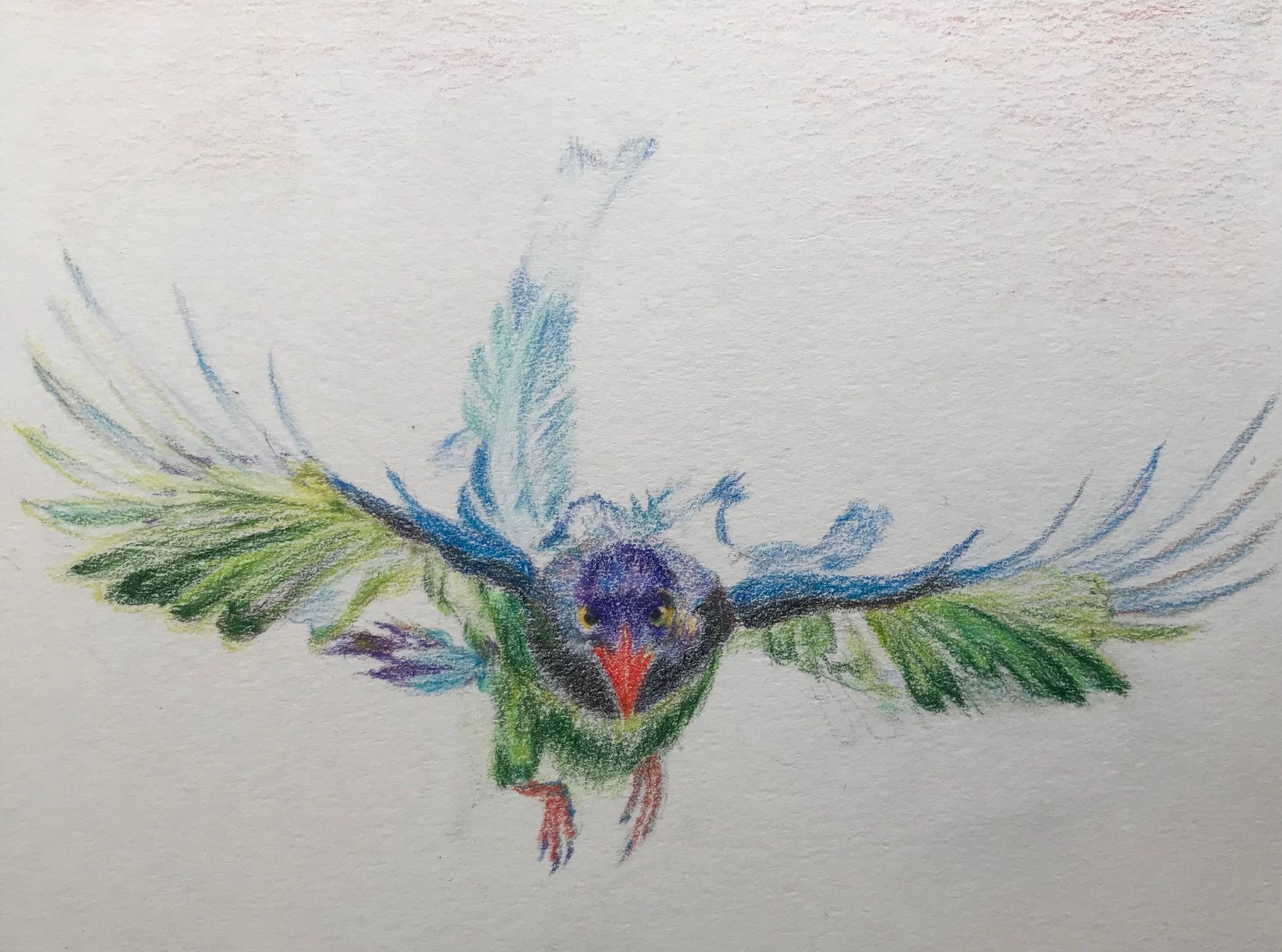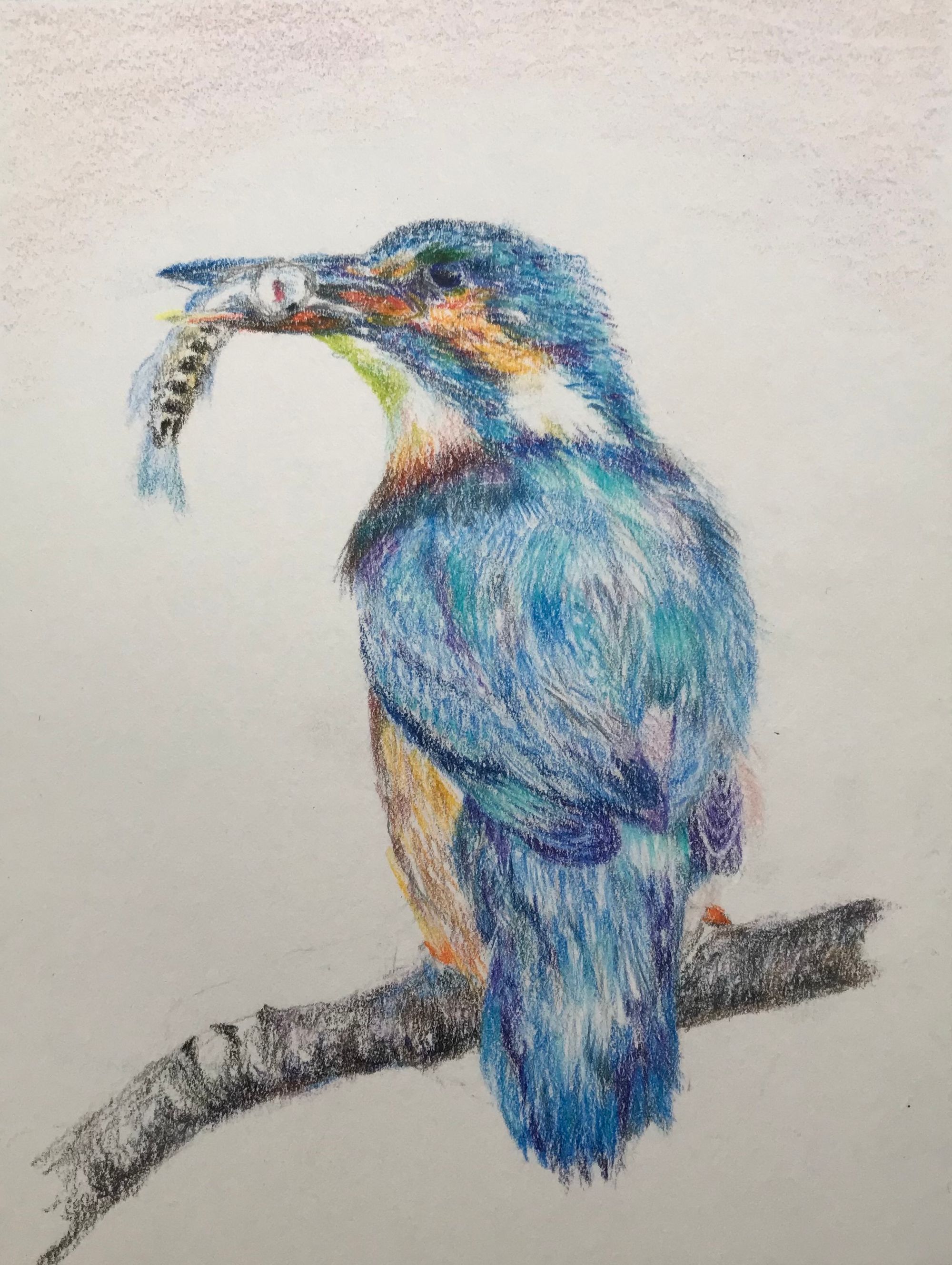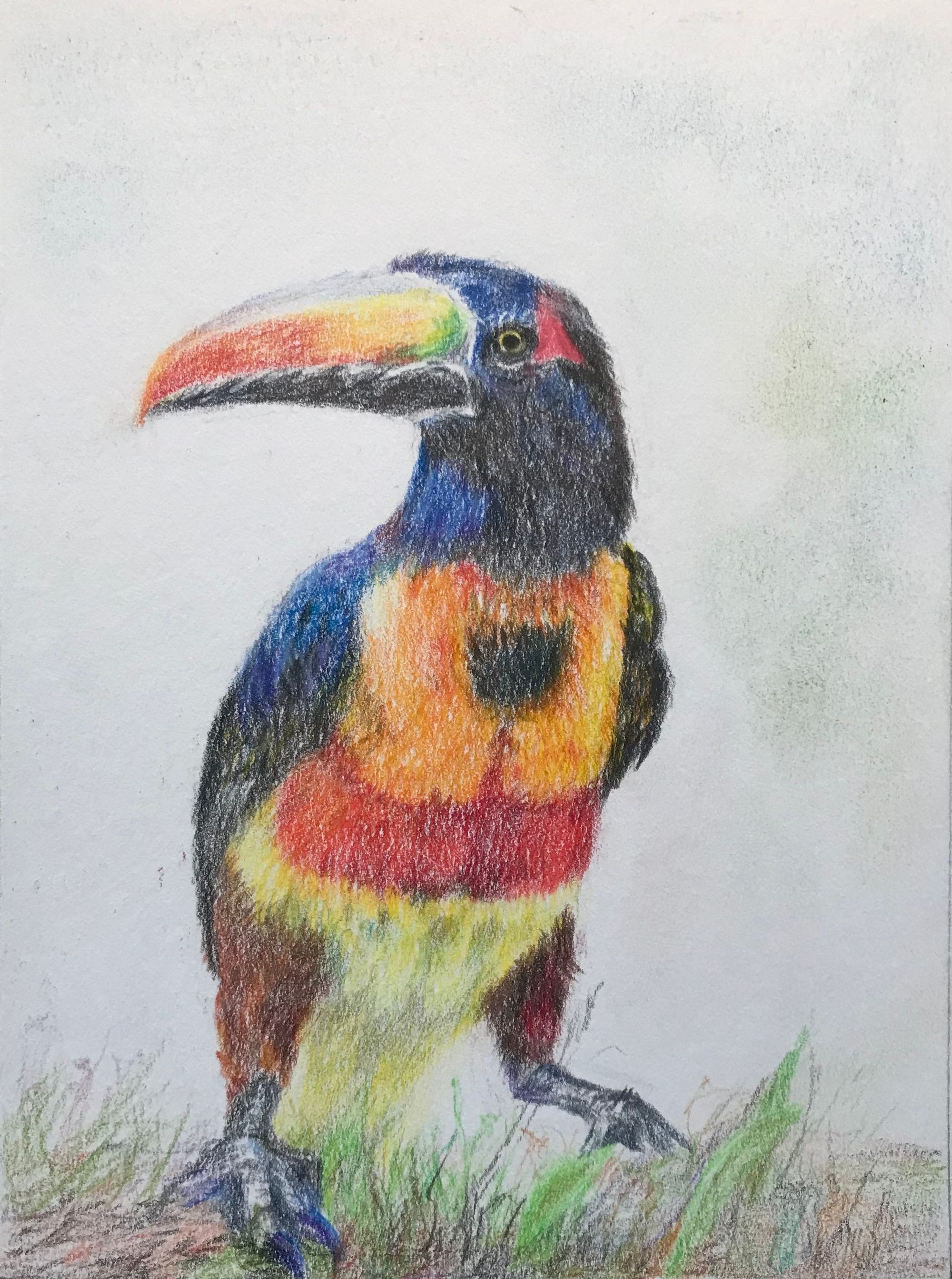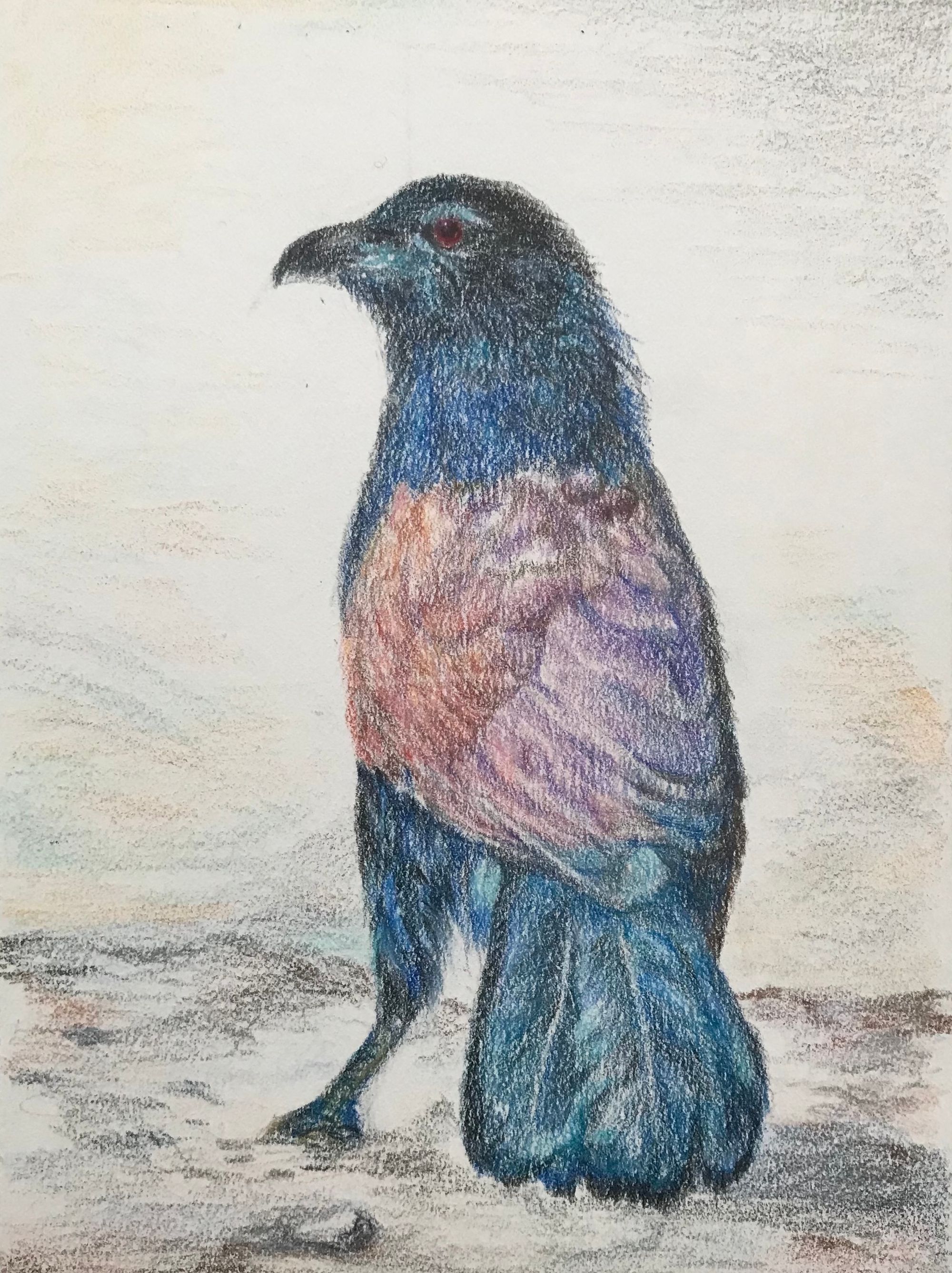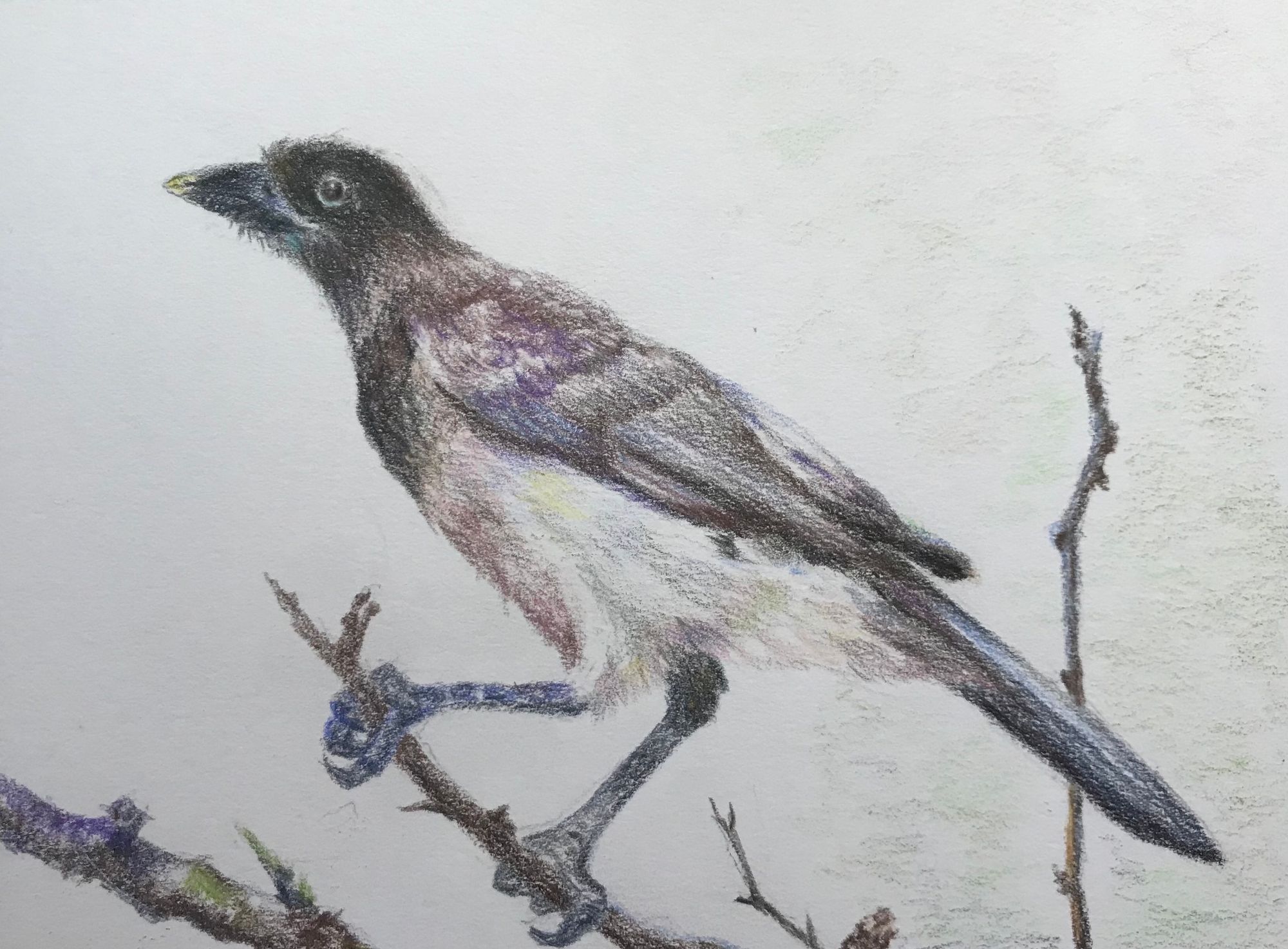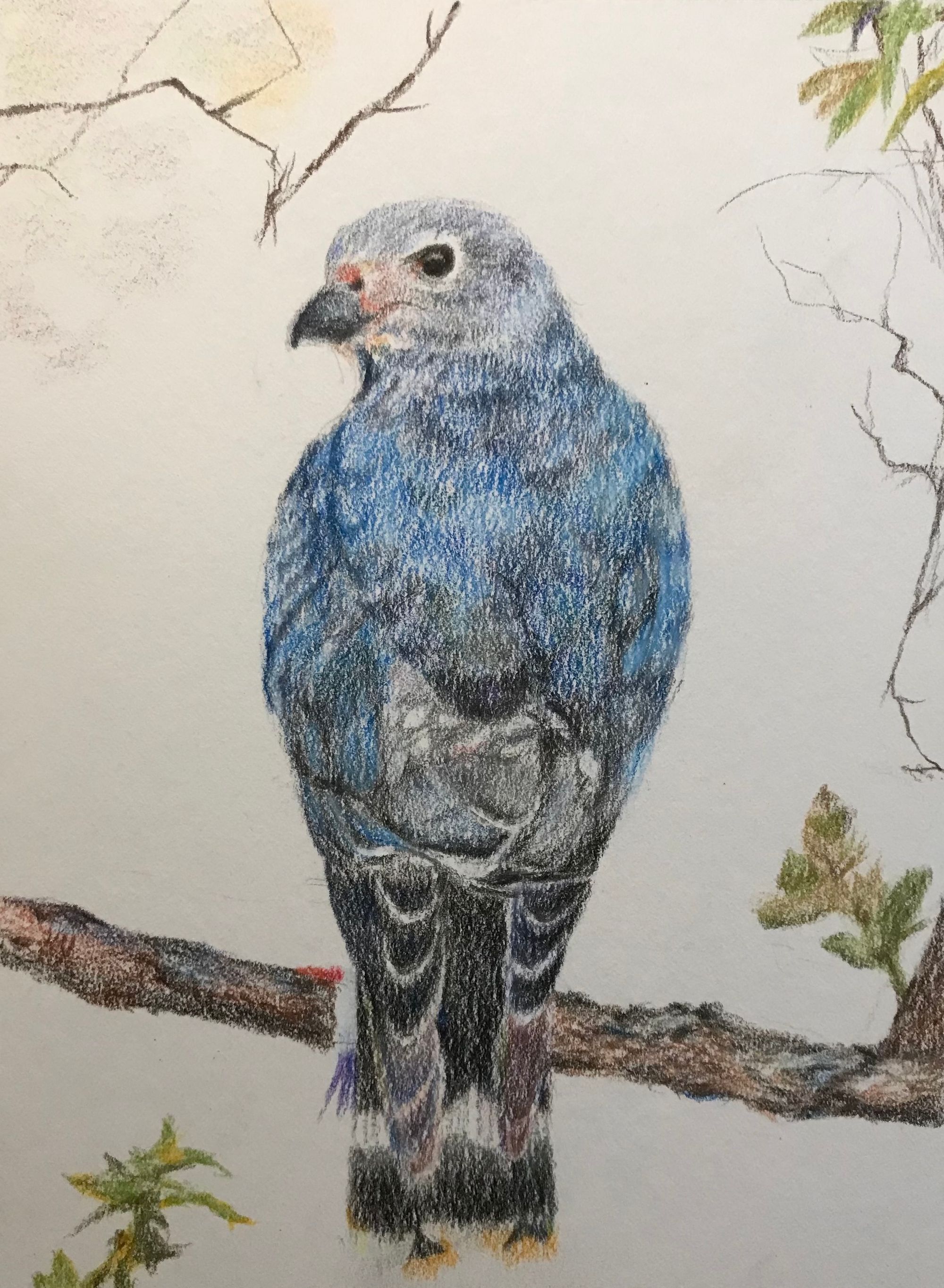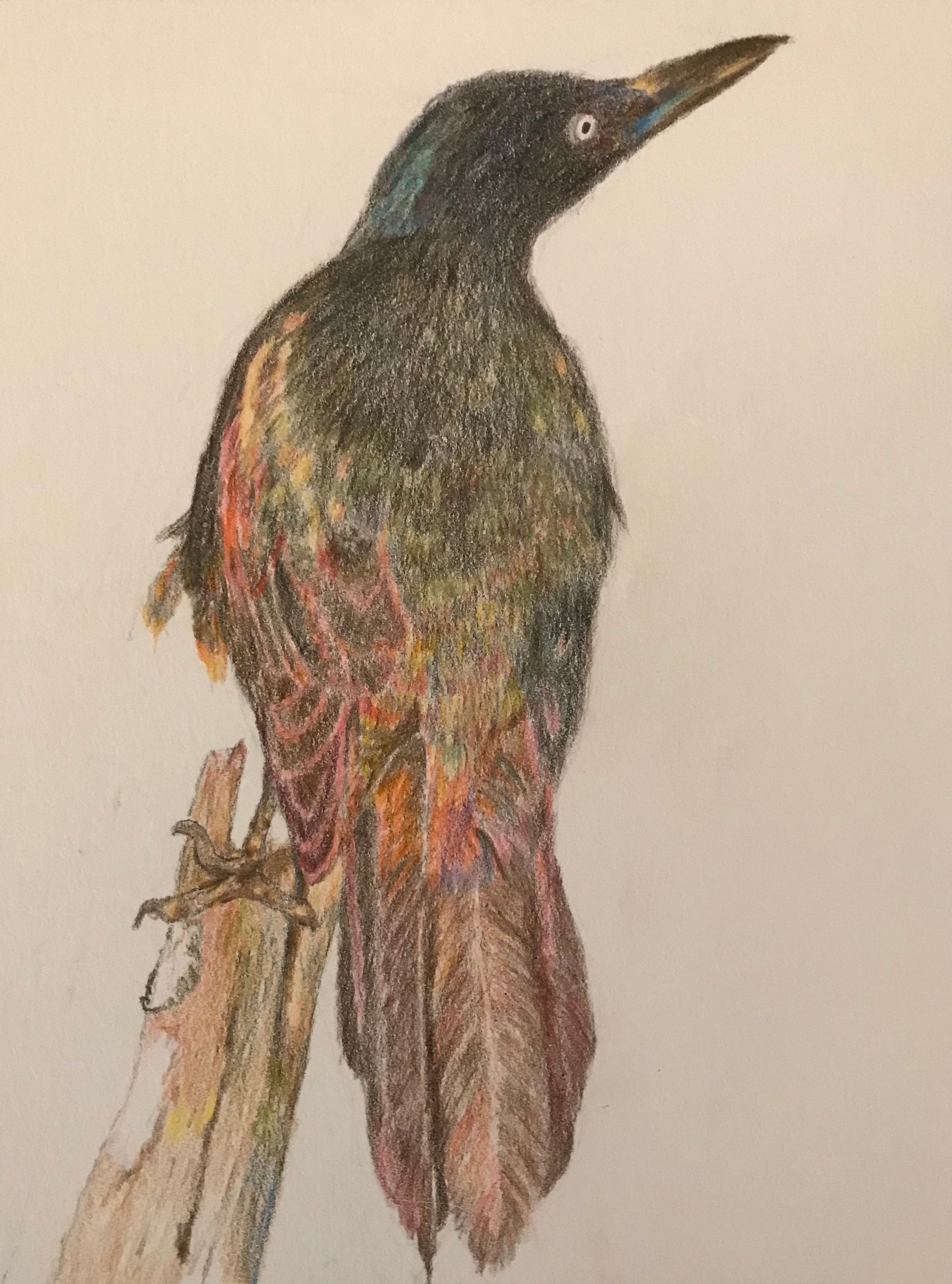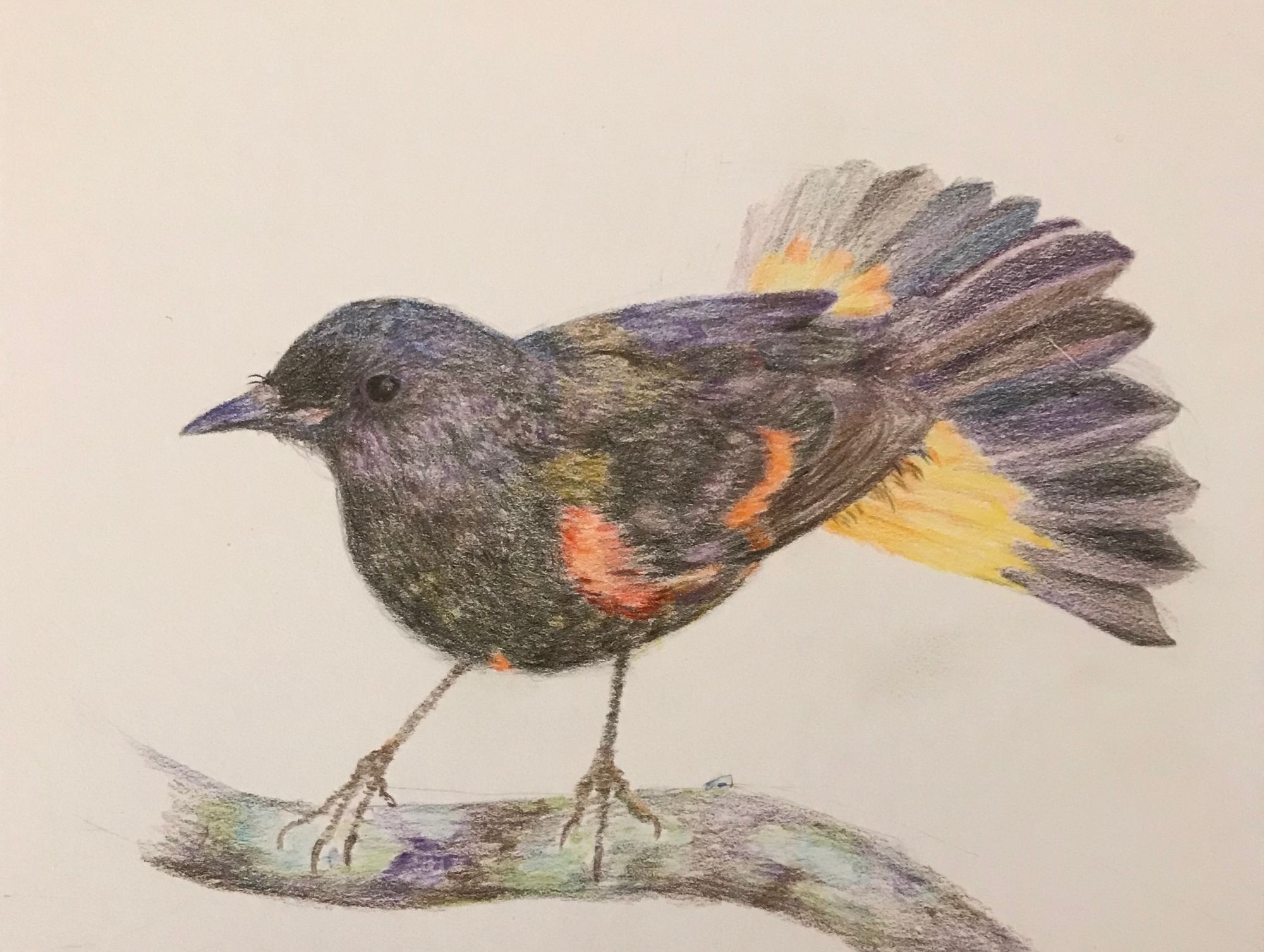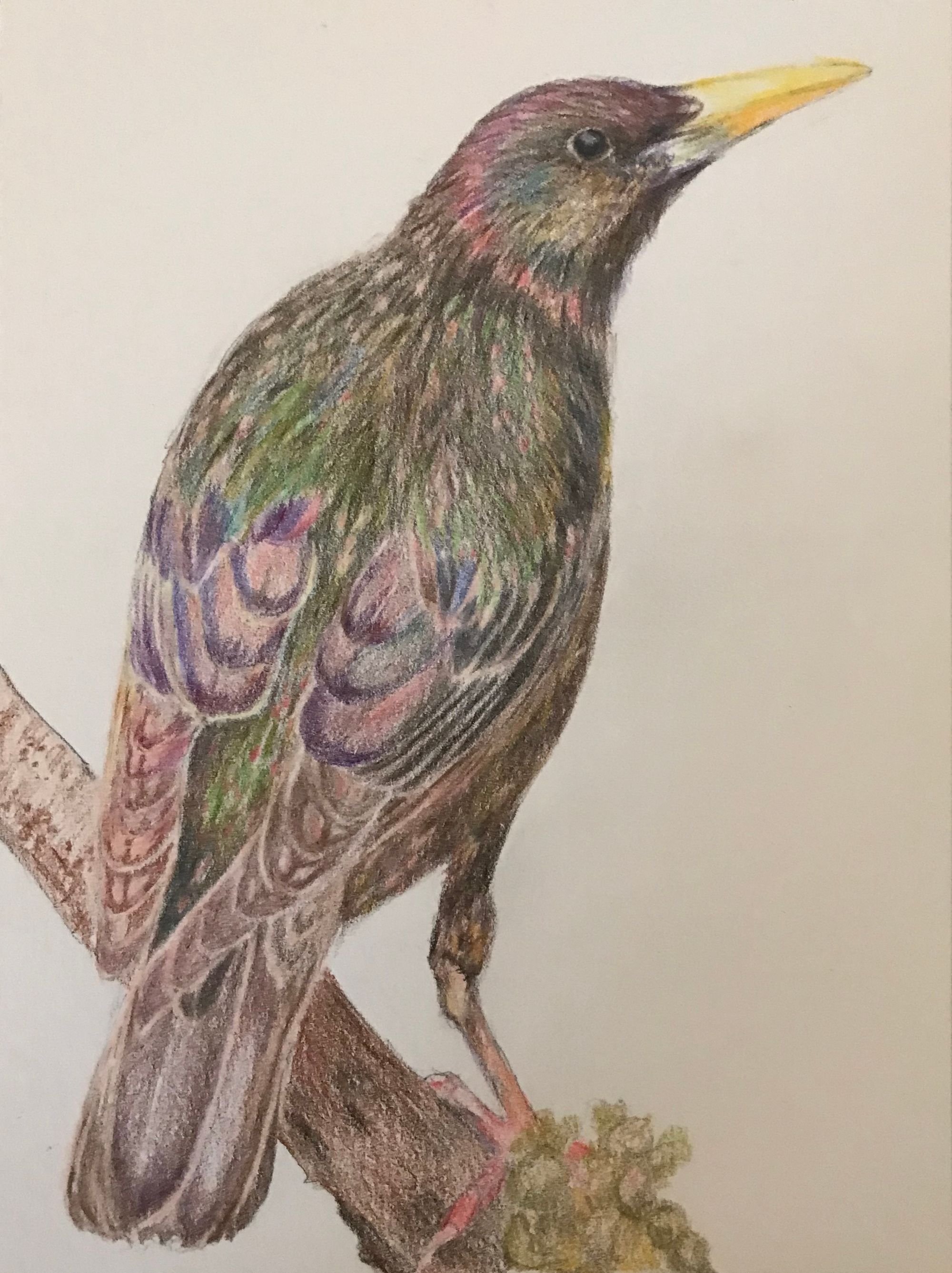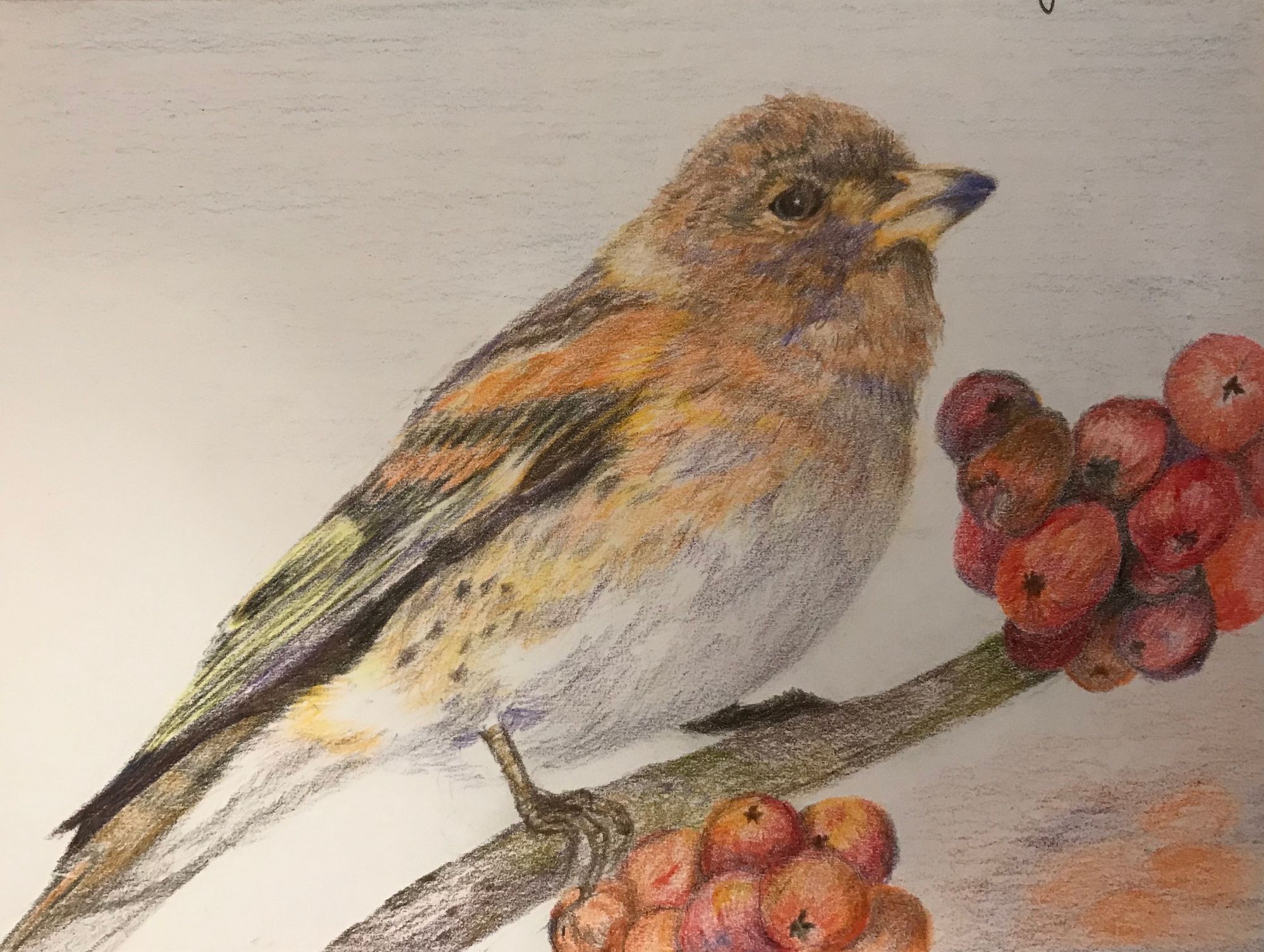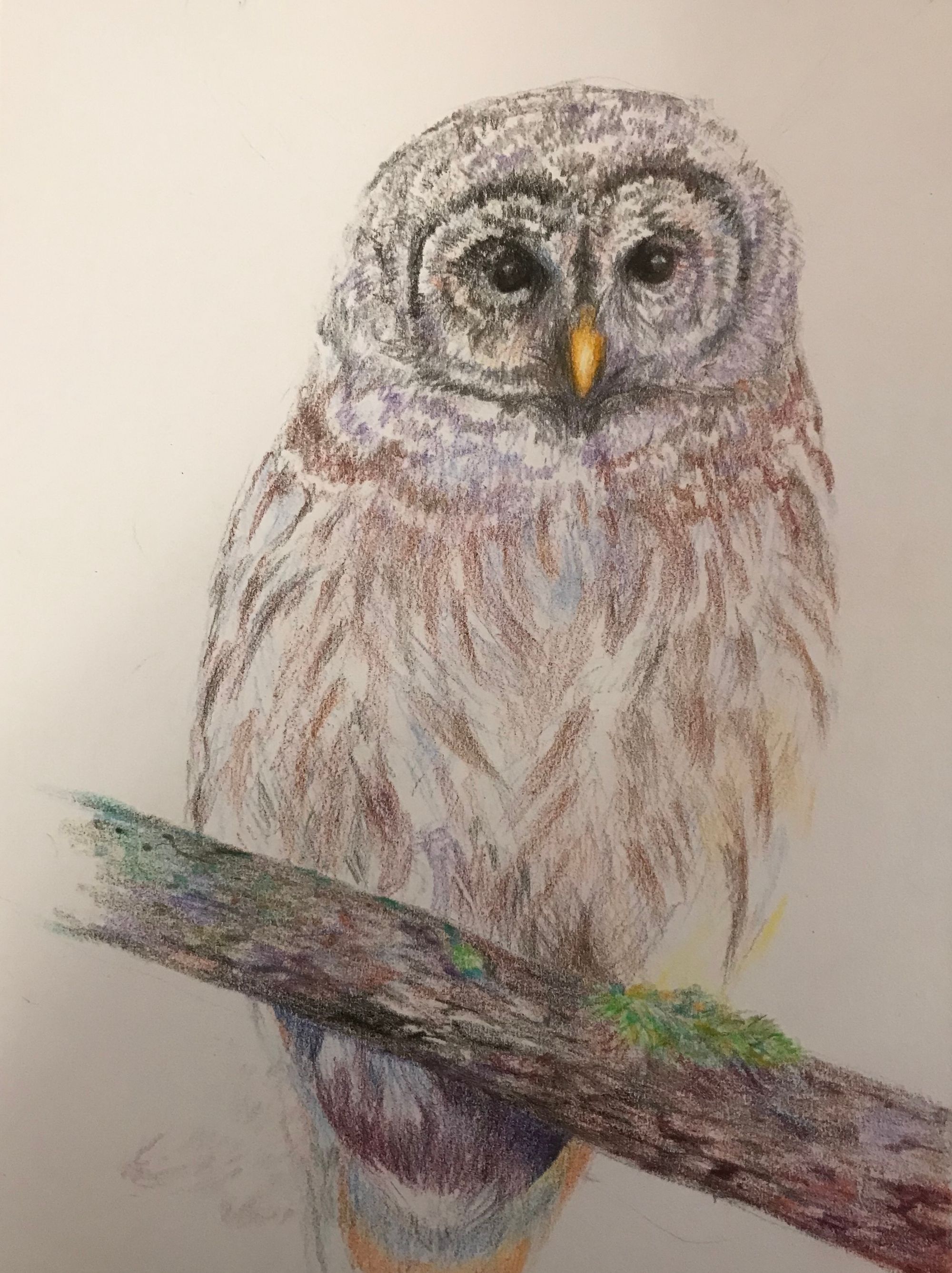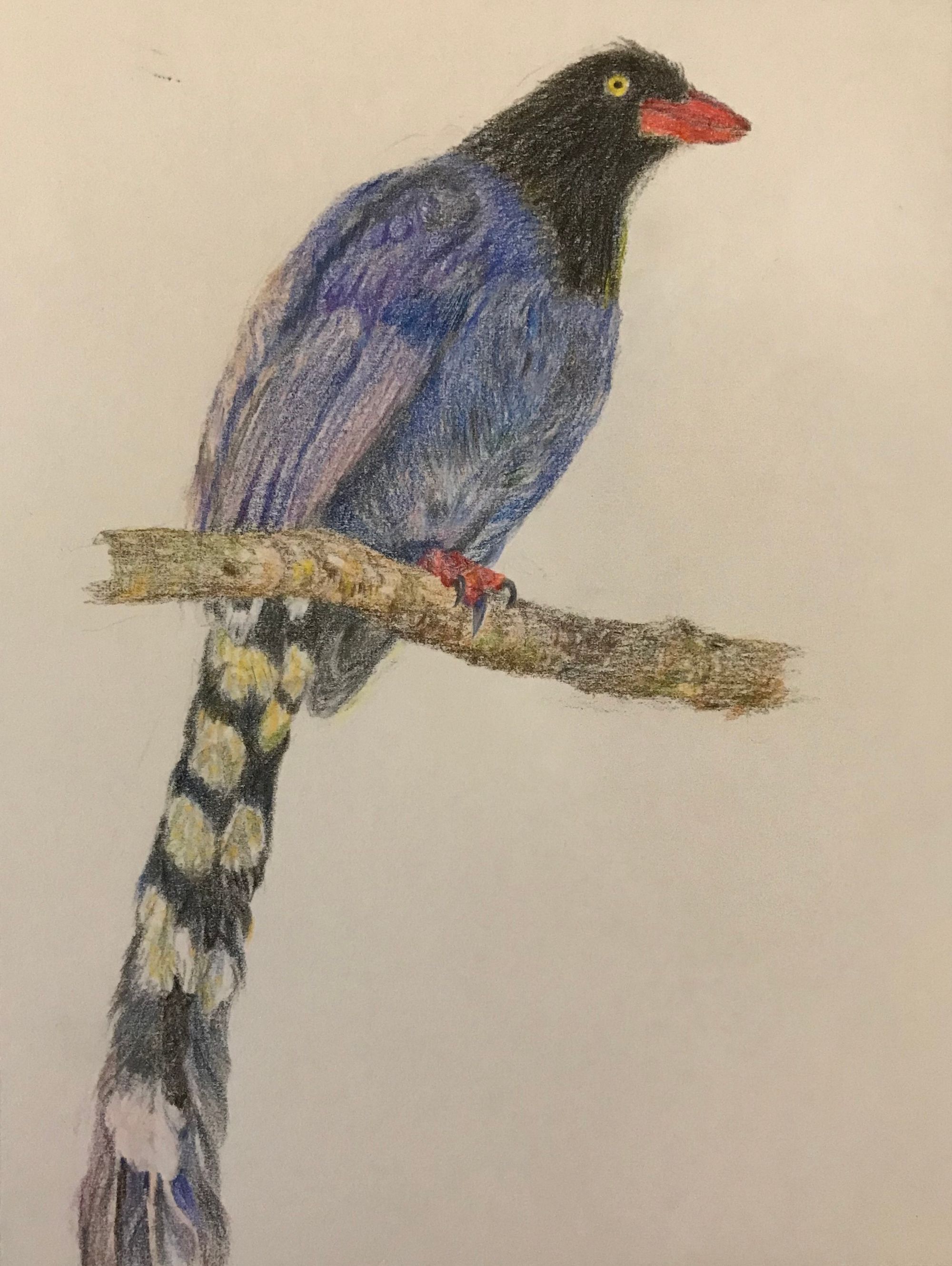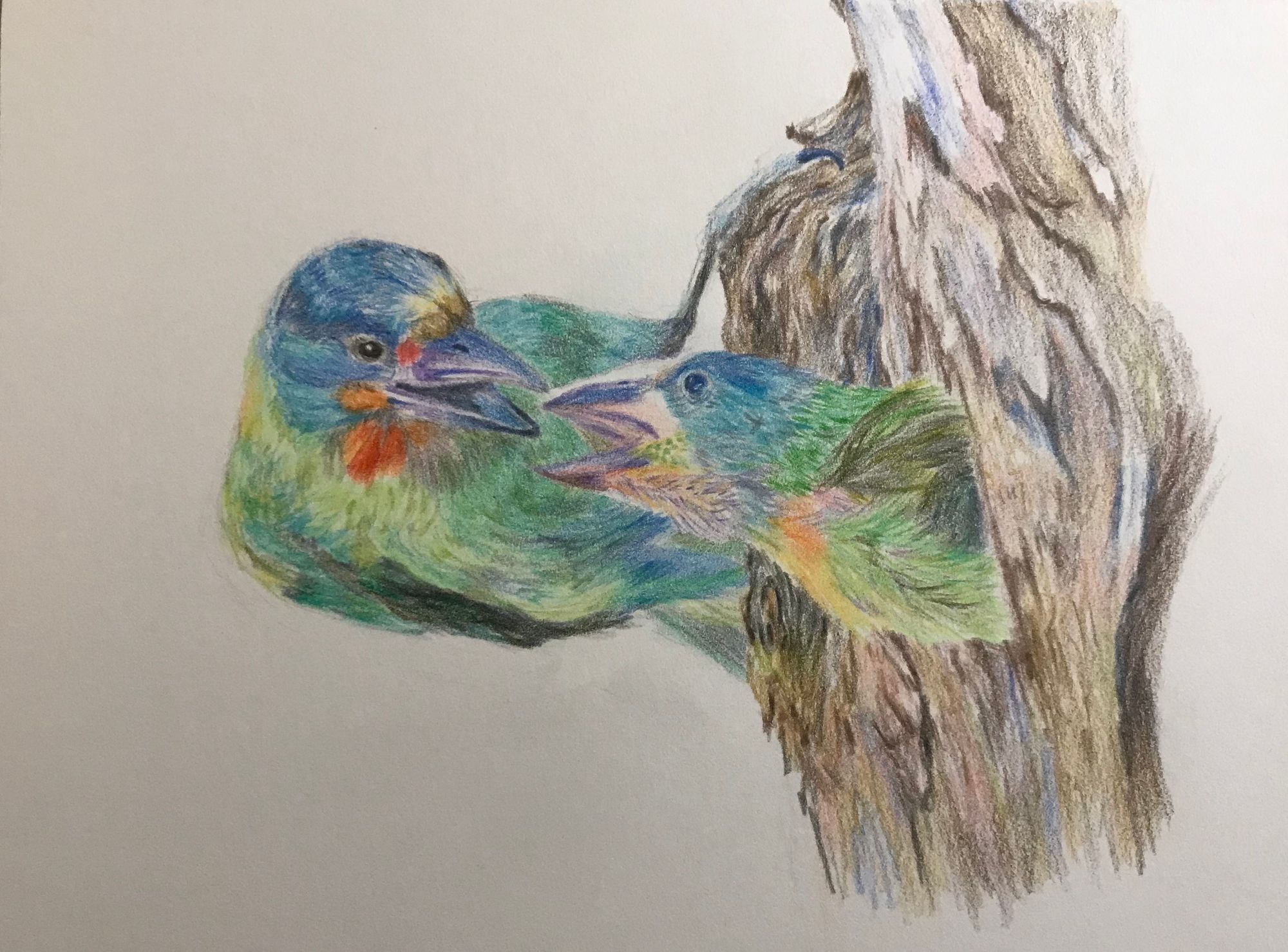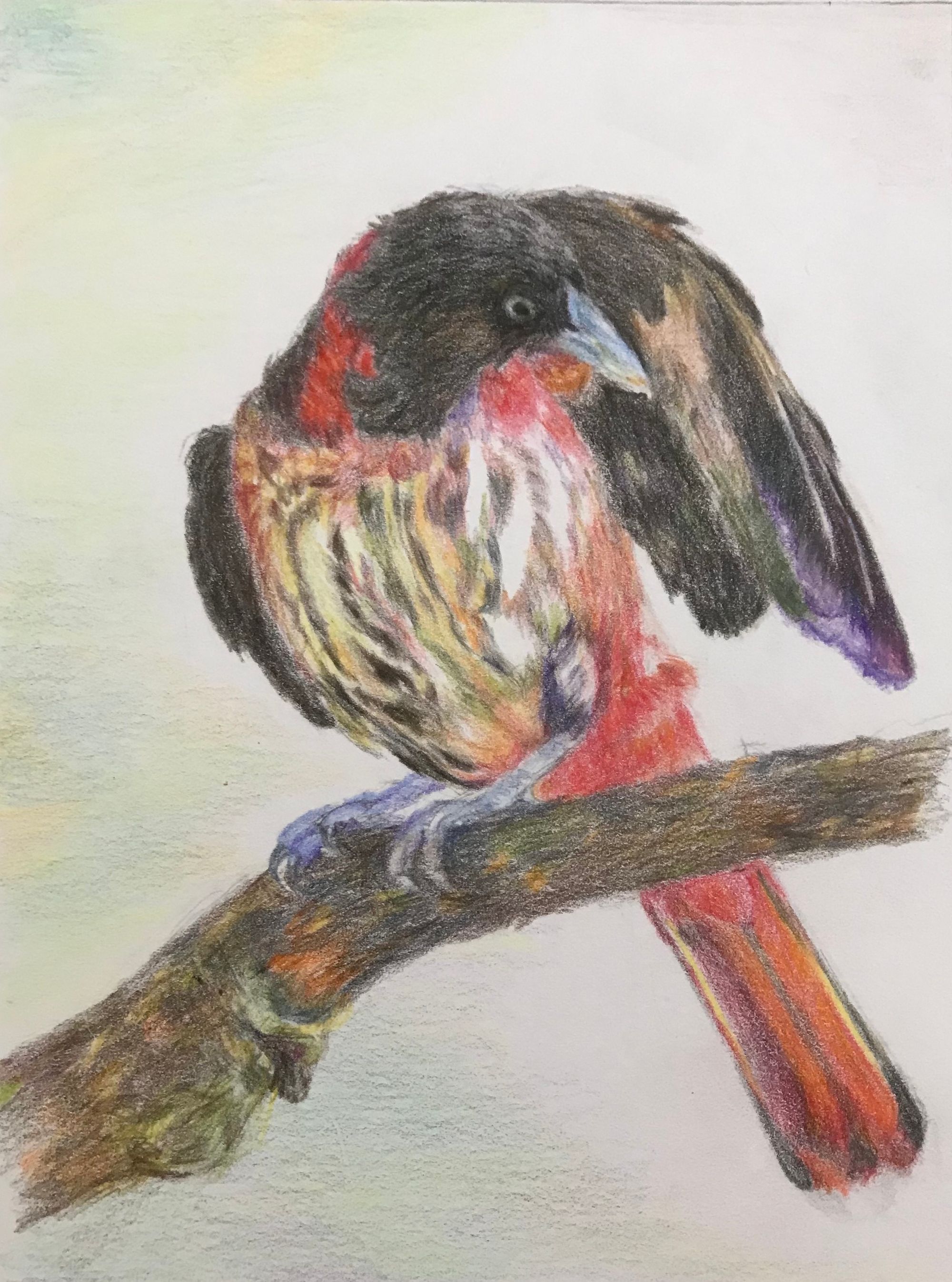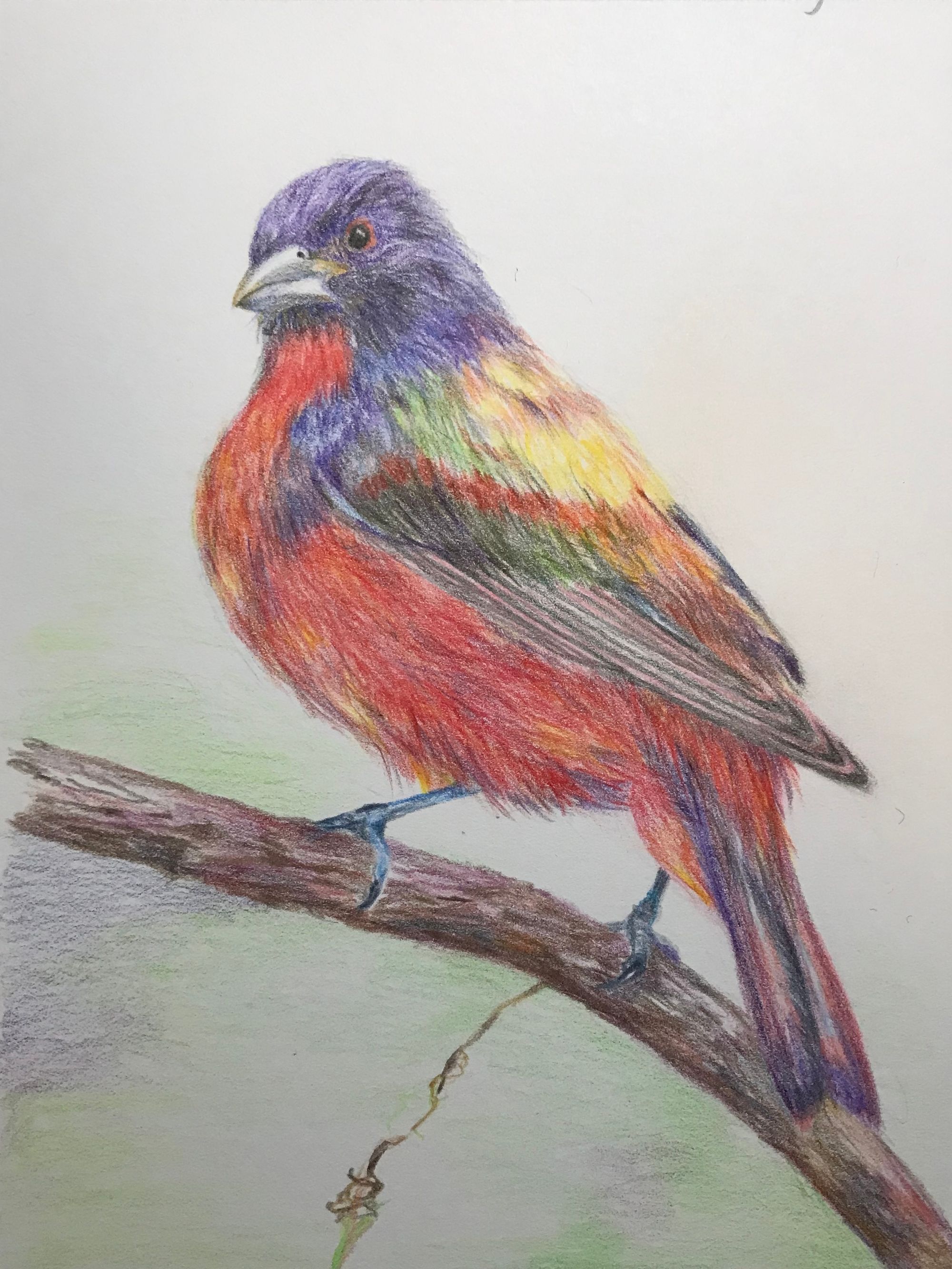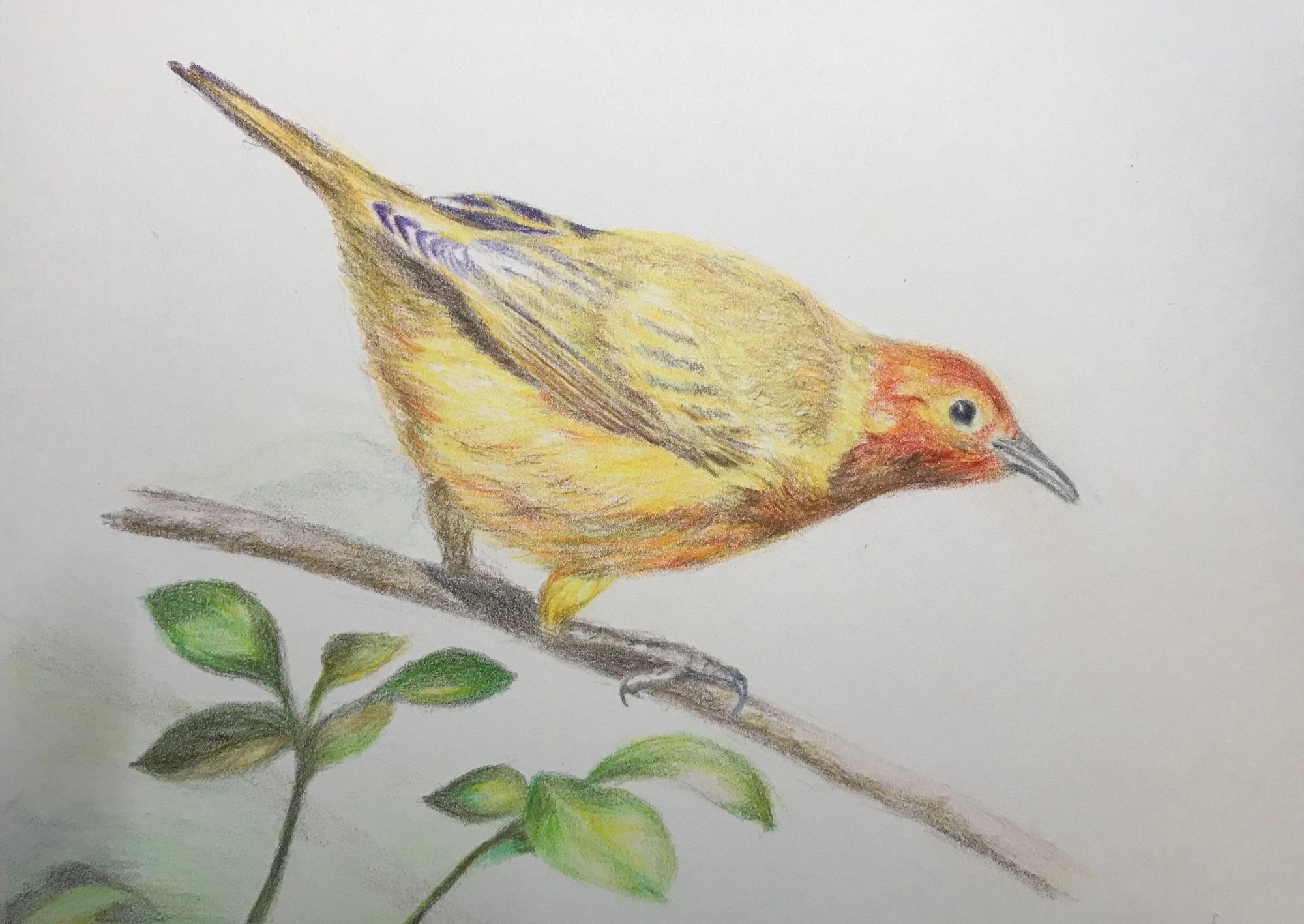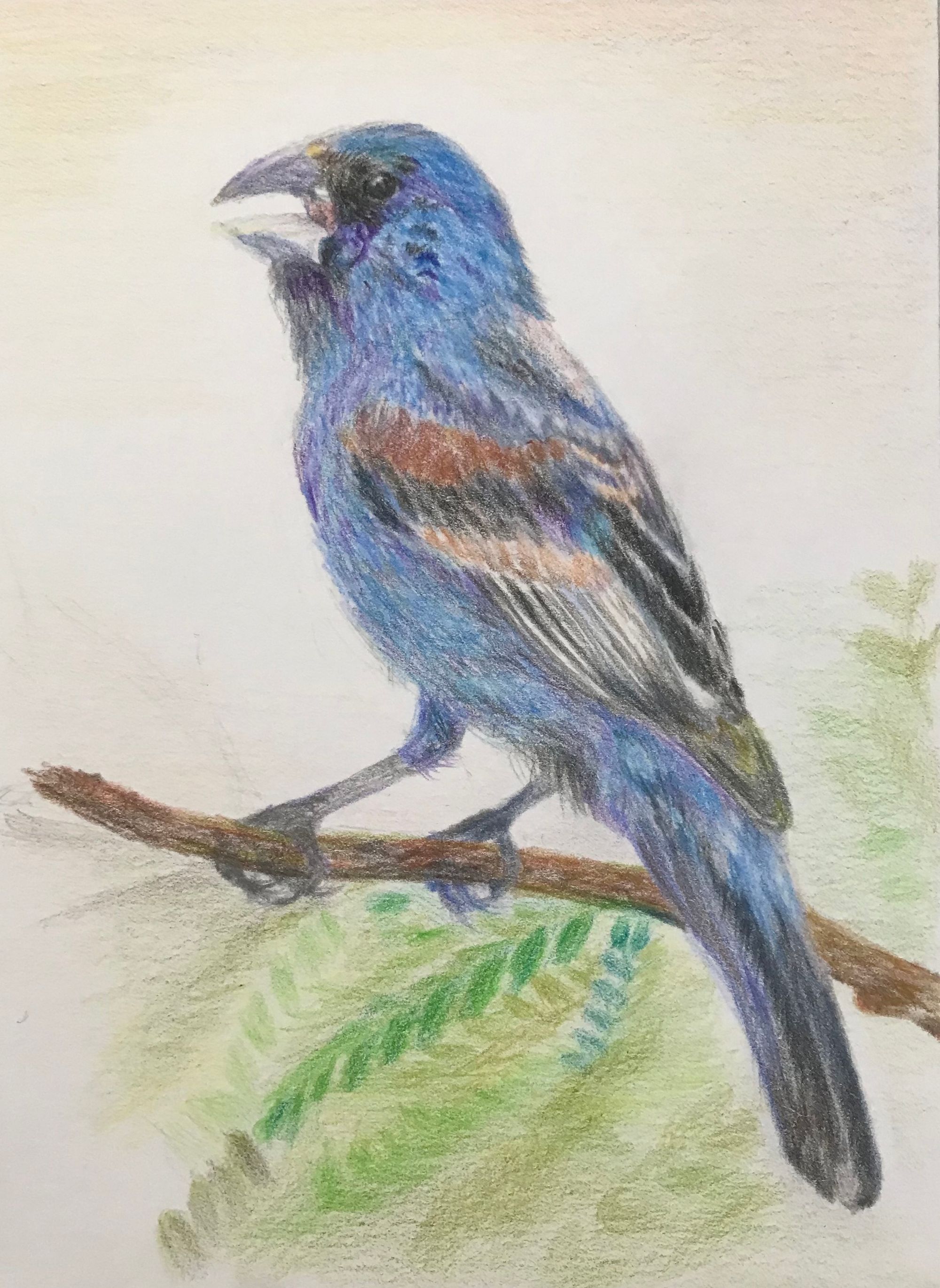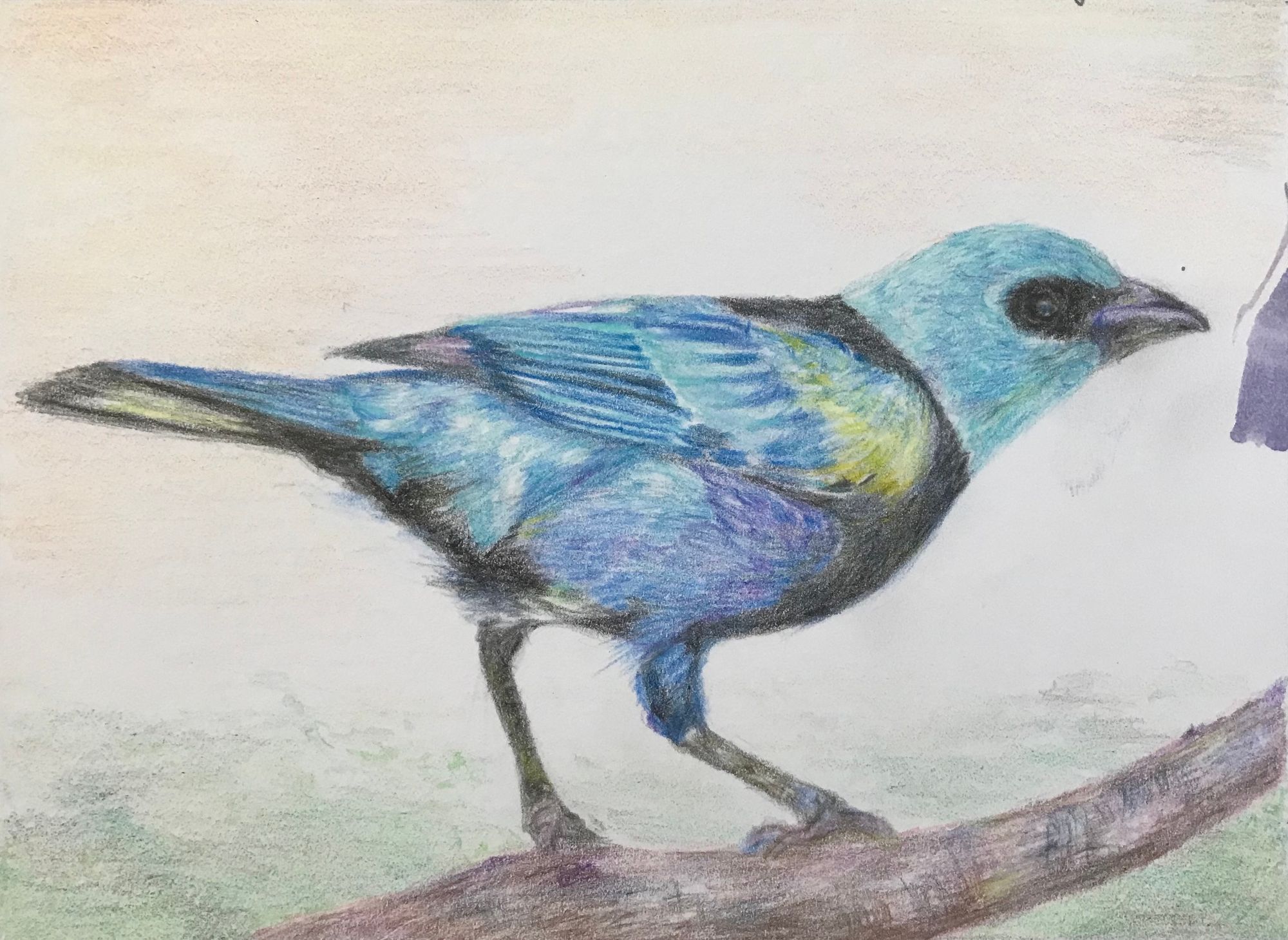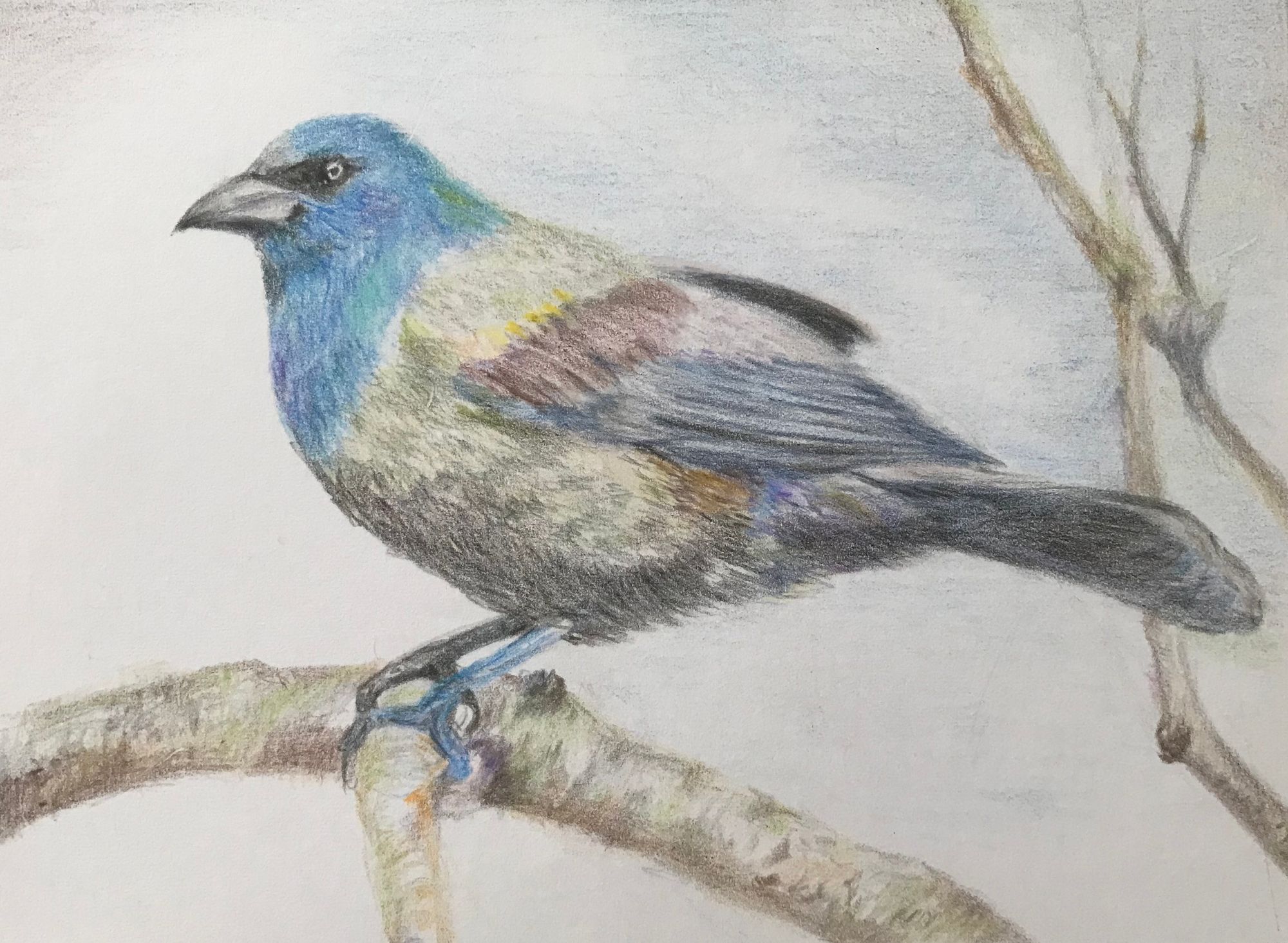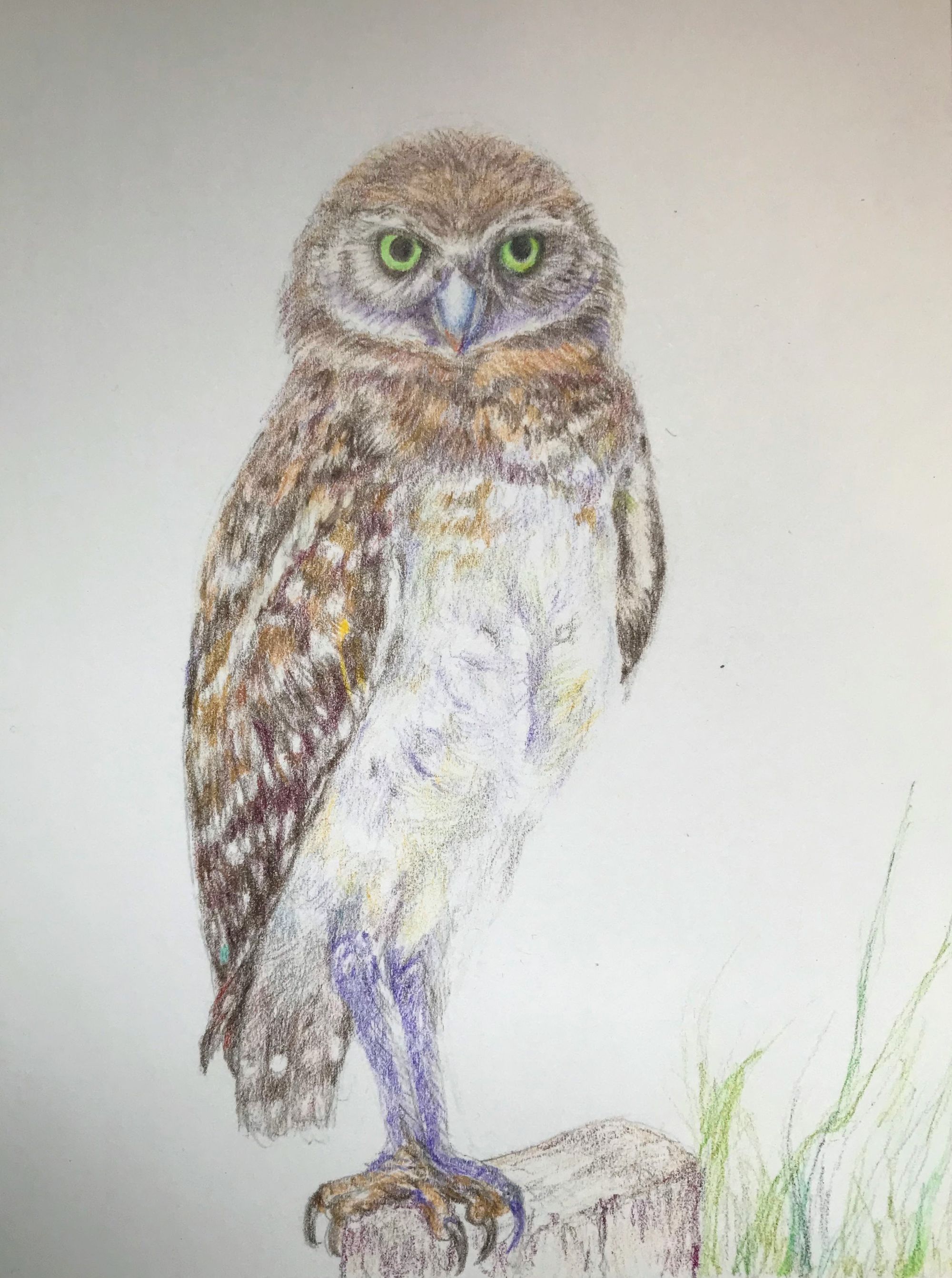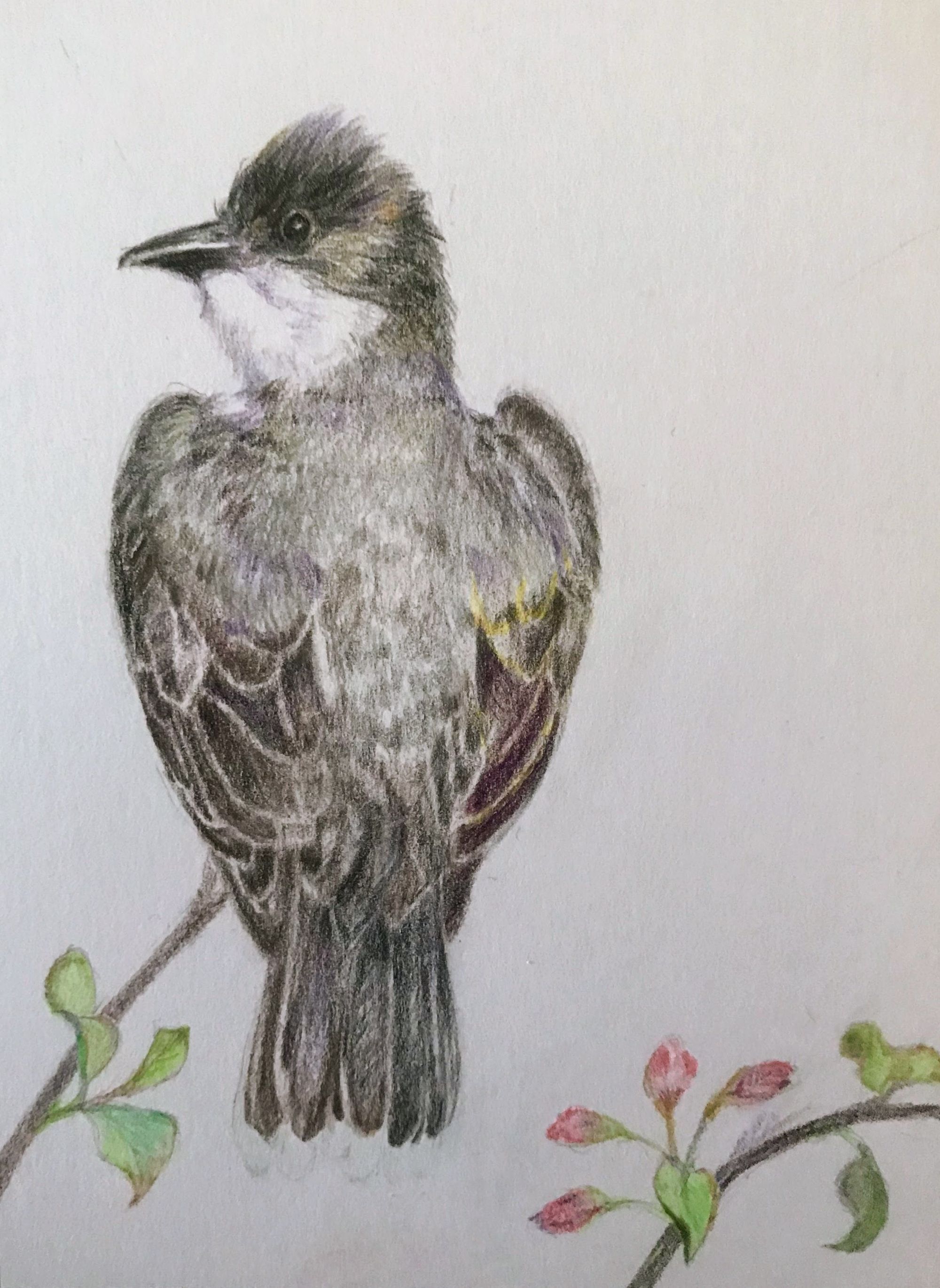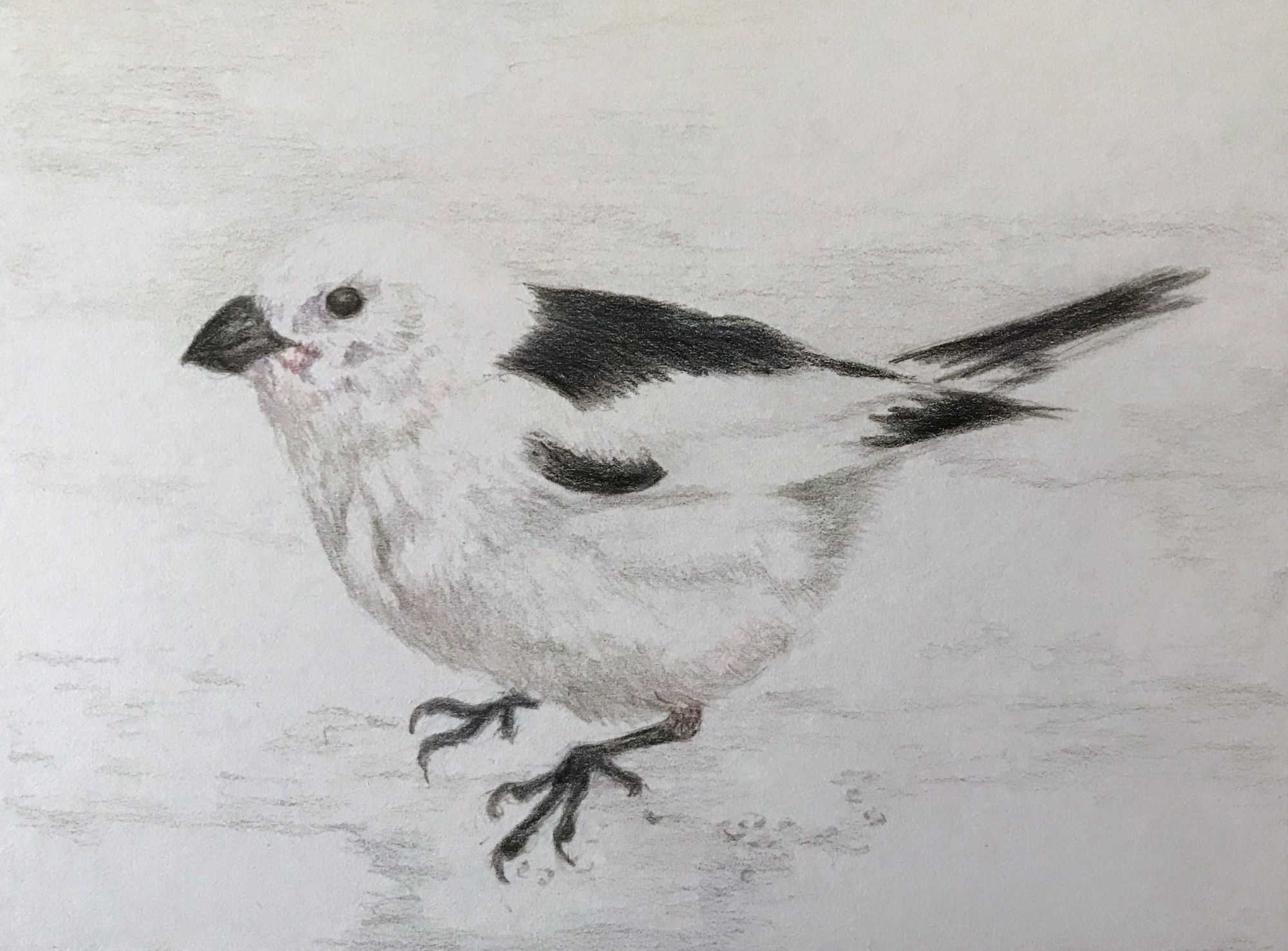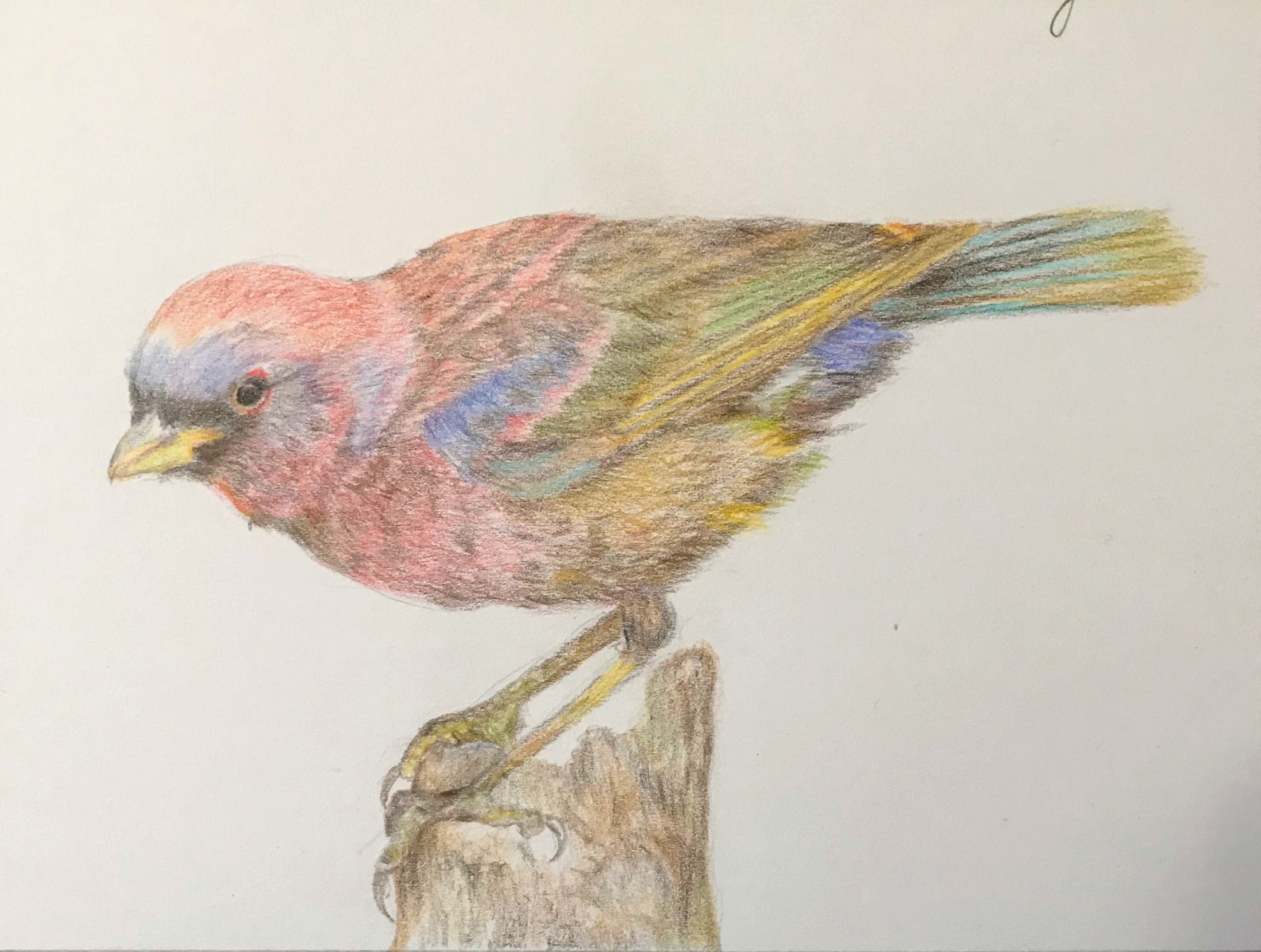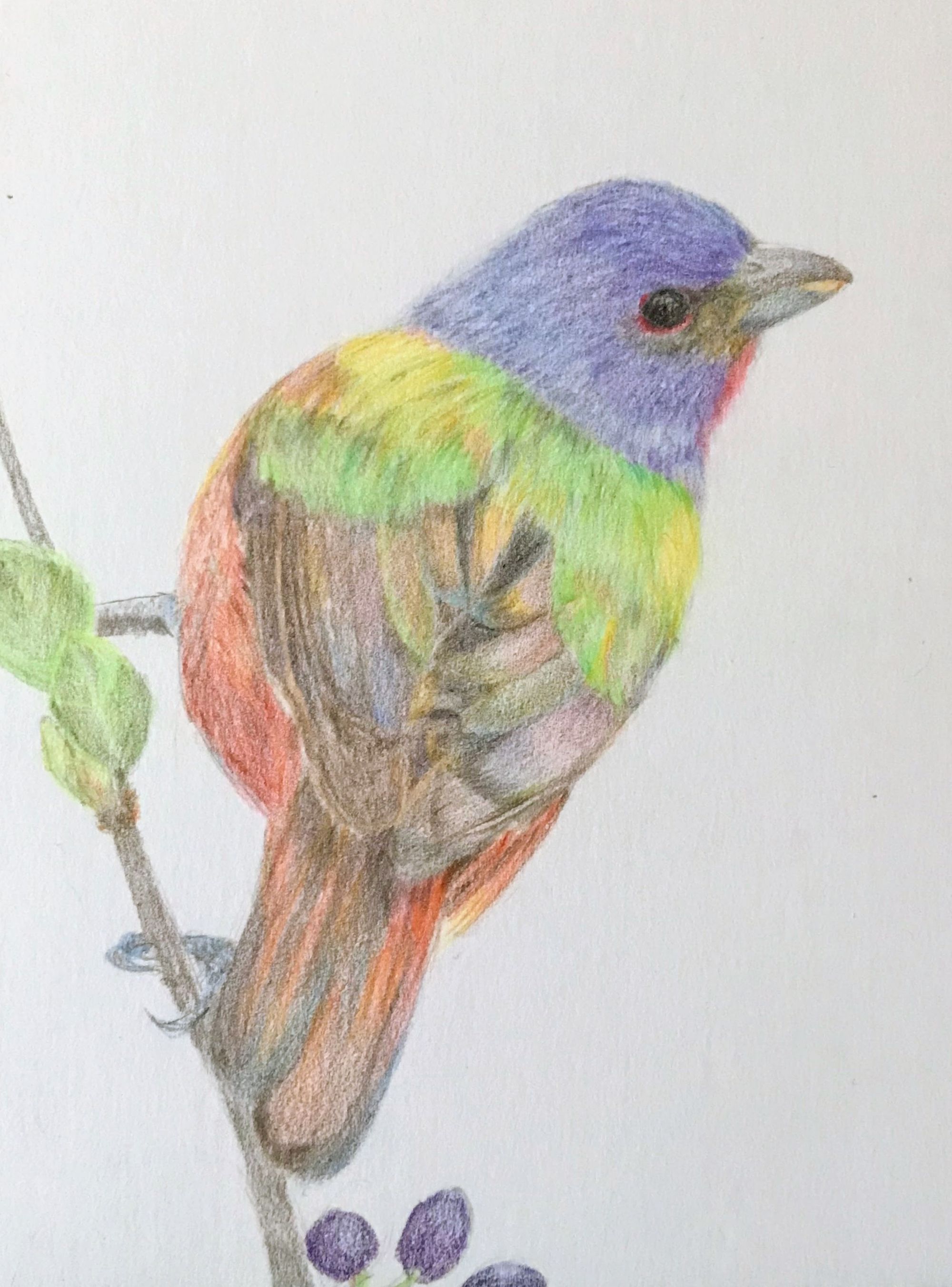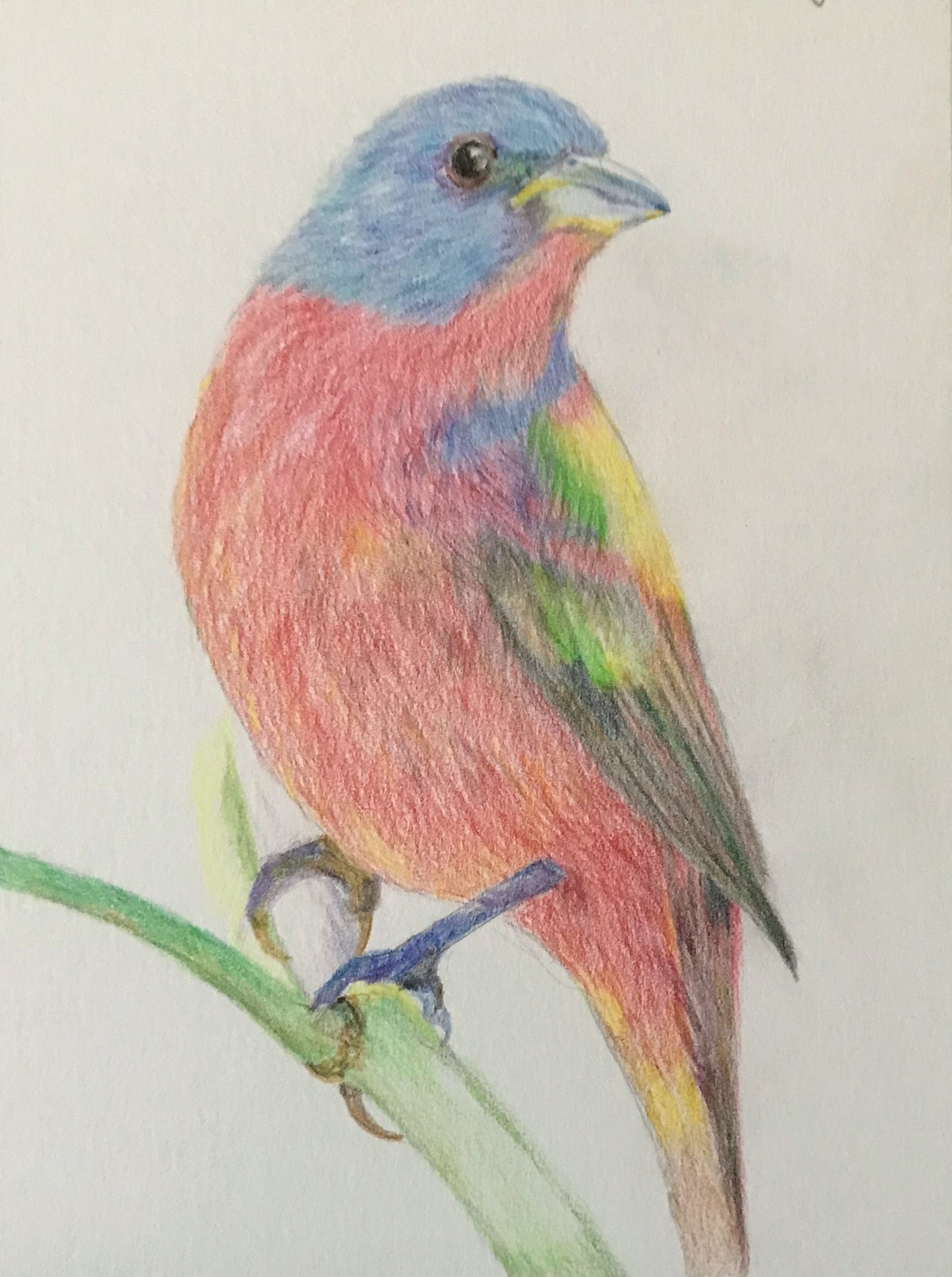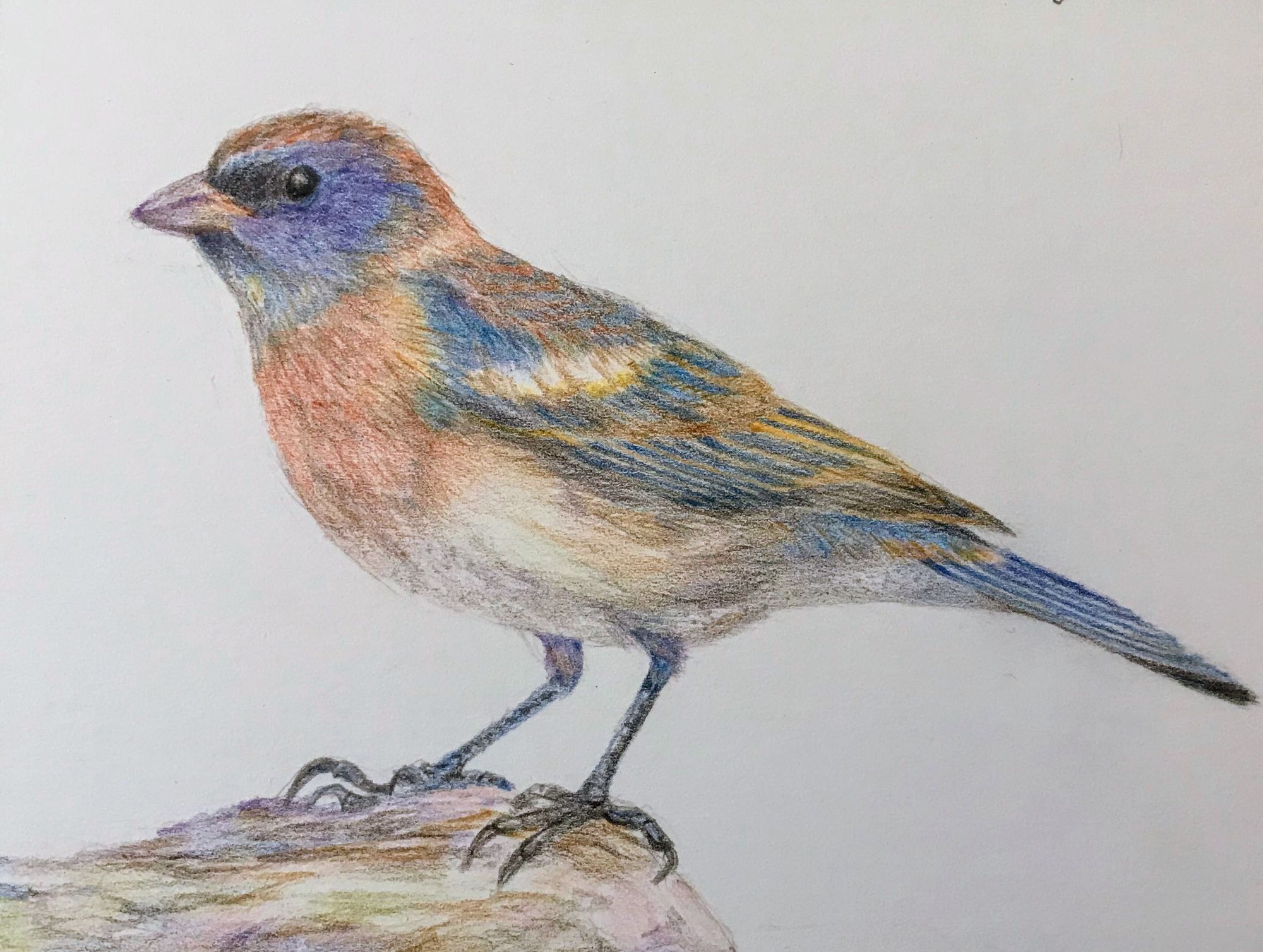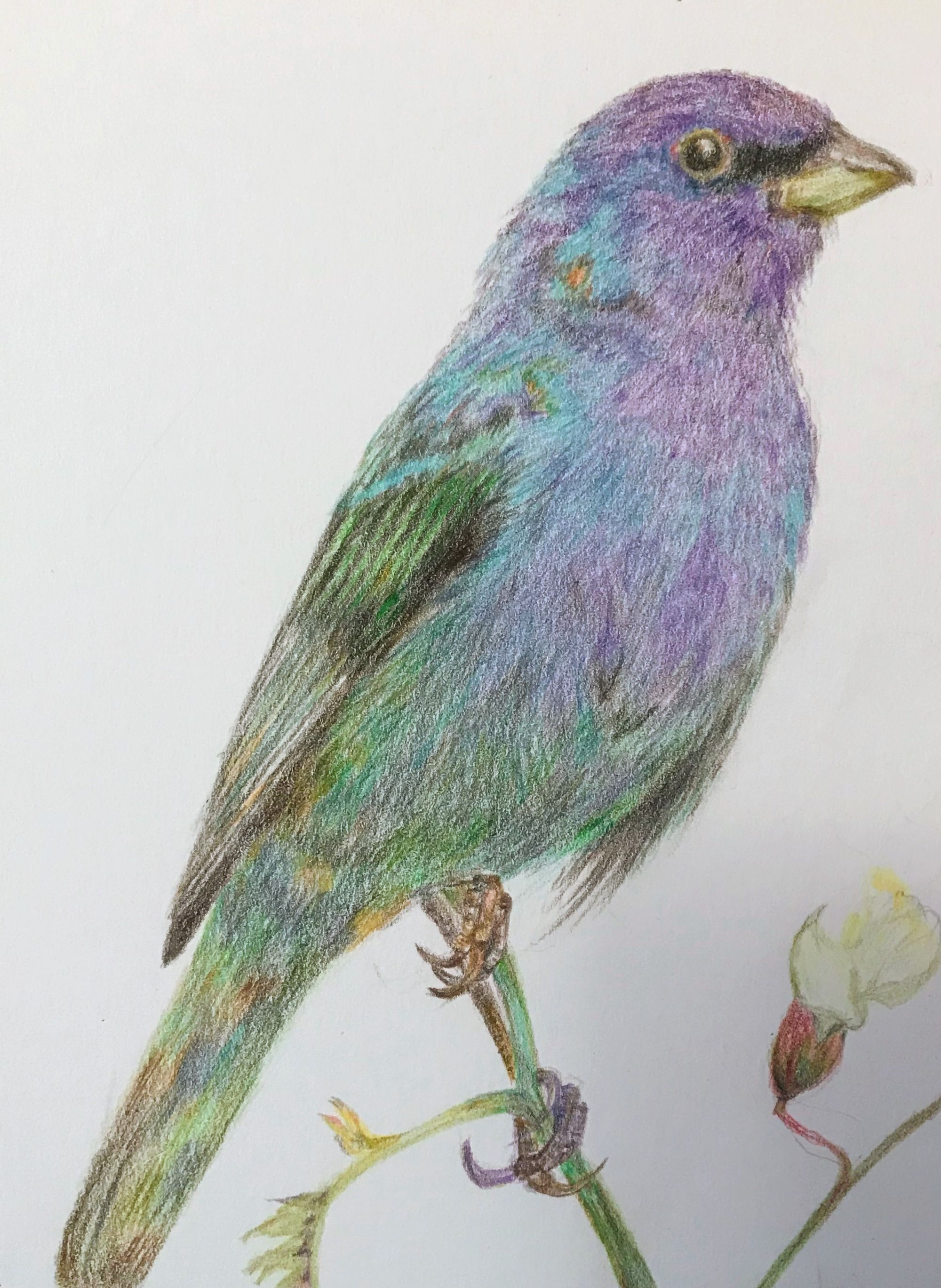

The great barbet (Psilopogon virens) is a large bird native to the Indian subcontinent and Southeast Asia, known for its colorful plumage and distinctive calls. It typically inhabits forests and is classified as Least Concern due to its wide distribution.
Overview of the Great Barbet
The great barbet, scientifically known as Psilopogon virens, is a large bird native to the Indian subcontinent and Southeast Asia. It is recognized for its vibrant plumage and distinctive calls.
Physical Description
- Size: 32–35 cm (13–14 in) in length
- Weight: 192–295 g (6.8–10.4 oz)
- Coloration:
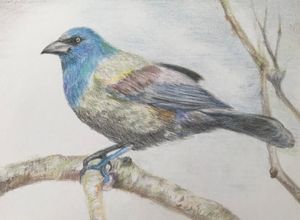
- Blue head
- Large yellow bill
- Brown and green-streaked body
- Red vent
Habitat and Distribution
The great barbet inhabits forests at altitudes up to 3,000 m (9,800 ft). Its range includes:
- Northern Pakistan
- India
- Nepal
- Bhutan
- Bangladesh
- Parts of Southeast Asia, including Laos
Behavior and Ecology
- Nesting: Breeds from April to July, building nests in tree holes.
- Diet: Primarily feeds on fruits and insects.
- Calls: Known for a loud territorial call described as "kay-oh" and an alarm call that sounds harsh.
Conservation Status
The great barbet is listed as "Least Concern" on the IUCN Red List since 2004, indicating a stable population due to its wide distribution.