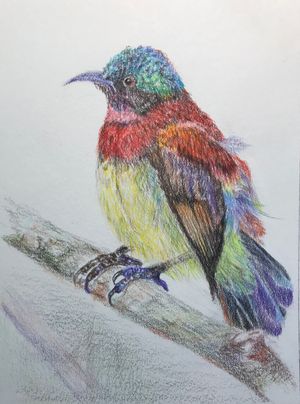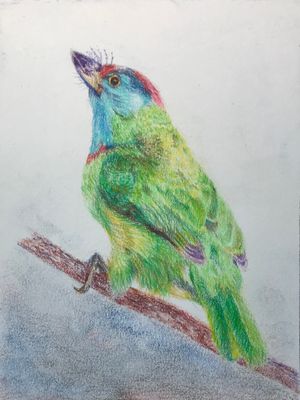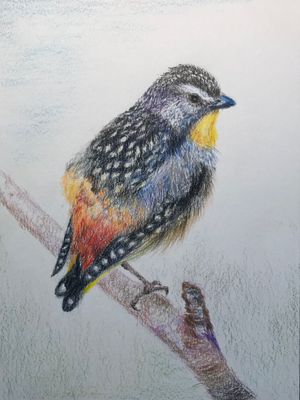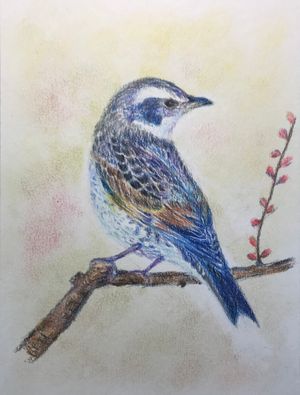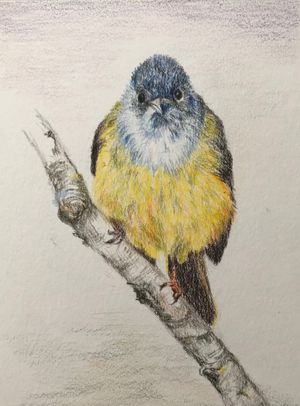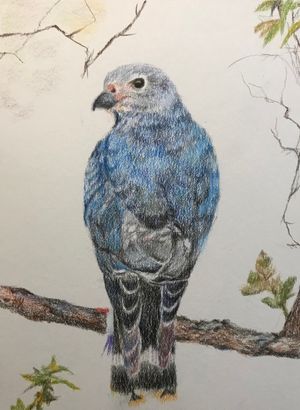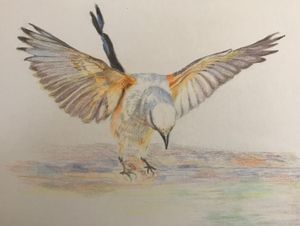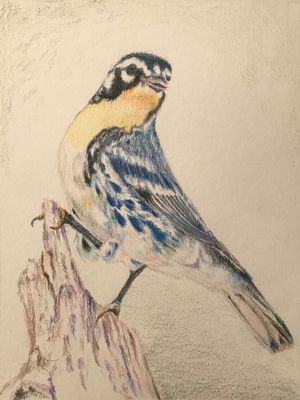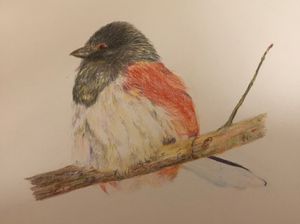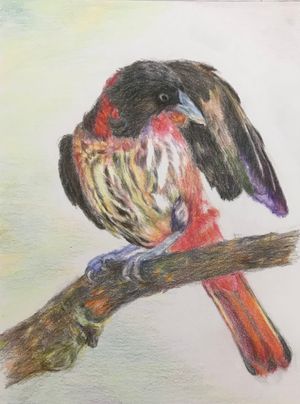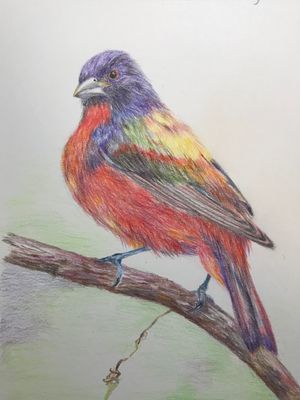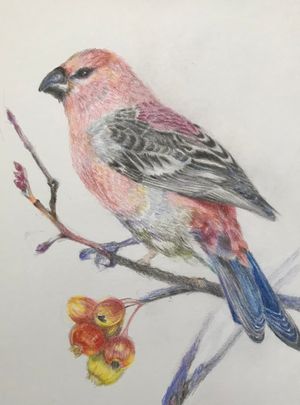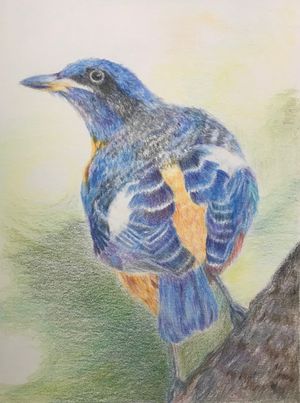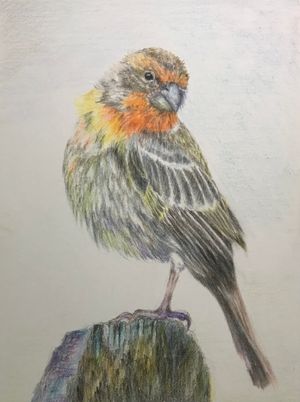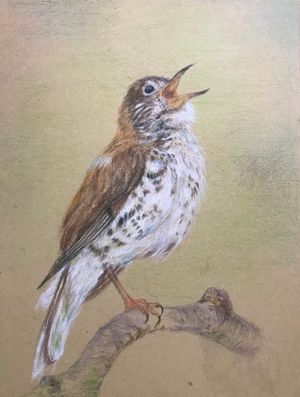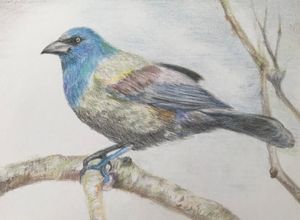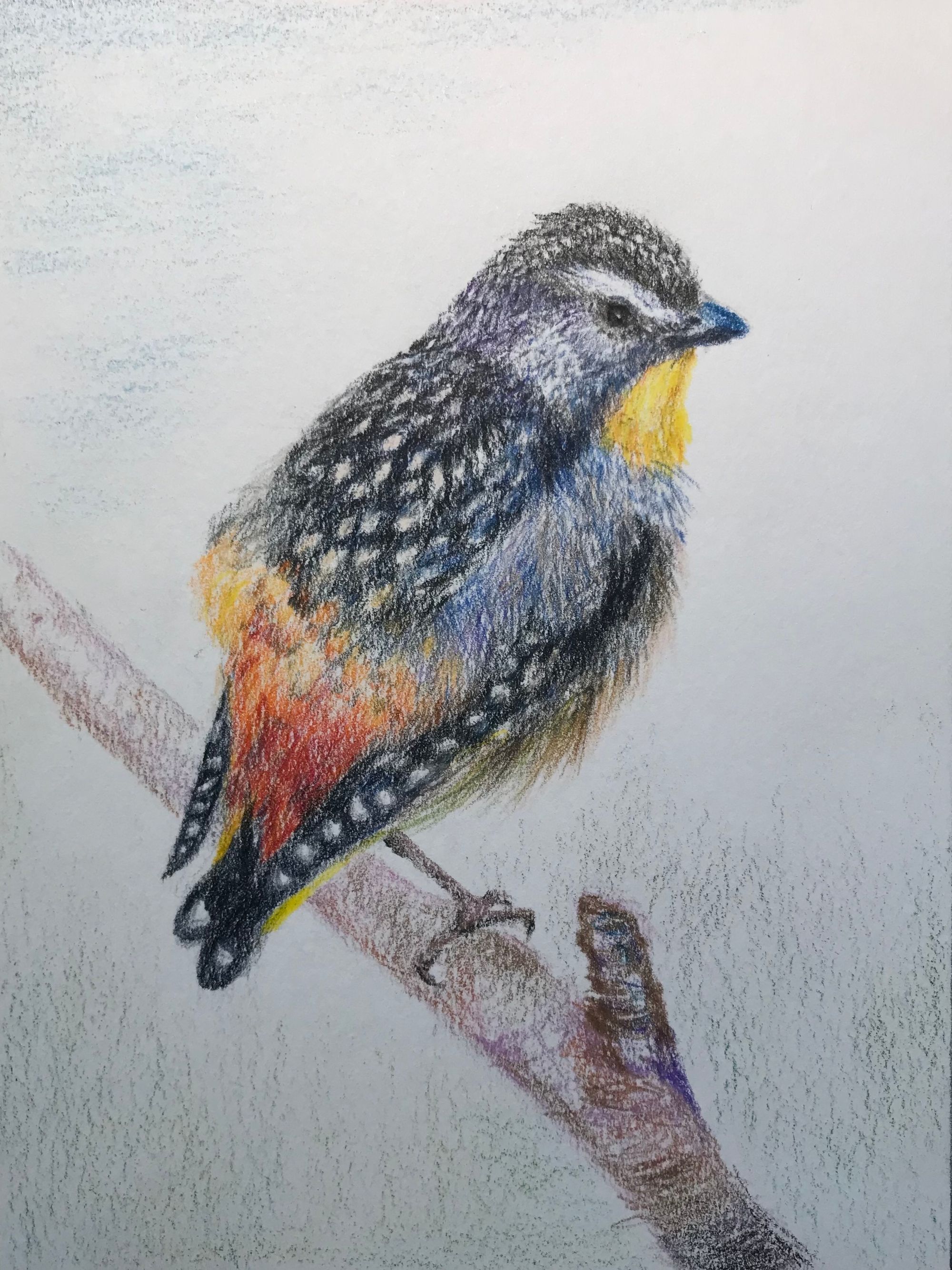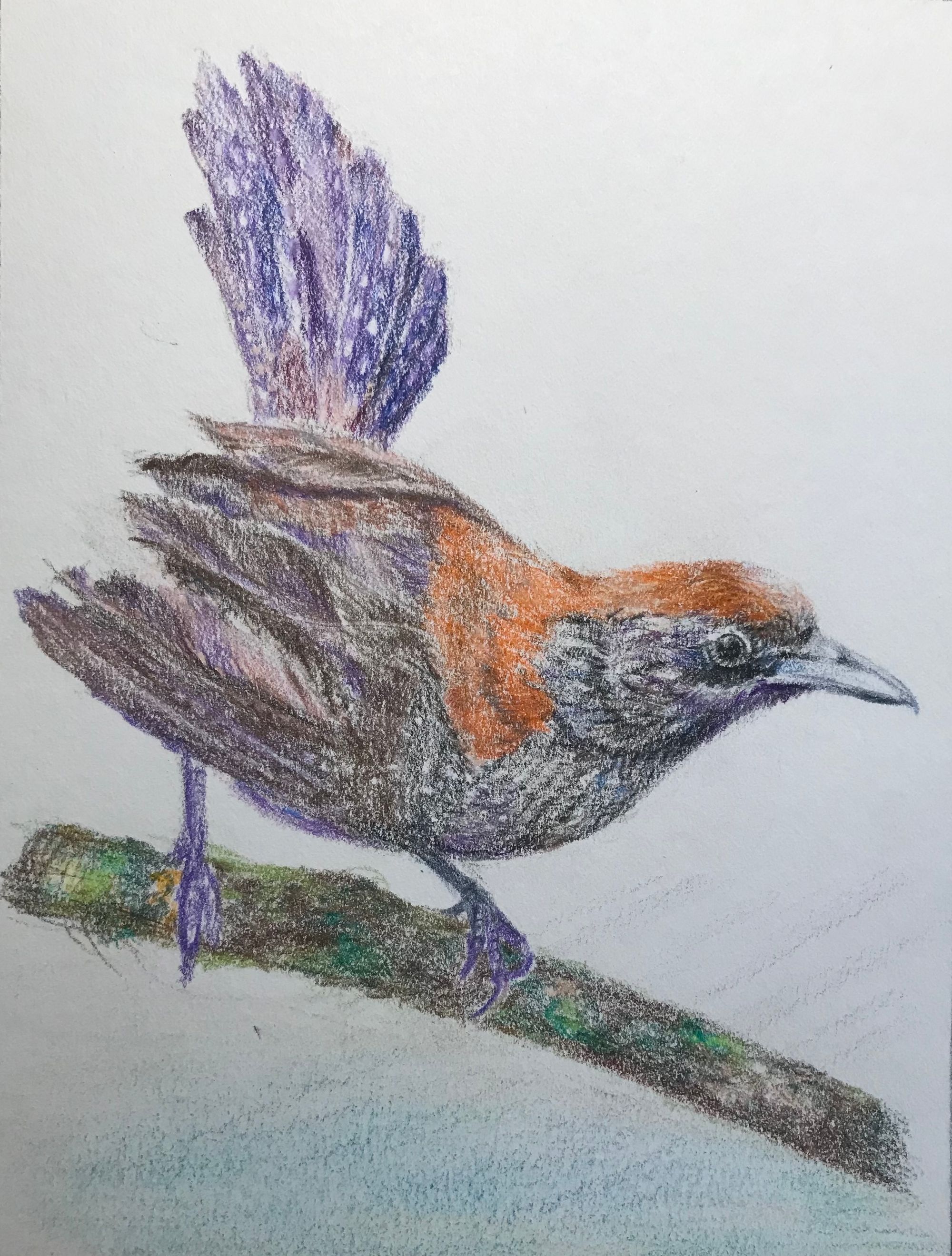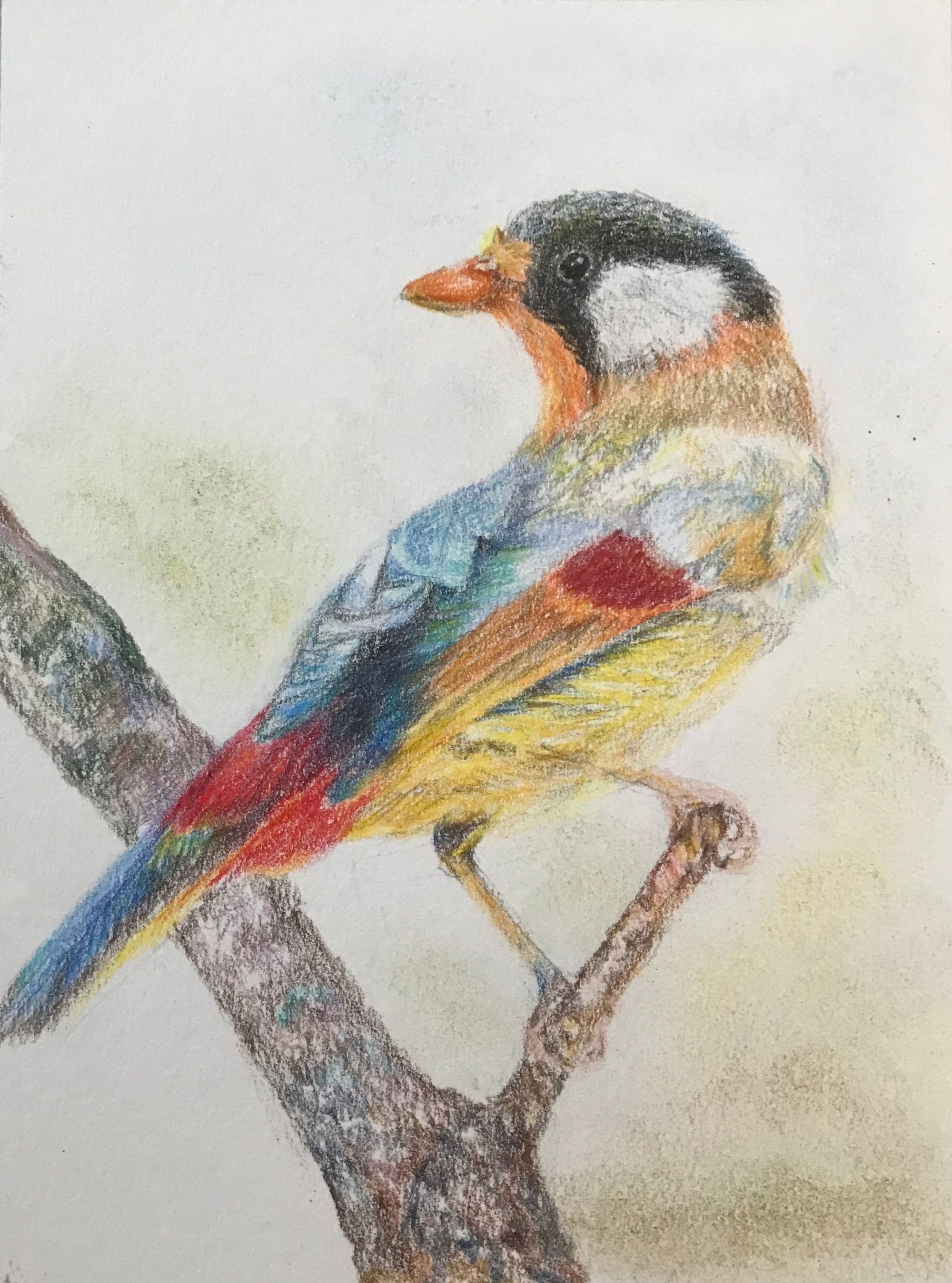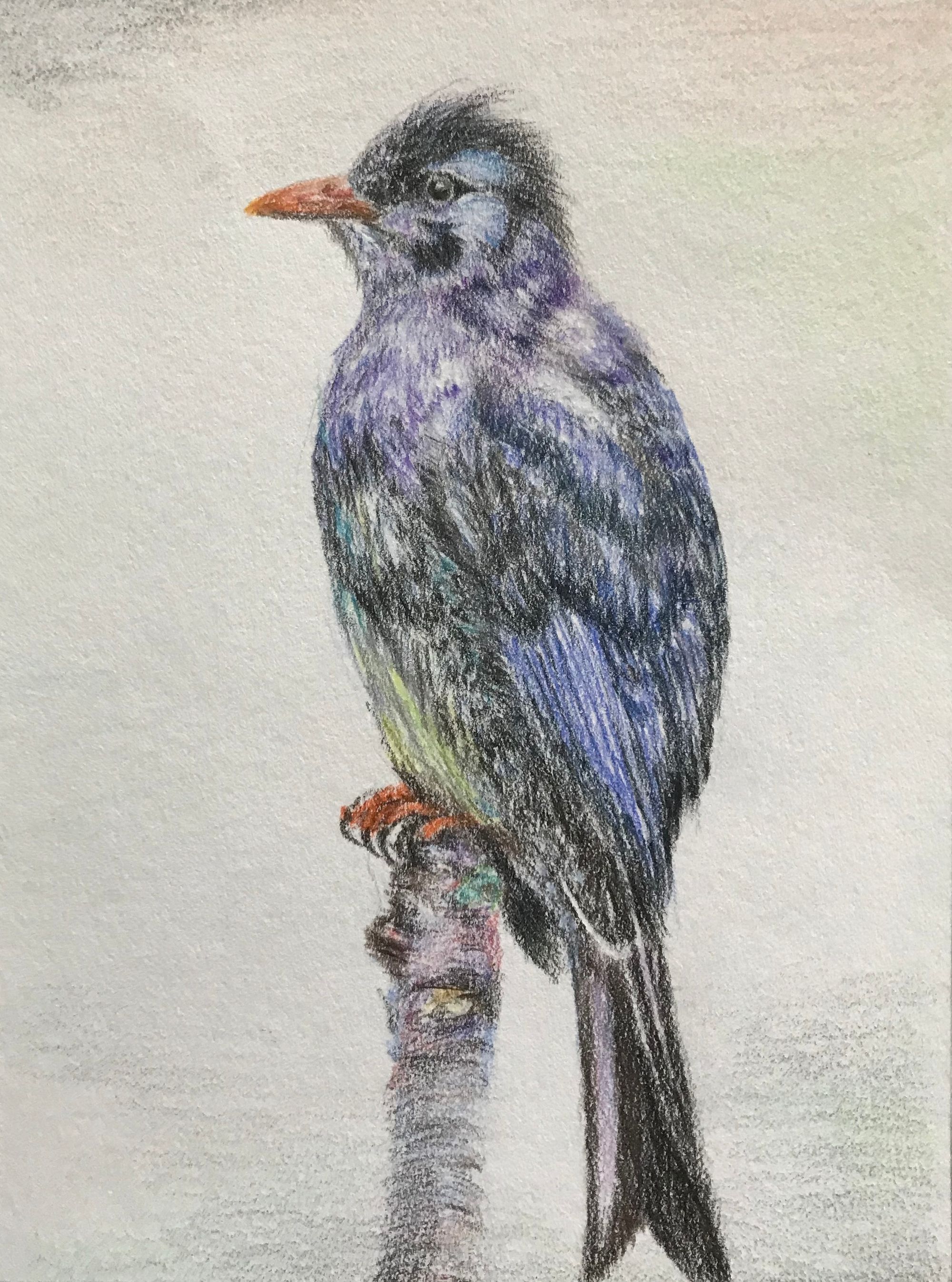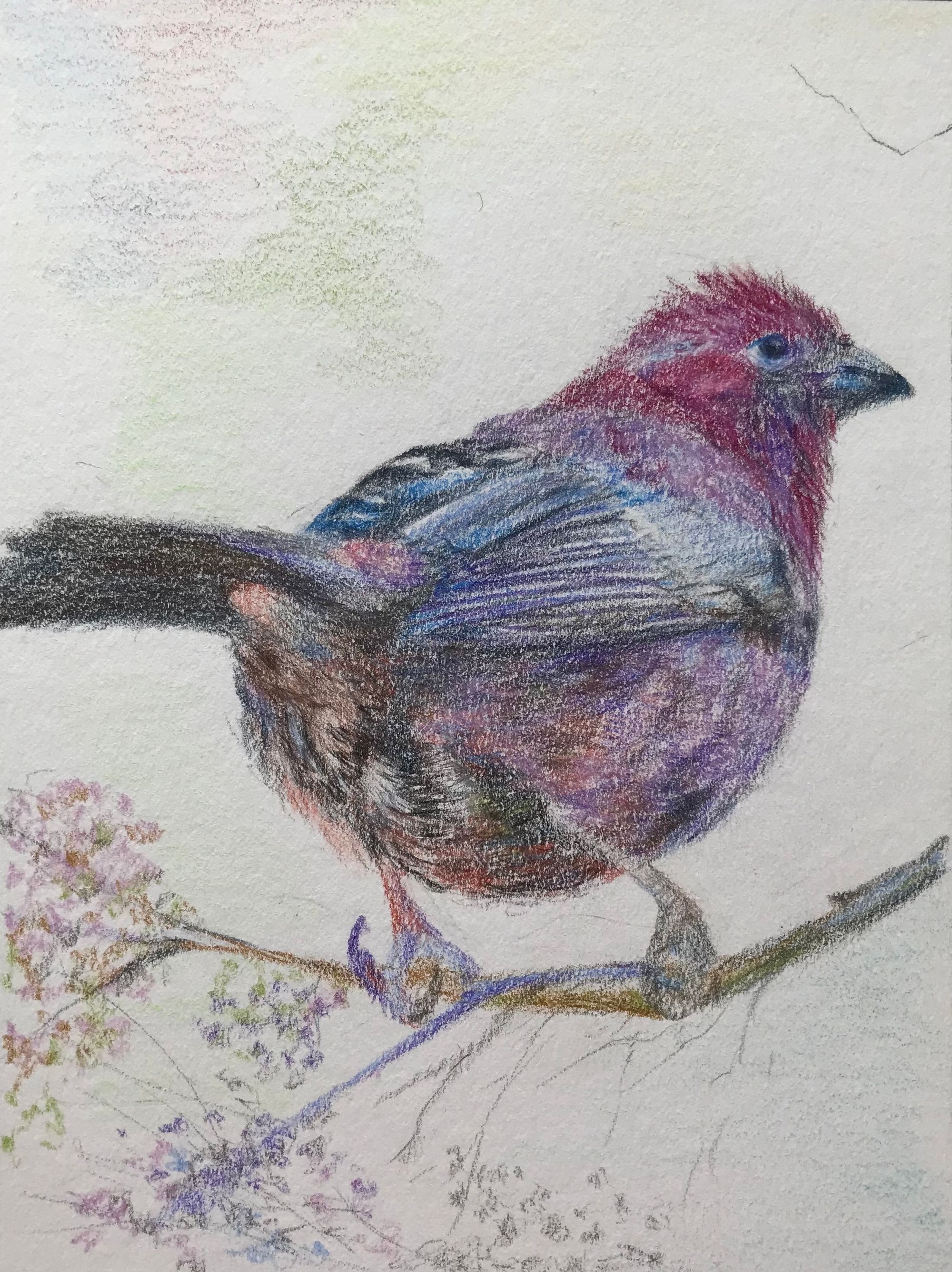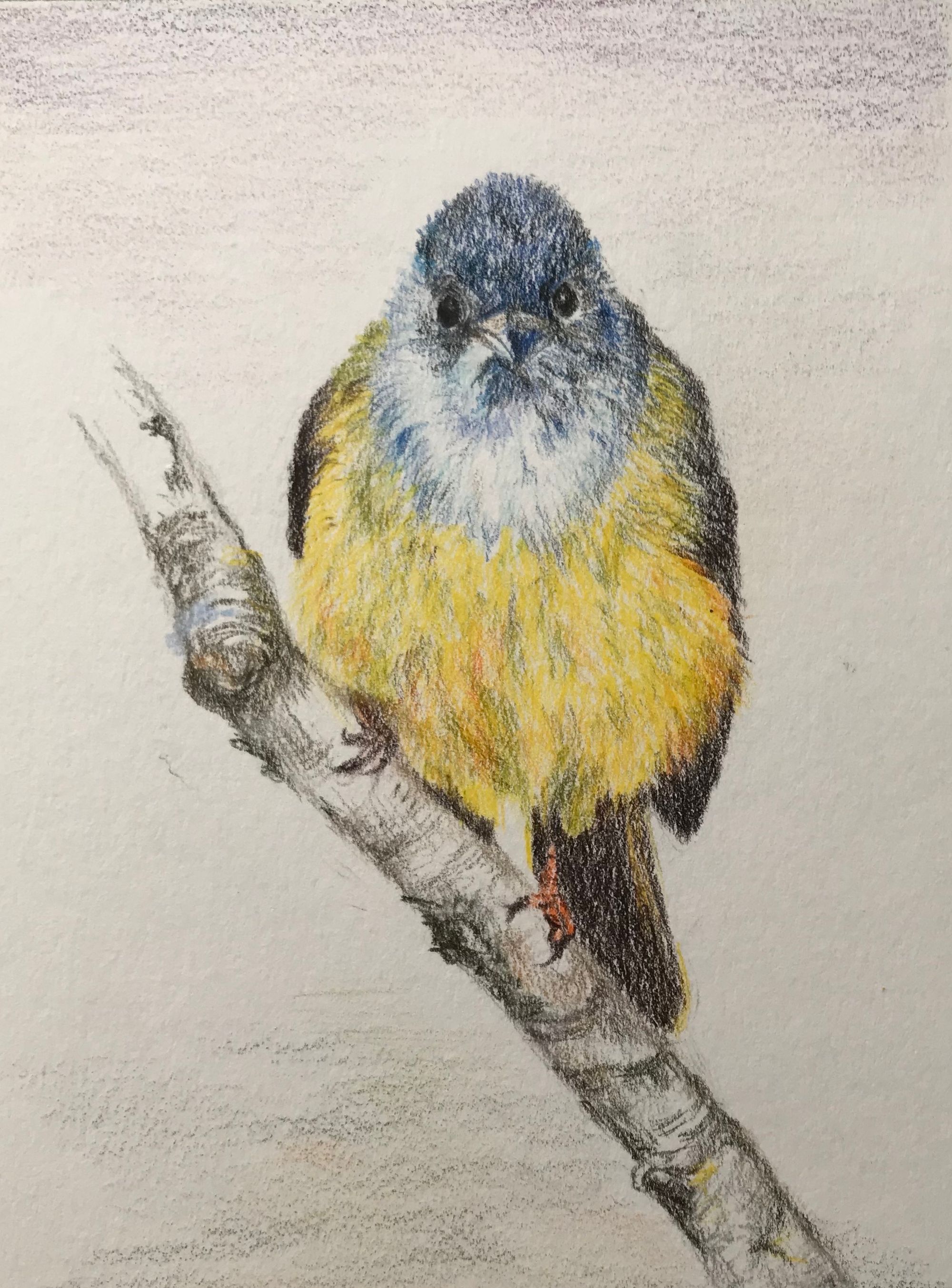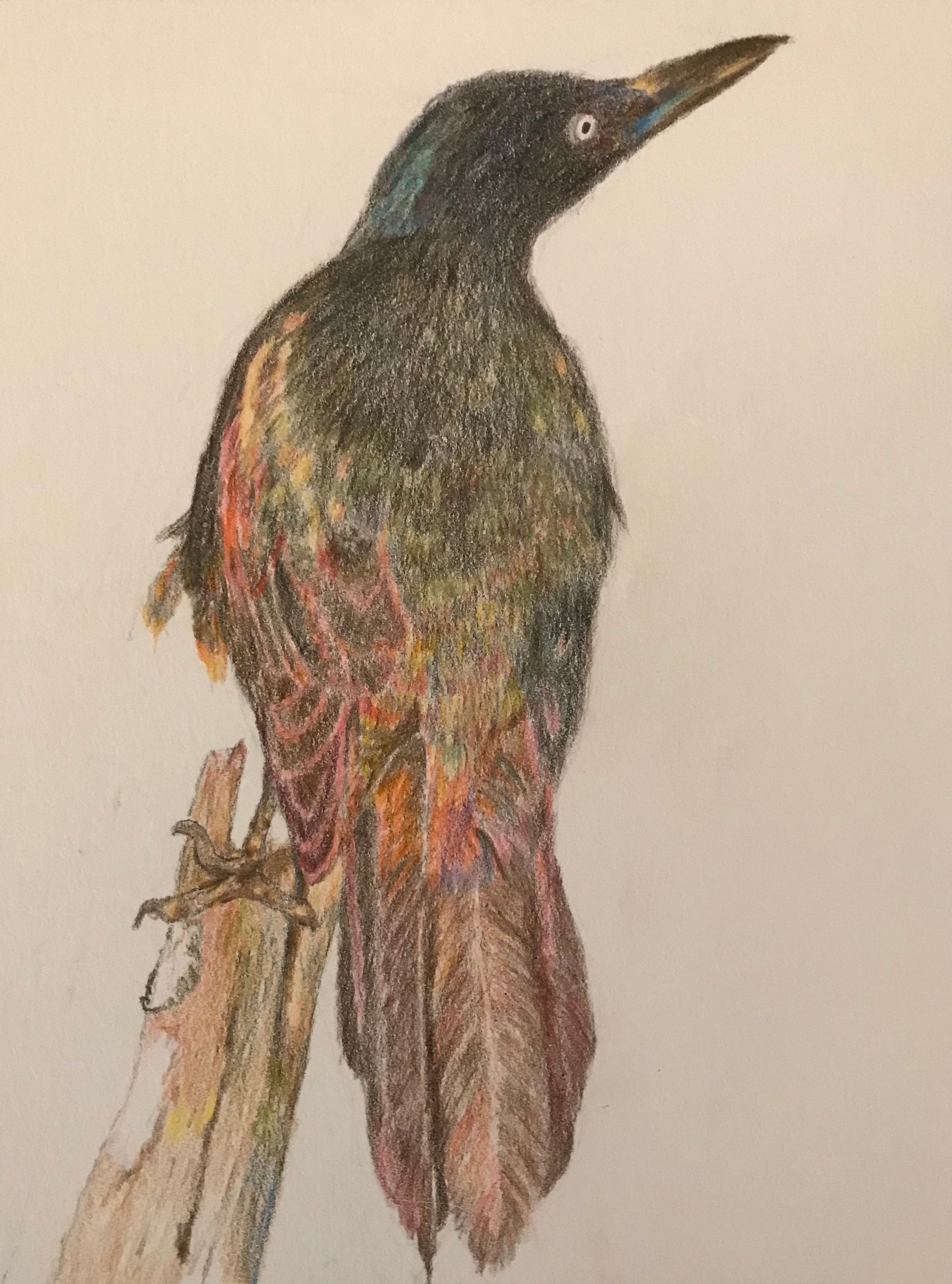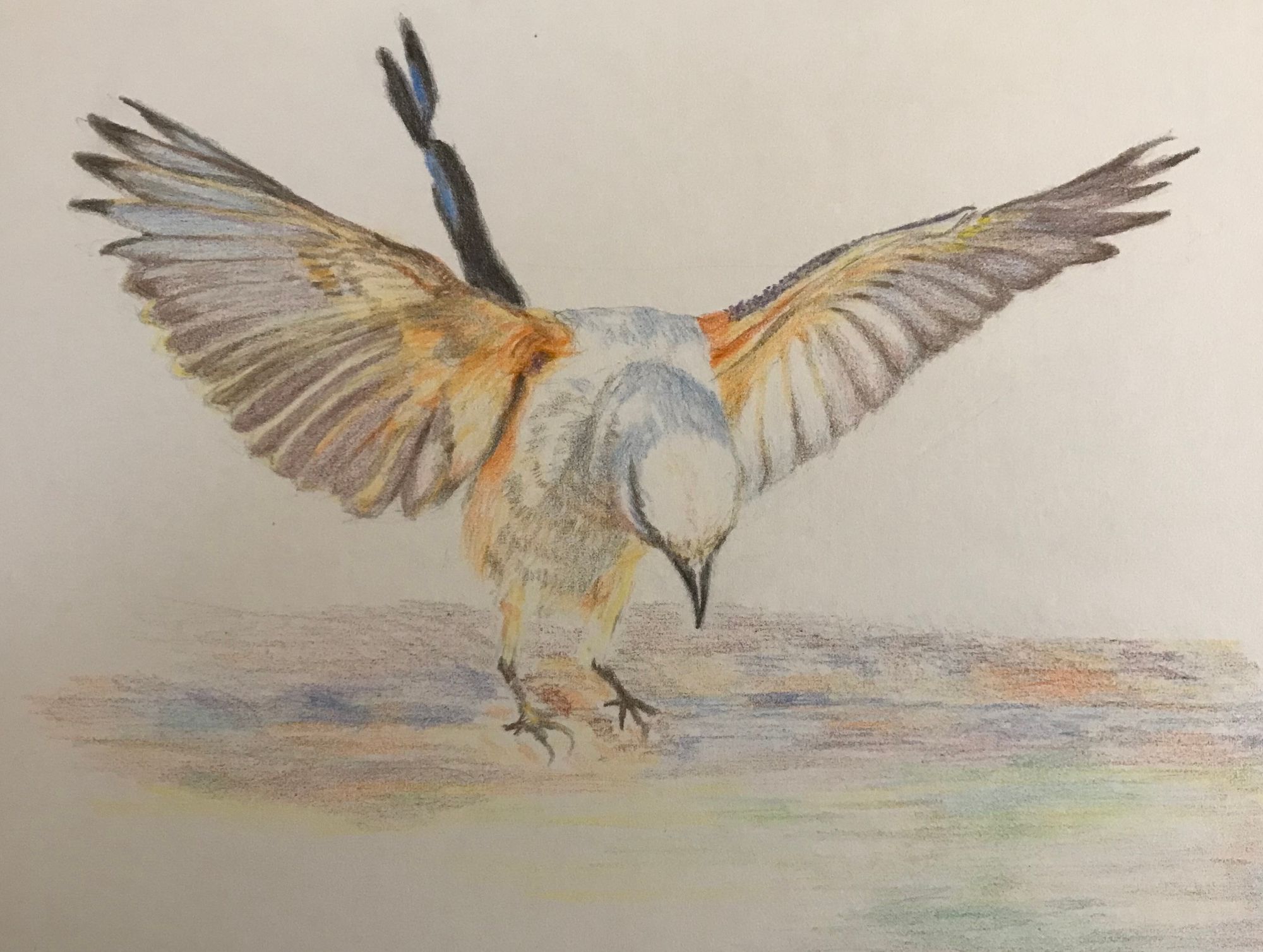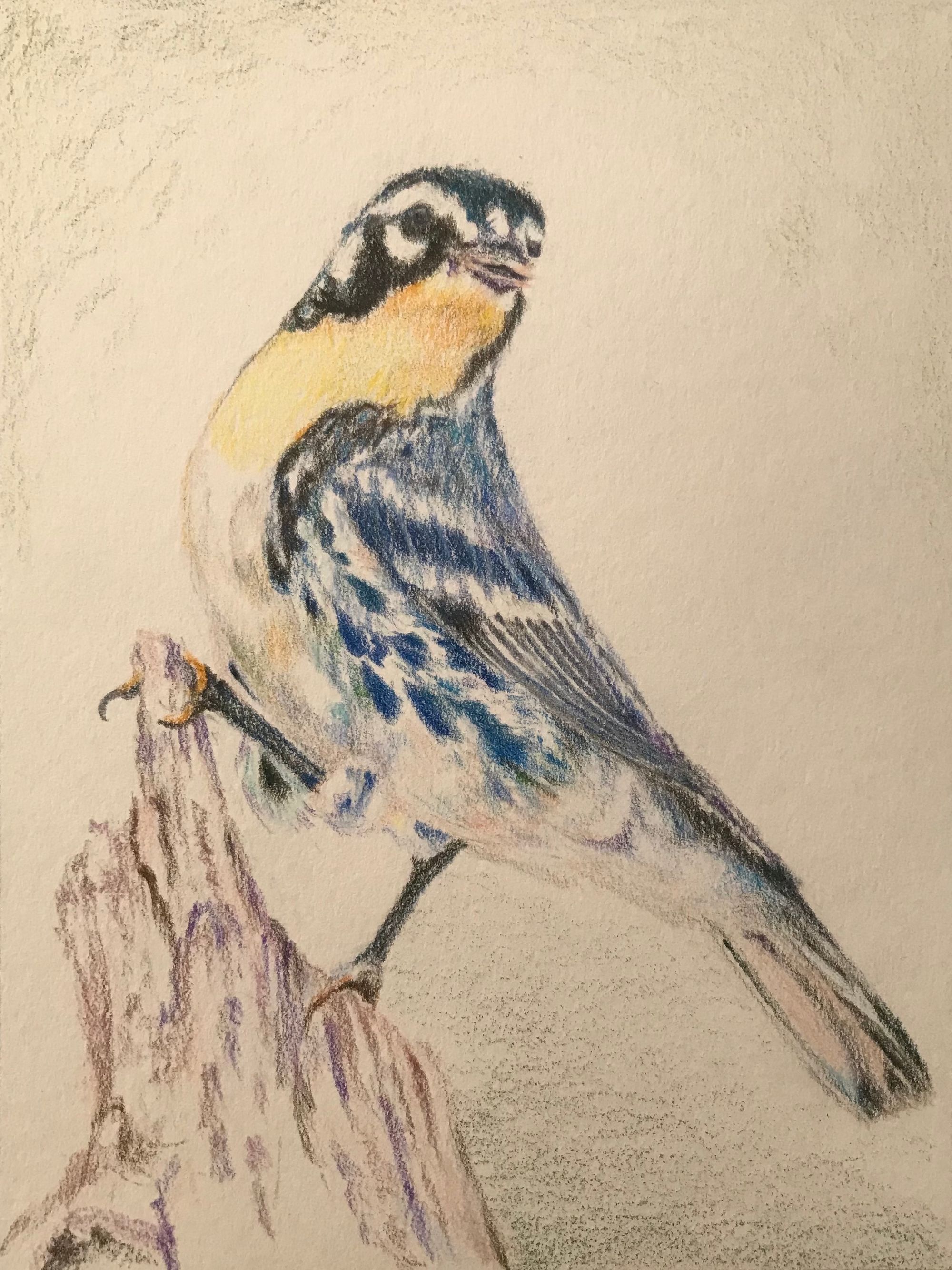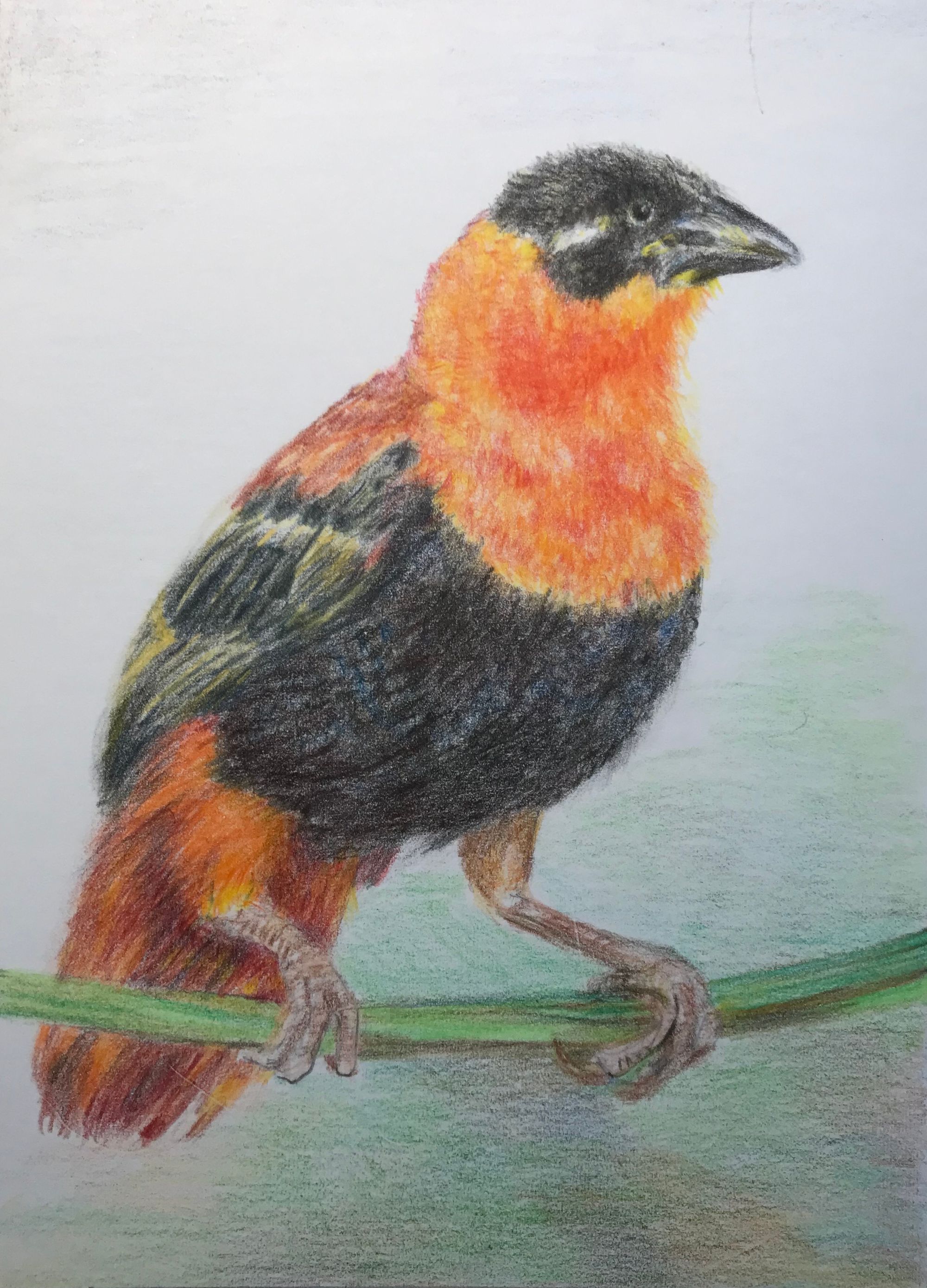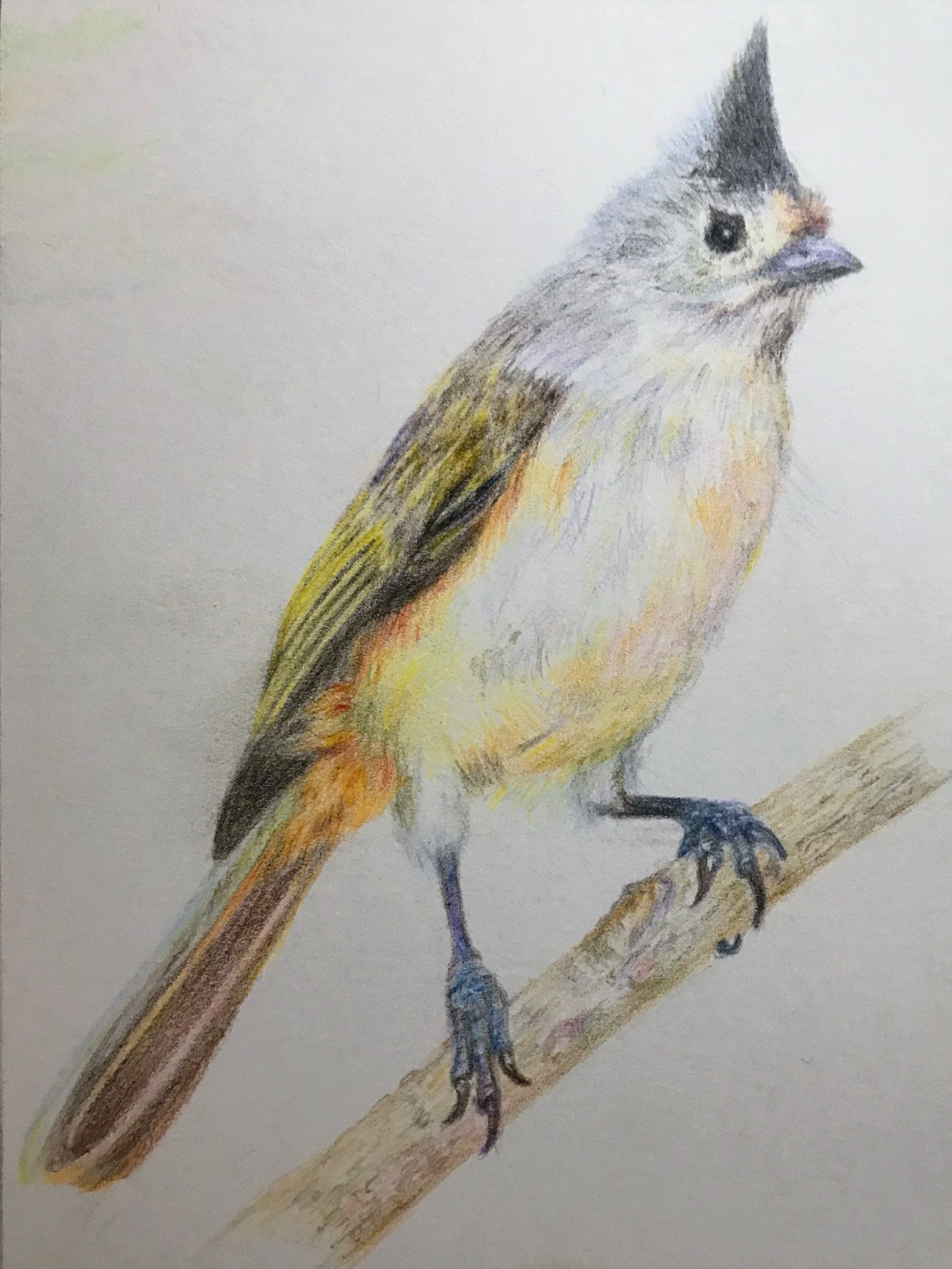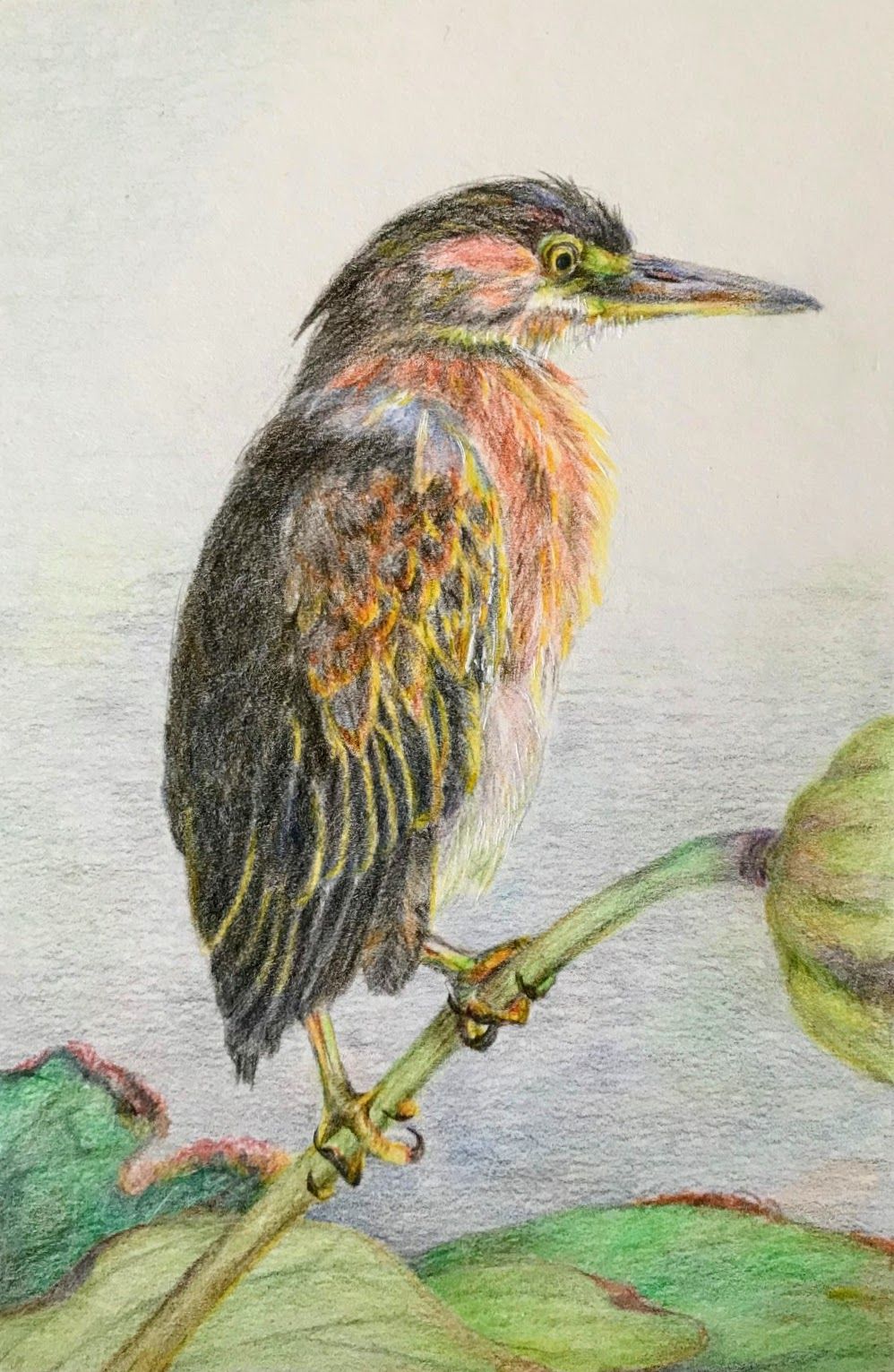

The grey-chinned minivet is a bird species found in forests from the Himalayas to Southeast Asia, known for its distinctive coloration and social behavior. It typically lives in montane forests at elevations of 1000 to 2000 meters and is considered a least-concern species by the IUCN.
Overview of the Grey-chinned Minivet
The grey-chinned minivet is a bird species known scientifically as Pericrocotus solaris. It belongs to the family Campephagidae and is recognized for its distinct coloration and habitat preferences.
Physical Description
Size and Weight
- Length: 17 - 19 cm
- Weight: 11 - 17 g
Sexual Dimorphism
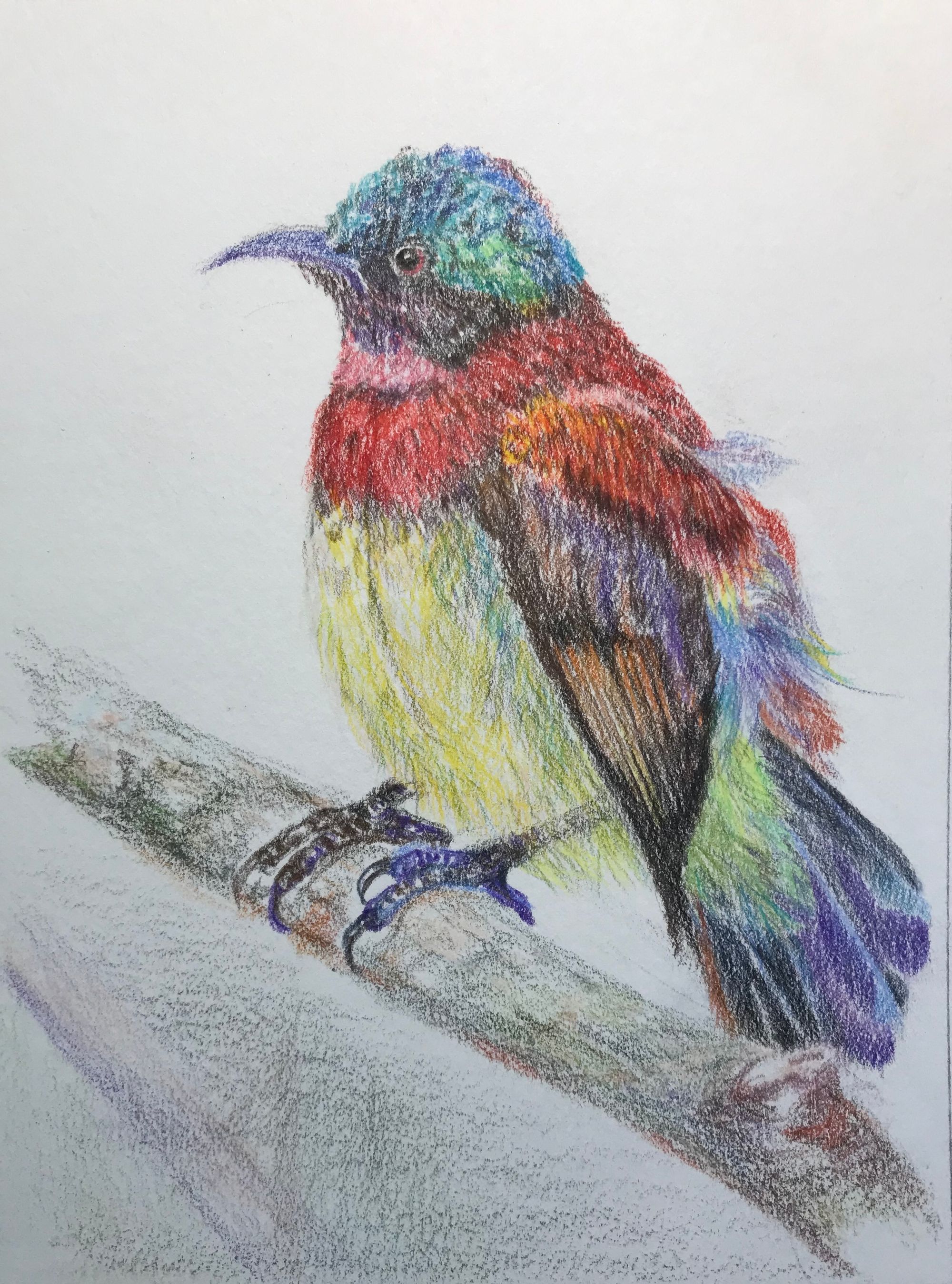
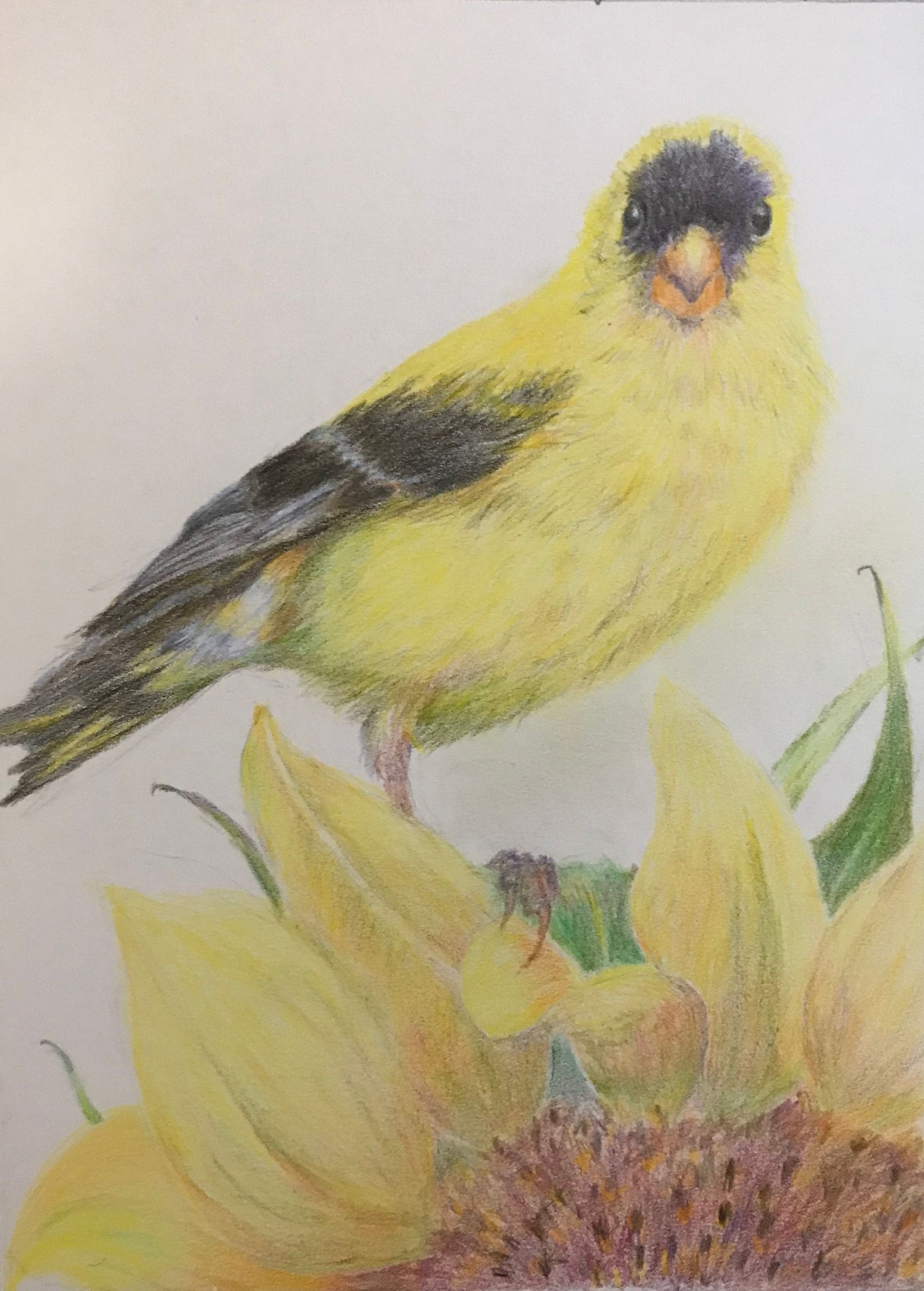
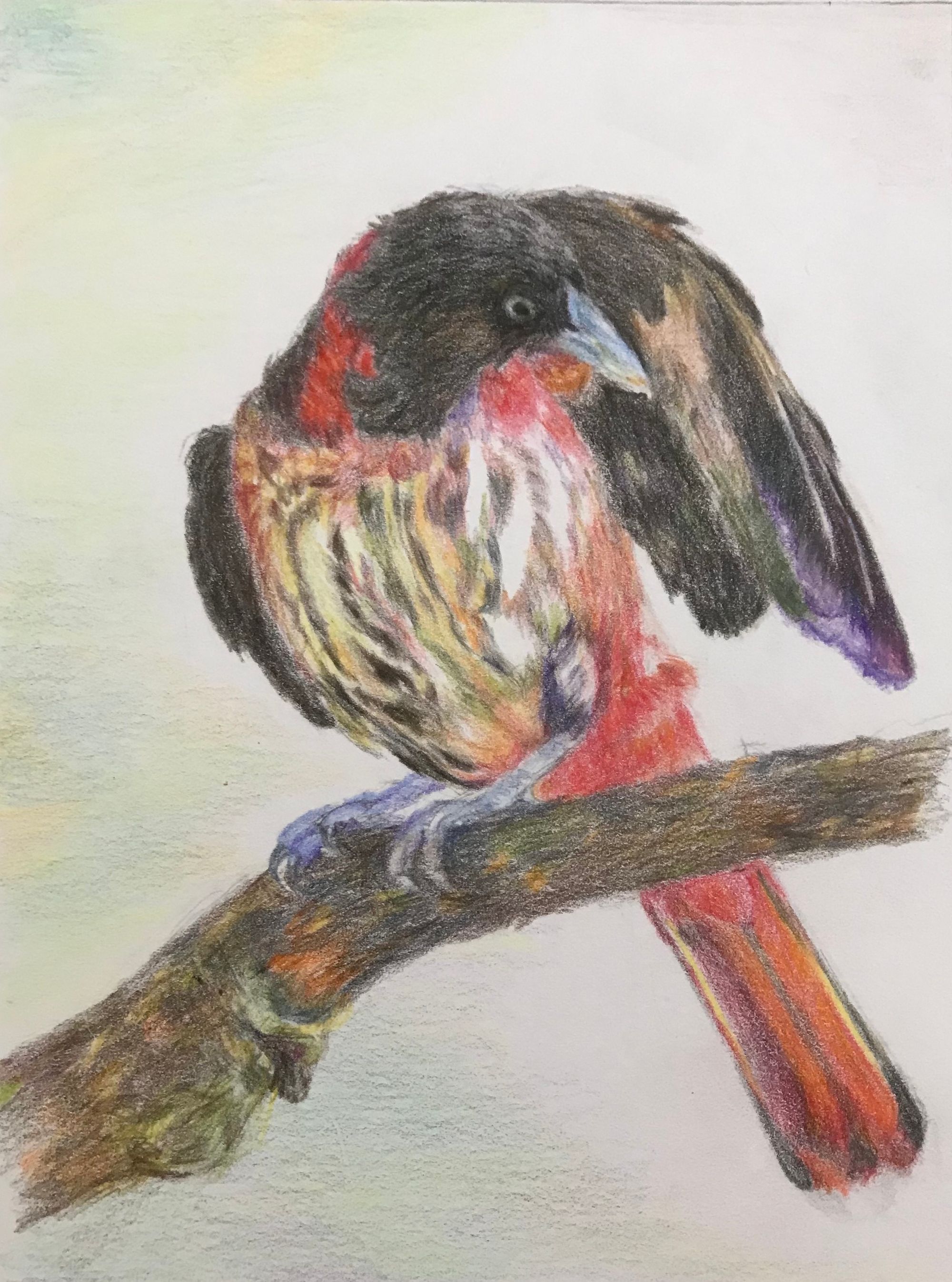
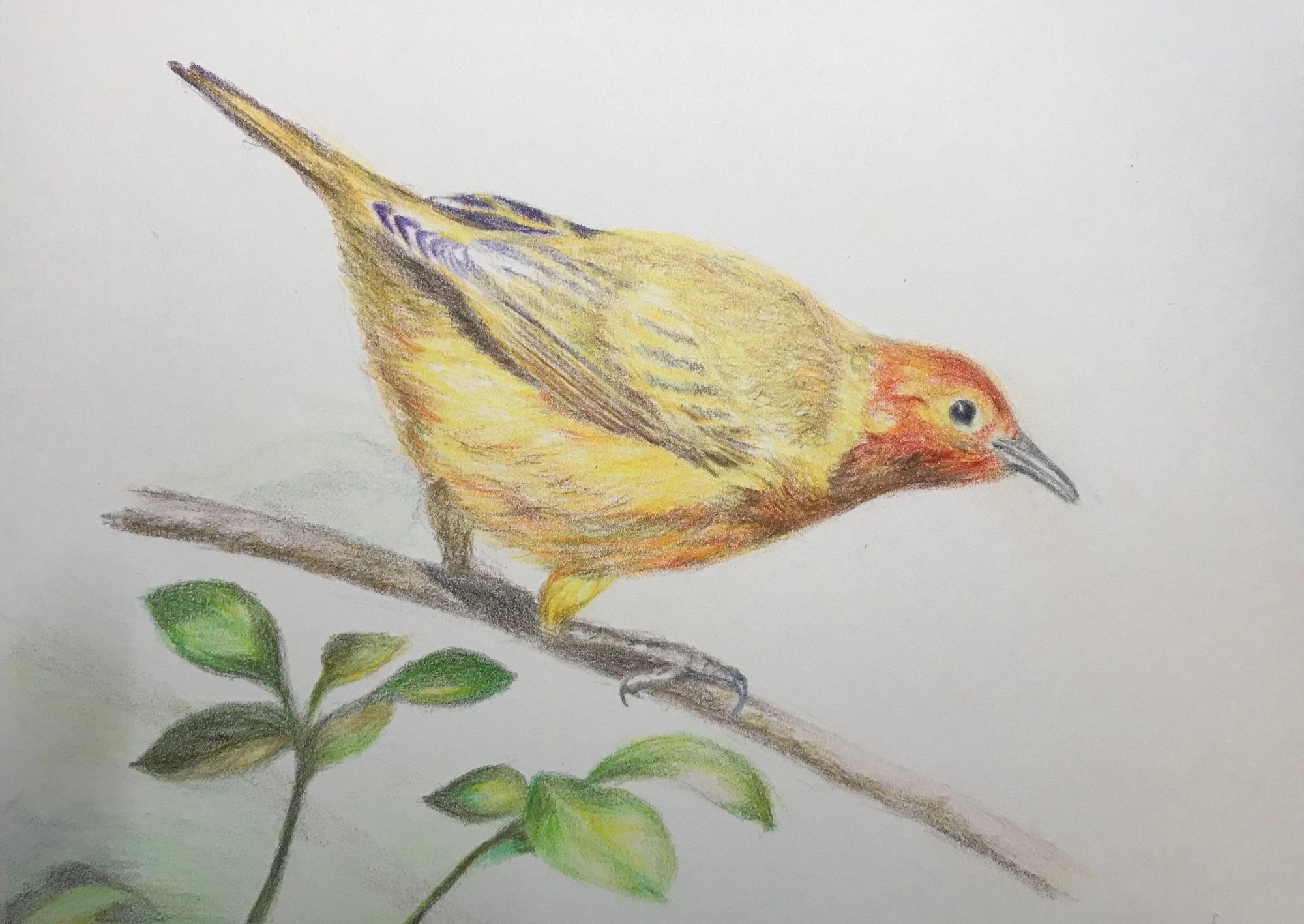
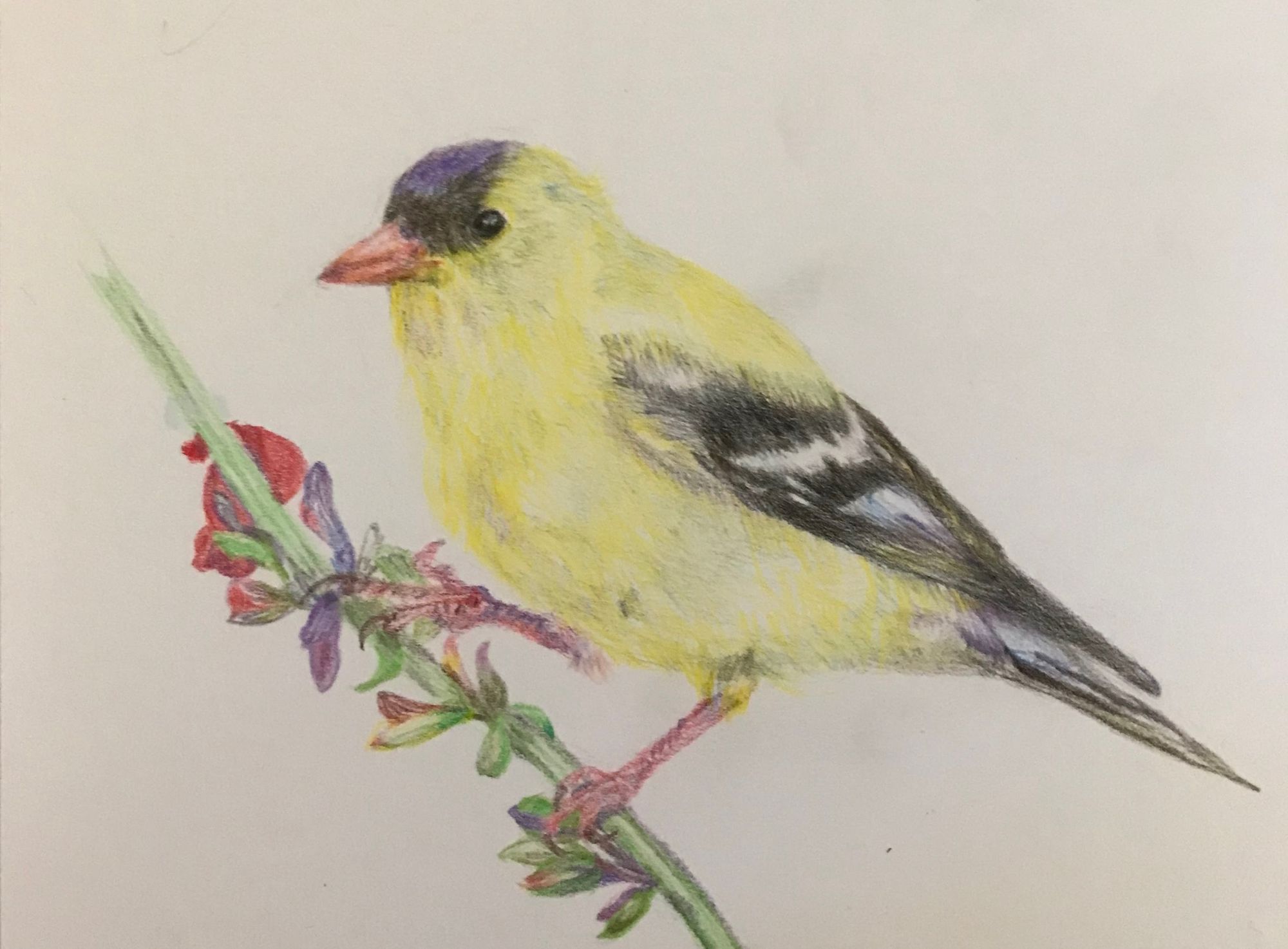
- Male: Dark grey head, pale grey chin, orange-yellow throat, blackish wings, and orange underparts.
- Female: Similar to the male but with bright yellow underparts.
Habitat and Distribution
The grey-chinned minivet is found in various regions:
| Region | Elevation Range |
|---|---|
| Eastern Himalayas | 1000 - 2000 m |
| Southern China | 1000 - 2000 m |
| Southeast Asia | 1000 - 2000 m |
| Taiwan | As low as 150 m |
It inhabits montane forests, including broadleaf and coniferous forests, as well as forest edges and gardens.
Behavior and Breeding
- Social Structure: Forms small groups or large flocks, sometimes joining mixed-species foraging flocks.
- Feeding: Forages for invertebrates in the canopy and gives a twittering call while feeding.
- Breeding Season: Typically from February to April, with nesting behavior observed in January.
- Nest Construction: Both sexes build a steep cup nest using bryophytes and lichens for camouflage.
The grey-chinned minivet is classified as a least-concern species by the IUCN, indicating a stable population.