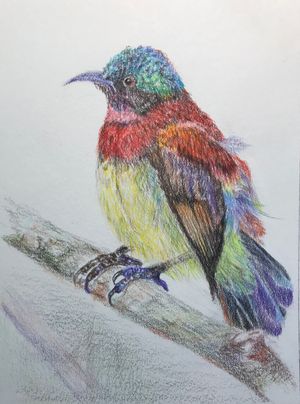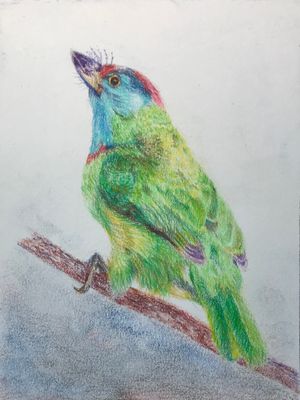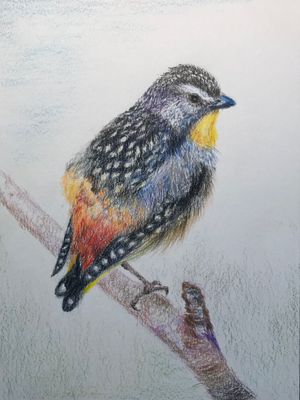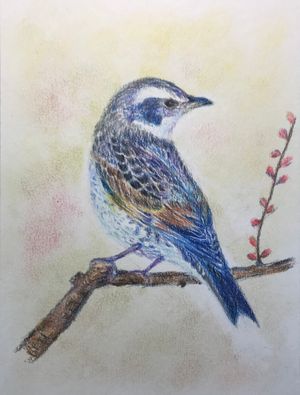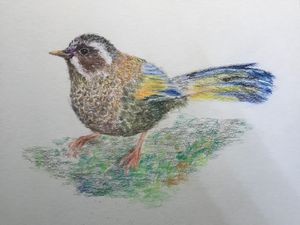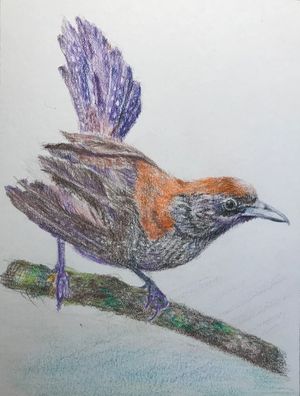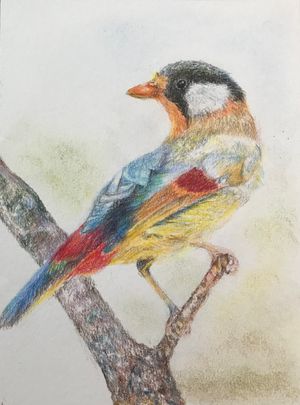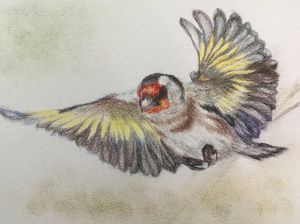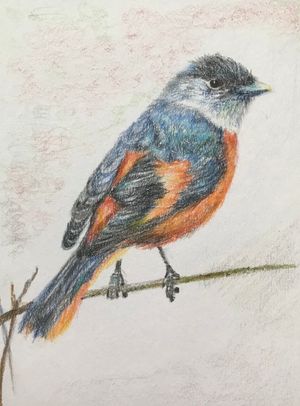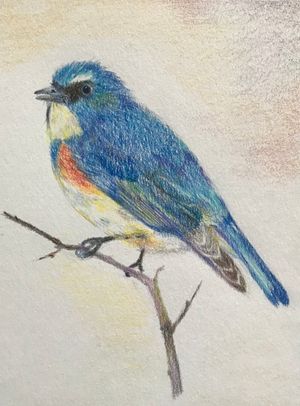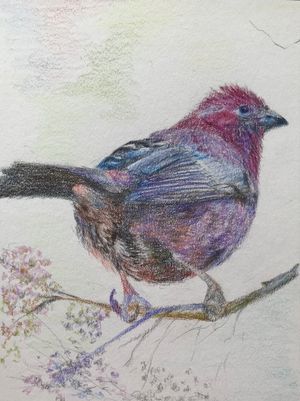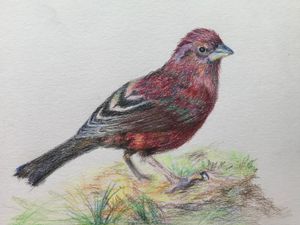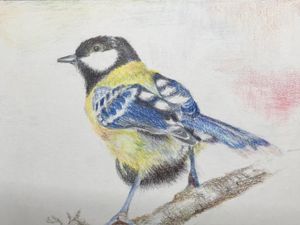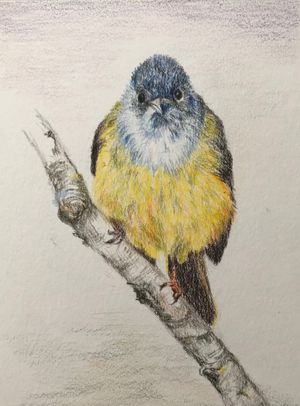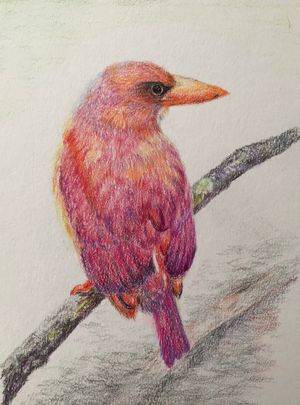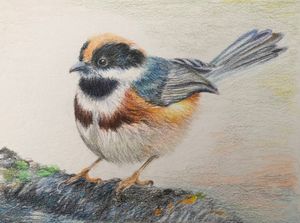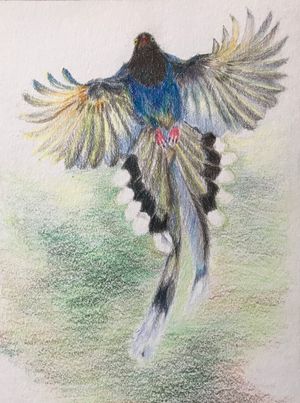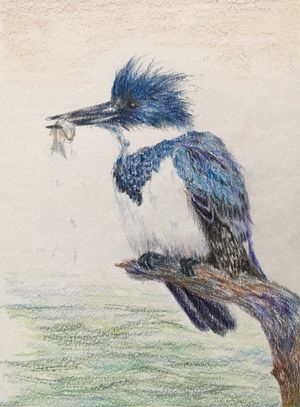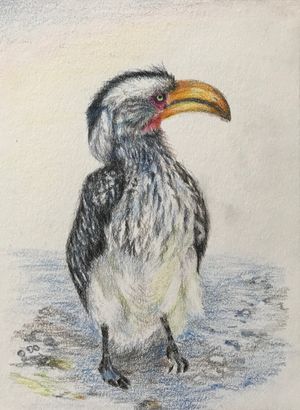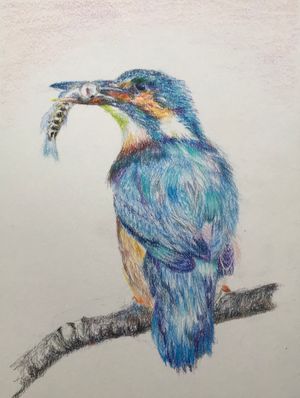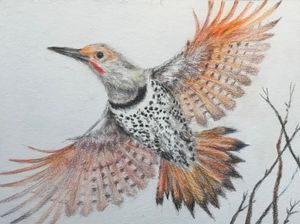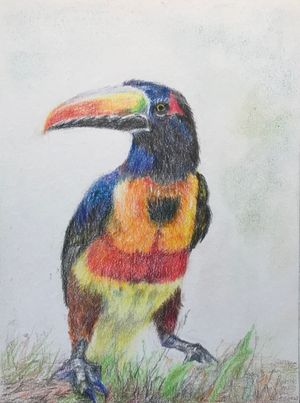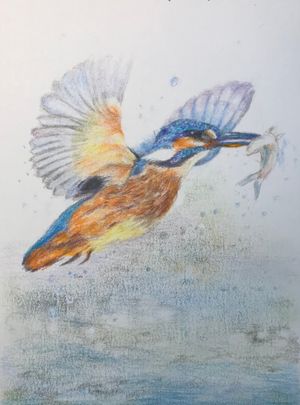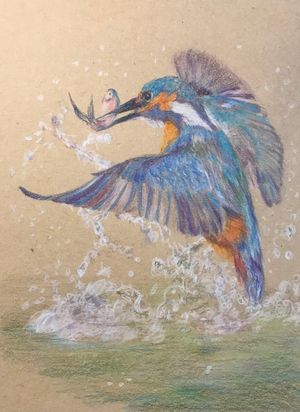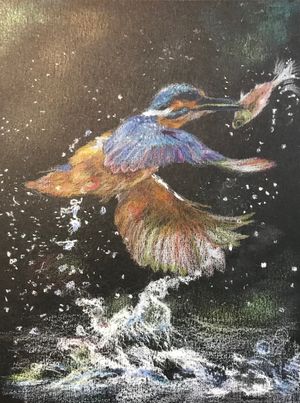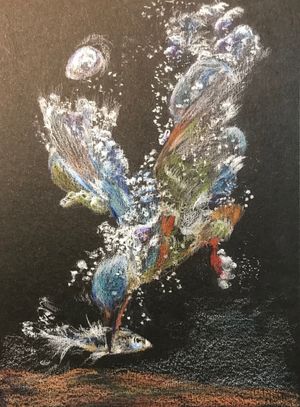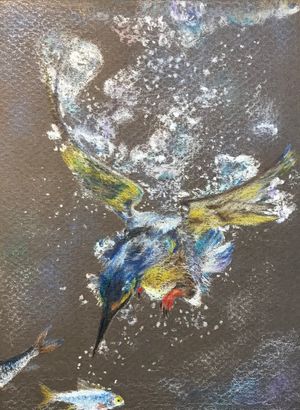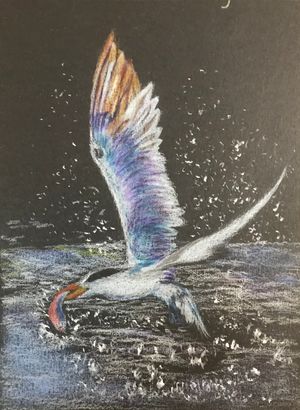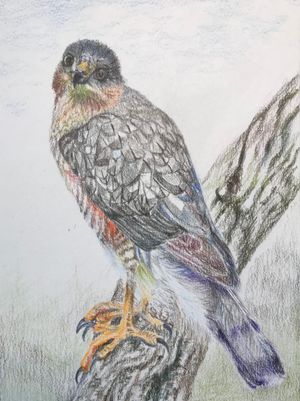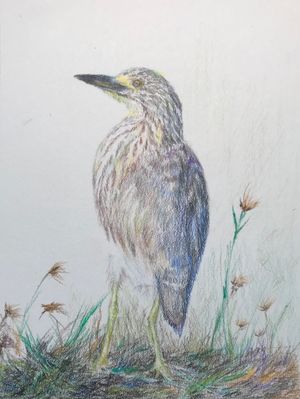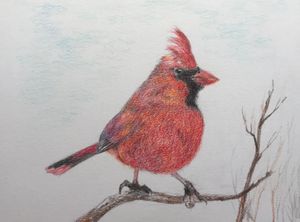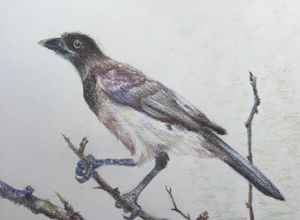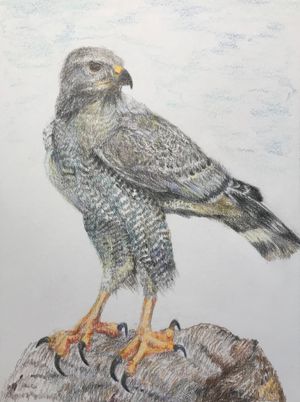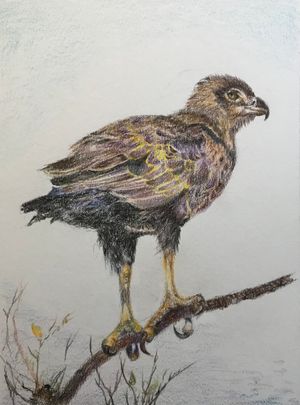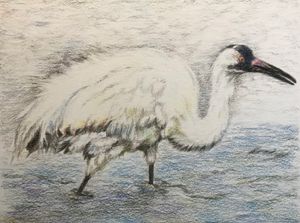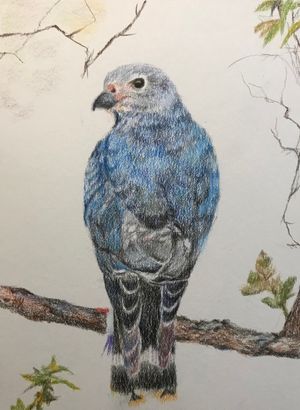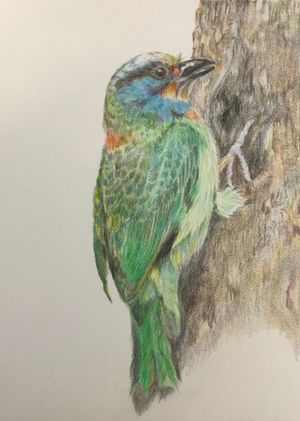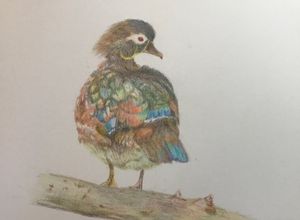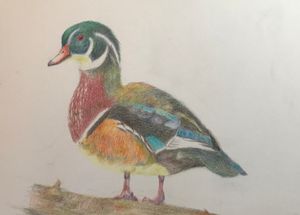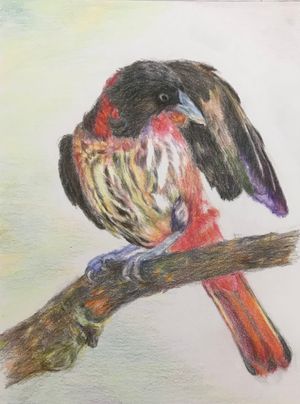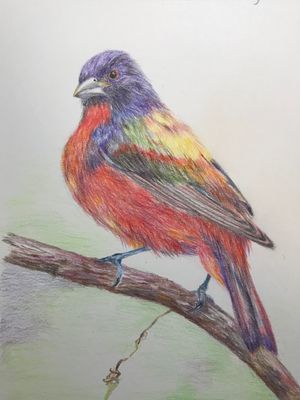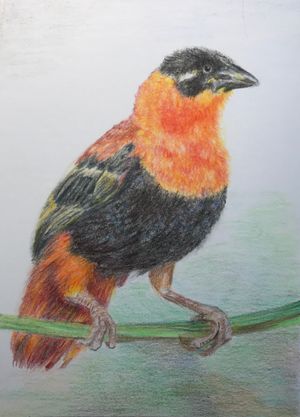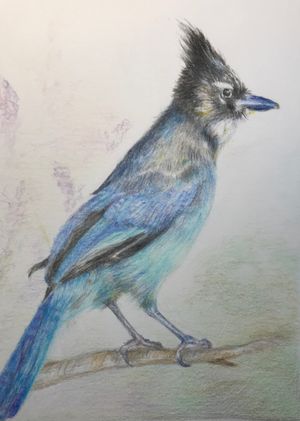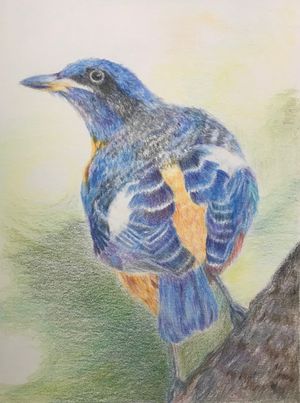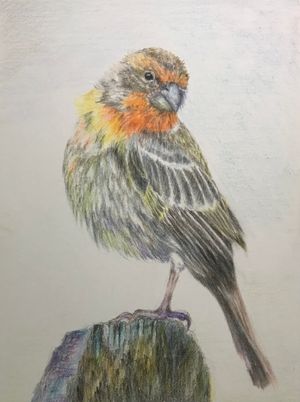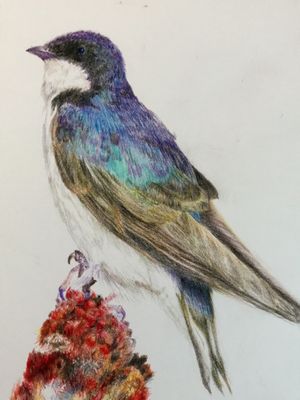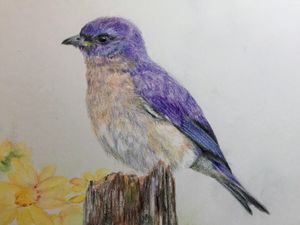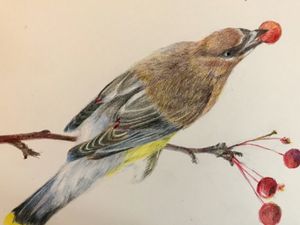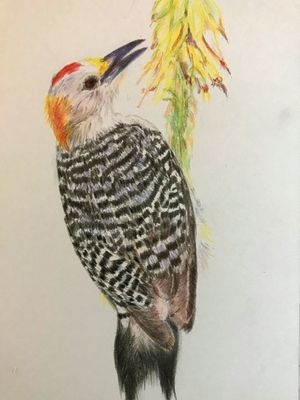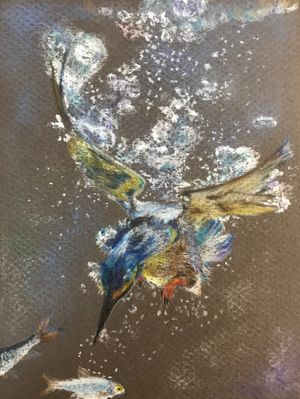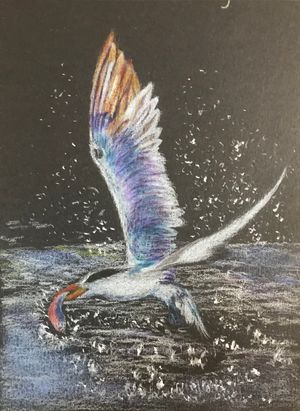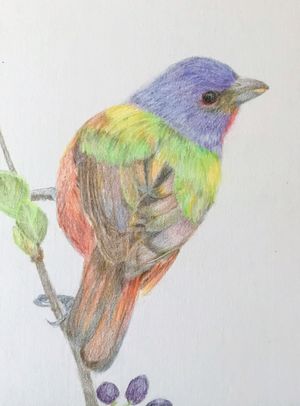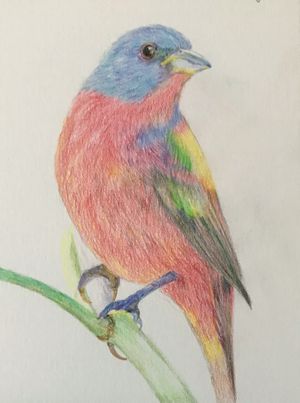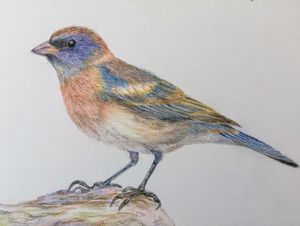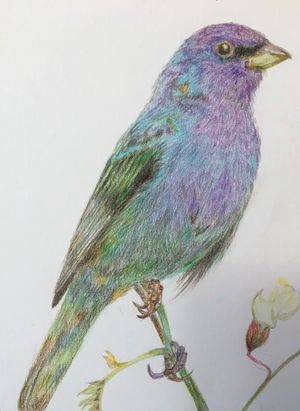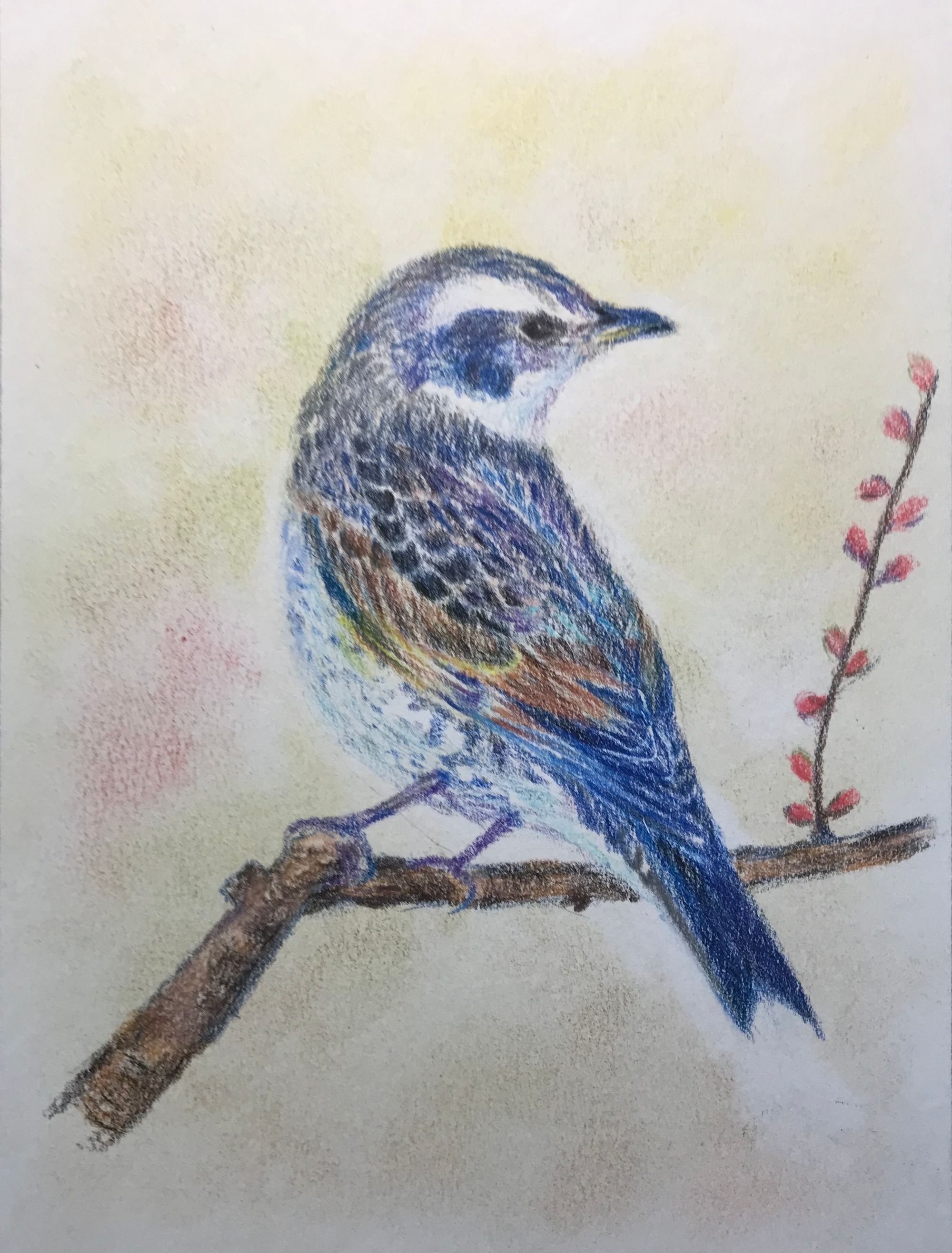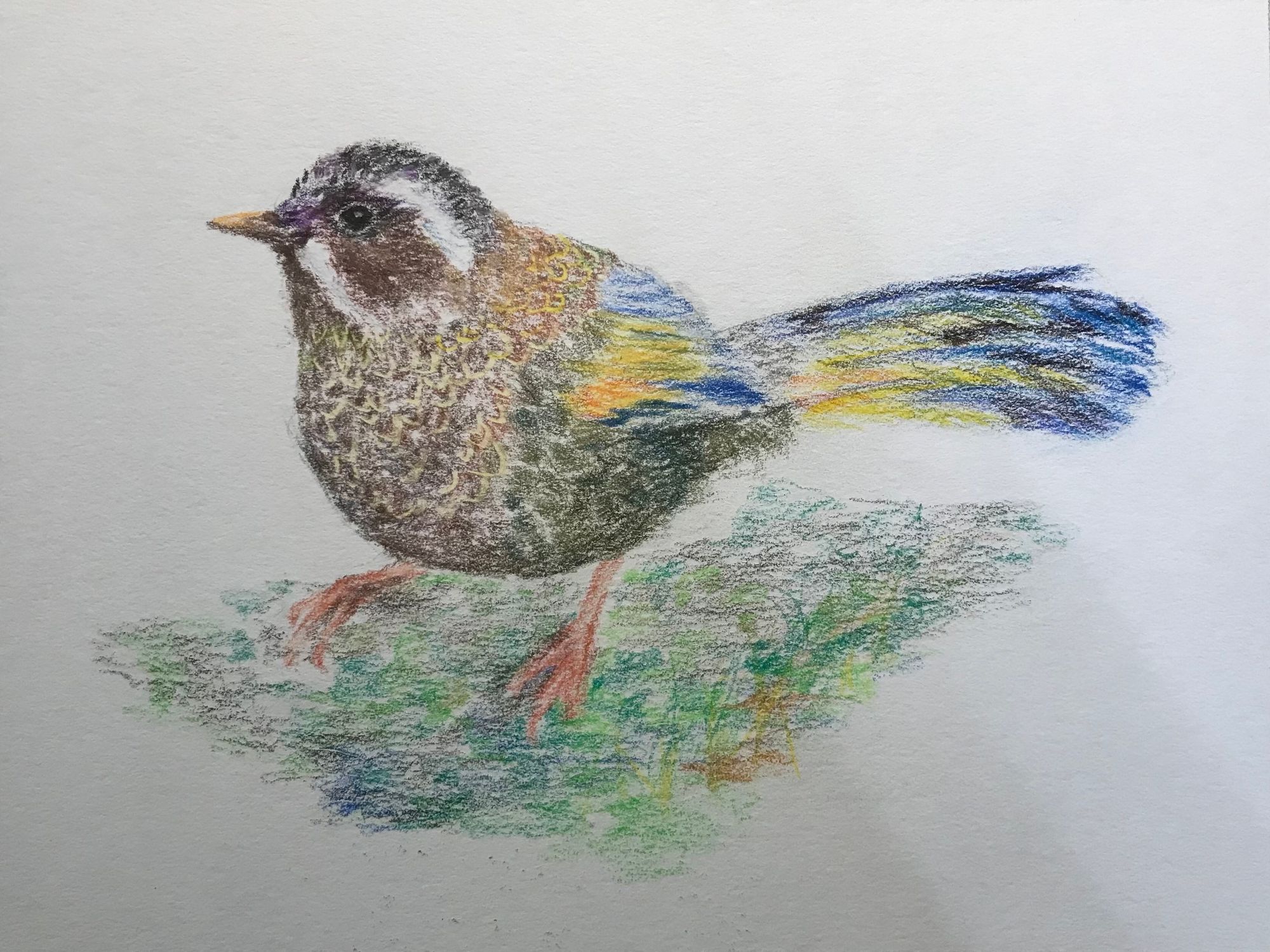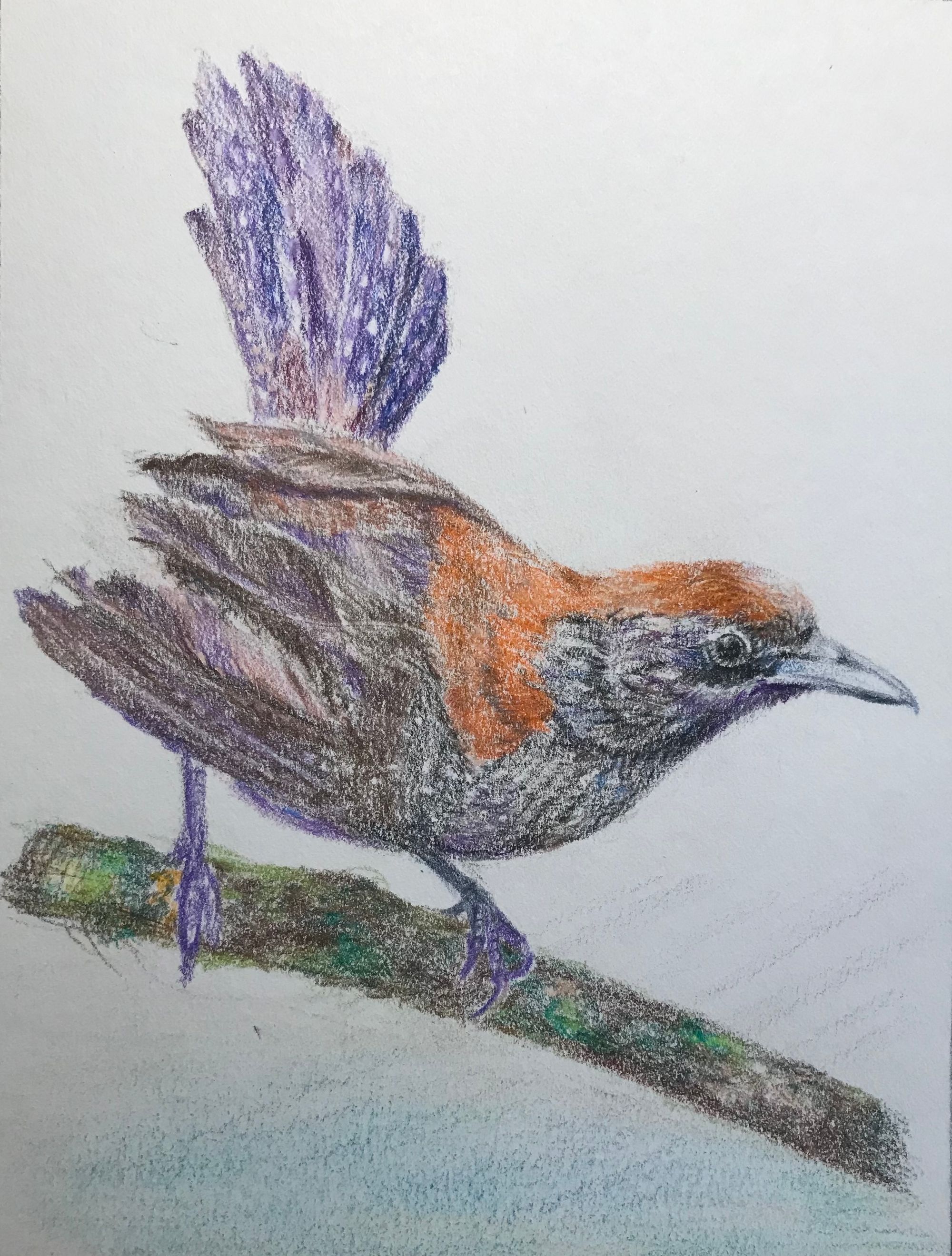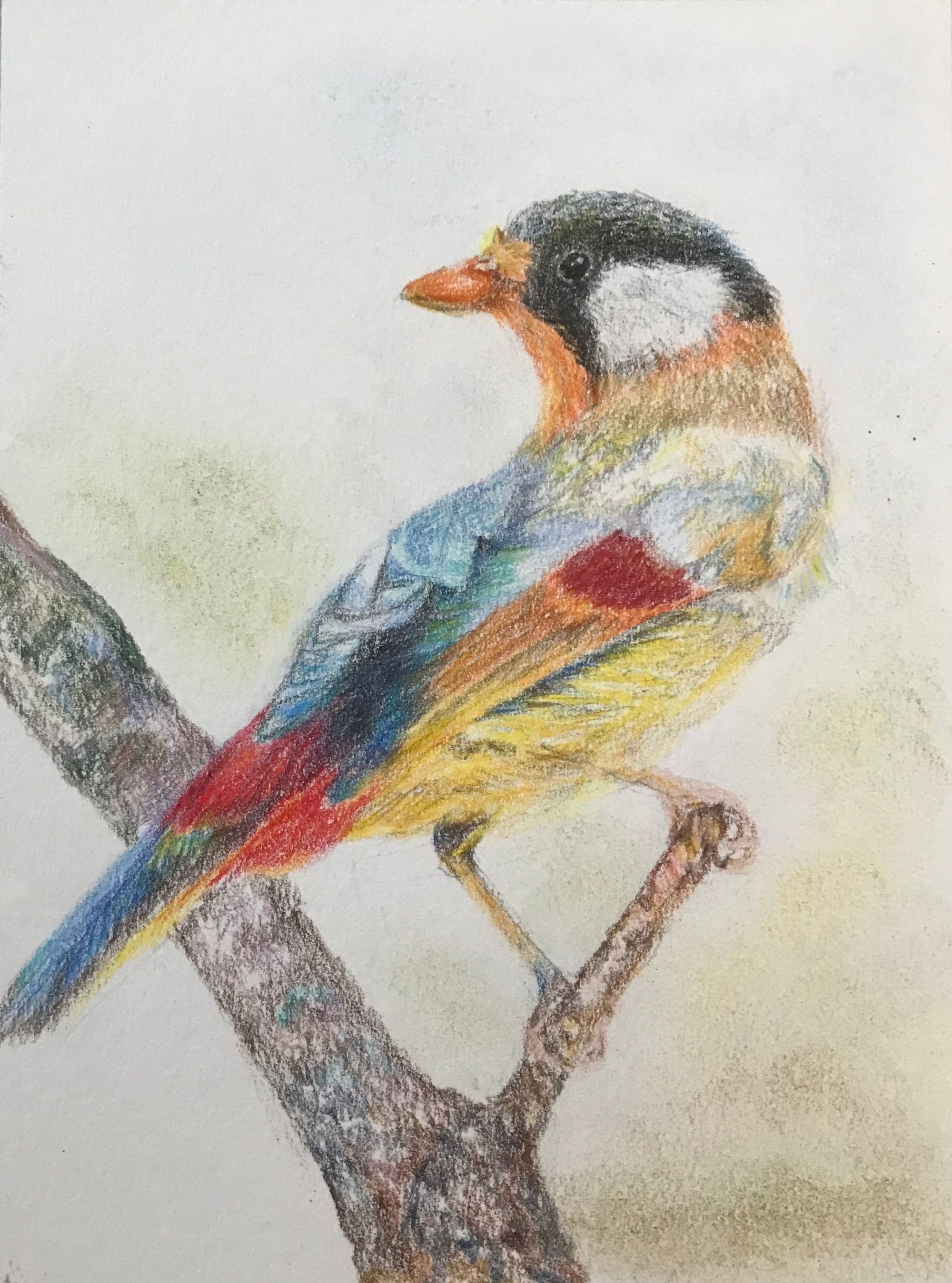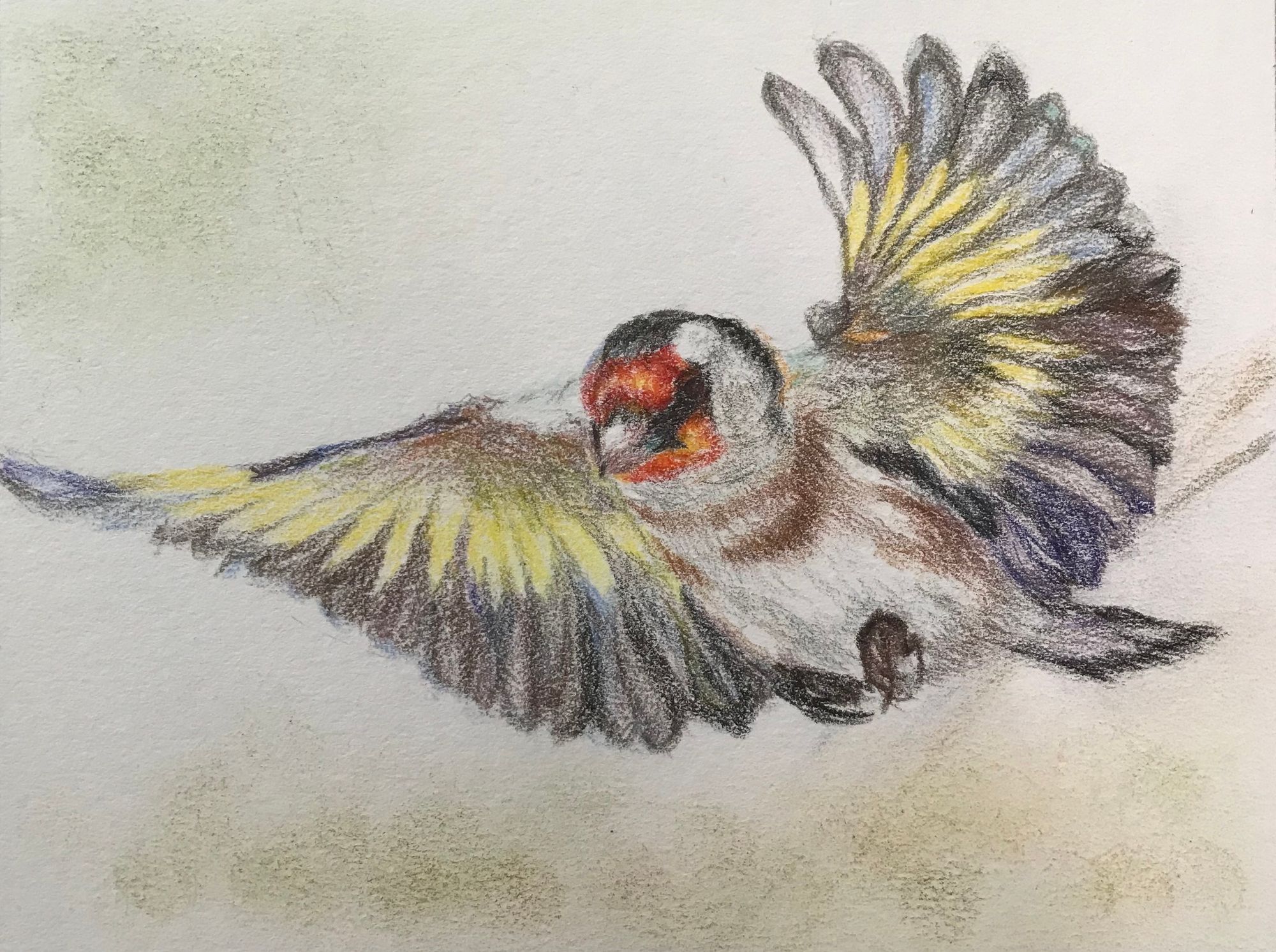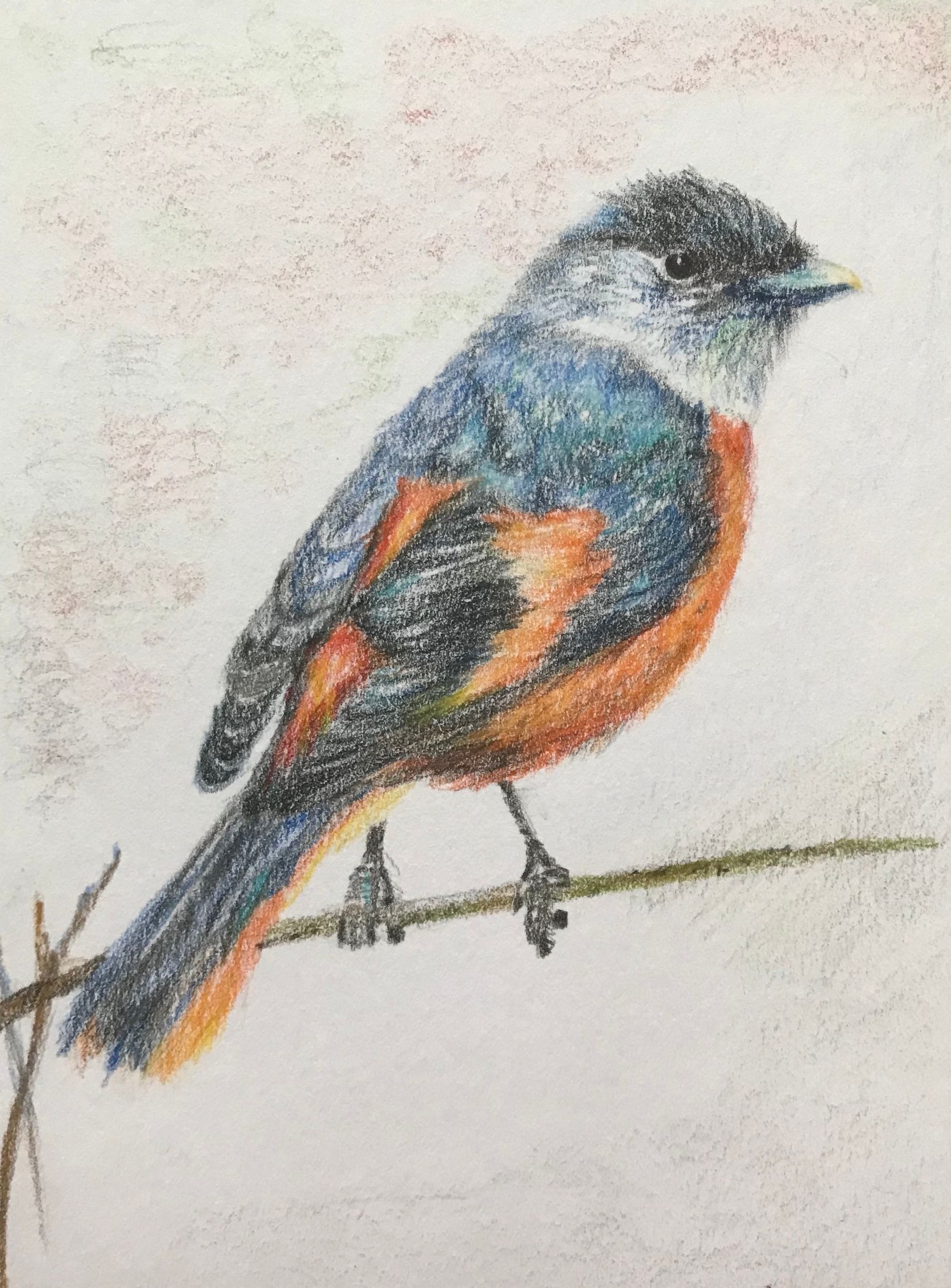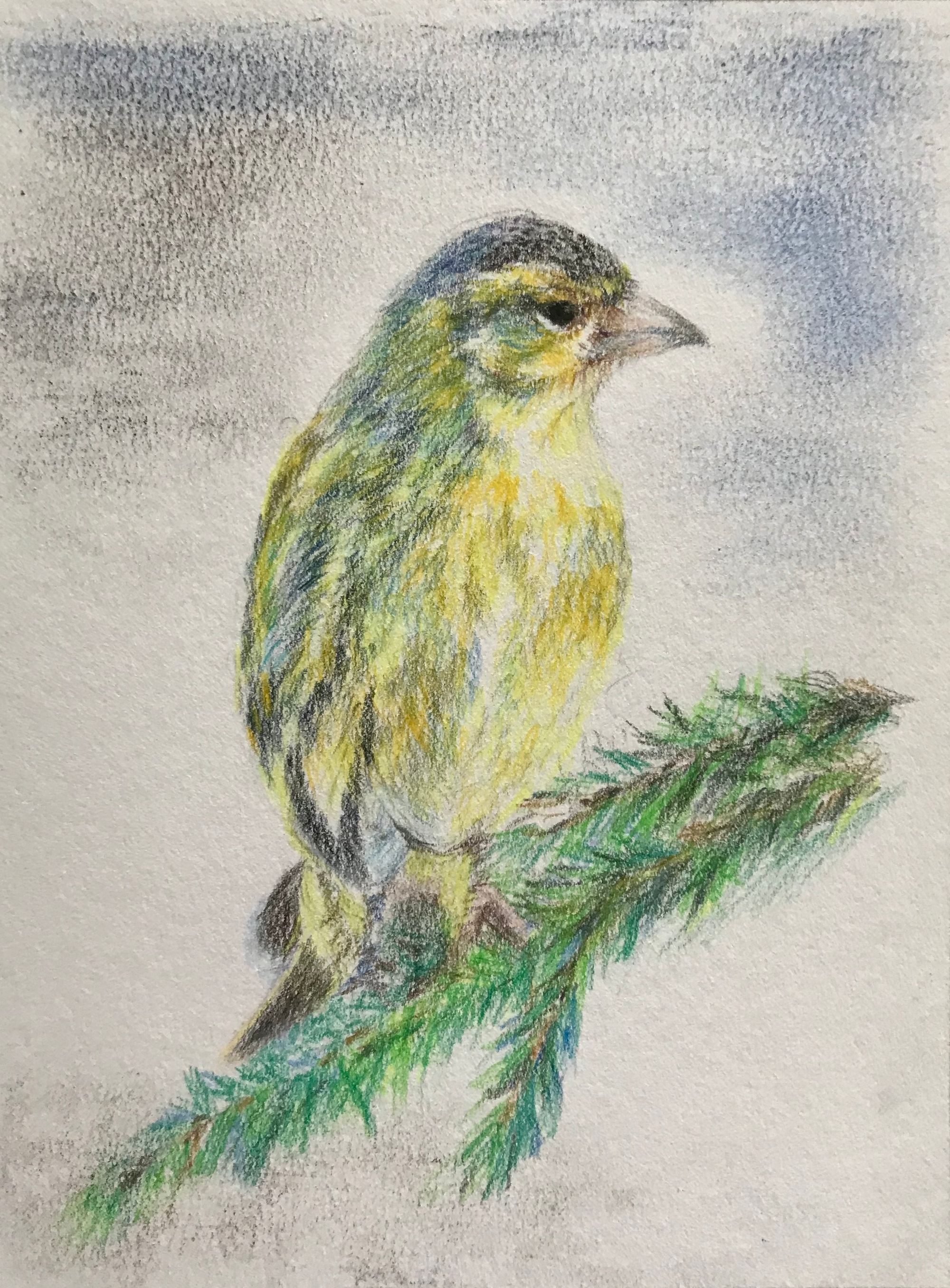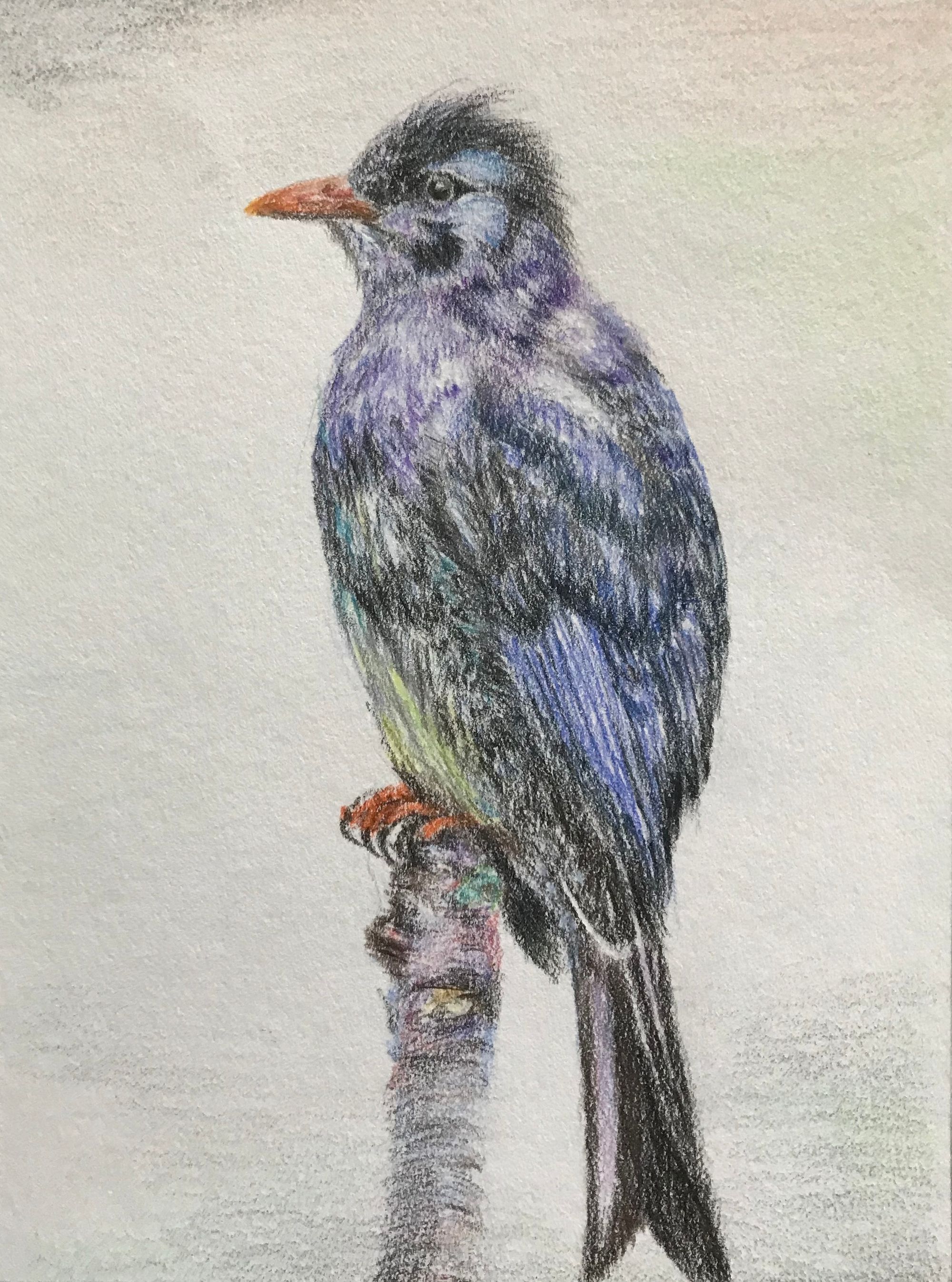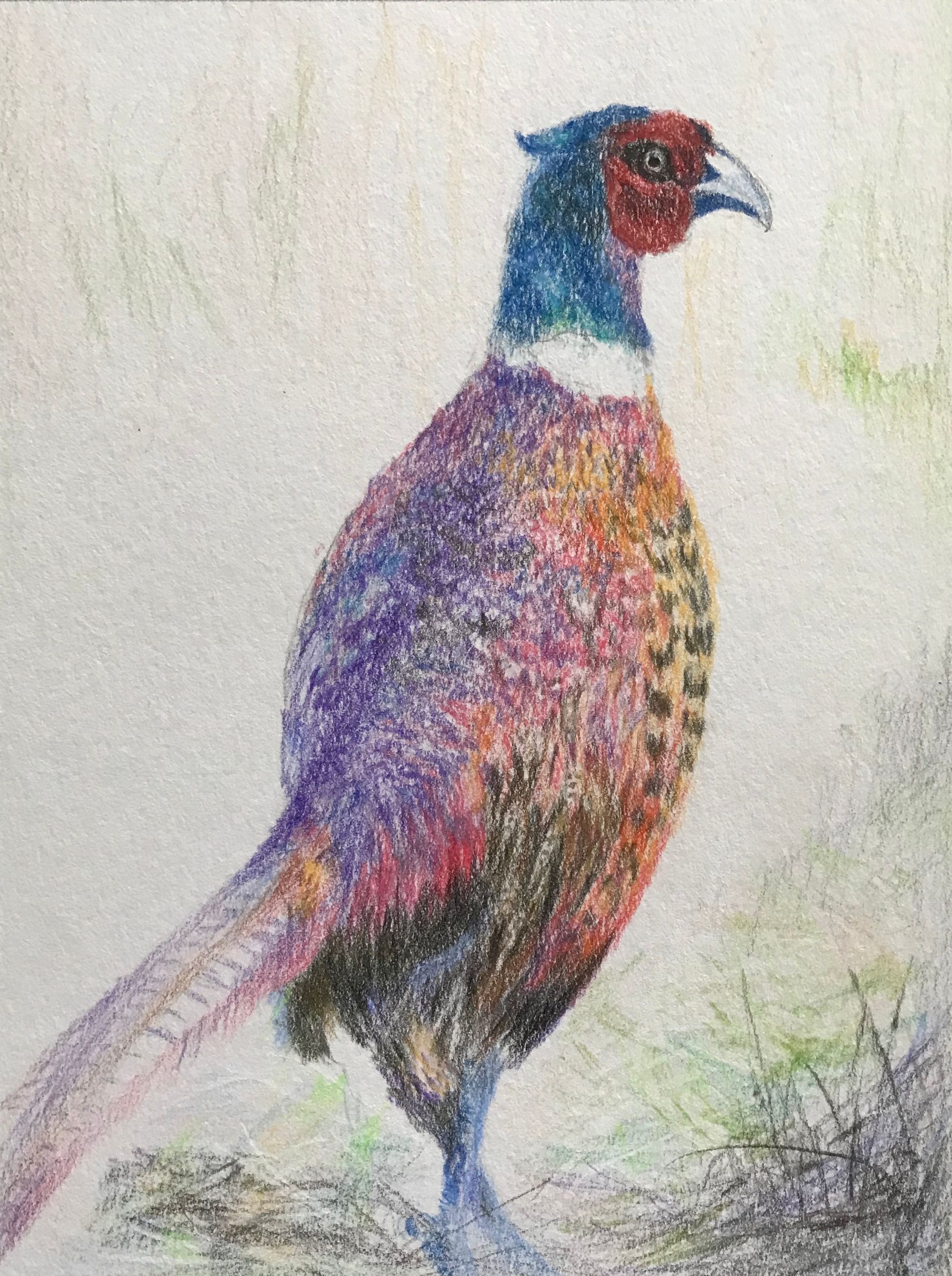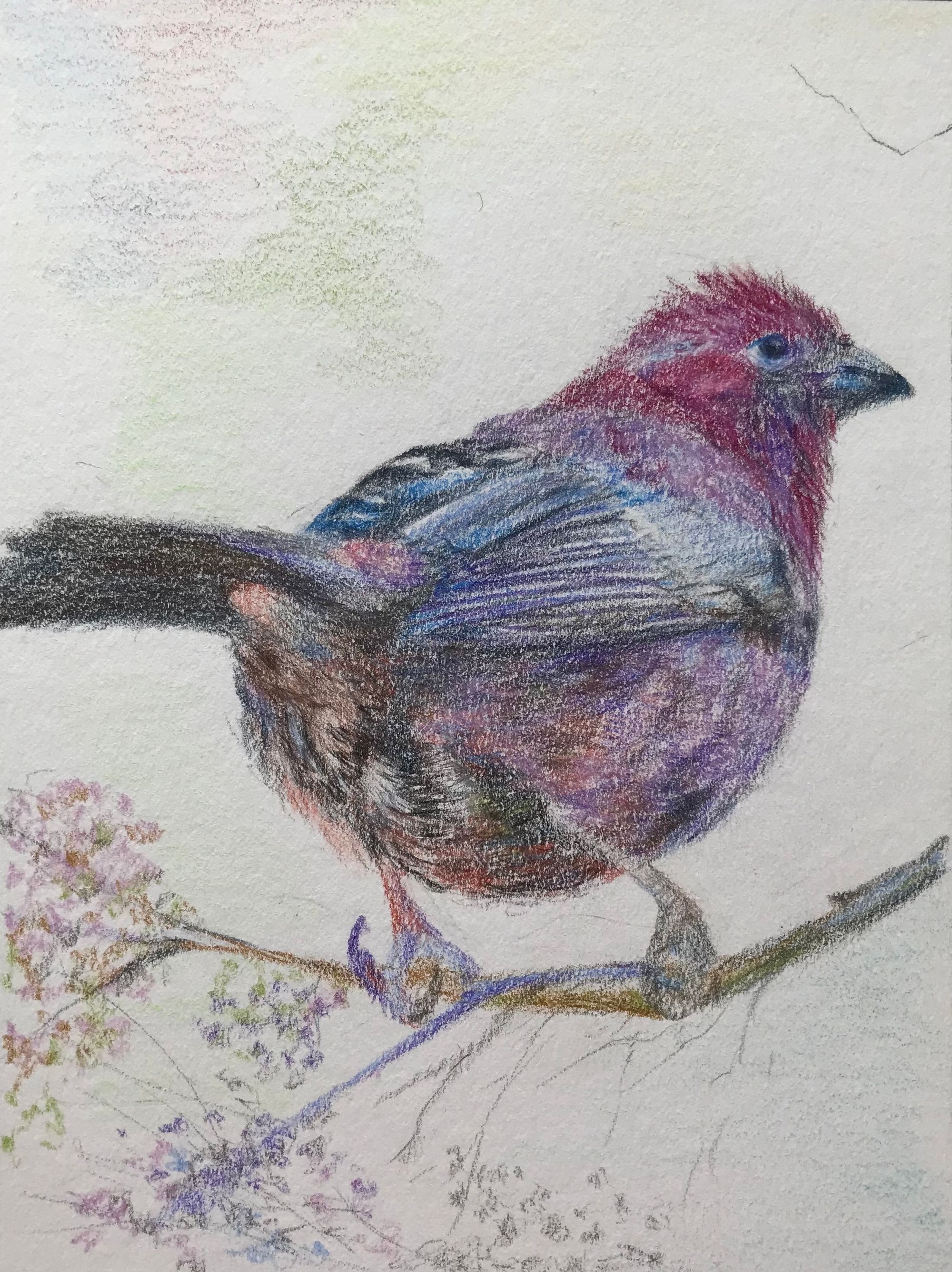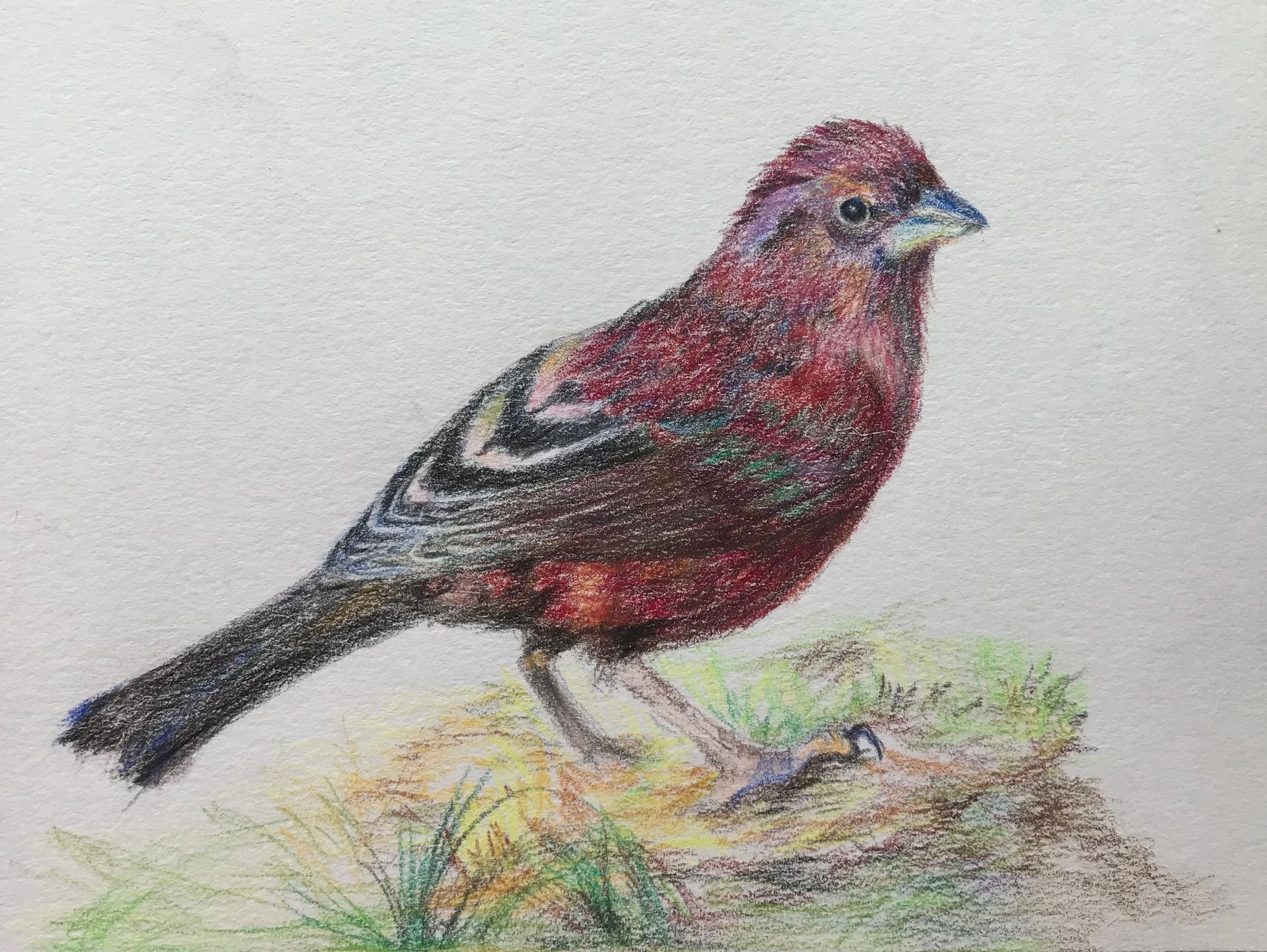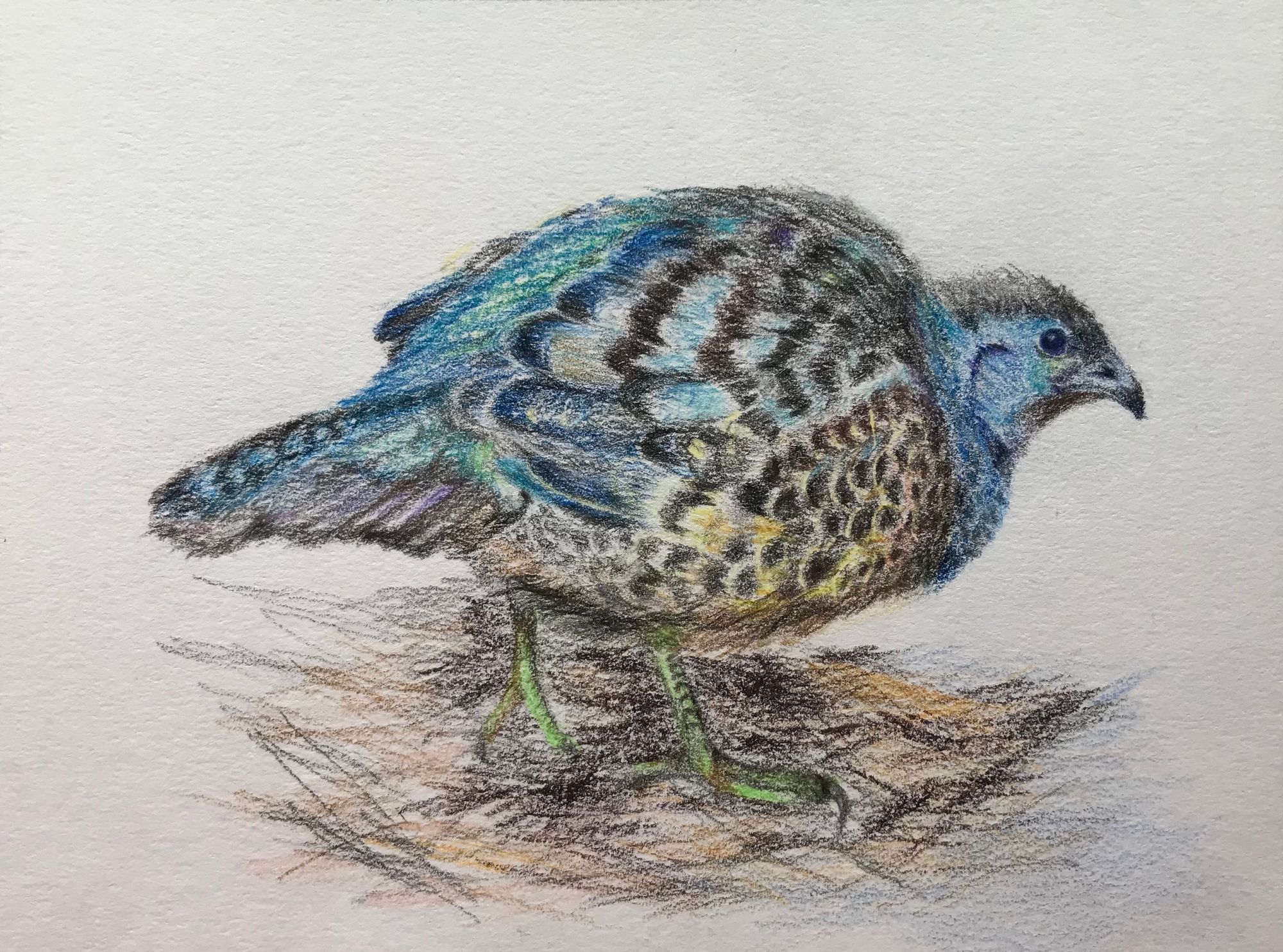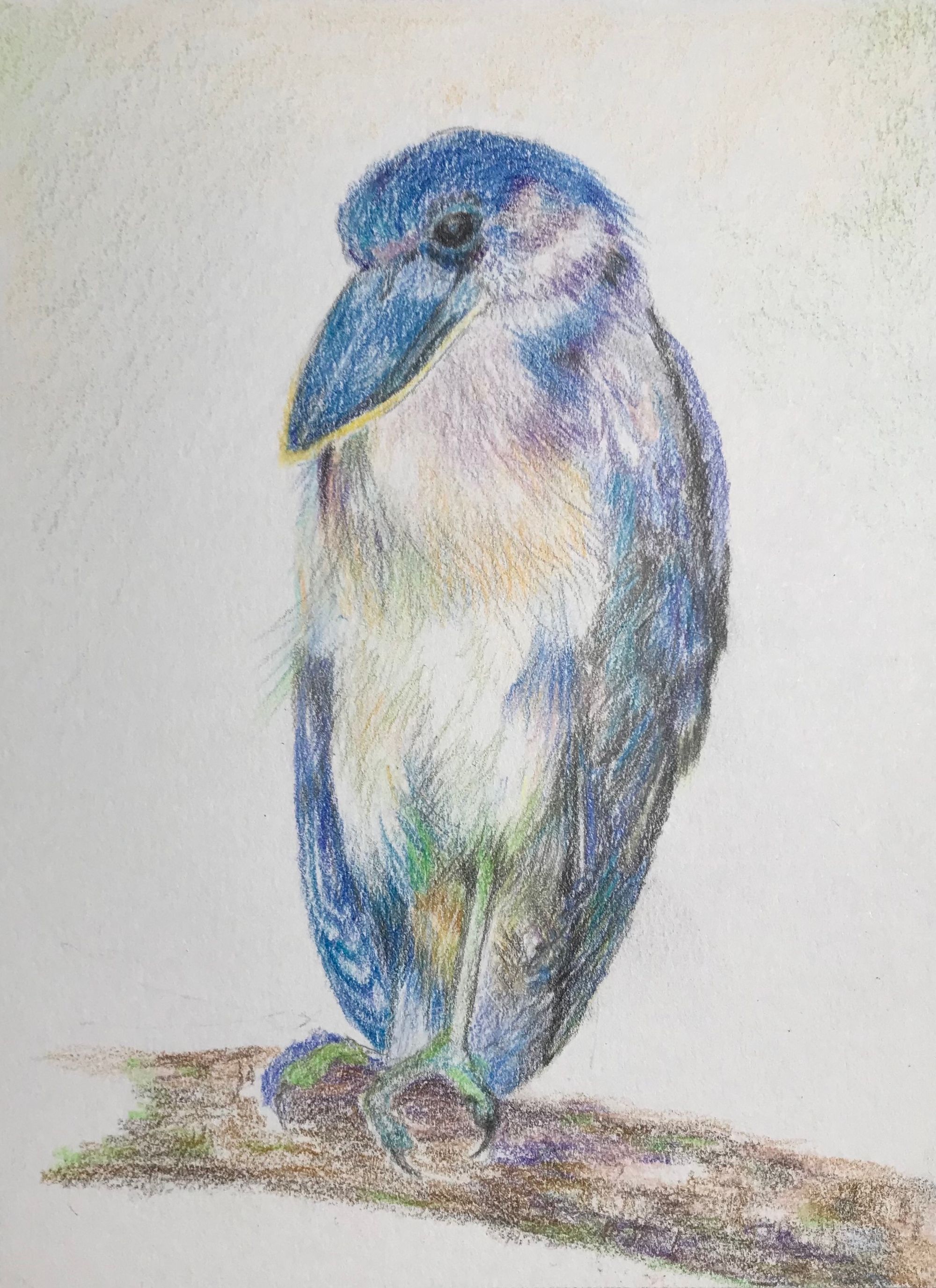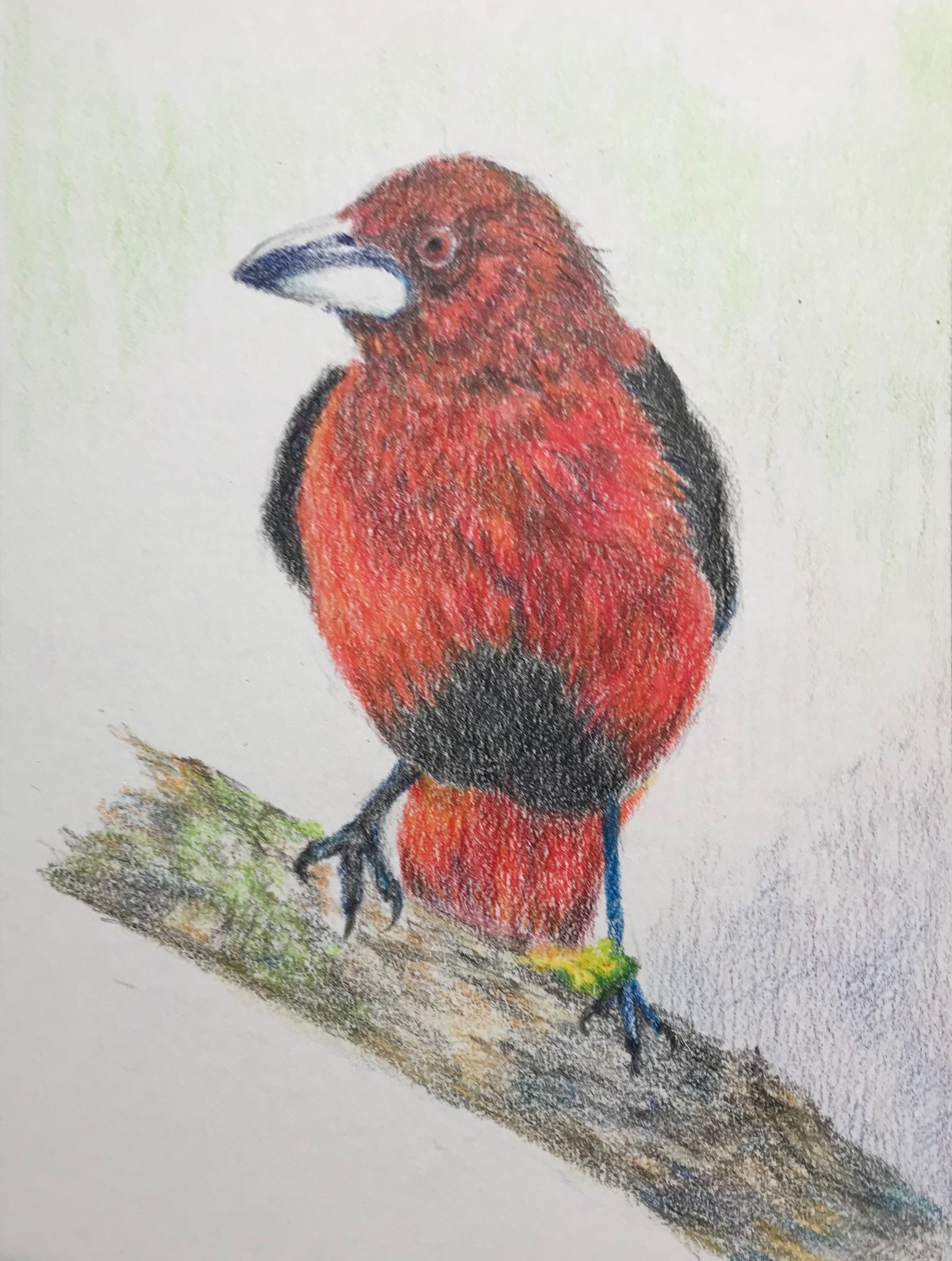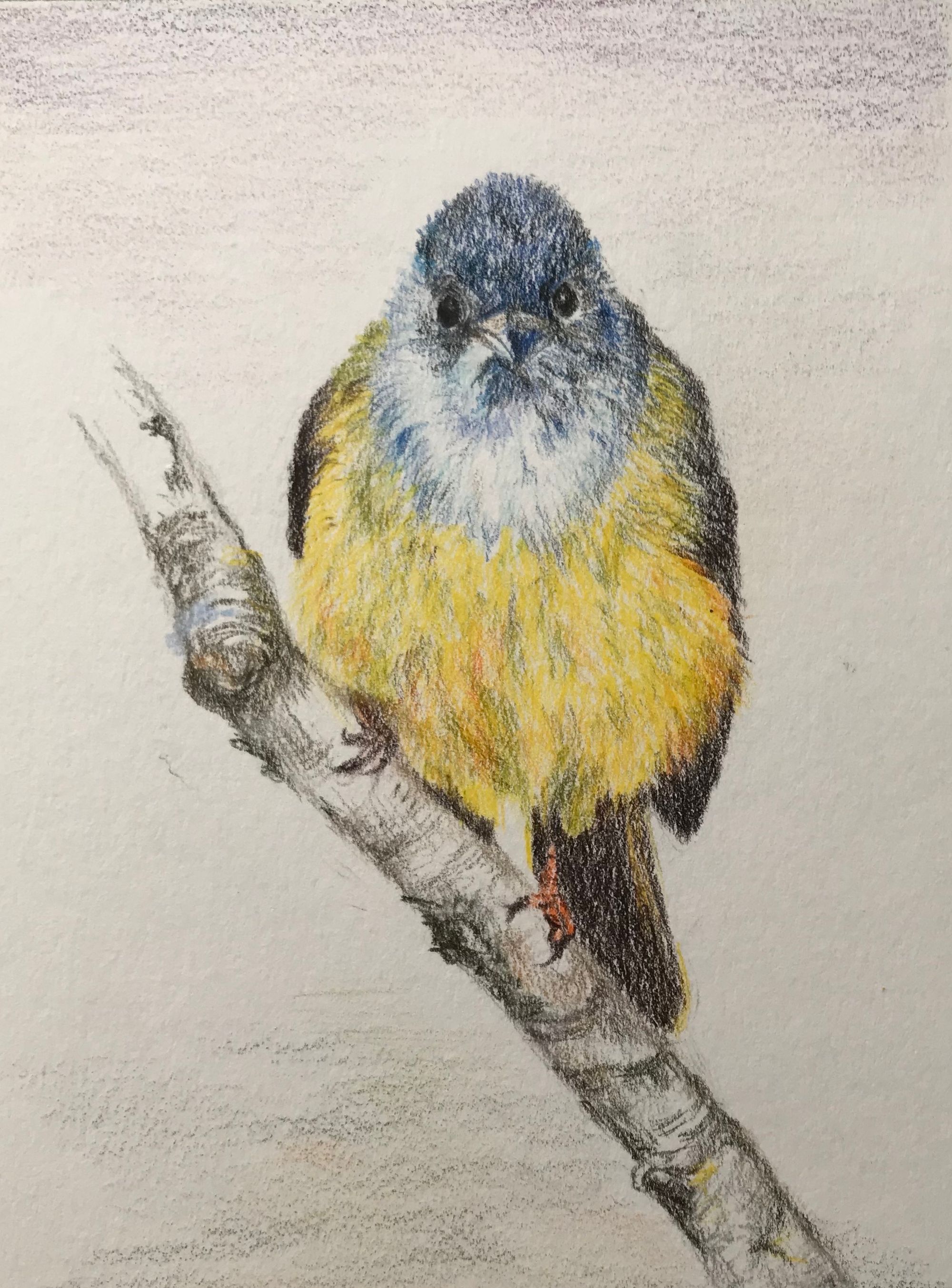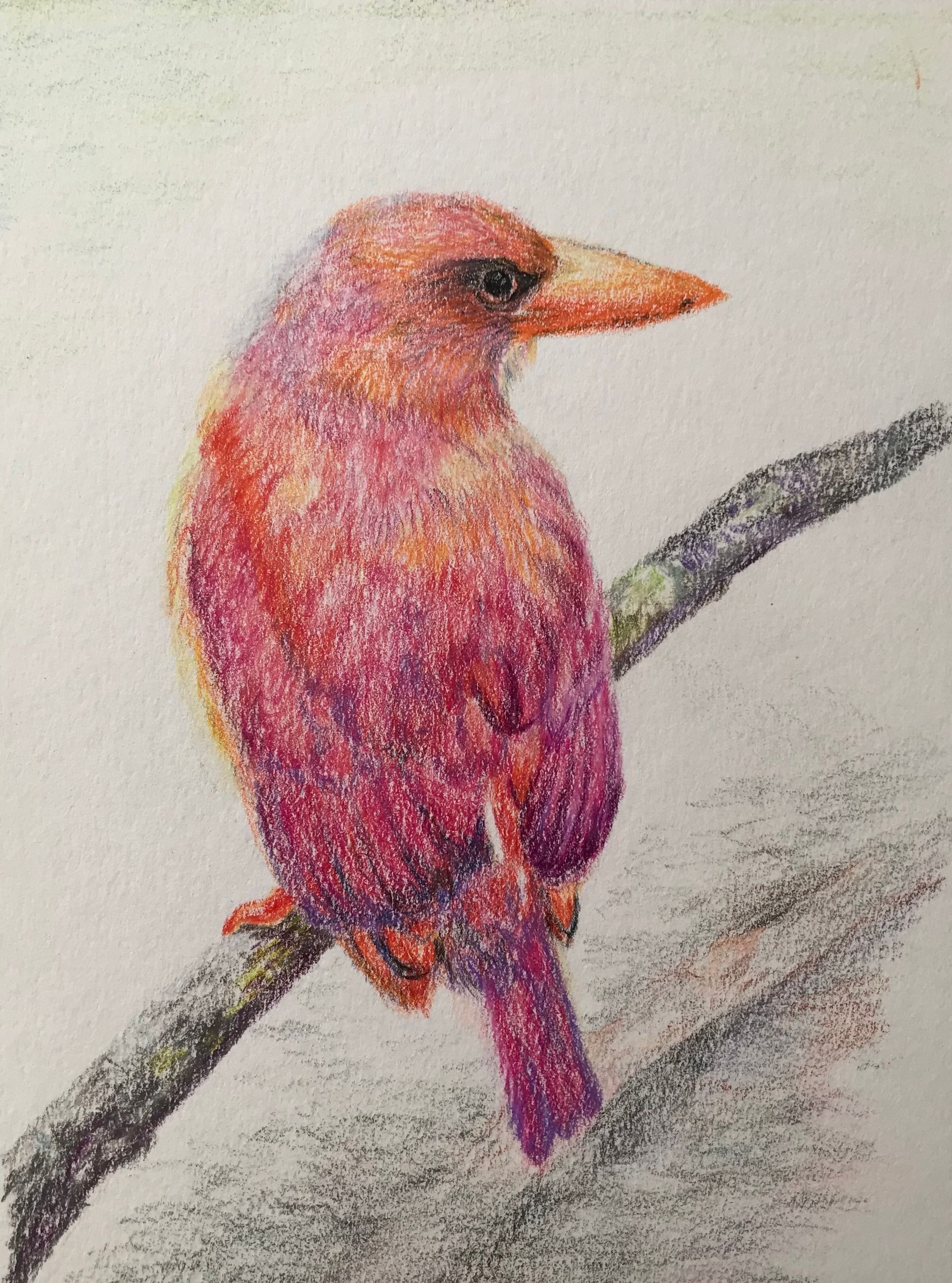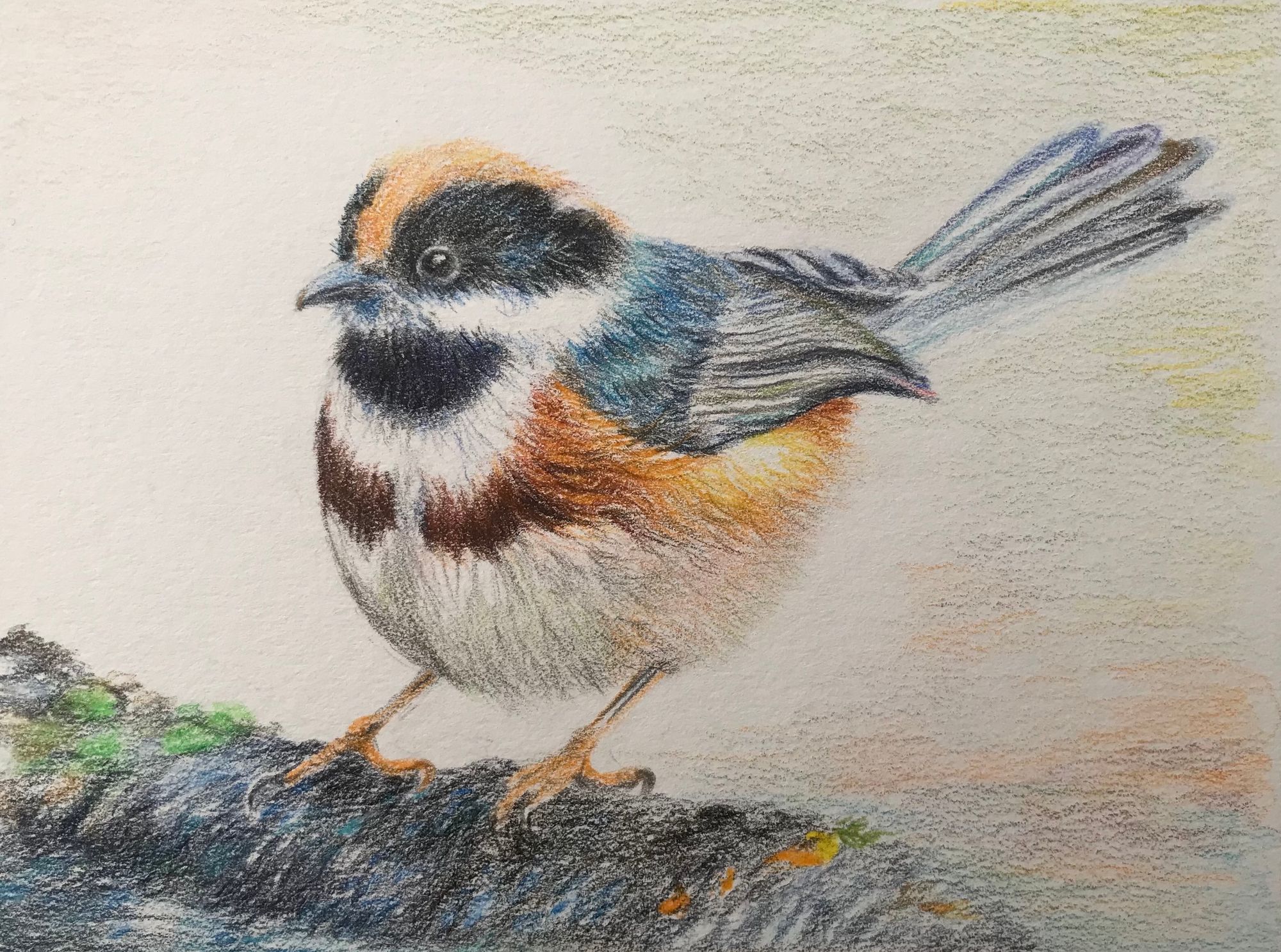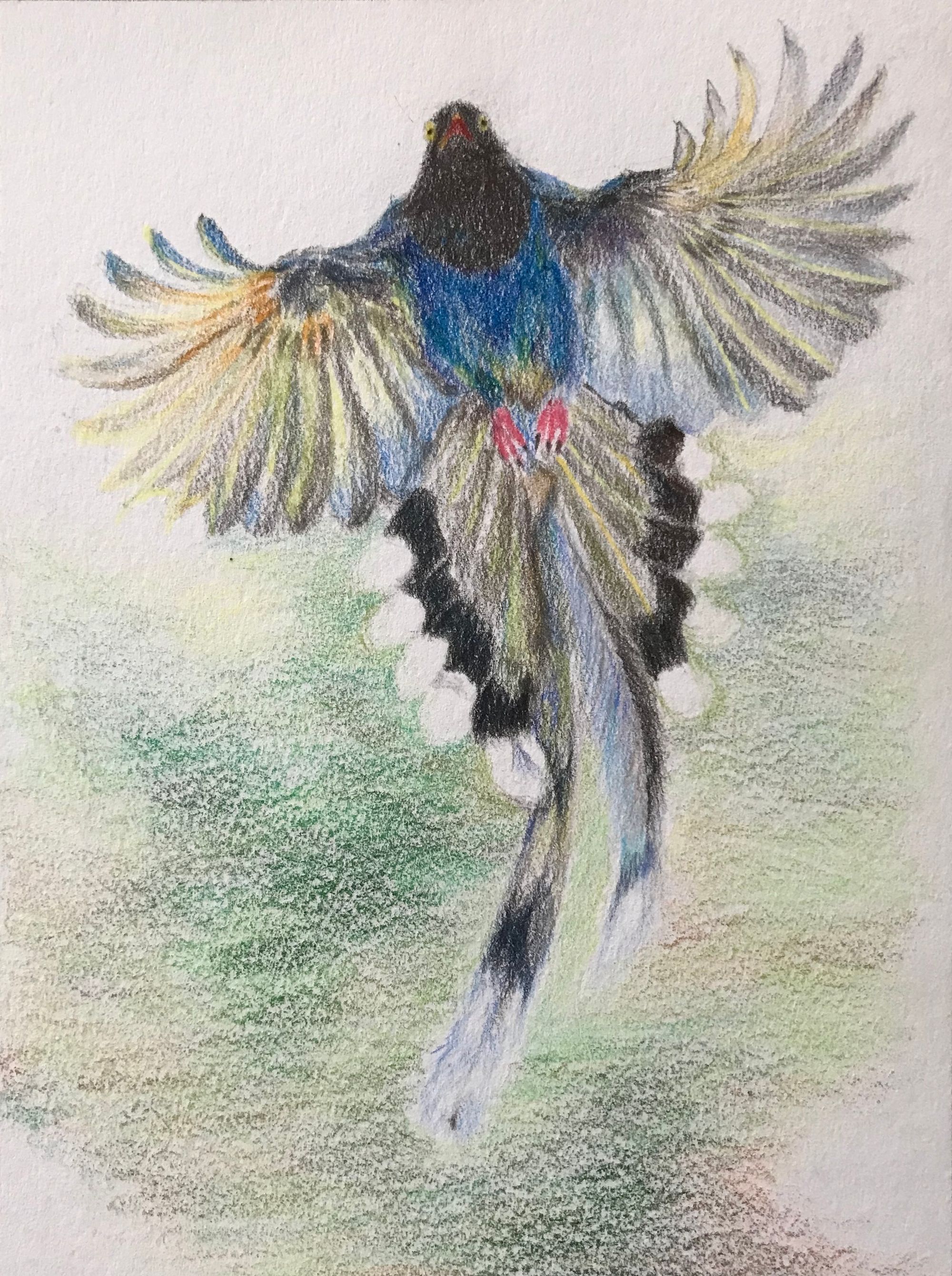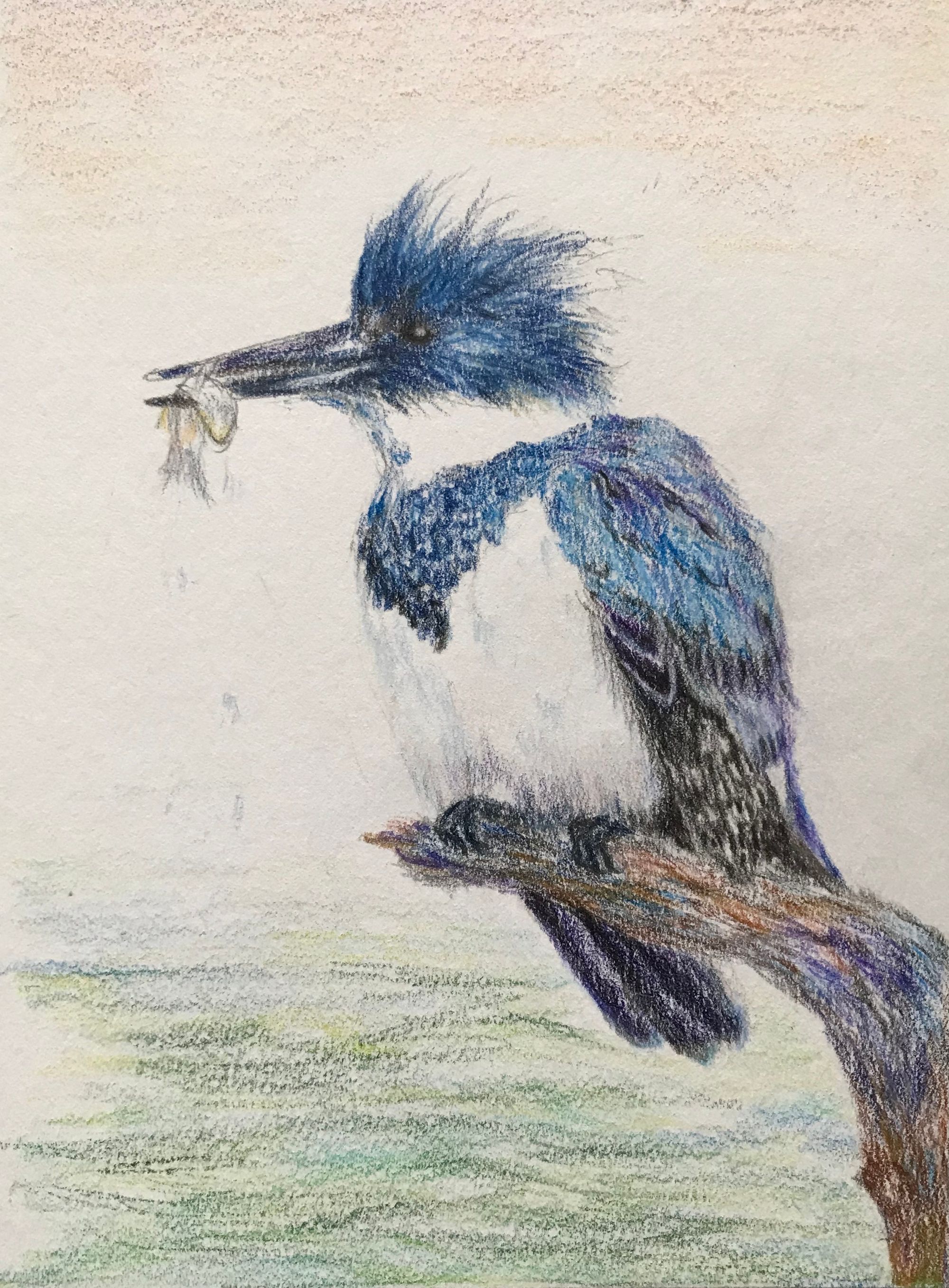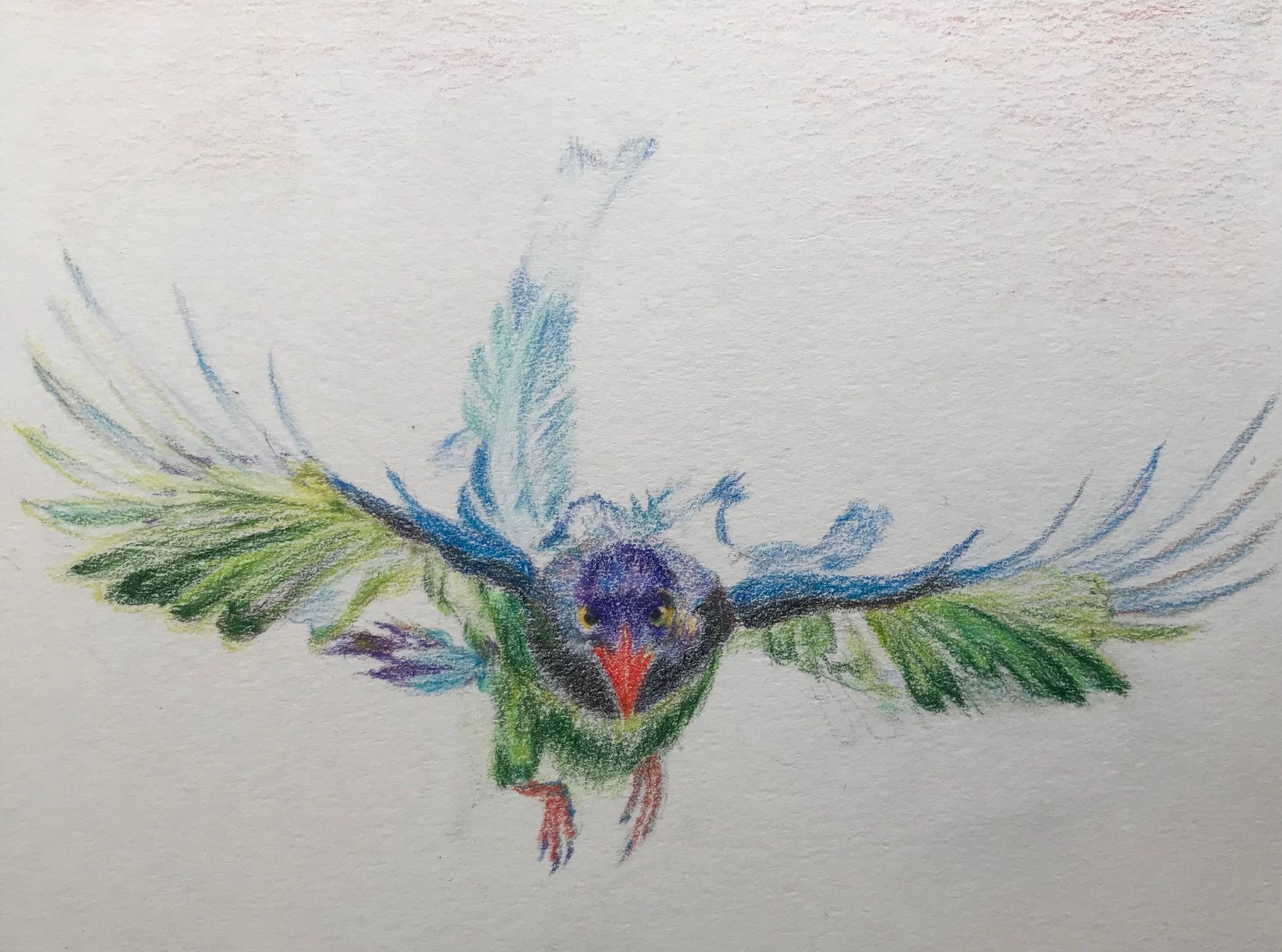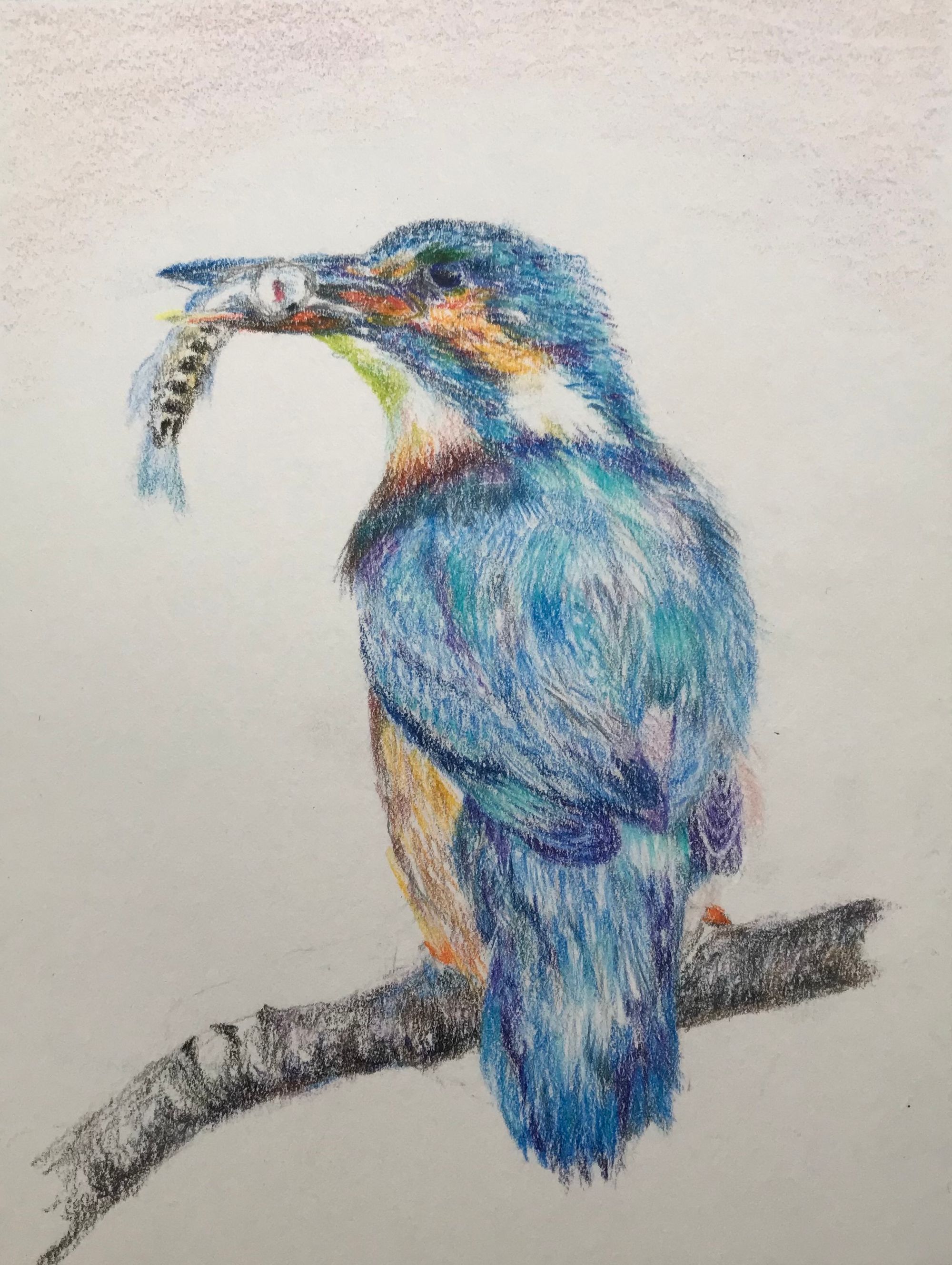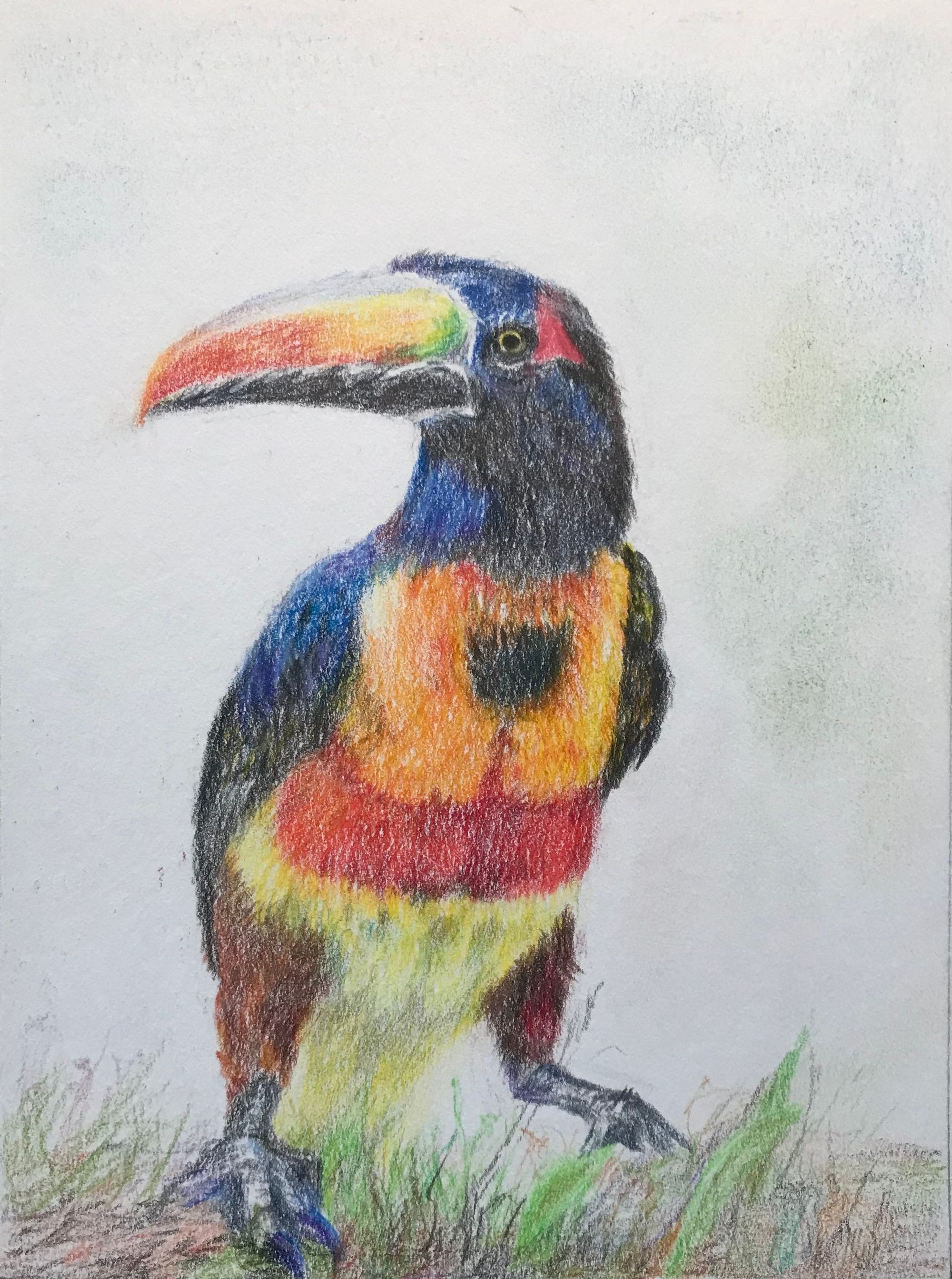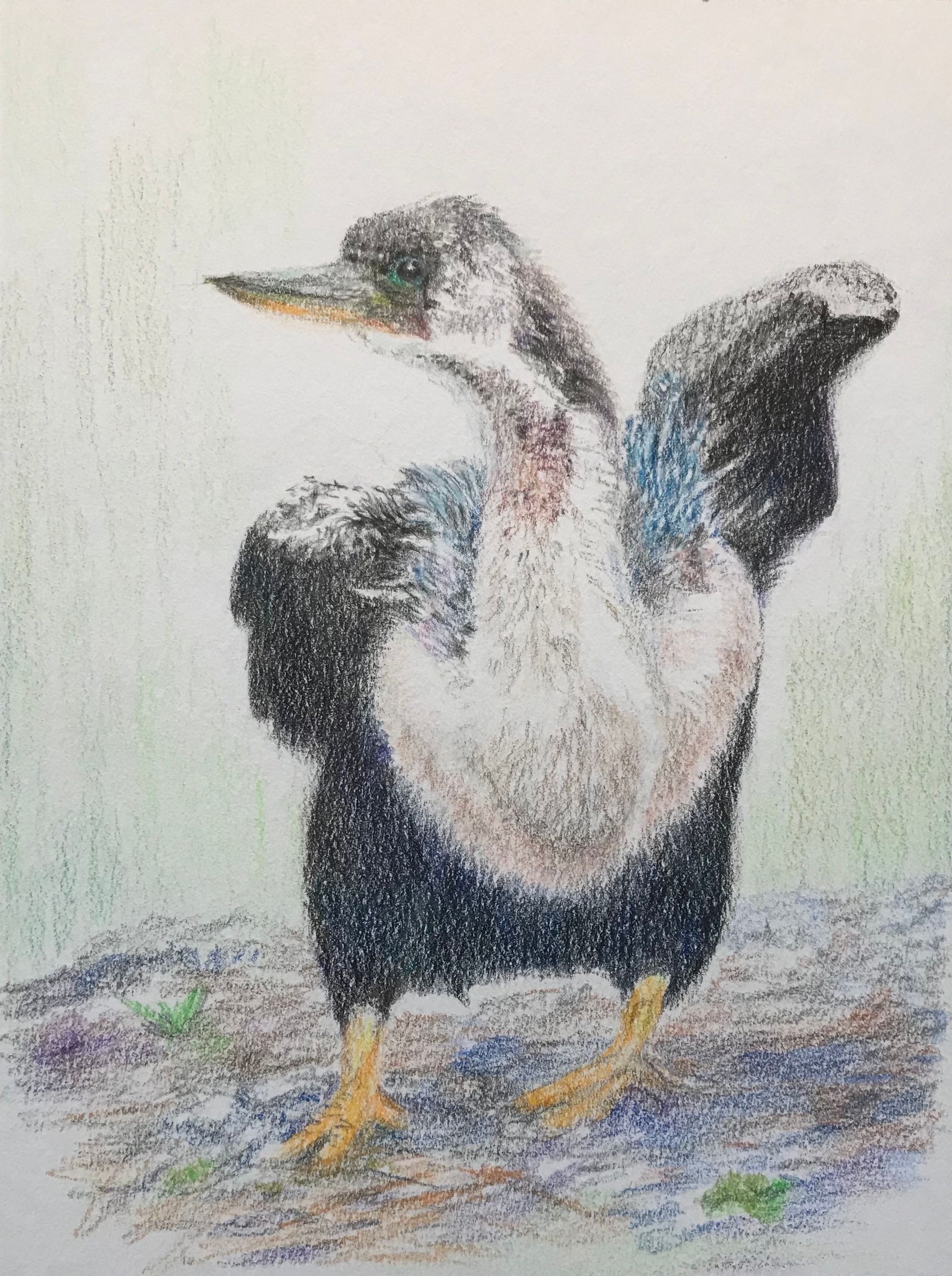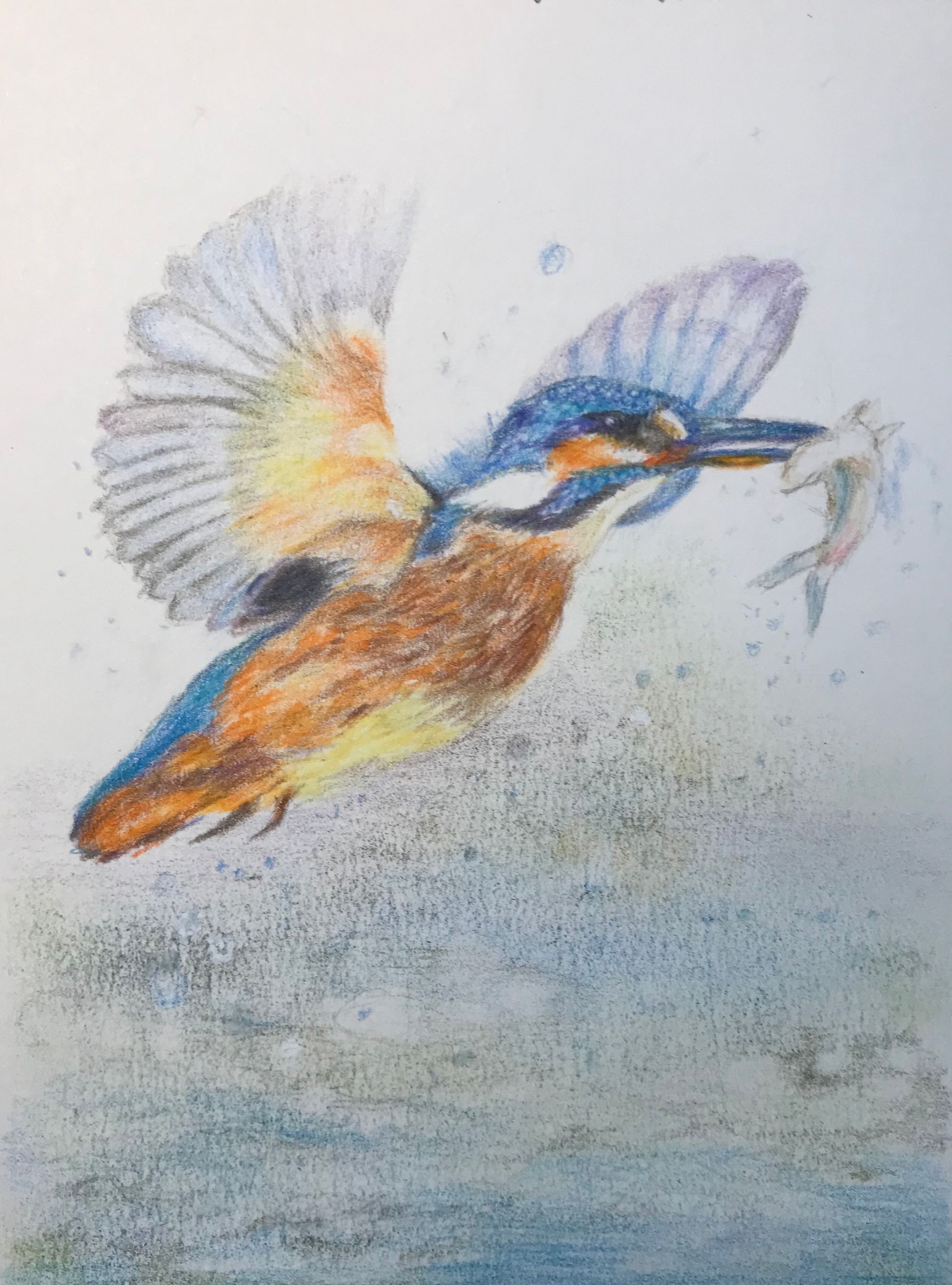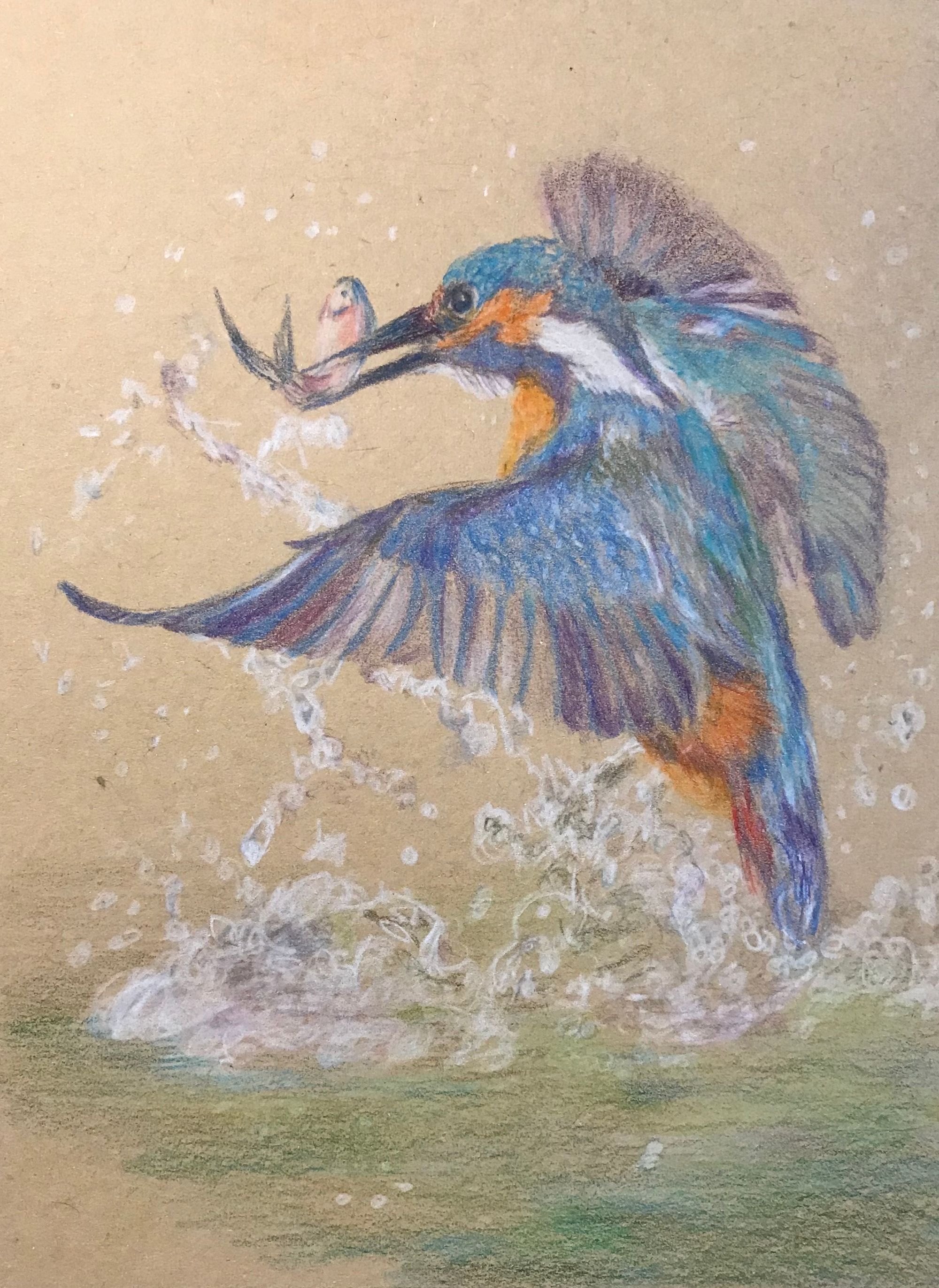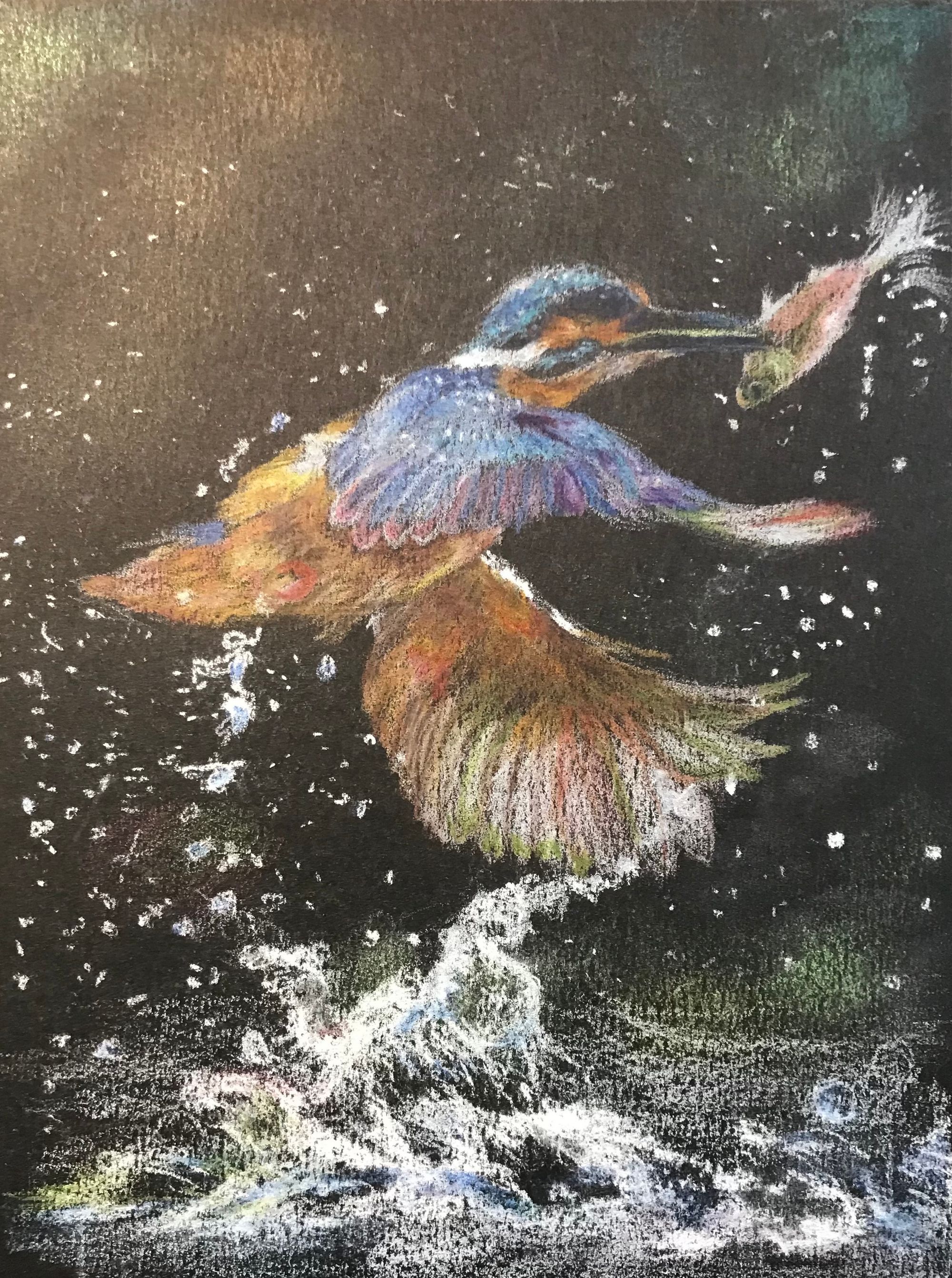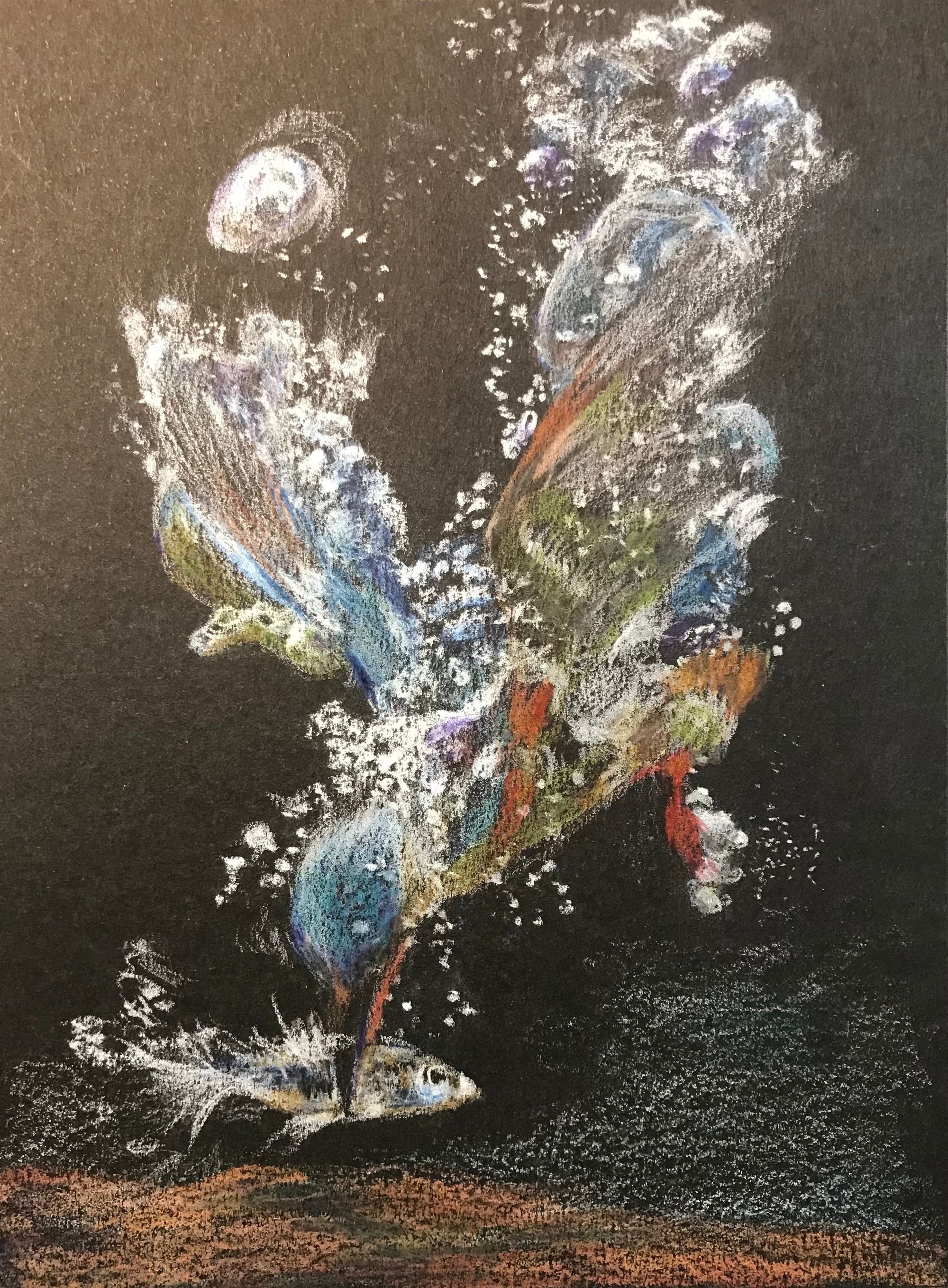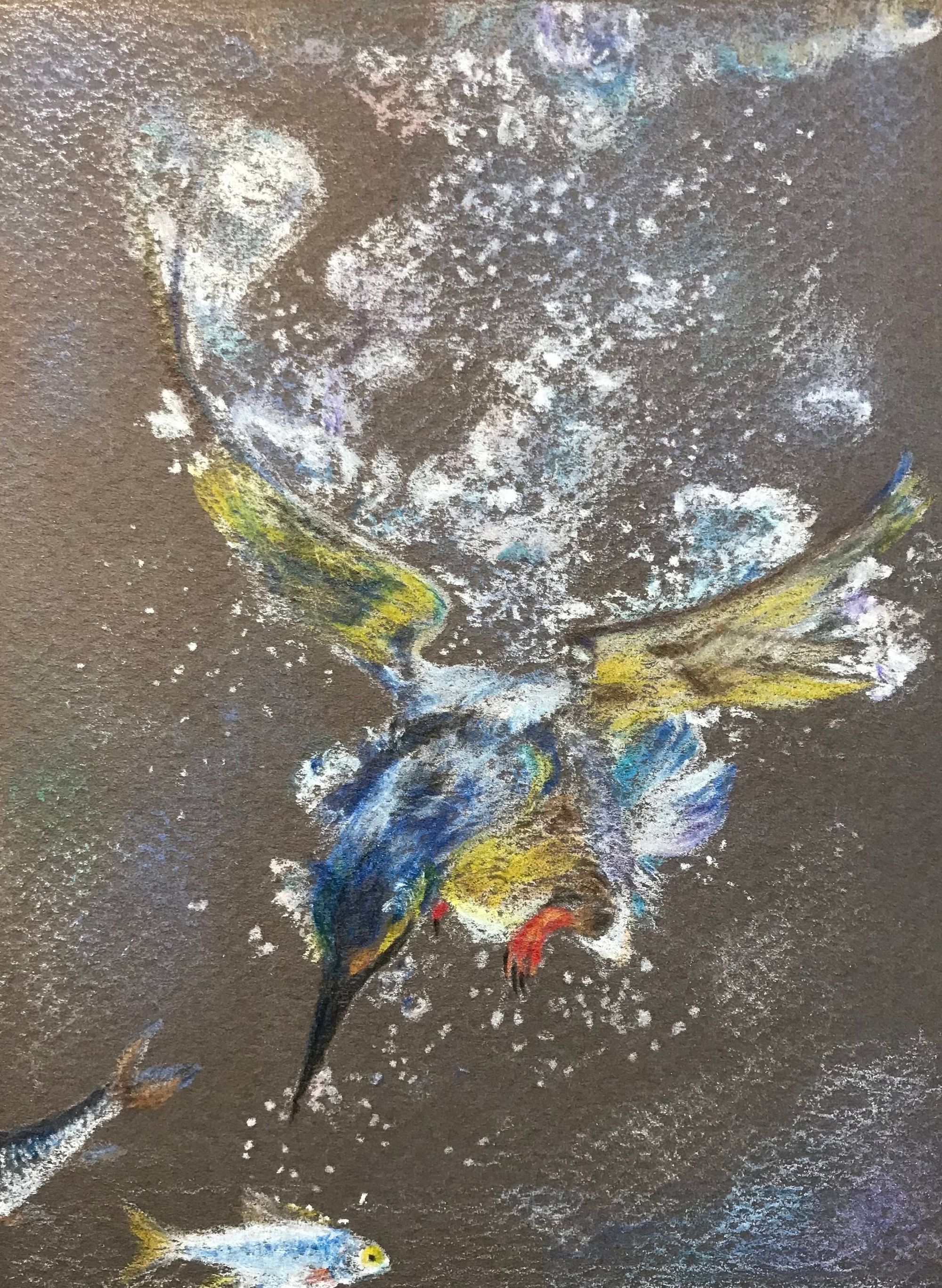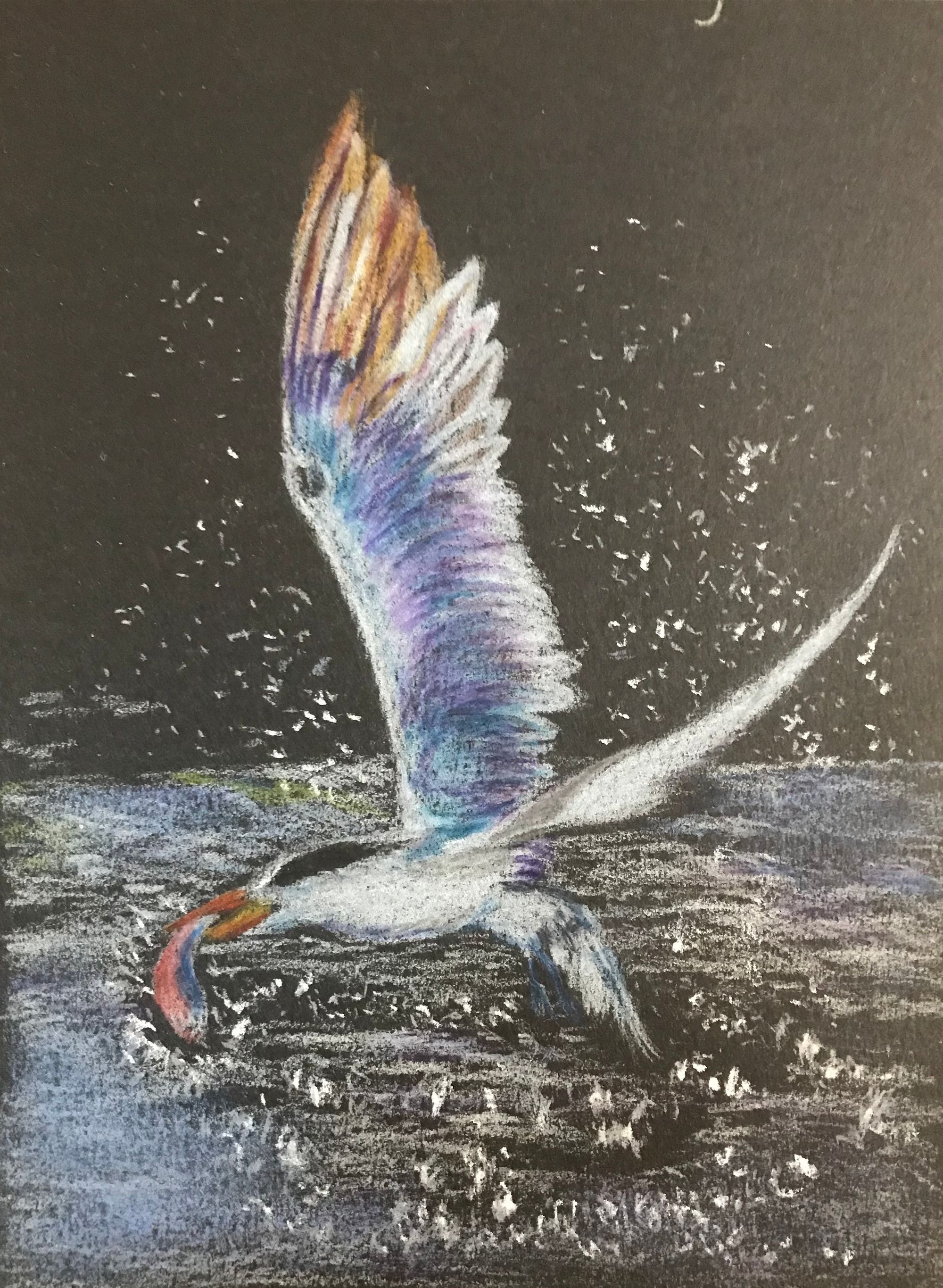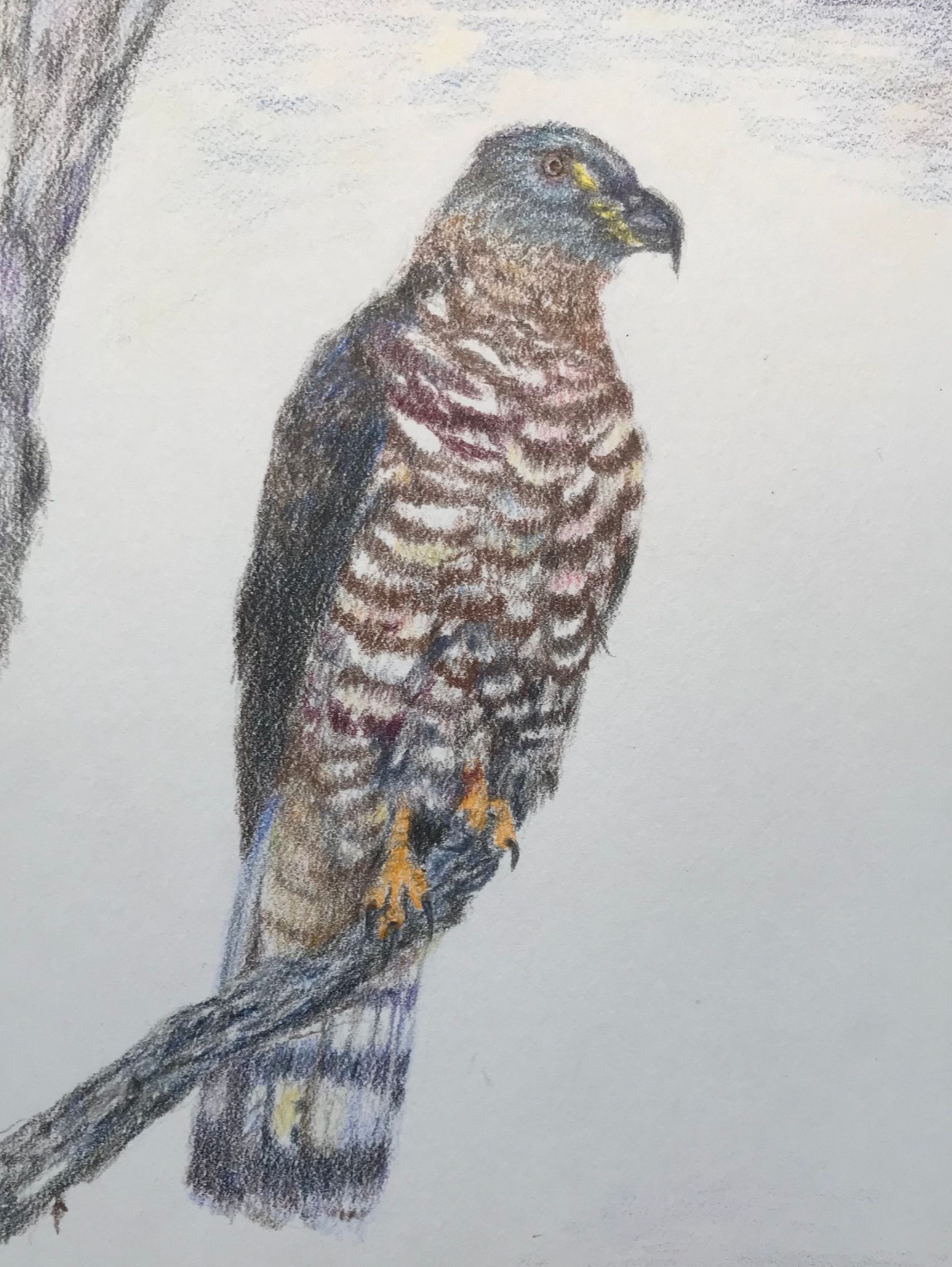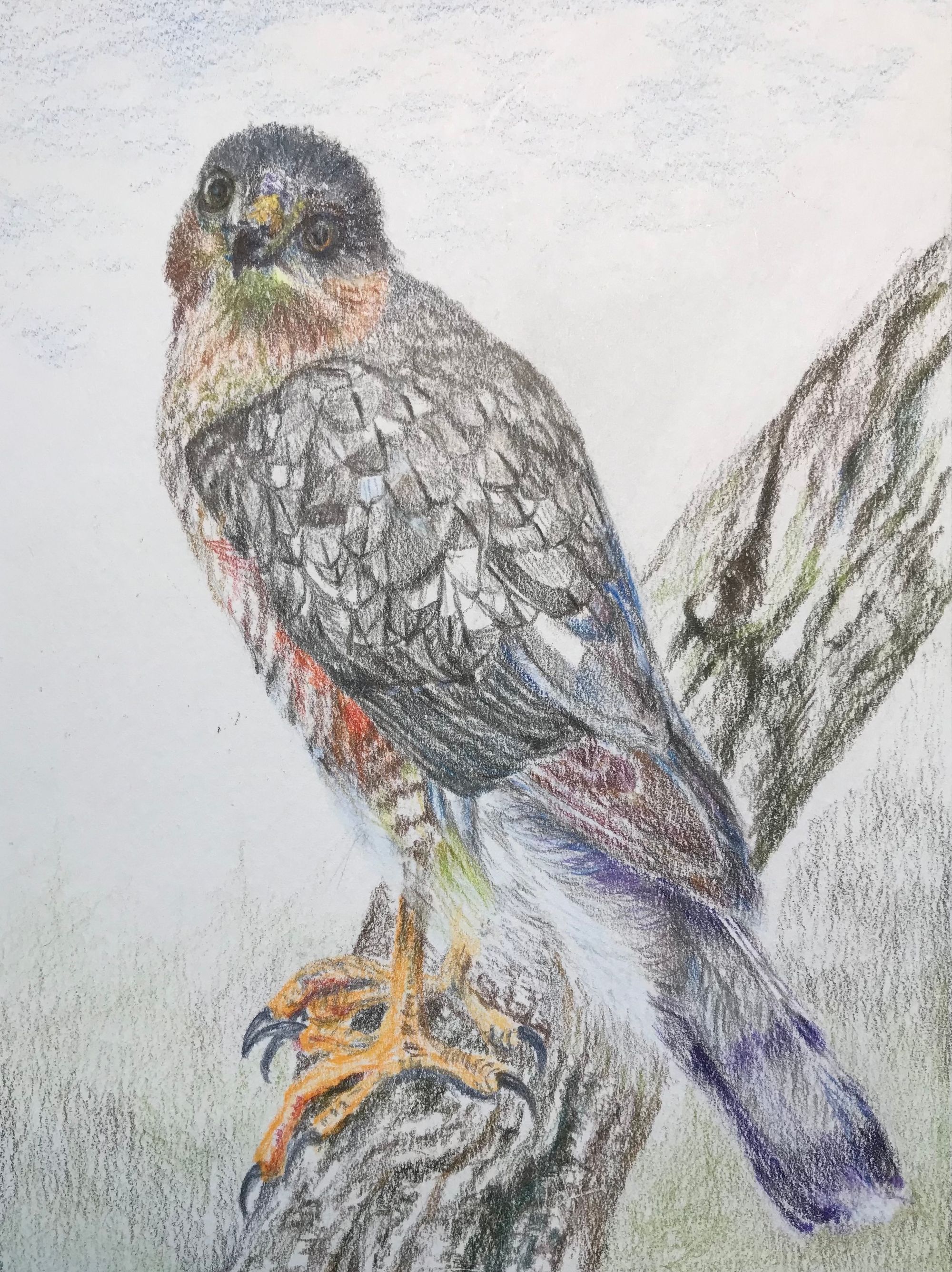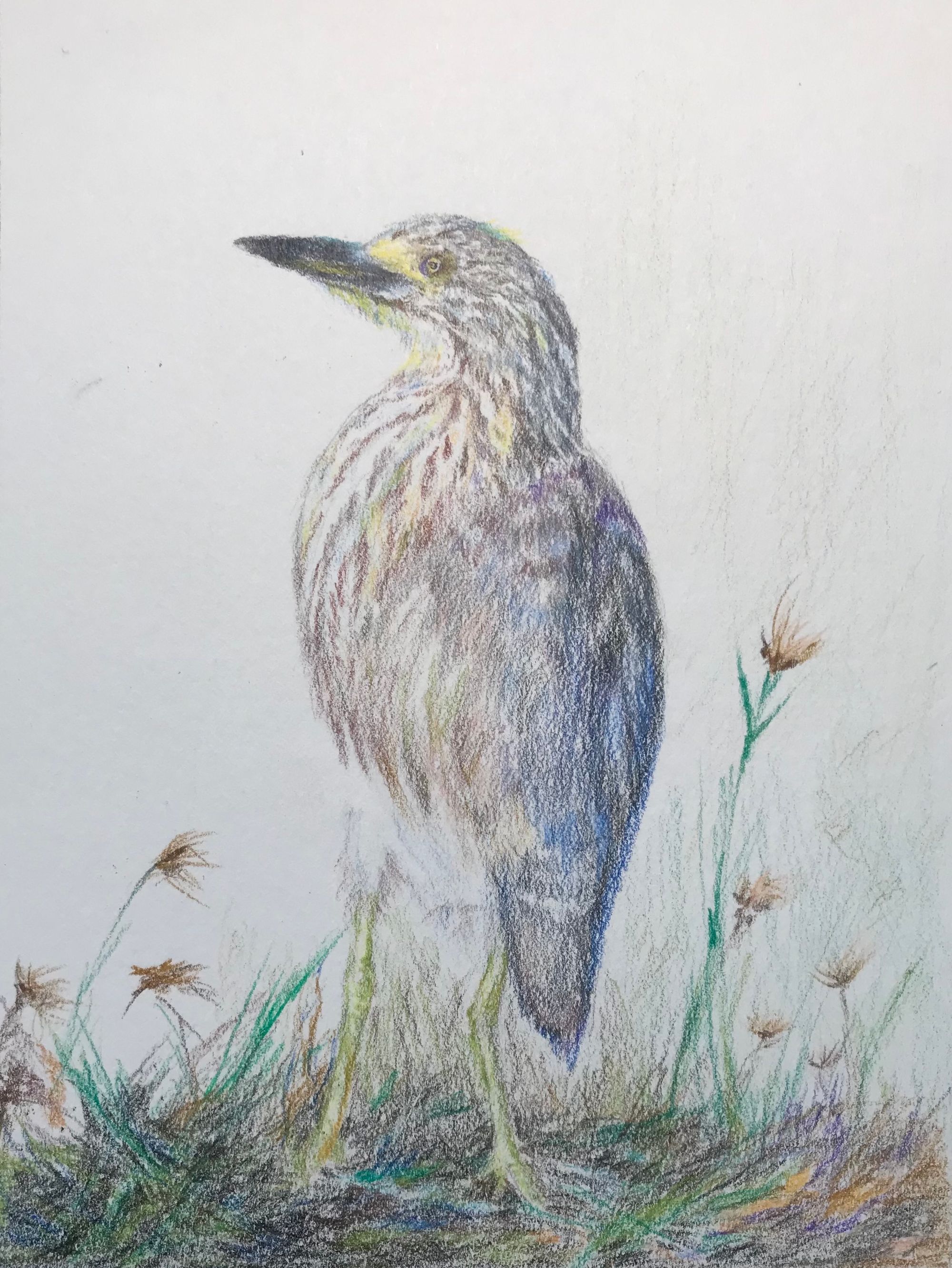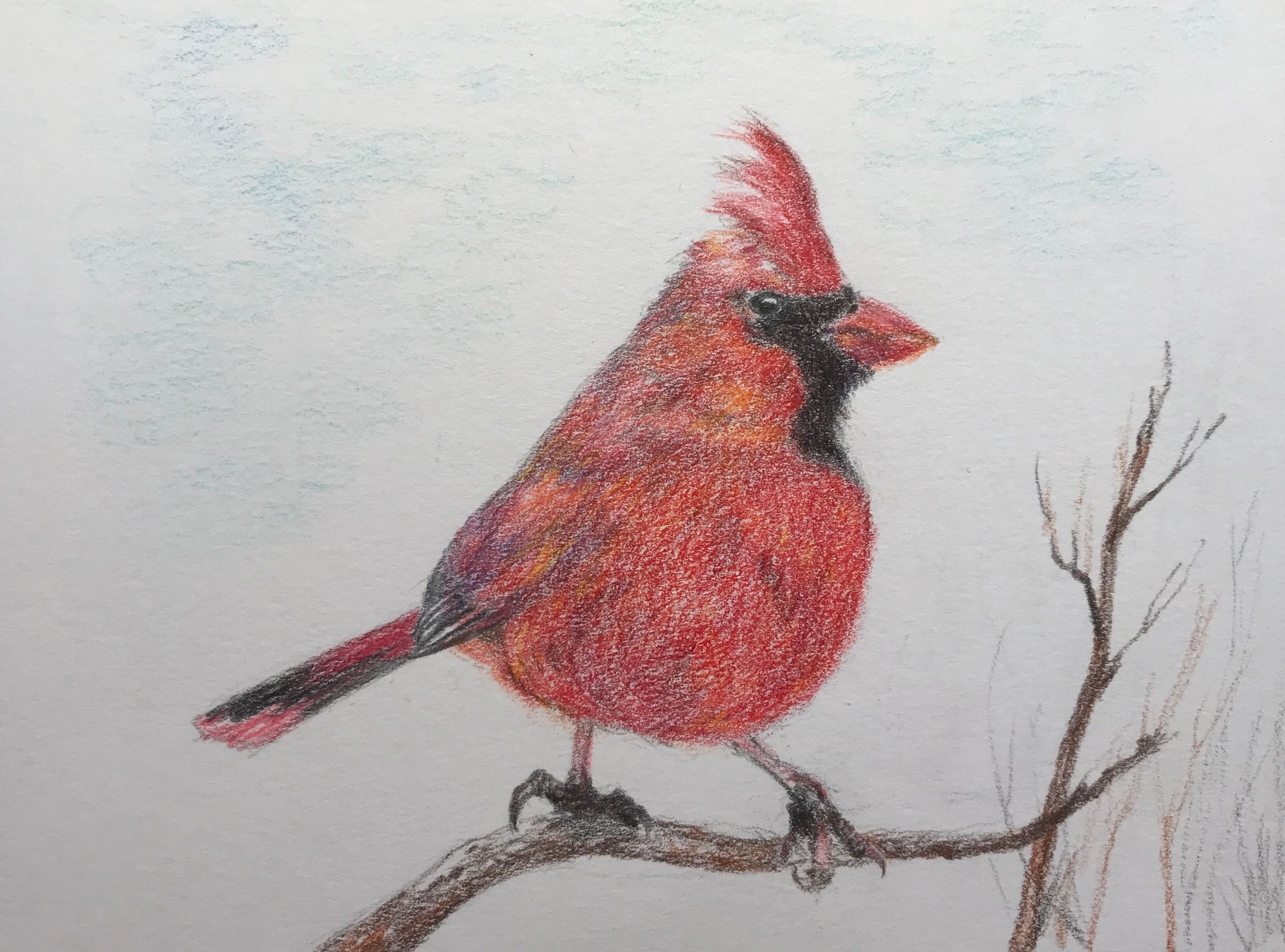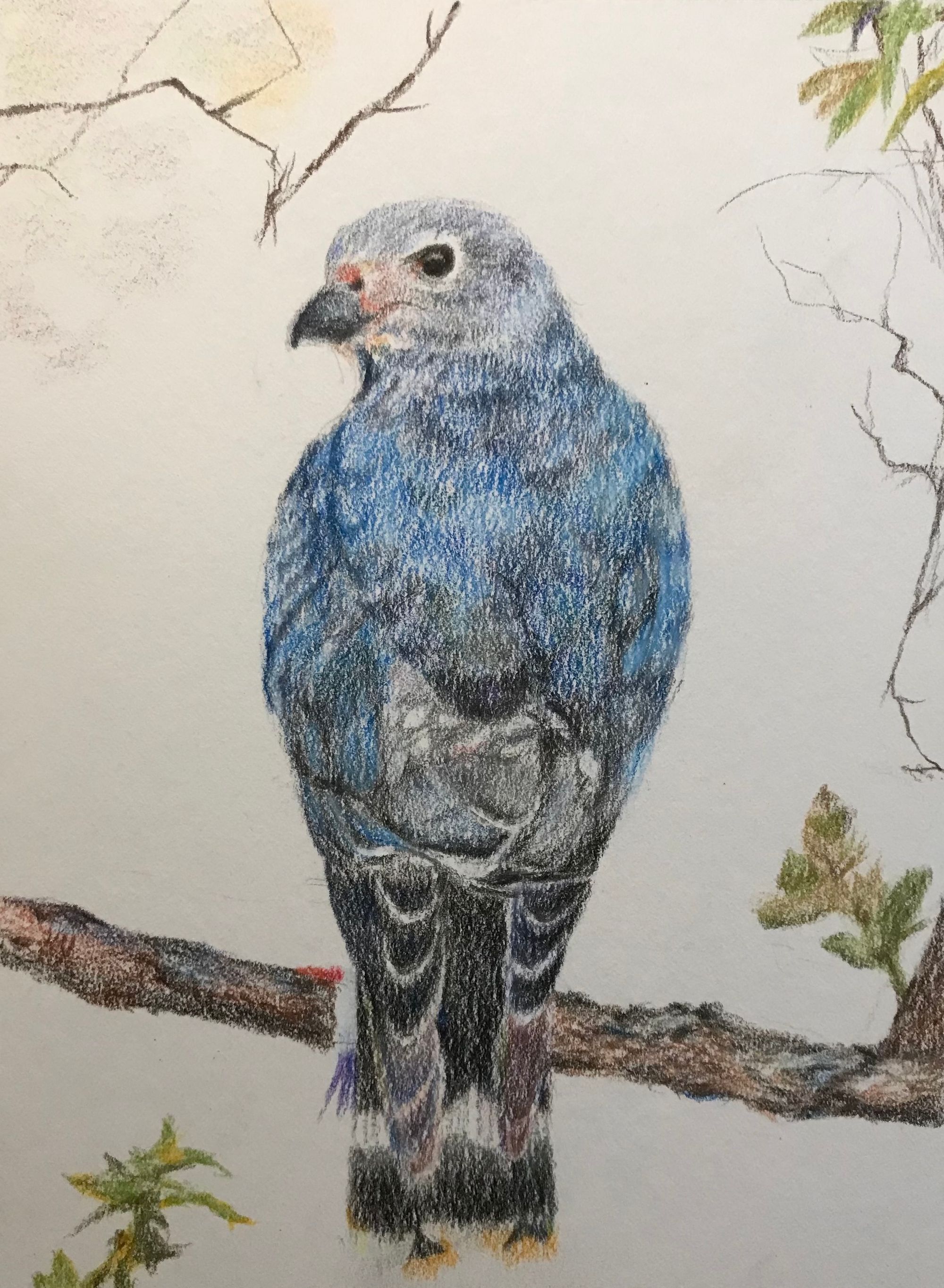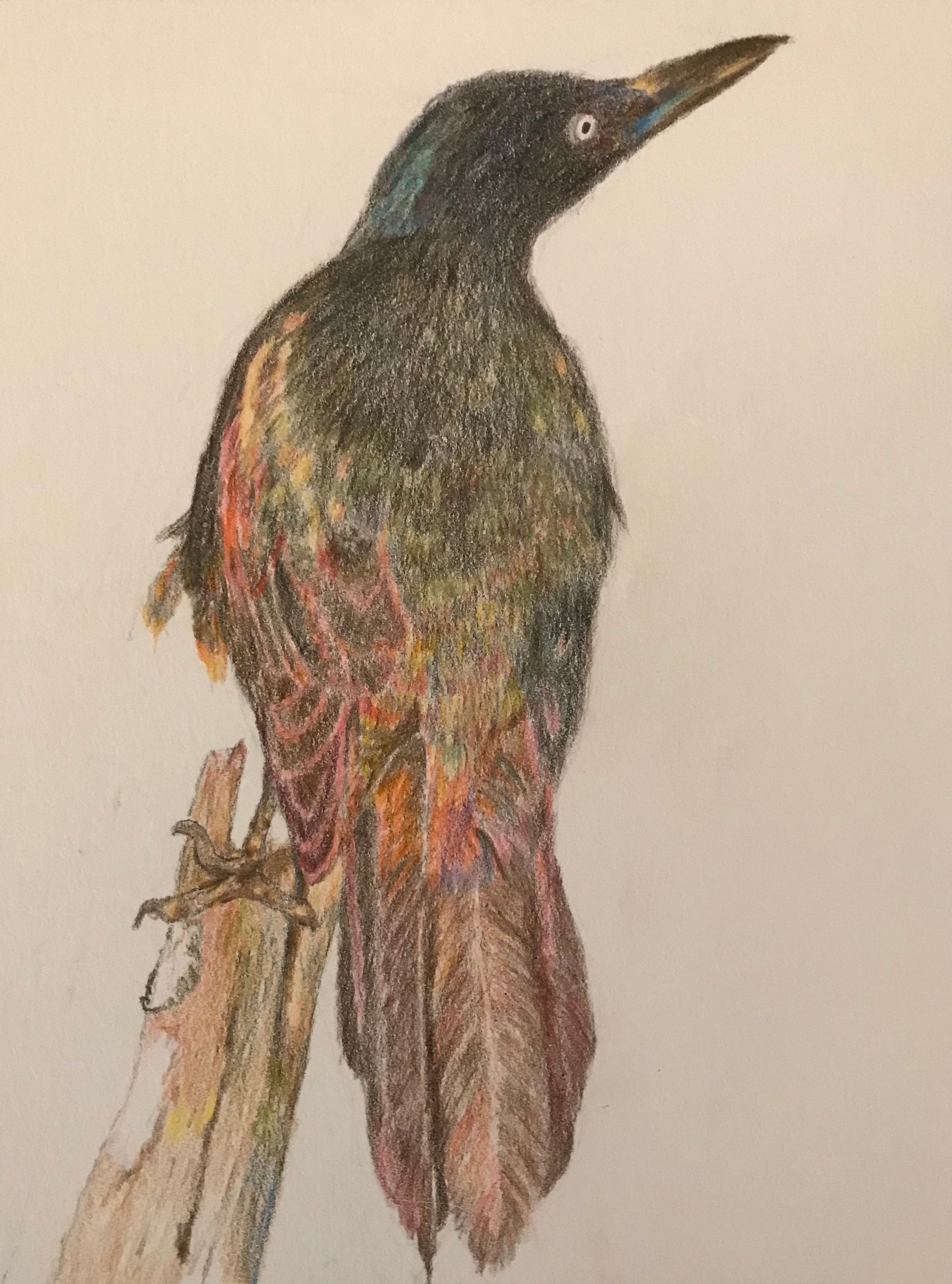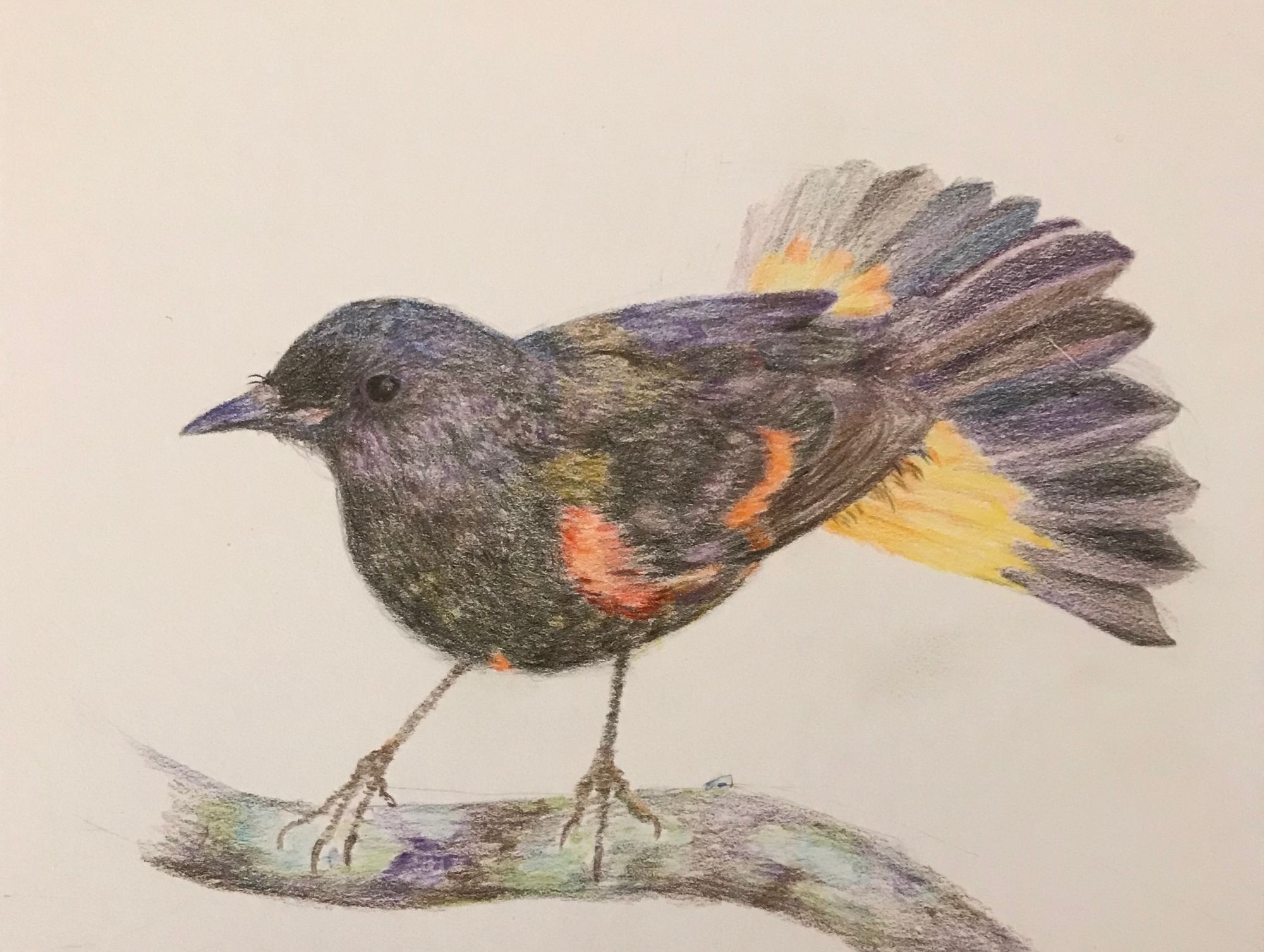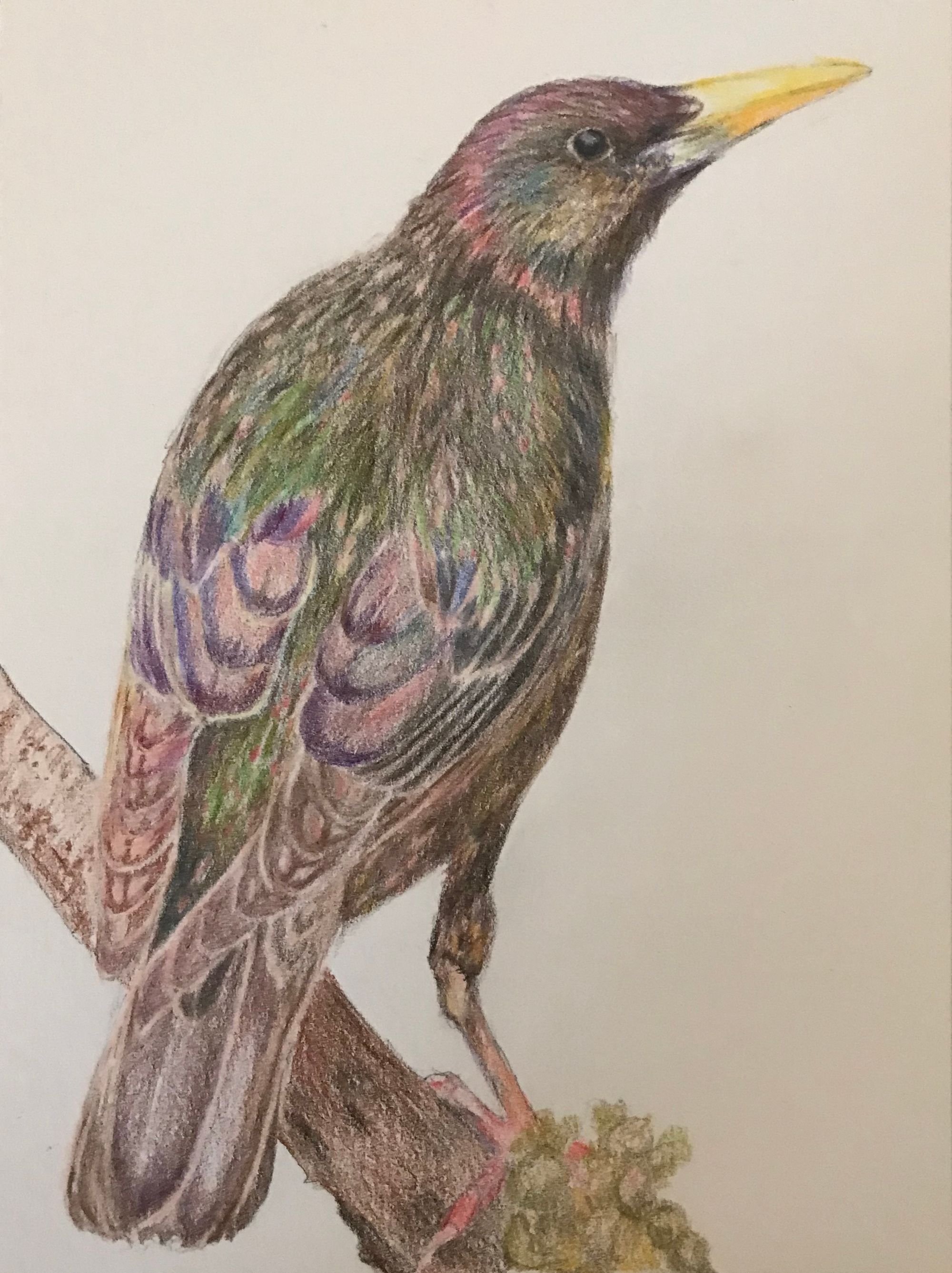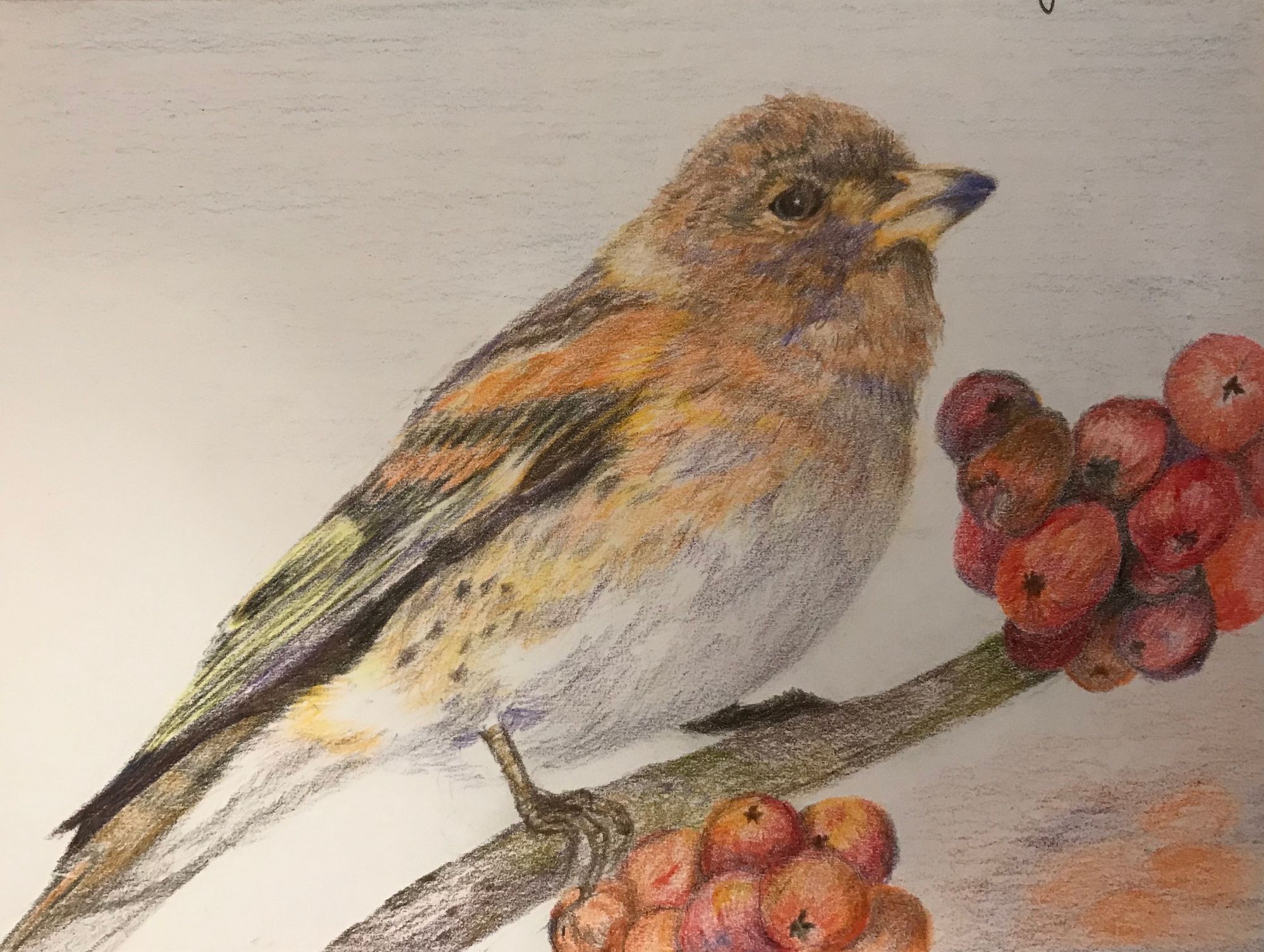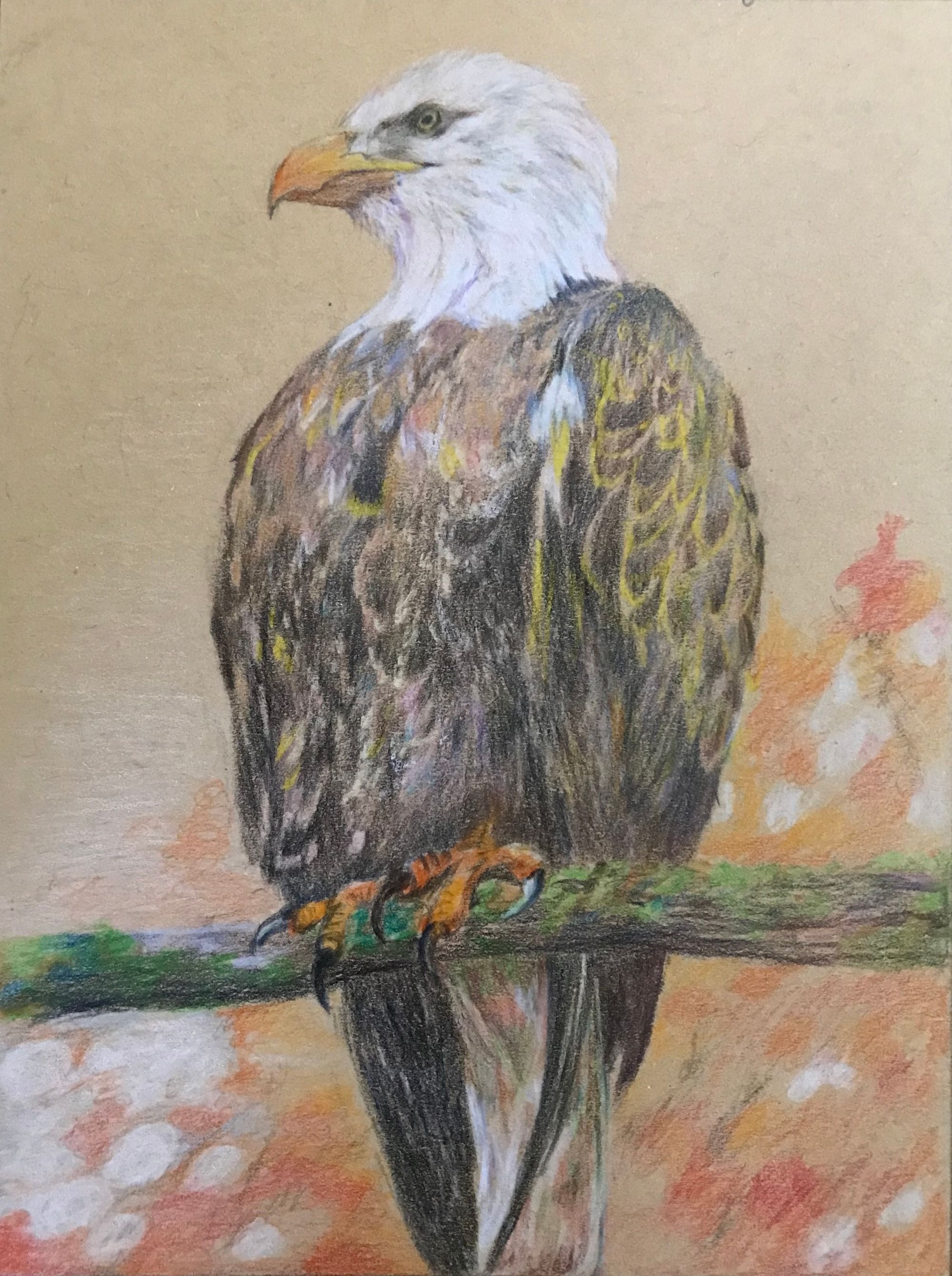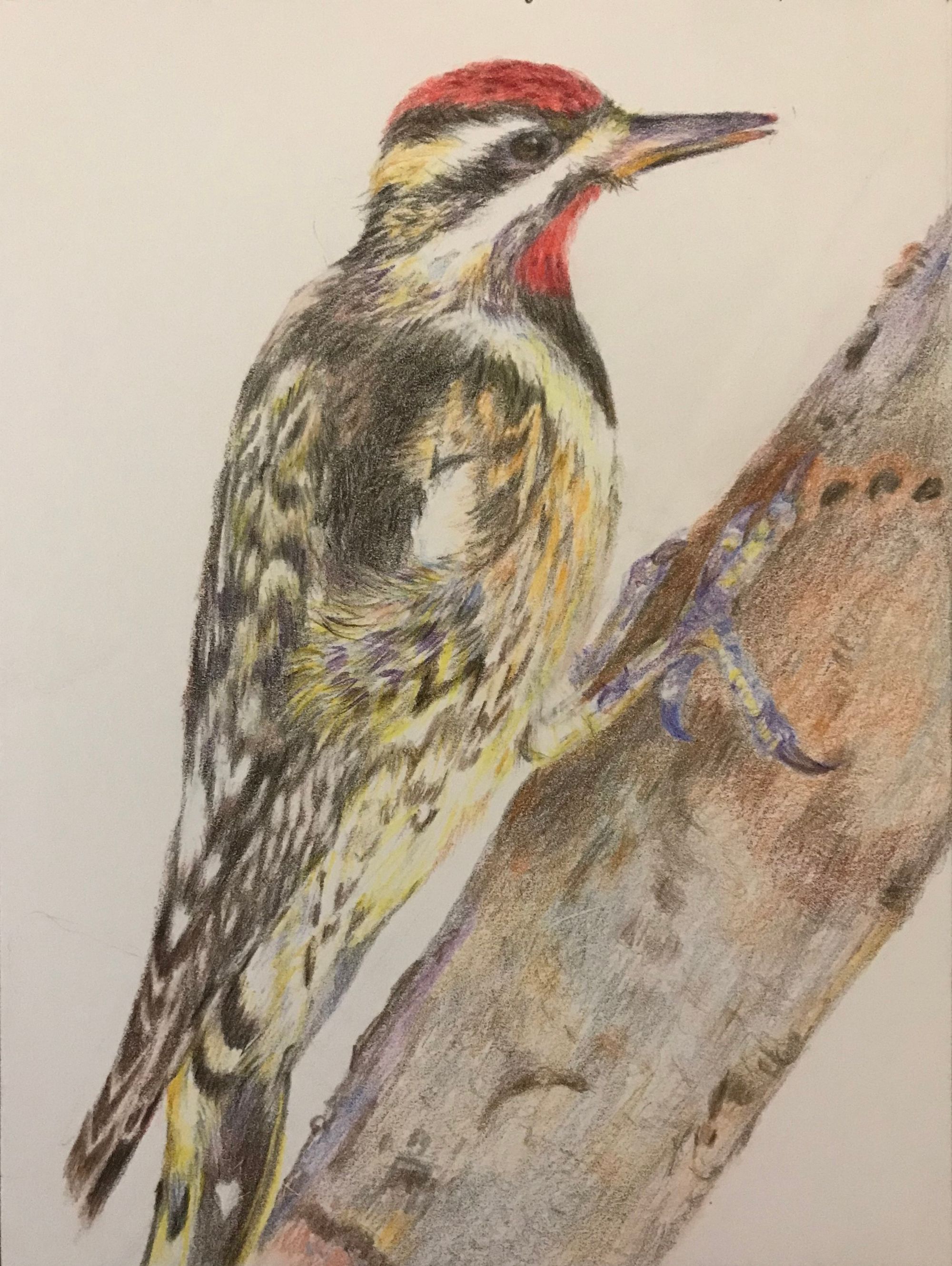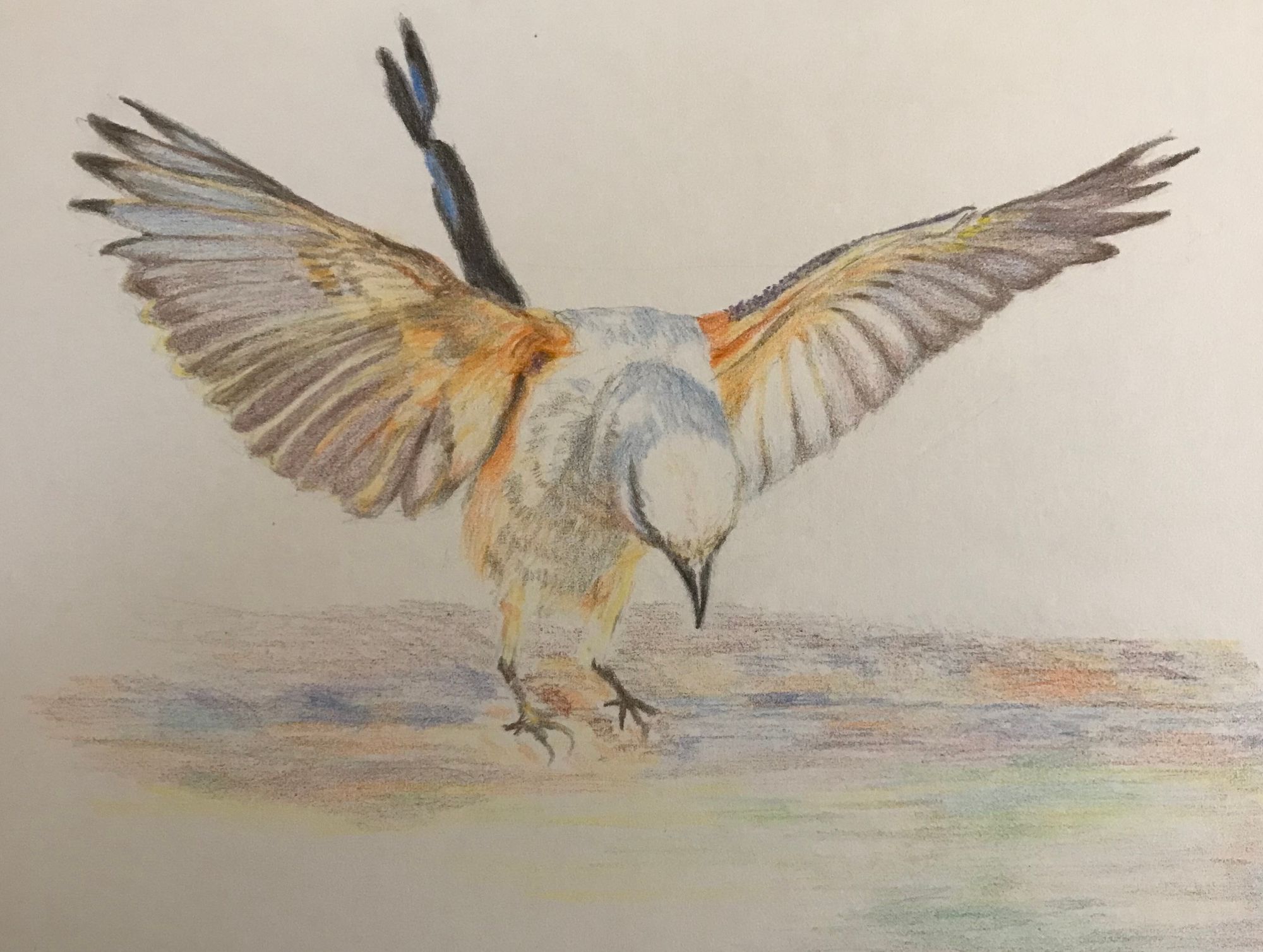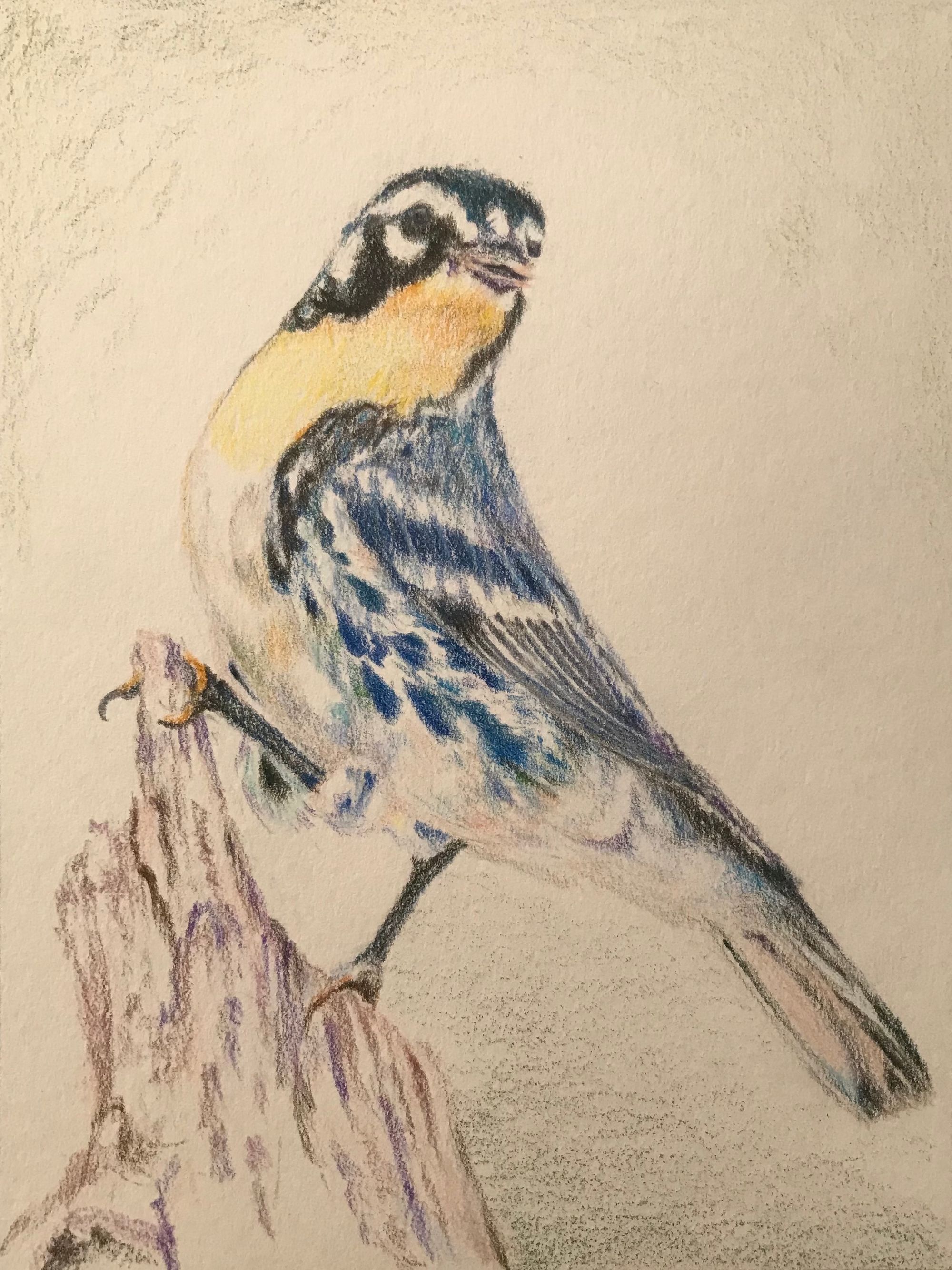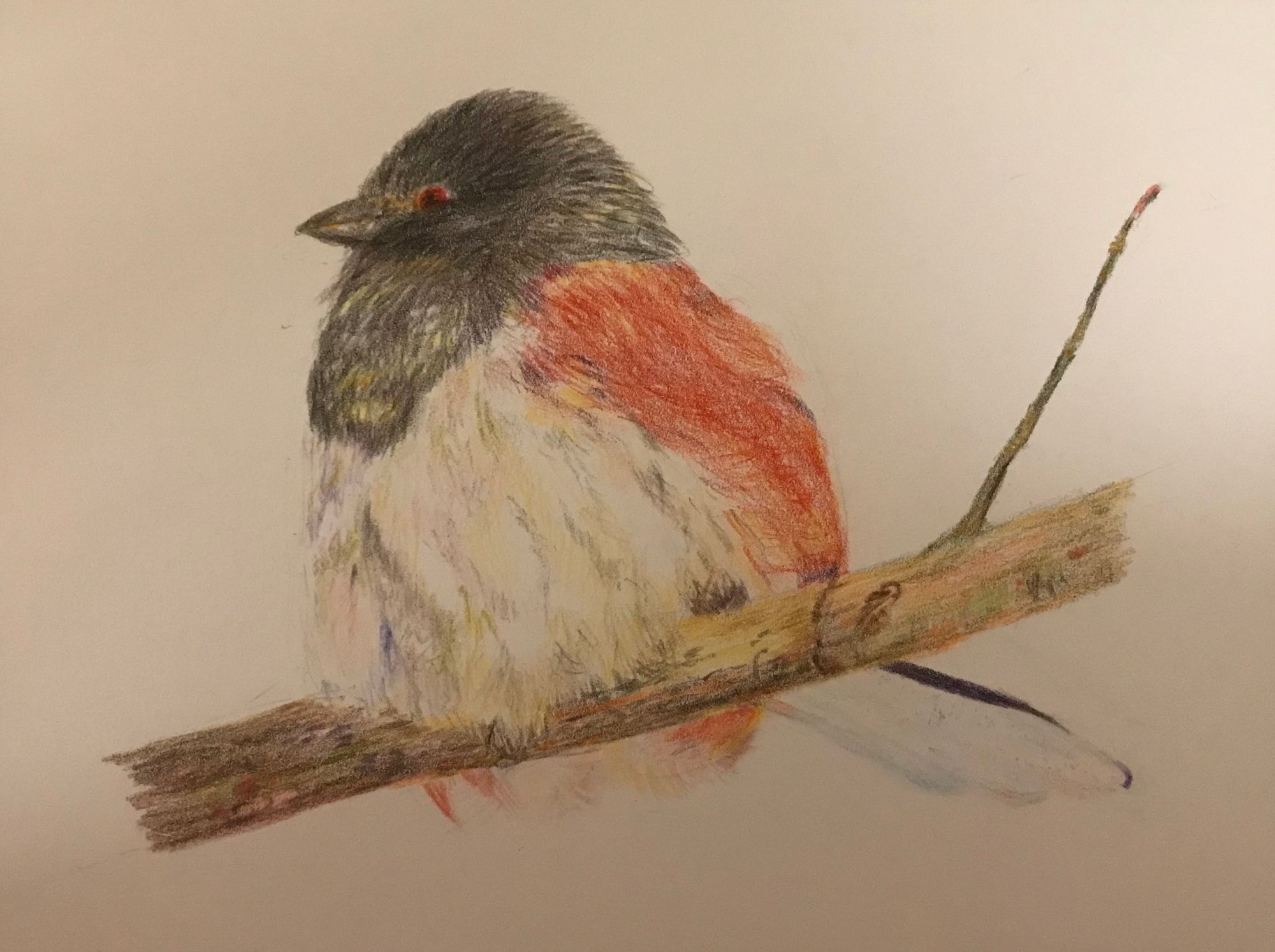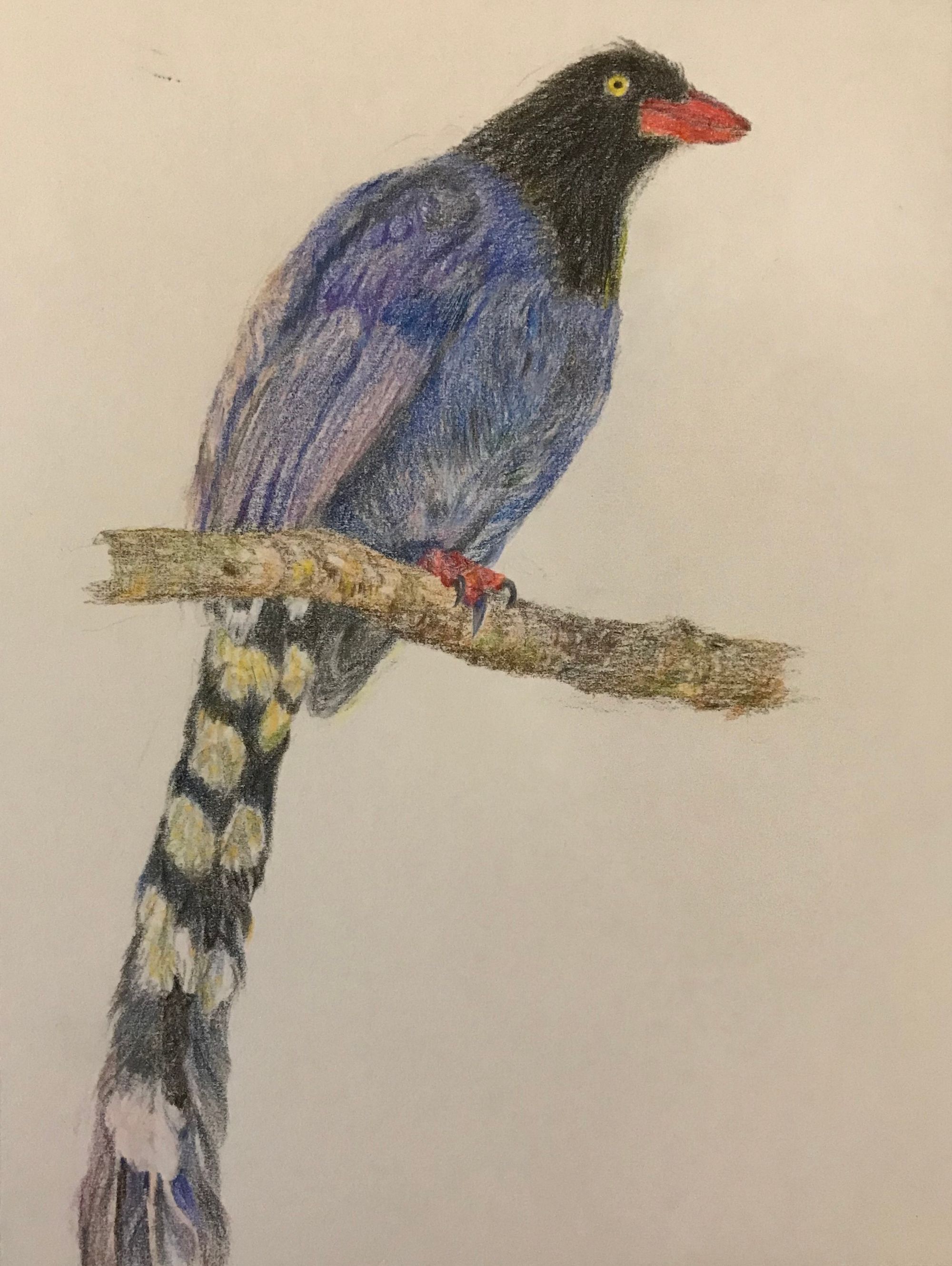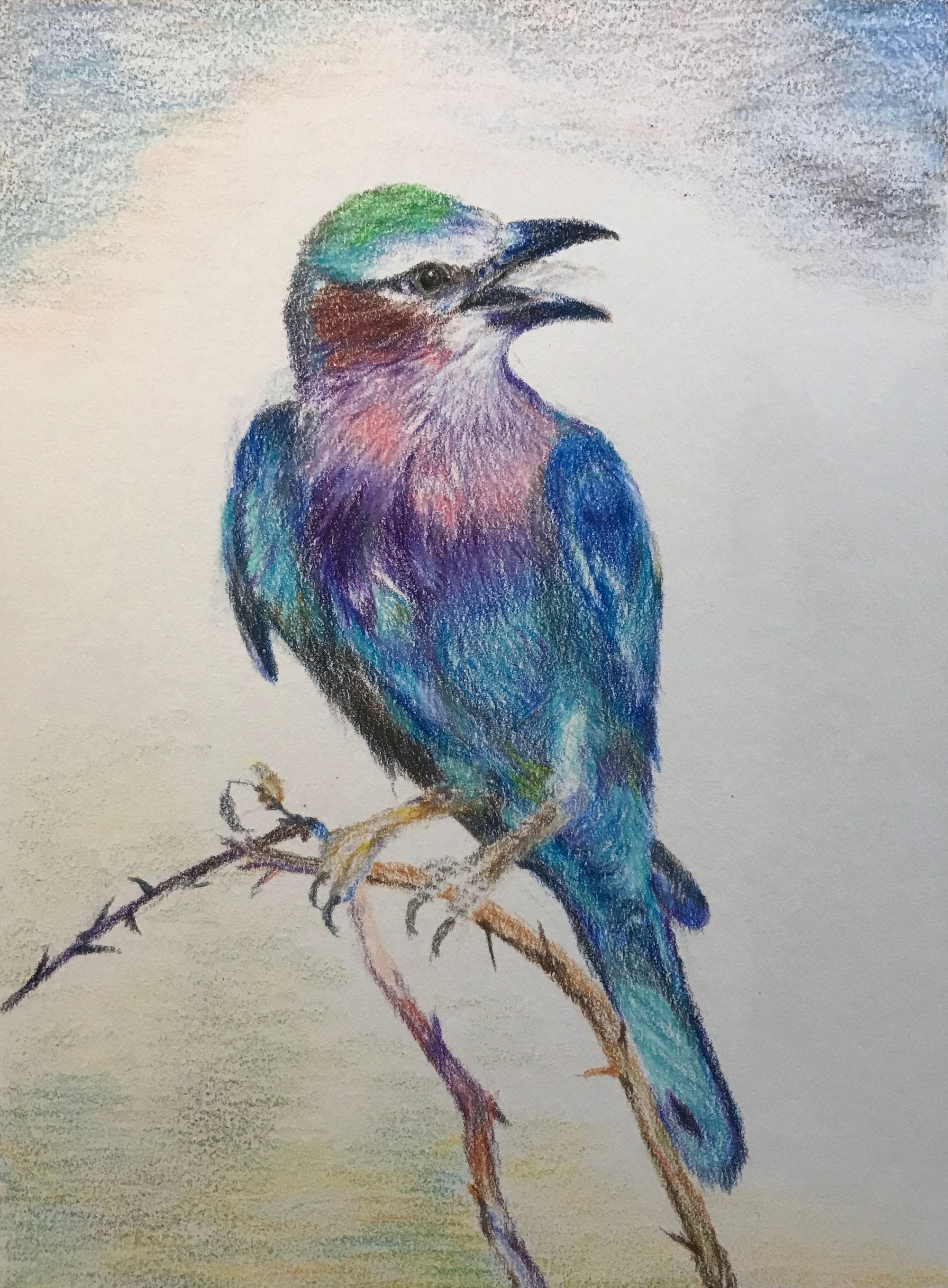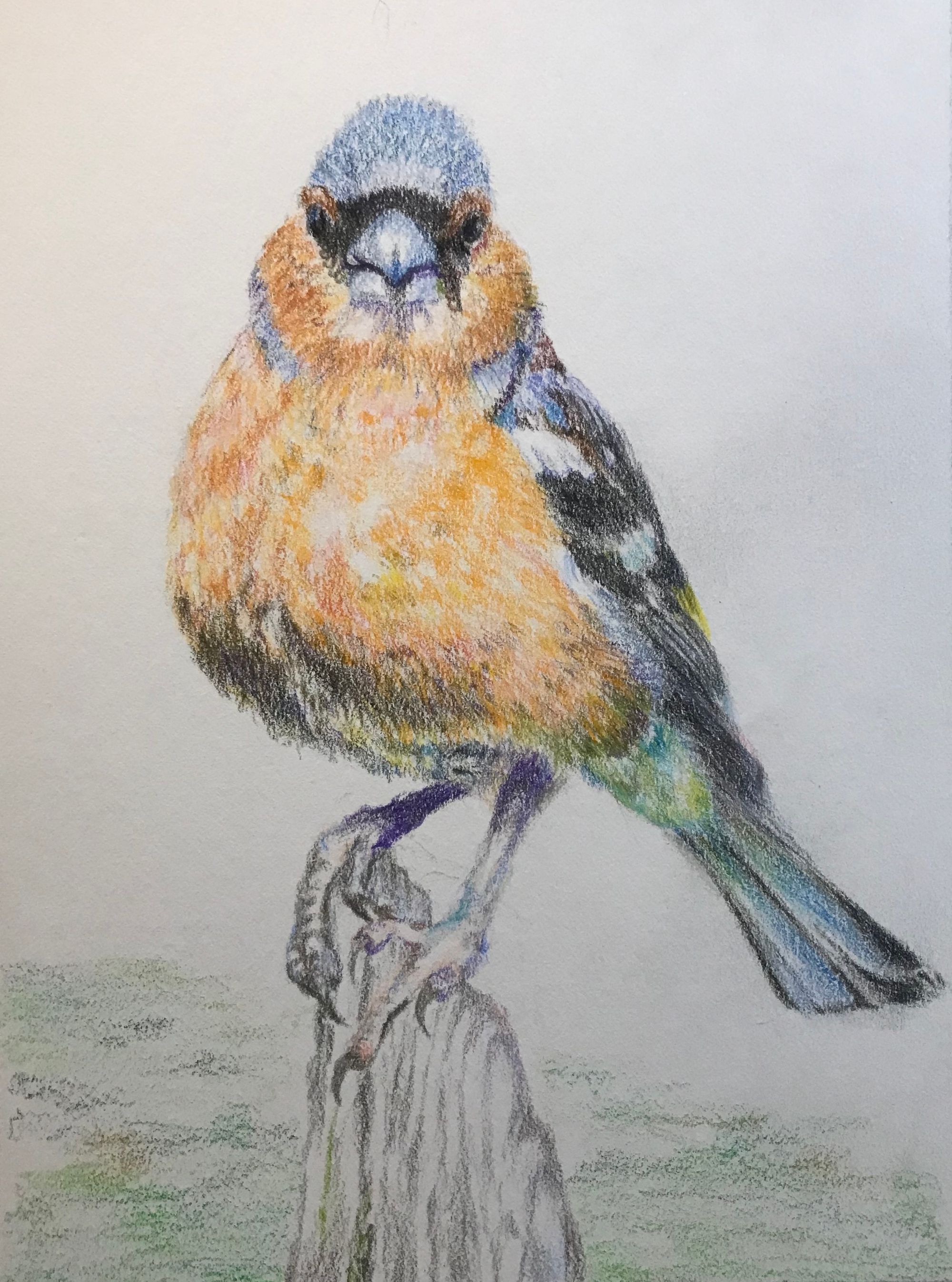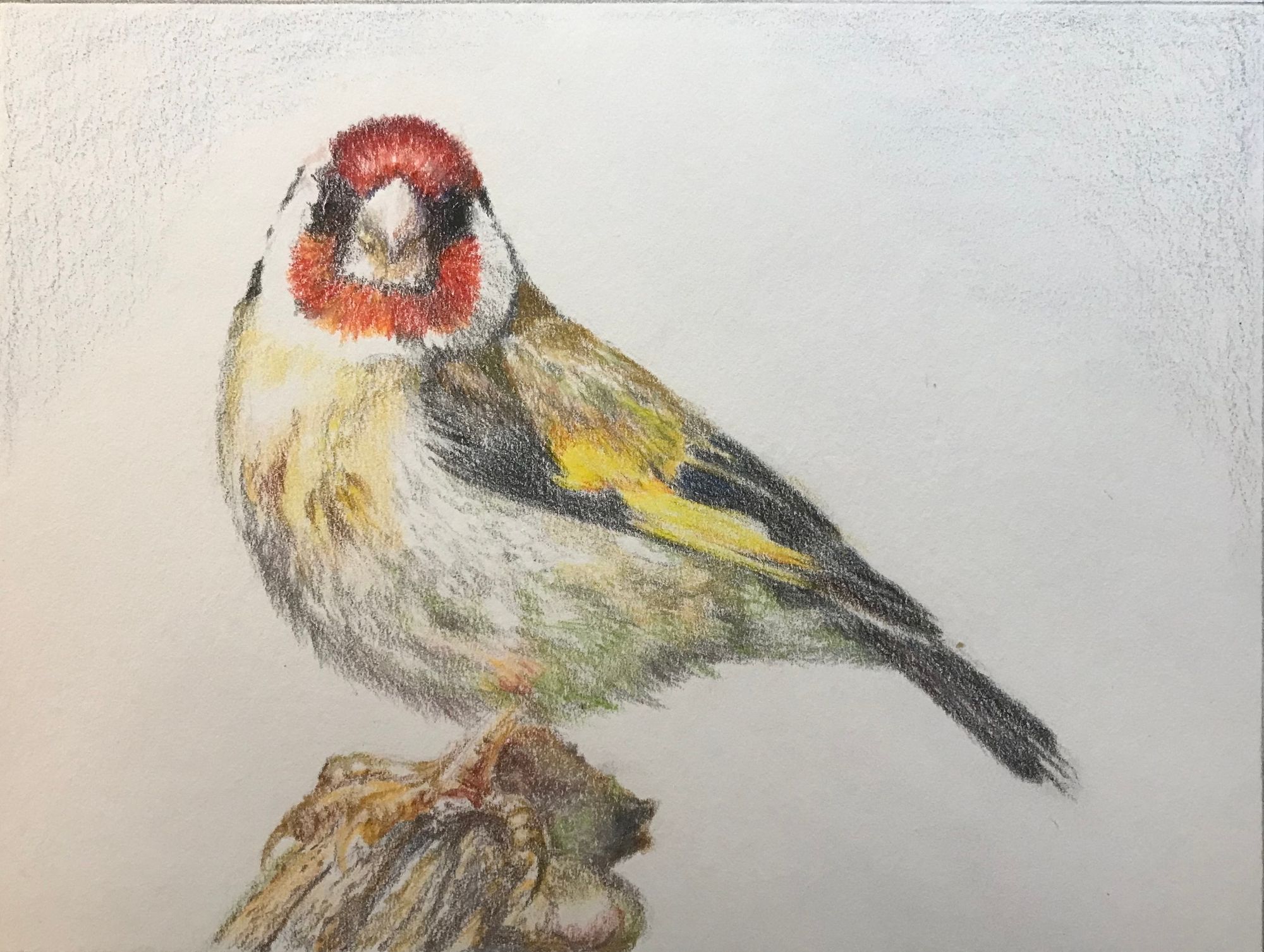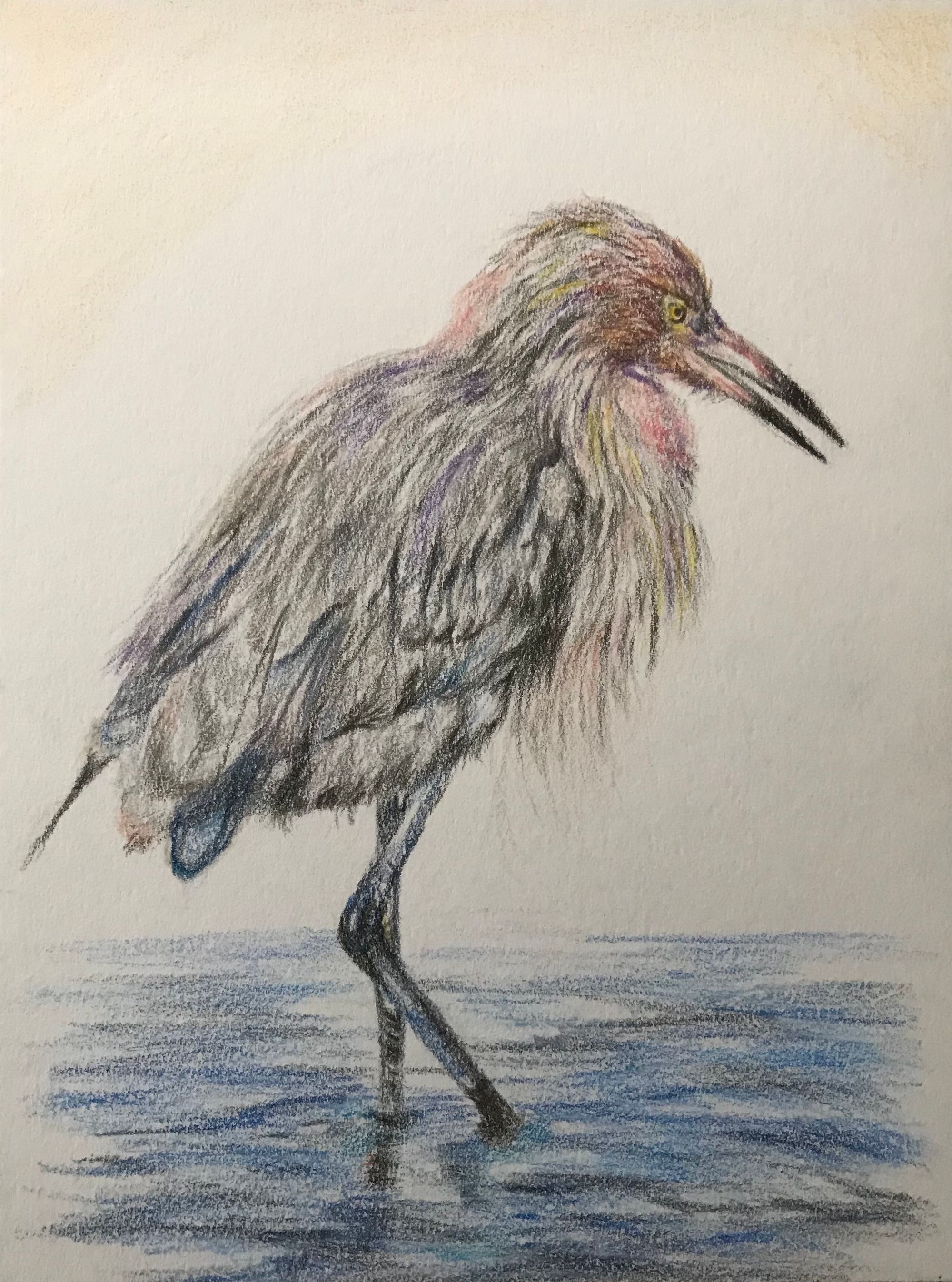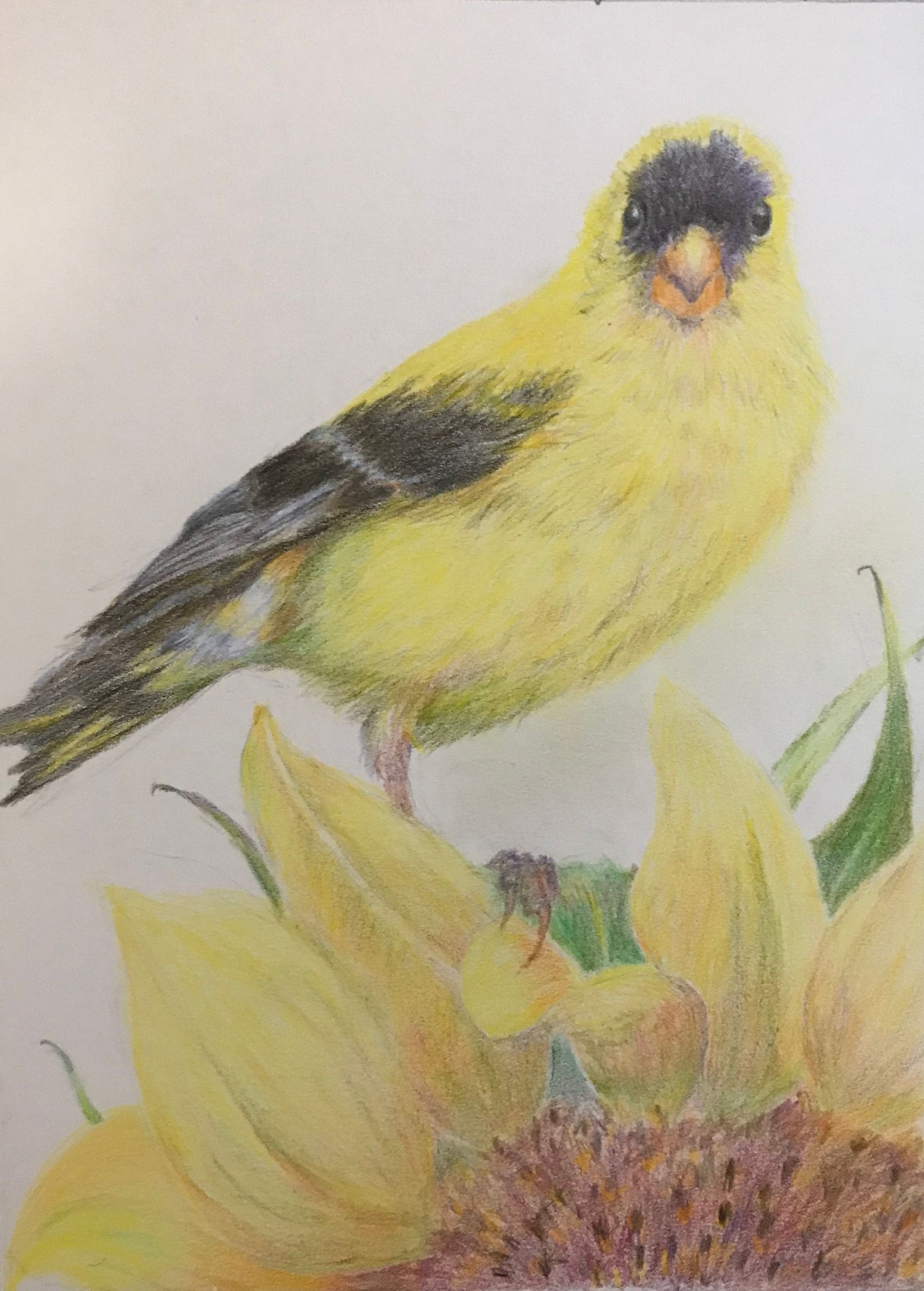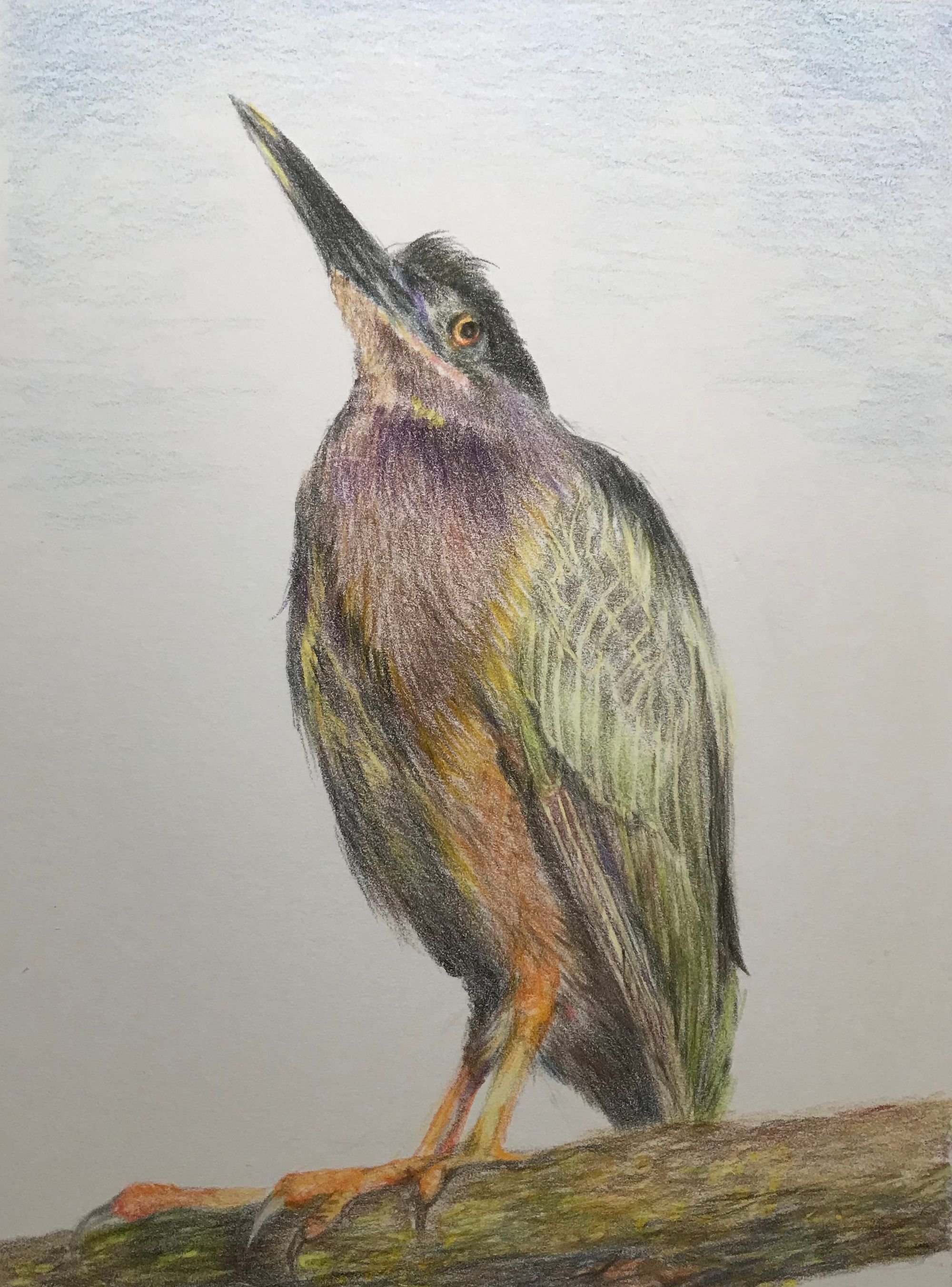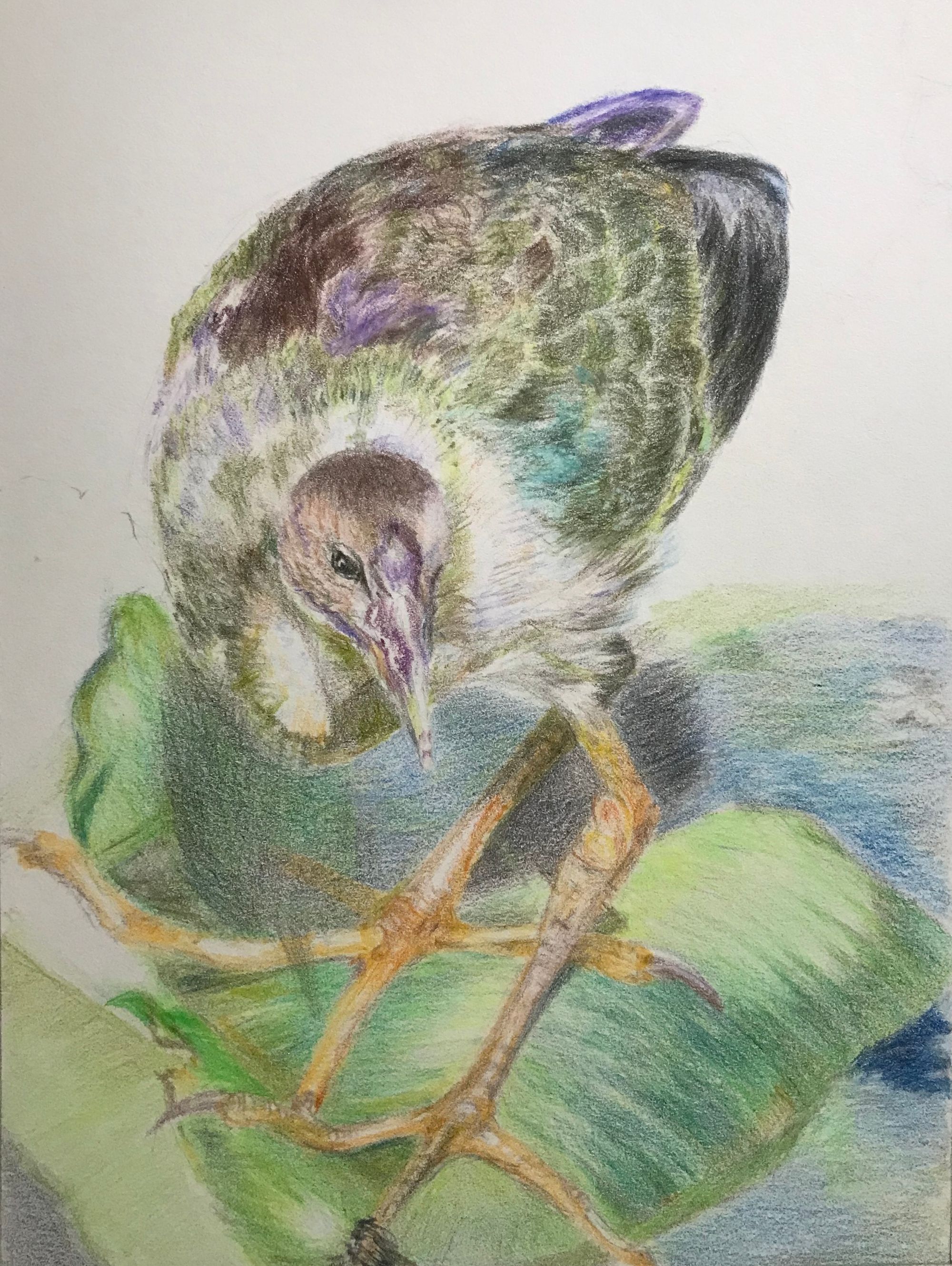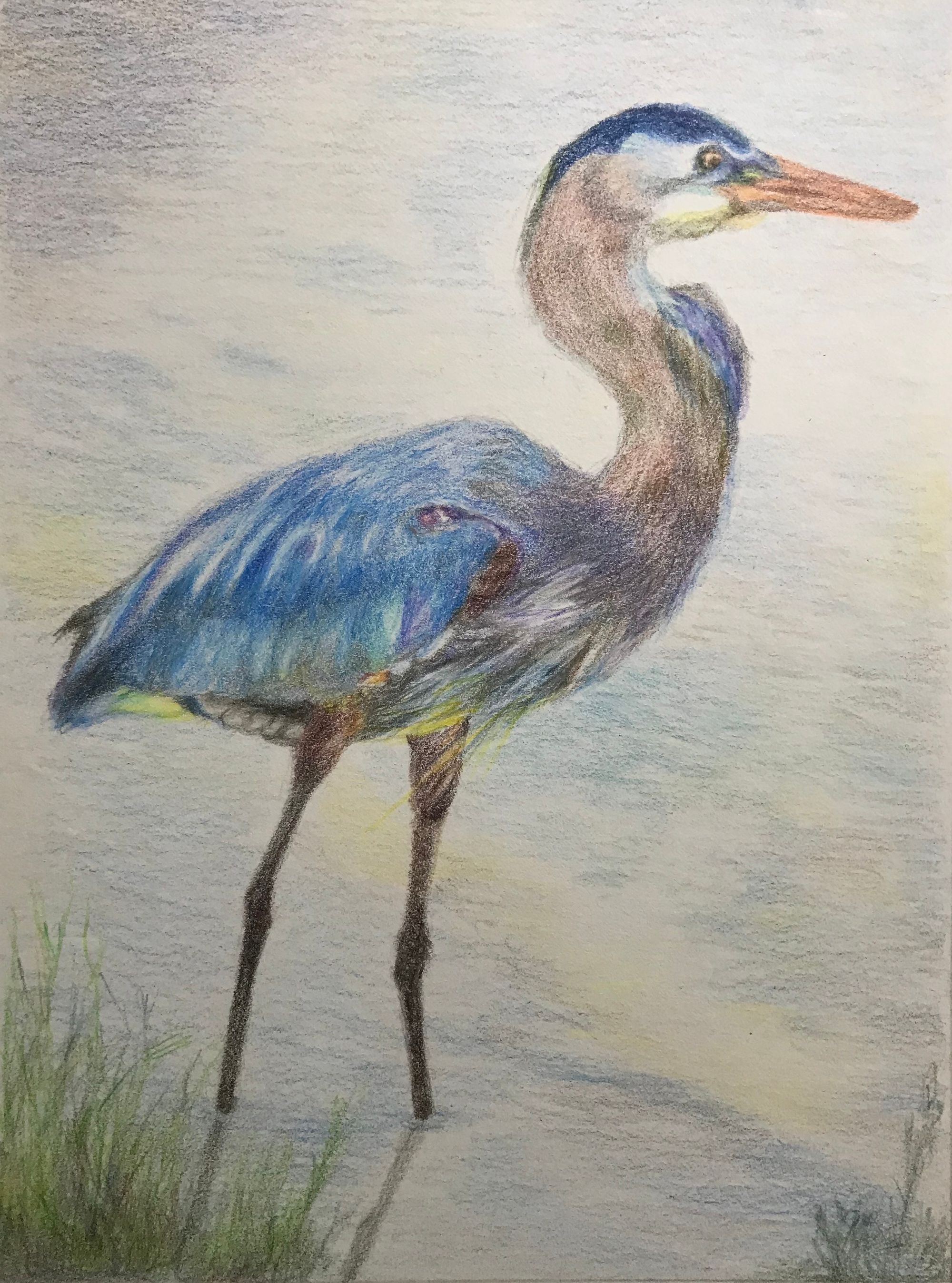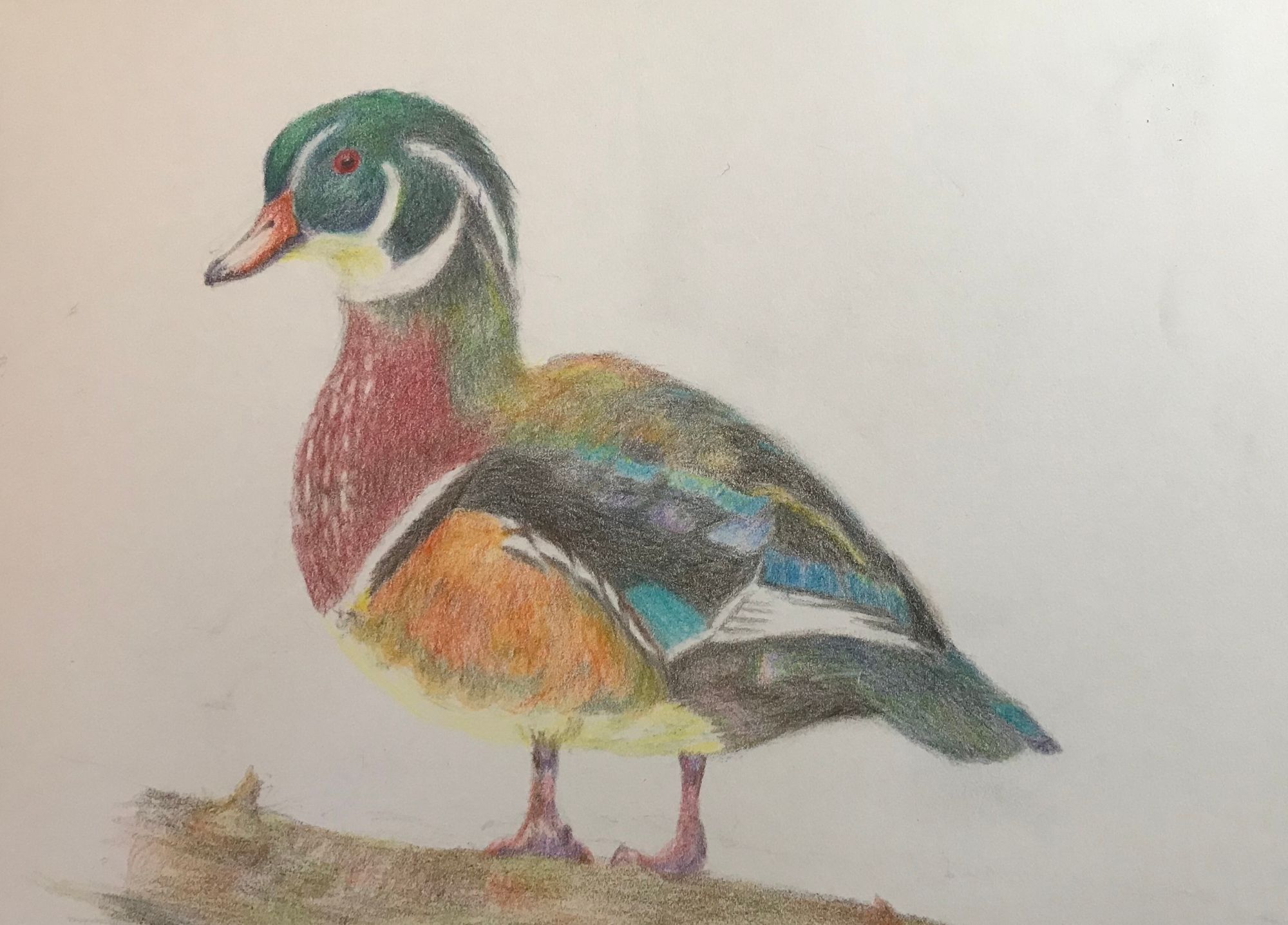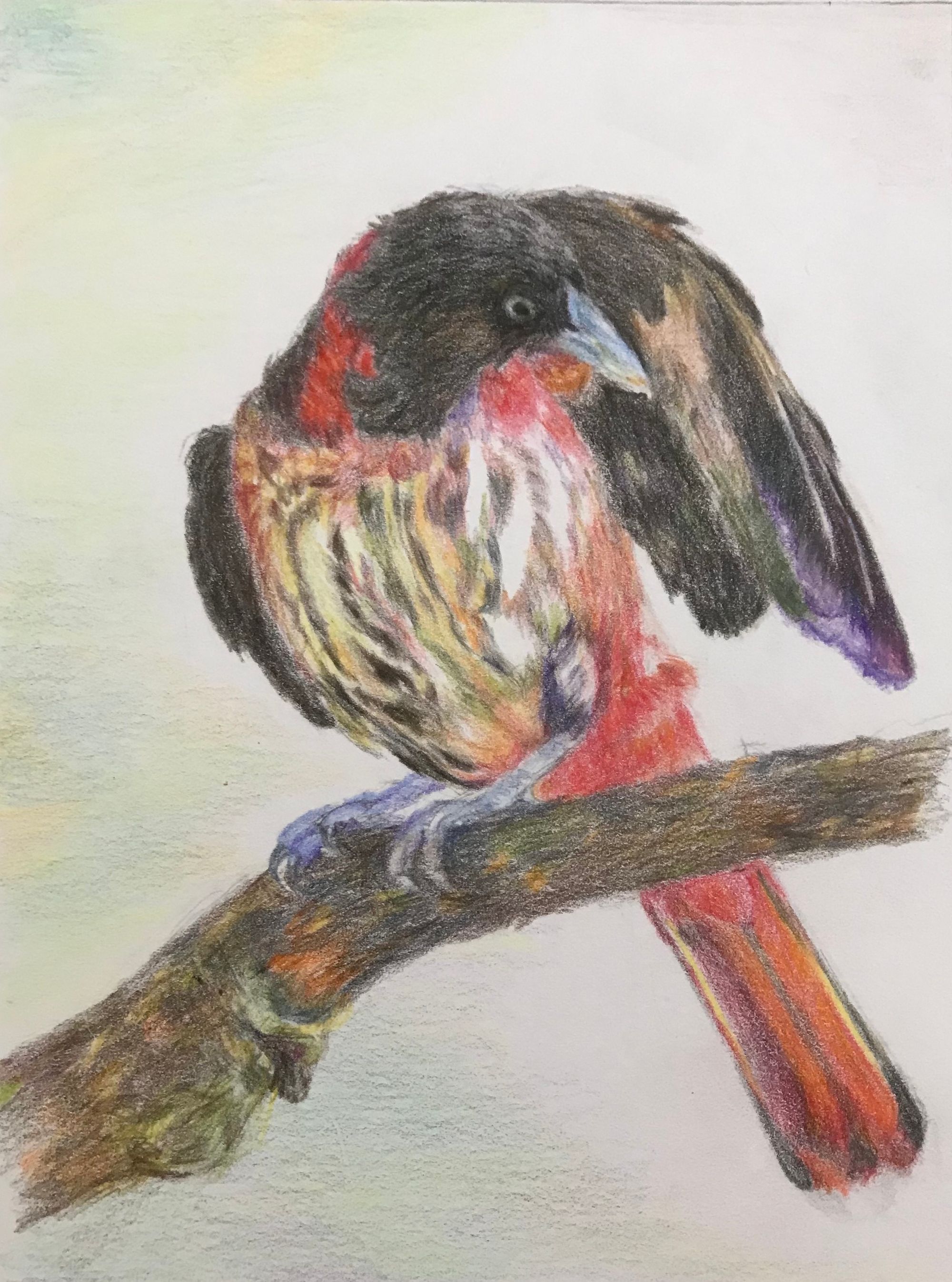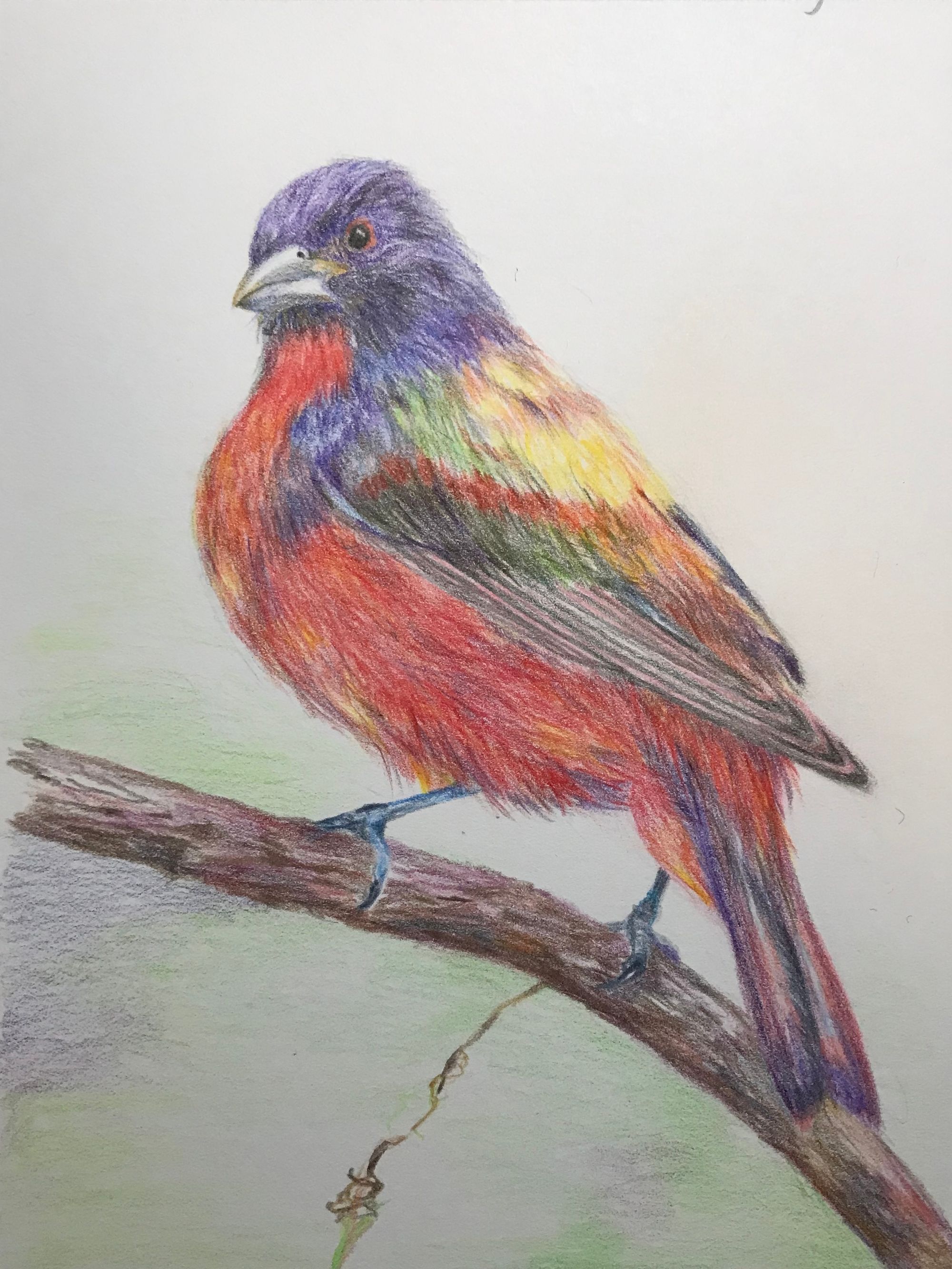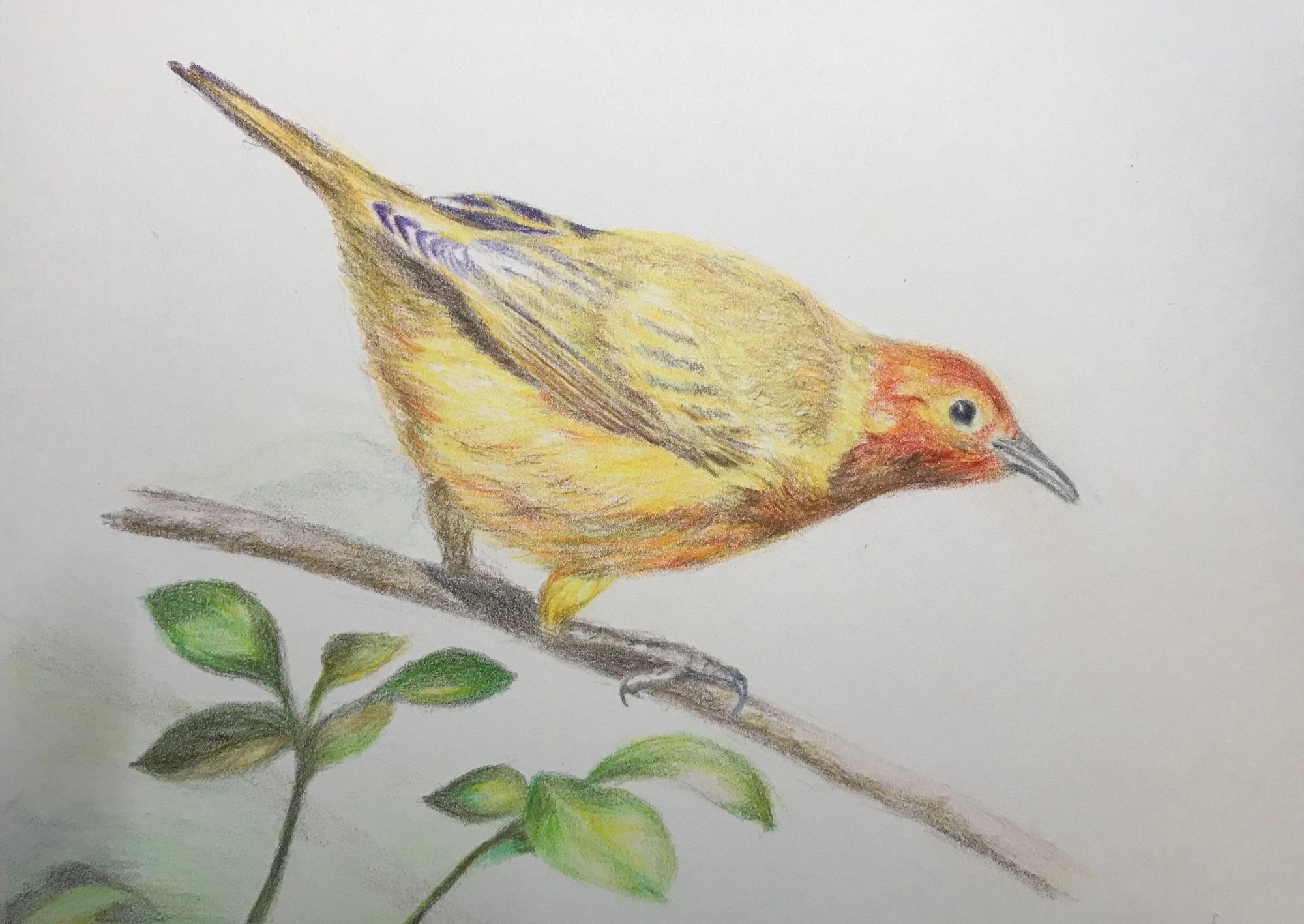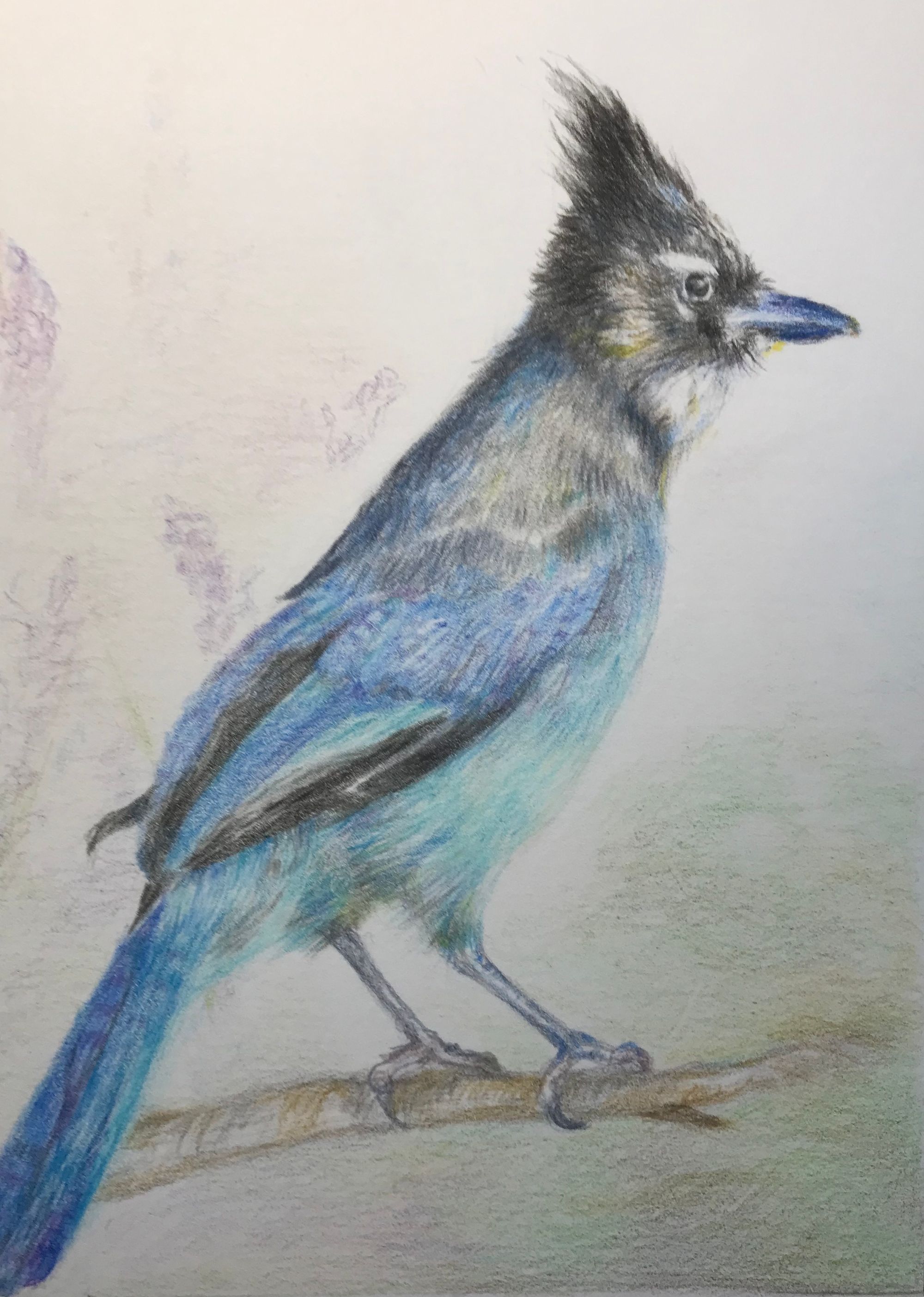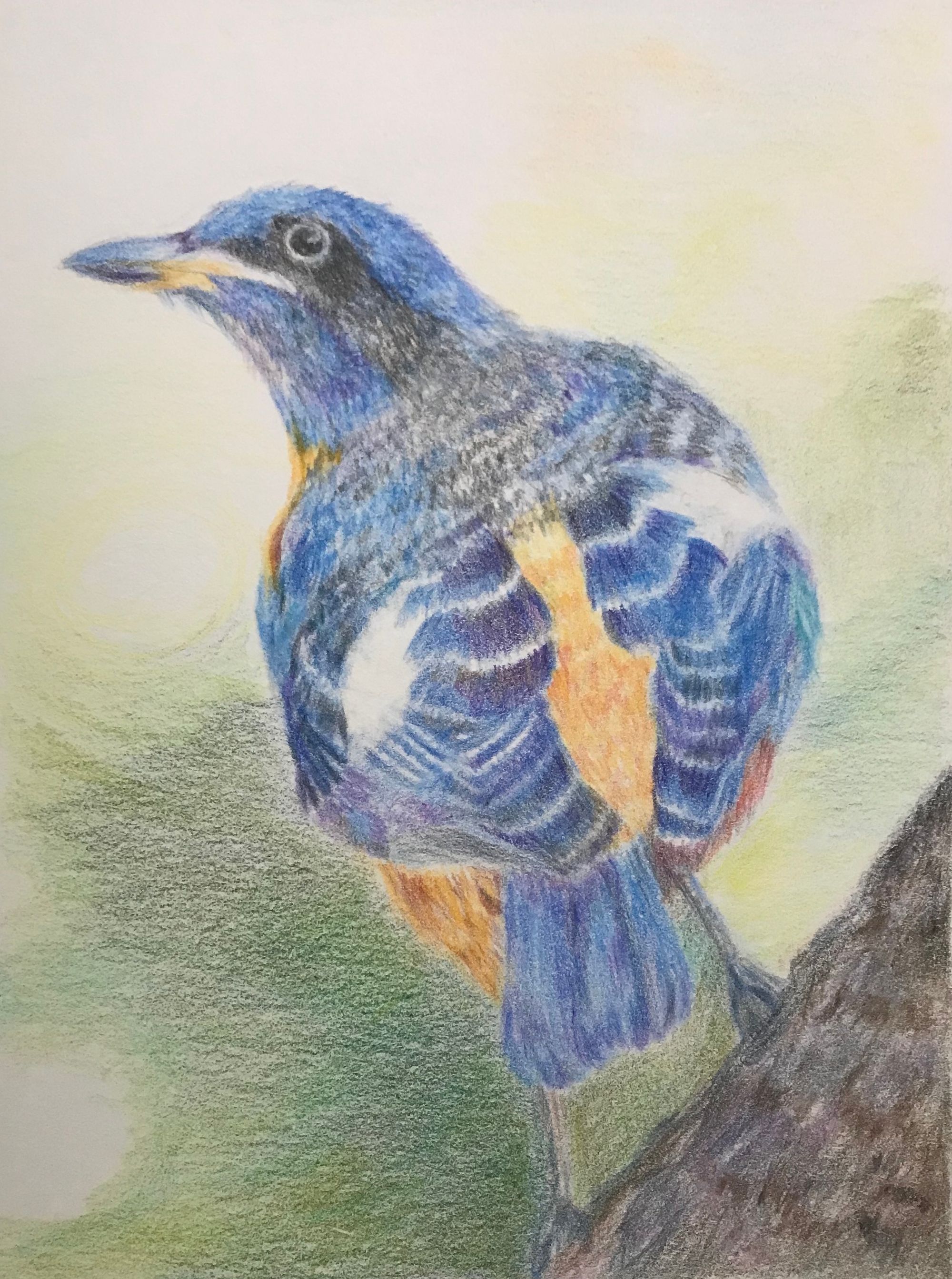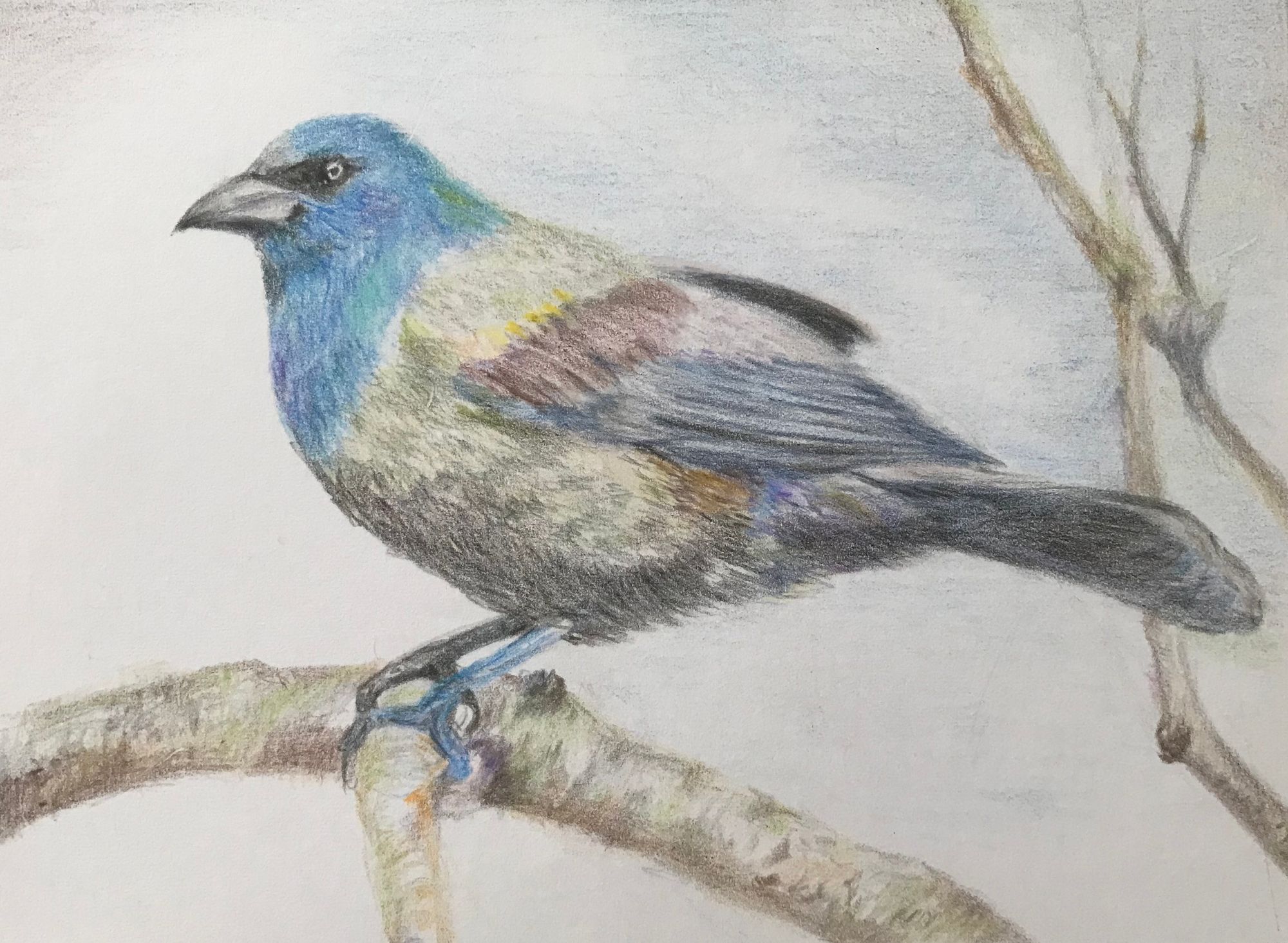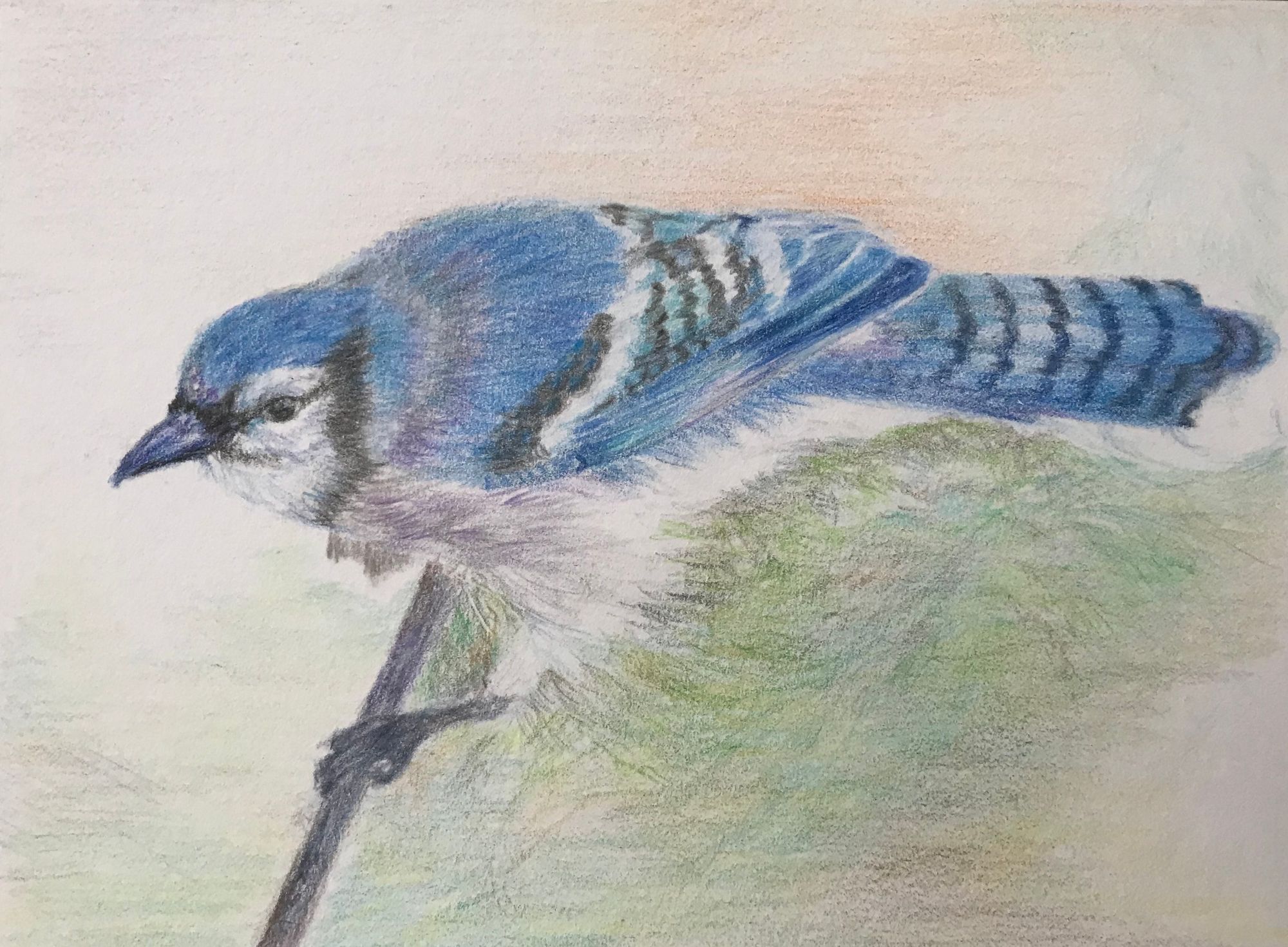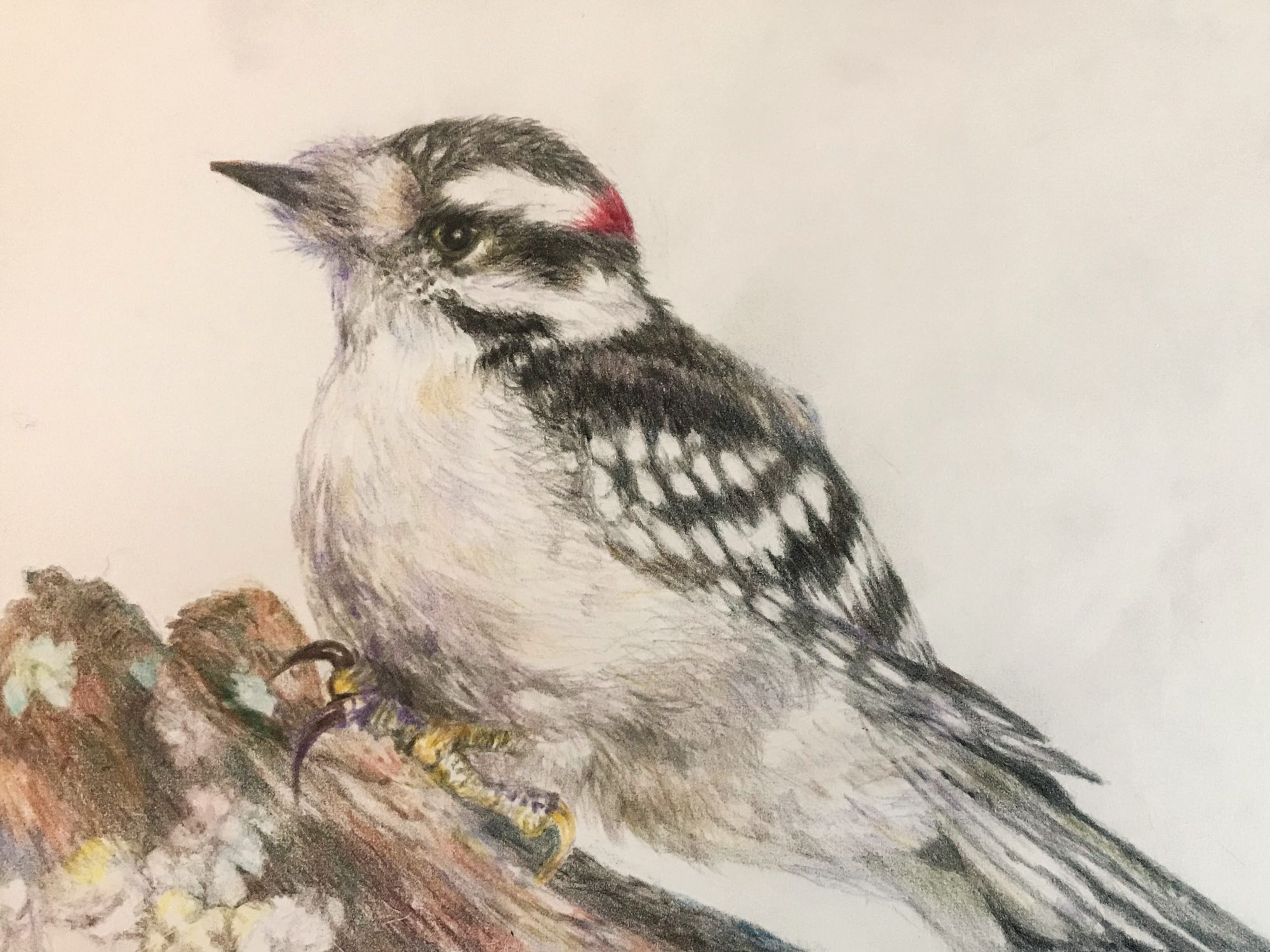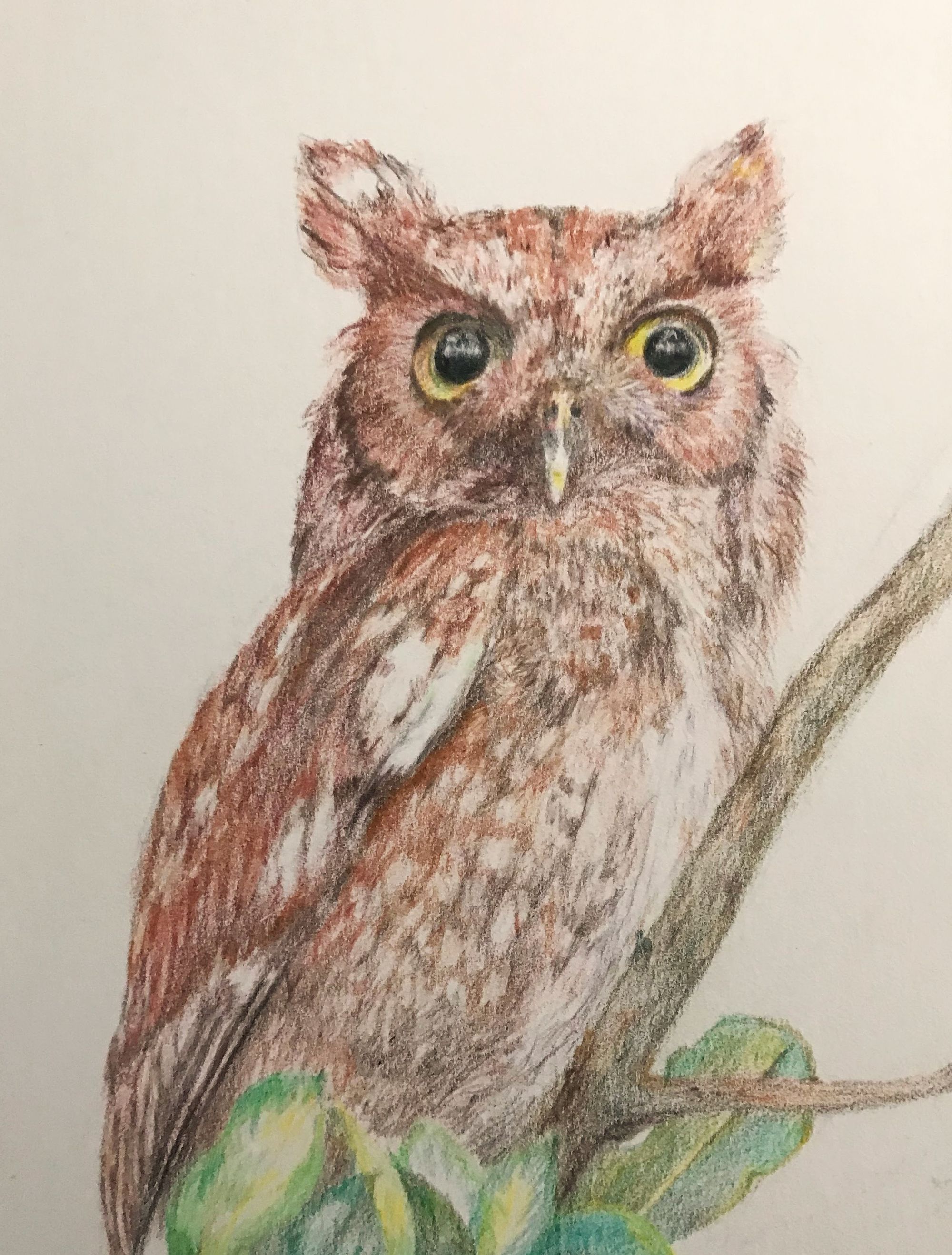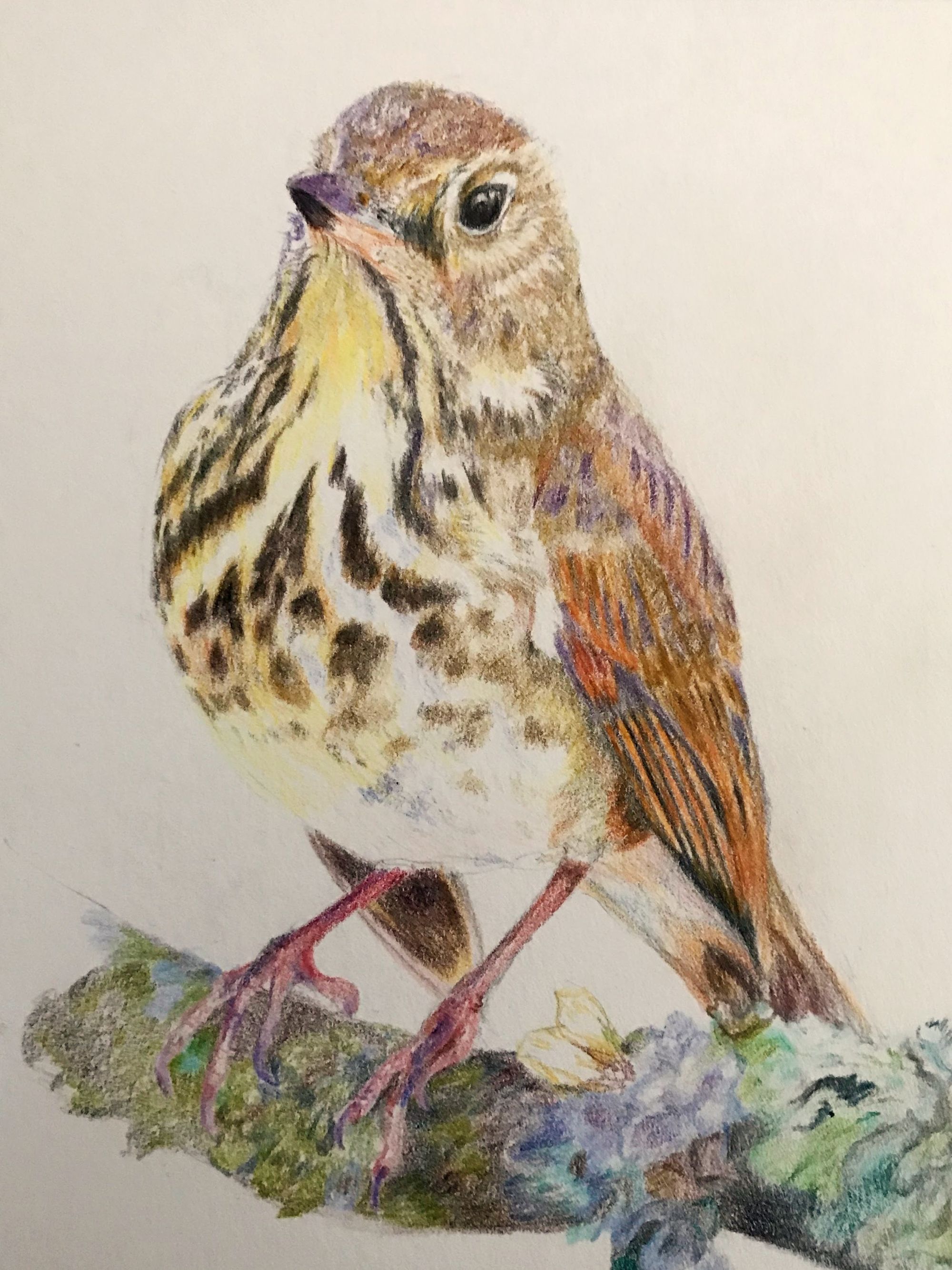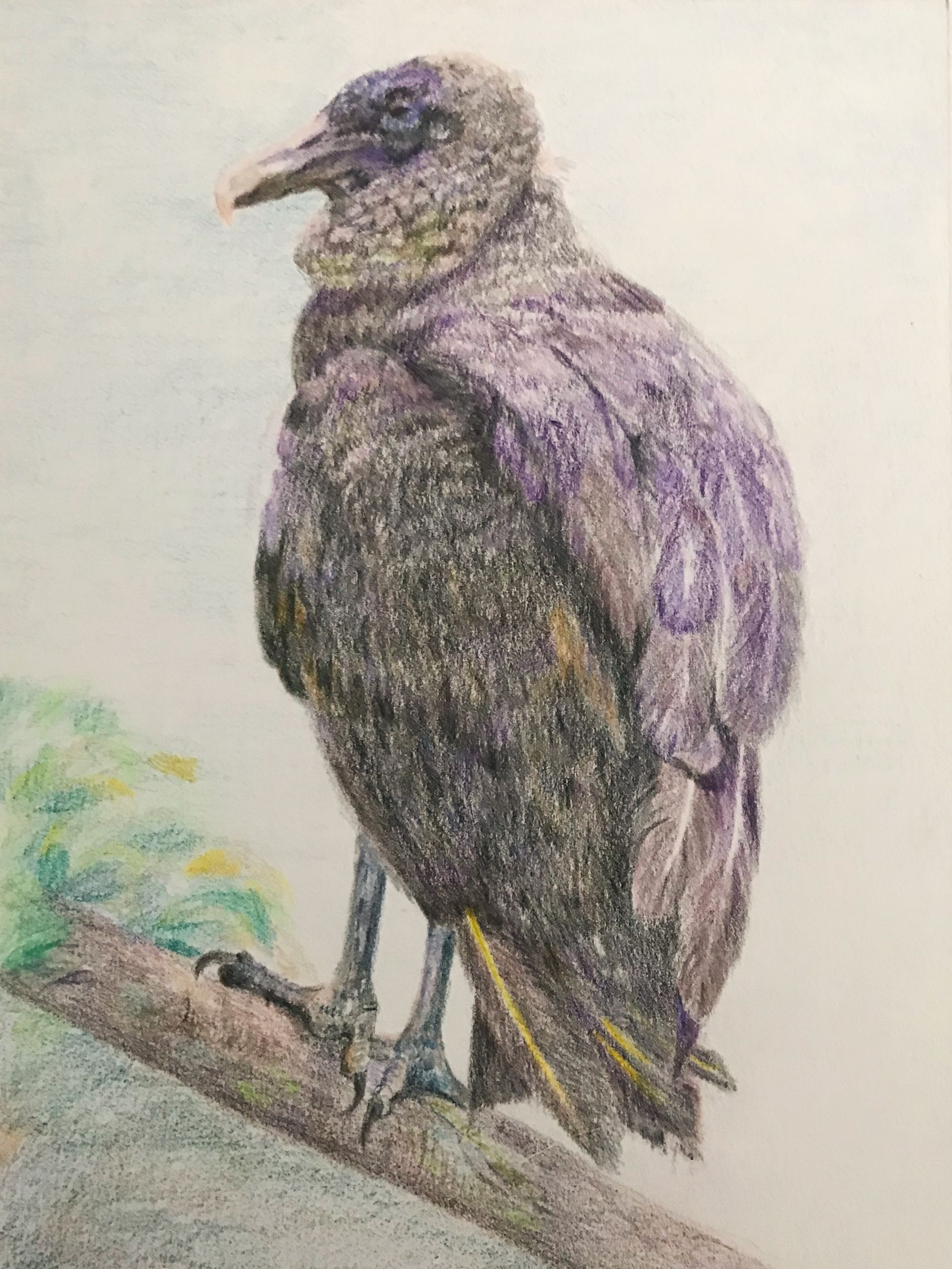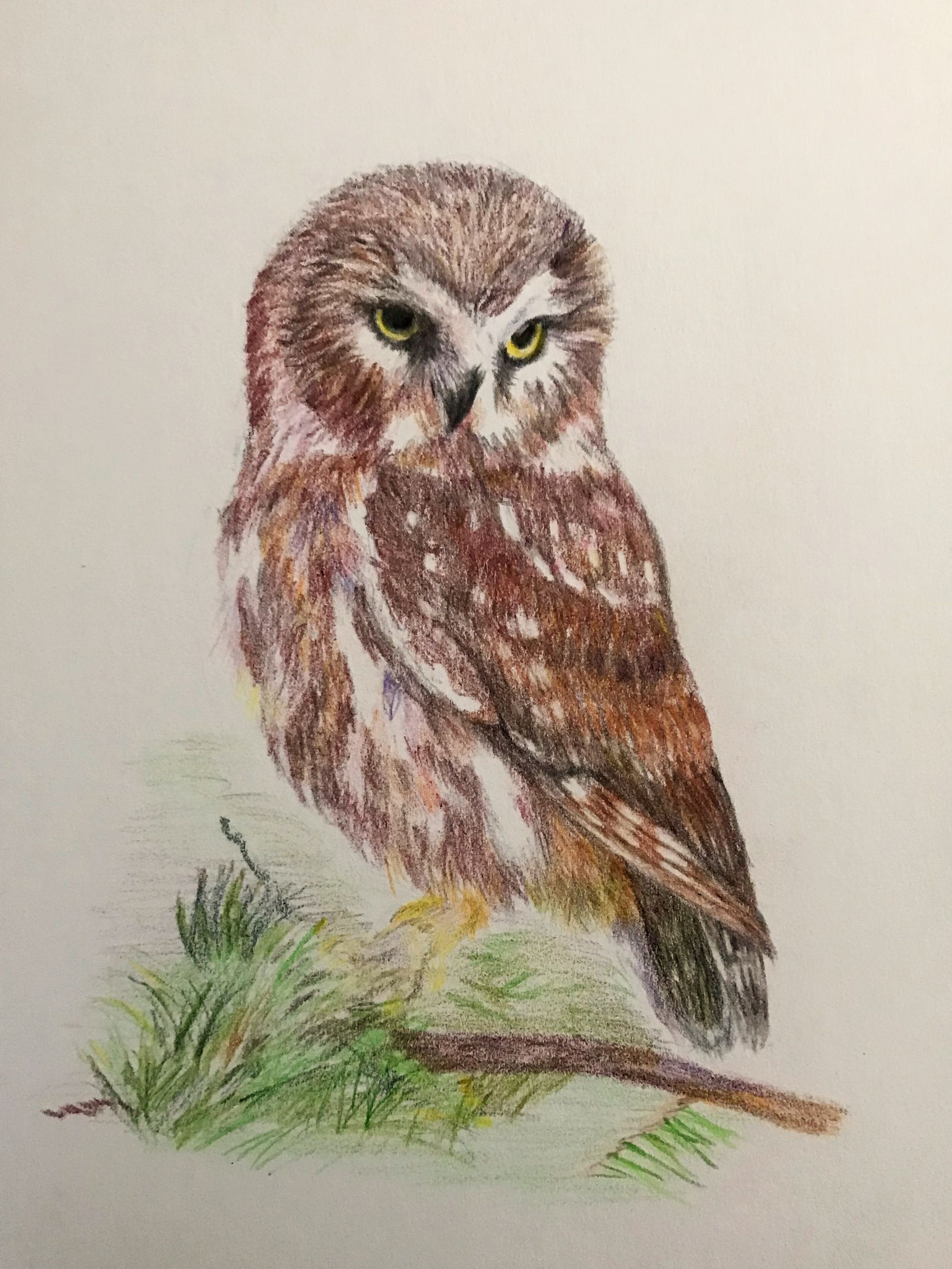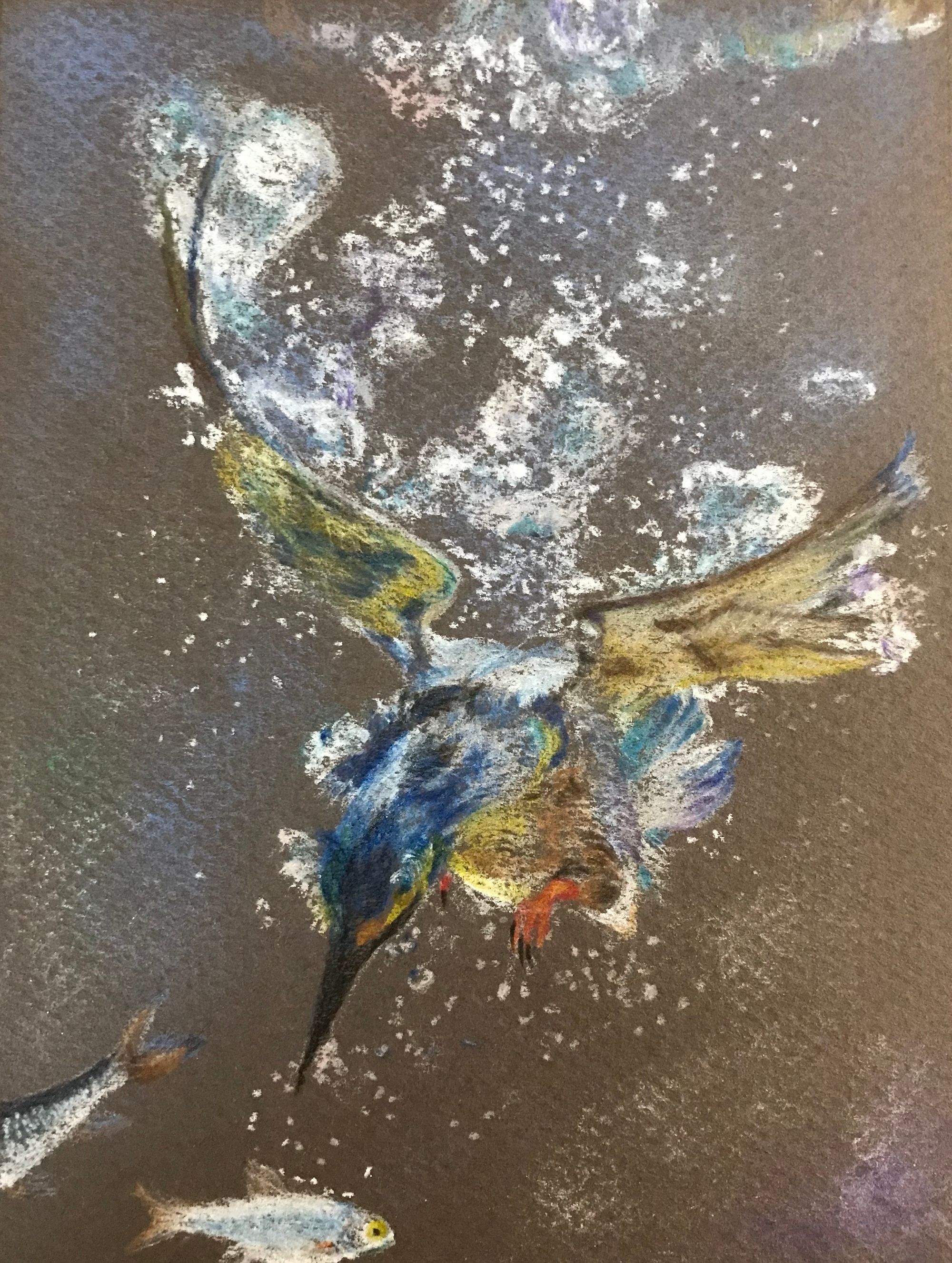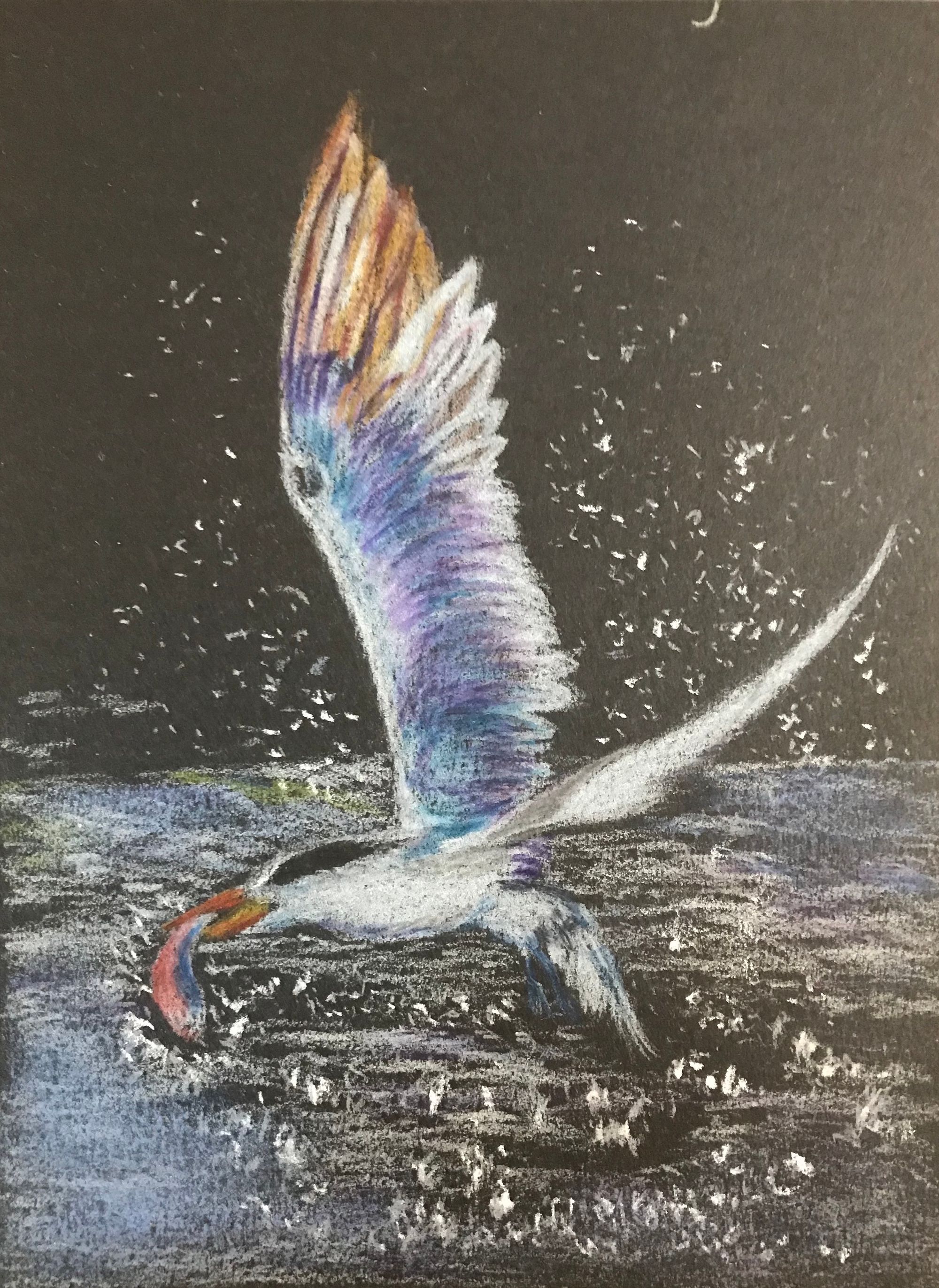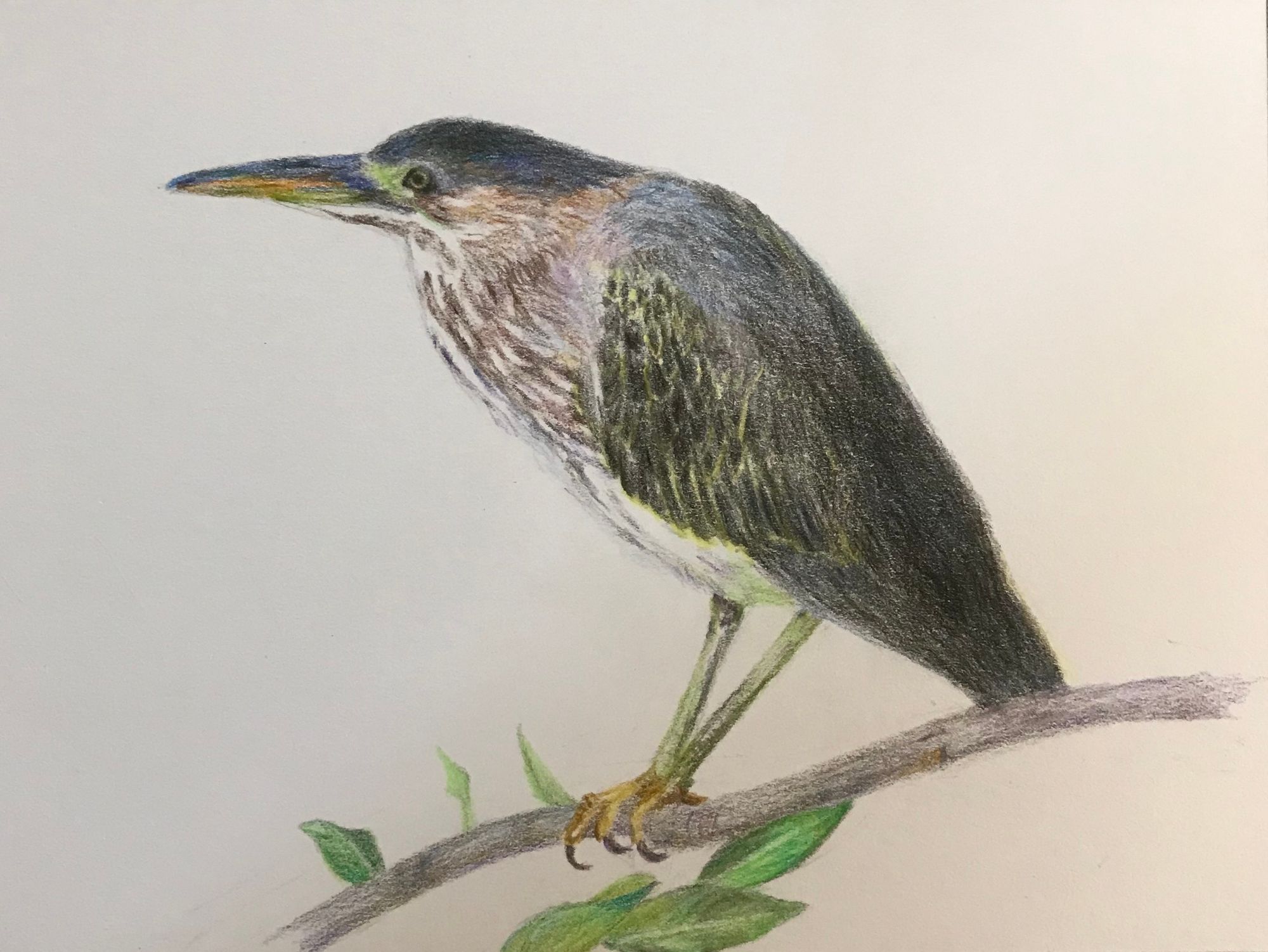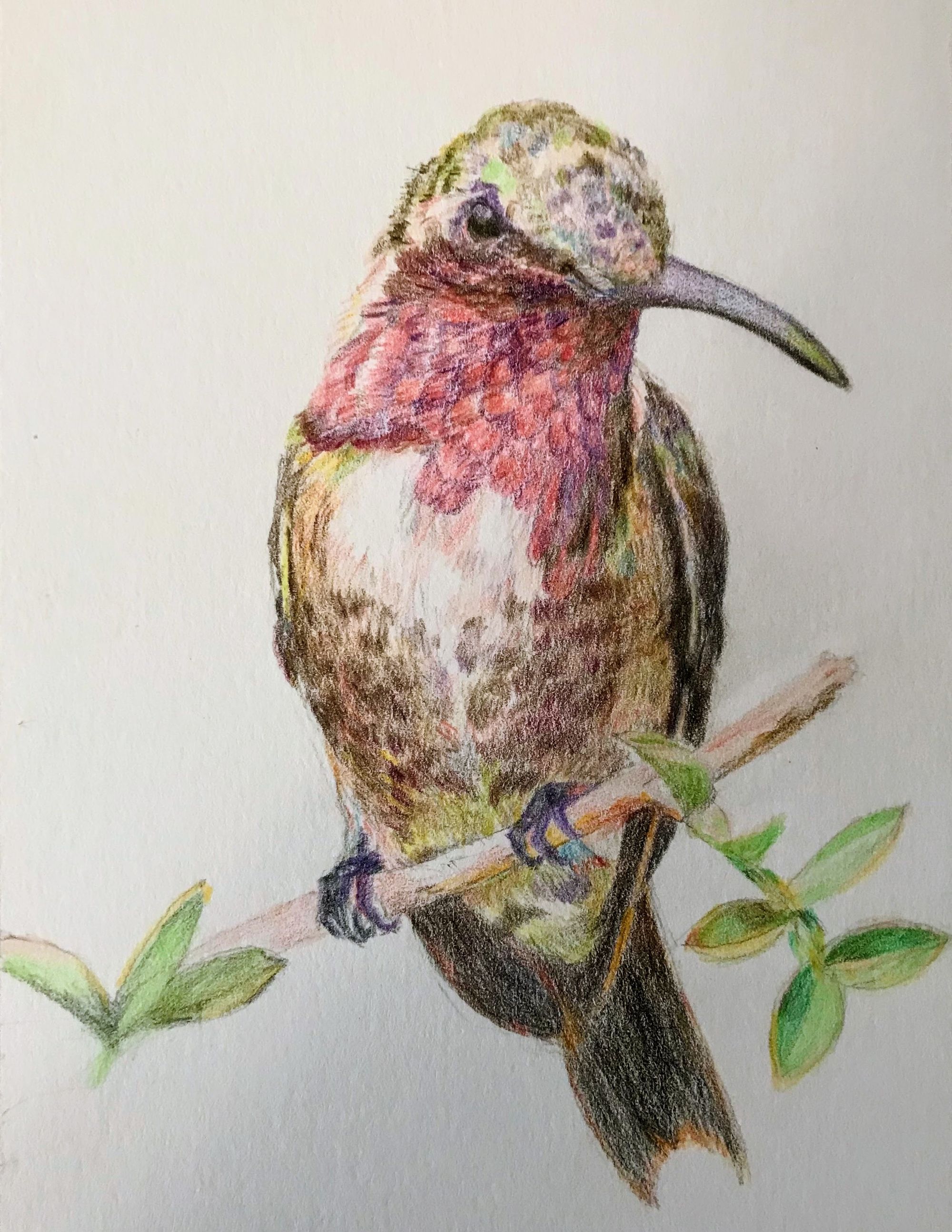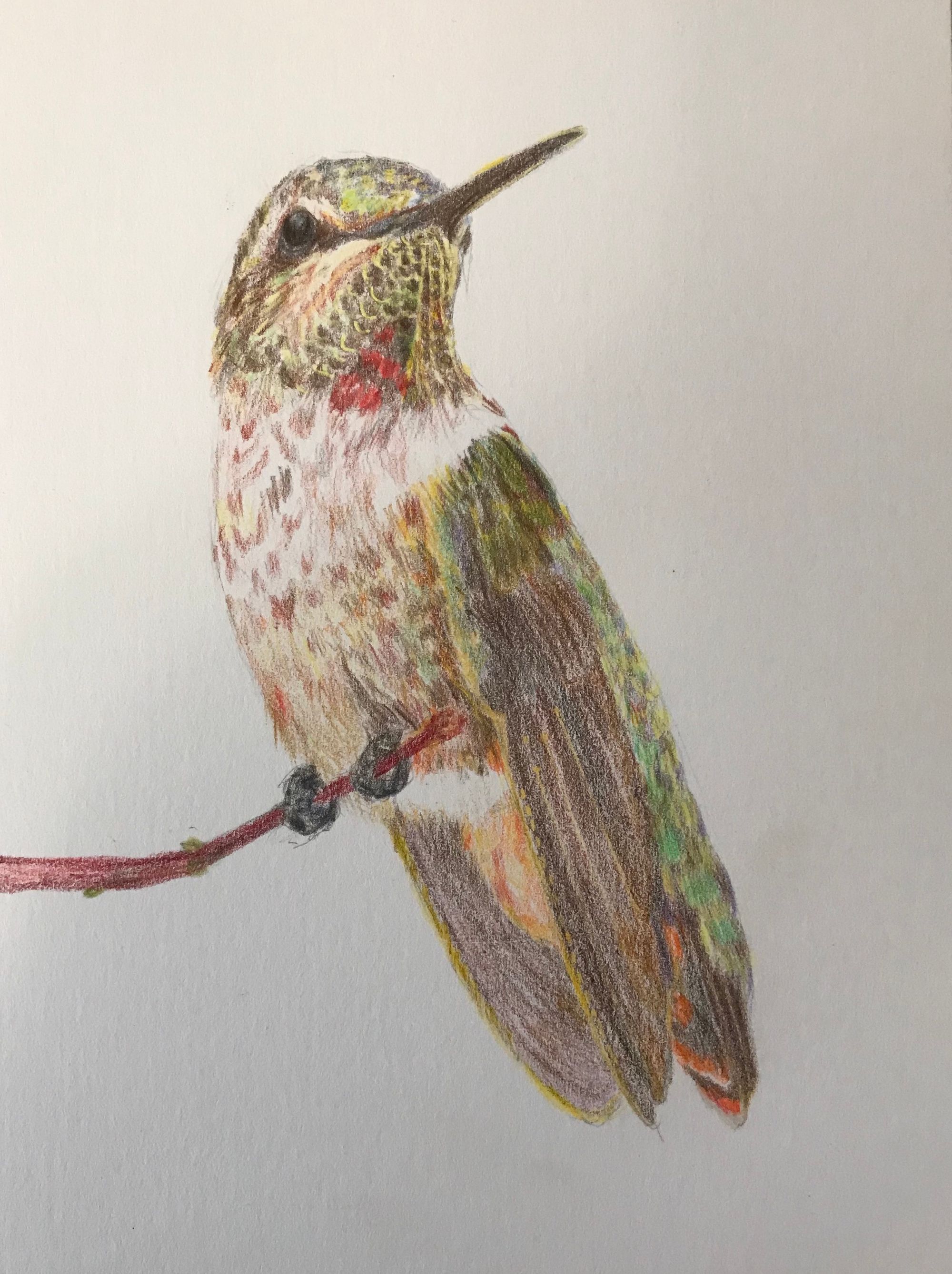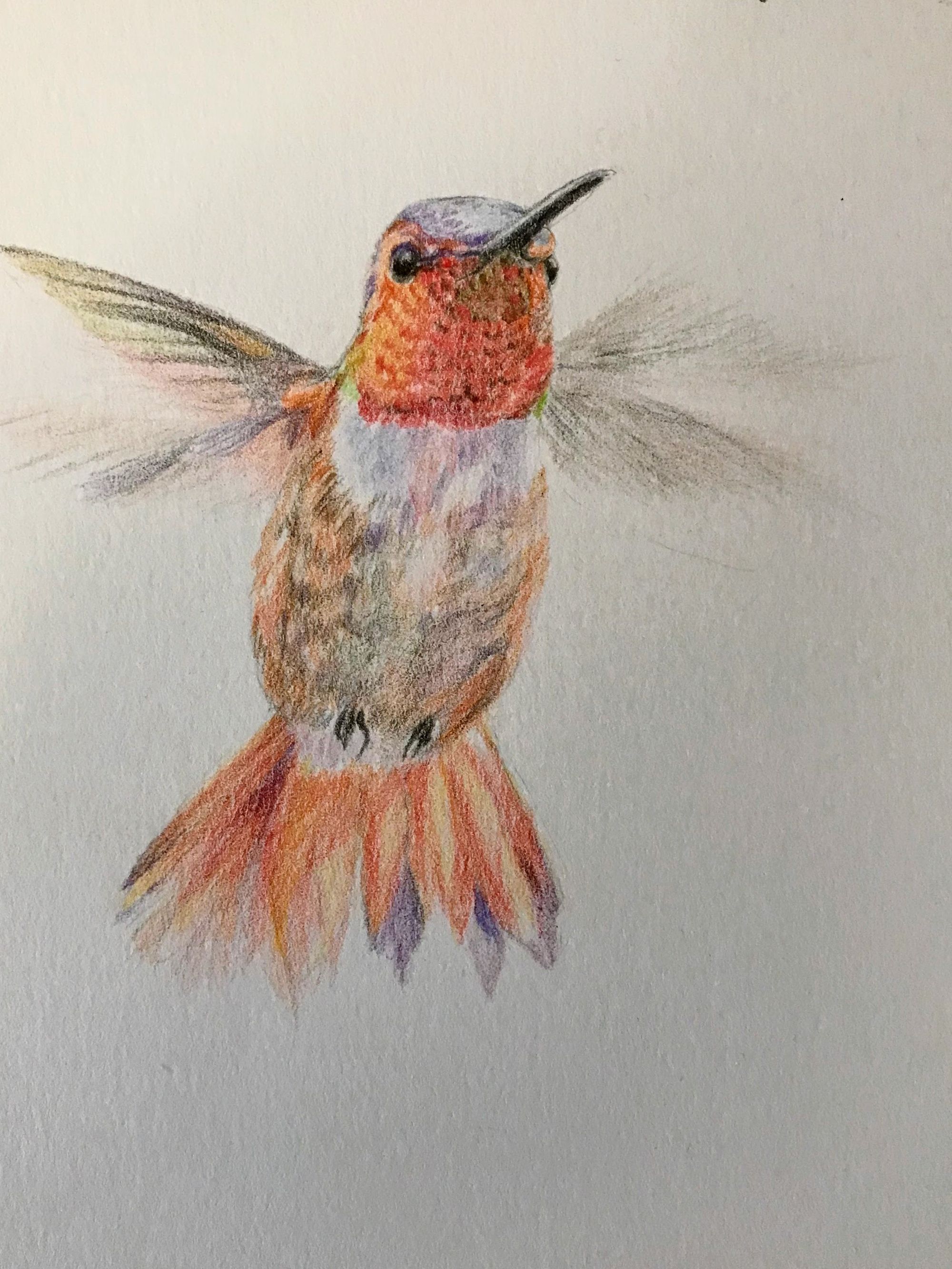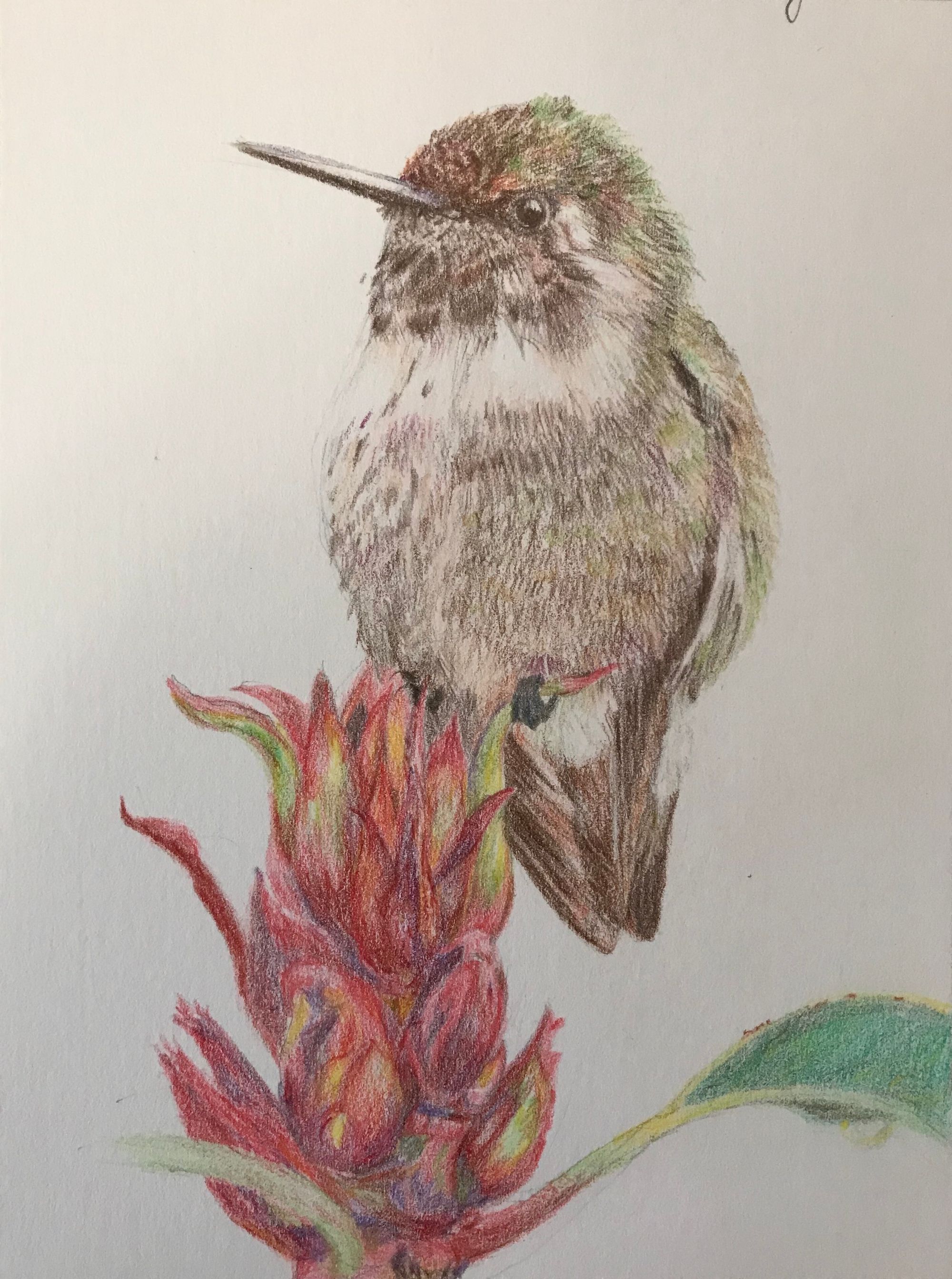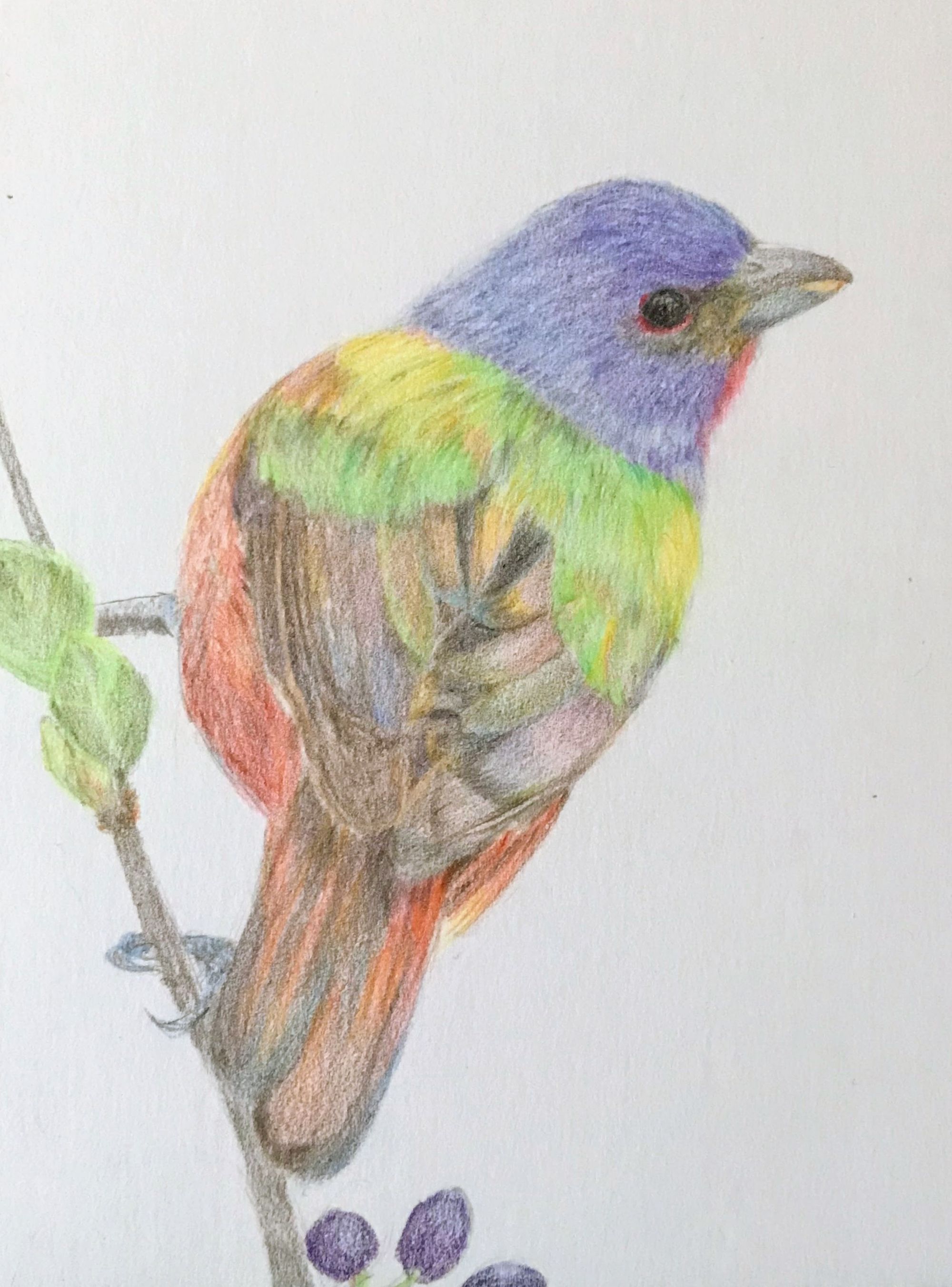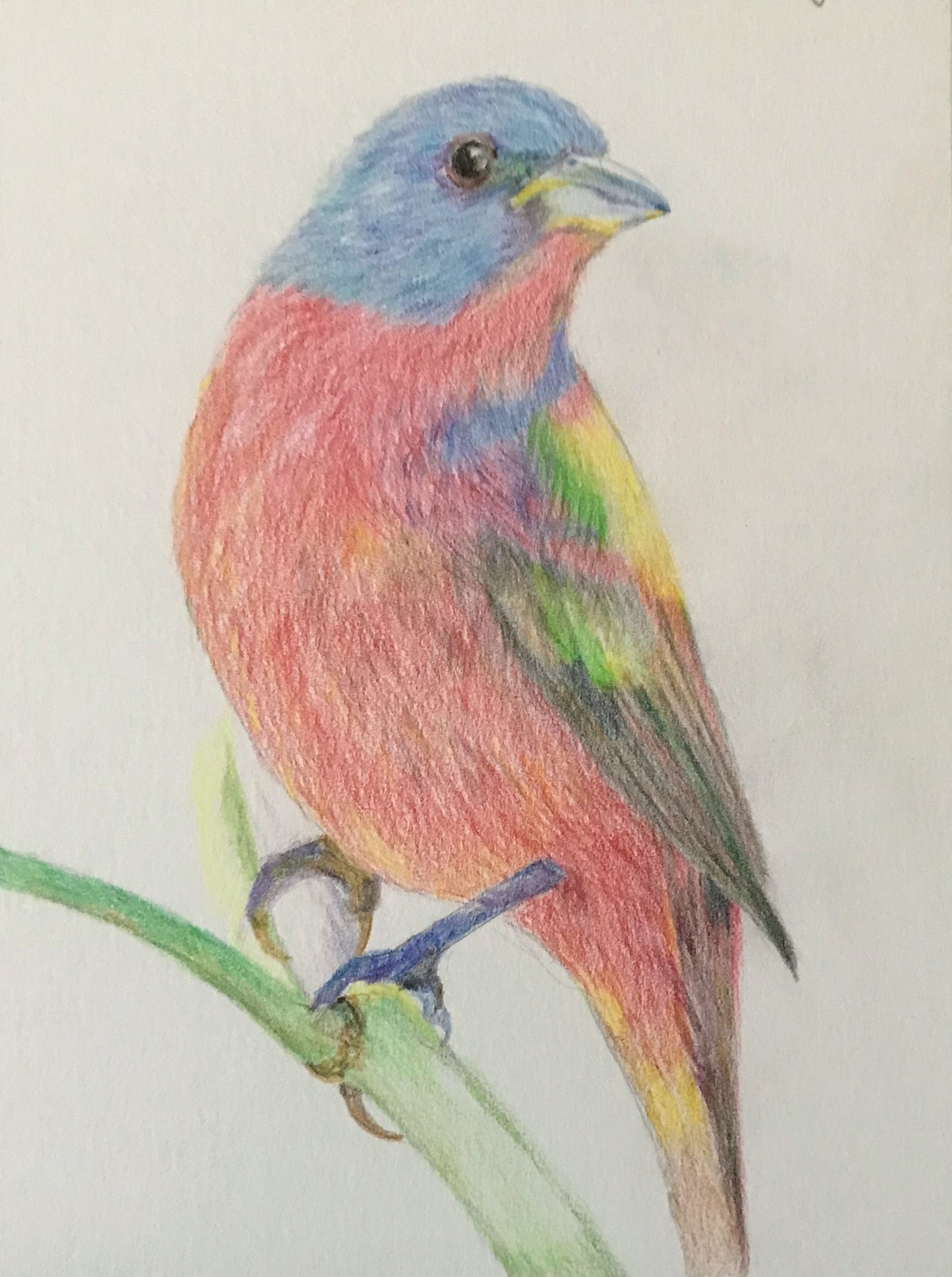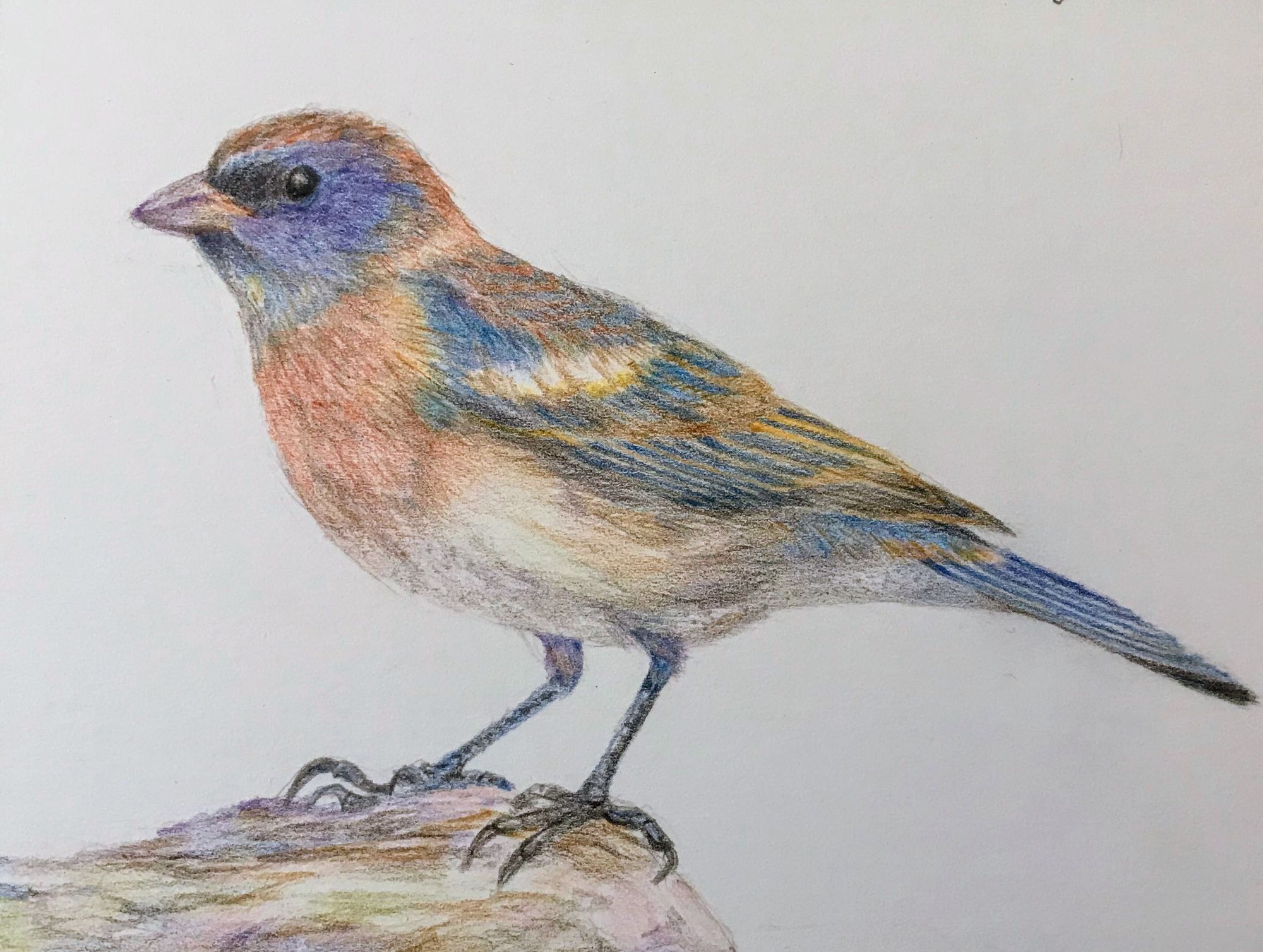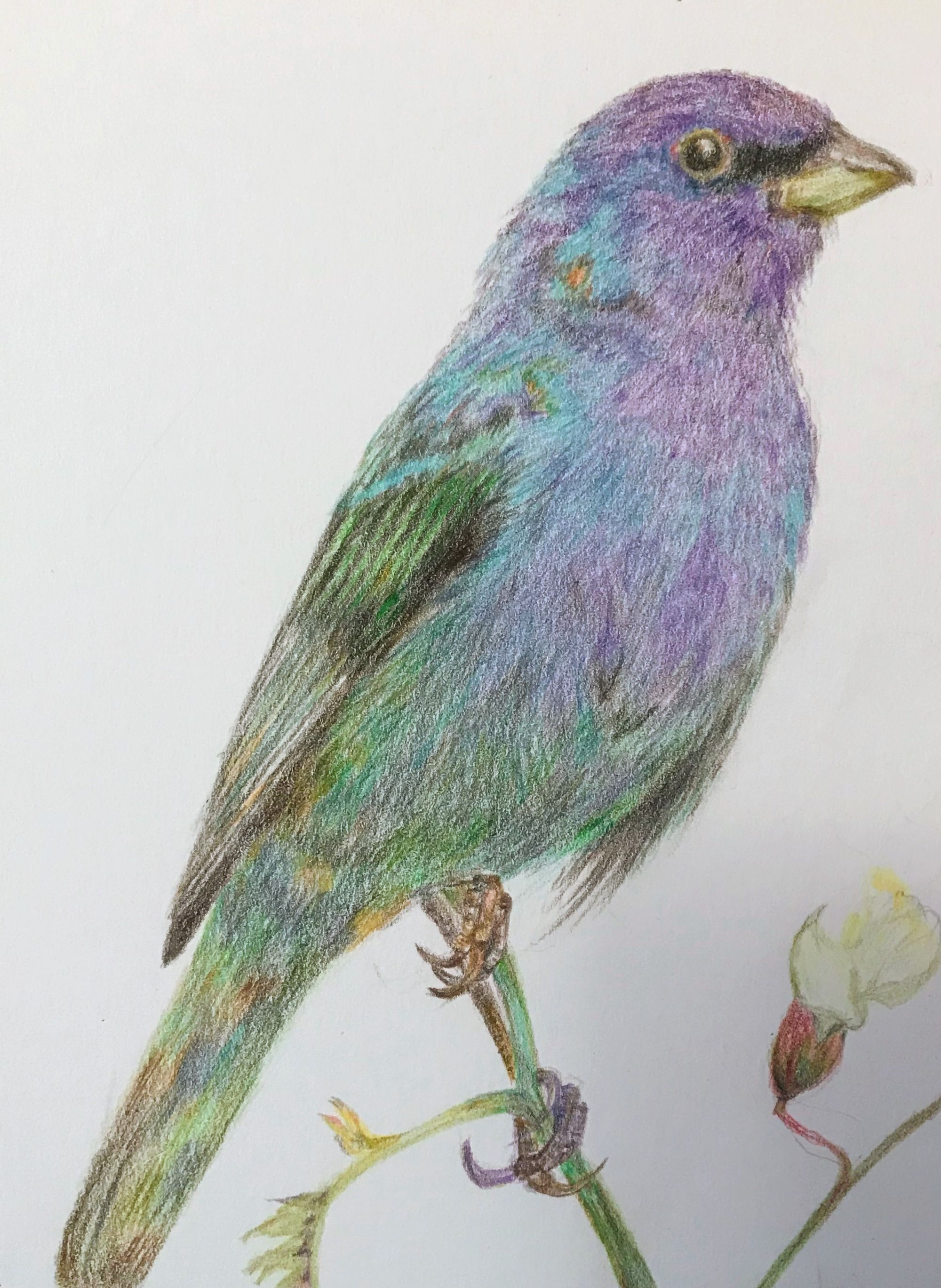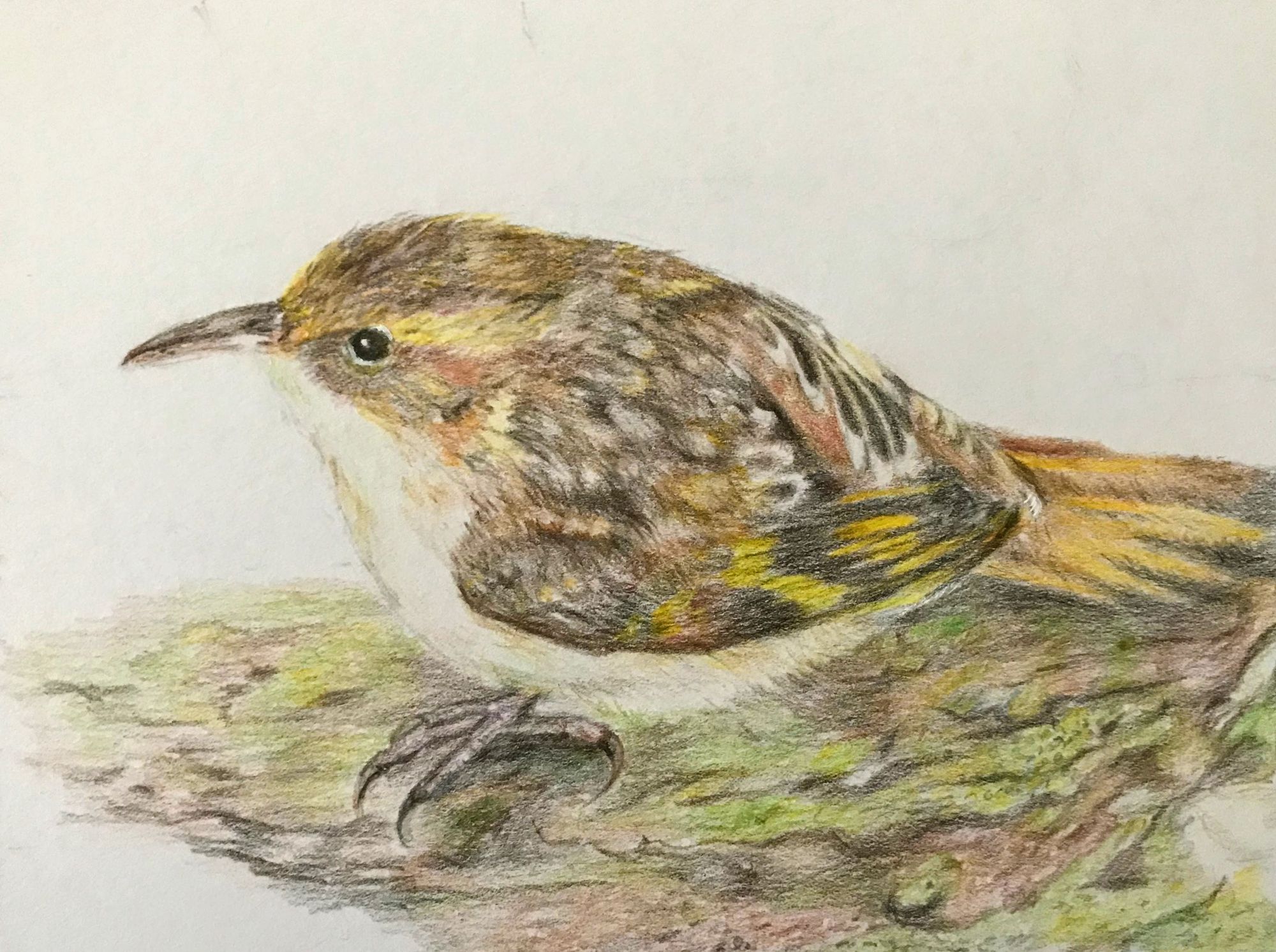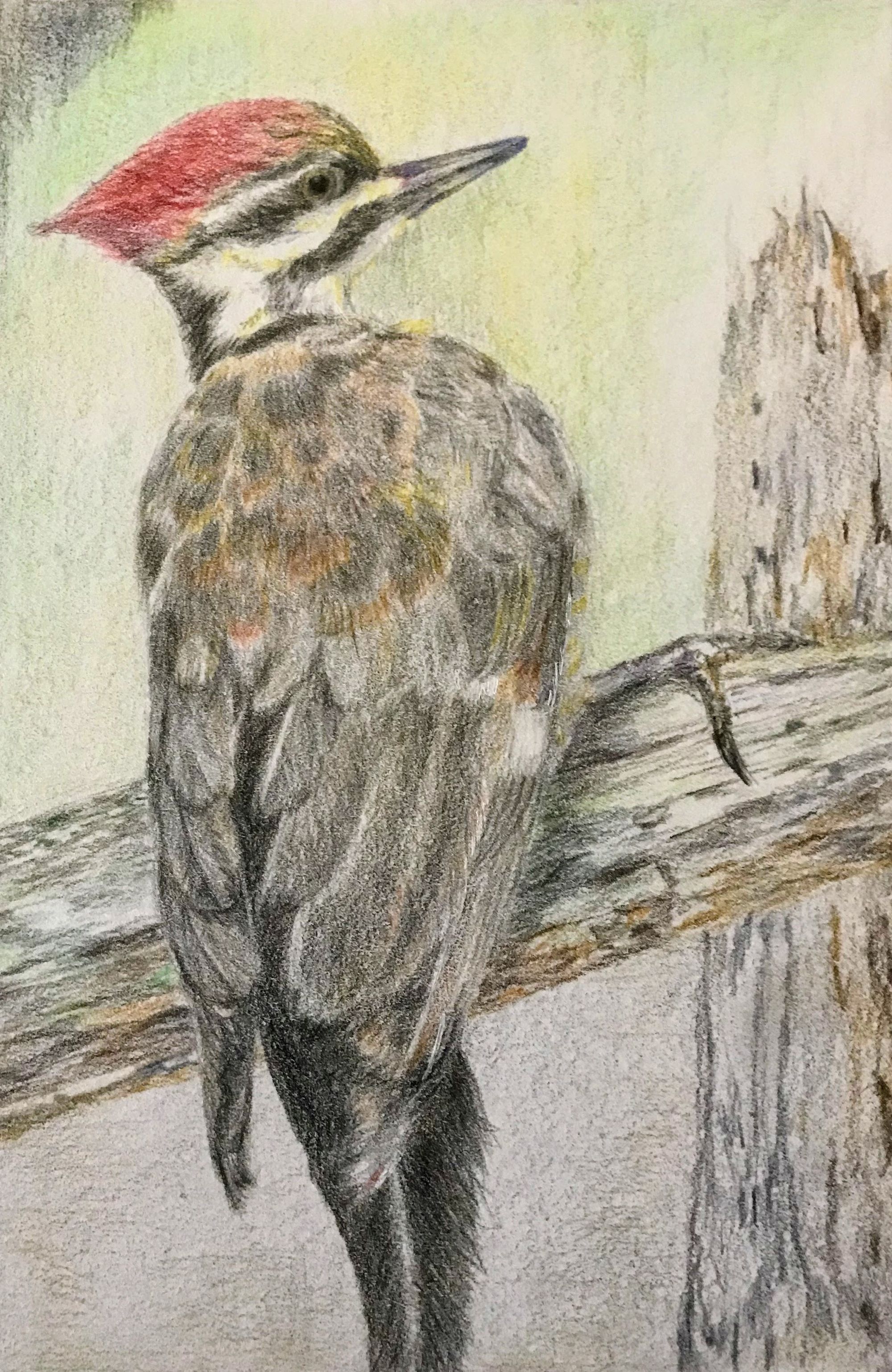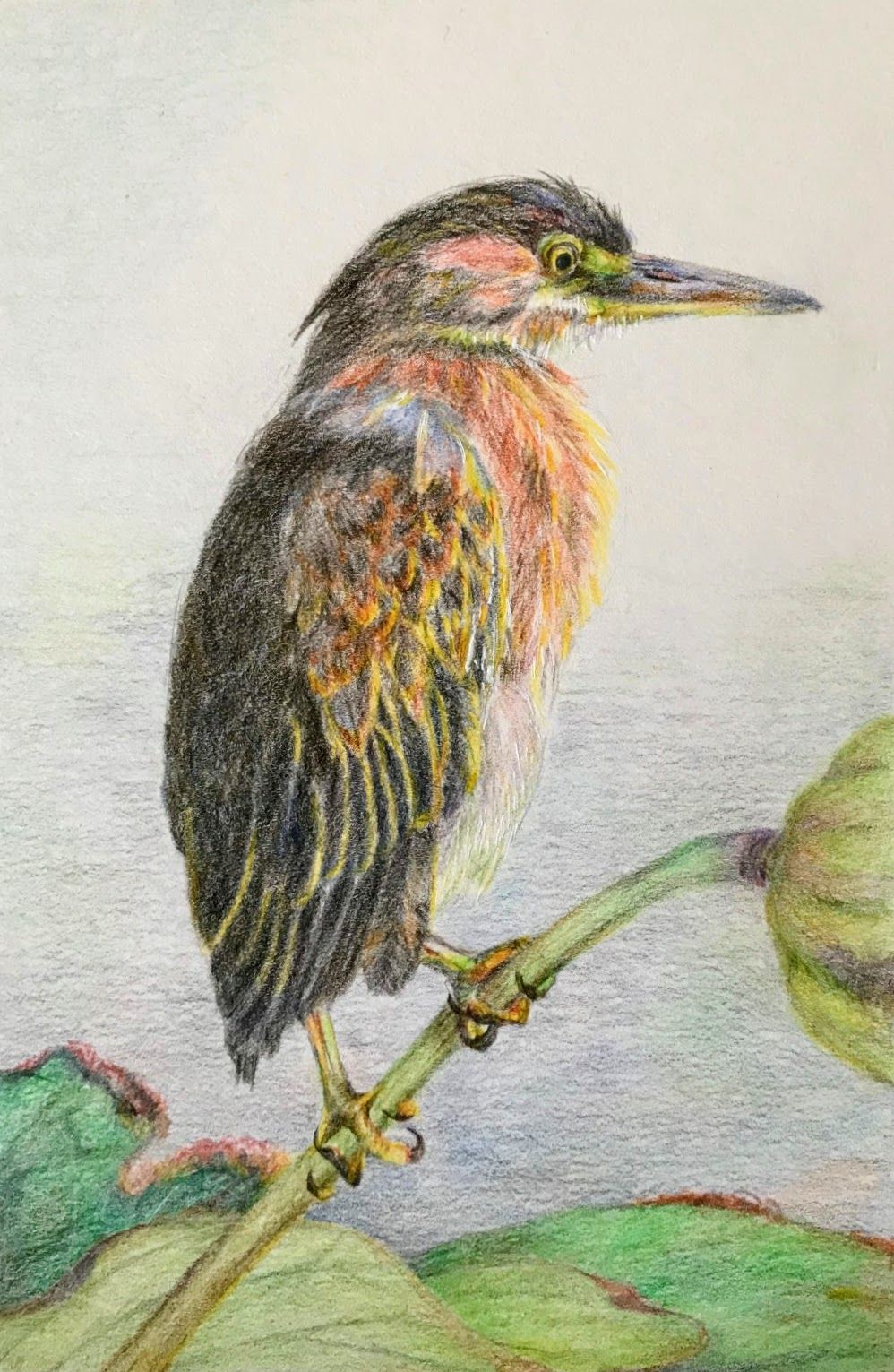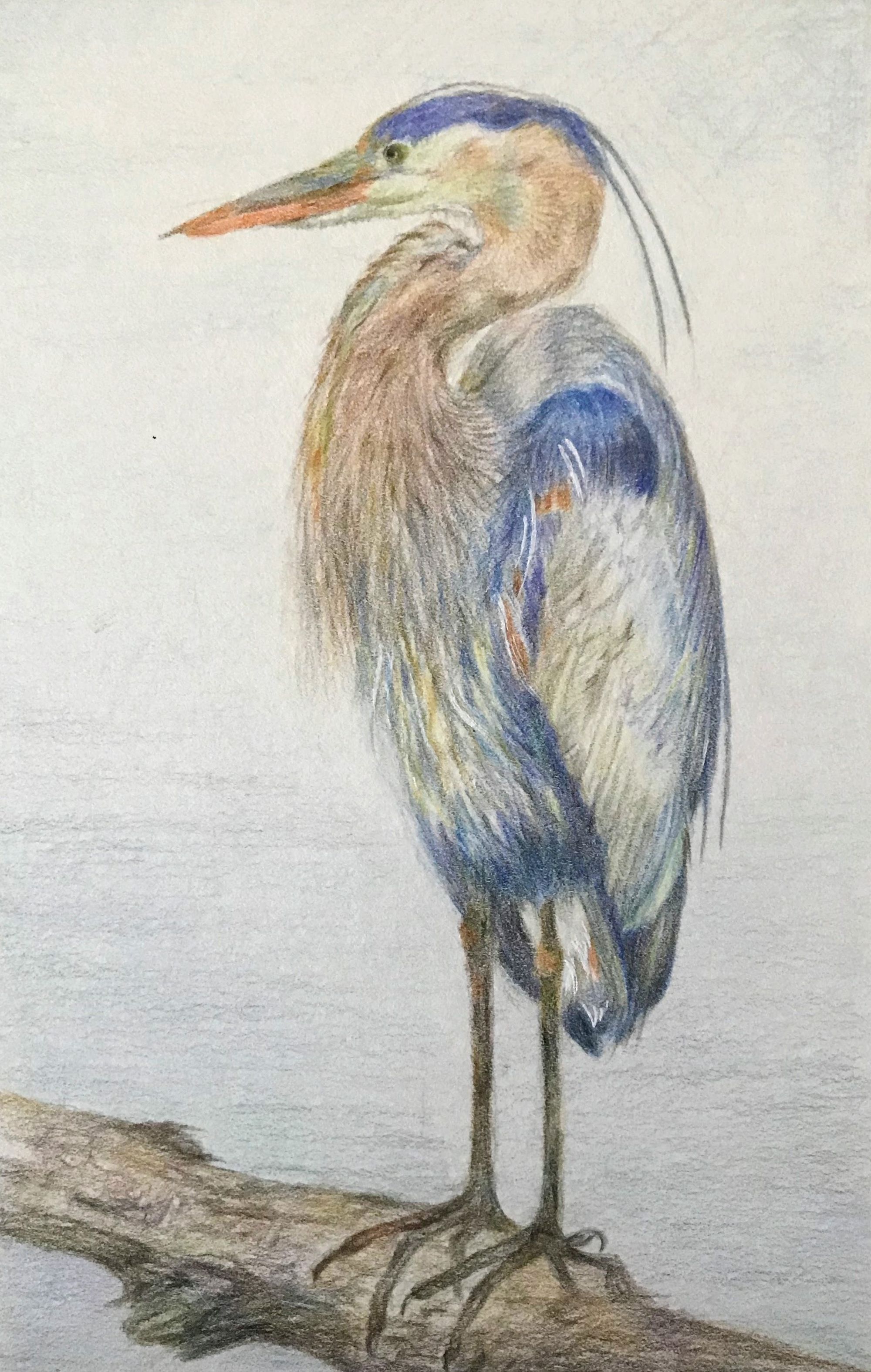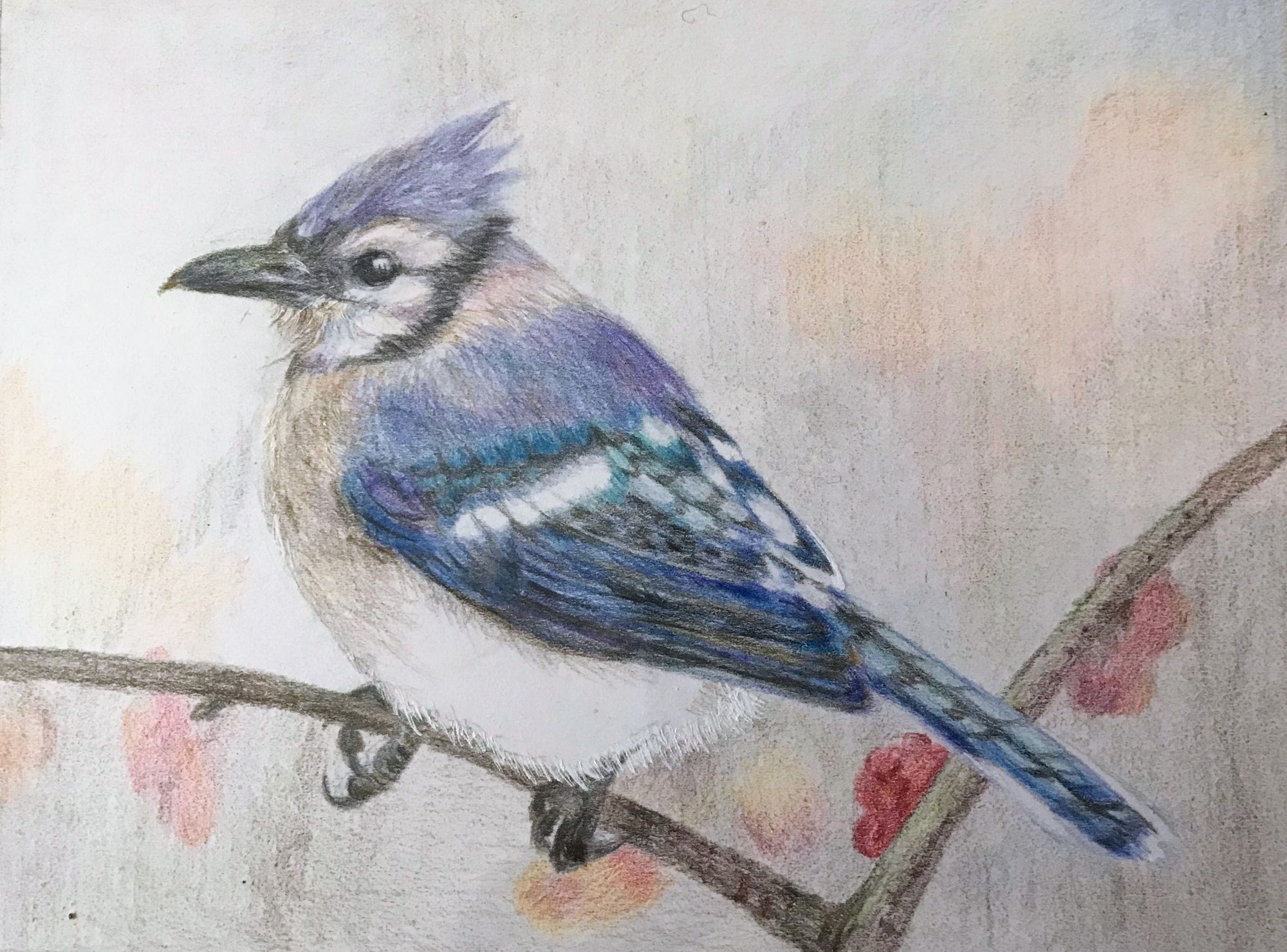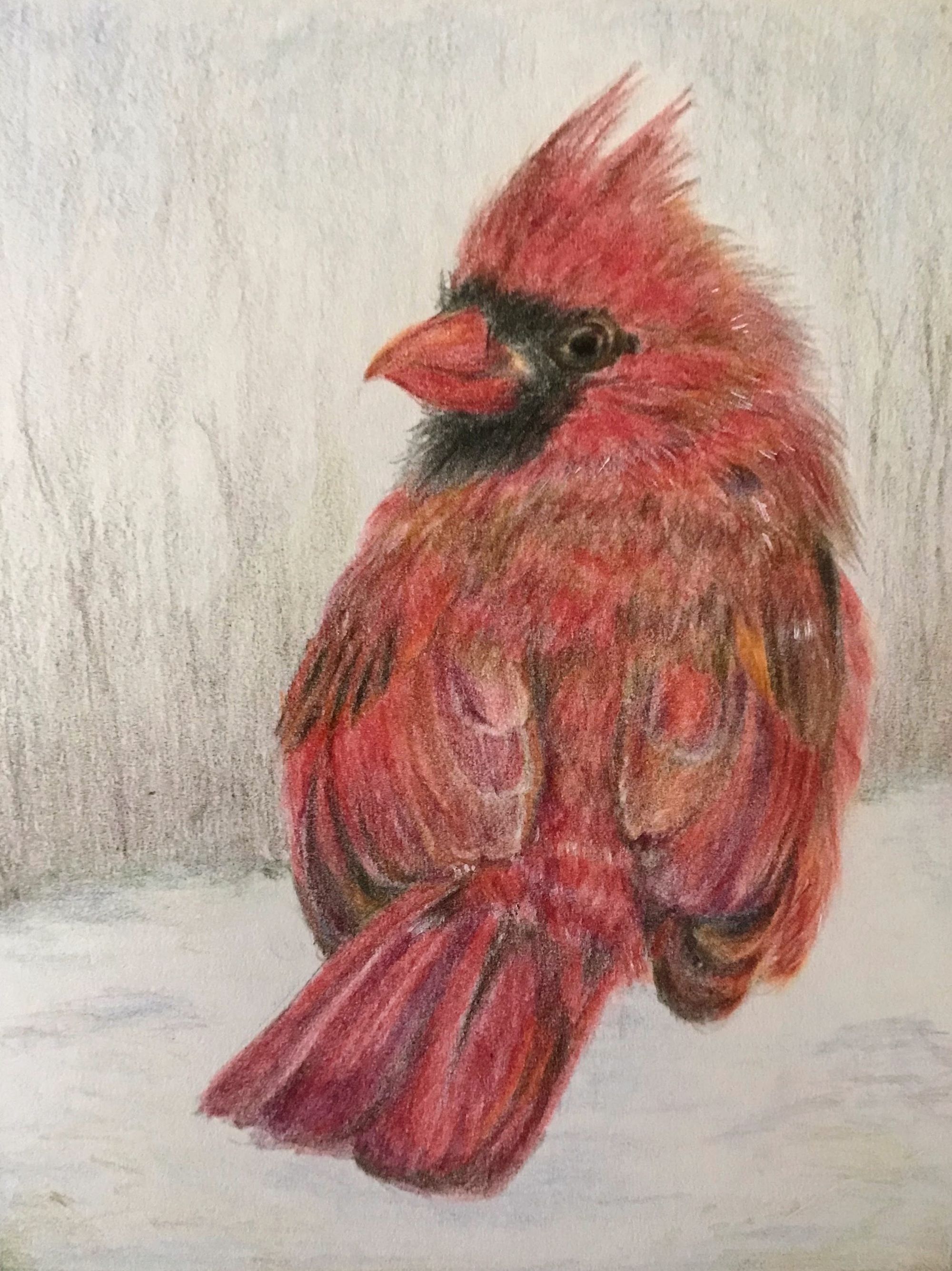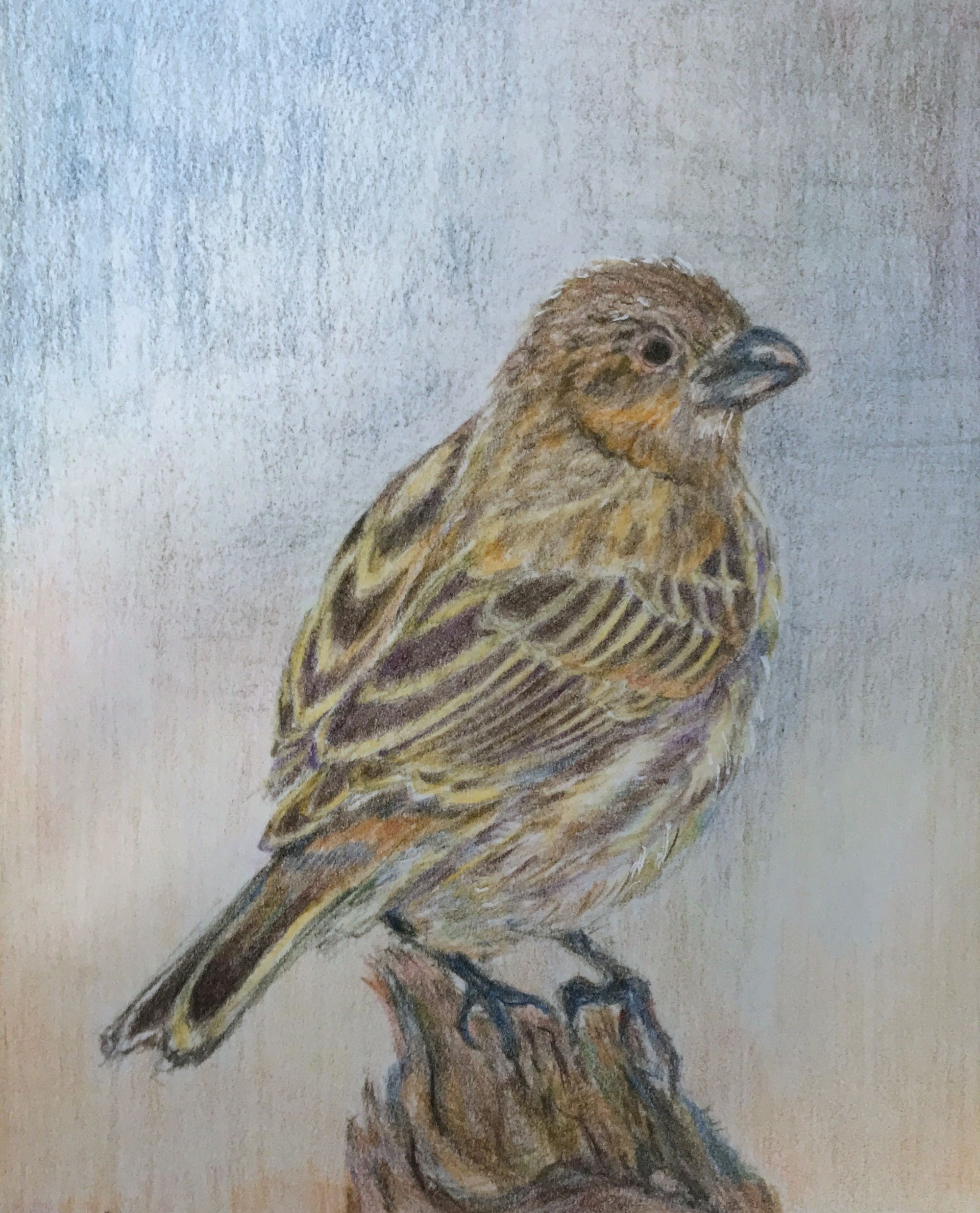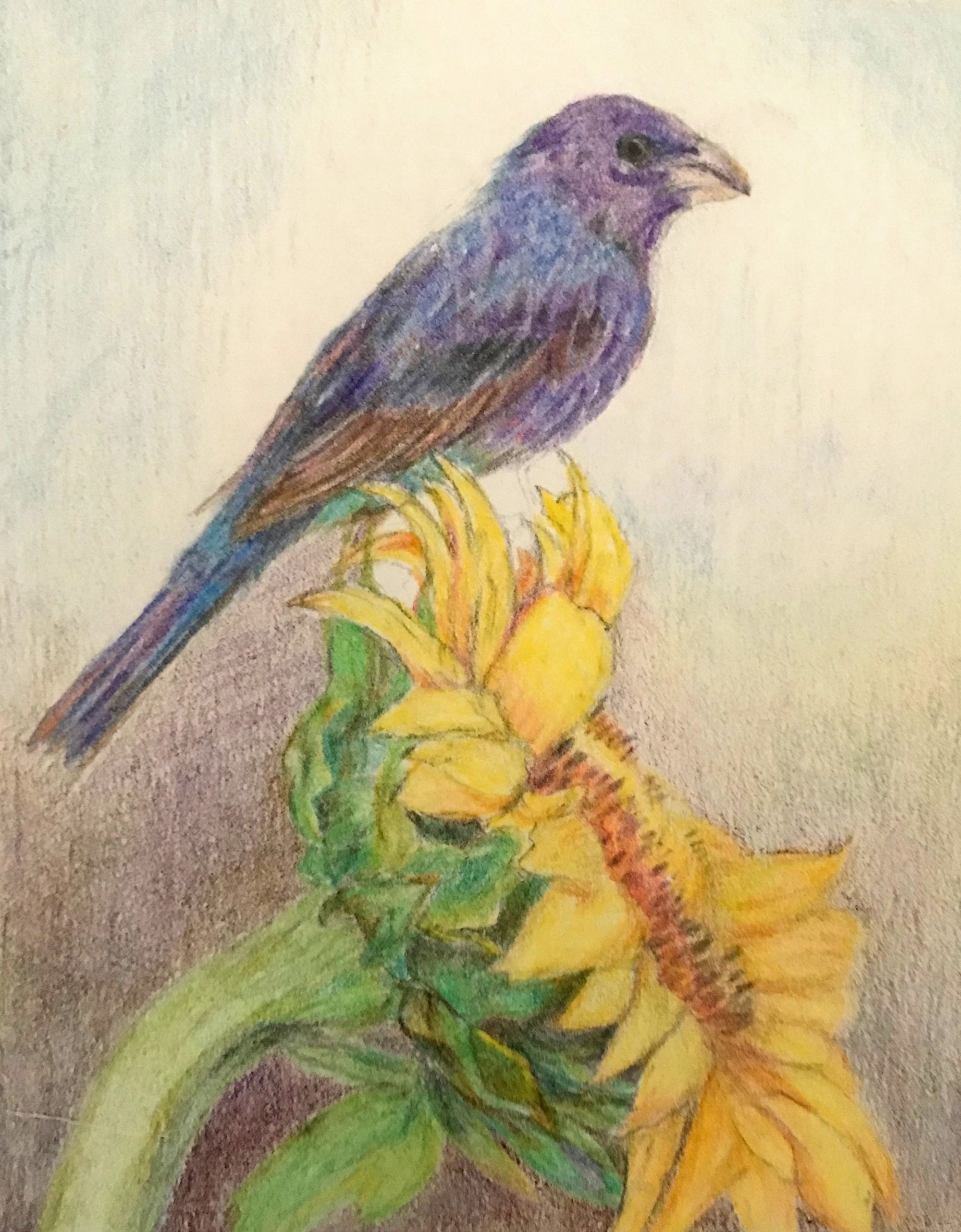

Kingfishers are a family of small to medium-sized, brightly colored birds known as Alcedinidae, found mainly in tropical regions but also in Europe and the Americas. They are recognized for their large heads, long bills, and vibrant plumage, and they primarily feed on fish and small invertebrates, often nesting in cavities near water sources.
Overview of Kingfishers
Kingfishers belong to the family Alcedinidae, which includes 118 species of small to medium-sized, brightly colored birds. They are part of the order Coraciiformes and are found worldwide, primarily in tropical regions of Africa, Asia, and Oceania, but also in Europe and the Americas.
Physical Characteristics
Size: Kingfishers vary in size, with the smallest being the African dwarf kingfisher at about 10 cm, and the largest, the giant kingfisher, reaching up to 46 cm.
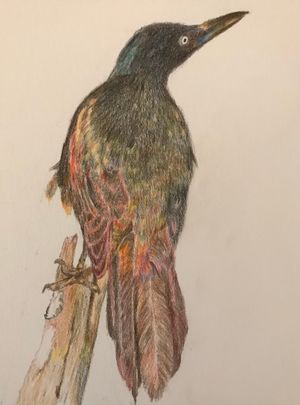
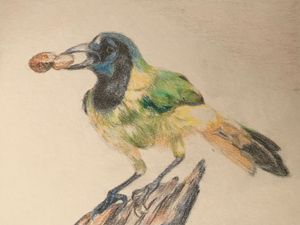
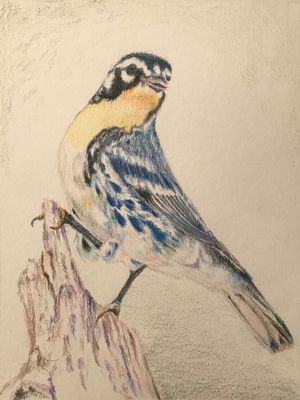
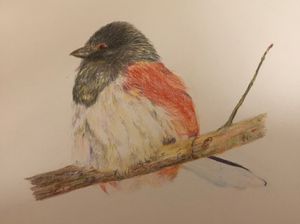
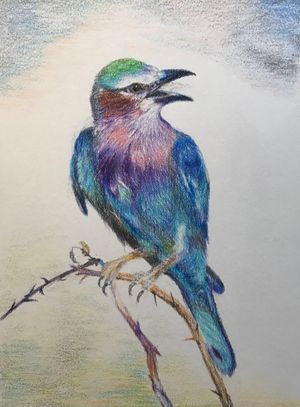
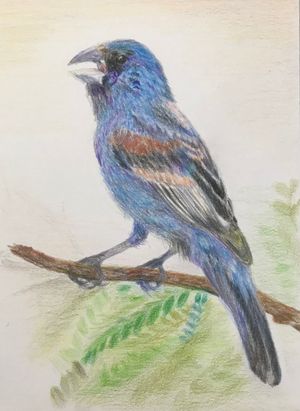
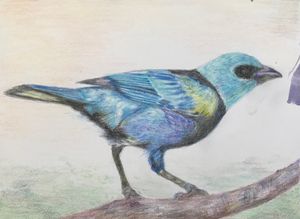
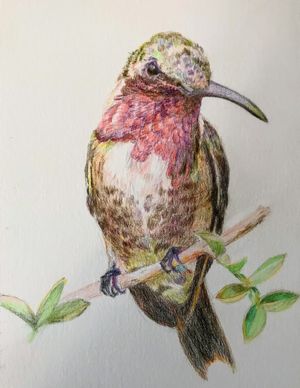
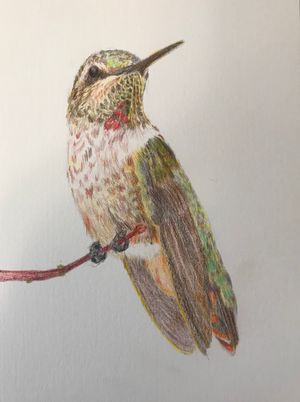
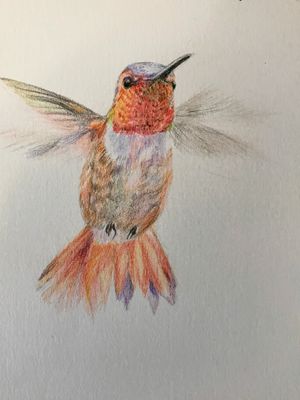
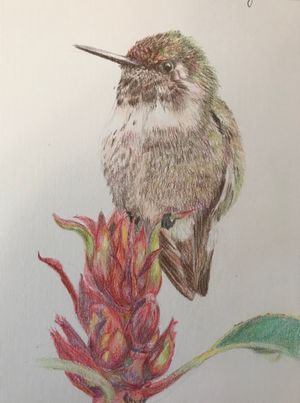
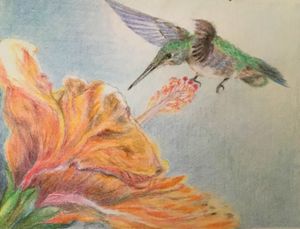
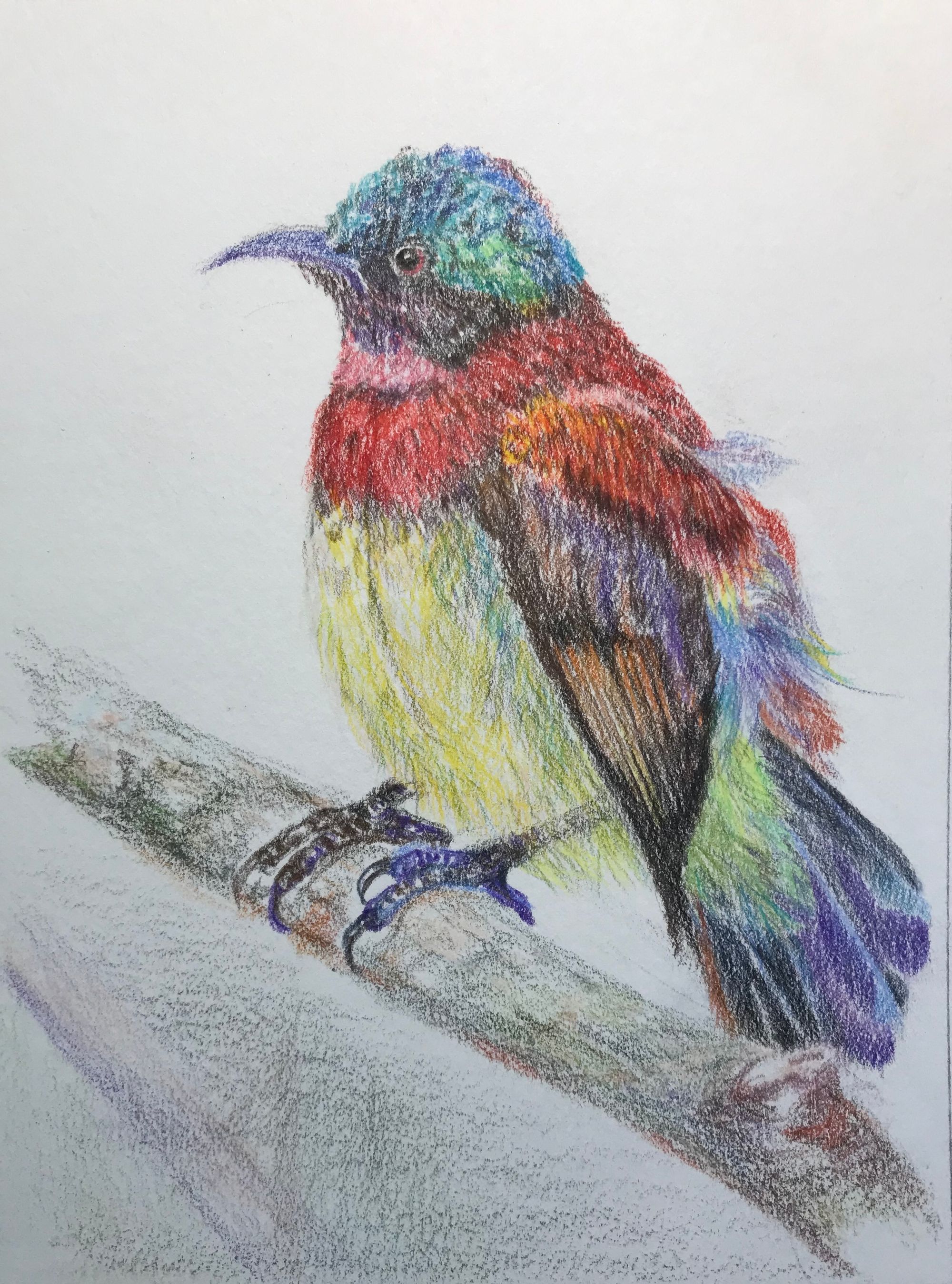
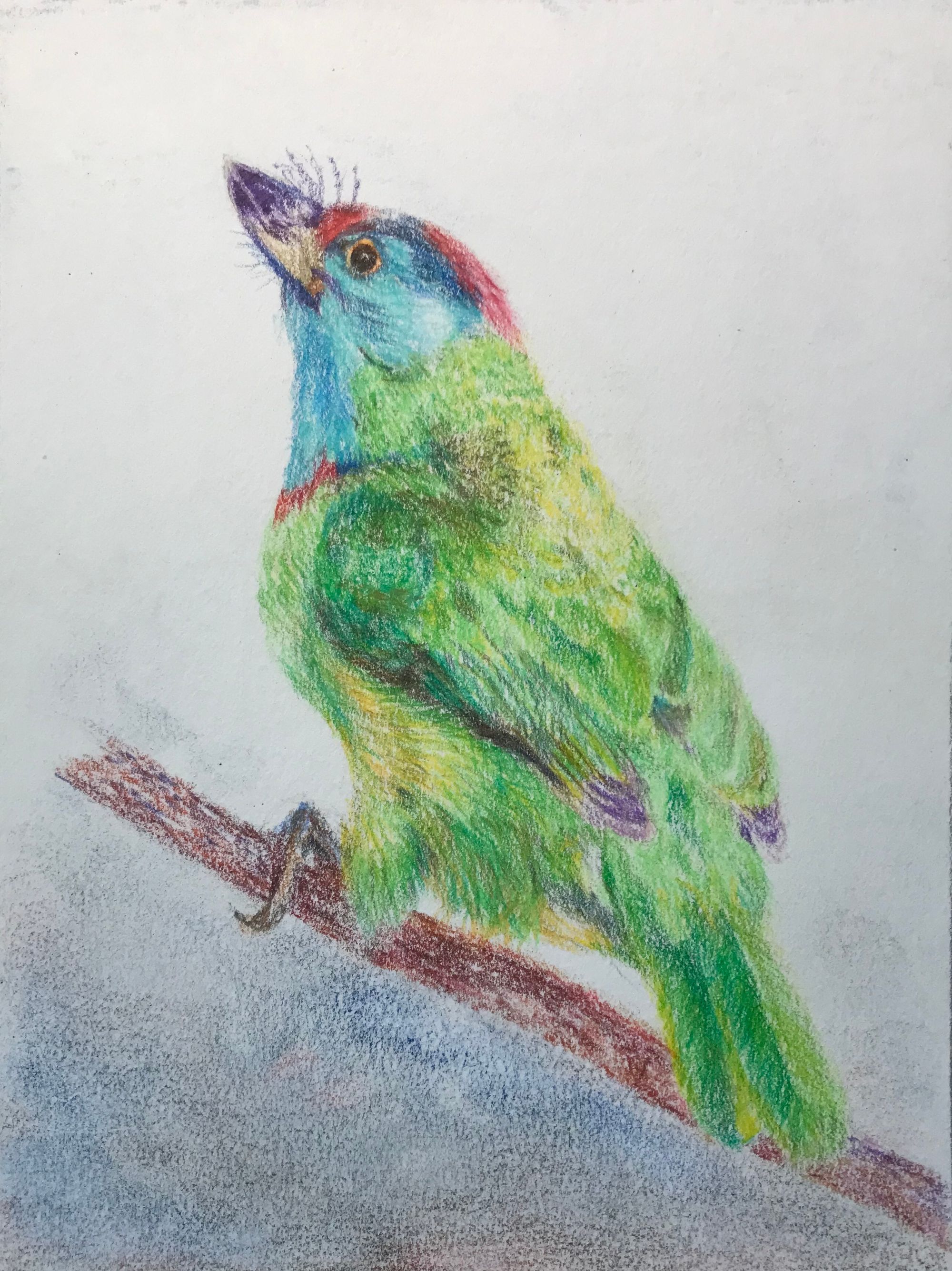
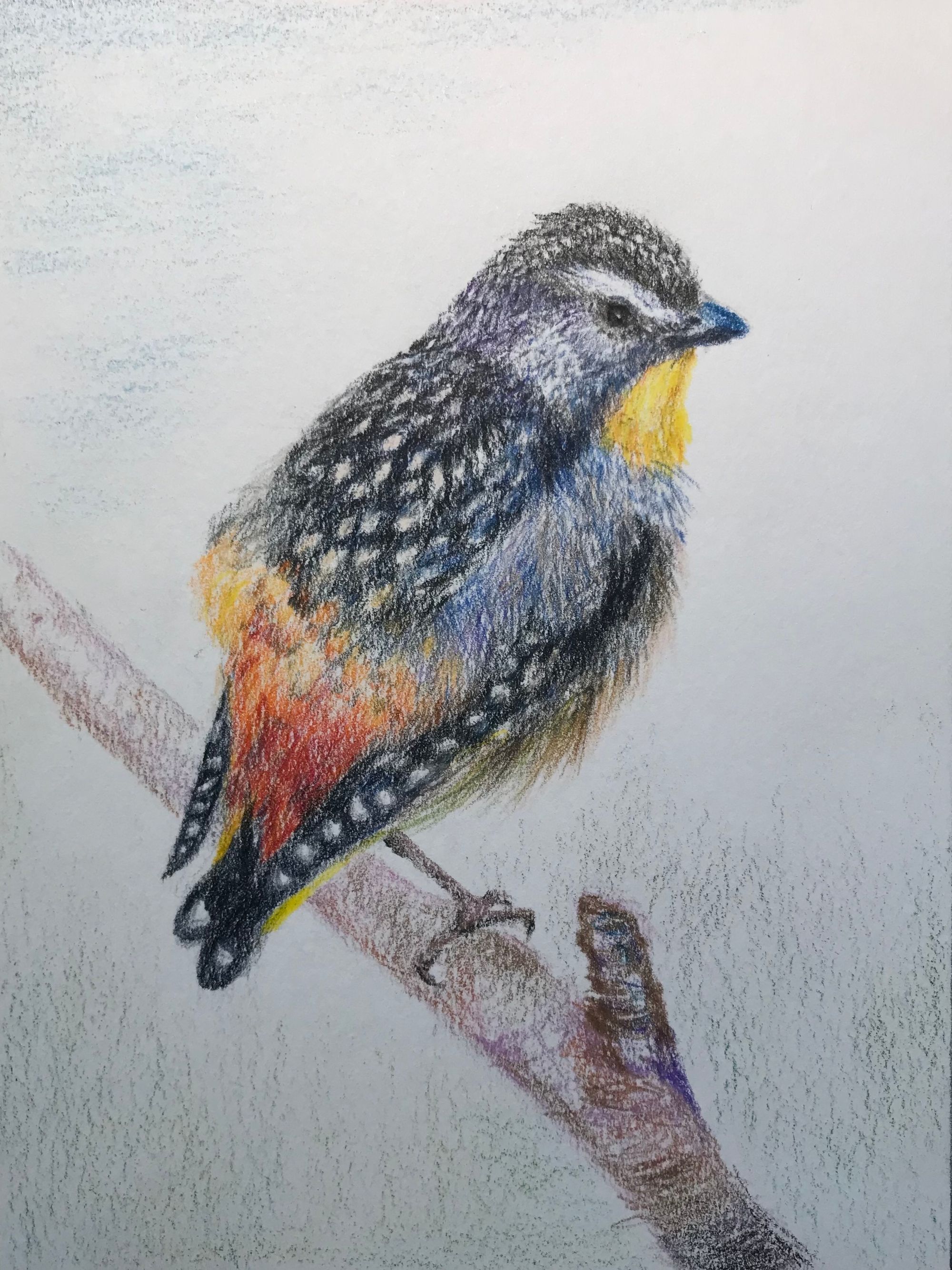
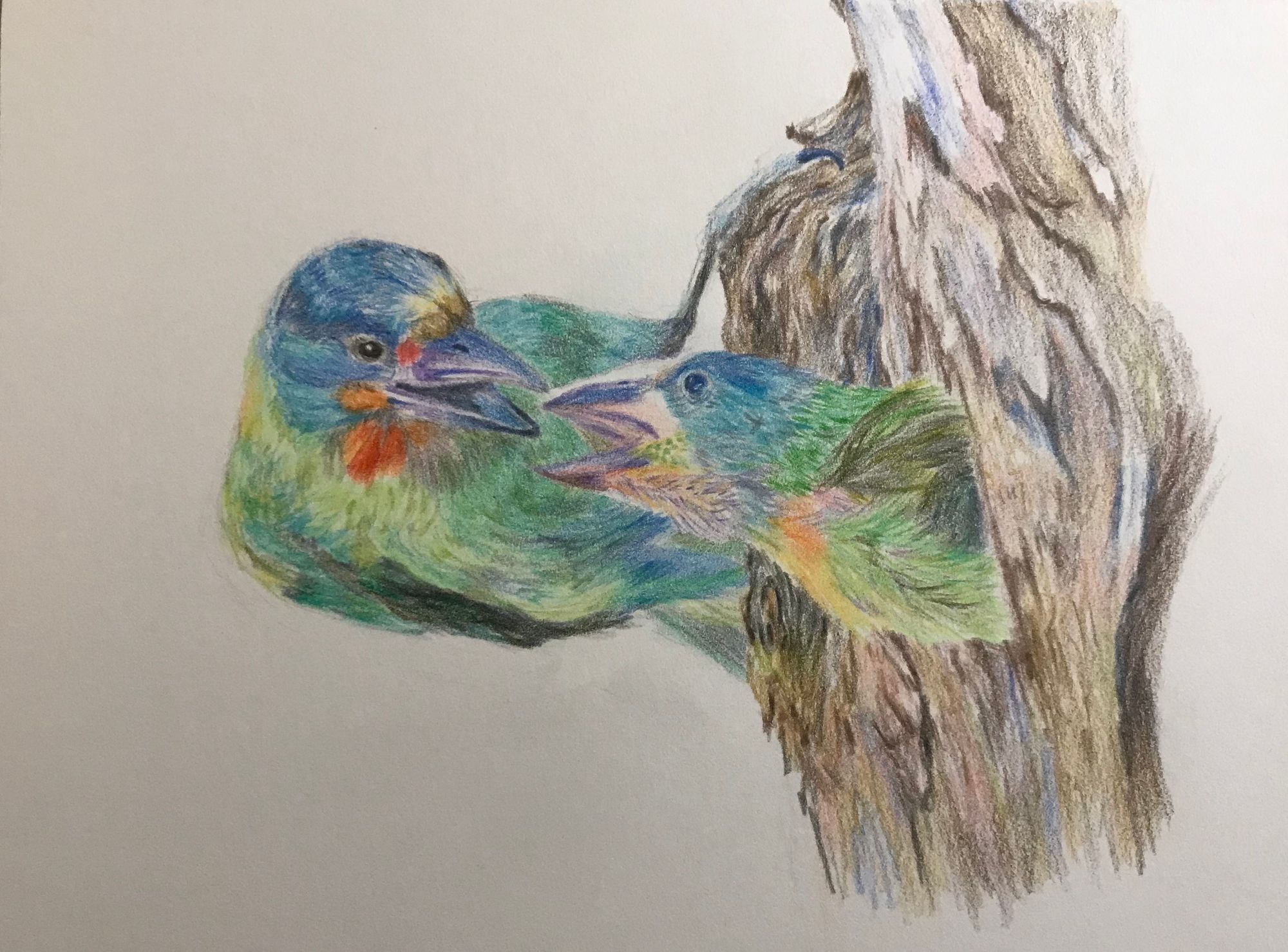
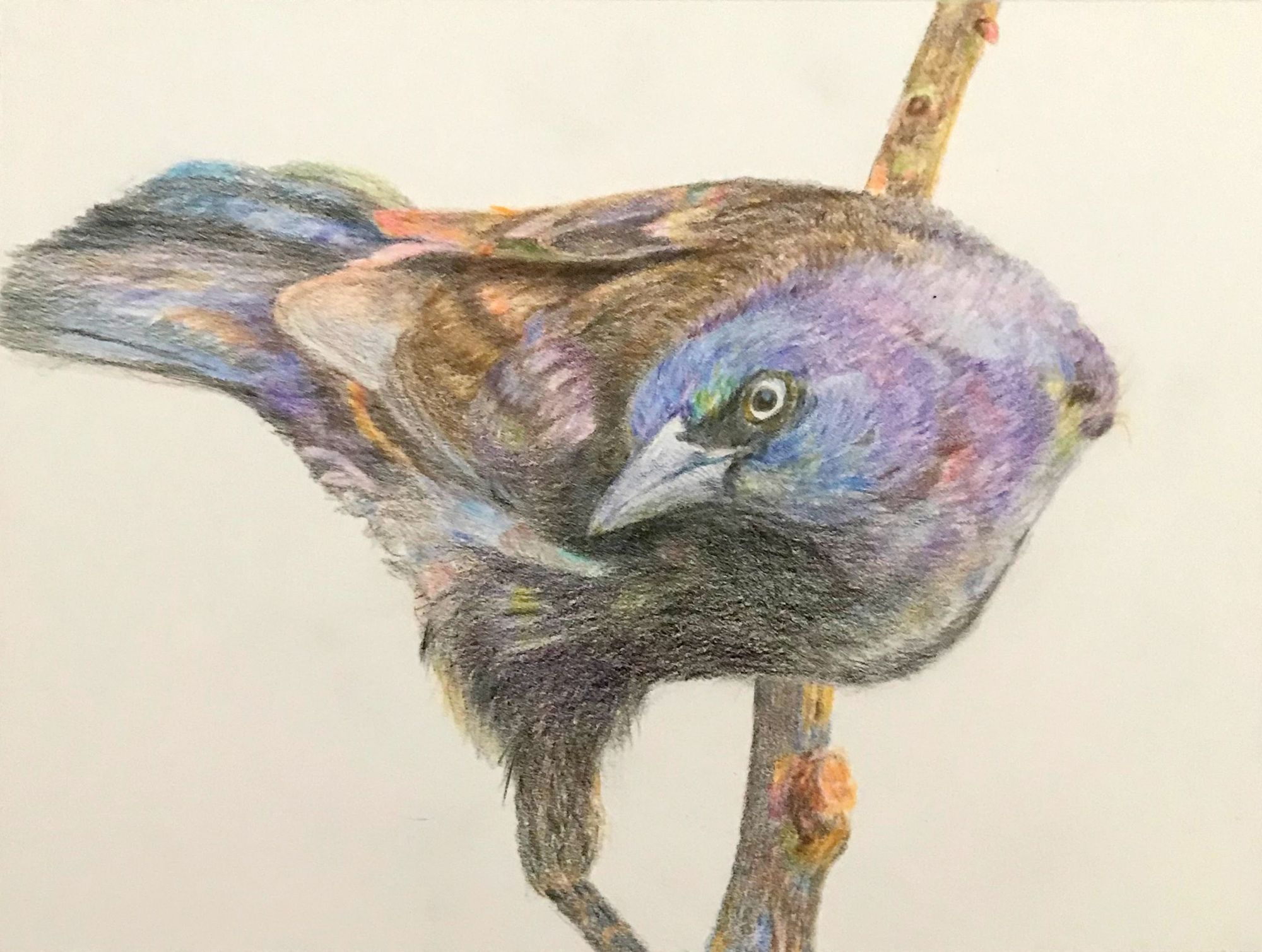
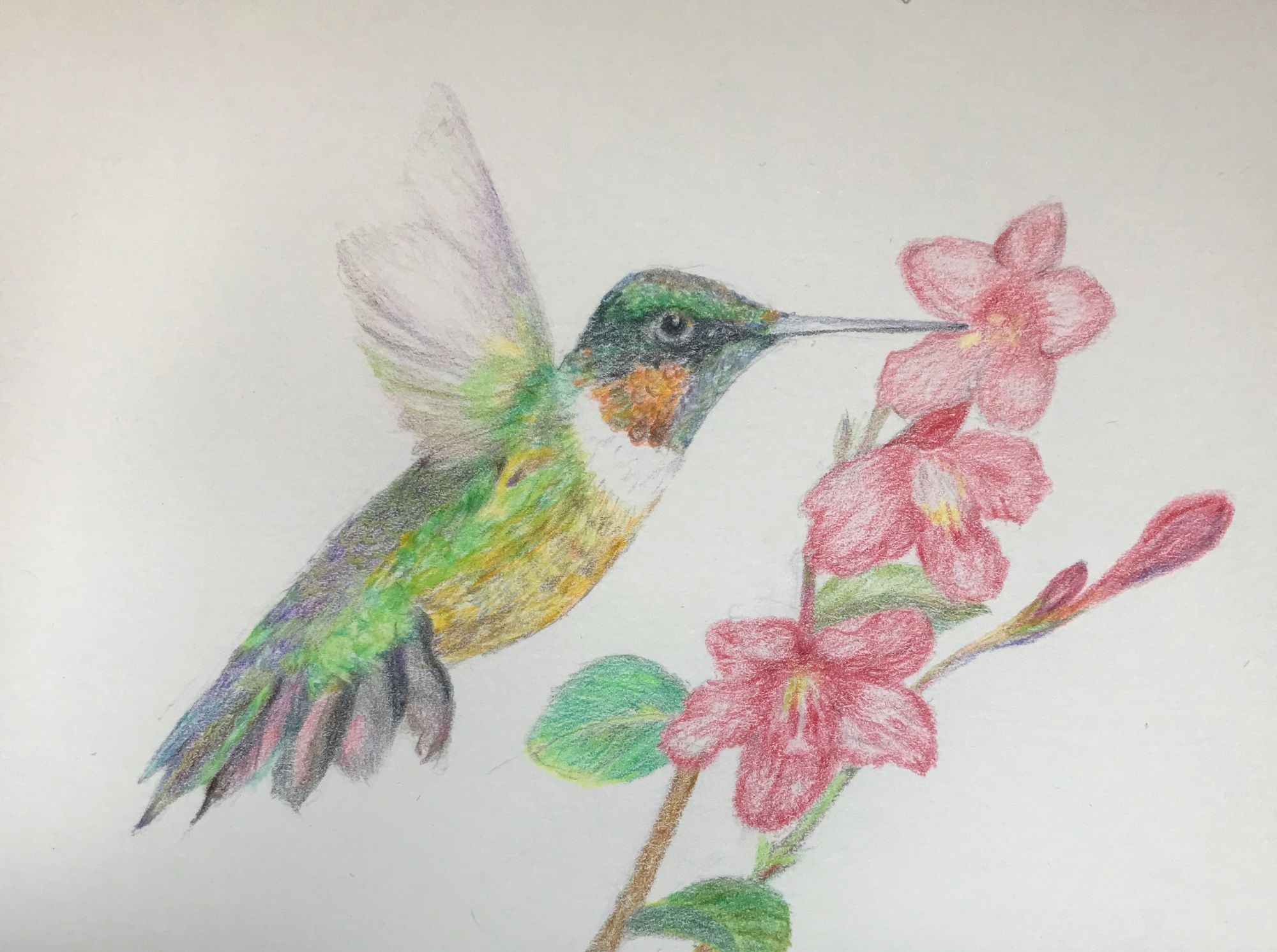
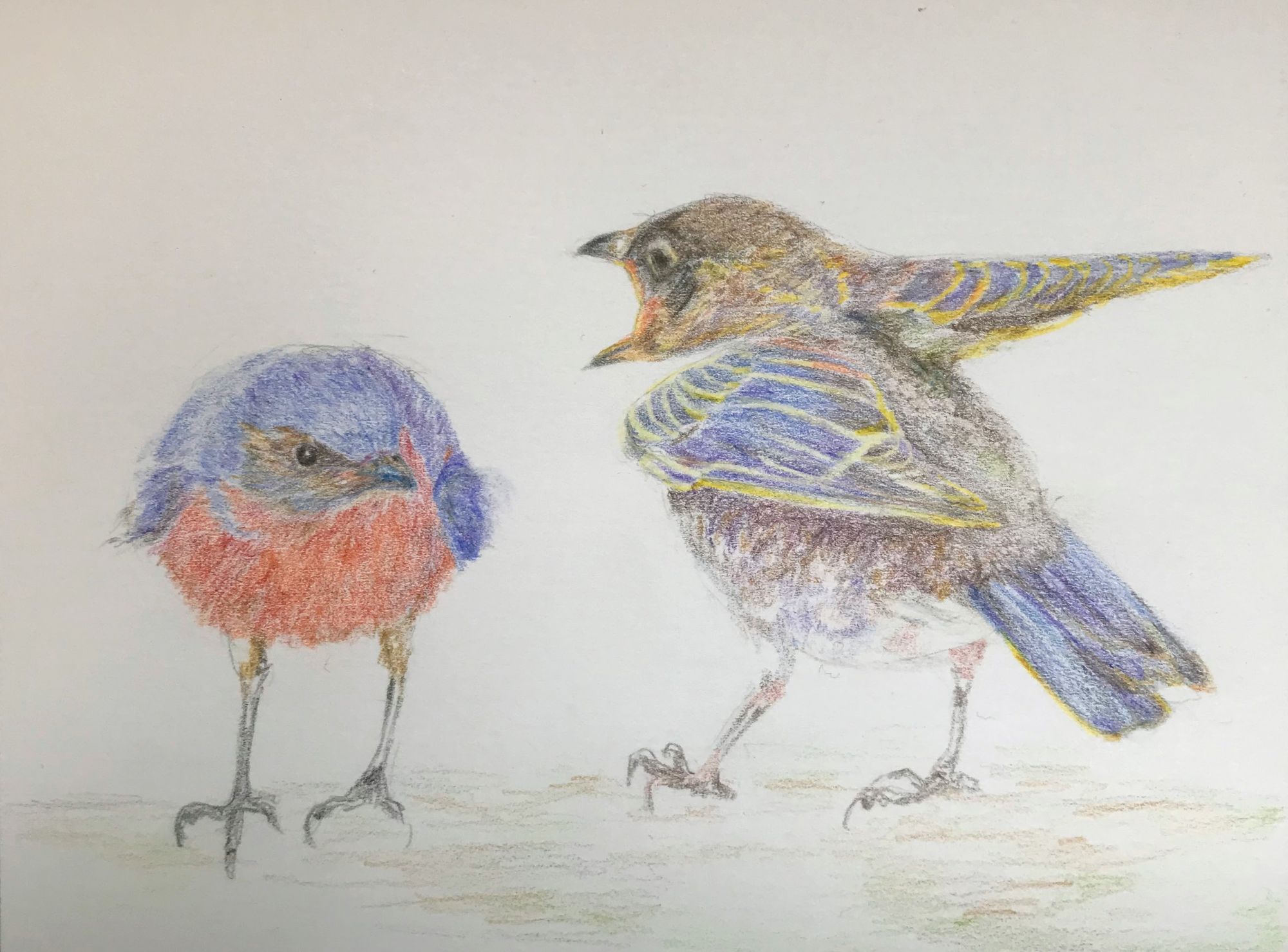
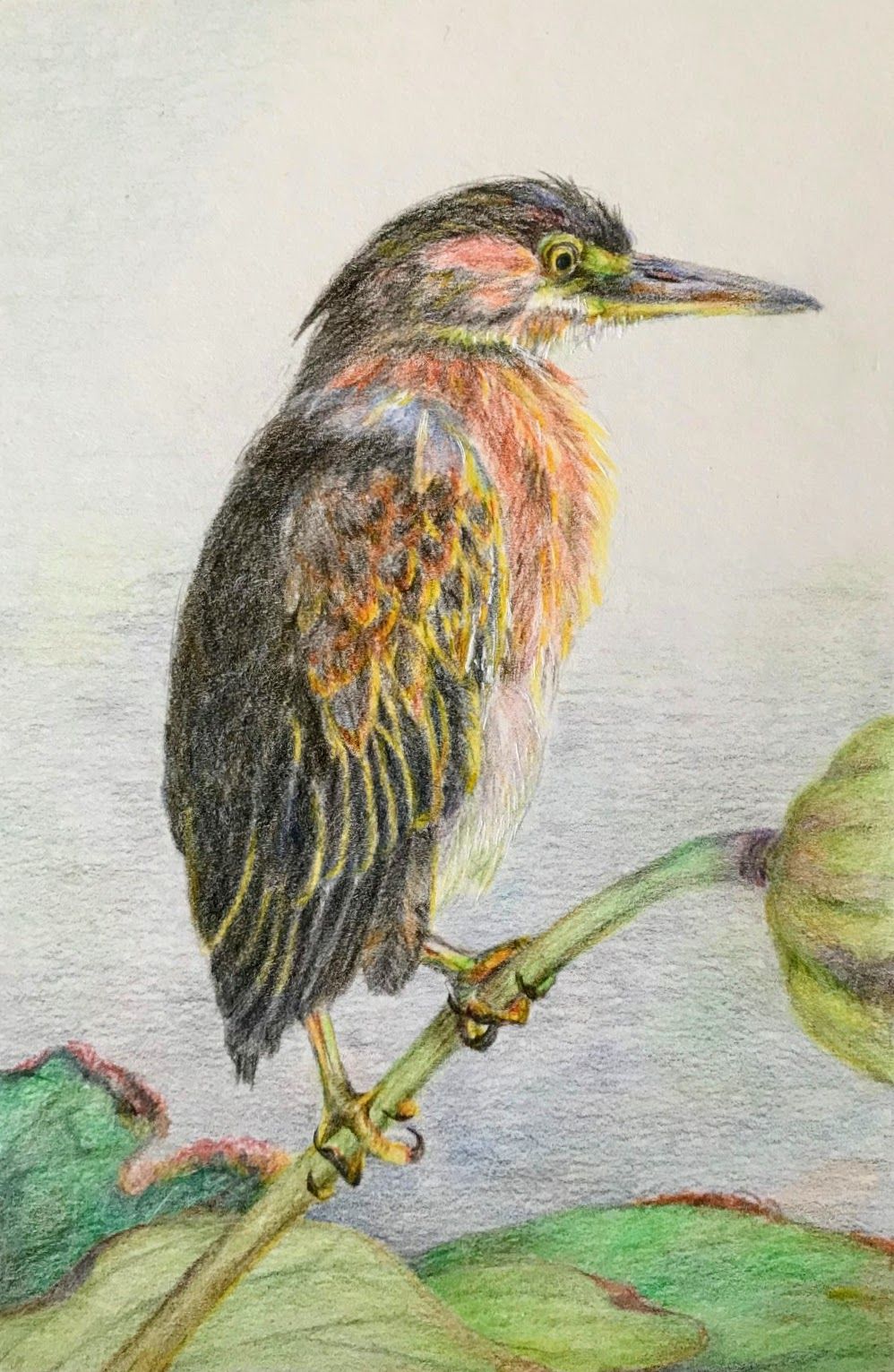
Appearance: Most kingfishers have vibrant plumage, often featuring bright blues, greens, and oranges. They possess large heads, long, pointed bills, and short legs.
Habitat and Behavior
Habitat: Kingfishers typically inhabit areas near calm waters such as rivers, lakes, and ponds. They can also be found in deep forests.
Diet: While many kingfishers are known for eating fish, they also consume a variety of prey, including insects, small invertebrates, and even small mammals. They hunt by perching and swooping down to catch their food.
Nesting and Reproduction
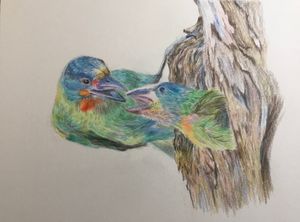
Kingfishers nest in cavities, often digging tunnels into riverbanks or using old termite mounds. They typically lay five to eight eggs, which both parents incubate.
Conservation Status
Some kingfisher species are threatened due to habitat loss and environmental changes. Conservation efforts are in place to protect these vibrant birds and their habitats.