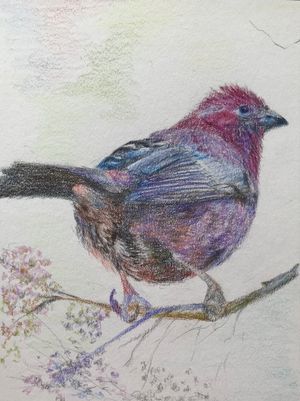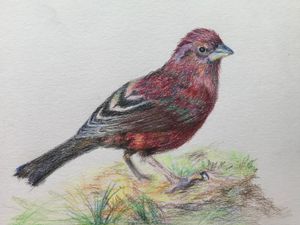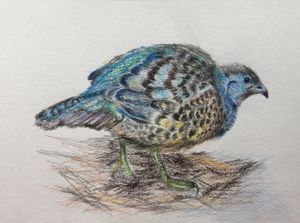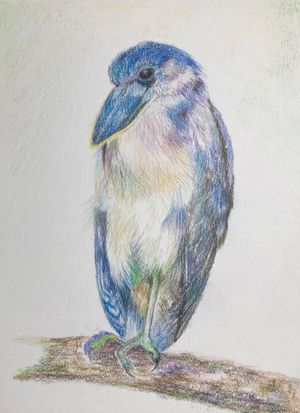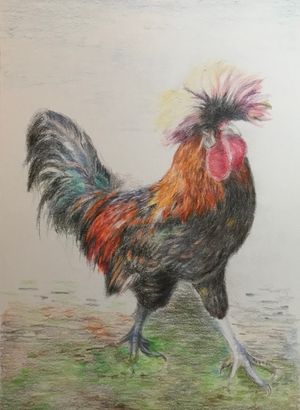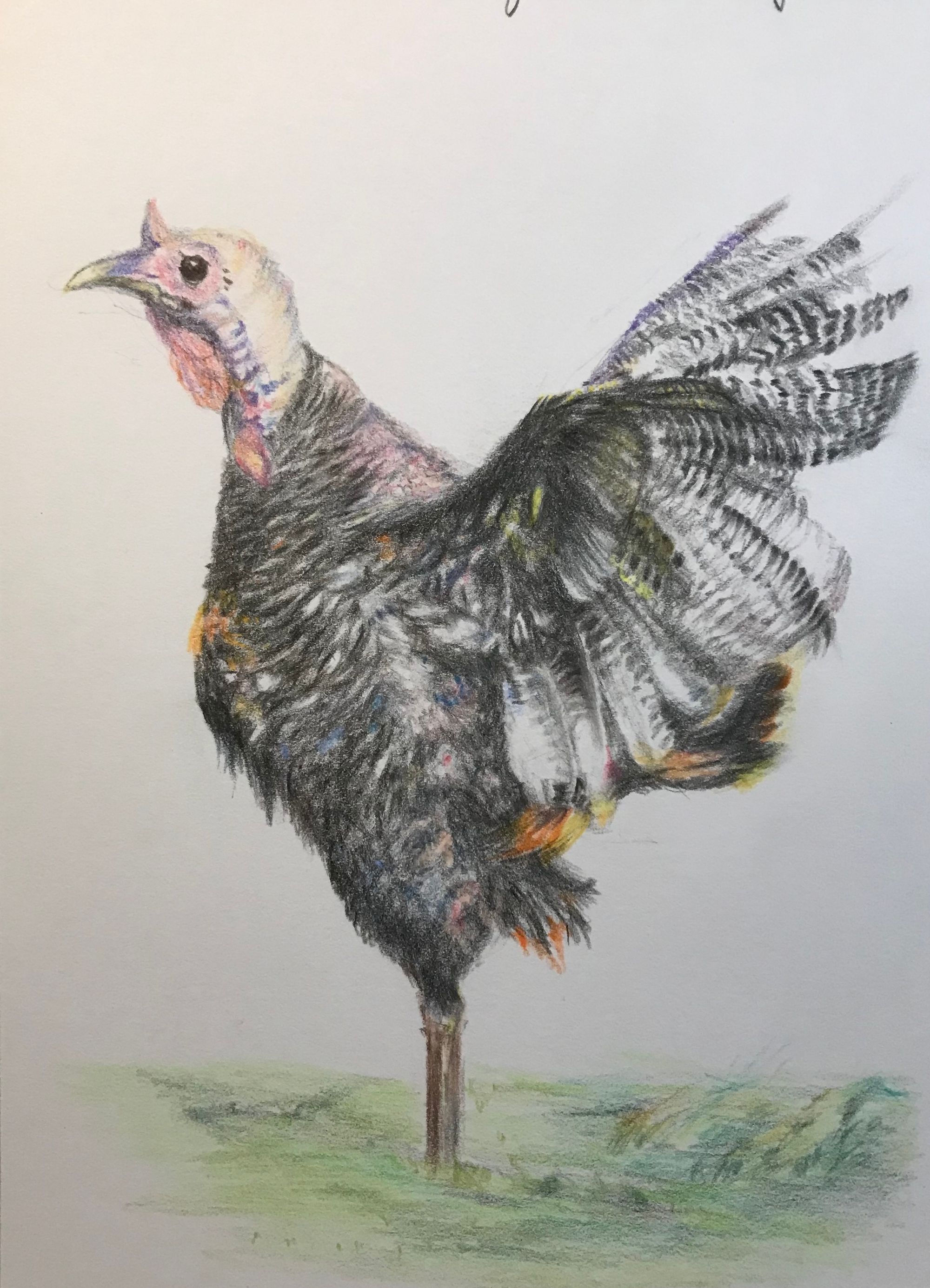

The male common pheasant, also known as the ring-necked pheasant, is a large, colorful bird characterized by its iridescent green head, white neck ring, and coppery body plumage with black and white spots. Males typically measure between 24 to 35 inches in length, with their long tail accounting for a significant portion of this length.
Overview of the Male Common Pheasant
The male common pheasant, also known as the ring-necked pheasant, is a striking bird recognized for its vibrant plumage and distinctive features.
Physical Characteristics
| Feature | Description |
|---|---|
| Length | 24 to 35 inches (60 to 89 cm) |
| Weight | 2 to 3 pounds (0.9 to 1.4 kg) |
| Plumage | Iridescent green head, white neck ring, coppery body with black and white spots |
| Tail | Long, pointed, and barred, accounting for nearly half of its total length |
Behavior and Habitat
- Males are known for their loud, cackling calls, which can be heard over long distances.
- They prefer agricultural areas with taller vegetation for cover, often found in fields, hedgerows, and brushy areas.
- While they can fly, they typically prefer to run and are capable of short bursts of flight when startled.
Reproduction
- Males establish territories in spring and may have a harem of several females.
- The female lays about 12 eggs in a ground nest, with an incubation period of approximately 23 days.
The male common pheasant is not only a popular game bird but also a visually stunning species, making it a favorite among bird watchers and hunters alike.