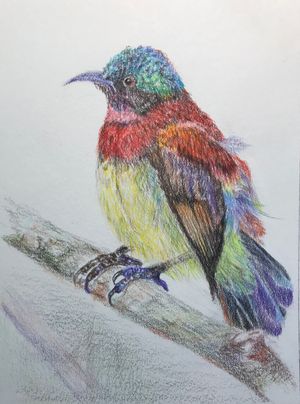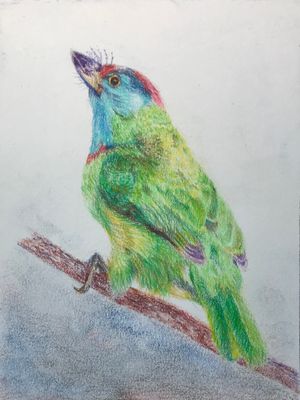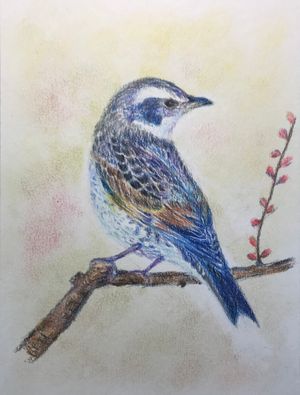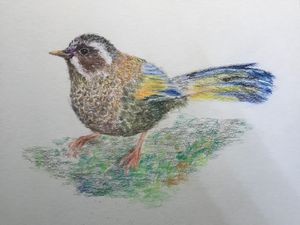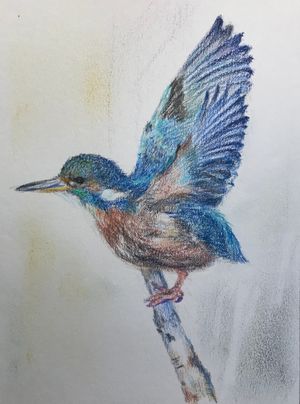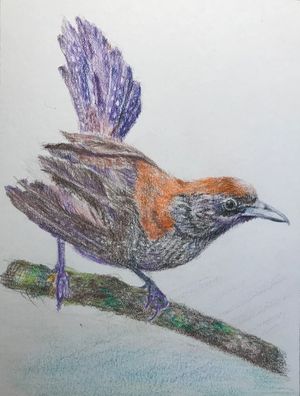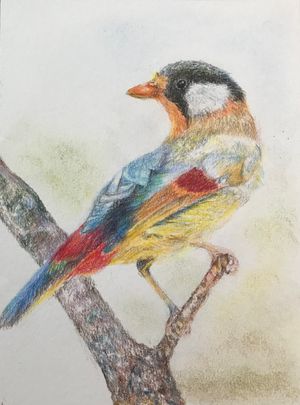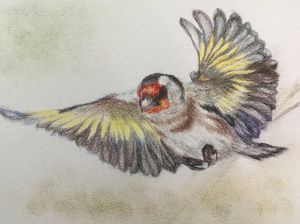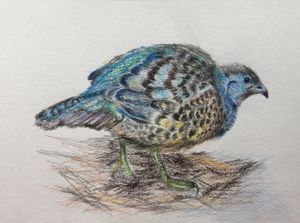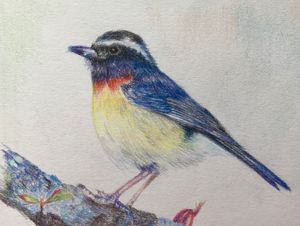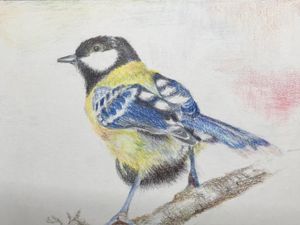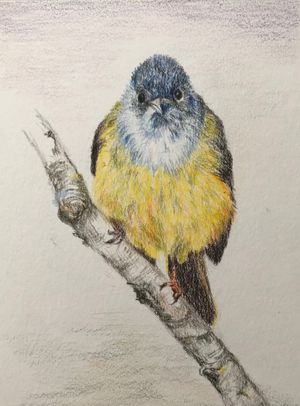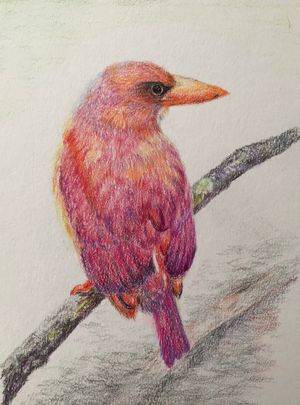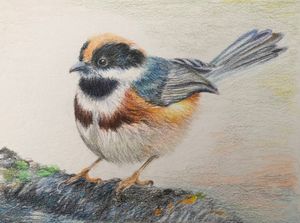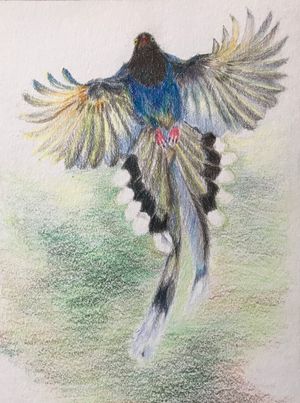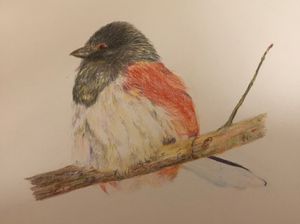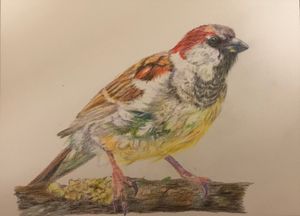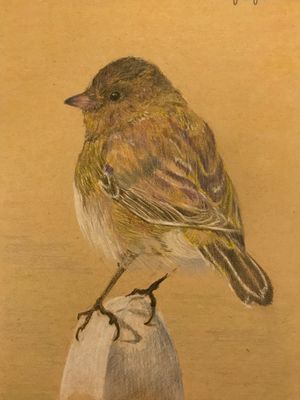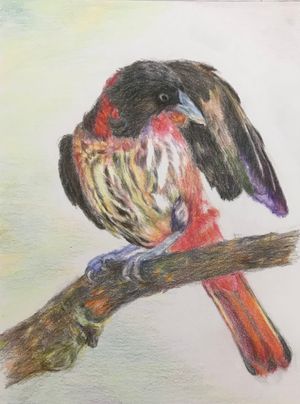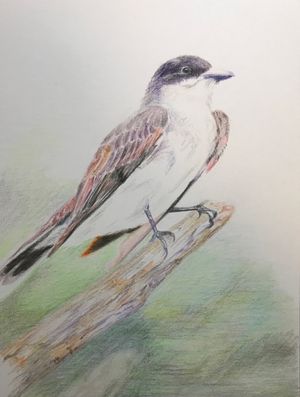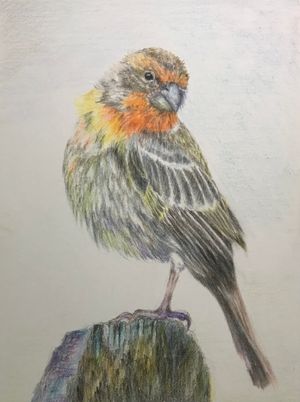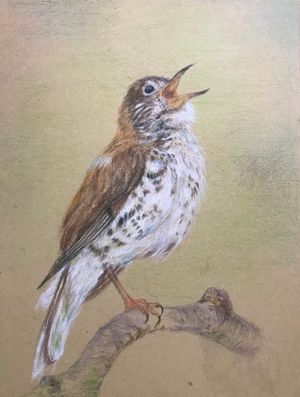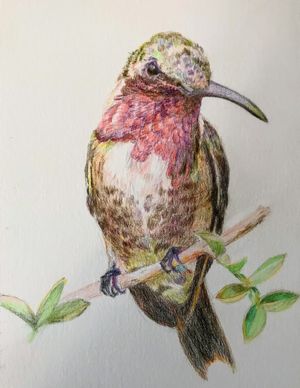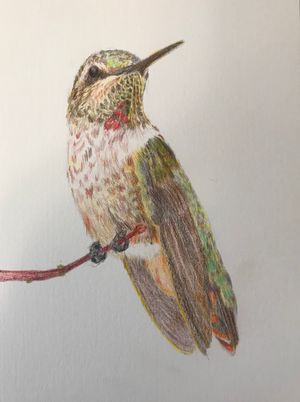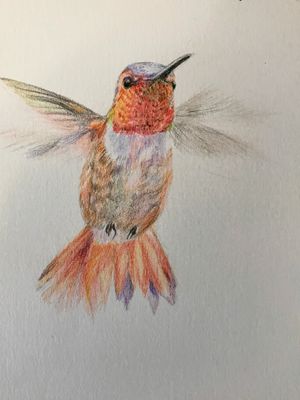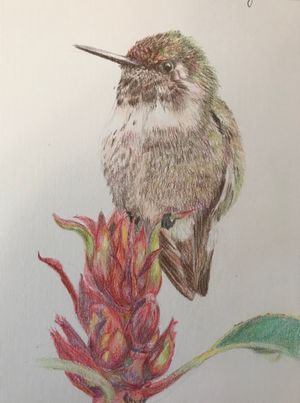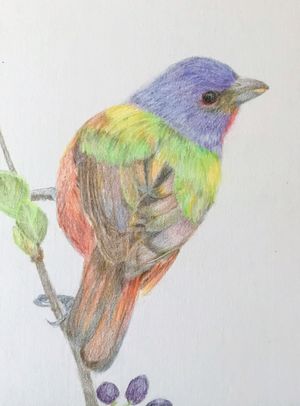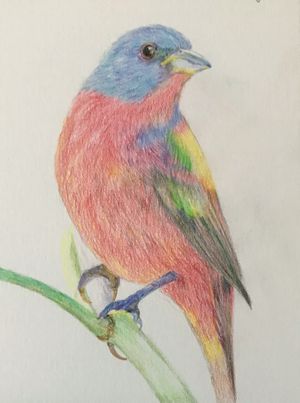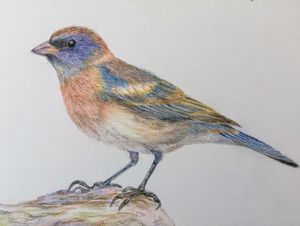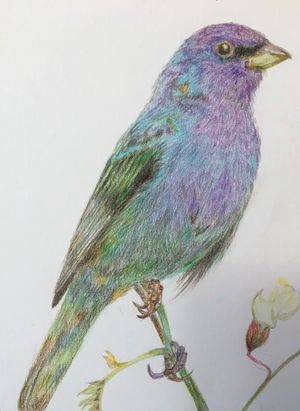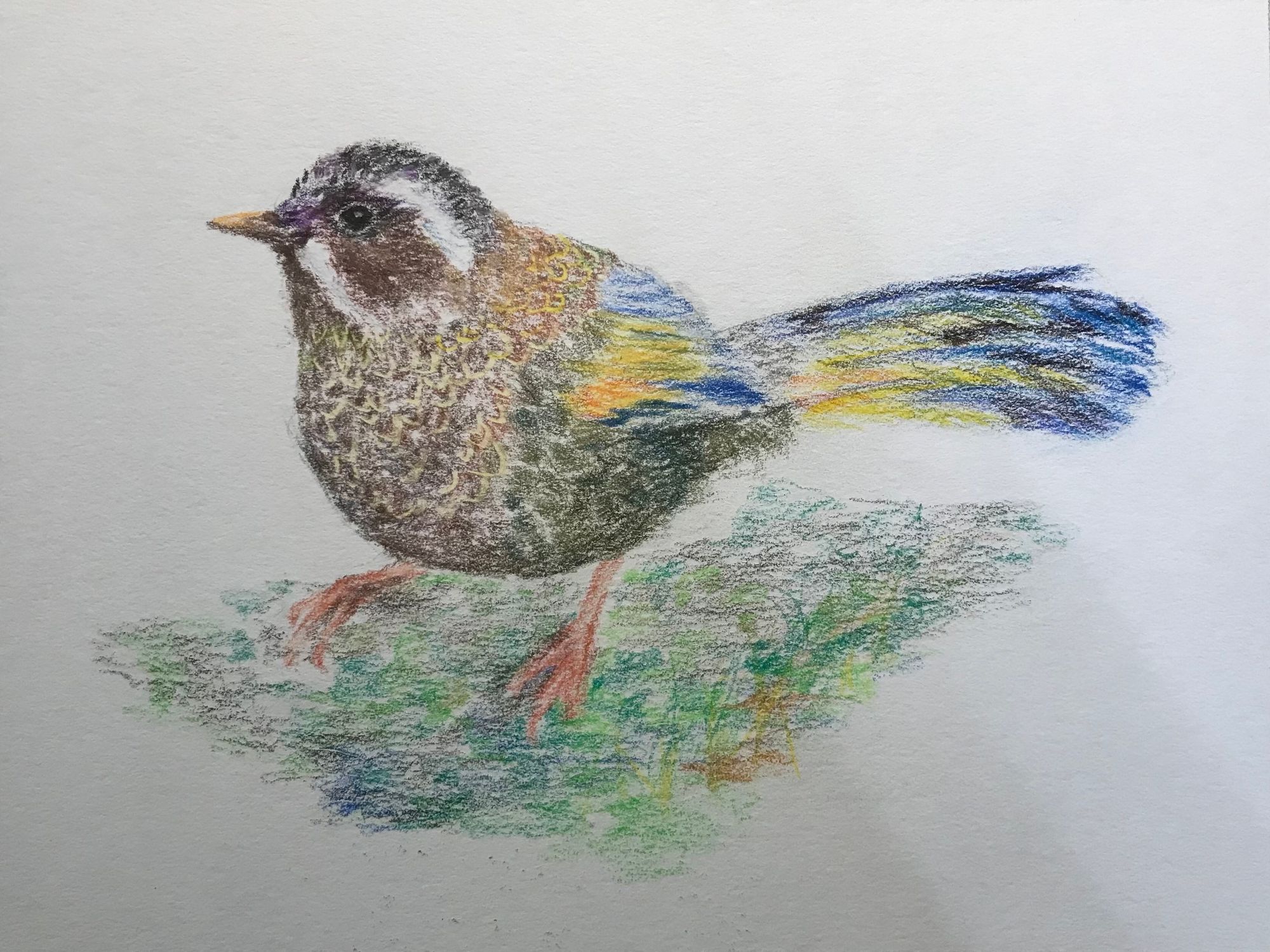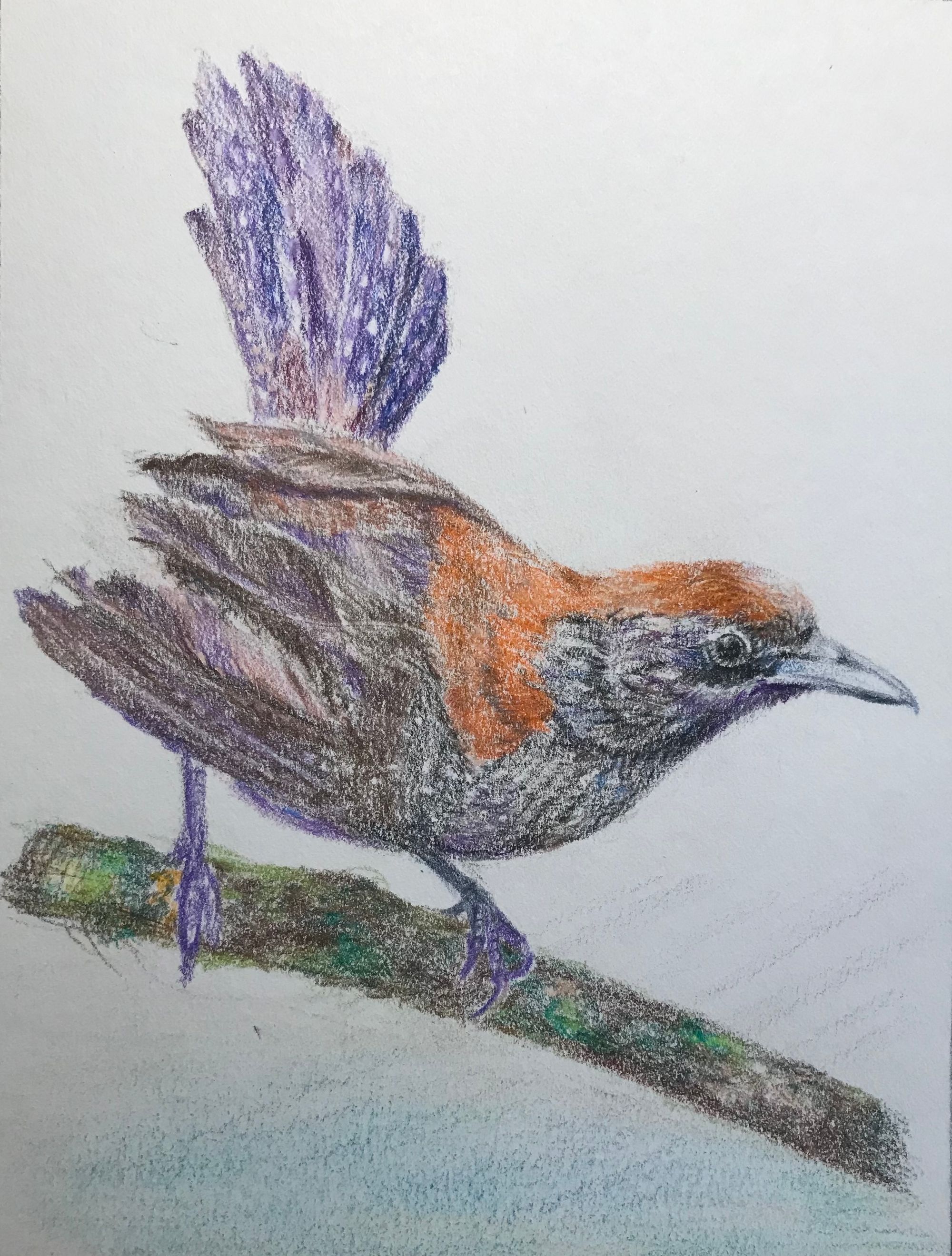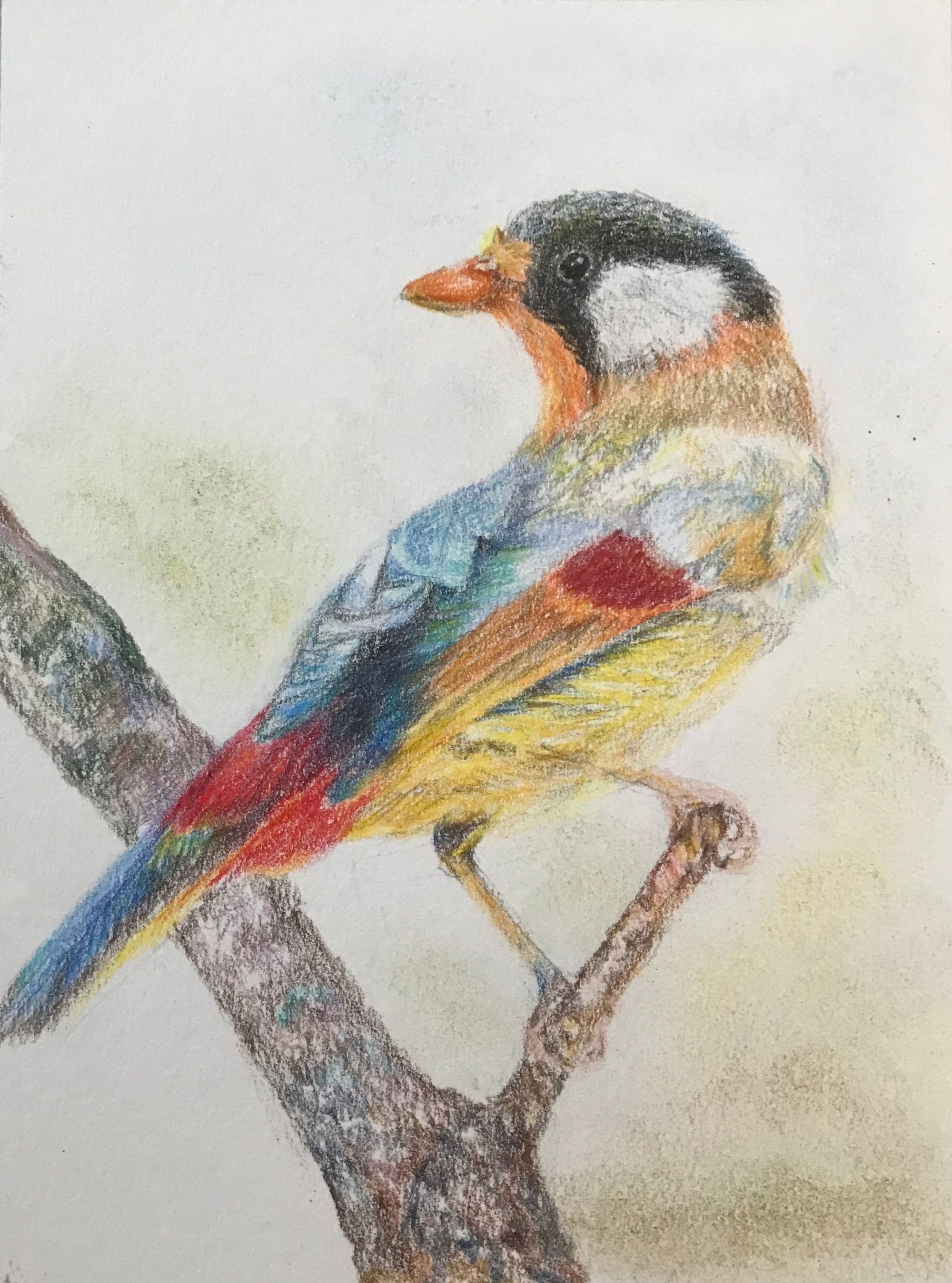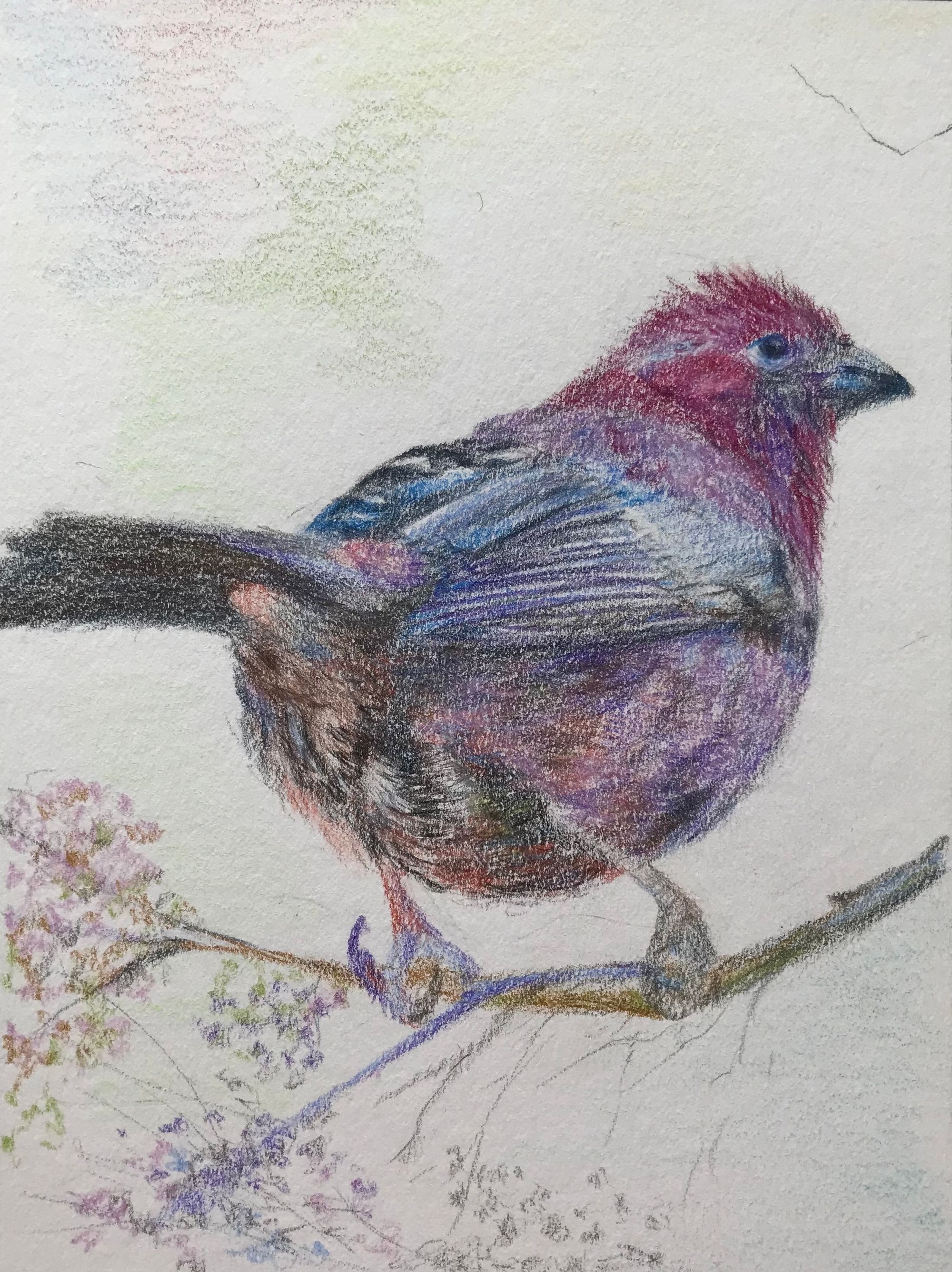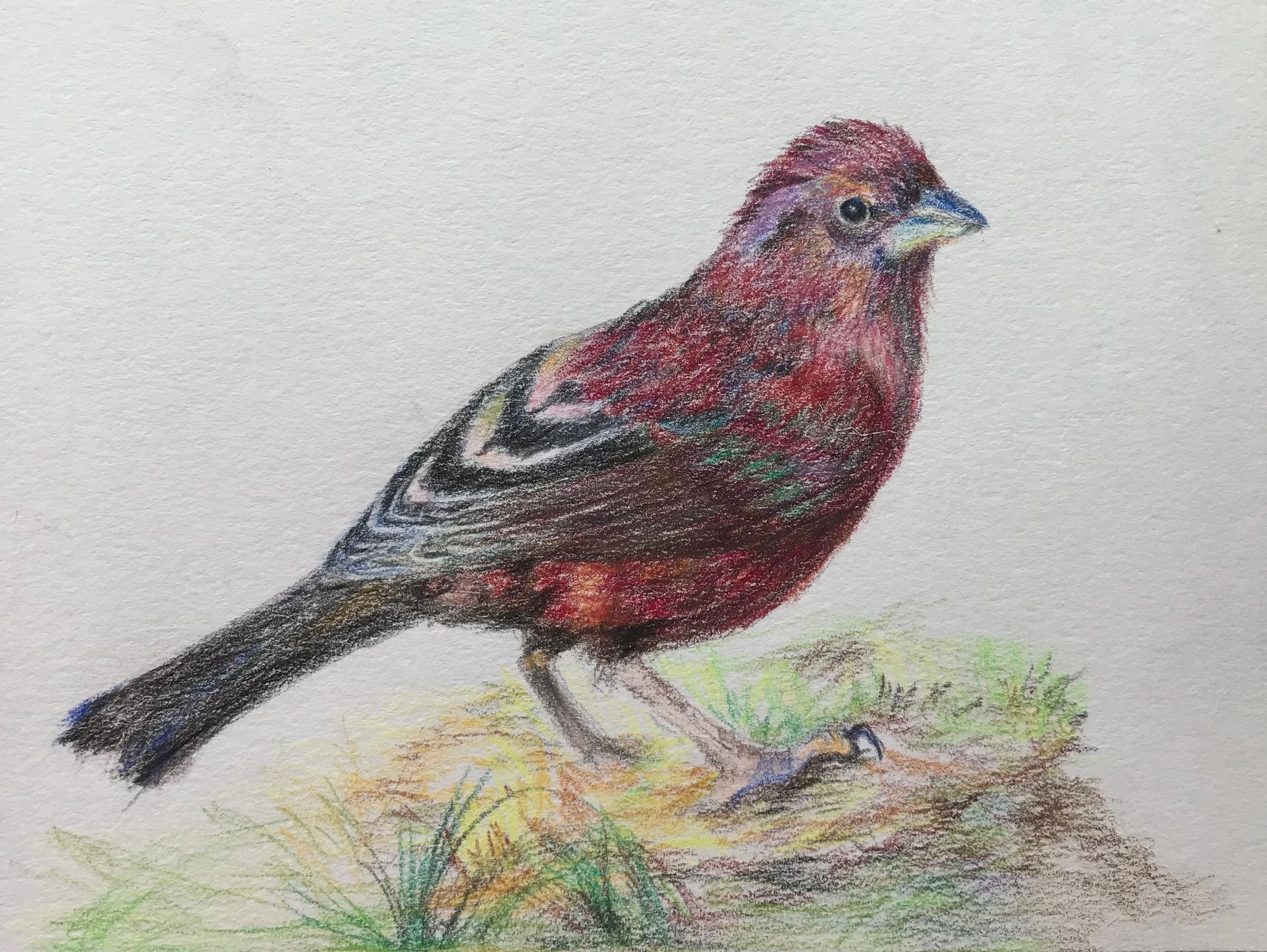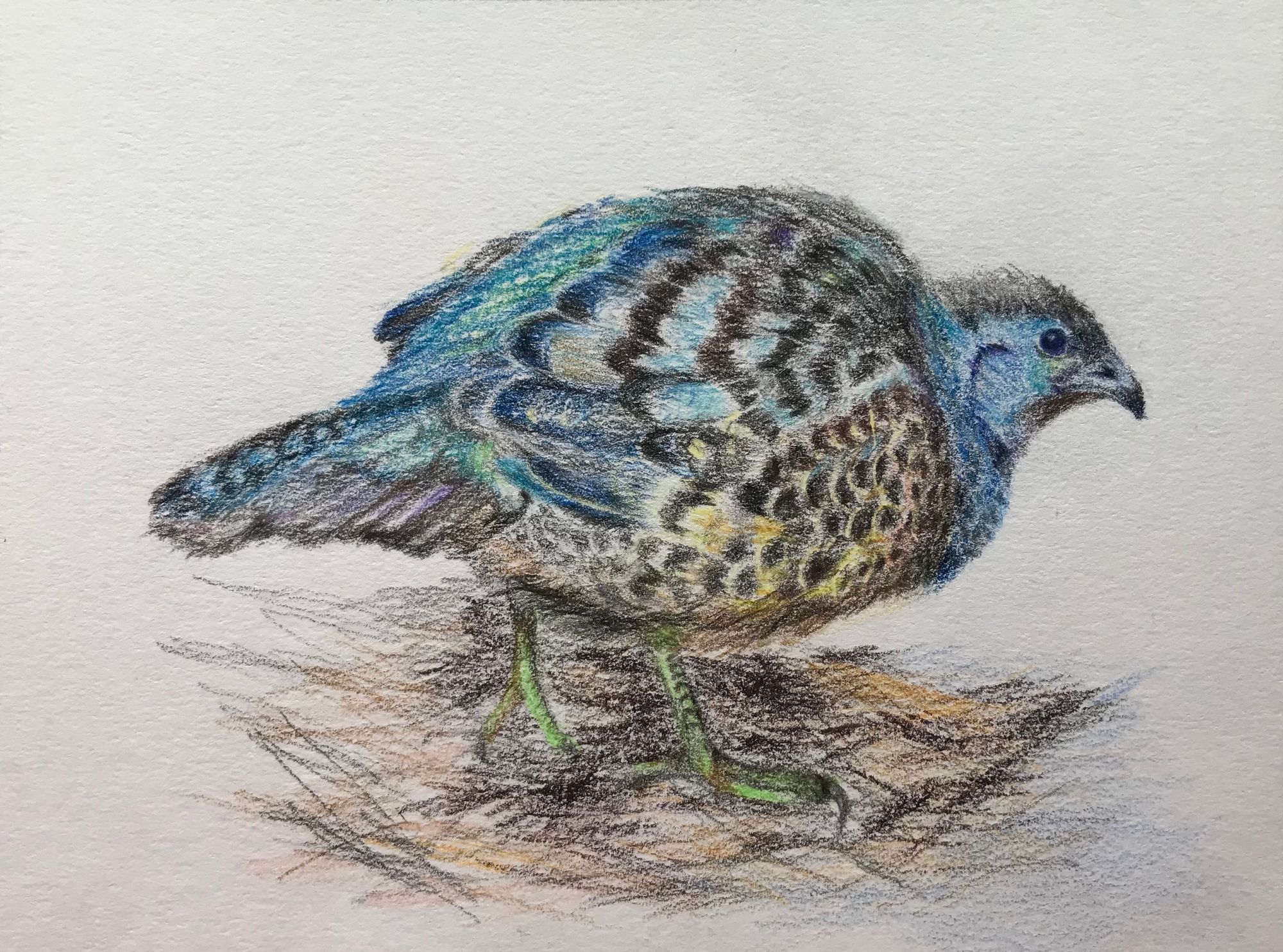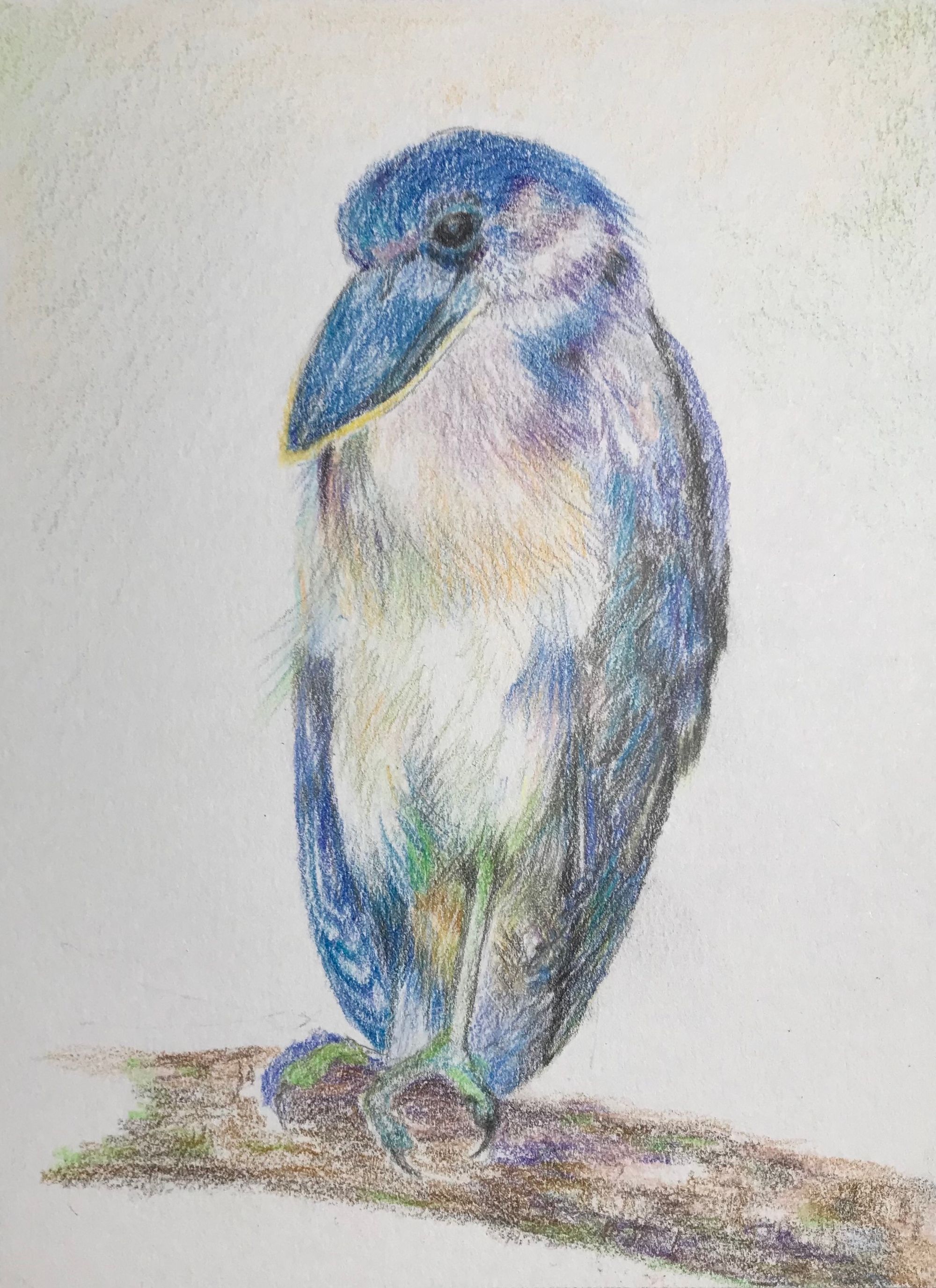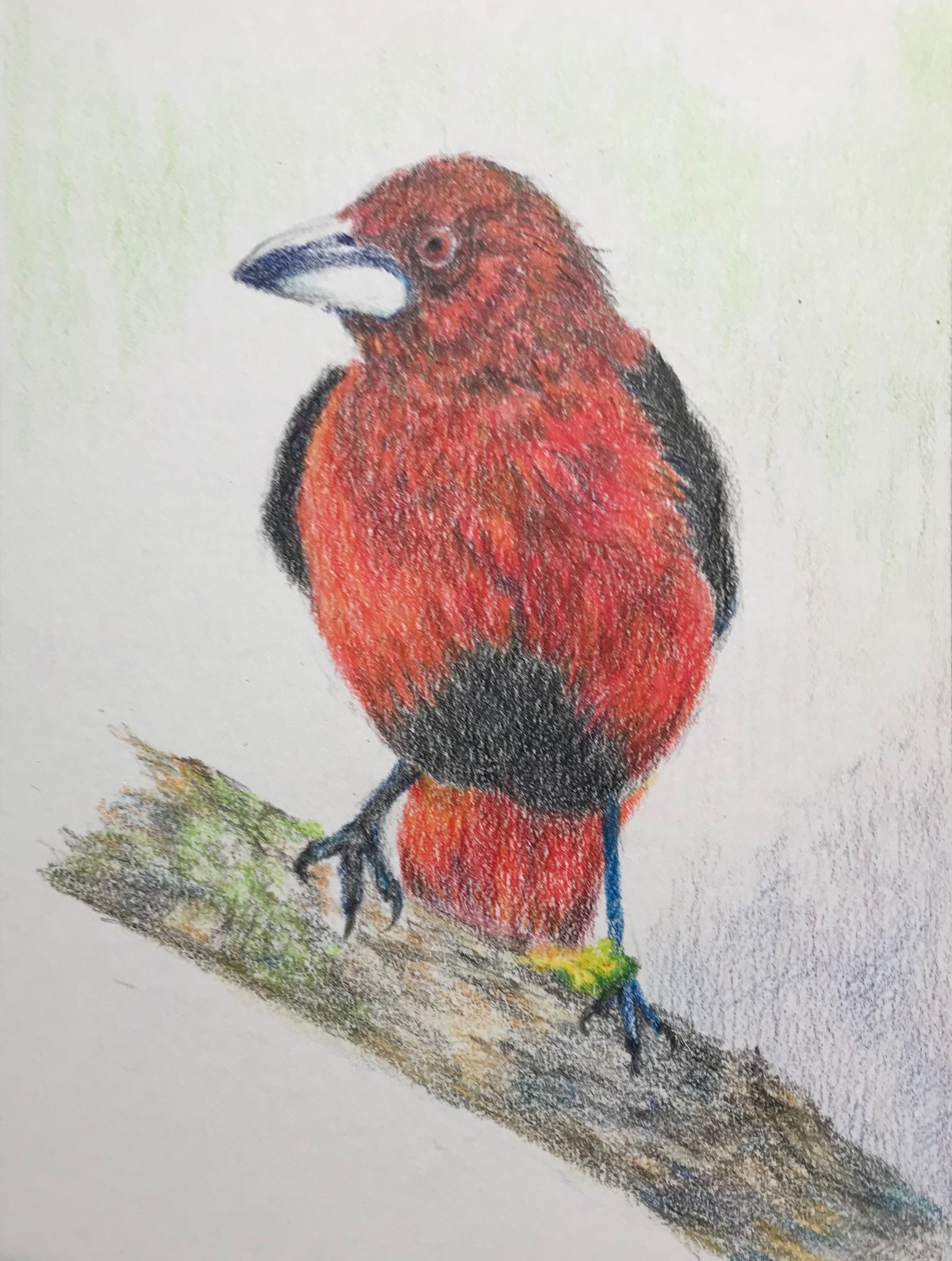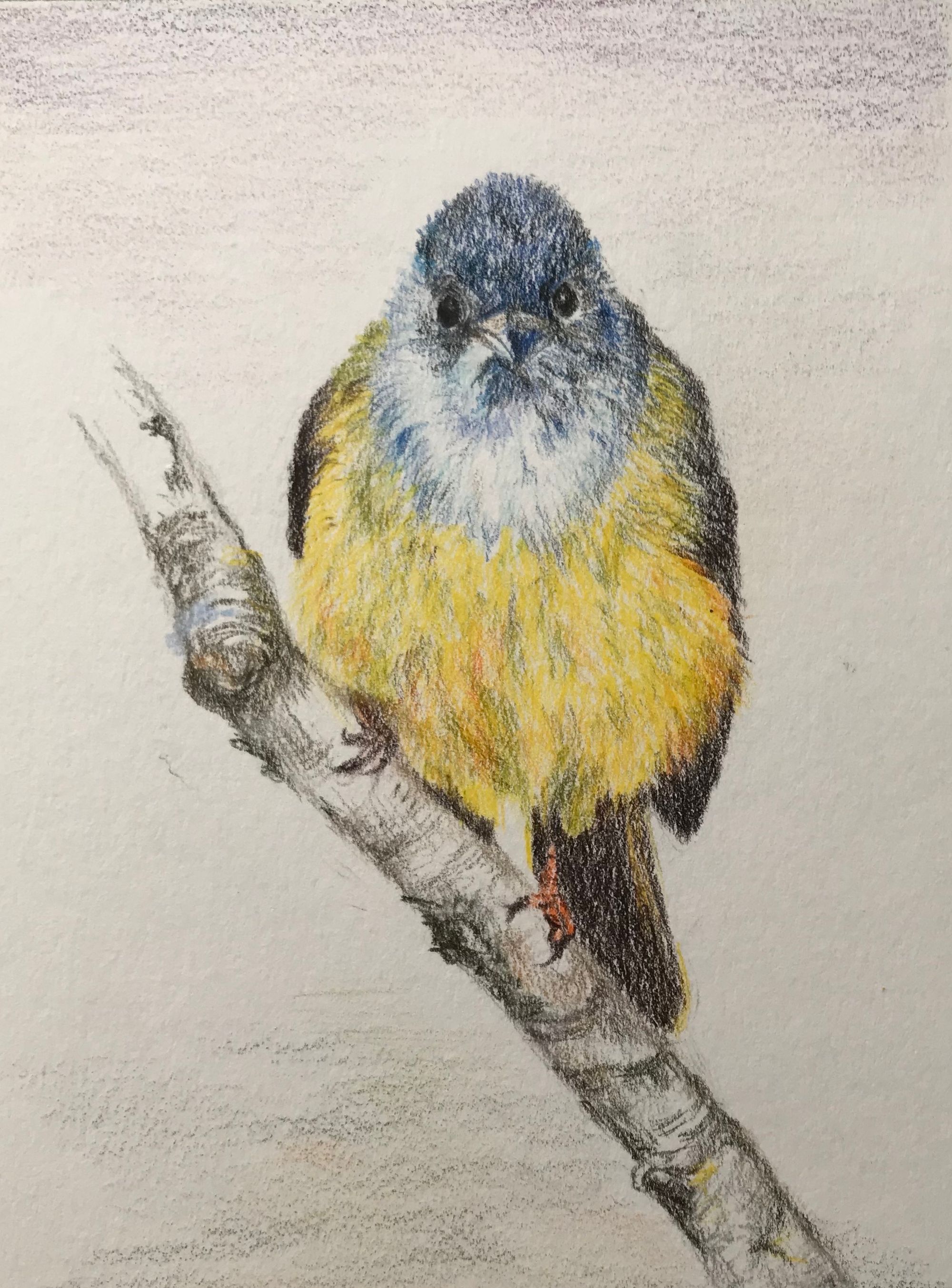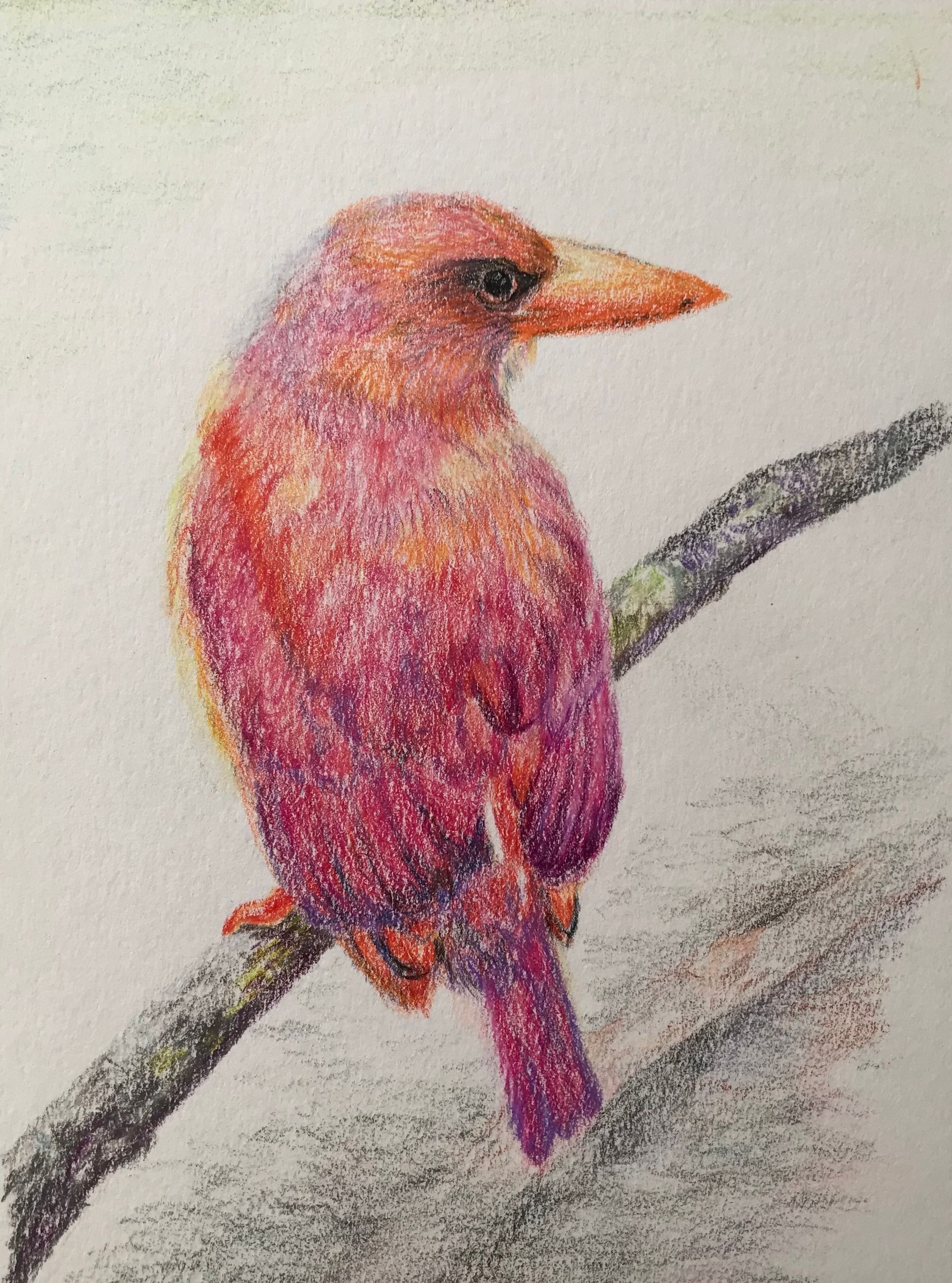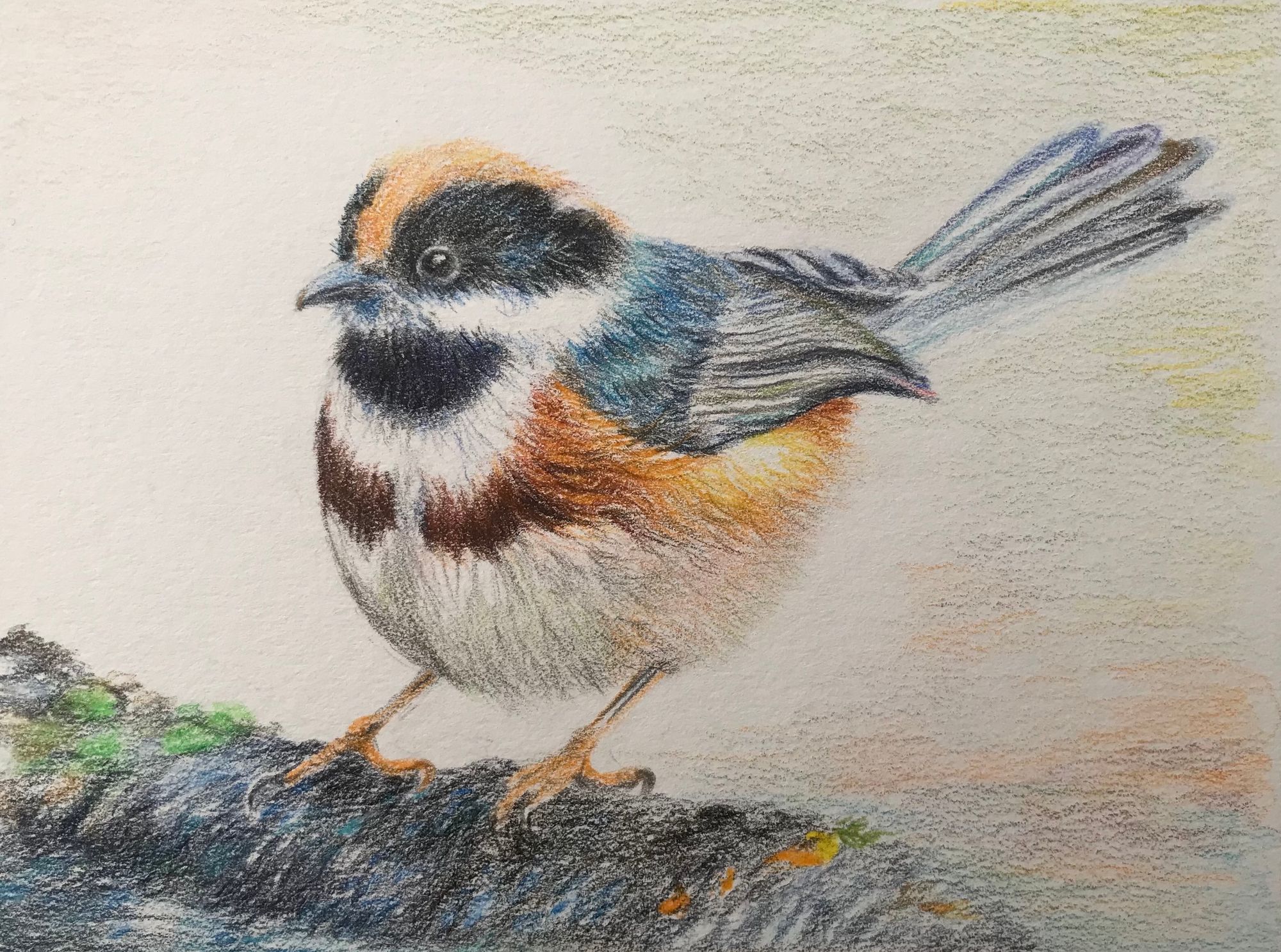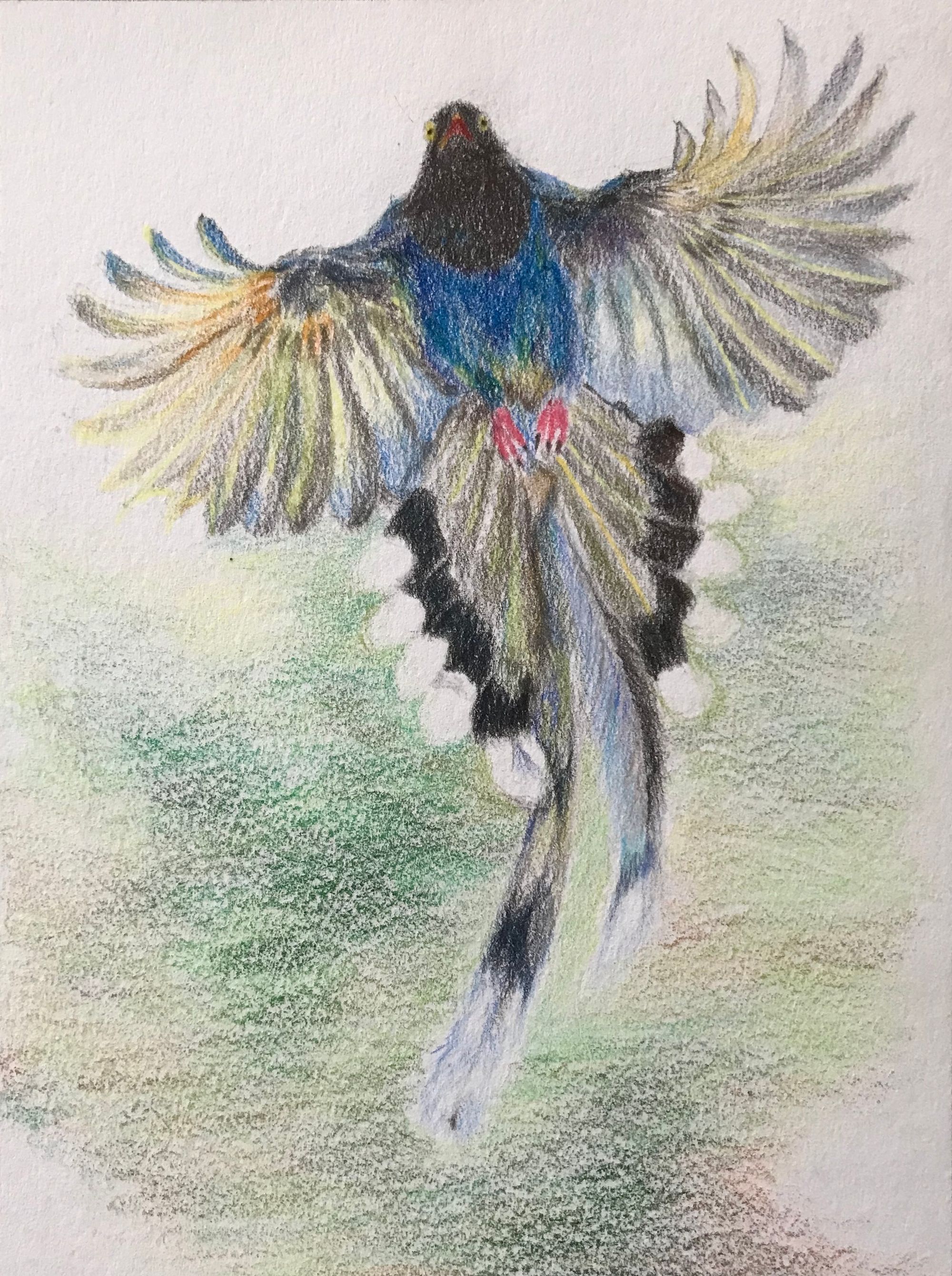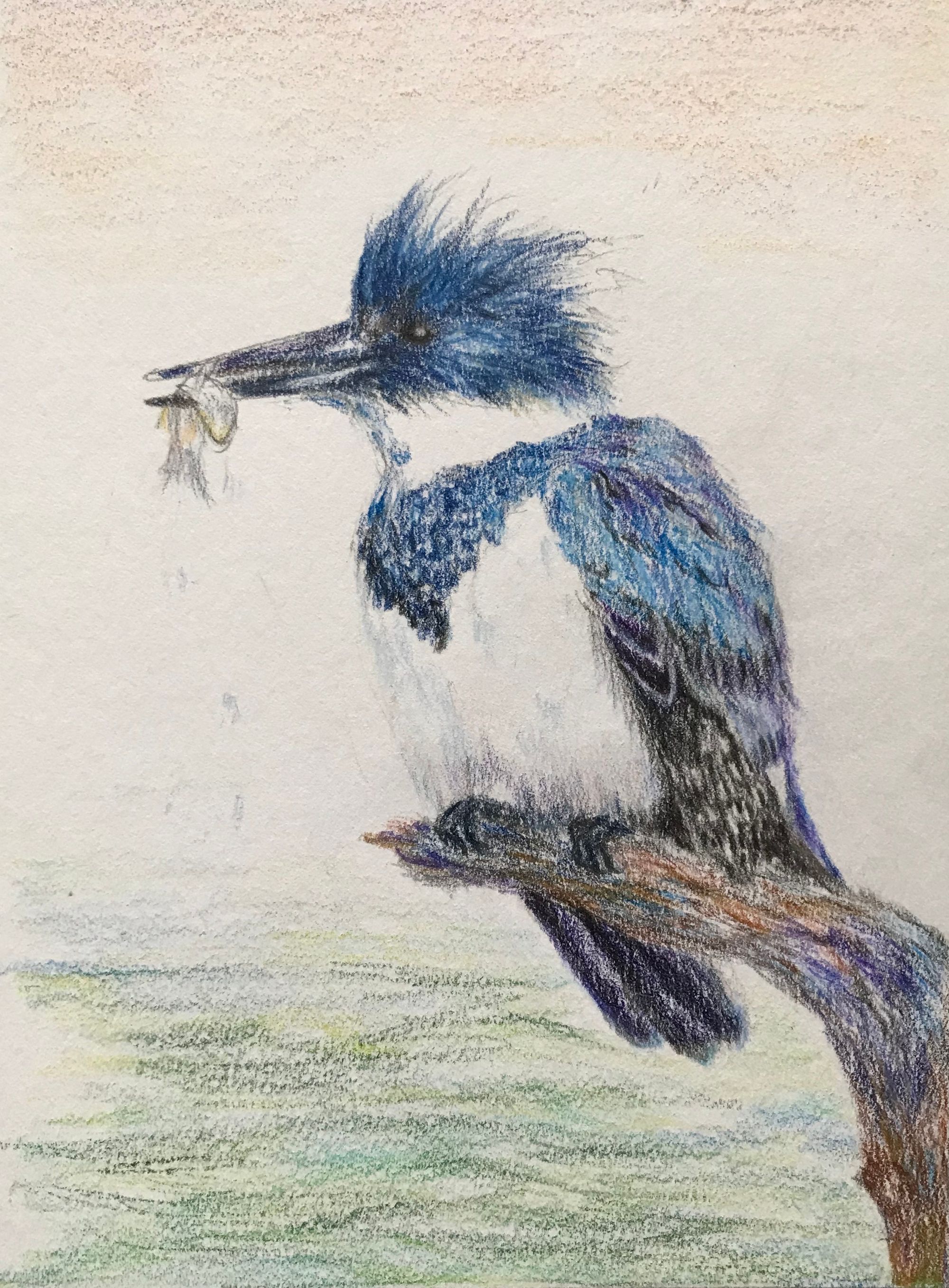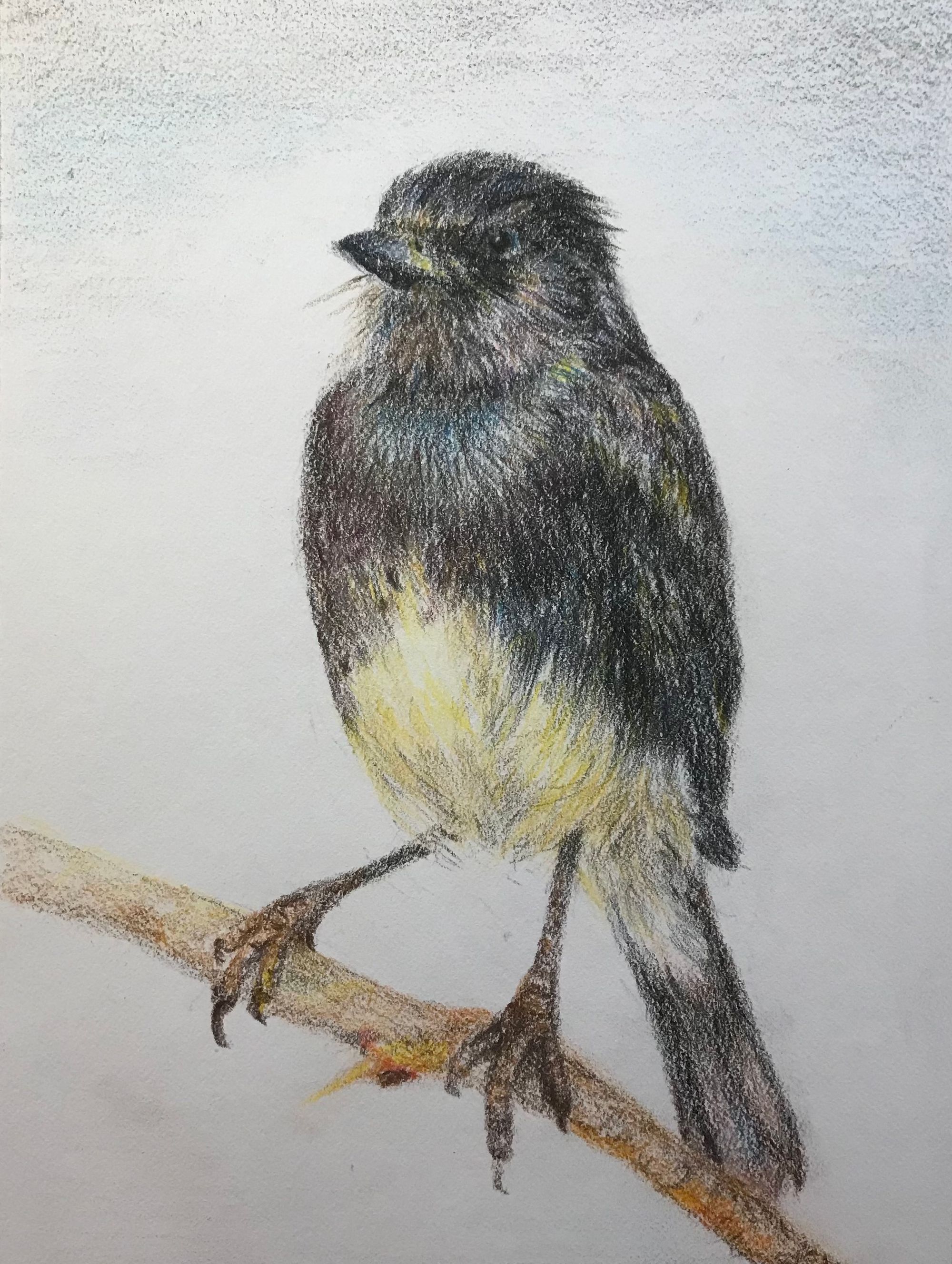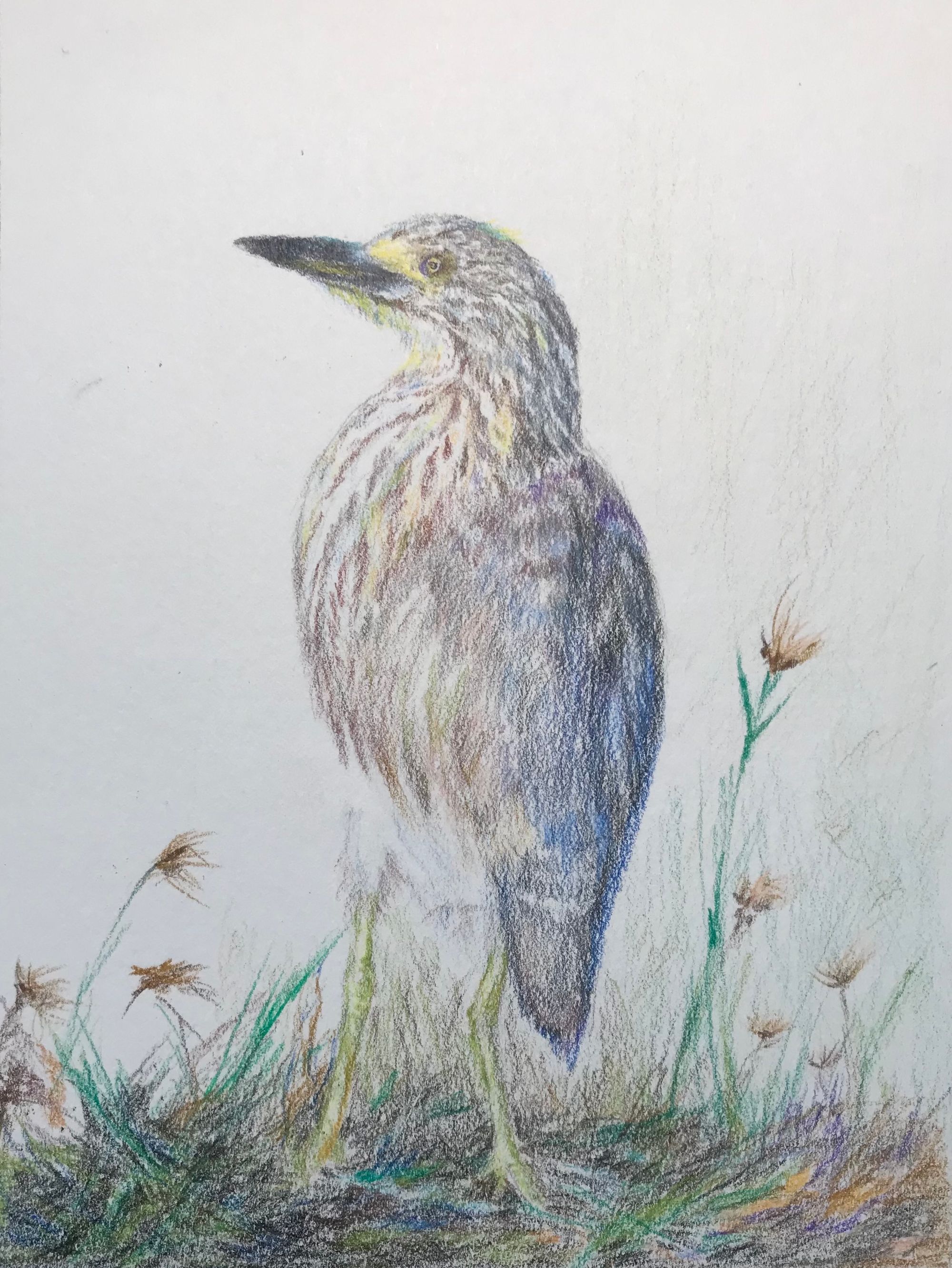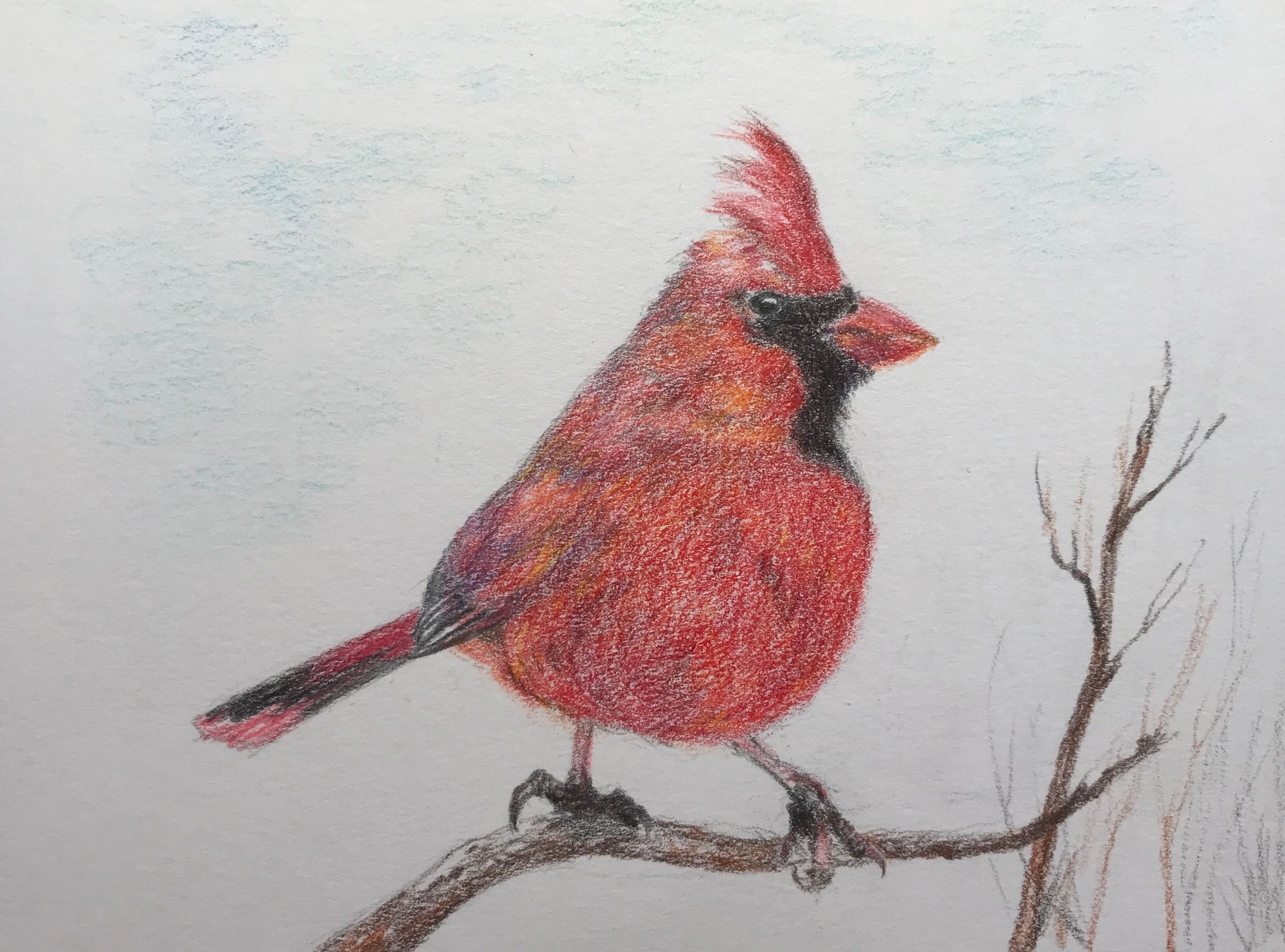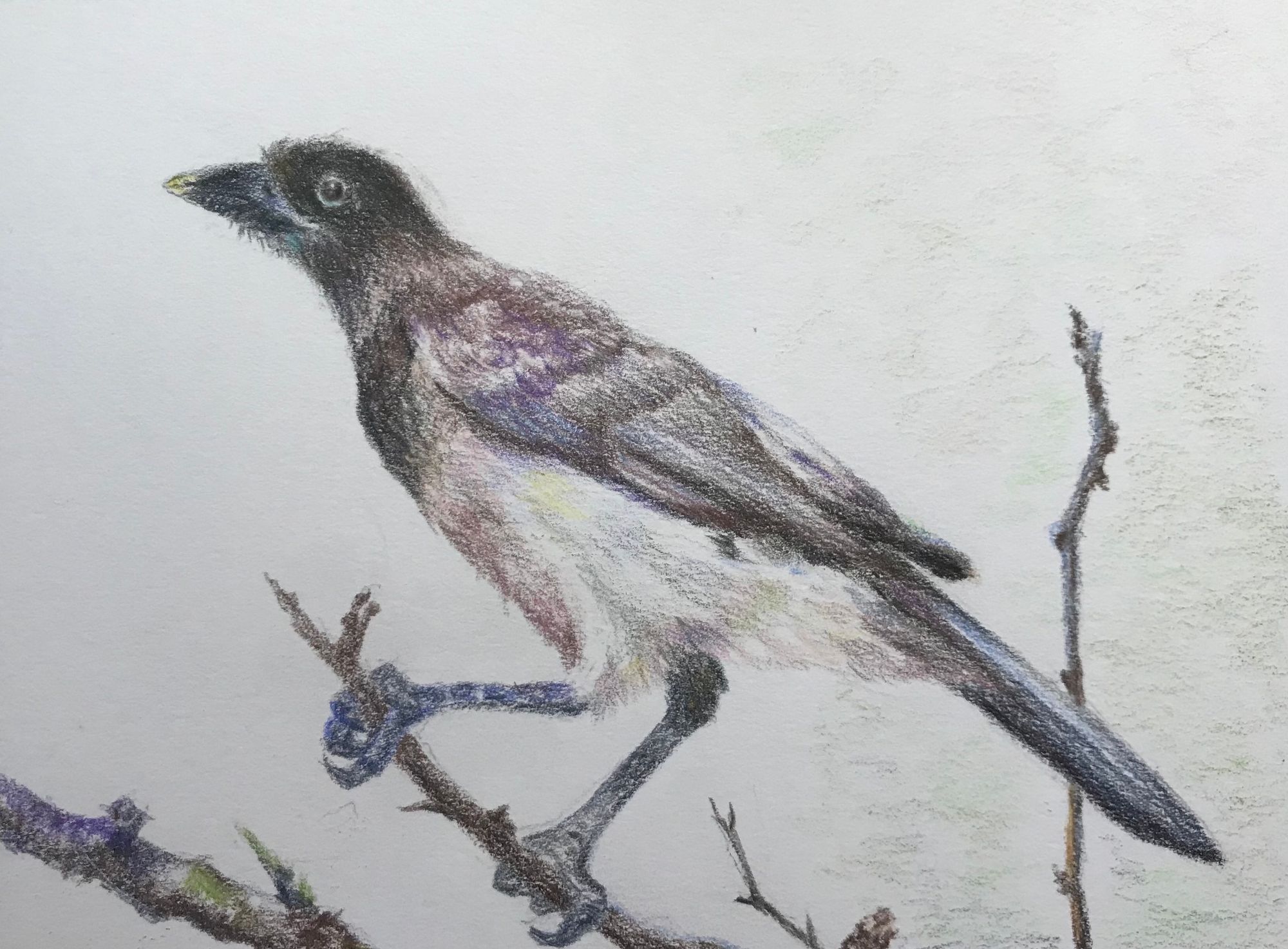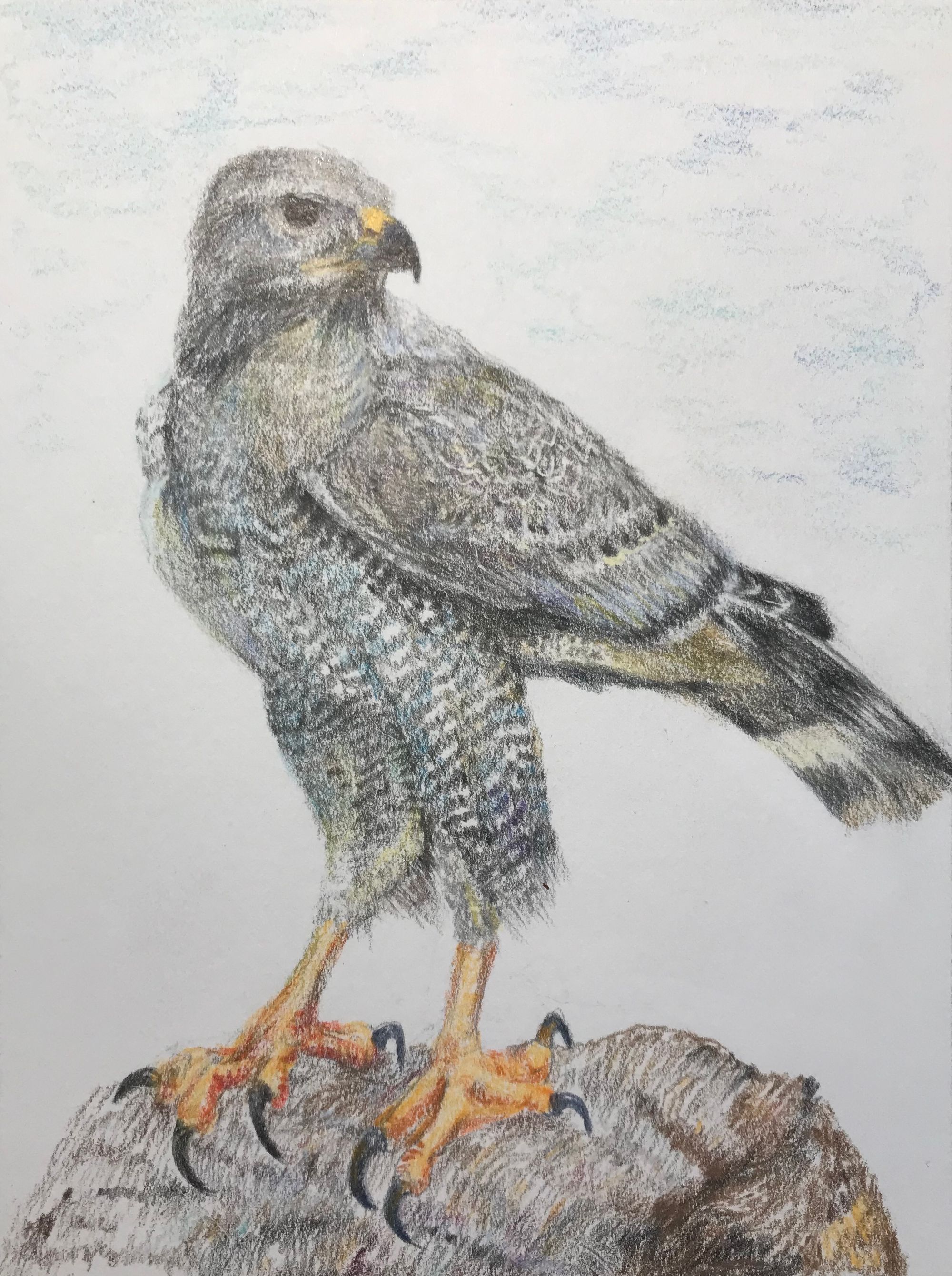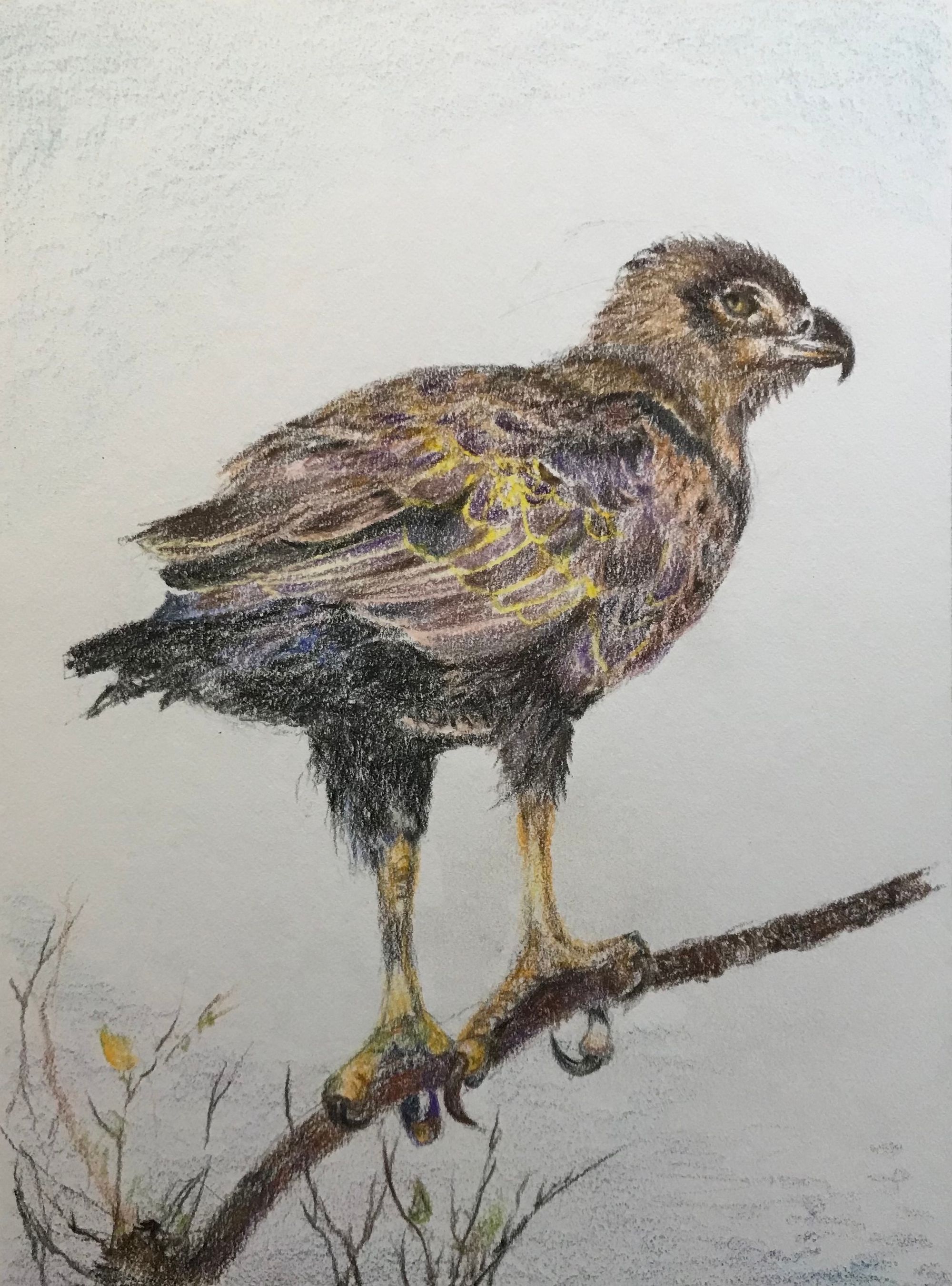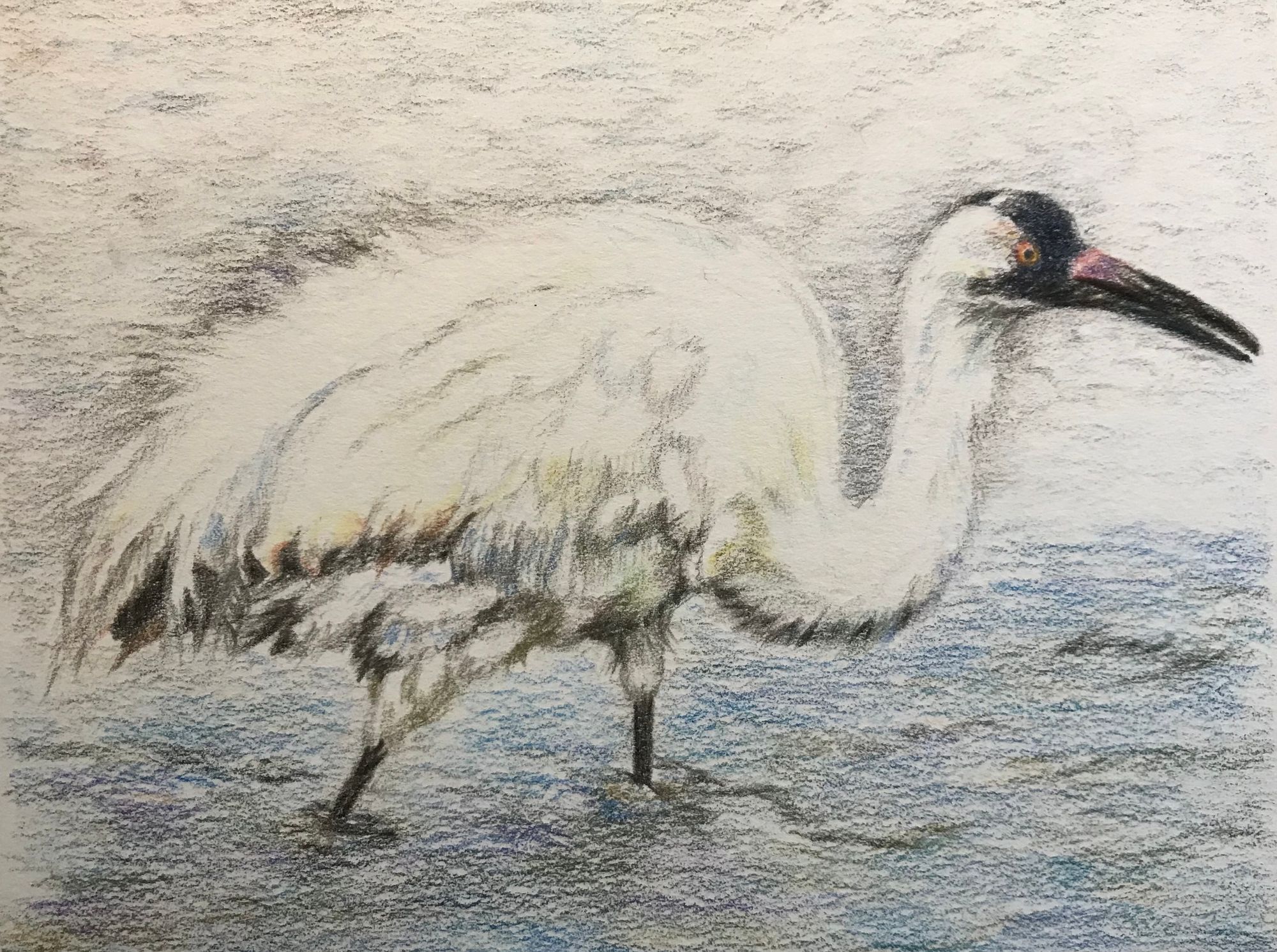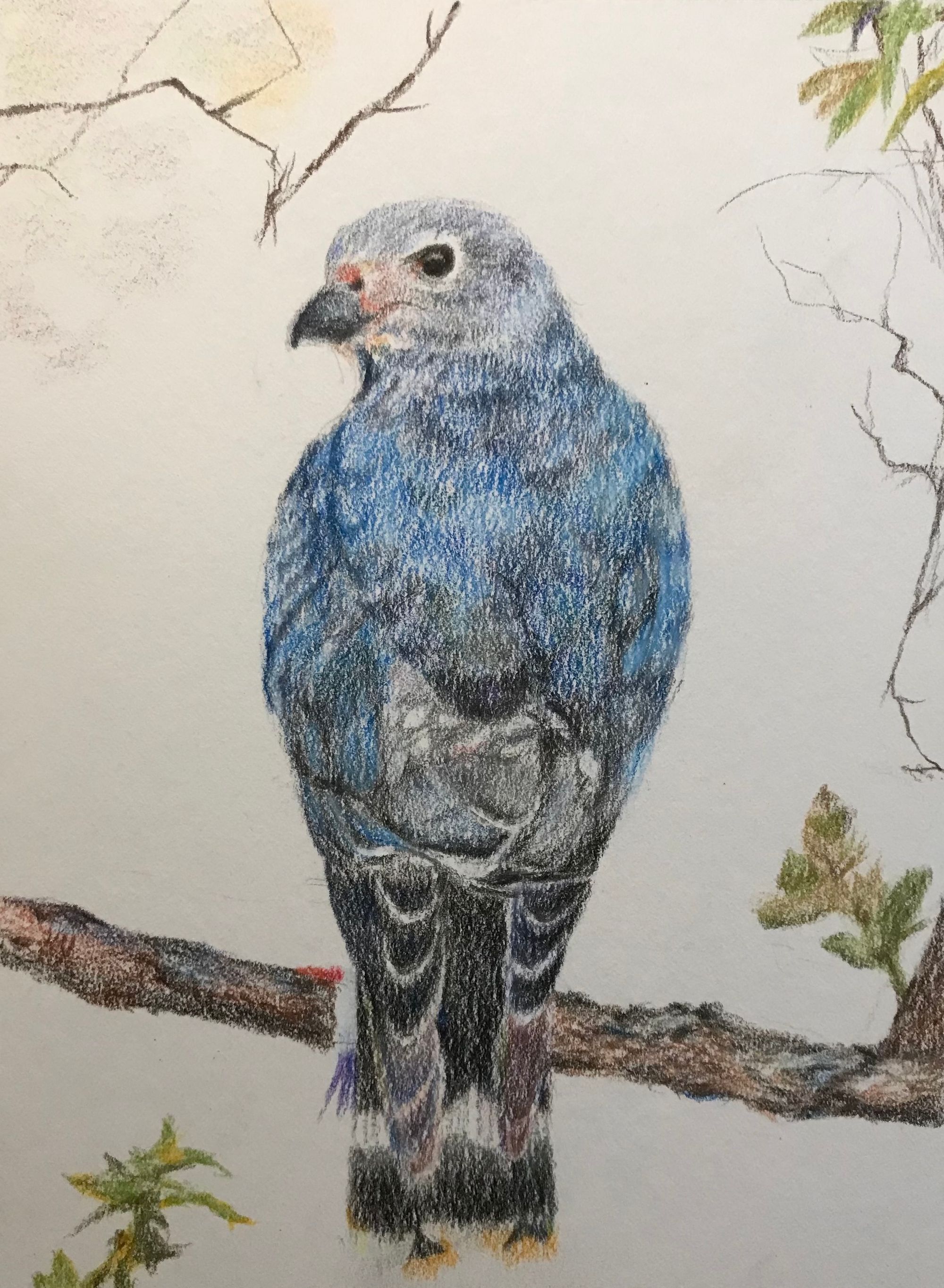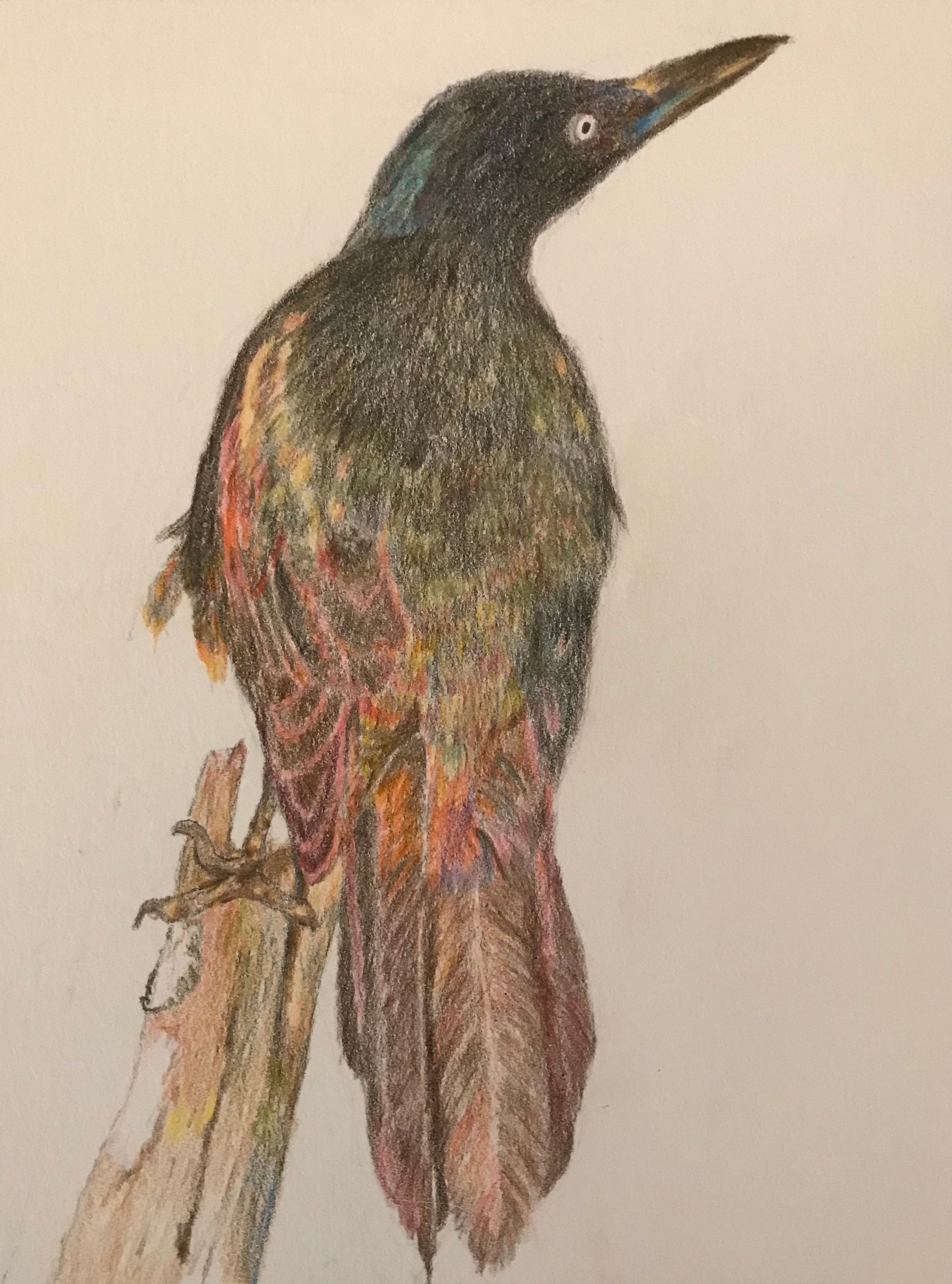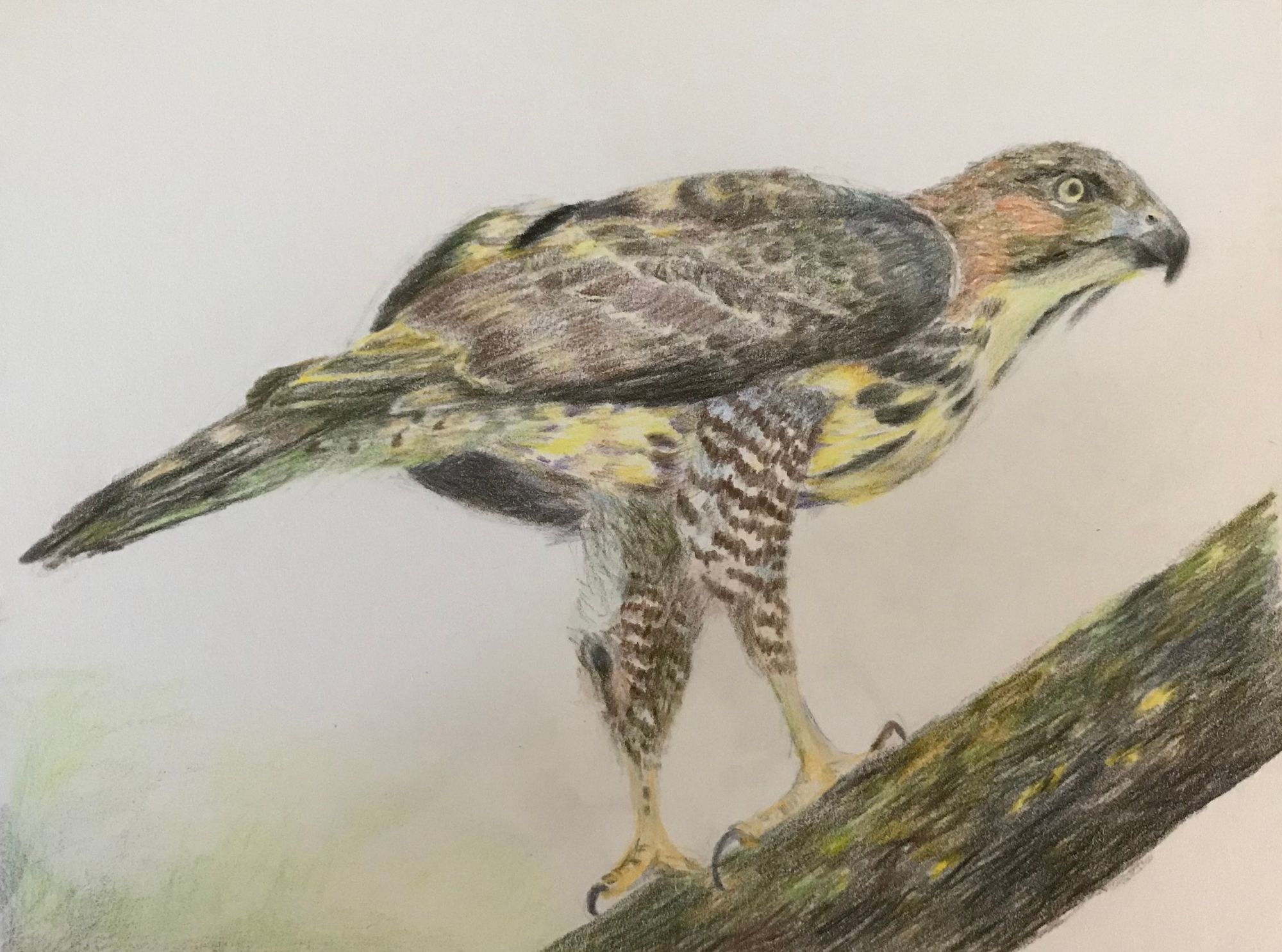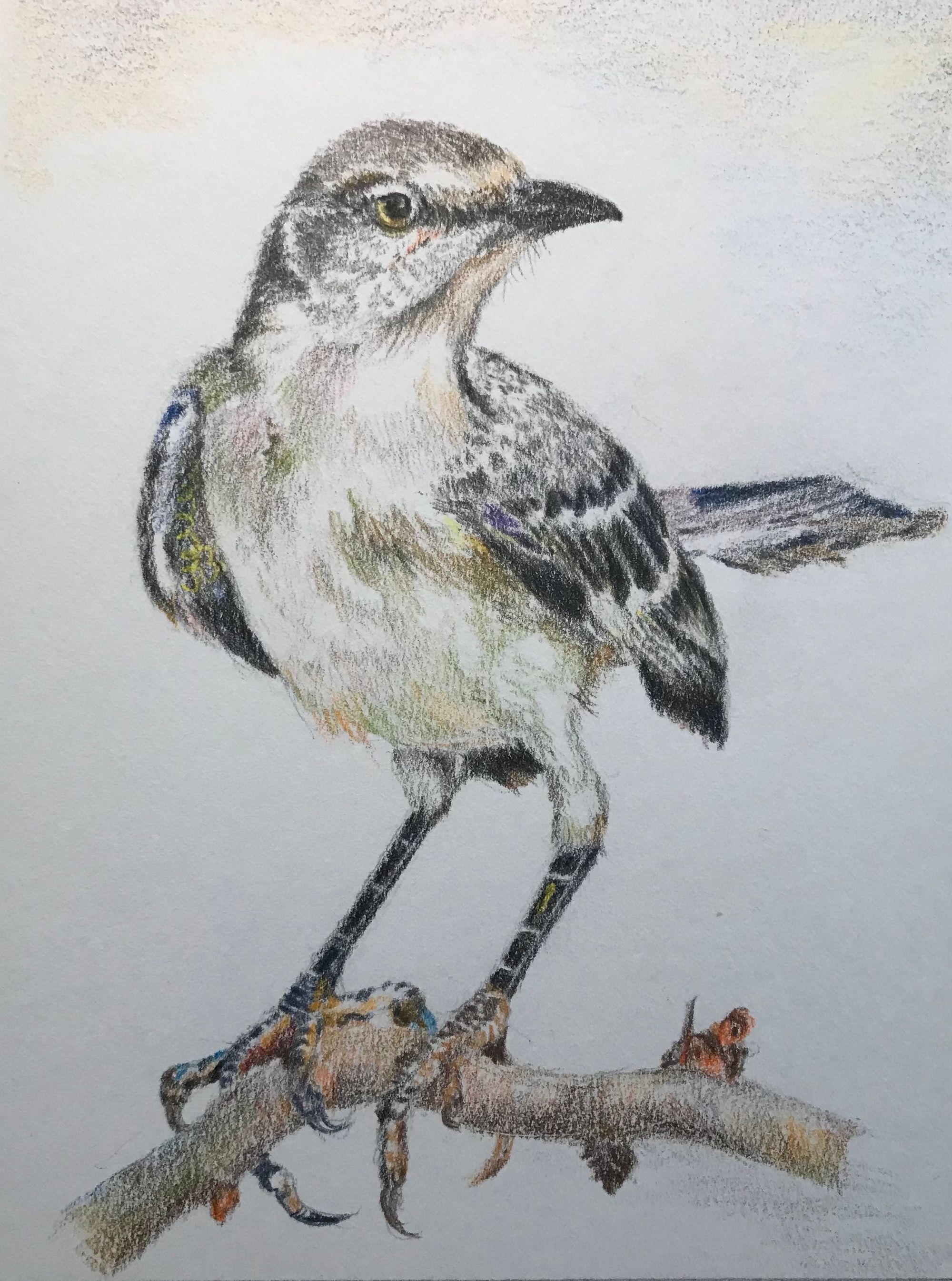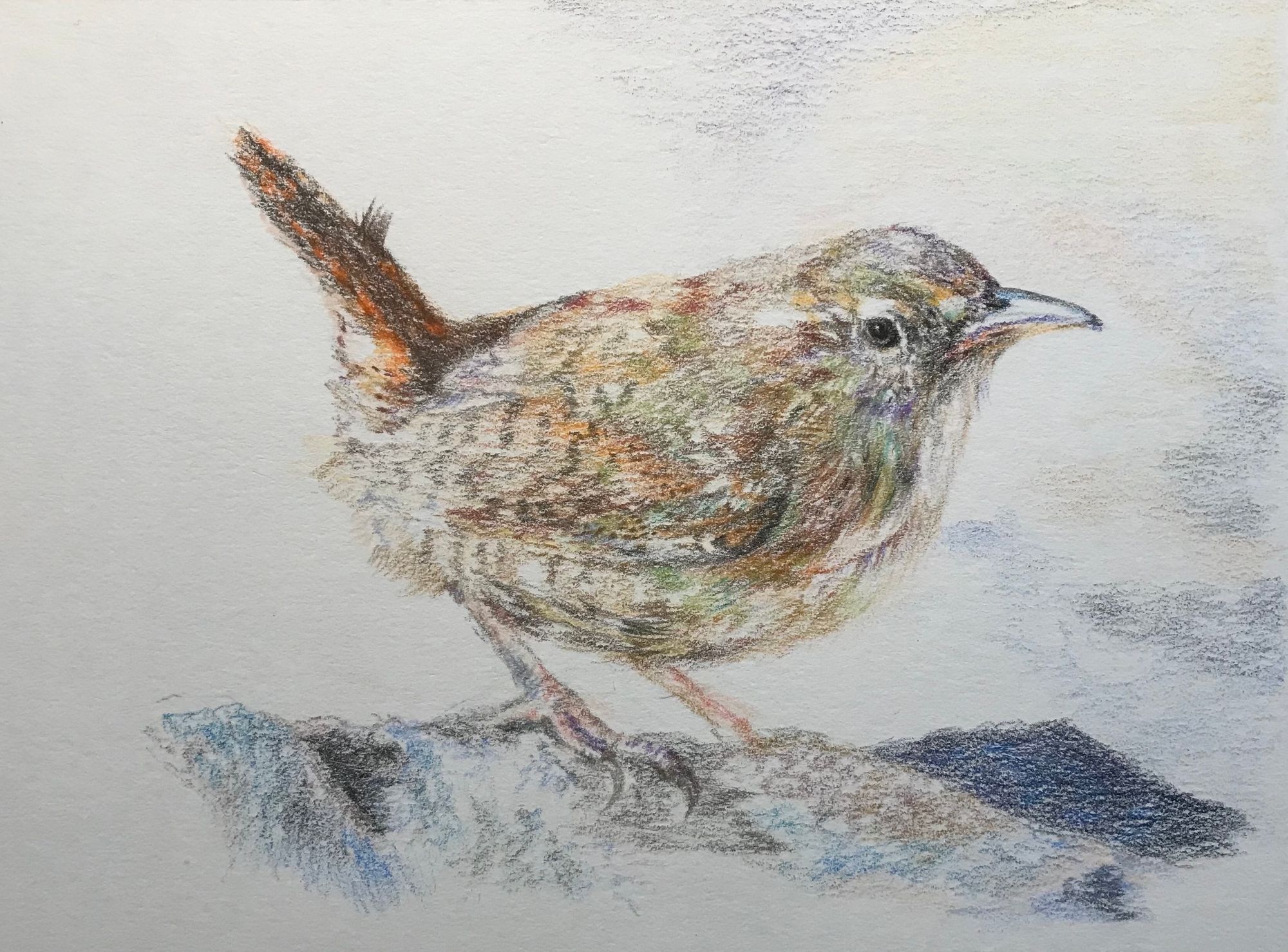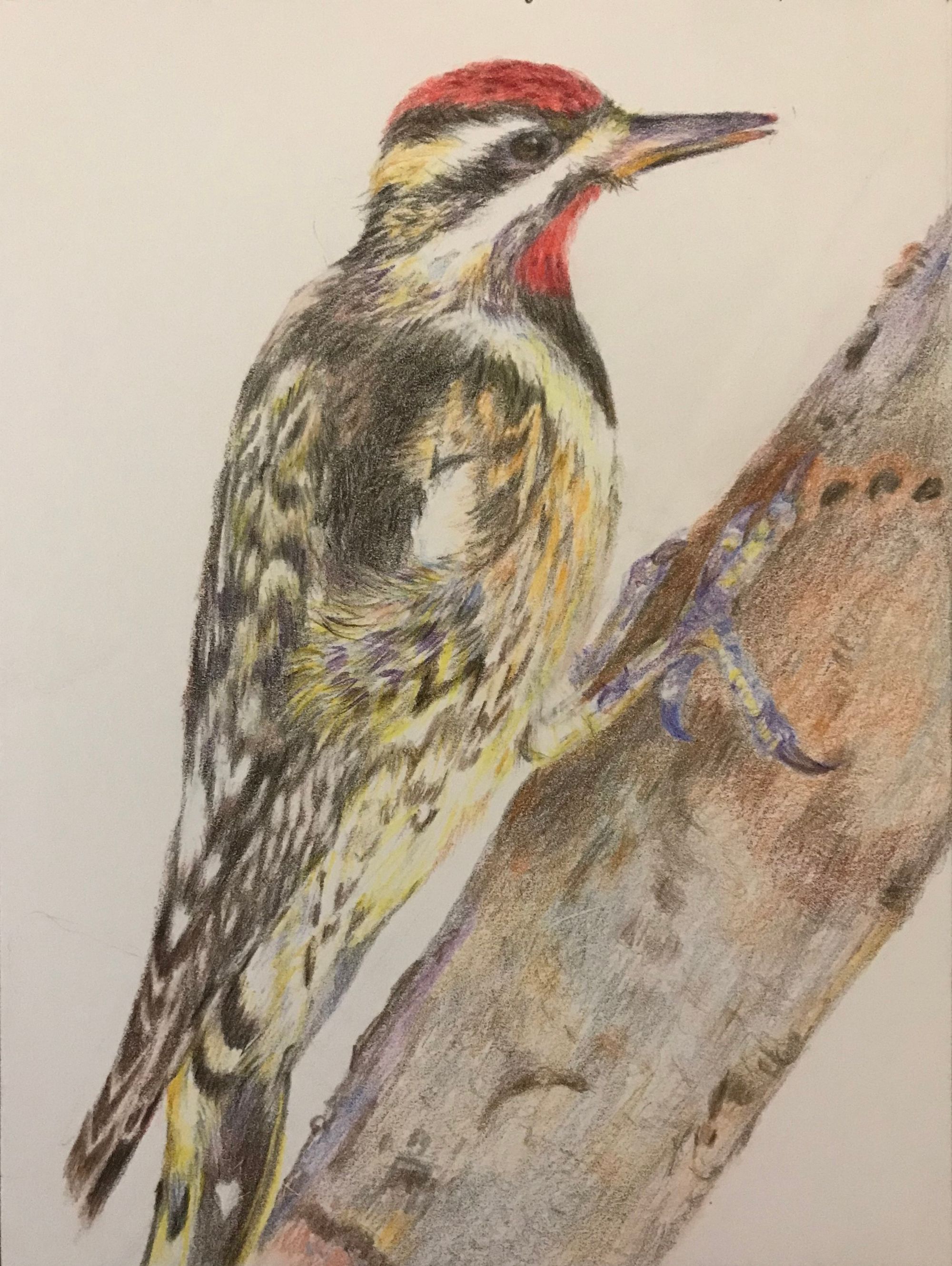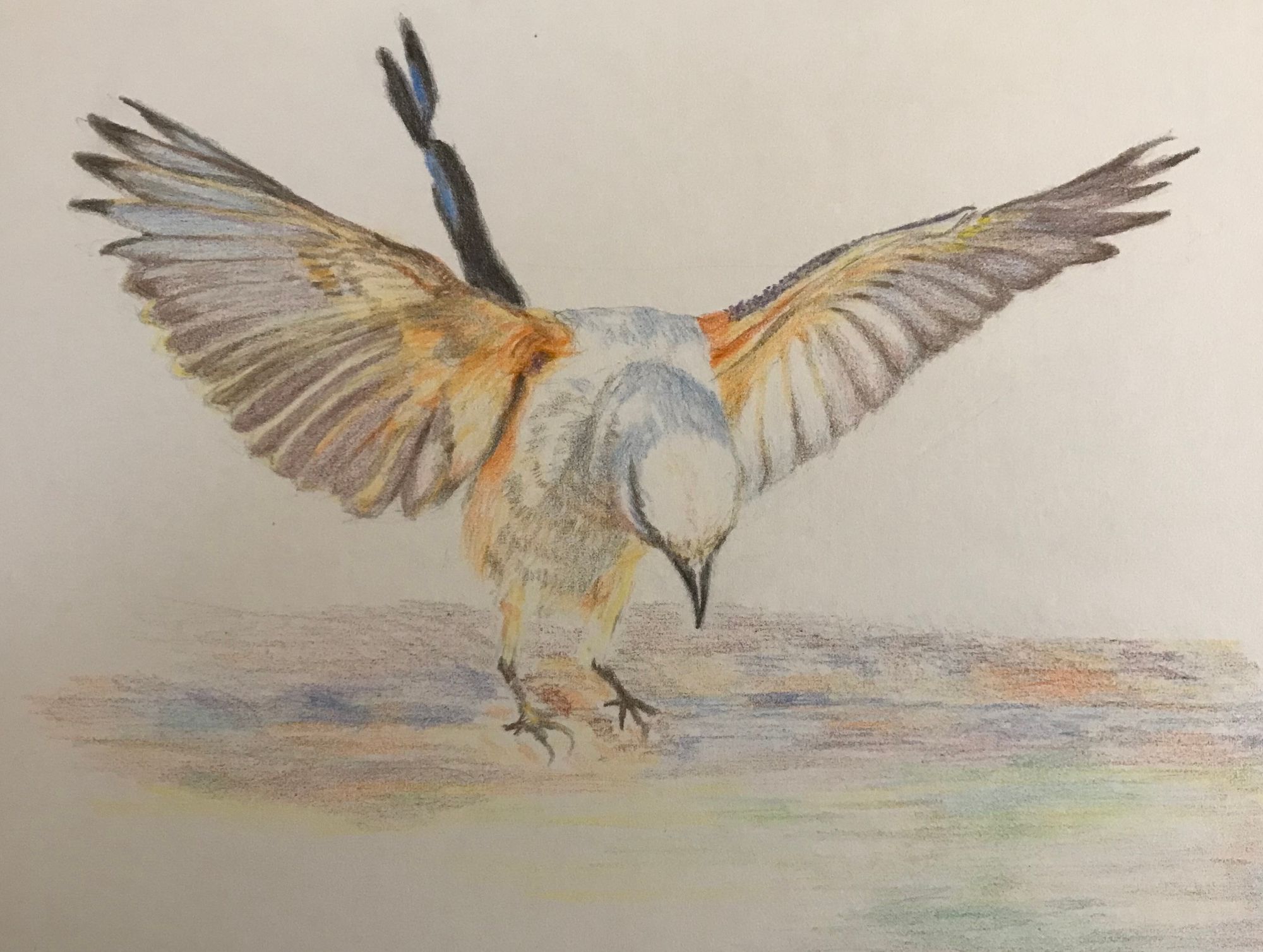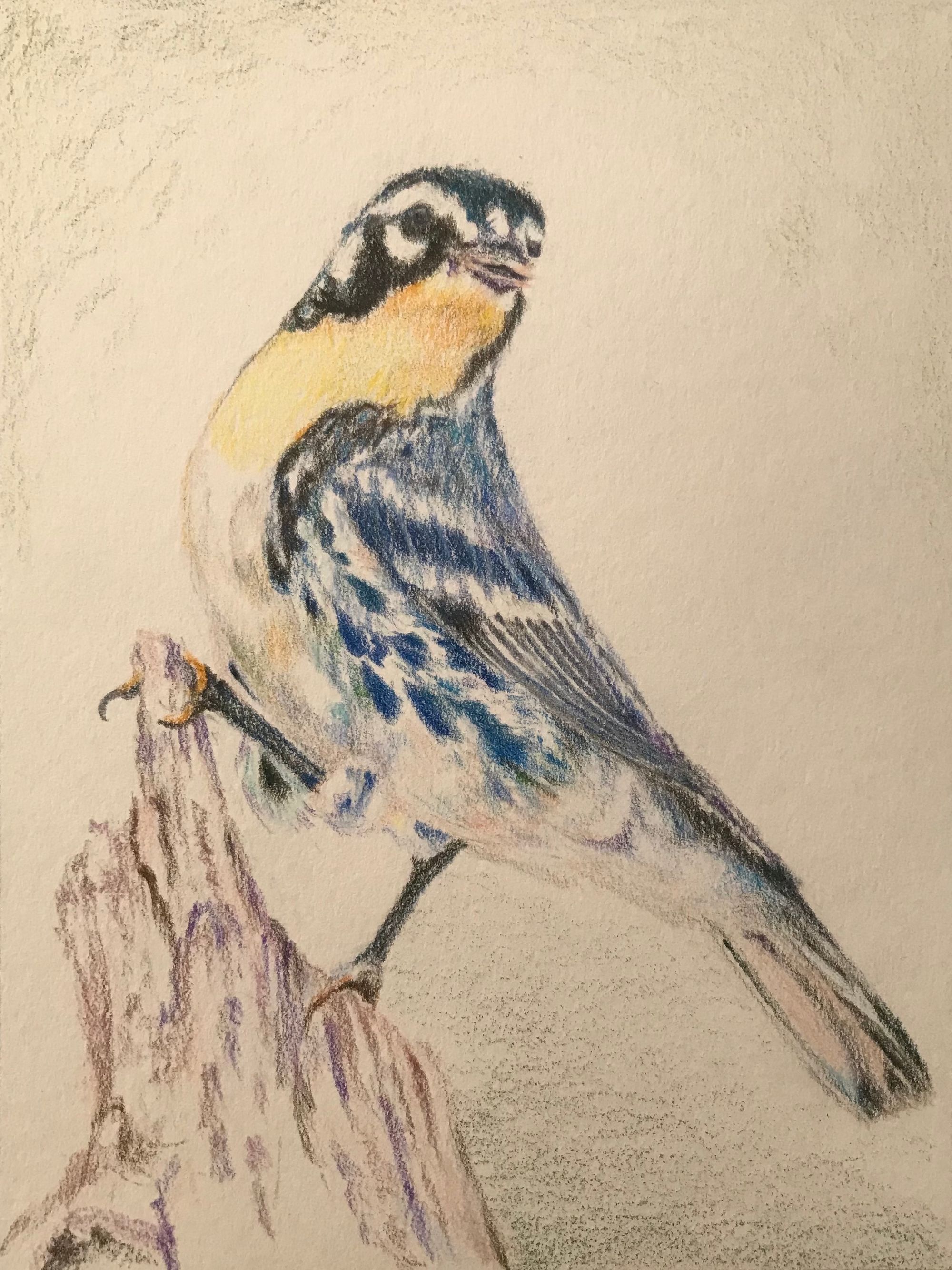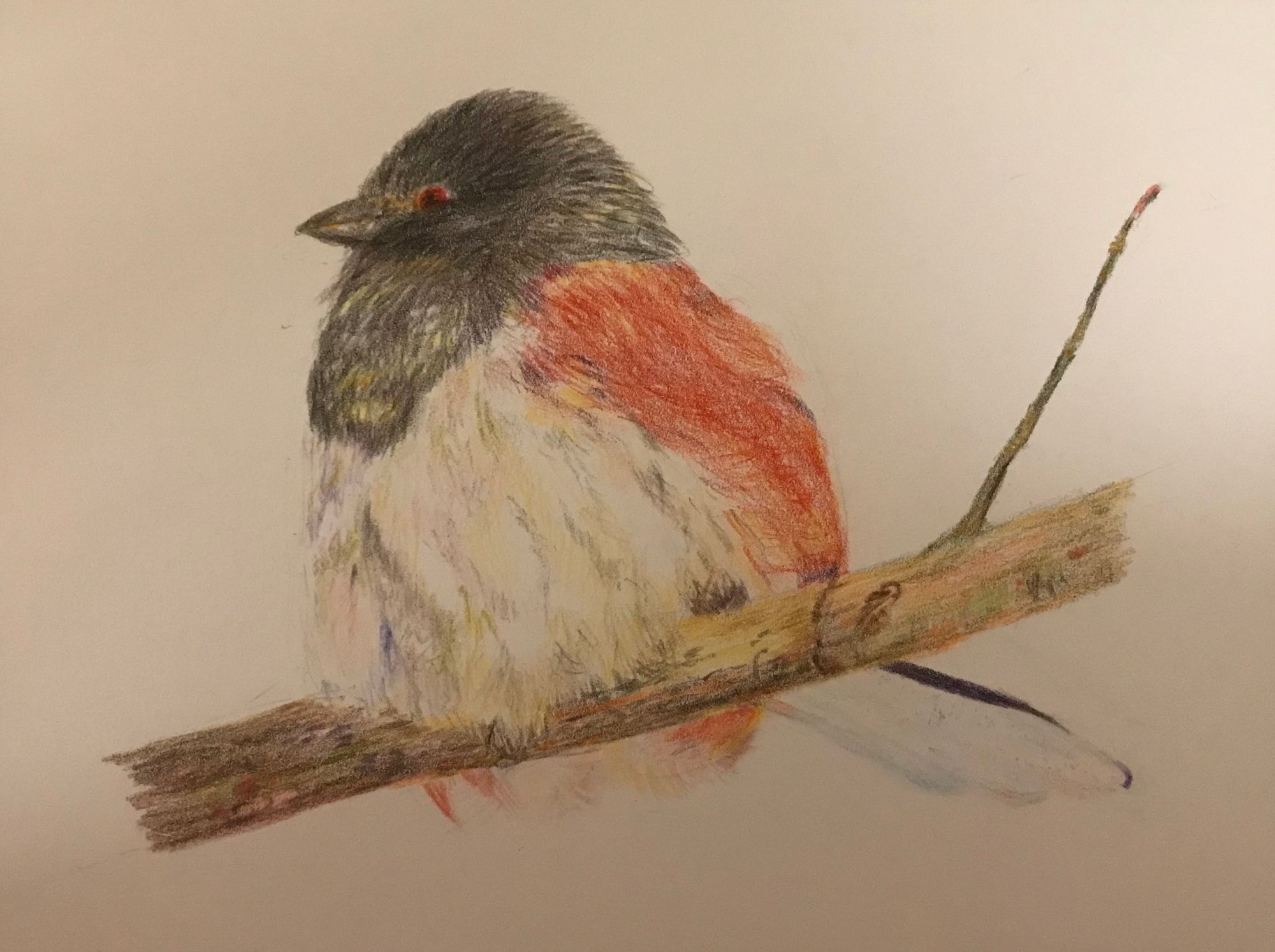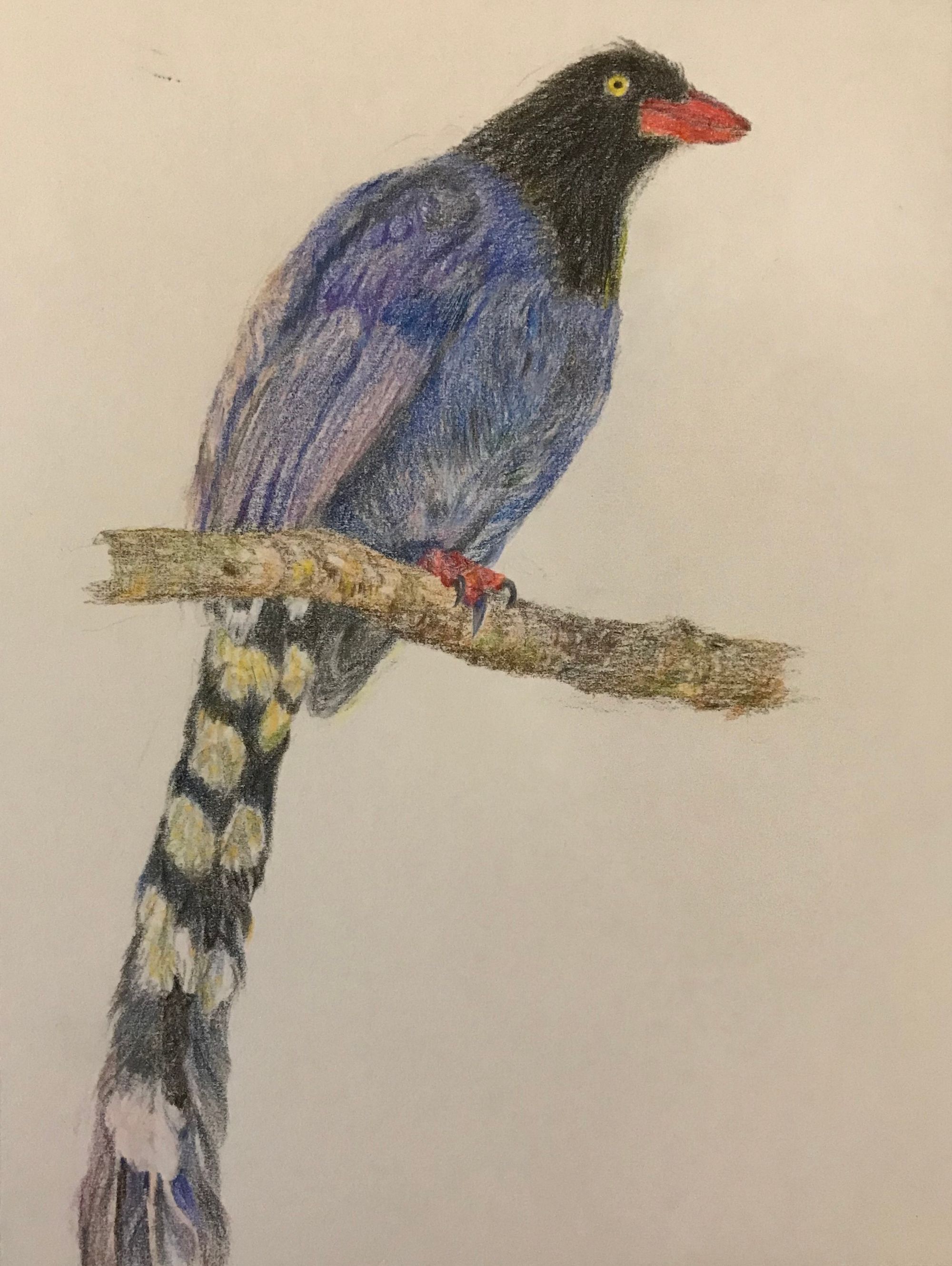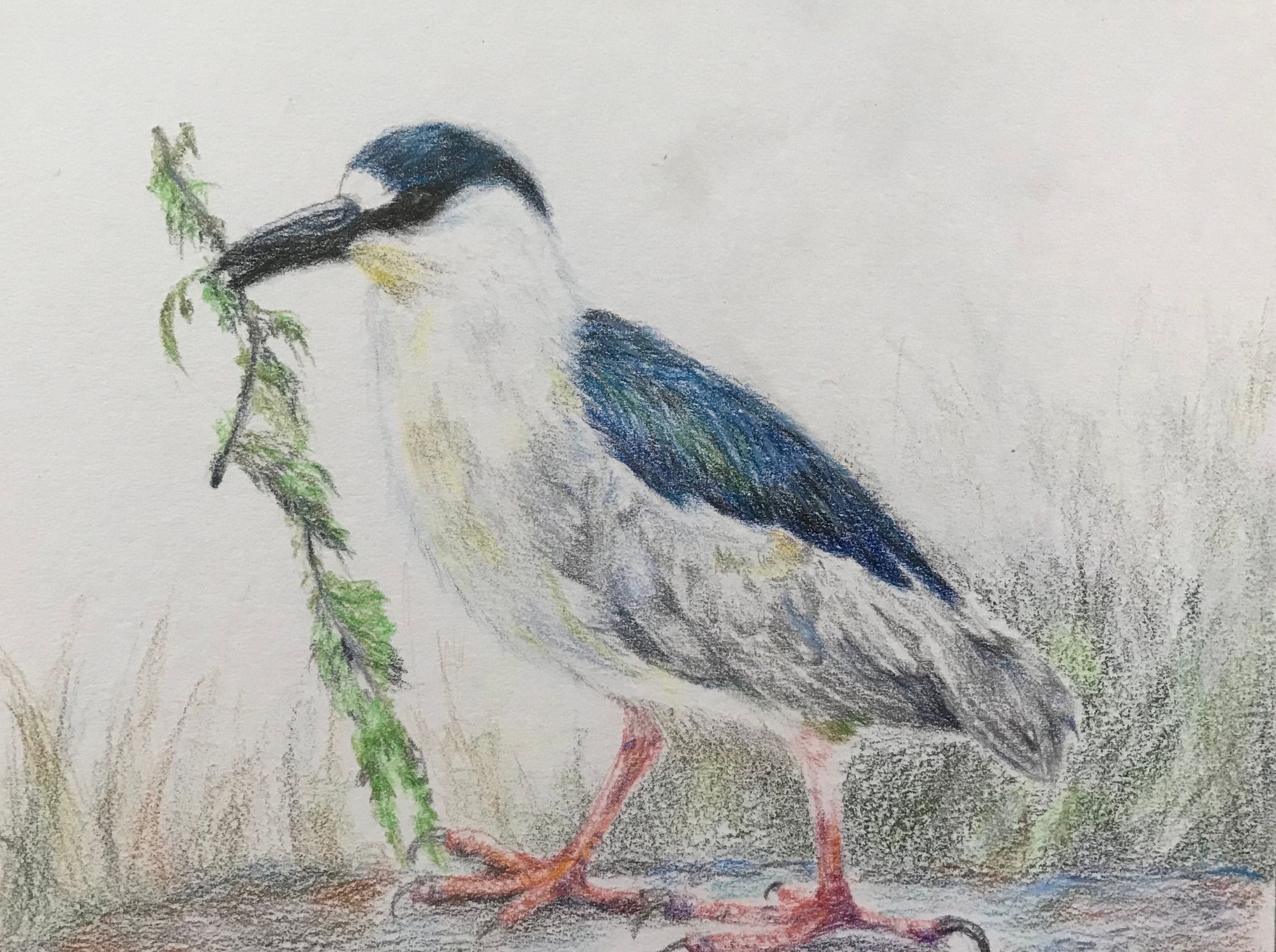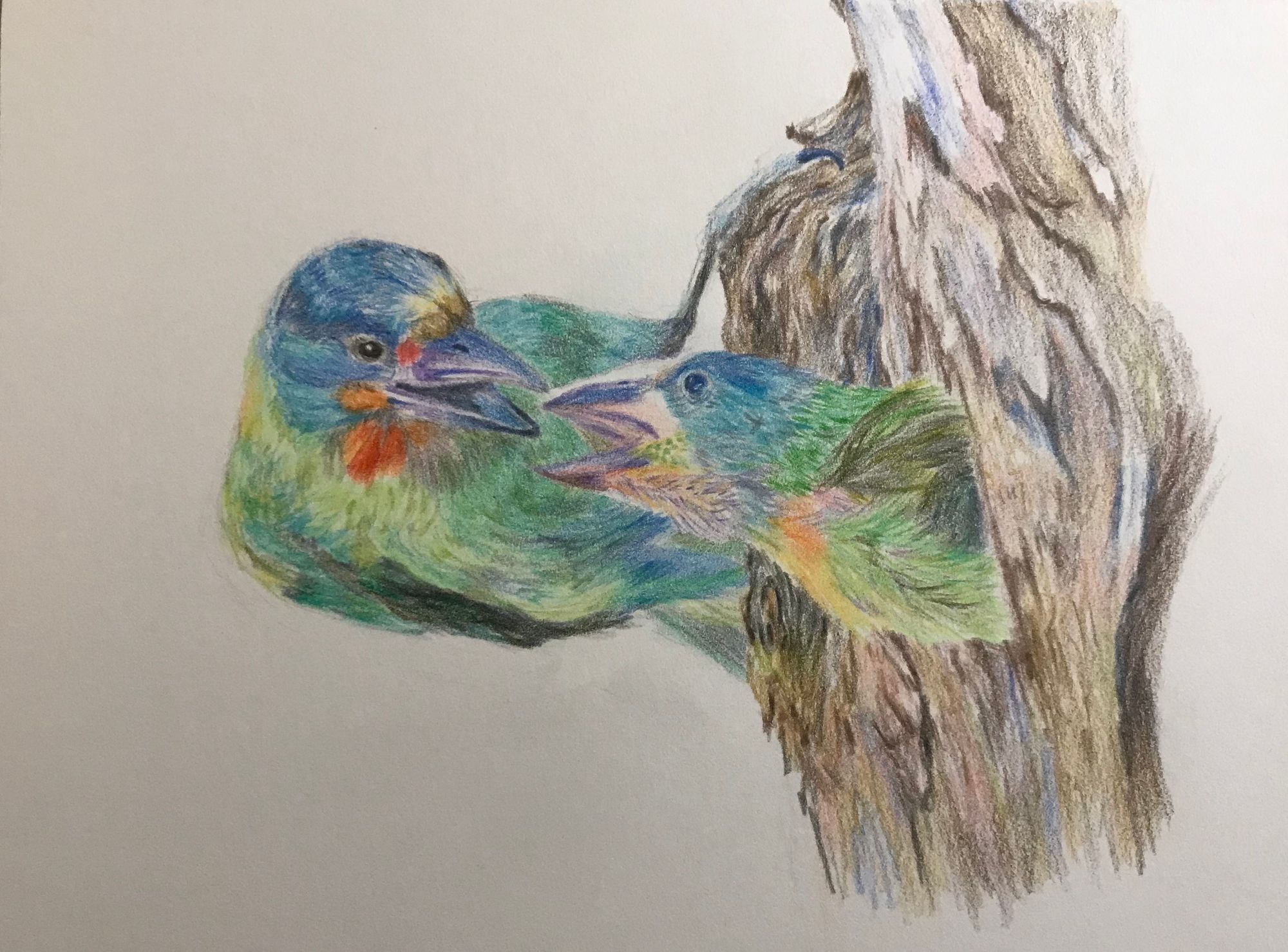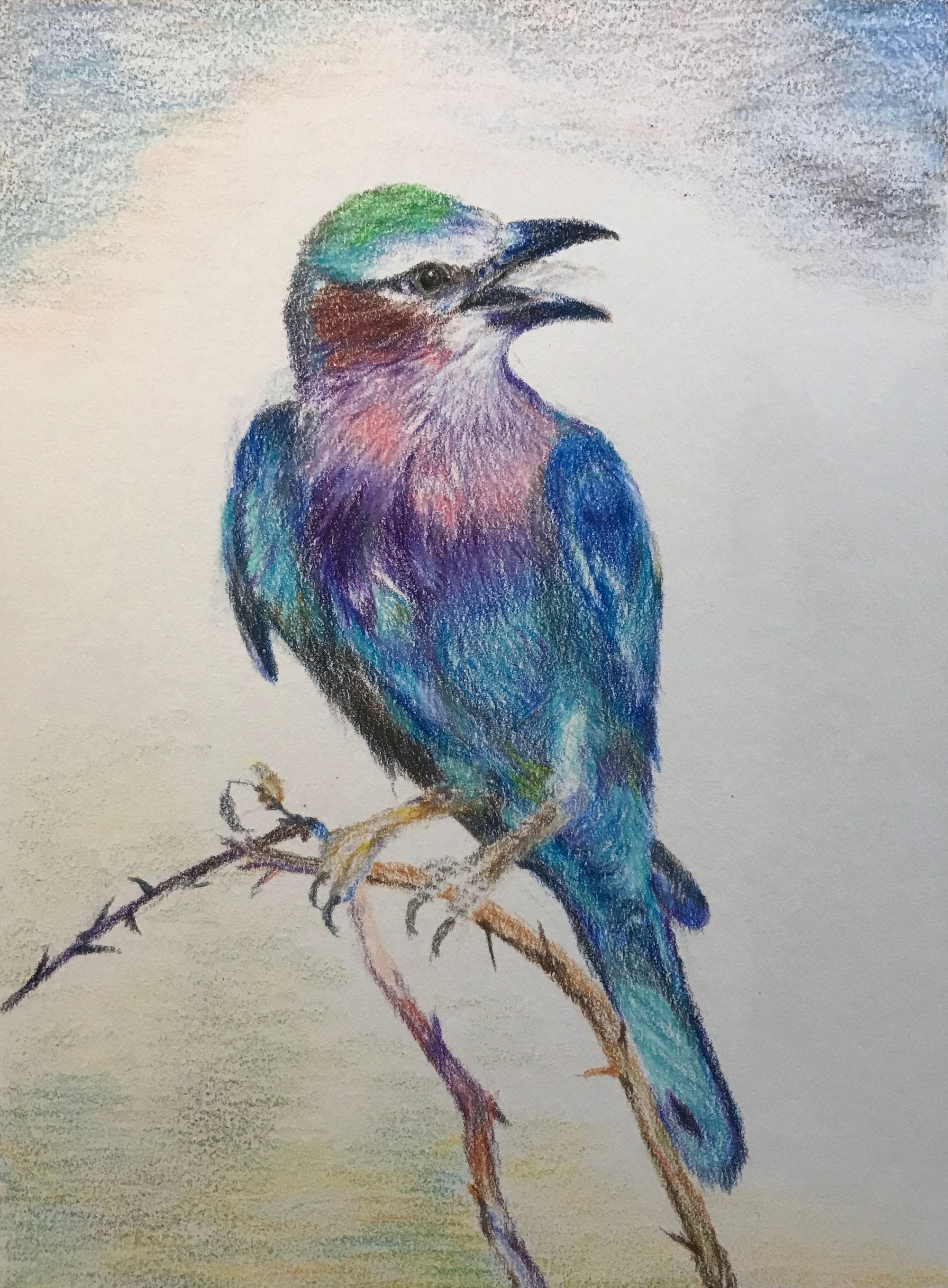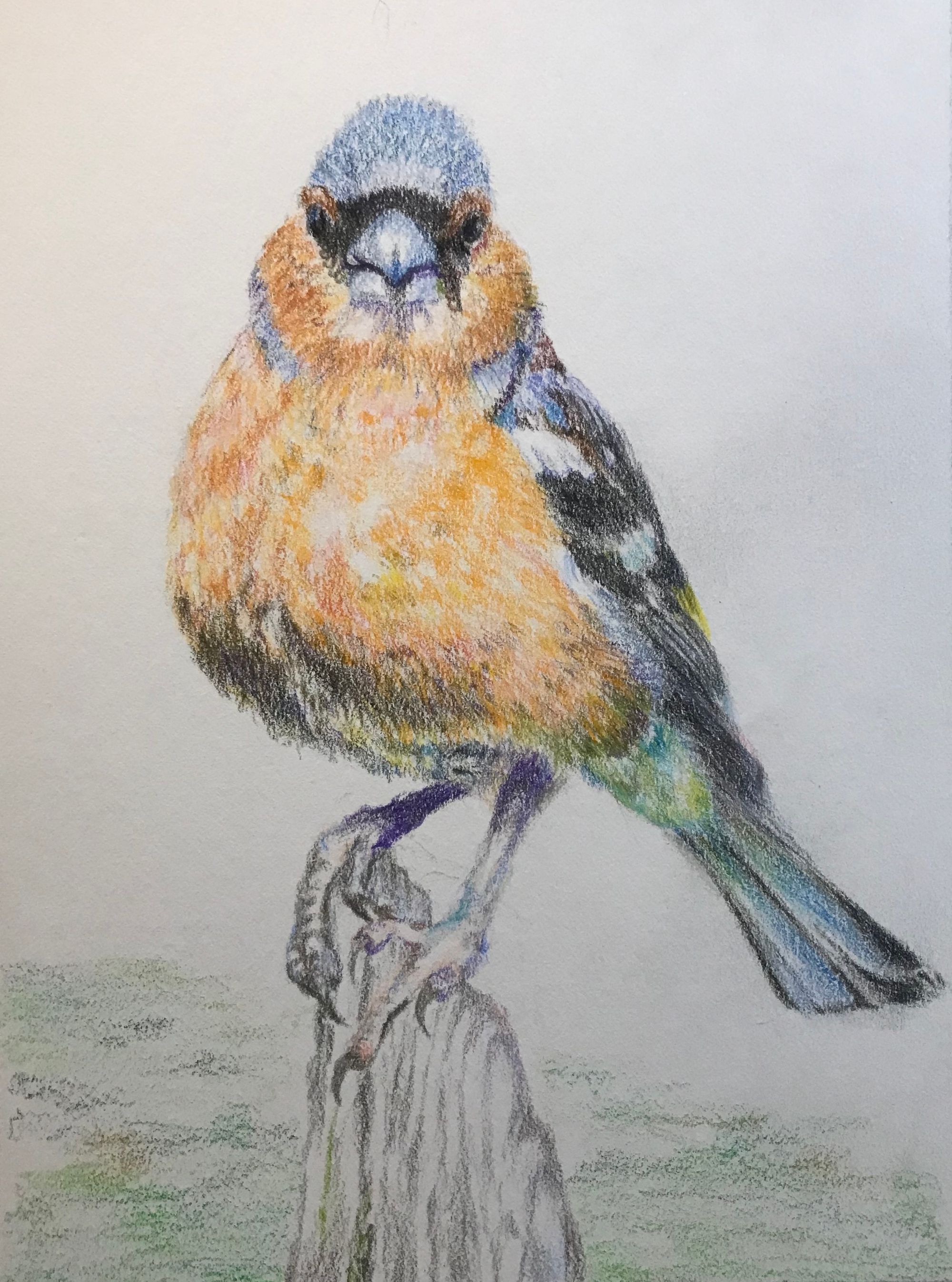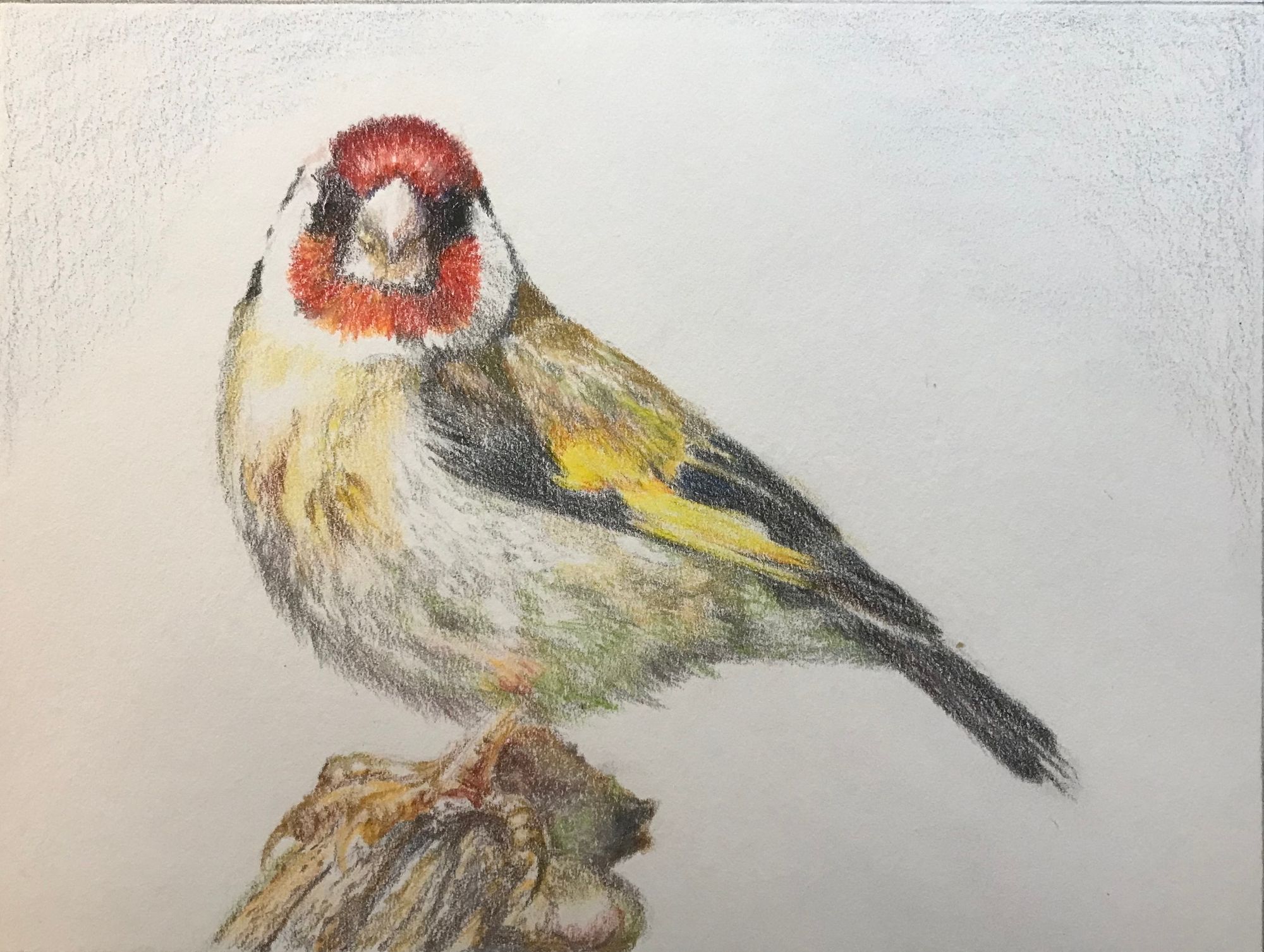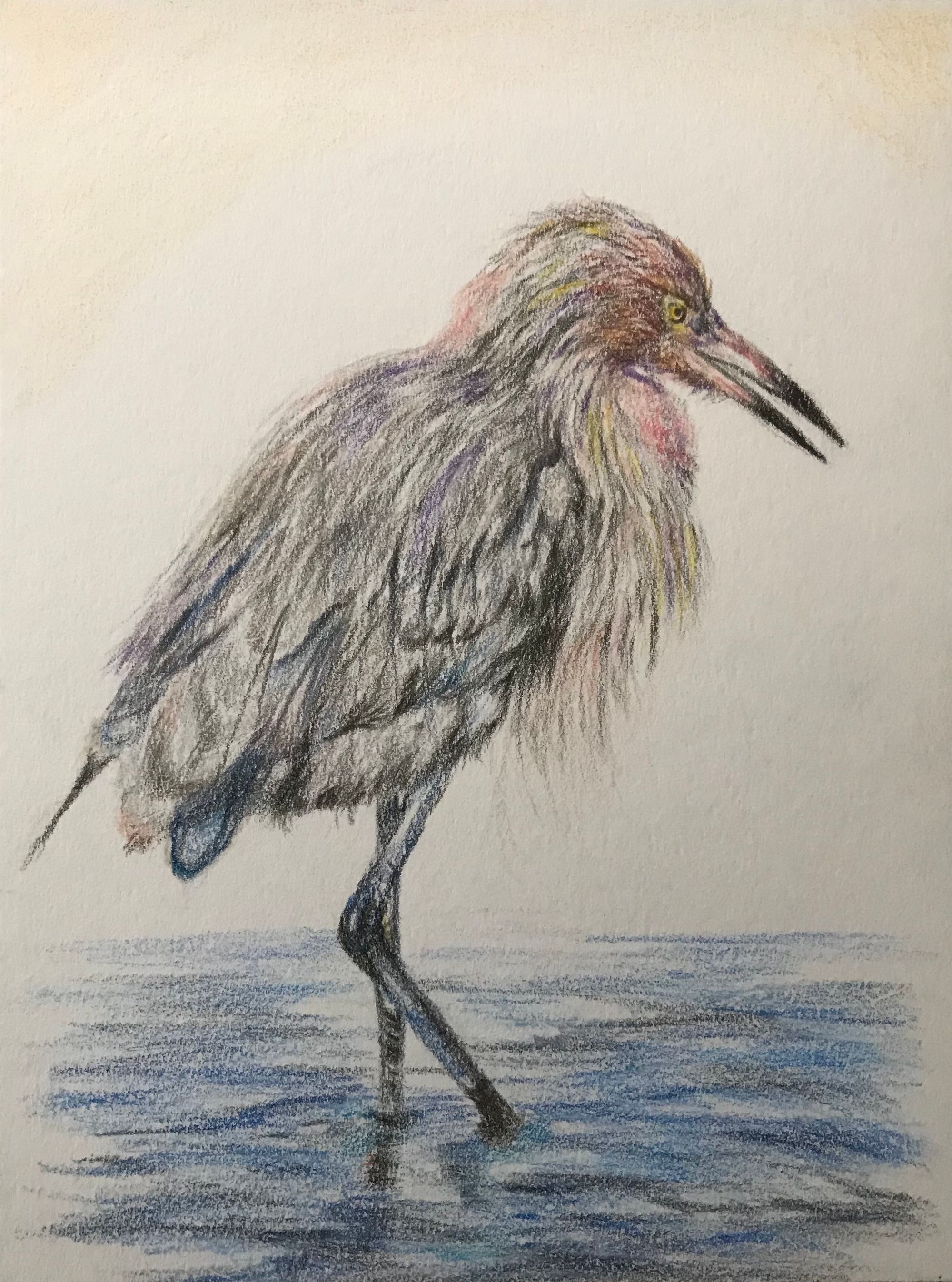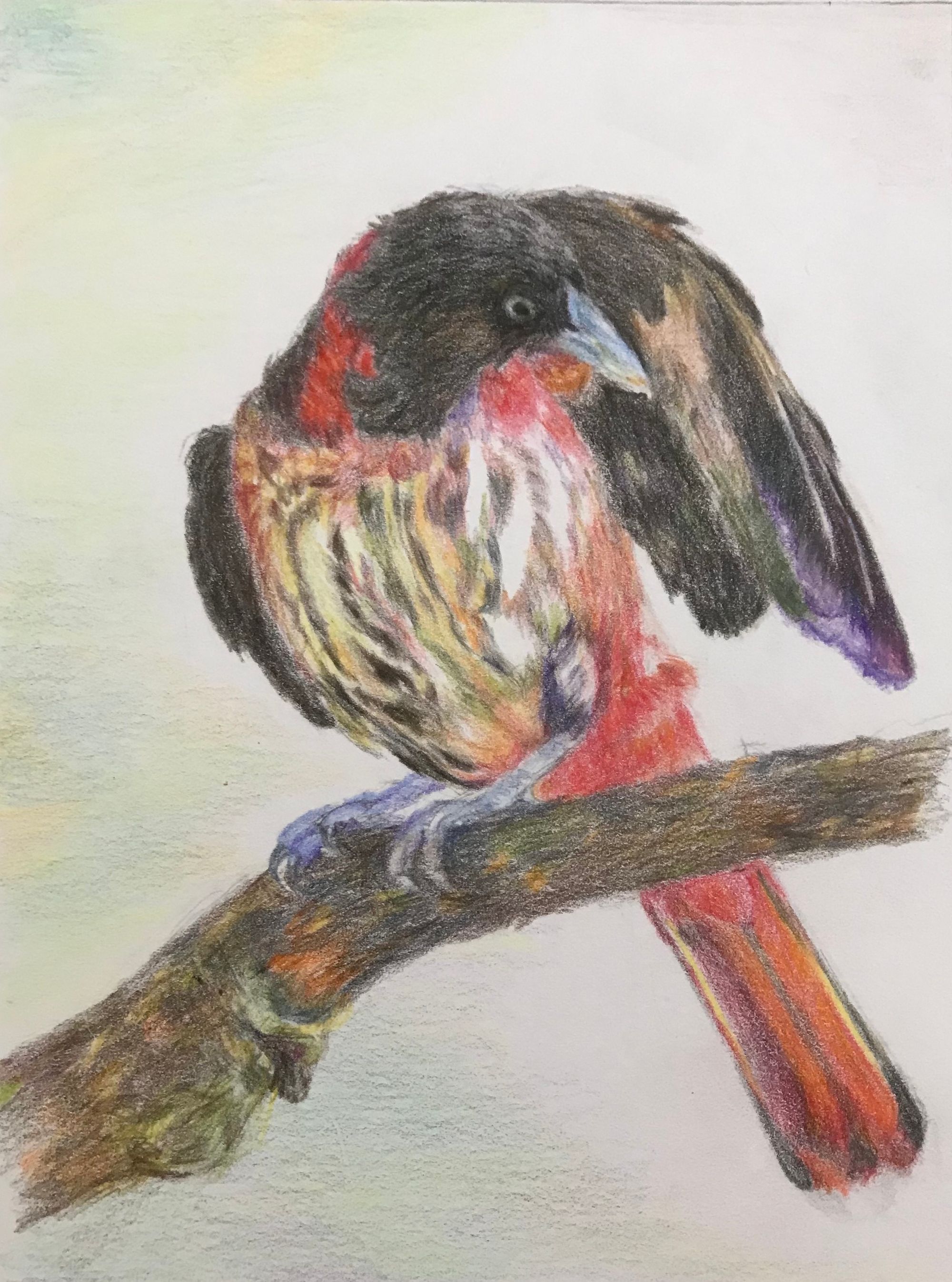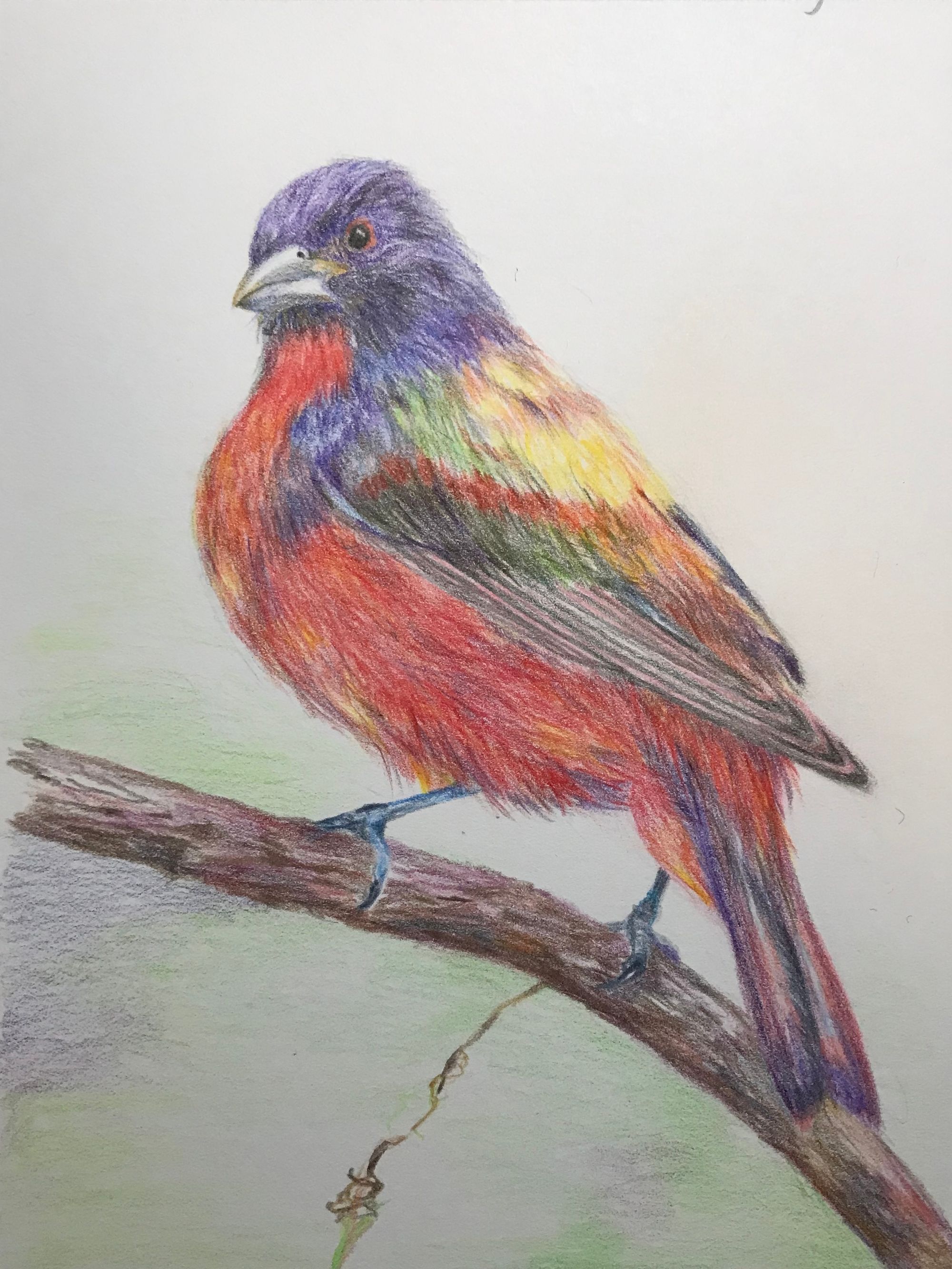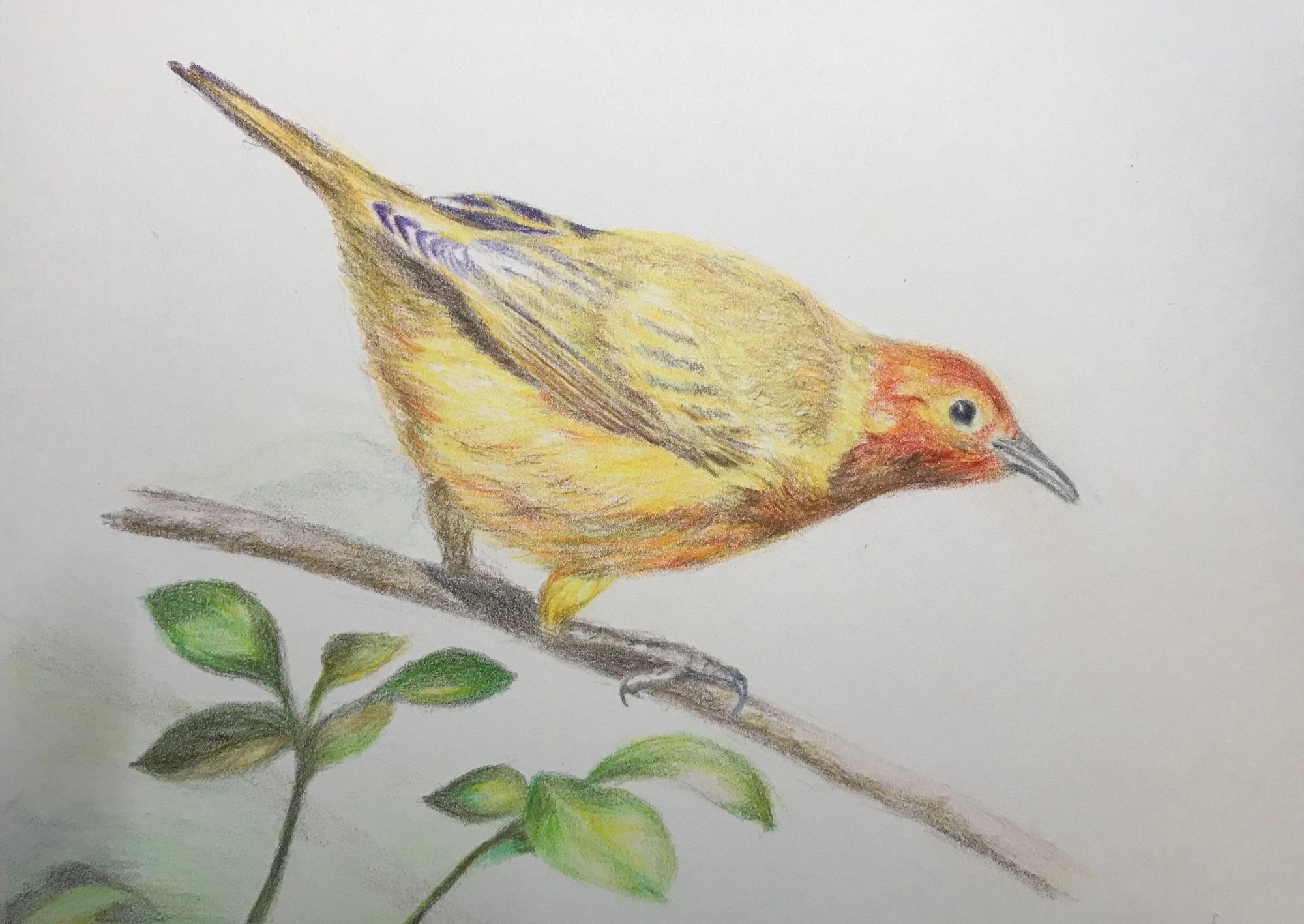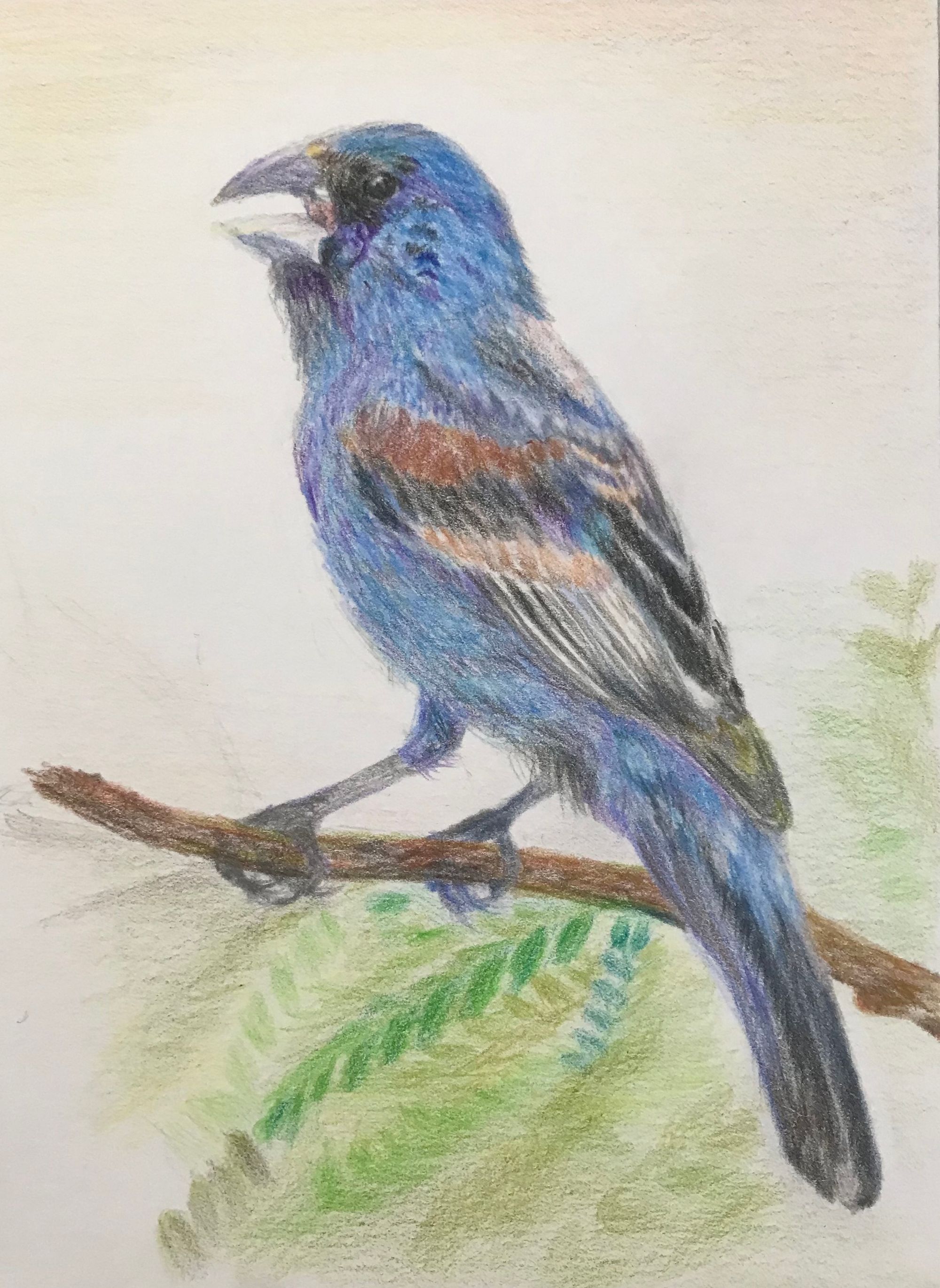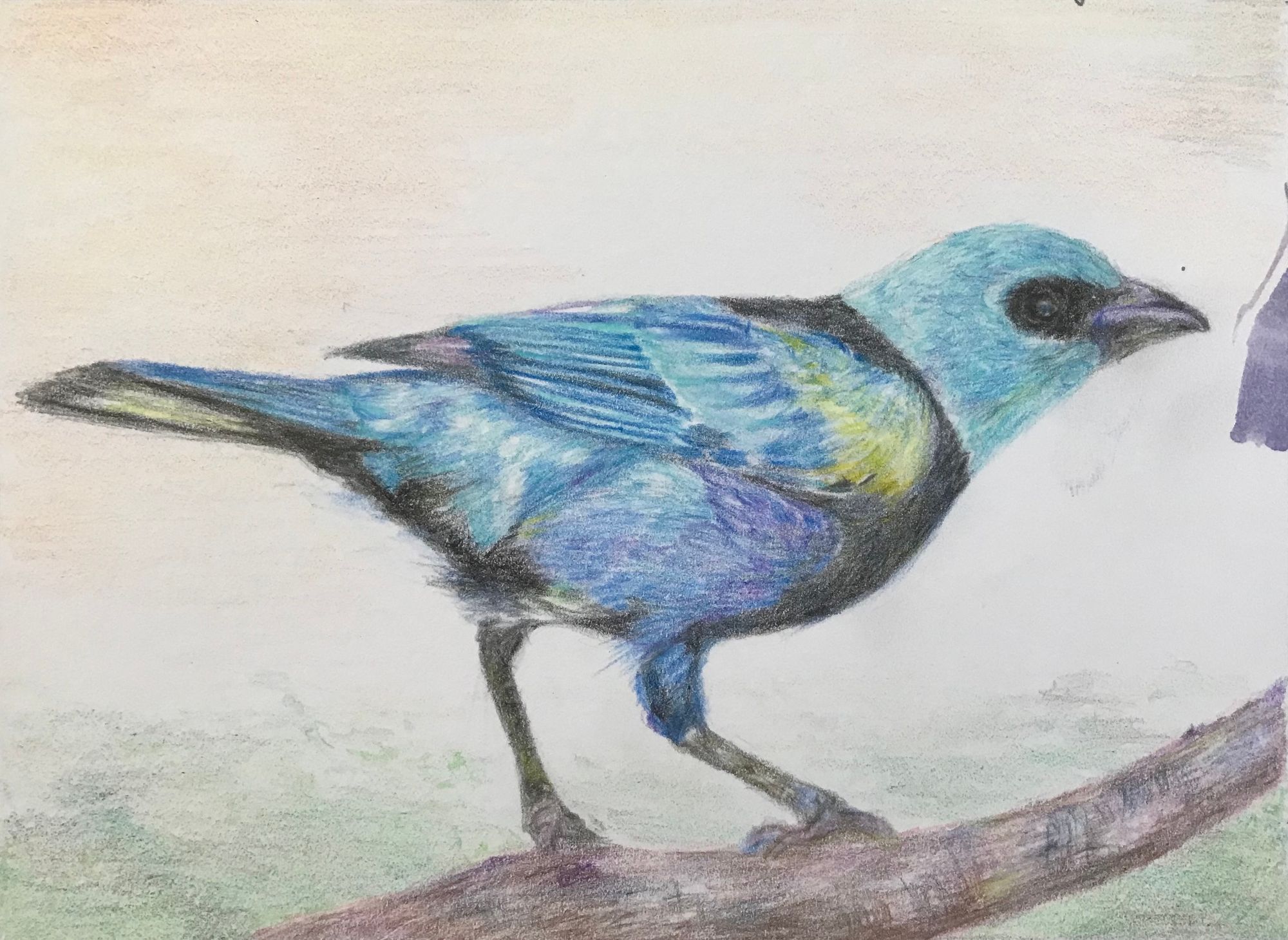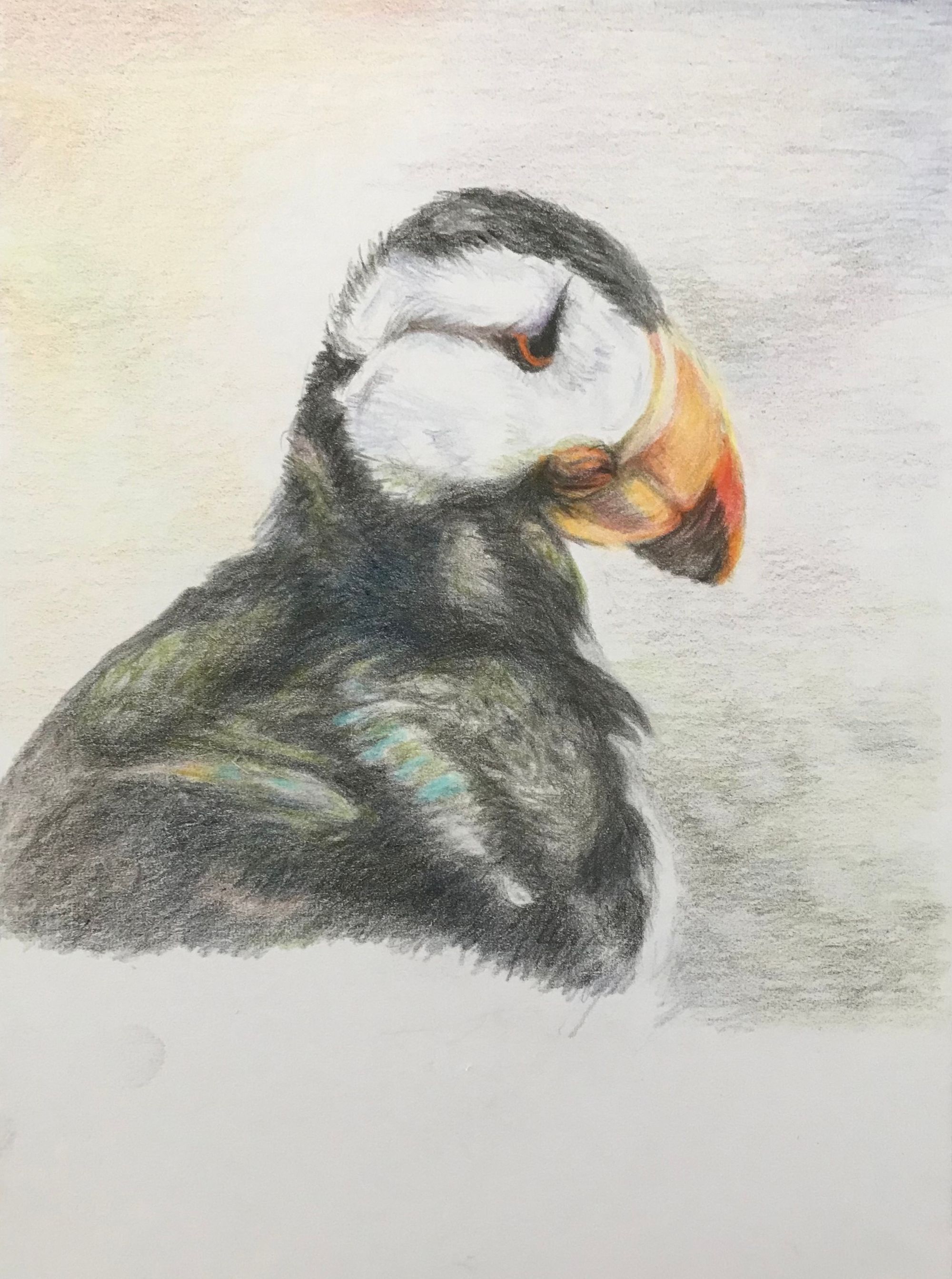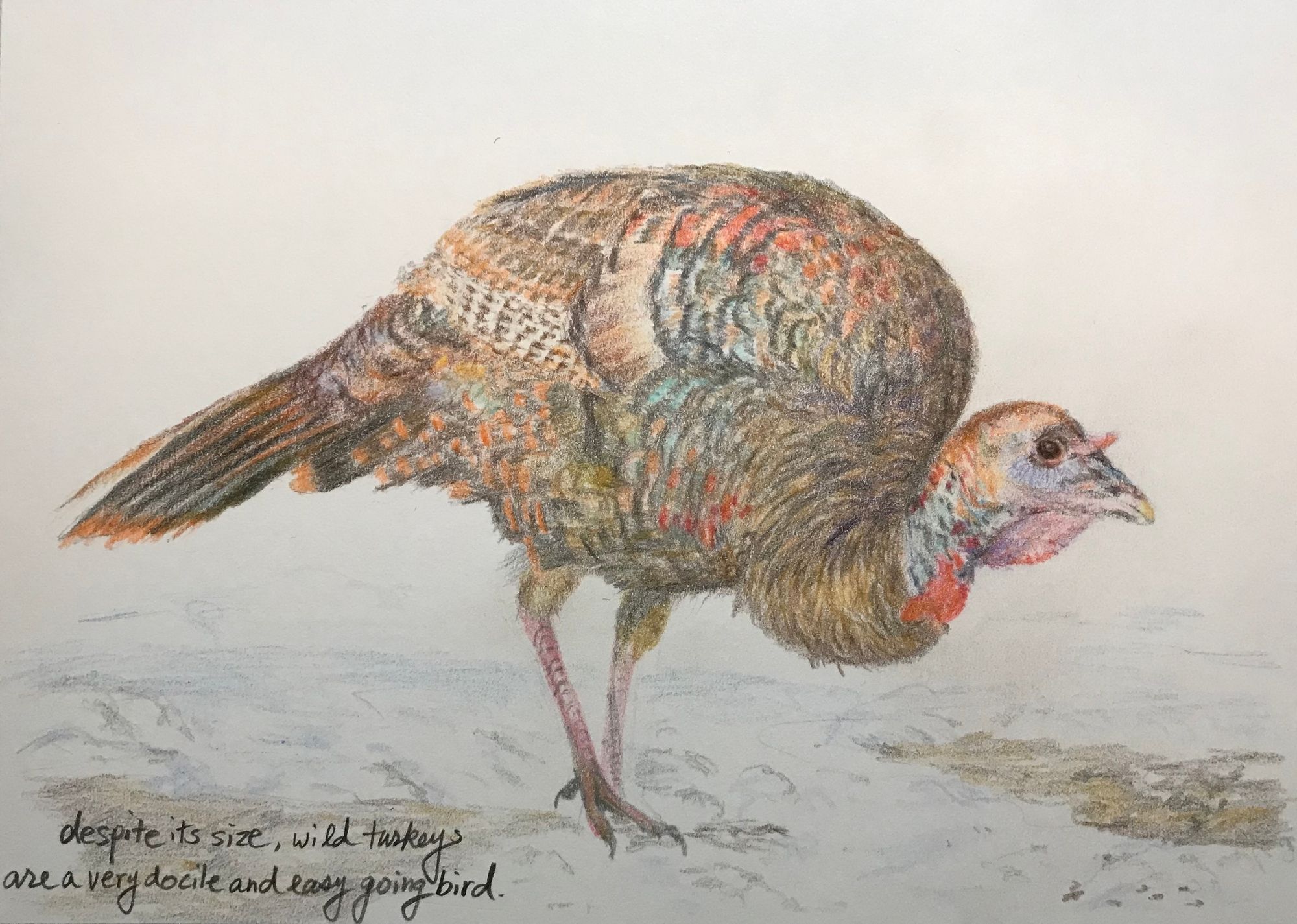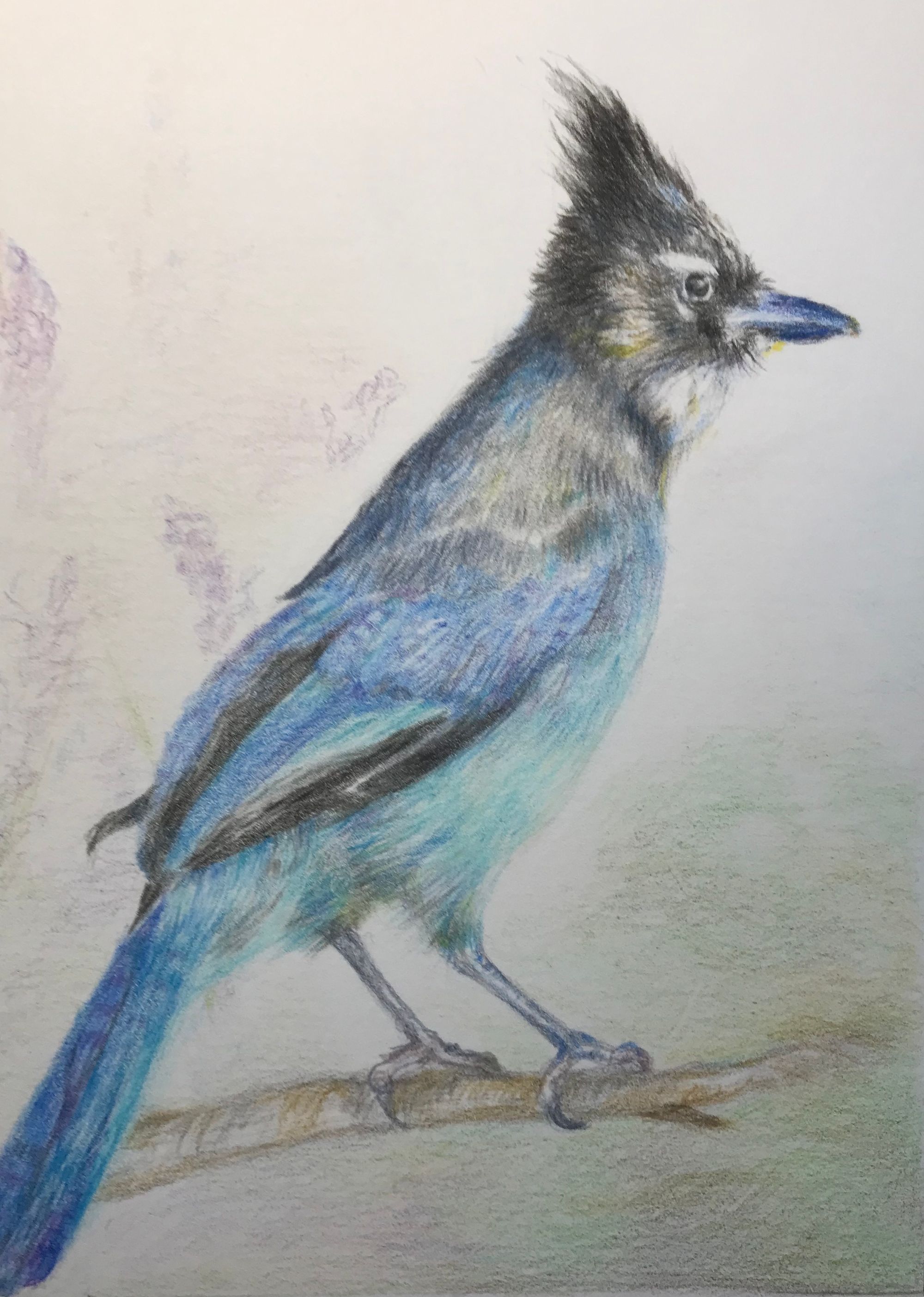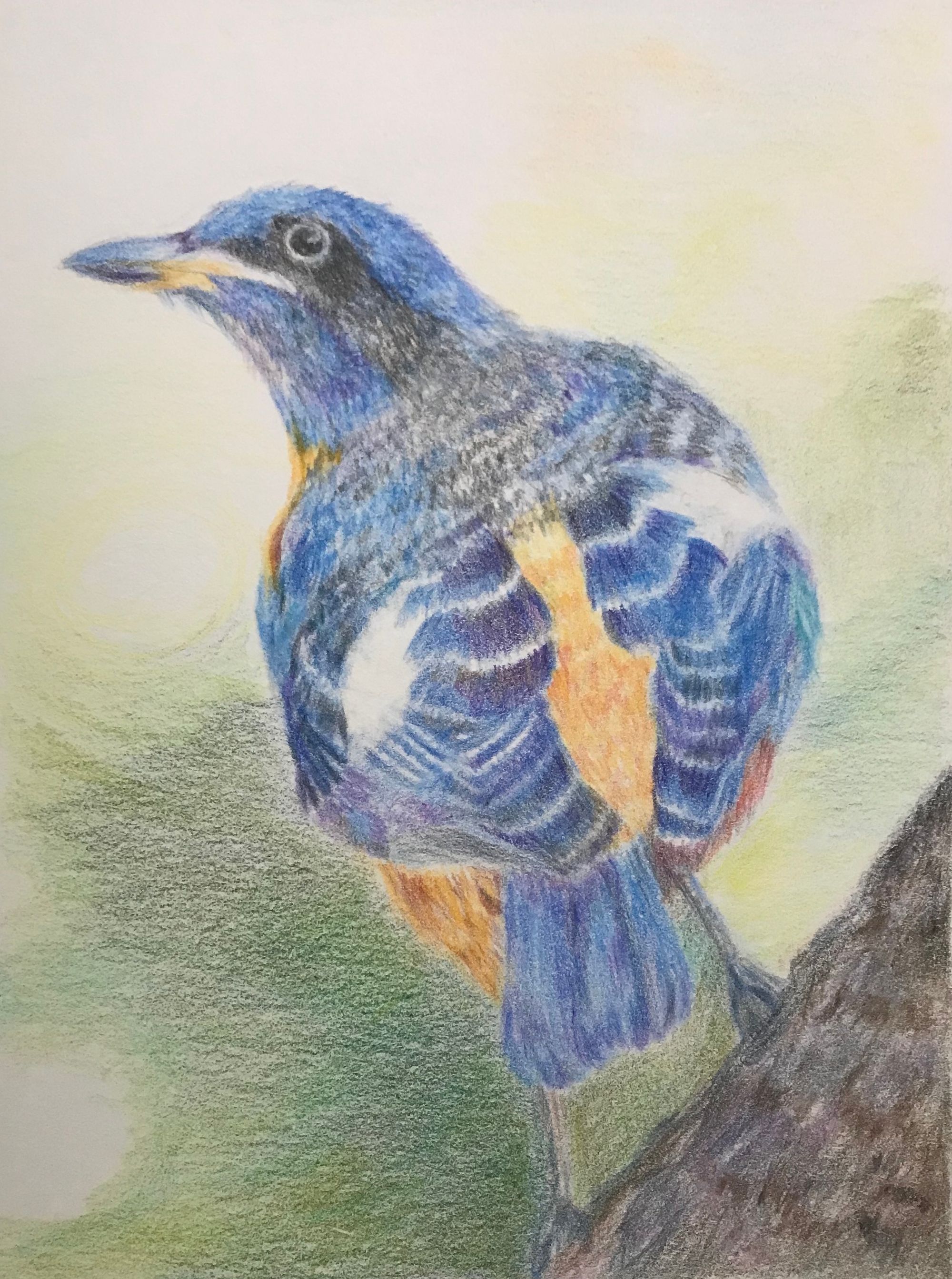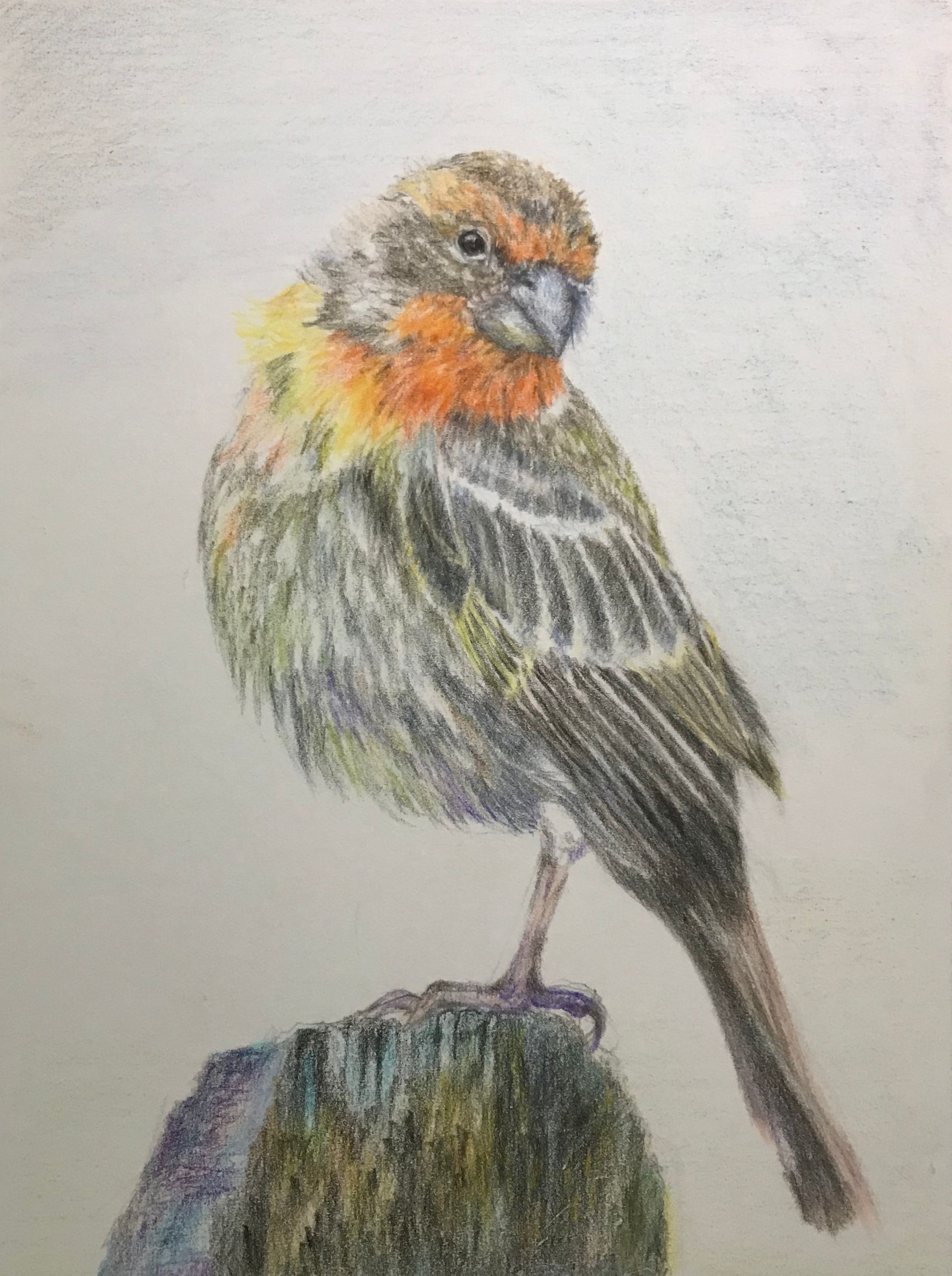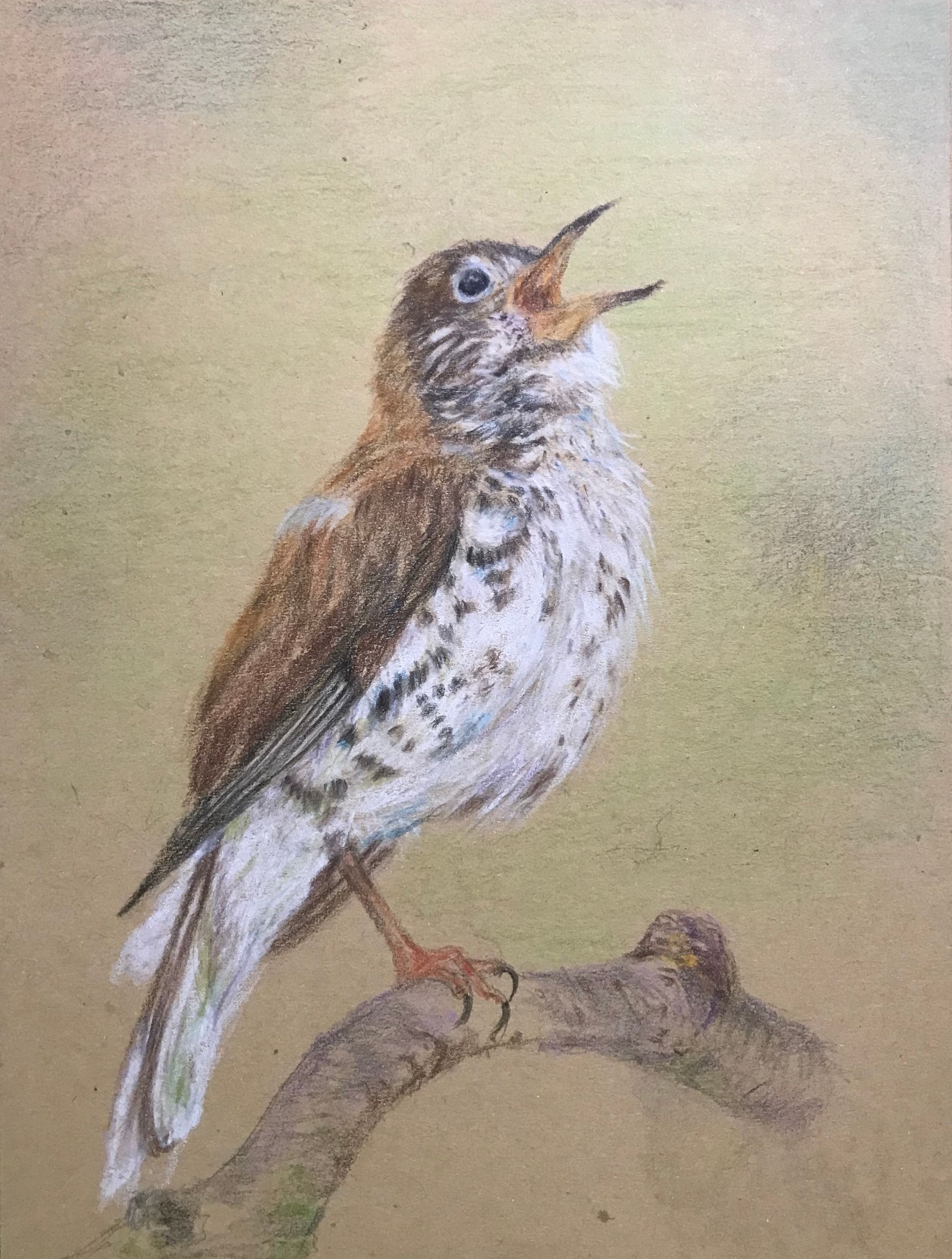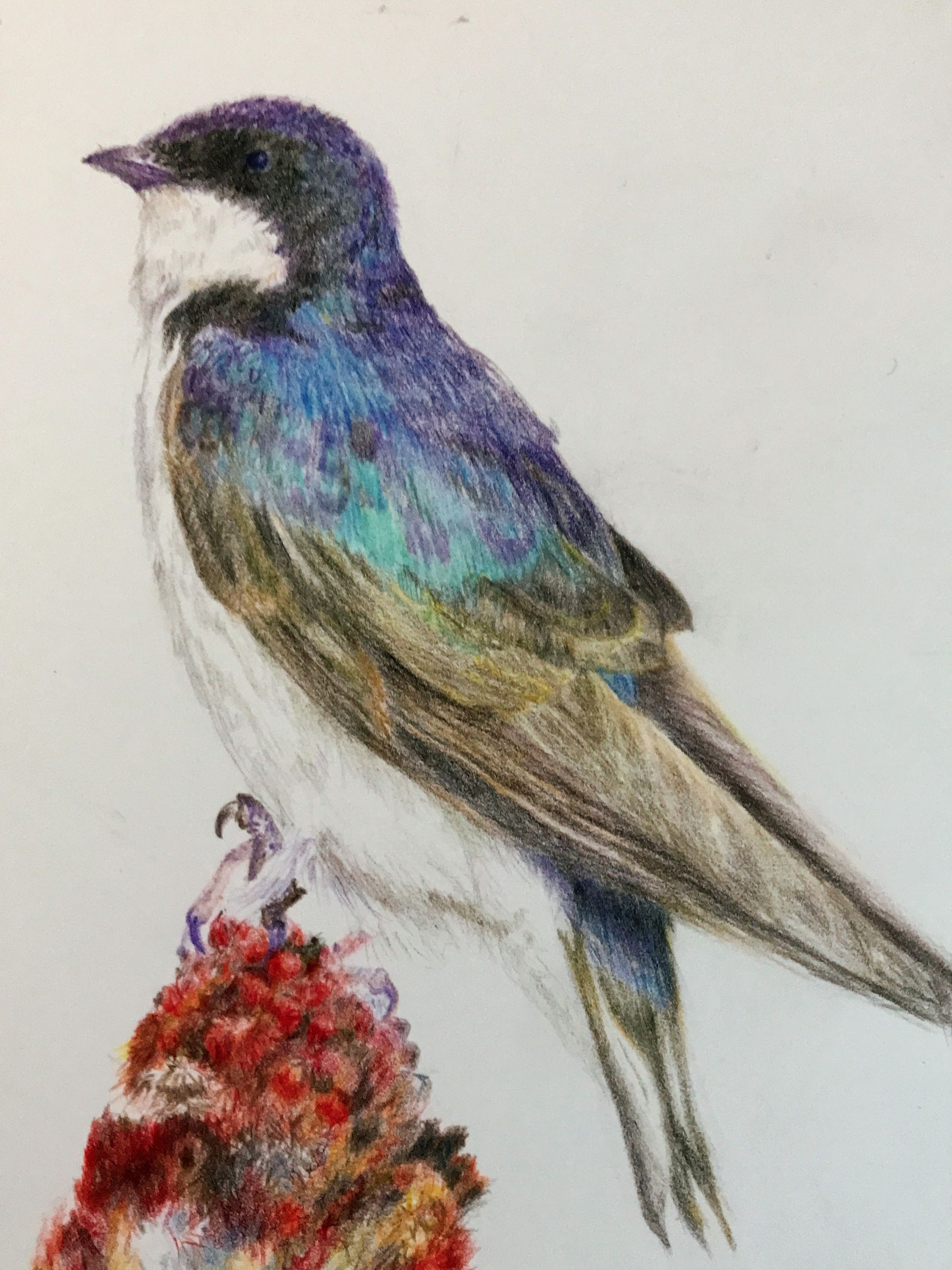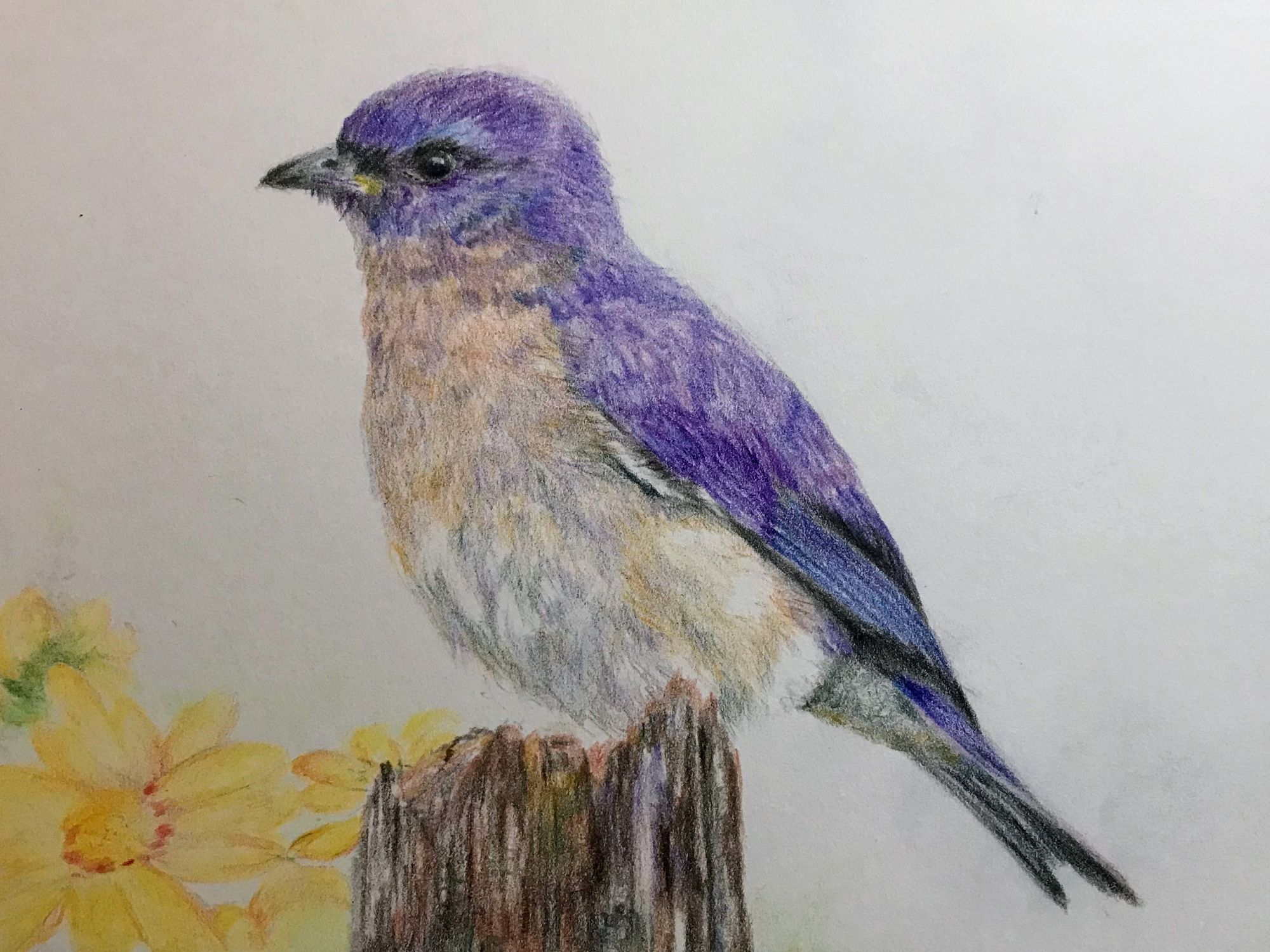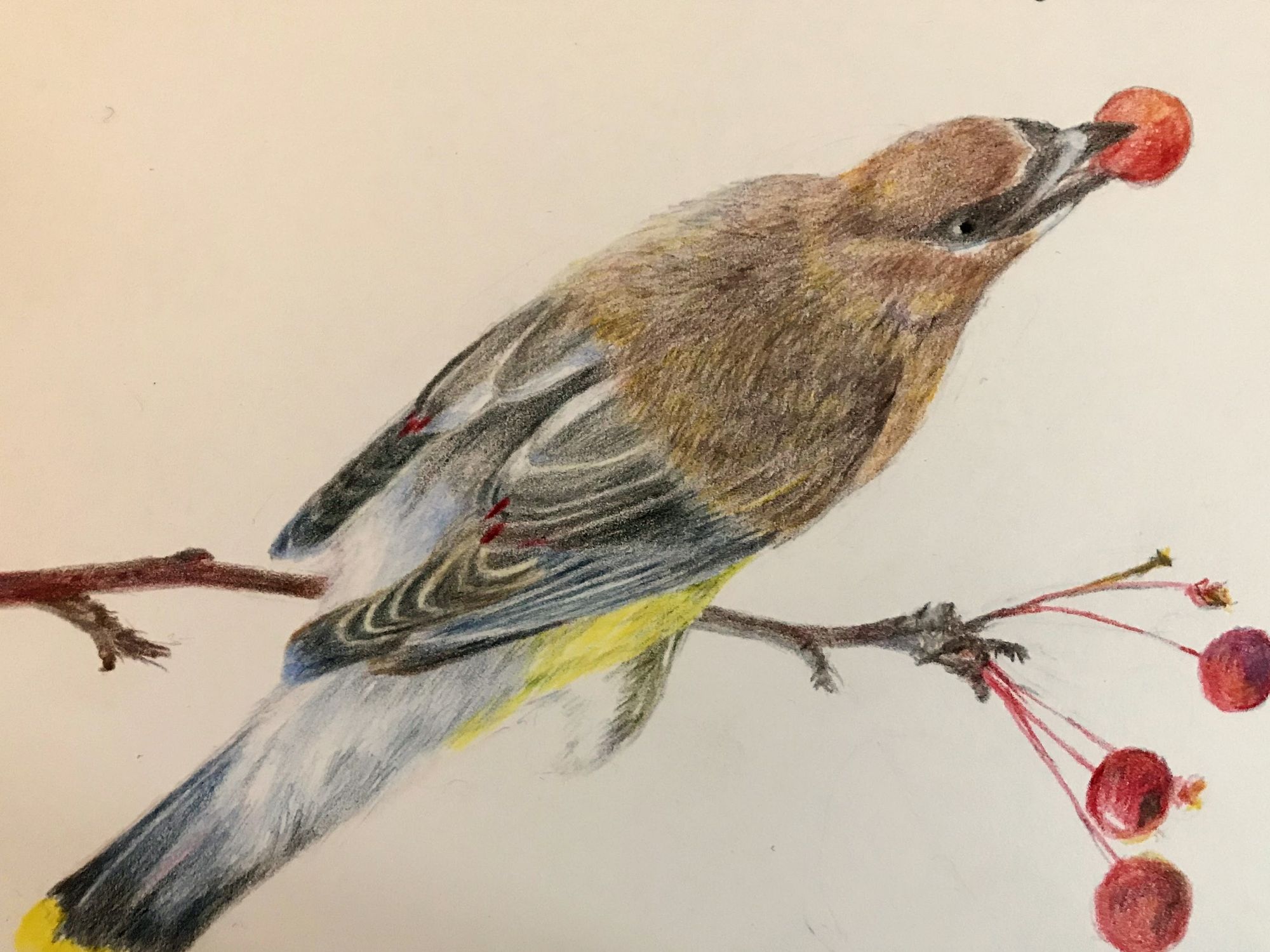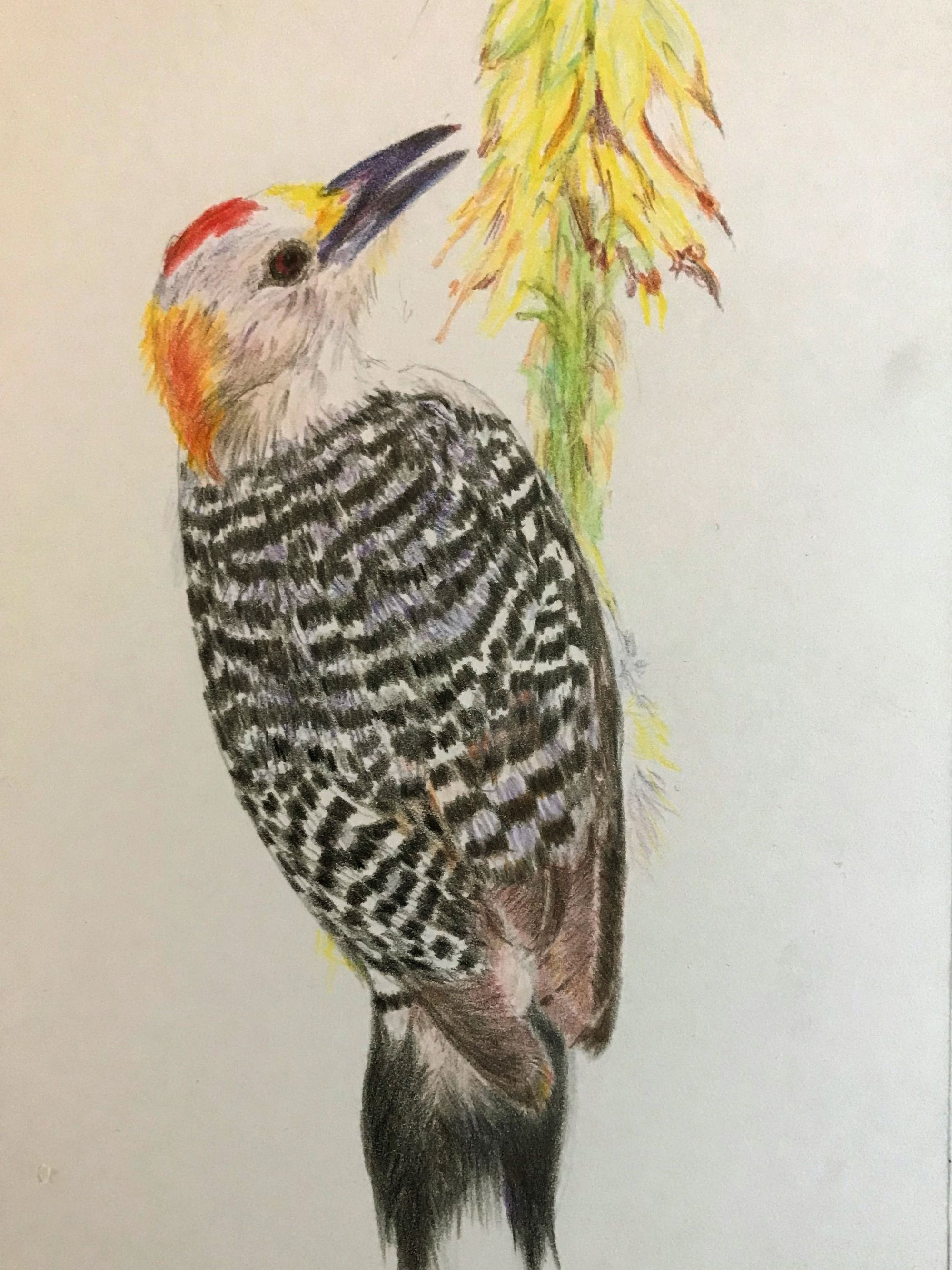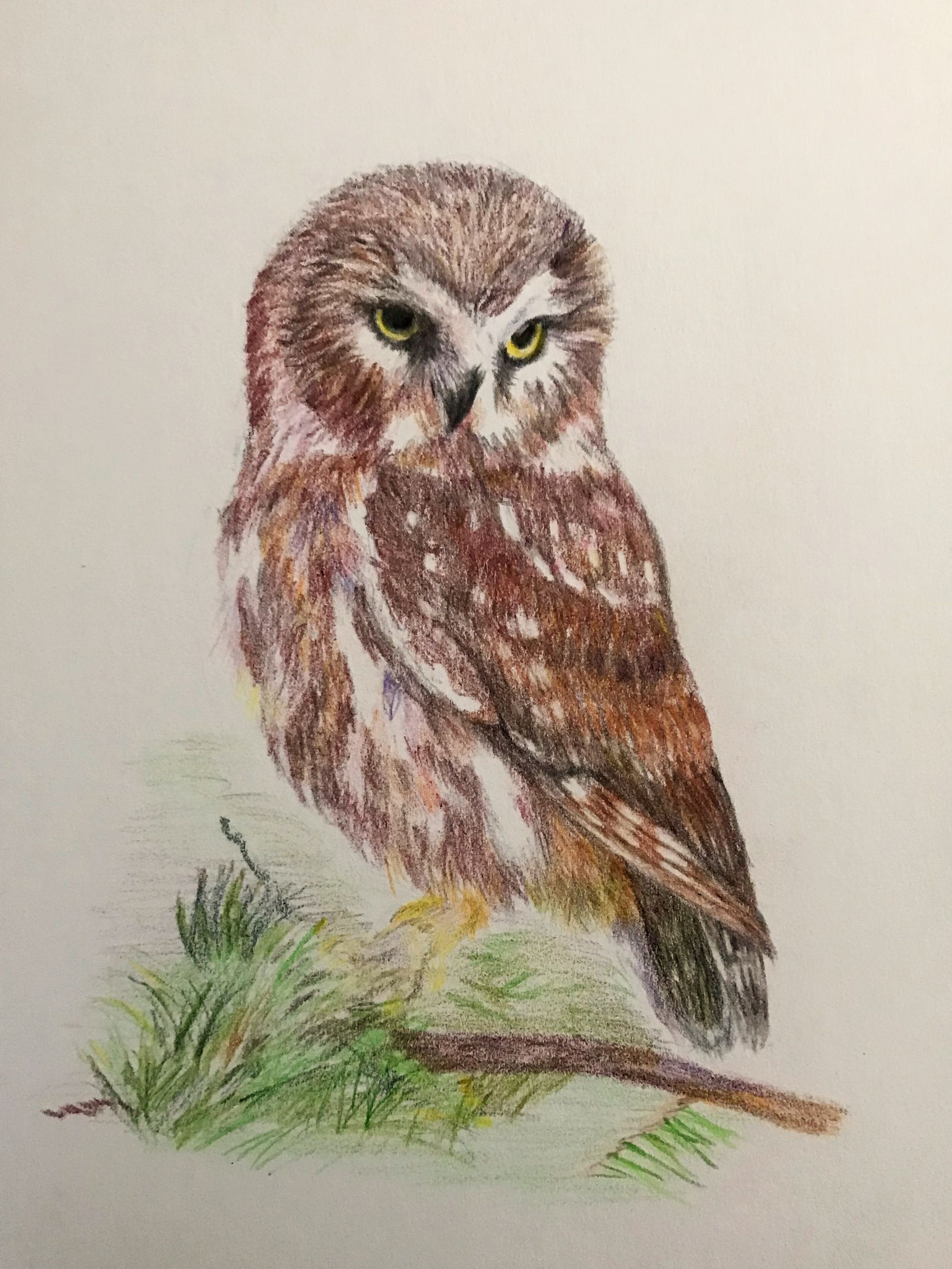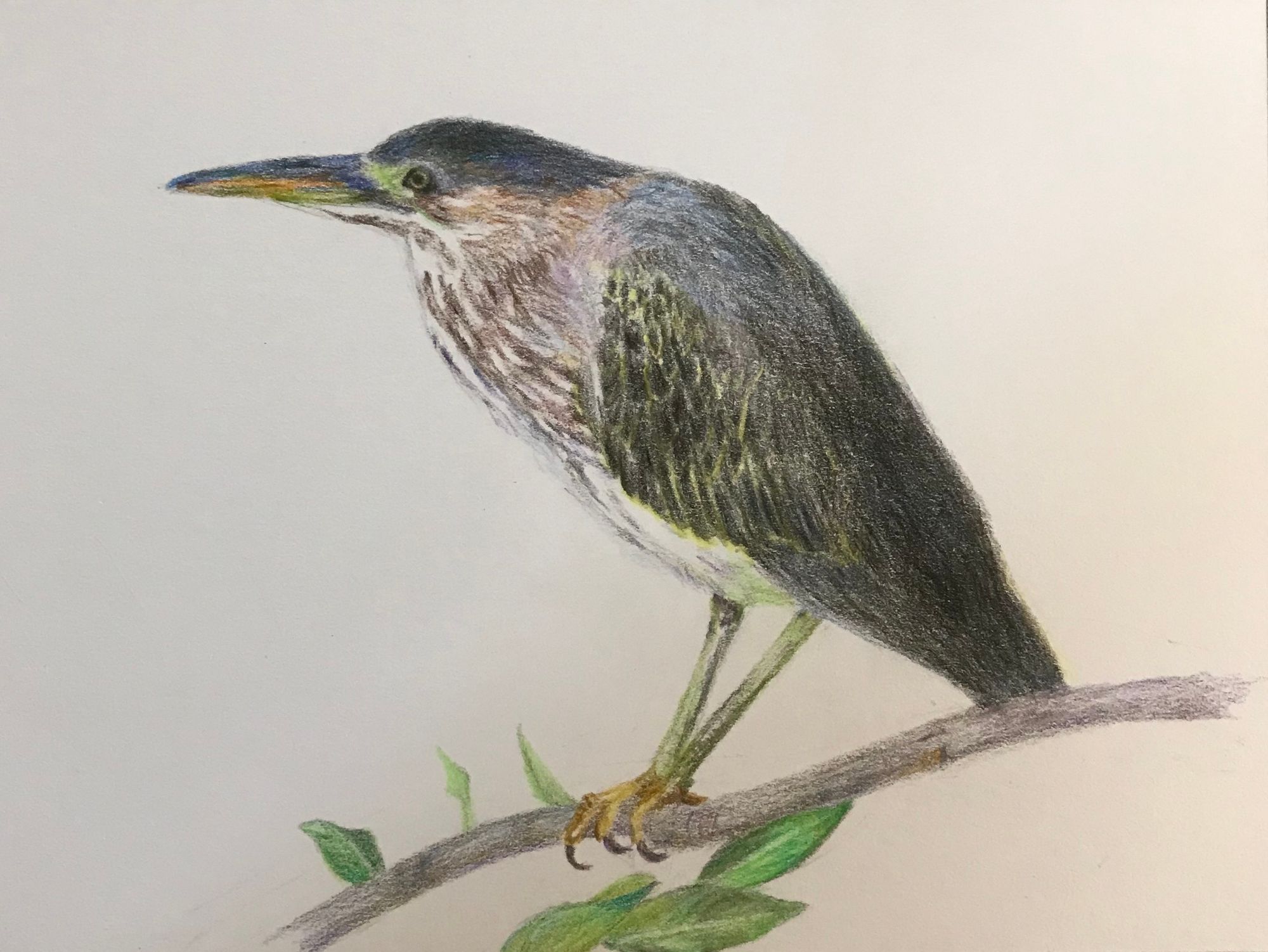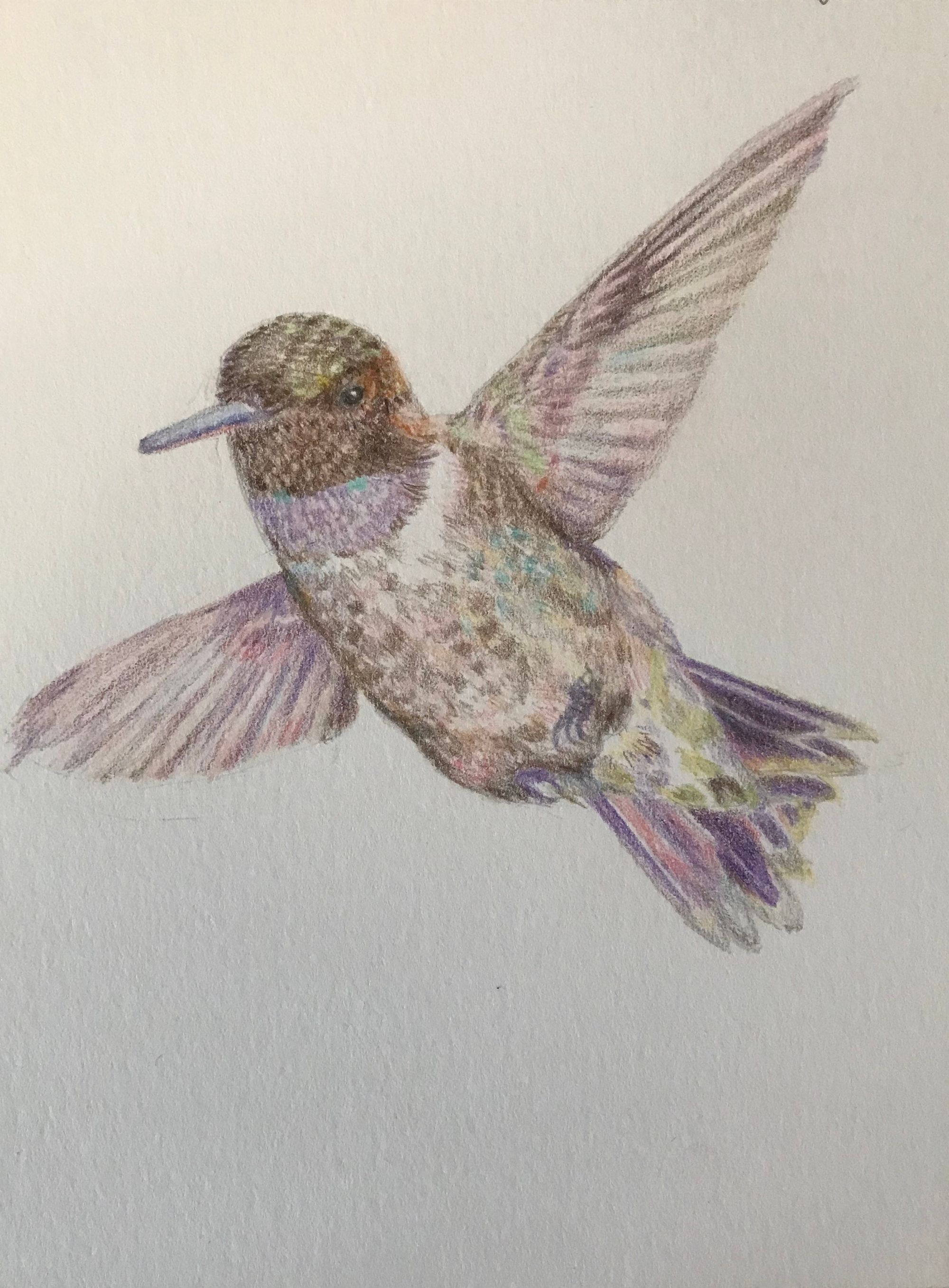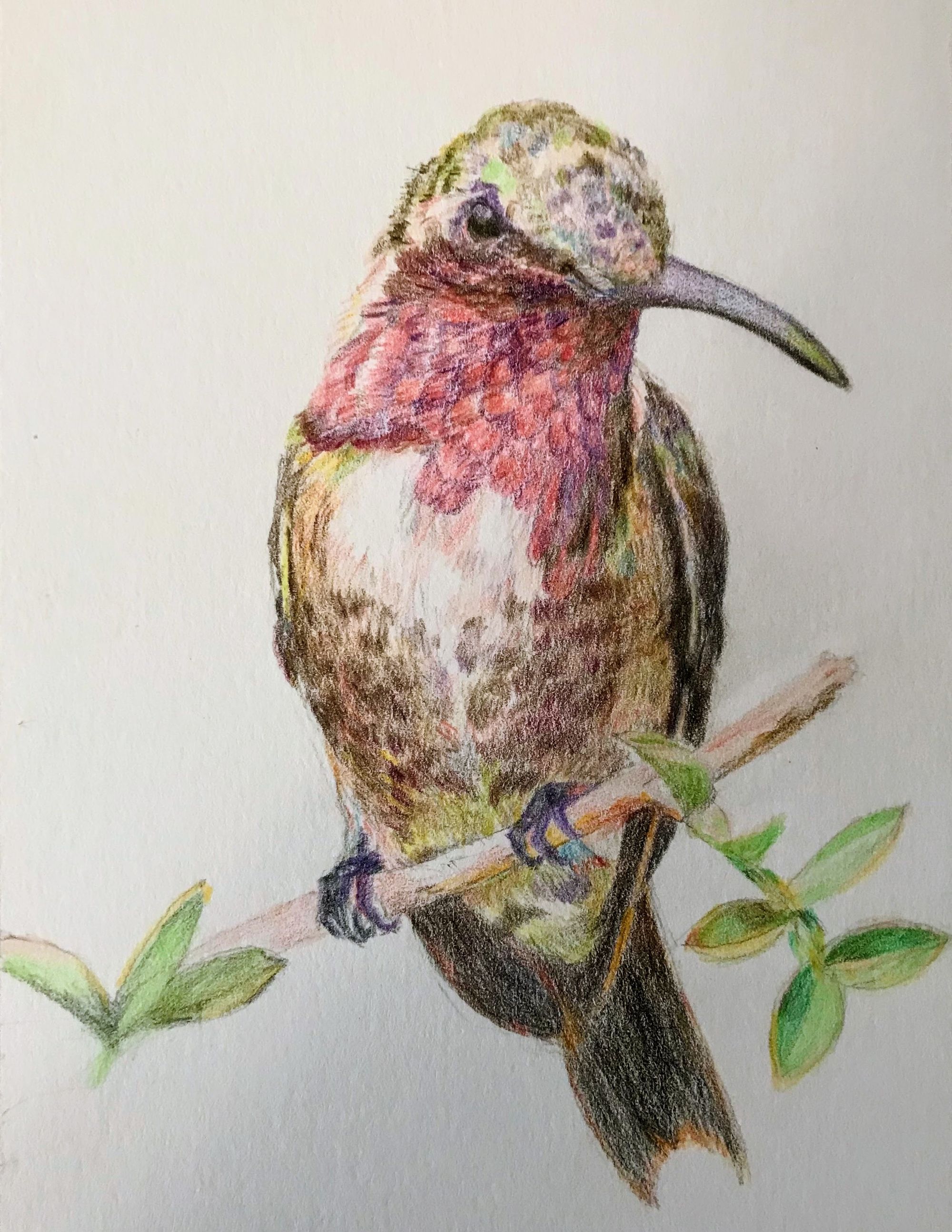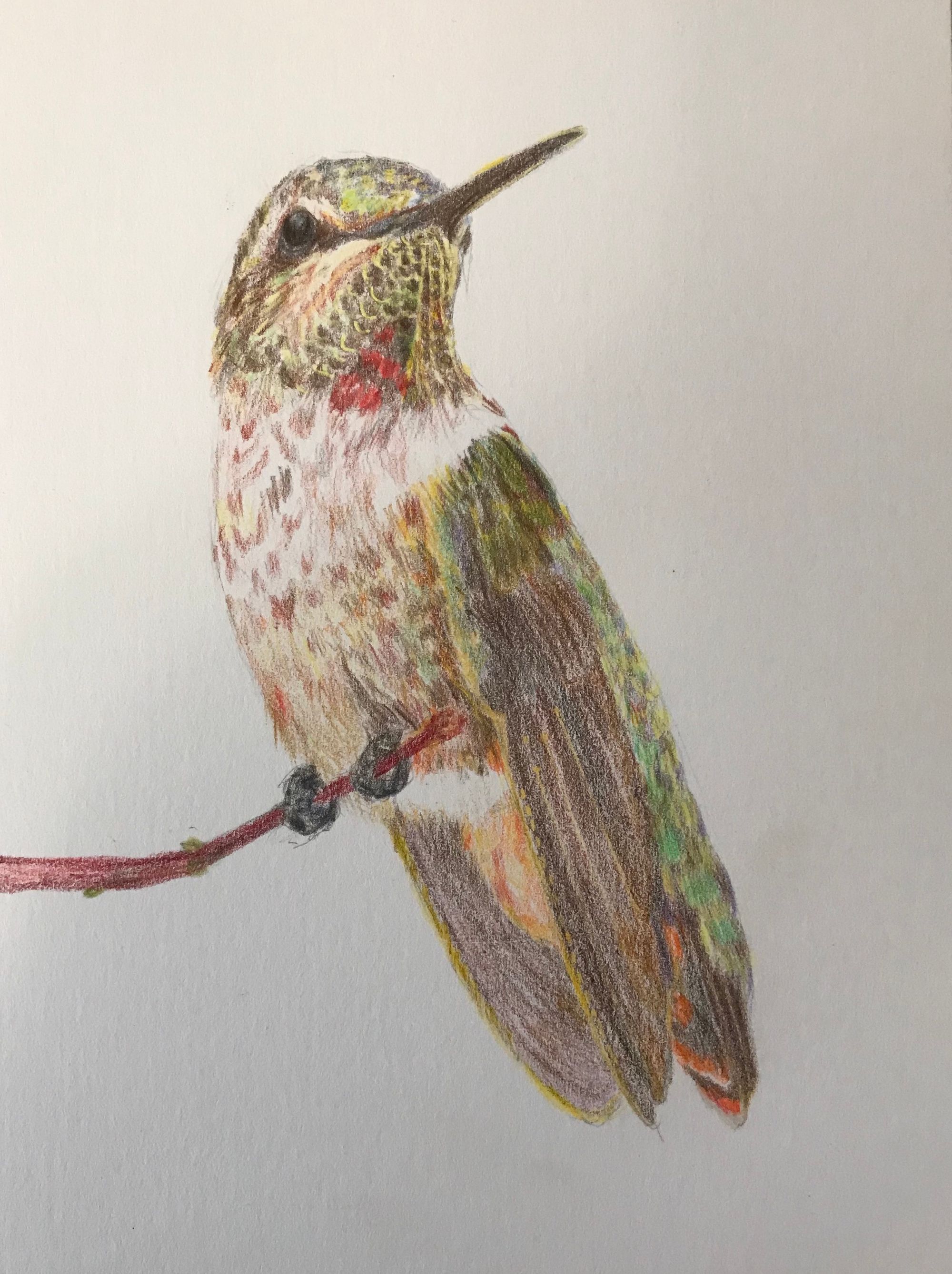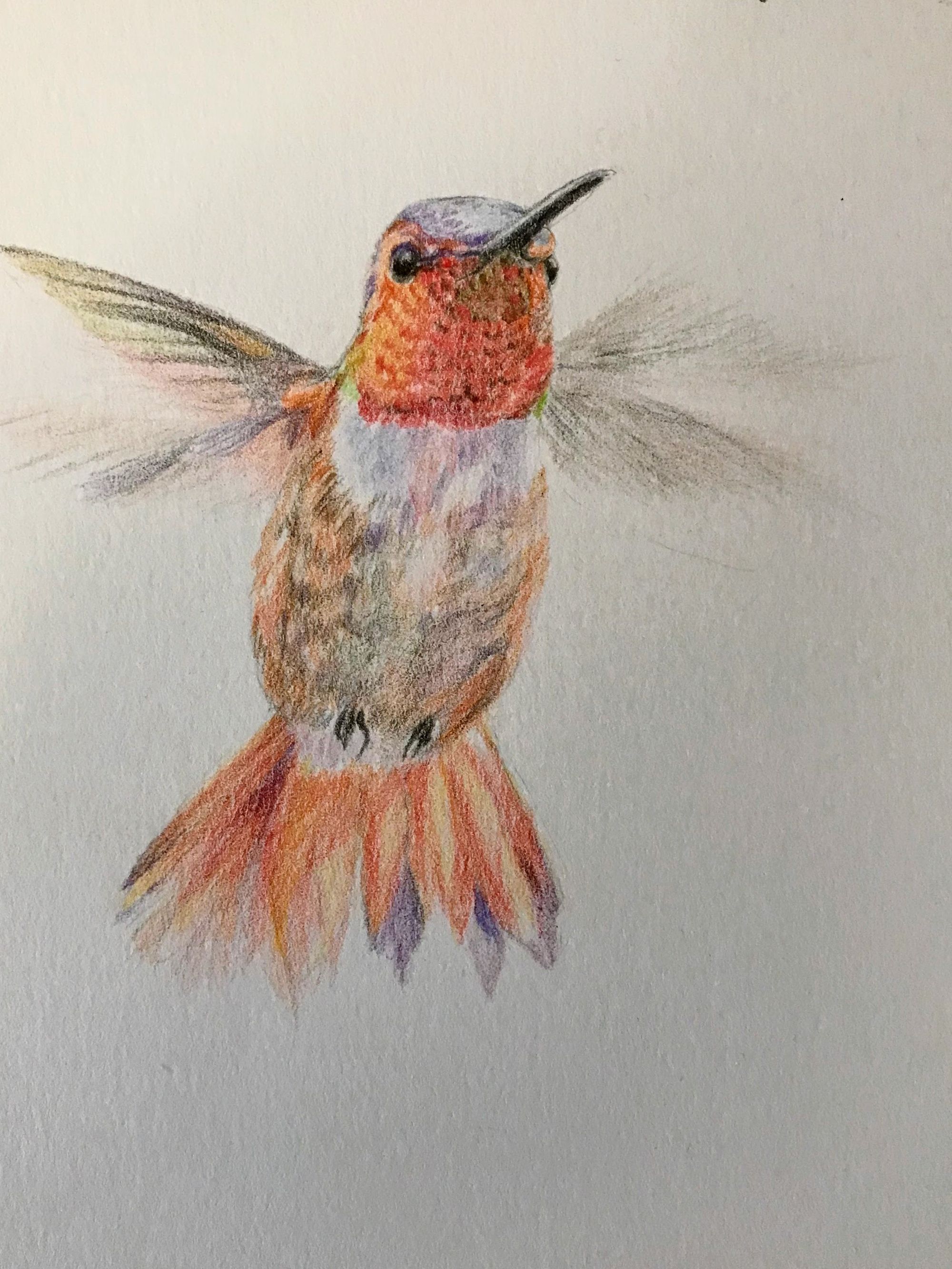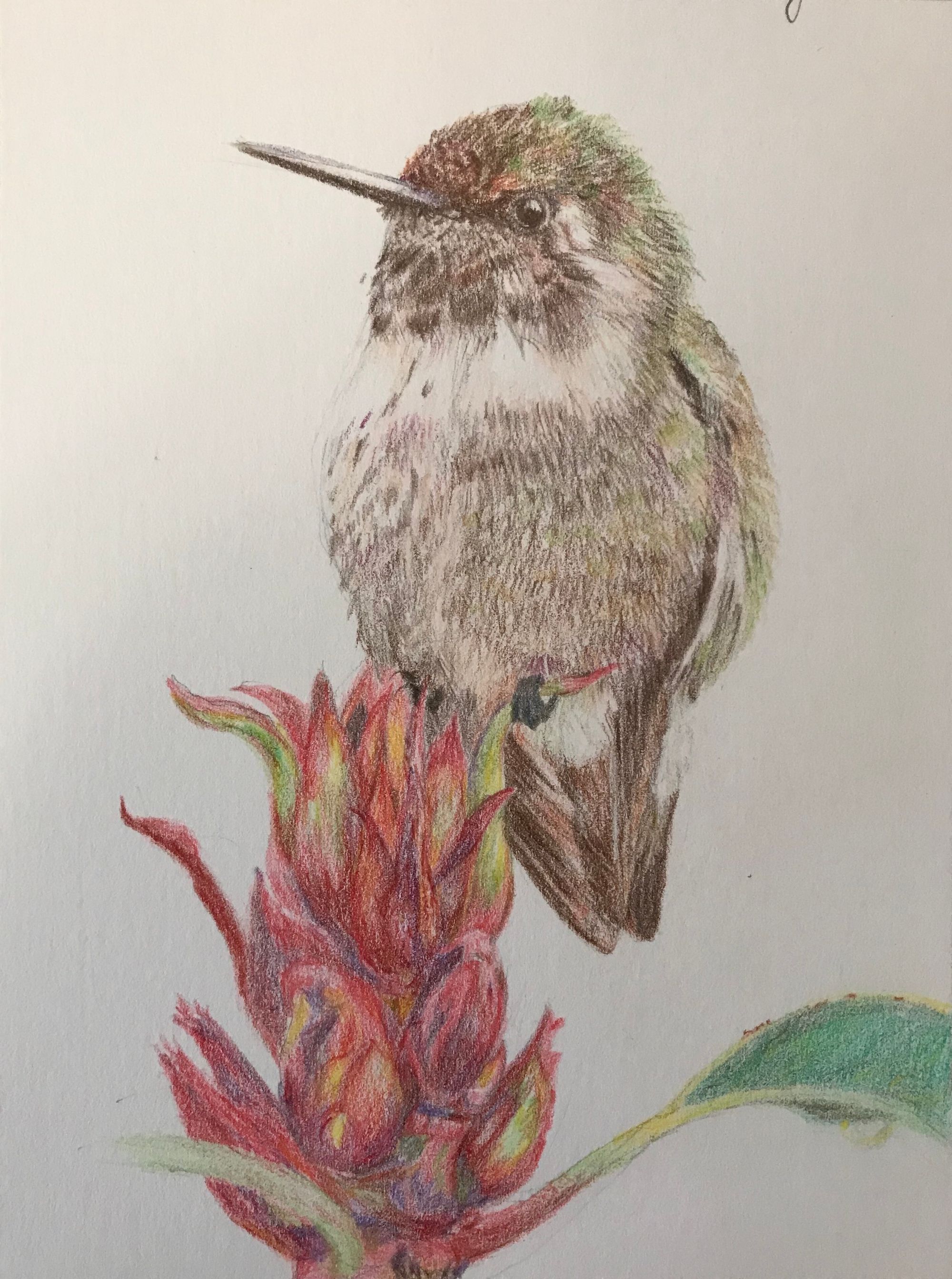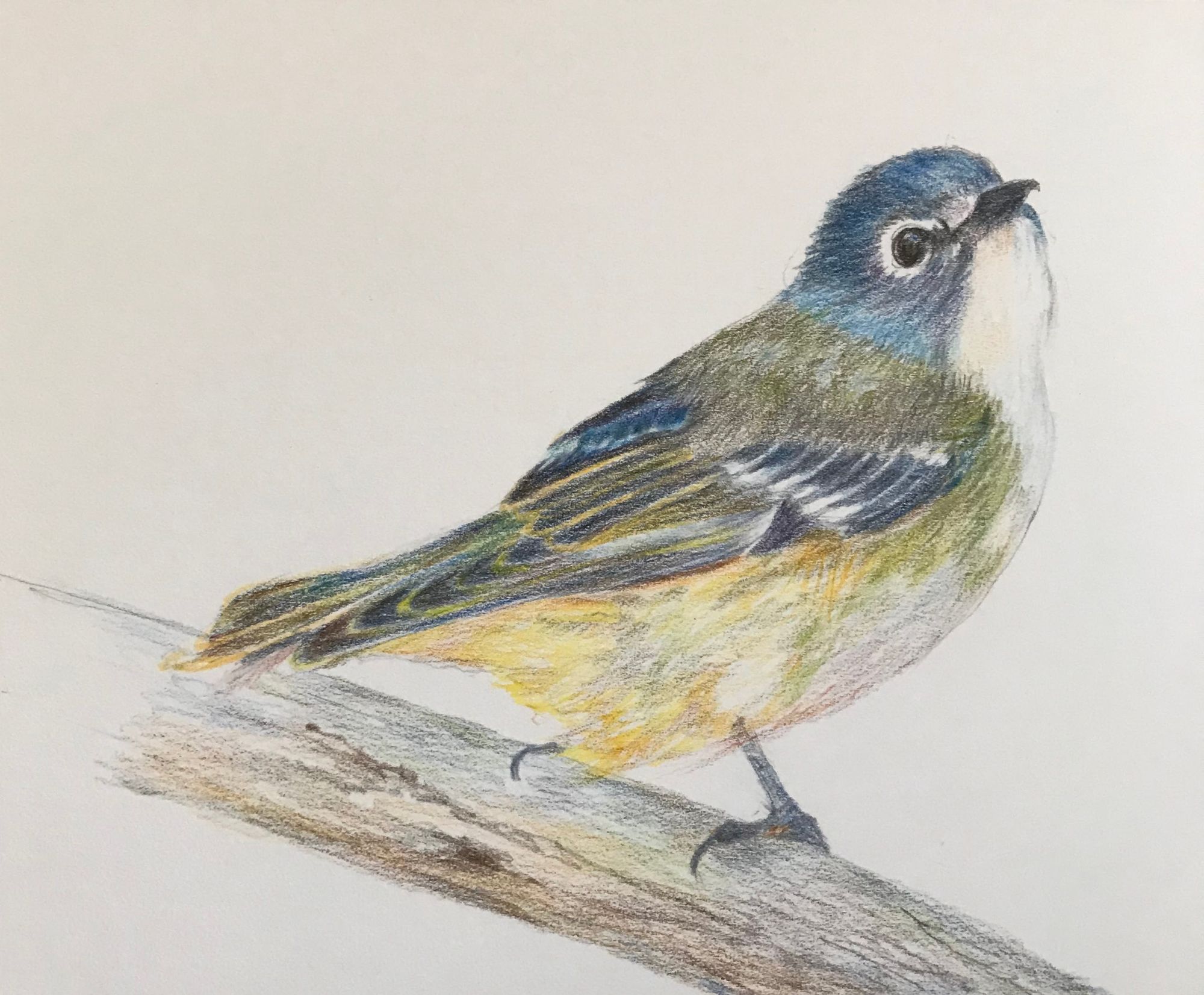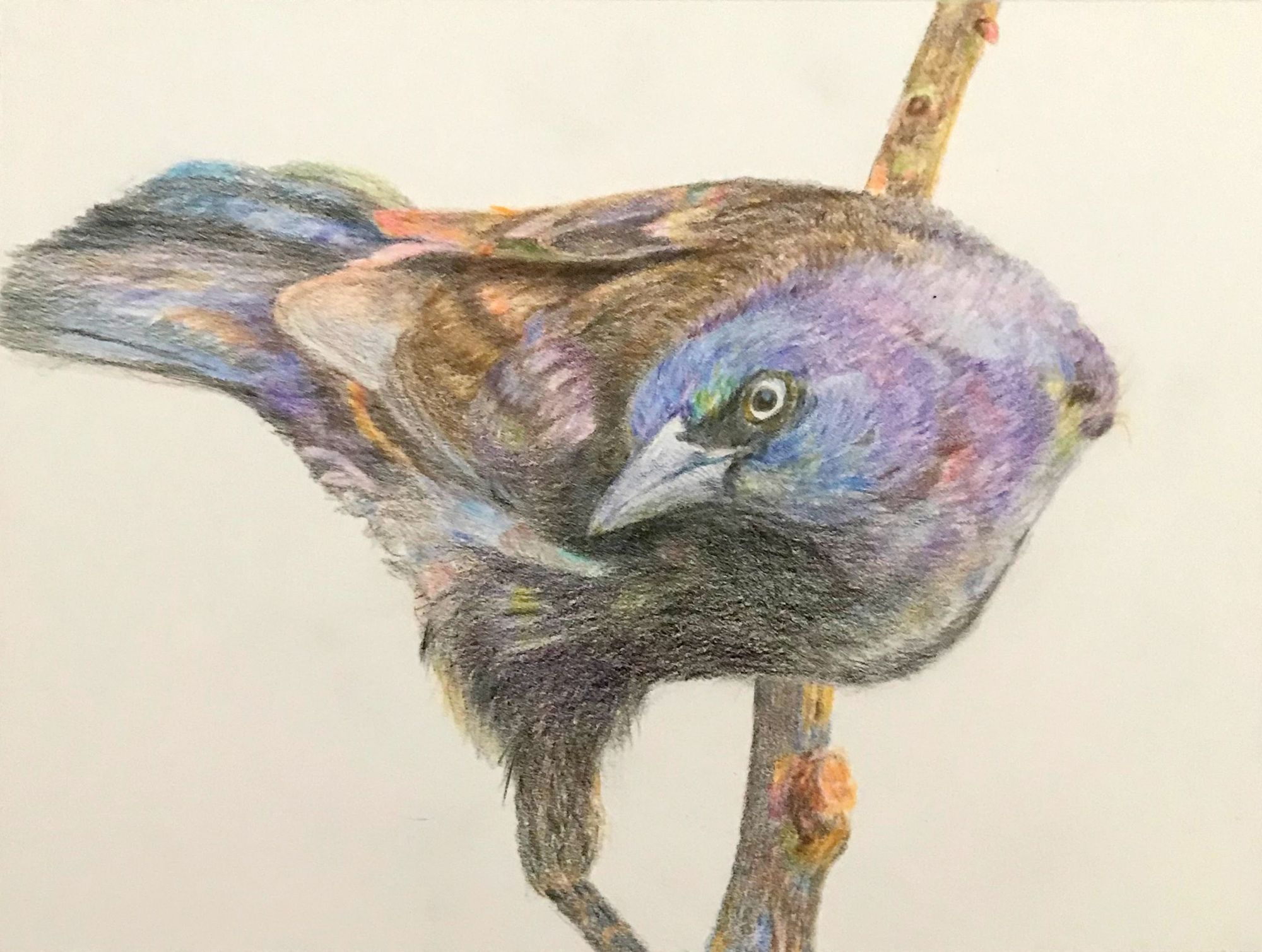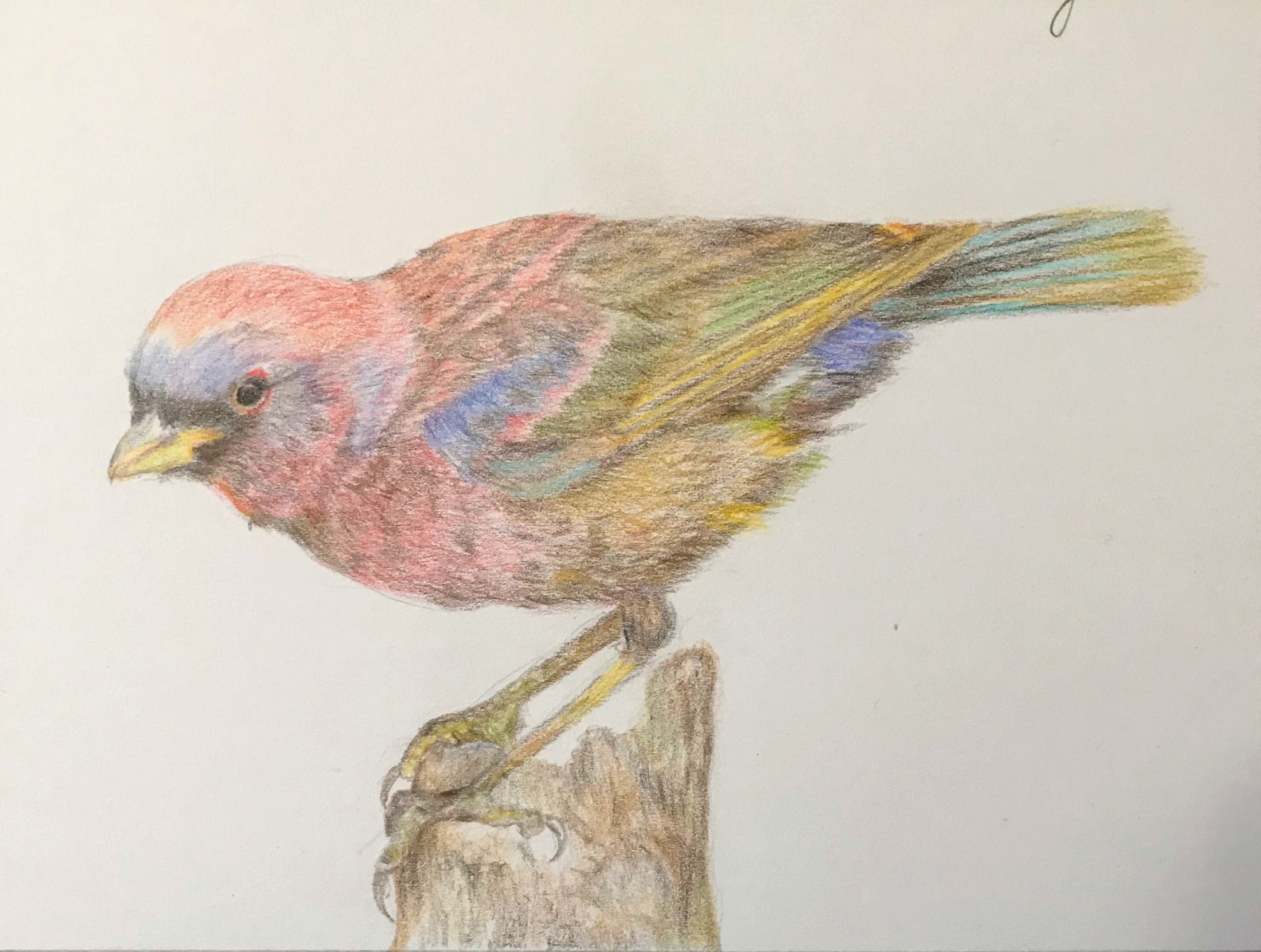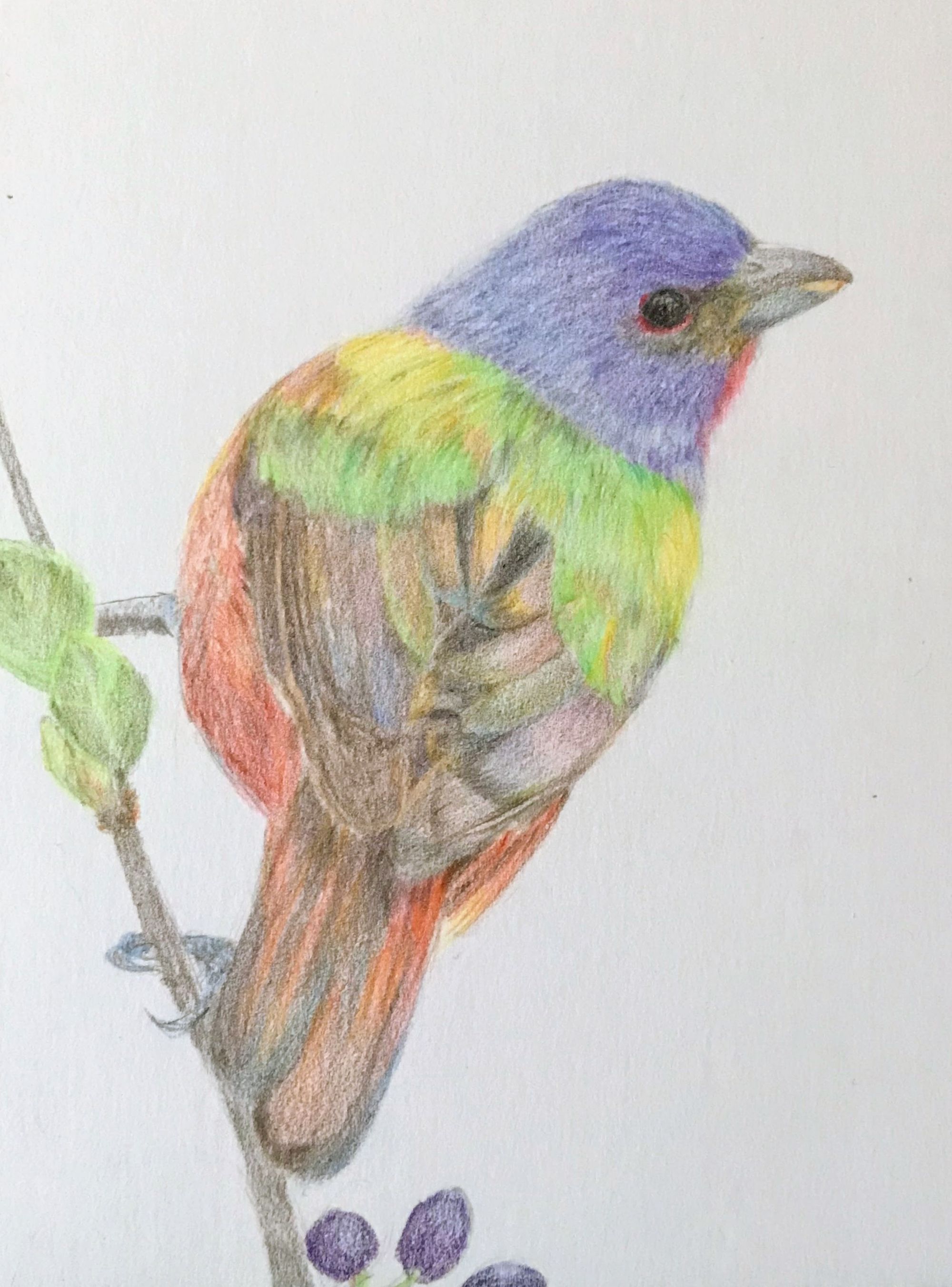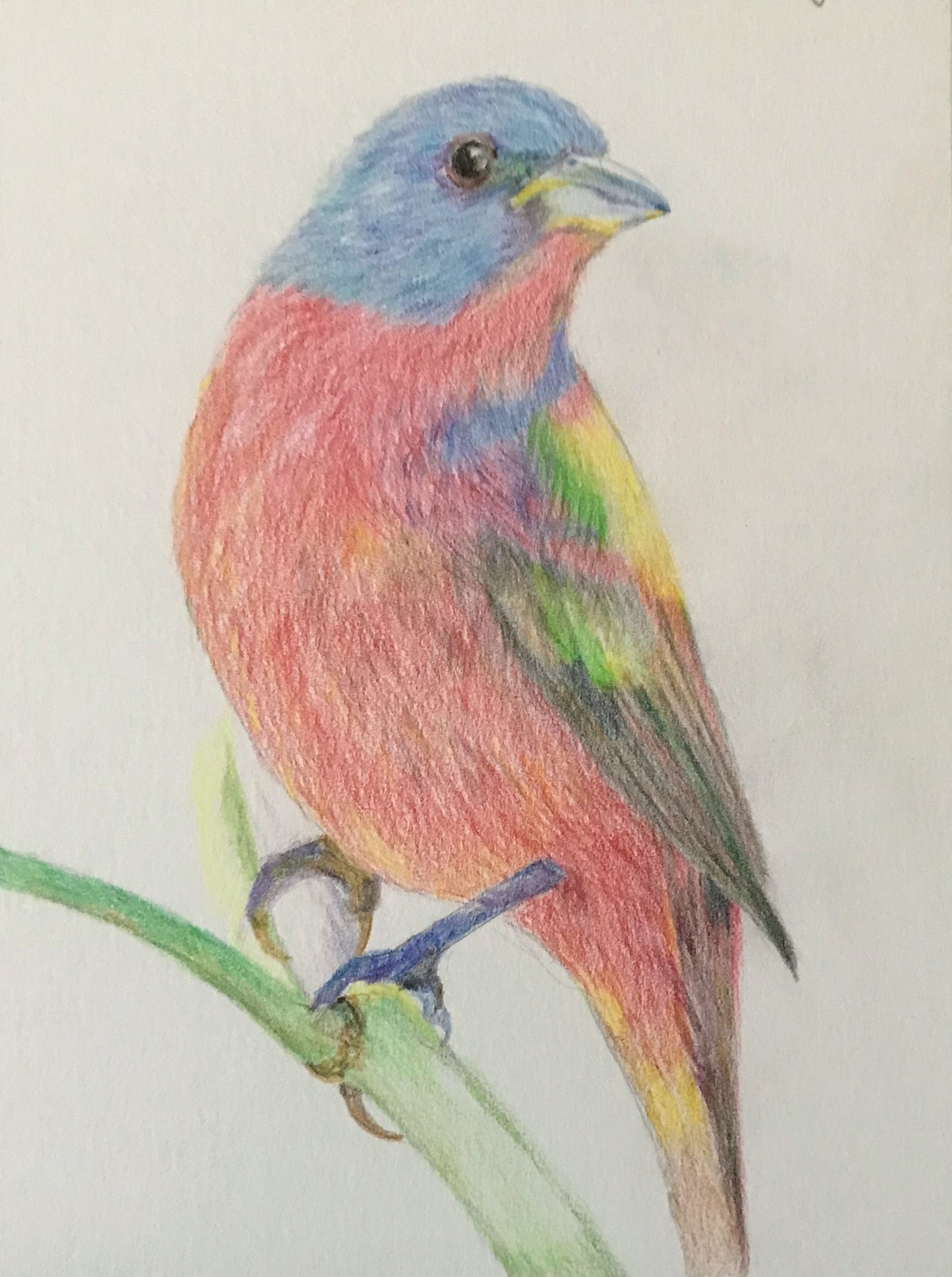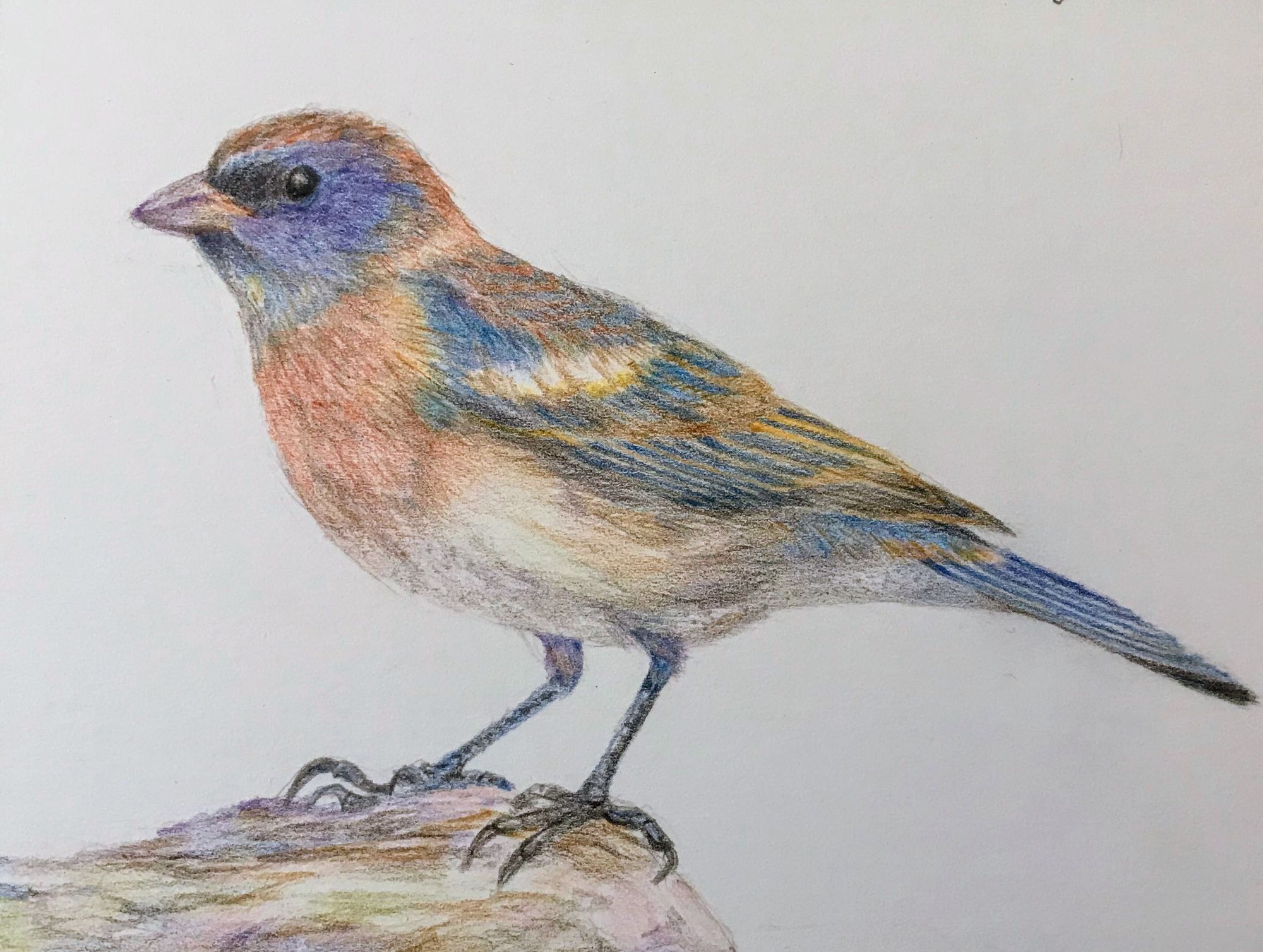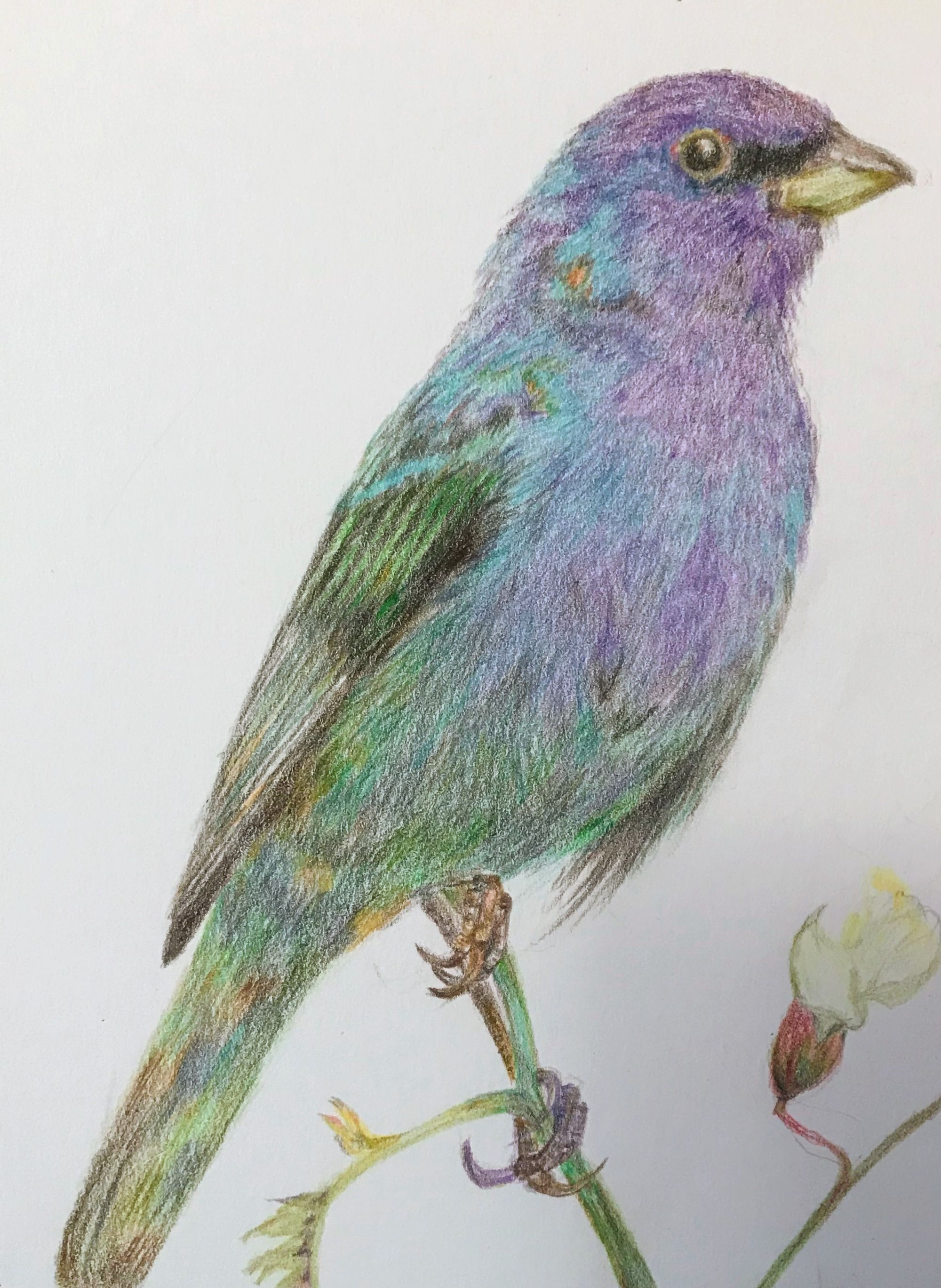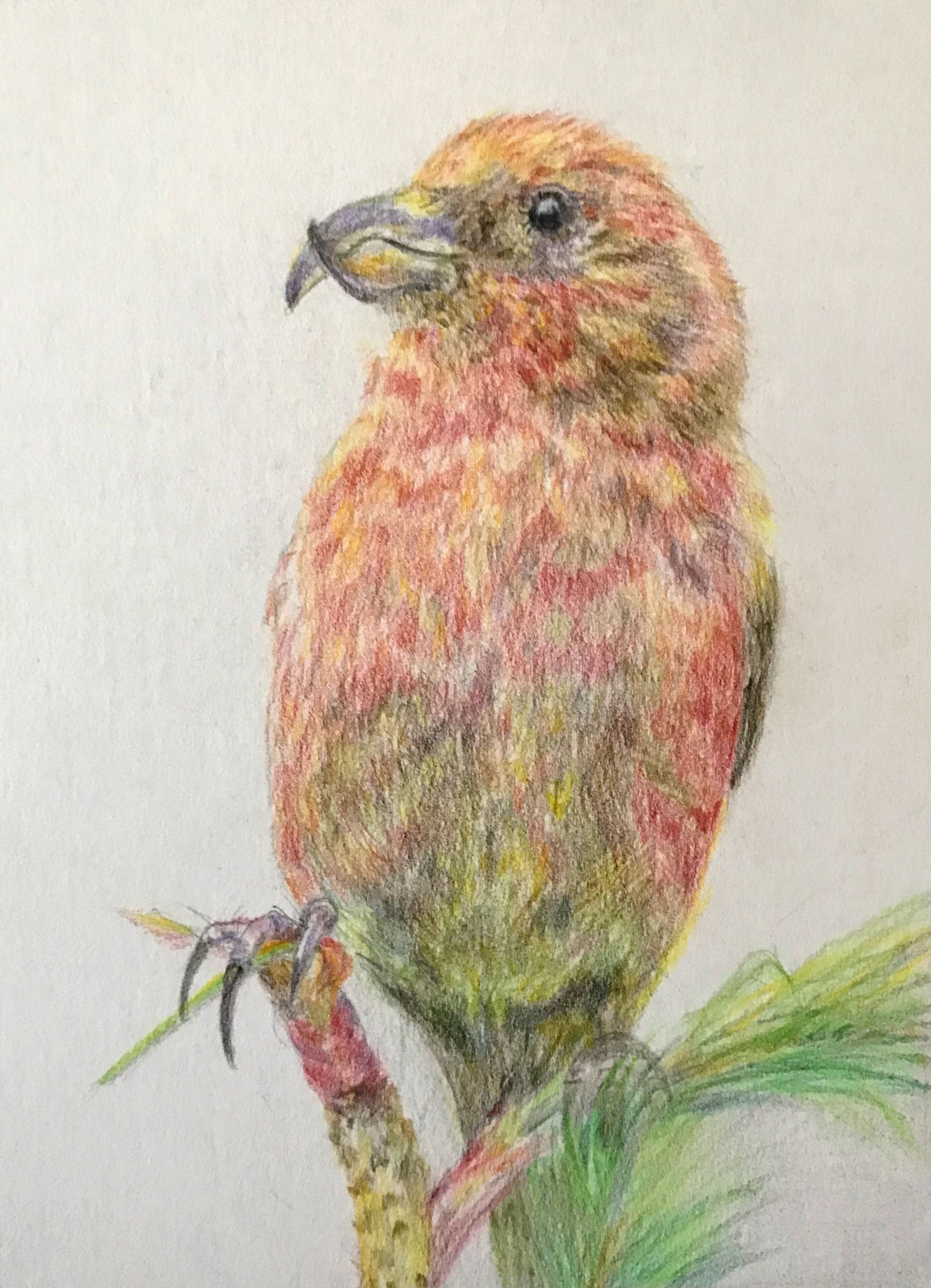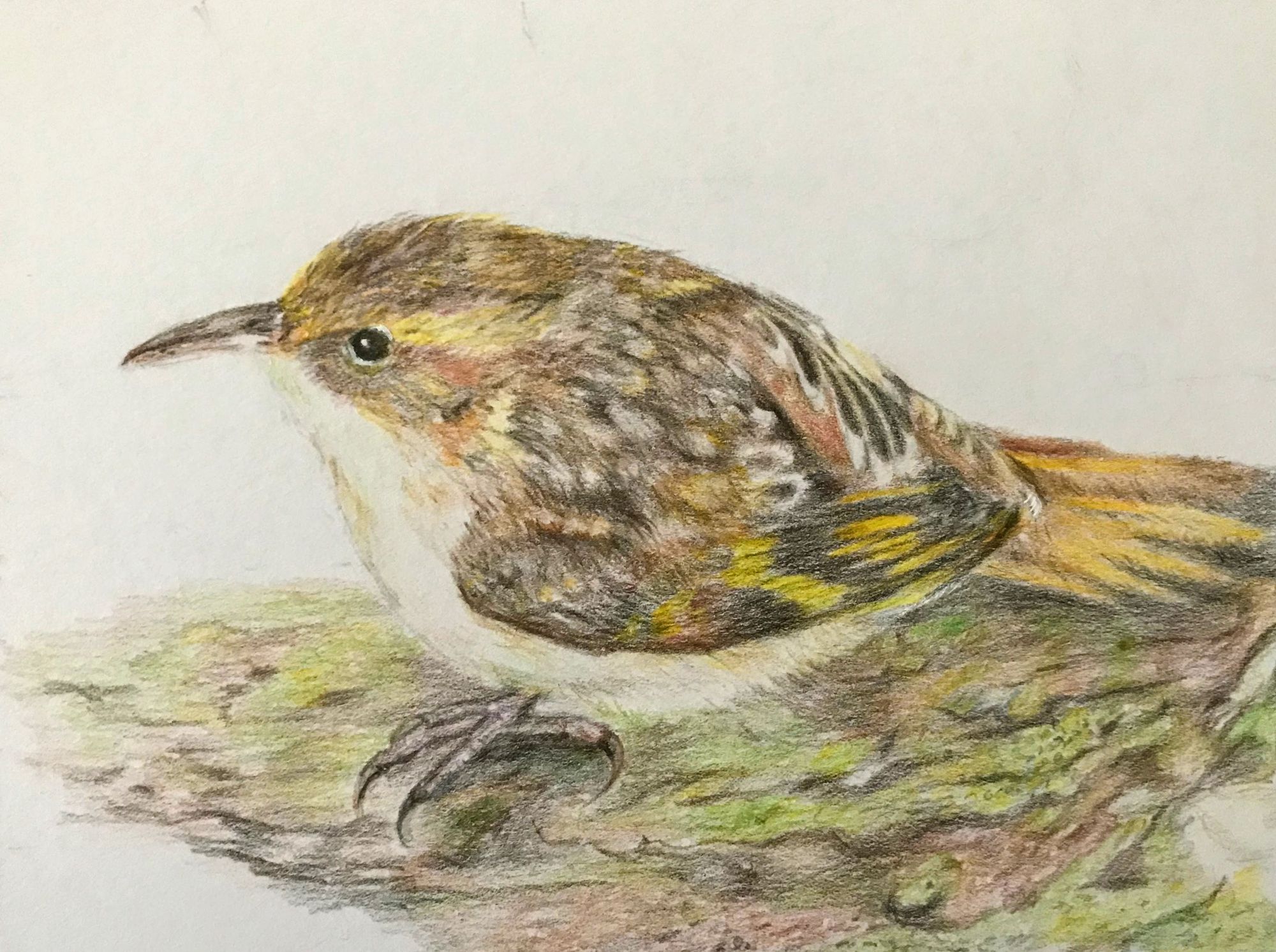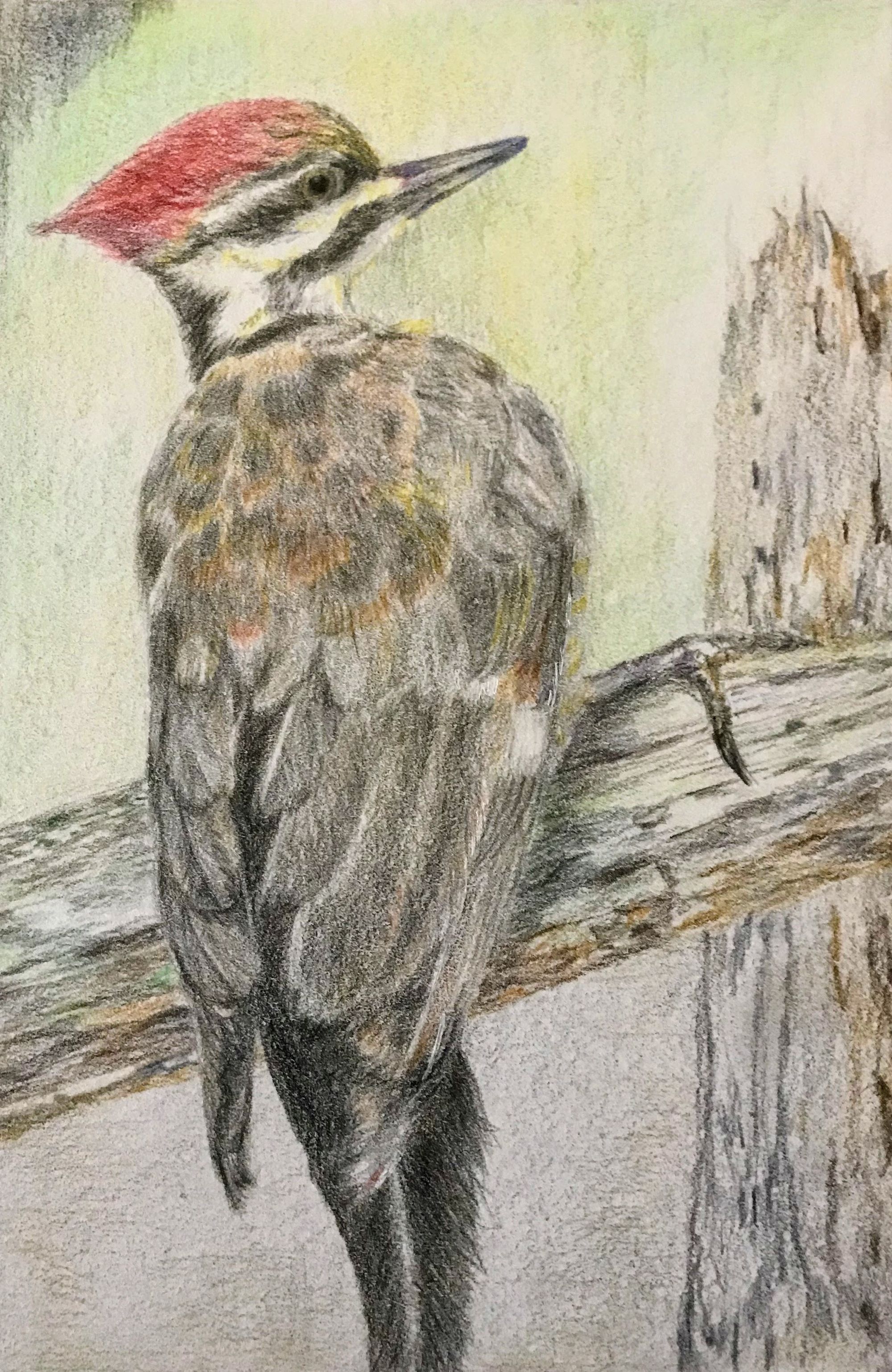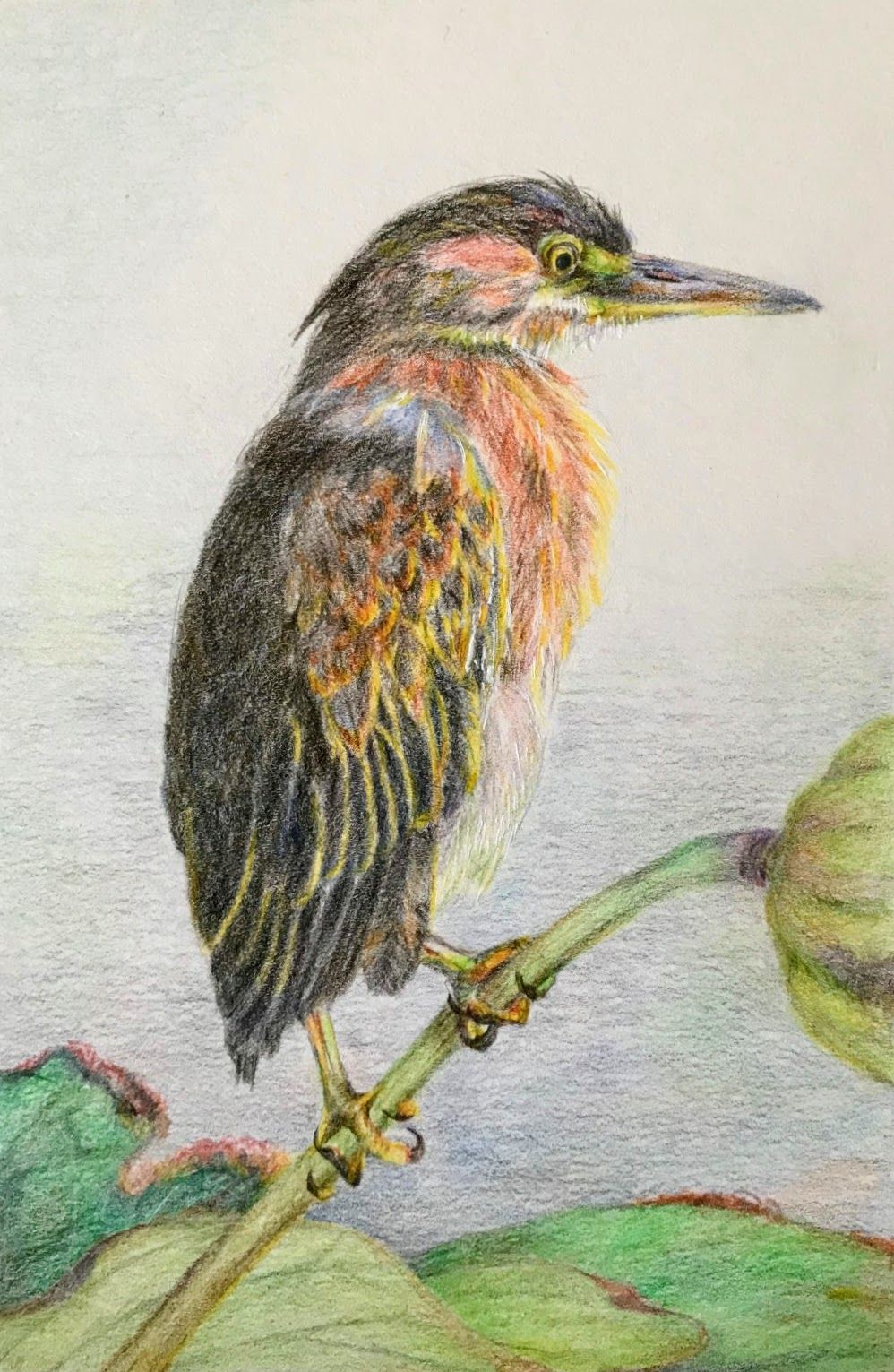

The spotted pardalote (Pardalotus punctatus) is a small, colorful bird native to eastern and southern Australia, known for its distinctive white spots and cheerful calls. It typically inhabits eucalypt forests and woodlands, where it forages for insects and sugary exudates.
Overview of the Spotted Pardalote
The spotted pardalote, scientifically known as Pardalotus punctatus, is a small bird native to eastern and southern Australia. It measures about 8 to 10 centimeters in length and is recognized for its colorful plumage, often referred to as the "diamondbird" due to its distinctive spots.
Habitat and Distribution
Geographic Range
- Found from Cooktown in Queensland to Perth in Western Australia.
- Common in coastal areas and extends to the western slopes of the Great Dividing Range.
Preferred Habitat
- Eucalypt forests and woodlands.
- Urban areas with a high density of eucalypts, such as parks and gardens.
Physical Characteristics
Appearance
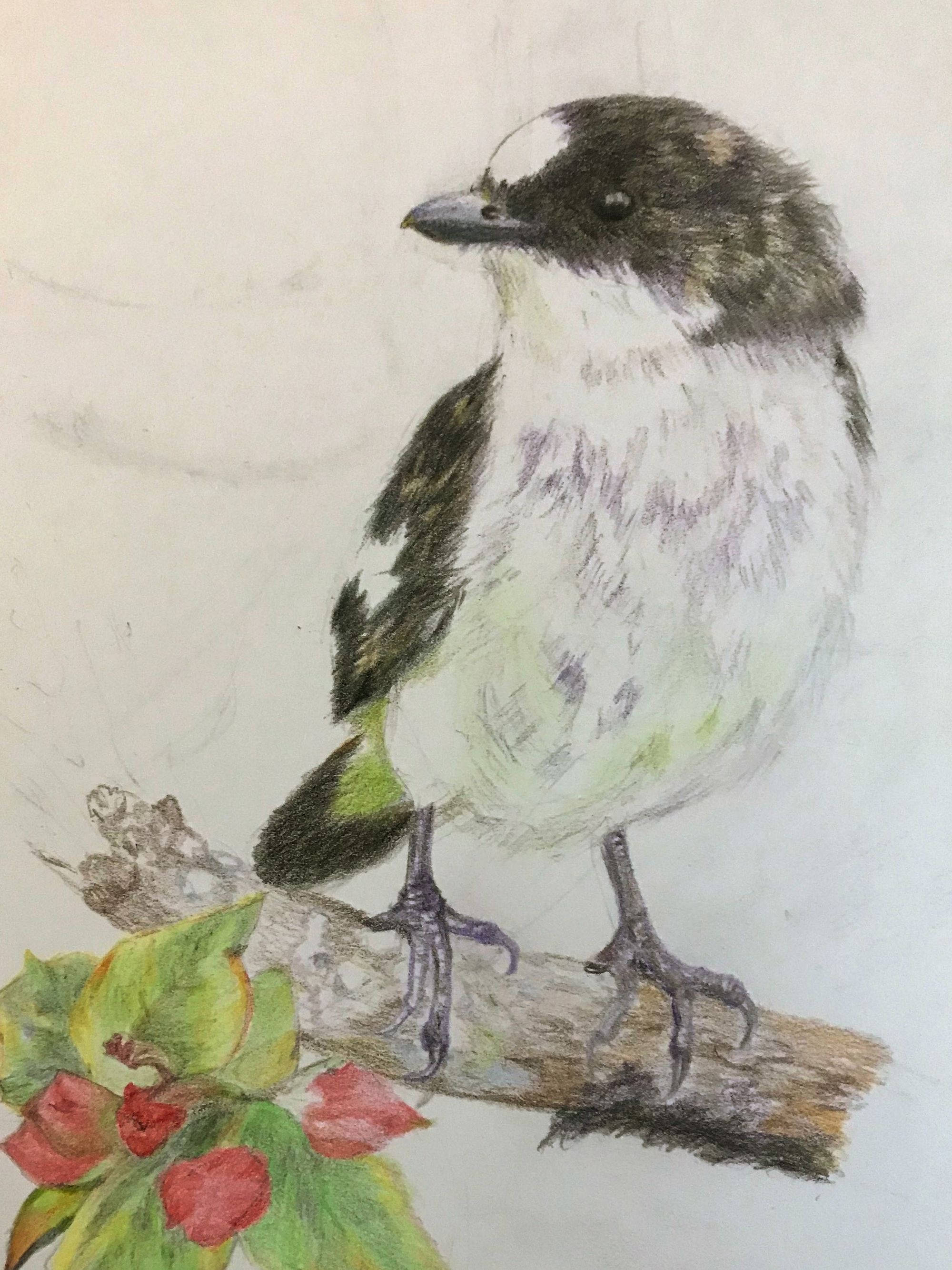
- Males have grey-brown upperparts with numerous buff spots, a black crown, and a reddish rump.
- Females are similar but have less distinct markings.
Subspecies
Three recognized subspecies include:
- Nominate Subspecies (P. punctatus punctatus): Found in southeastern Queensland to southwestern Western Australia.
- Yellow-rumped Pardalote (P. punctatus xanthopyge): Found in drier inland regions of southern Australia.
- Wet Tropics Spotted Pardalote (P. punctatus militaris): Located in coastal central-northern Queensland.
Behavior and Diet
Feeding Habits
- Forages on tree foliage for insects, particularly psyllids, and sugary exudates from leaves.
- Known for their cheerful calls, which include a repeated three-note whistle.
Nesting
- Nests are typically built in burrows in earth banks or occasionally in tree hollows.
- Both parents participate in building the nest and caring for the young.
The spotted pardalote plays a vital role in maintaining the health of eucalypt forests by controlling insect populations.